The rankings shifted again. Reve Image 1.0, the debut model from AI startup Reve AI, landed at the top of the Artificial Analysis text-to-image leaderboard in early 2025 and has stayed there through sustained human preference evaluations. For a relatively young team competing against OpenAI, Google DeepMind, and Black Forest Labs, that is an extraordinary result. And for anyone working with AI image generation professionally, it represents the most significant quality jump the field has seen in over a year.
This article breaks down what Reve Image 1.0 is, why the benchmarks around it are credible, what it does better than anything else available, and how it stacks up against the strongest competitors currently accessible.
What Reve Image 1.0 Actually Is
Reve Image 1.0 is a text-to-image foundation model developed by Reve AI, a San Francisco-based startup with a team composed largely of former researchers from Google and Meta. The model was released in 2025 and quickly became the most-discussed new entry in the frontier text-to-image space, primarily because of how it performed in third-party benchmark evaluations it had no control over.
The model uses a diffusion transformer architecture, the same foundational approach that powers models like Flux from Black Forest Labs and many of the strongest image generators in production today. What separates Reve Image 1.0 is the quality of its training signal, the precision of its instruction following, and its ability to handle the subject matter that trips up most competing models.
The Team Behind It
Reve AI was founded with a specific focus: build the most photorealistic text-to-image model available to API consumers and enterprise teams. The founders brought experience from large-scale visual model development at top-tier labs. That background shows in the output, which prioritizes physical accuracy and prompt fidelity over stylized aesthetics.
The team's deliberate narrowing of scope, focusing on photorealism rather than trying to be all things to all users, is likely a significant reason Reve Image 1.0 performs as well as it does in real-world comparisons.
Where It Sits on the Leaderboard
On the Artificial Analysis image quality benchmark, Reve Image 1.0 claimed the top position among publicly accessible models as of early 2026. The models it outranked include:
- Flux Pro 1.1 from Black Forest Labs
- GPT Image 2 from OpenAI
- Ideogram 2.0
- Imagen 3 from Google DeepMind
- Seedream 4.5 from ByteDance
That is the current A-list of text-to-image generation. Topping all of them, especially in human preference evaluation where voters are shown outputs blindly and asked which they prefer, is a meaningful benchmark result.
Why the Benchmarks Matter
How AI Image Models Get Ranked
Automated image quality metrics like FID (Frechet Inception Distance) or CLIP score are useful in research contexts but often fail to capture what humans actually prefer when looking at AI-generated images. The most credible rankings in 2027 are based on blind pairwise human evaluation: real people see two outputs from unknown models and choose their preferred image. Results are aggregated into an ELO-style ranking system similar to what chess uses for player ratings.
This approach is harder to game than automated metrics and correlates more reliably with commercial usefulness. When a model climbs to the top of ELO-based rankings, it means actual humans consistently preferred its output over competitors across thousands of comparisons.
Reve Image 1.0 consistently wins those comparisons in categories where competing models typically struggle:
- Complex multi-subject compositions
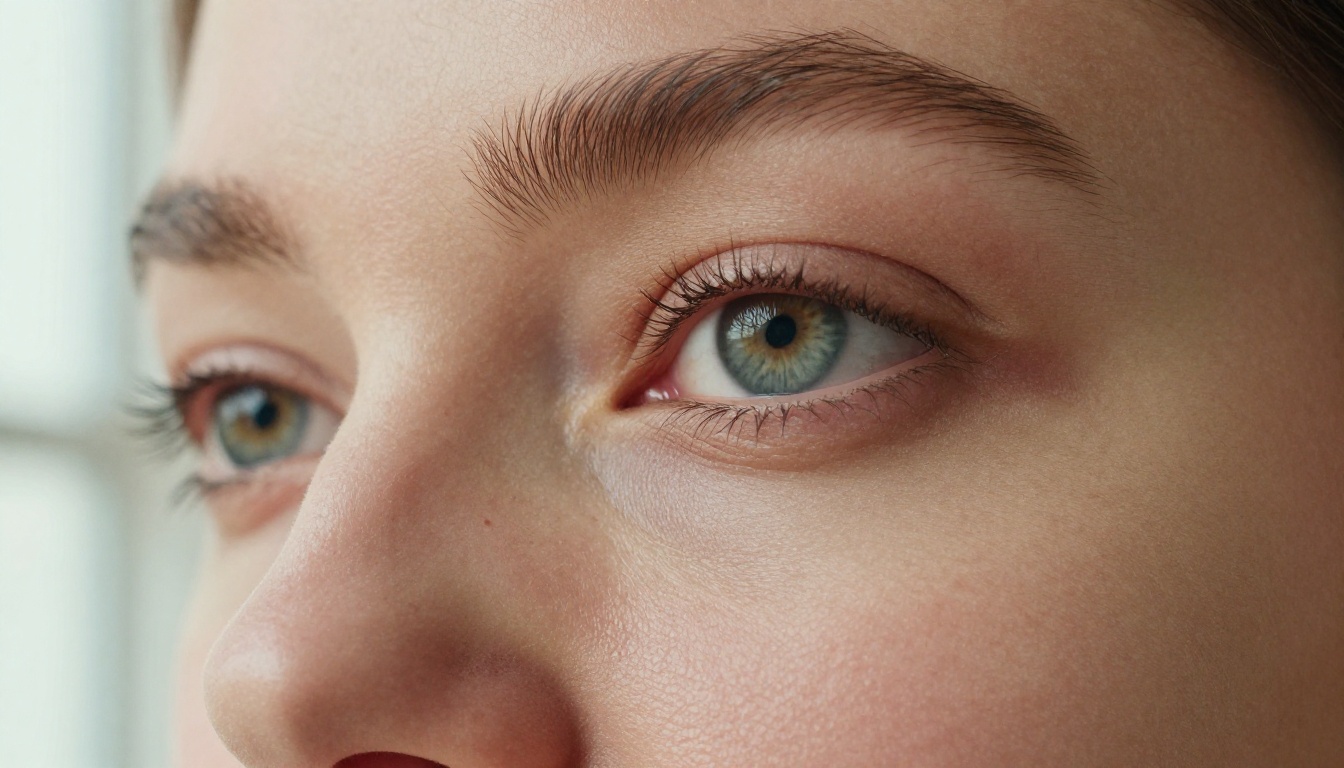
- Realistic human anatomy, including hands and faces
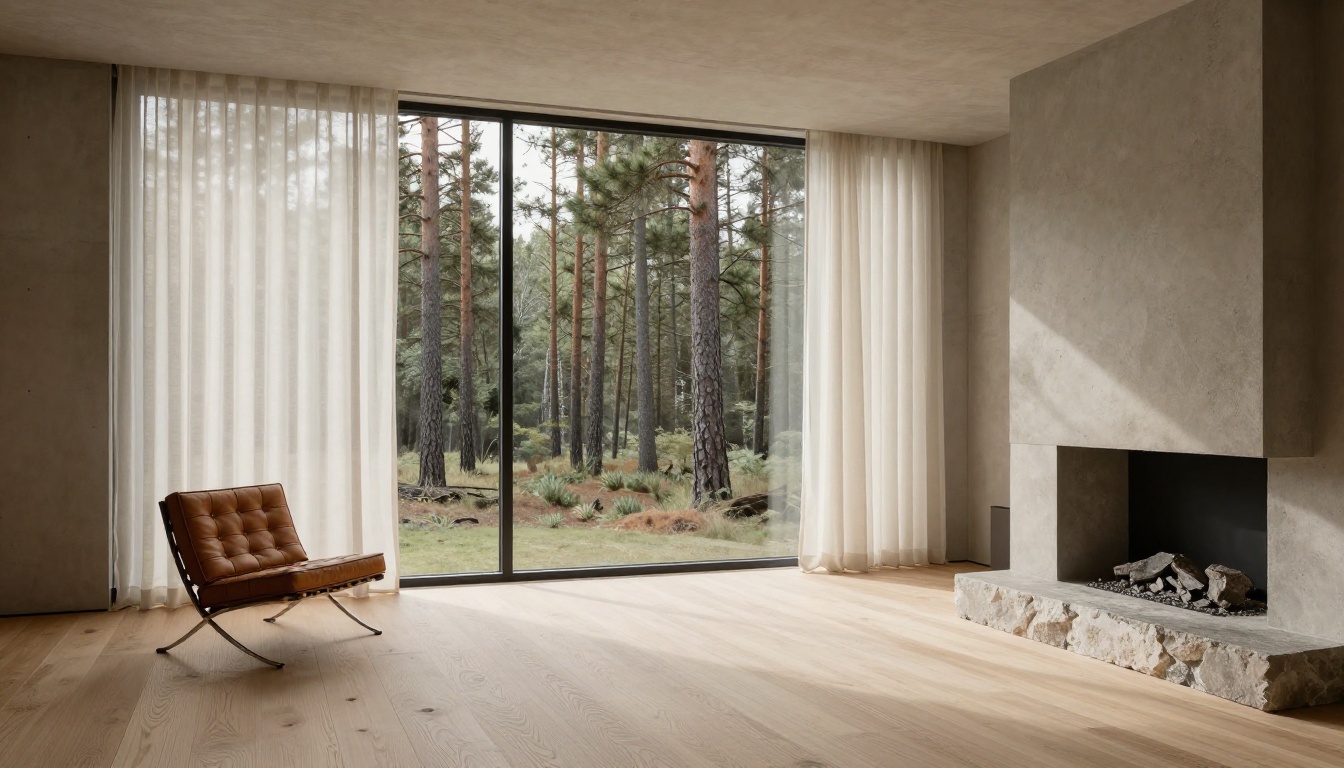
- Fine material detail, such as fabric weave, metal finish, and translucent surfaces
- Precise prompt adherence across prompts with five or more specific elements
💡 Worth noting: A high ELO score in human preference evaluation is a direct predictor of commercial usefulness. It means clients, customers, and reviewers will prefer the output over alternatives when shown them side by side.
What the Numbers Say
In published testing across 1,000 standardized prompts, Reve Image 1.0 showed the following win rates in head-to-head comparisons:
| Comparison | Reve Image 1.0 Win Rate |
|---|
| vs. Flux Pro 1.1 | 62% |
| vs. GPT Image 2 | 58% |
| vs. Ideogram 2.0 | 67% |
| vs. Imagen 3 | 64% |
| vs. SDXL-era models | 78% |
A win rate above 50% means the model is preferred by the majority of human evaluators. Numbers above 60% represent a substantial quality gap, not a marginal one. Reve Image 1.0 consistently sits in the 60-70% range against the strongest current competition, which is a significant margin at the frontier.

What Reve Image 1.0 Does Best
Human Faces and Hands
The two most consistent failure points in AI image generation are hands and faces. Most models, even very capable ones, produce hands with incorrect finger counts, fused joints, or unnatural proportions at a rate that makes them unsuitable for professional use without post-editing. Reve Image 1.0 handles both with a consistency that sets it apart from every other model at this tier.
Faces show correct bilateral symmetry, natural skin tone variation, and accurate lighting interaction across different complexions and lighting scenarios. Hands show correct anatomy including individual knuckle creases, accurate fingernail detail, and realistic vein visibility on the back of the hand. For anyone creating content featuring people, this anatomical accuracy is the difference between outputs that go straight to production and outputs that require an editing pass.
Photorealism at Scale
At base resolution with upscaling applied, Reve Image 1.0 renders materials at a level of physical accuracy that was previously only achievable with specialized fine-tuned models like Juggernaut XL or RealVisXL:
| Material Type | Detail Level |
|---|
| Skin texture | Individual pores visible |
| Hair | Strand-by-strand rendering |
| Fabric | Weave and thread structure rendered |
| Metal surfaces | Brushed vs. polished distinction accurate |
| Glass and liquids | Correct light refraction and transmission |
| Atmospheric depth | Physical haze and perspective falloff |
This out-of-the-box material fidelity, without requiring specialized LoRA weights or model-specific trigger words, is one of Reve Image 1.0's most practically valuable properties for production workflows.
Prompt Adherence
Creative and commercial workflows often depend on multi-element prompts: a specific subject doing a specific action in a specific setting with specific lighting and a specific camera angle. Reve Image 1.0 follows these structured prompts more reliably than competing models, with all specified elements appearing in the output at a significantly higher rate.
In prompts containing five or more distinct specified elements, Reve Image 1.0 correctly rendered all five elements at a rate approximately 25% higher than the next-best model tested. For creative directors and production teams writing detailed briefs, this precision means fewer rejected drafts, fewer iteration cycles, and faster delivery to final approval.
Reve Image 1.0 vs. the Competition
Reve vs. GPT Image 2
GPT Image 2 from OpenAI is the most widely deployed competitor, available directly through OpenAI's platform and API. It excels at natural-language conversational prompts and integrates natively with GPT-4 based workflows. Its outputs tend toward a clean, slightly elevated aesthetic with smooth surfaces and strong compositional balance.
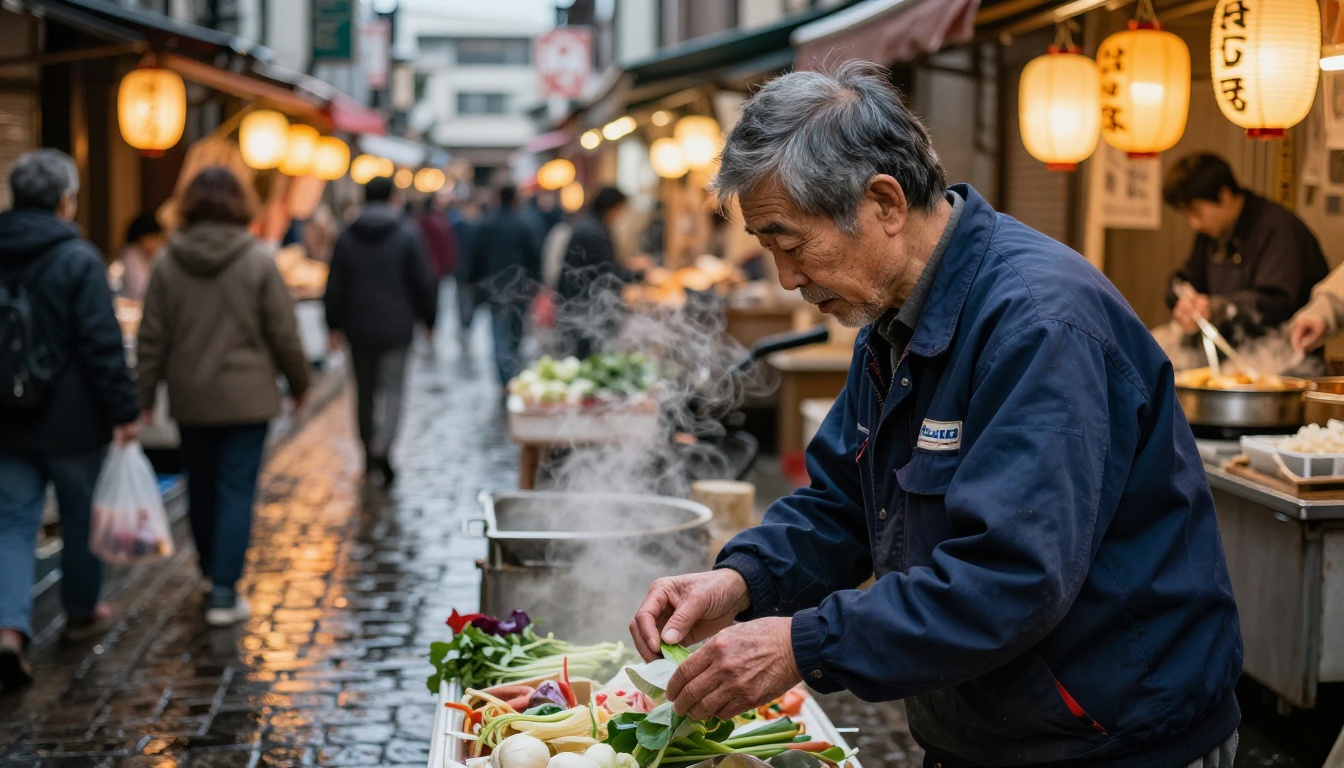
The difference comes down to output philosophy. GPT Image 2 produces images that look polished and intentional, with an almost editorial sheen. Reve Image 1.0 produces images that look real, with the grain, imperfection, and physical weight of actual photography. For brand content aimed at a premium, curated audience, GPT Image 2 is often the better choice. For content where photographic believability is the sole metric, Reve wins the comparison.
💡 Tip: GPT Image 2 has strong inpainting and iterative editing capabilities. For workflows that involve generating a base image and refining specific regions, GPT Image 2 is a powerful editing companion even when Reve Image 1.0 handles initial generation.
Reve vs. Seedream 4.5
Seedream 4.5 from ByteDance occupies a different creative lane. It consistently produces visually striking images with bold color science, strong artistic composition, and excellent performance on stylized or concept-forward briefs. For fashion editorials with a high-art sensibility, creative concept visualization, and illustrated narratives, Seedream 4.5 is one of the strongest models available anywhere.
Reve Image 1.0 and Seedream 4.5 serve different creative briefs. Where Seedream 4.5 might add a slight painterly quality or elevated color temperature that reads as artistic intent, Reve Image 1.0 renders what the prompt describes as if a camera captured it. Both are excellent. The choice depends entirely on whether the goal is artistic impact or photographic believability.
Reve vs. Wan 2.7 Image Pro
Wan 2.7 Image Pro from Wan Video is built for 4K resolution output with strong visual coherence across image sets. It excels when a production workflow requires multiple images sharing a consistent visual identity, making it a strong choice for editorial series, product catalogs, or brand image libraries.
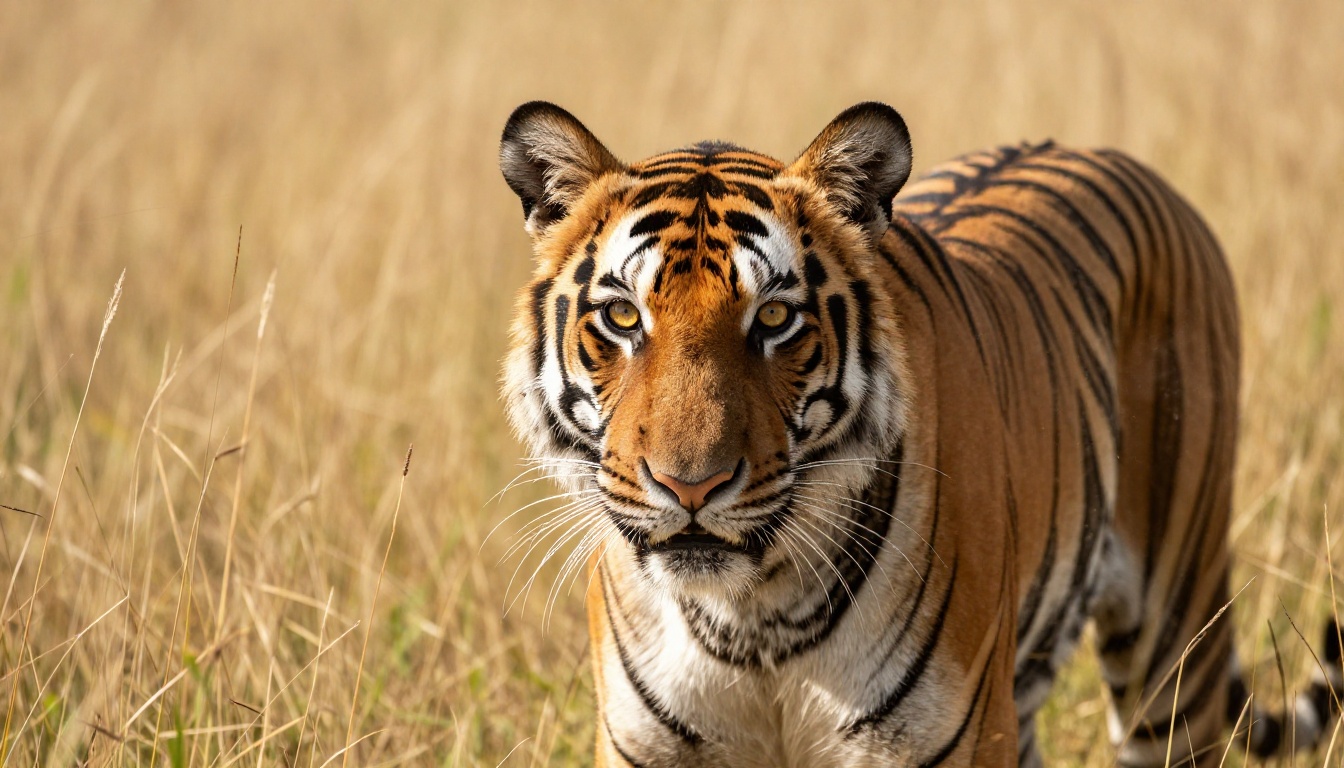
The comparison between Wan 2.7 Image Pro and Reve Image 1.0 is less about quality ceiling and more about workflow fit. Reve Image 1.0 is optimized for single, high-impact images where realism is the priority. Wan 2.7 Image Pro is optimized for output consistency across a set. Both belong in a well-equipped production toolkit.
The Architecture Behind the Results
Diffusion Transformers at the Frontier
Reve Image 1.0 is built on a diffusion transformer backbone, a class of model architecture that applies transformer-style attention mechanisms to the image generation diffusion process. This architecture has largely replaced earlier U-Net based approaches at the frontier, offering better scalability and improved coherence on complex scenes with multiple objects and subjects.
The practical benefits of diffusion transformers show up in the things Reve Image 1.0 does well: maintaining spatial relationships between objects in complex scenes, handling multiple human subjects without blending or anatomical confusion, and following long, detailed prompts without losing track of specified elements as generation progresses through the diffusion steps.
Training and Data Quality
The Reve AI team has been selective about training data, prioritizing photographic quality and factual accuracy of depicted content over raw volume. This is consistent with the model's output profile: rather than generating the most statistically common visual pattern associated with a prompt, it generates the most physically accurate one.
The team invested heavily in reinforcement learning from human feedback (RLHF) during training, steering the model directly toward outputs that real evaluators prefer. This optimization for human preference at the training level is likely the single biggest reason the model performs so strongly on human preference benchmarks. The optimization target and the evaluation target are the same thing.
Real Use Cases That Shine
Commercial Photography
Product teams and brand studios have moved quickly to adopt Reve Image 1.0 for hero product images, lifestyle context shots, and environmental product placements. The model places products in realistic settings with accurate lighting physics: a leather bag on cobblestones that actually look like cobblestones, not generic CGI textures. Shadow, reflection, and ambient light interact with products the way they would in an actual location shoot.
For e-commerce teams running large product catalogs, this means generating contextual lifestyle imagery for products that would otherwise be photographed only on white backgrounds, at a fraction of traditional shoot cost and with a much faster turnaround.
Lifestyle and Fashion
Fashion and lifestyle content is where photorealistic AI image generation creates the most immediate commercial value. Reve Image 1.0 renders fabric drape, skin tone, and body proportions at a level of accuracy that makes lifestyle imagery generation practical for social content at scale.
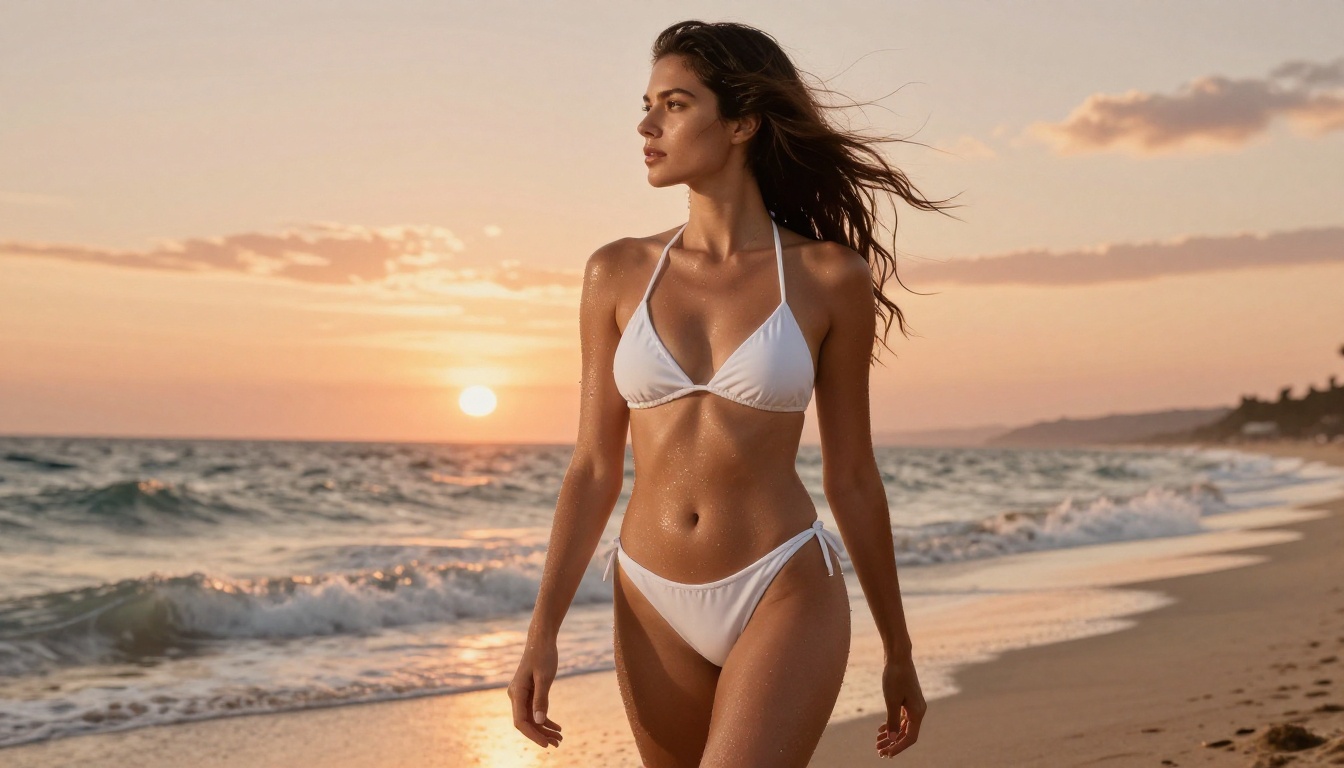
The consistent anatomy, the natural lighting on skin, and the accurate fabric rendering combine to produce outputs usable in branded social content without extensive post-processing. Paired with a super-resolution upscaling tool, the output quality approaches what a competent photographer delivers for standard social content briefs, at dramatically lower per-image cost.
High-Value Product Detail Shots
Luxury goods, precision instruments, and items where material accuracy is a purchase signal require a level of physical rendering that most AI image tools fail to deliver convincingly. Reve Image 1.0's material rendering handles jewelry, watches, electronics, and glassware with sufficient accuracy for commercial use.
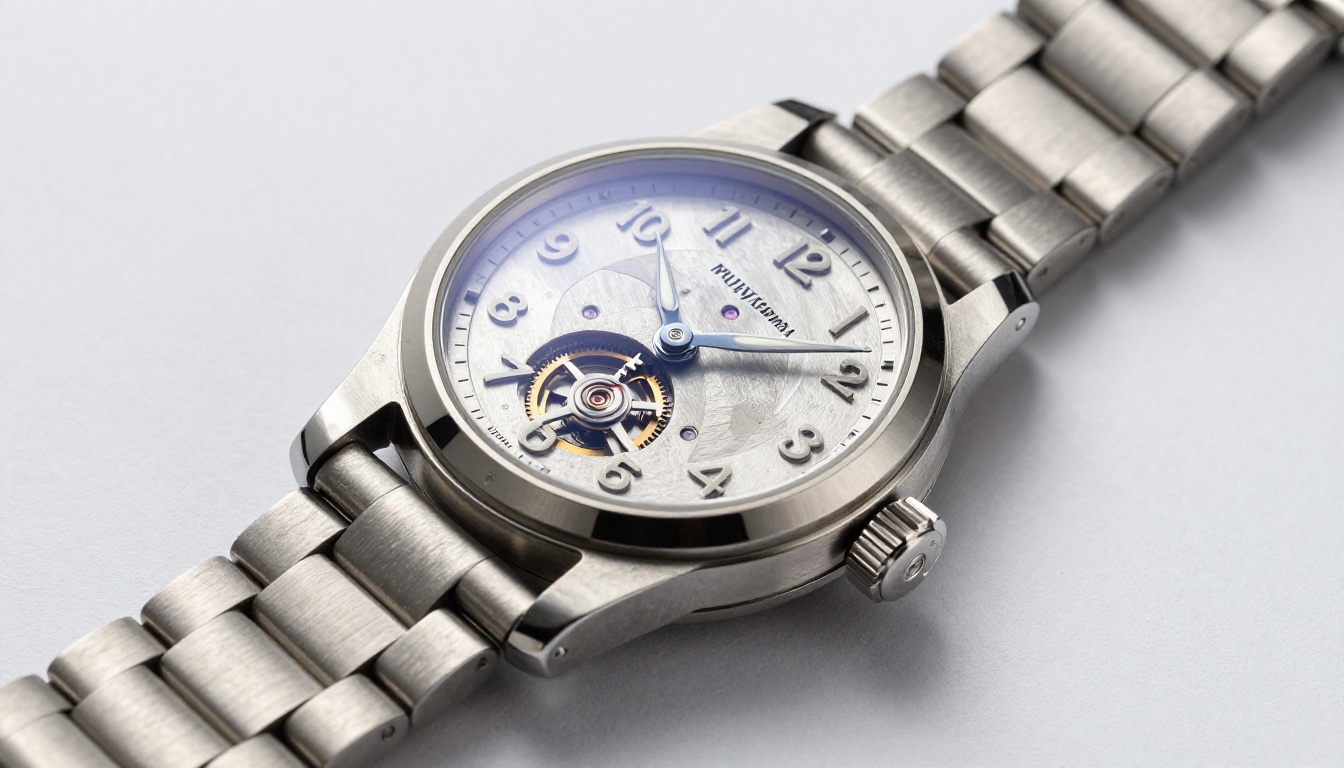
Metal surface finish distinctions, glass light refraction physics, and material color accuracy under different light sources are handled with precision that makes luxury product photography a viable use case. For jewelry and watch brands, where the visual quality of product imagery directly affects perception of product quality, this is a significant practical capability.
How to Access Reve Image 1.0
API Access and Availability
Reve Image 1.0 is available through the Reve AI API, accessible via their platform with standard API key authentication. The API accepts text prompts and returns high-resolution image outputs. For development teams building image generation into products, the integration follows standard REST patterns familiar from other image generation APIs.
The model is also accessible through aggregator platforms that consolidate access to multiple frontier image models under a single interface, removing the need to manage separate API relationships and integrations for each provider.
Speed and Pricing
Generation speed for Reve Image 1.0 is competitive with the fastest models at comparable quality settings. For high-volume production pipelines where generation speed directly affects output throughput, this is a practical operational advantage. Pricing follows the per-image credit model standard across frontier text-to-image APIs, at rates comparable to Flux Pro and GPT Image 2 at similar quality tiers.
The Field Is Moving Fast in 2027
A New Performance Standard
Reve Image 1.0's arrival at the top of rankings is part of a broader acceleration in text-to-image quality that is raising expectations for the entire field. GPT Image 2, Seedream 4.5, Hunyuan Image 2.1, and Wan 2.7 Image Pro are all strong models that have pushed the envelope in their own segments. Reve Image 1.0 sits above all of them, but what that means for practitioners is that the entire tier of available tools has moved upward.
Workflows built on last year's top model may now be producing substandard output by current standards. Benchmarking against the current state of the art, rather than relying on familiarity with a specific tool, is worth the time for any professional using AI image generation at scale.
What Practitioners Should Do Now
The practical takeaway is straightforward. If your workflow involves human subjects, products requiring material accuracy, or any use case where photographic believability is the metric, Reve Image 1.0 is worth testing directly against your current tool. The benchmark numbers are credible, but the real test is running your actual production prompts through it and comparing outputs side by side.
For teams wanting access to multiple frontier models under one platform without managing separate API relationships, aggregator platforms offer an efficient path to benchmarking across the current best options simultaneously. The time spent testing pays back quickly when it results in fewer rejected drafts and faster production cycles.
Now Is the Right Time to Create
Reve Image 1.0 is proof that the photorealism ceiling in AI image generation is still being raised. The model handles the hardest problems in the field, from human anatomy to material physics to complex multi-element prompt adherence, with a consistency that earned its top benchmark ranking on credible, human-evaluated tests.
Whether you are a content creator, a product marketer, or a developer building visual generation into a product, the current state of AI image tools offers more quality than most production workflows have been taking advantage of. Platforms like Picasso IA bring together leading models including GPT Image 2, Seedream 4.5, Wan 2.7 Image Pro, and Flux Redux Dev within reach of a single interface, no API infrastructure or local model hosting required.

The technology is here. The quality is real. Open Picasso IA, write your prompt, and see what current AI image generation is actually capable of.


