The creative freedom that adults expect from AI tools keeps running into one wall: content filters. Seedance 2.0, ByteDance's video generation model, is powerful for mainstream work but consistently refuses requests that fall outside its strict moderation policies. If you're an adult creator, a photographer generating artistic glamour content, or someone who simply wants to work without arbitrary restrictions, you've probably already hit that wall.
This article breaks down the best uncensored AI alternatives to Seedance 2.0, with a focus on image generation tools that actually respect adult creative freedom. No workarounds that stop working next week. Just real tools that deliver.
What Seedance 2.0 Won't Do
The Moderation Problem
Seedance 2.0 is built by ByteDance, a company operating under significant regulatory pressure across multiple markets. The result is a model with conservative content policies baked in at the architecture level. This isn't a settings issue you can toggle off. The restrictions cover:
- Any suggestive or bikini-level content
- Artistic nudity, even in clearly fine-art contexts
- Romantic or intimate scenarios between adults
- Content that references adult themes, even abstractly
For professional creators, this is a serious limitation. Video game concept artists, adult fiction illustrators, and glamour photographers using AI as a mood board tool are all blocked by the same policy wall.
Why Image Generation Wins for Adults
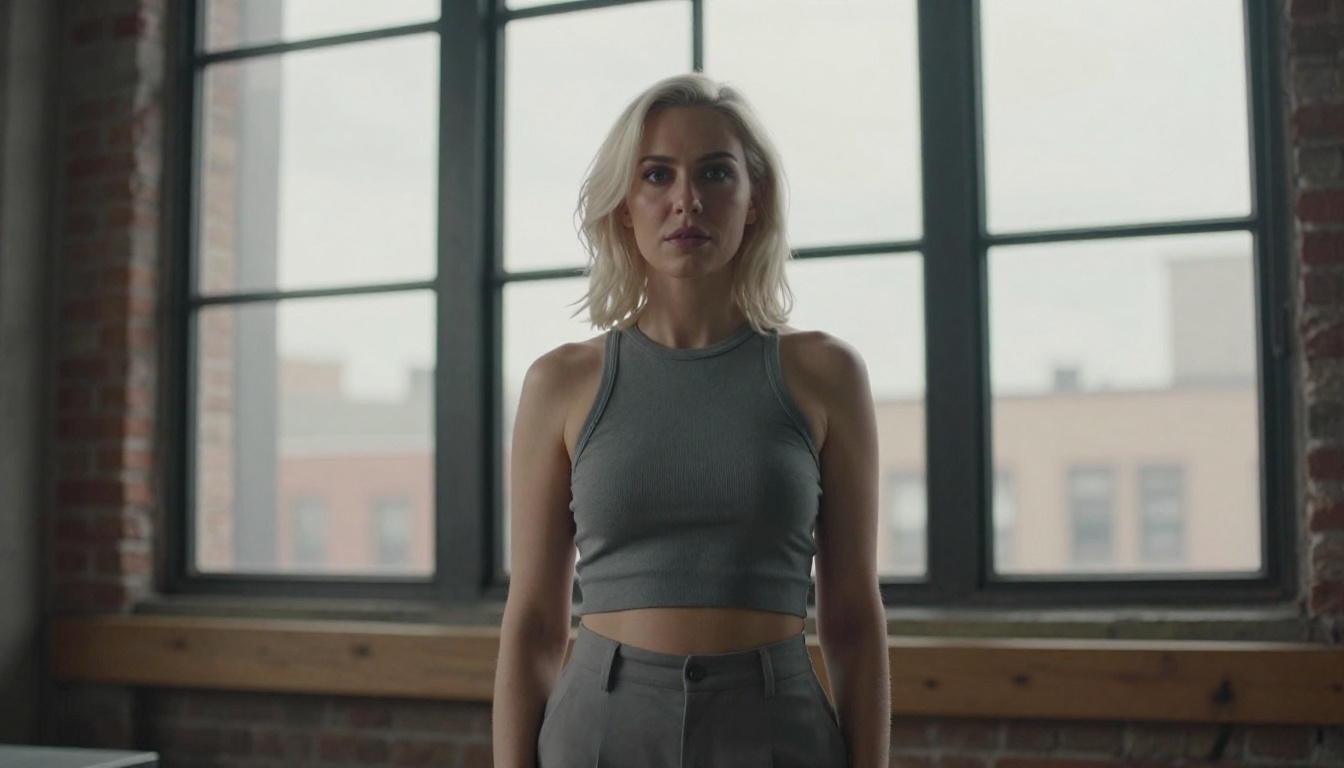
Seedance 2.0 is a video model. But most adult creative work actually starts with images. Character sheets, scene compositions, mood boards, and reference art are all static. The best uncensored alternatives are text-to-image models with a significant structural advantage: they're faster, cheaper, more controllable, and far more willing to work with adult prompts than video models.
💡 Worth knowing: A single video generation costs 10-50x more than a comparable image. For most adult creative projects, photorealistic images are the right format anyway.
The Cost of Choosing Video
When you use Seedance 2.0 or any video model for adult creative work, you pay a compute premium for motion you don't need. If you're generating reference art, character portraits, scene illustrations, or glamour photography concepts, static image output is both more cost-efficient and easier to iterate on.
Every iteration of a video costs seconds of generation time and significant compute credits. An image model gives you a result in under 10 seconds with seeds you can vary to explore different outputs systematically.
The Top Uncensored AI Alternatives
Flux 1.1 Pro Ultra
Flux 1.1 Pro Ultra from Black Forest Labs is the current benchmark for photorealistic image generation. It handles adult prompts with notably more tolerance than most competitors, particularly for artistic and glamour-oriented content. The prompt adherence is exceptional: what you describe is what you get, without the model quietly substituting safer interpretations.
Key strengths:
- Native high-resolution output with exceptional detail retention
- Best-in-class face rendering and anatomy accuracy
- Strong cloth and skin texture fidelity
- Works with detailed composition prompts including lens and lighting specifications
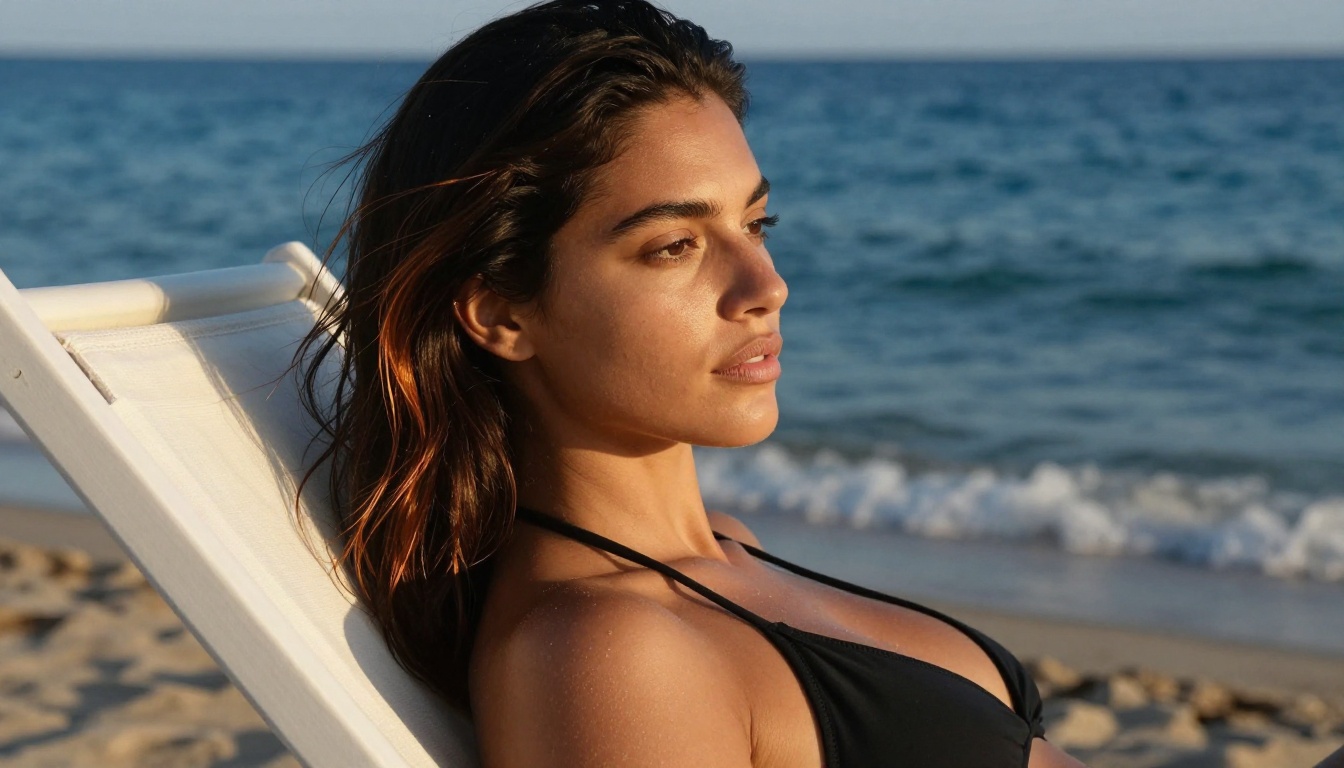
The realism on skin tones and fabric drape is genuinely impressive. For glamour photography AI work, it's the first model to reach for. The training data results in a model that understands the aesthetics of professional photography at a deep level, not just surface-level replication.
Flux 2 Pro
Flux 2 Pro is the next generation from the same Black Forest Labs lineage, with improvements in anatomy accuracy and lighting physics. Where Flux 1.1 Pro Ultra excels at single-subject photorealism, Flux 2 Pro pushes on compositional complexity, handling scenes with multiple figures and complex environments more convincingly.
For adult creators who need full scene generation rather than single-subject portraits, Flux 2 Pro handles spatial relationships and environmental context with noticeably better coherence. The NSFW tolerance is comparable to Flux 1.1 Pro Ultra, making both models strong options depending on your subject complexity.
Realistic Vision v5.1
Realistic Vision v5.1 has been a staple of the adult AI art community for years, built on Stable Diffusion with fine-tuning specifically targeting photorealistic human subjects. It handles NSFW content with a tolerance that mainstream models refuse, while maintaining image quality that holds up professionally.
The model responds particularly well to photography-style prompting: f-stop values, lighting direction, film stock simulation. Think of it as prompting a photographer, not an AI. Specify a Canon 5D Mark IV with an 85mm f/1.8 lens at golden hour with Kodak Portra 400 grain, and Realistic Vision v5.1 delivers that exact visual register with impressive consistency.
RealVisXL v3.0 Turbo
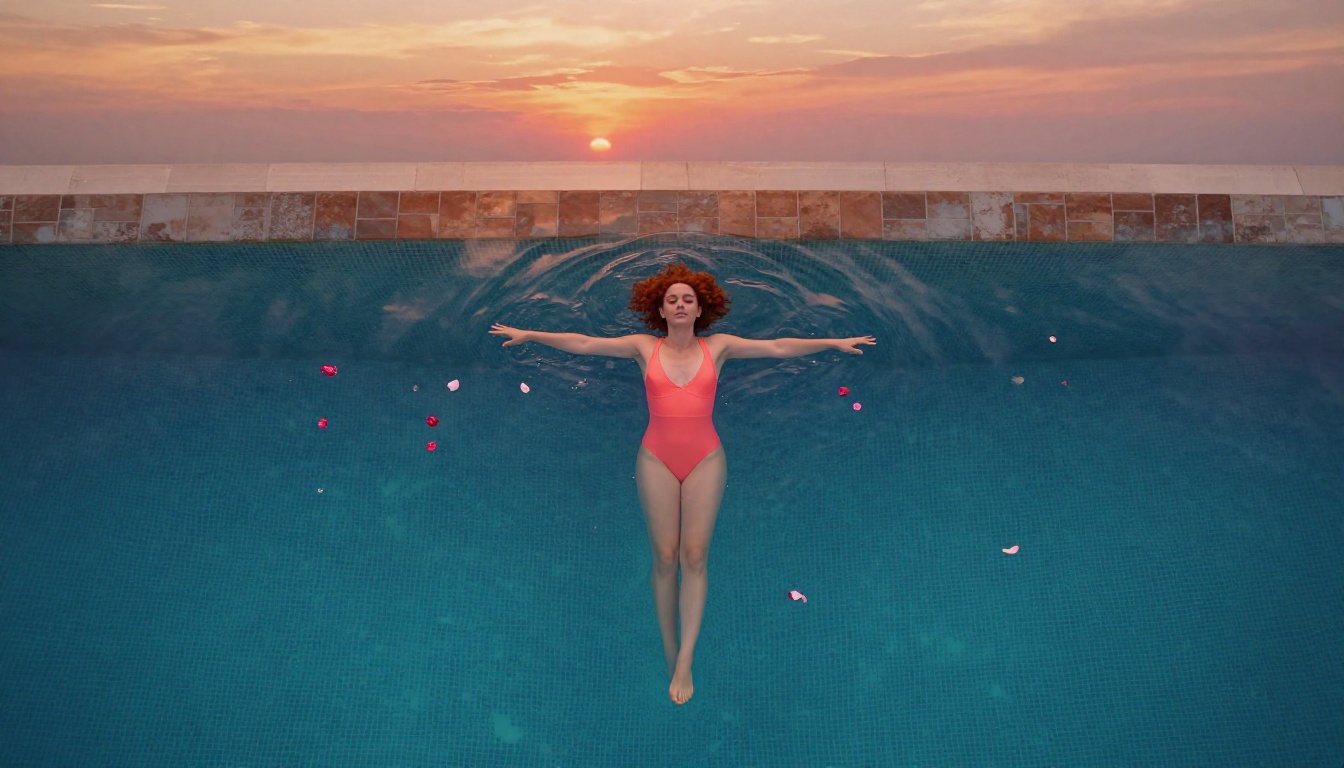
RealVisXL v3.0 Turbo runs on the SDXL architecture with aggressive fine-tuning toward photographic realism. The Turbo designation means faster inference without significant quality sacrifice. For adult creators who need volume, this is the speed-efficiency sweet spot in the entire ecosystem.
It handles skin textures and fabric drape particularly well, two areas where many models consistently underperform. The NSFW tolerance is solid, covering artistic nudity and glamour content without the constant refusals that plague mainstream platforms. If your workflow requires generating 20-30 images per session to find the 3-4 you want, RealVisXL v3.0 Turbo makes that economically viable.
Comparing the Options Side by Side
Why These Models Beat Seedance 2.0 for Adults
No Video Tax
Seedance 2.0 charges you compute costs for video generation even when you just need a single frame. Every model in the comparison table generates static images at a fraction of the cost. If your creative workflow centers on reference images, concept art, or final illustration work, you're overpaying with any video model.
Prompt Control at the Frame Level
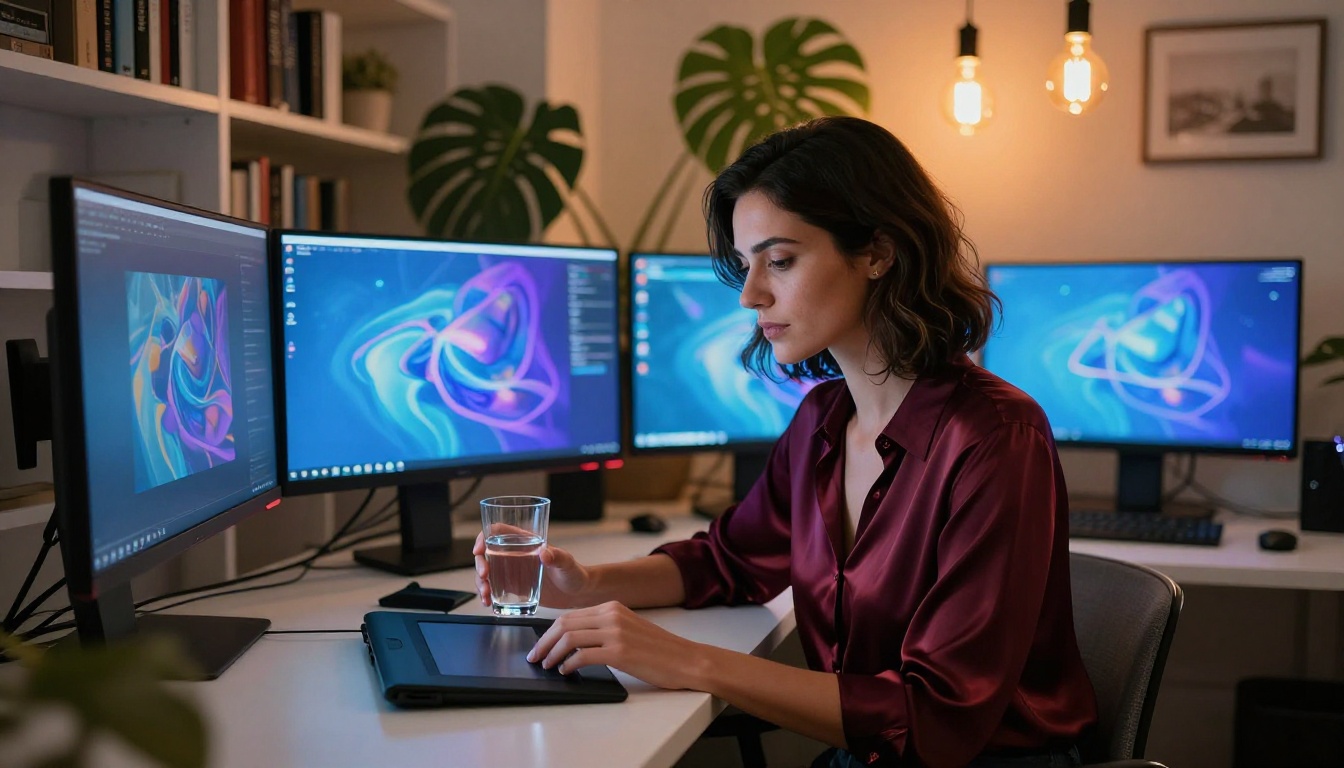
Text-to-image models accept much longer, more granular prompts than video models. With Flux 1.1 Pro Ultra or Flux 2 Pro, you can specify:
- Camera angle and lens focal length
- Lighting direction and quality (hard, soft, directional, rim)
- Film stock or digital sensor simulation
- Fabric texture, skin quality, and environment specifics
- Emotional expression and body posture
Seedance 2.0 collapses these details into motion generation. You control the broad strokes of a video clip, not the micro-details of each individual frame.
Rapid Iteration
Adult creative work often requires many passes before hitting the right result. A video model generates one 5-10 second clip per run. An image model delivers a result in seconds, allowing you to vary seeds, adjust prompts, and iterate on composition, lighting, and subject pose rapidly.
💡 Workflow tip: Generate 4-6 image variations with slightly different seeds, compare them side by side, then use the strongest as a reference for a final high-resolution output. This workflow is impossible with video models on any realistic budget.
Stable Diffusion Models: The Open Alternative
SDXL and Its Variants
SDXL remains one of the most important models in adult AI art because its open-weight nature spawned dozens of fine-tuned variants specifically targeting adult content. The base model is relatively conservative, but the ecosystem it created is broad, deep, and well-established.
The Stable Diffusion 3.5 Large generation offers improved anatomy accuracy over earlier SD versions, directly addressing a persistent issue with human figure rendering. Hands, feet, and complex poses show meaningful improvement over what earlier Stable Diffusion models produced consistently.
DreamShaper XL Turbo
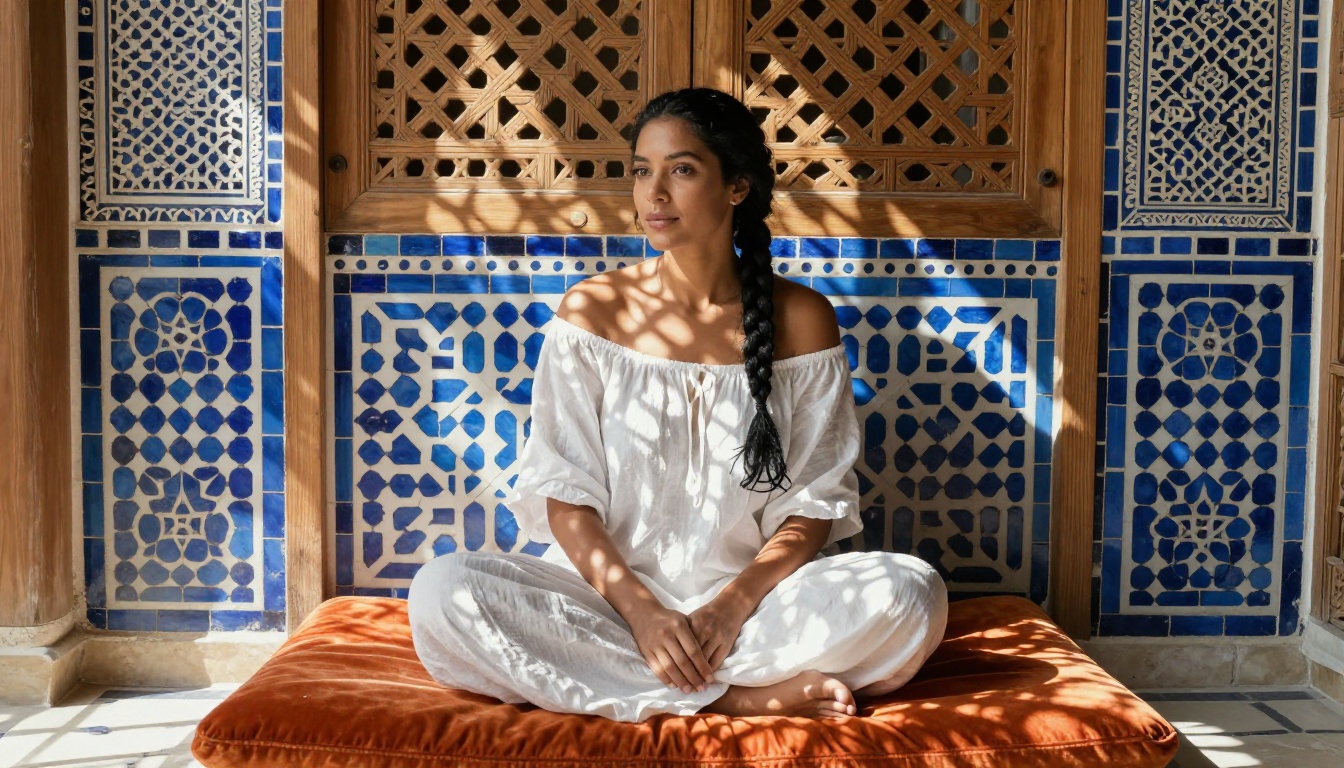
DreamShaper XL Turbo sits at the intersection of speed and style flexibility. It handles adult content with a more painterly, stylized quality compared to the strict photorealism of Flux or Realistic Vision. For adult creators working in fantasy, romance illustration, or stylized artistic approaches, this model delivers a distinctive aesthetic.
The NSFW tolerance here is robust, and the model handles content that more mainstream models refuse with notably better compliance. The tradeoff is results that lean more illustrative than photographic, which is exactly what certain creative projects call for.
How to Prompt for Adult Content That Works
Be Descriptive, Not Explicit
The models that handle adult content best respond to descriptive prompting rather than blunt explicit language. Instead of describing acts, describe atmosphere, aesthetics, and physical details the way a photography director would brief a shoot.
Less effective: "a woman wearing nothing"
More effective: "a woman in an off-shoulder silk robe, sitting in morning window light, the fabric barely draped over one shoulder, photographed with an 85mm lens at f/1.8, Kodak Portra 400 grain, warm amber tones, Rembrandt shadow under cheekbone"
The second approach gives the model enough visual language to produce something genuinely beautiful rather than defaulting to generic, flat output.
Lighting Is the Real Variable

In adult photography, lighting carries most of the emotional weight. The models on this list respond strongly to these lighting descriptors:
- Rembrandt lighting: triangle shadow under cheekbone, one side of face fully lit
- Rim lighting: backlight source creating a glowing outline around the subject
- Diffused window light: flat, soft, shadowless illumination from one direction
- Golden hour side lighting: warm directional light at low angle, long natural shadows
Specifying the direction of light (from left, from right, from above, from behind) consistently improves output quality across all of these models. It's one of the highest-leverage additions to any adult AI prompt.
Use Real Photography Language
Flux Dev and Flux 1.1 Pro Ultra both respond strongly to photographic references embedded in prompts. Naming real camera systems (Hasselblad H6D, Phase One IQ4, Leica M11), real lenses (85mm f/1.4 Zeiss, 135mm f/2.0 Canon), and real film stocks (Kodak Portra 400, Fujifilm Pro 400H, Ilford HP5) consistently lifts realism and tonal quality in the output.
The ByteDance Ecosystem Problem
Seedance and Seedream Share the Same Ceiling
ByteDance also produces text-to-image models under the Seedream family. Seedream 4.5 is one of their stronger image models, with impressive aesthetic quality and prompt adherence. However, it inherits the same conservative content policies as Seedance 2.0. For adult creative work, the entire ByteDance AI product line shares the same policy framework regardless of which model you choose.
💡 The pattern: If you need creative freedom for adult content, the ByteDance ecosystem has a hard ceiling that applies across all their products. Model quality is not the issue. Policy is.
When Quality Isn't Enough
The Seedream models produce genuinely impressive images. The technical quality is not in question. The problem is that technical excellence paired with restrictive content policies is simply not useful for adult creators. A model that refuses to generate a woman in a swimsuit, regardless of how sophisticated its architecture might be, is the wrong tool for the job.
Protecting Your Creative Investment
Platform Choice Is Part of the Model Choice
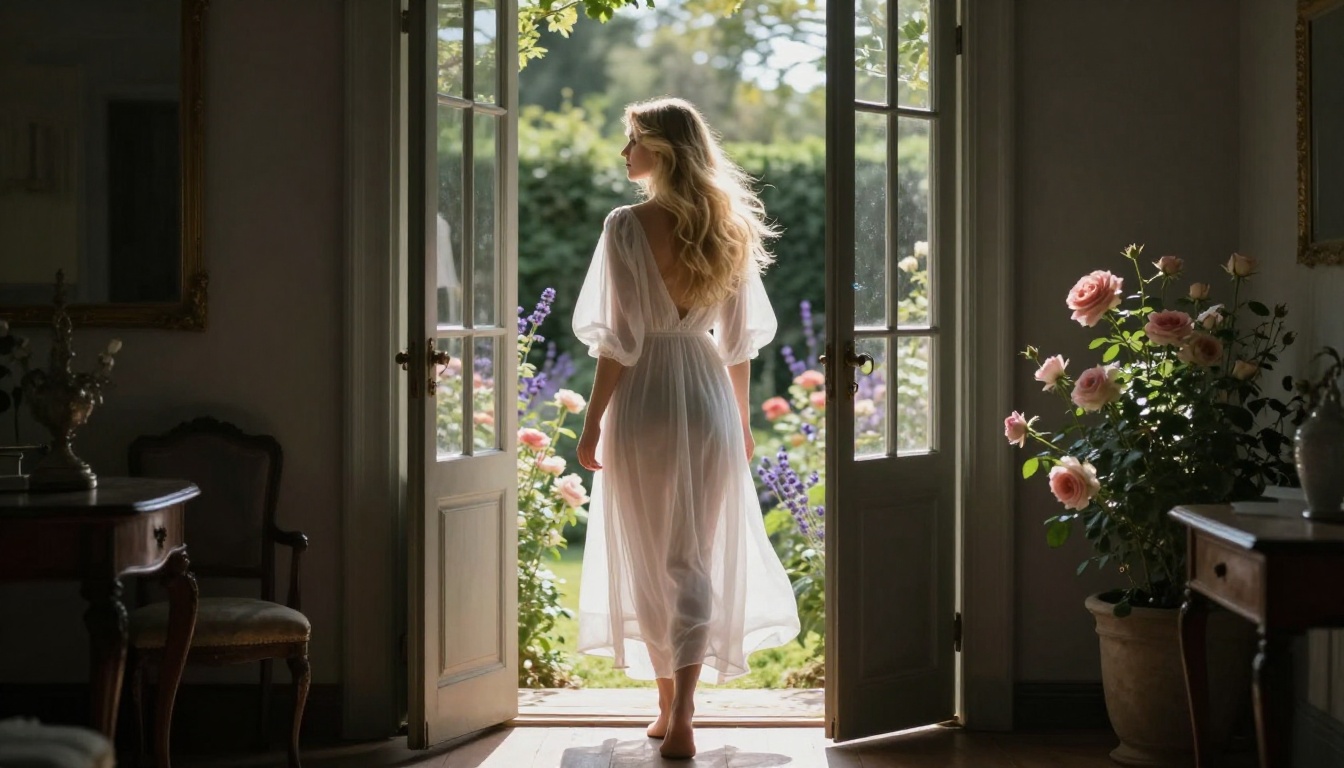
Not all platforms running these models have the same content policies. Some front-end platforms offering access to Flux or SDXL variants apply their own additional content filters on top of the base model. Choosing a platform that runs models with minimal extra restrictions is as important as the model choice itself.
The best adult-content platforms are transparent about their policies and don't retroactively change them mid-workflow. Check the terms of service carefully before building a sustained creative process around any specific platform.
Quality Over Volume
Adult AI art suffers when creators optimize for quantity over intentionality. The models on this list, especially Flux 1.1 Pro Ultra and Realistic Vision v5.1, produce work that genuinely stands out when prompts are detailed and compositions are considered.
Generating 2-3 carefully crafted outputs consistently beats generating 50 mediocre ones. These tools are good enough that quality is now primarily a prompting skill. The ceiling on what's achievable has moved dramatically higher than it was even a year ago.
Choosing the Right Model
Decision Framework

You want strict photorealism: Flux 1.1 Pro Ultra or Realistic Vision v5.1
You need multi-figure scenes: Flux 2 Pro
You want fast iteration at high volume: RealVisXL v3.0 Turbo or DreamShaper XL Turbo
You want stylized art over photography: DreamShaper XL Turbo or Proteus v0.2
You need a flexible open-weight base: SDXL or Stable Diffusion 3.5 Large
Proteus v0.2 for the Experimental Edge
Proteus v0.2 takes a different approach to image generation, with training choices that prioritize aesthetic coherence over strict photorealism. For adult art that sits between realism and stylization, including fantasy pin-up, glamour illustration, and artistic figure work, Proteus produces results that stand apart from the photographic models.
The NSFW tolerance is notably high, and the model handles prompts that other models refuse with surprising compliance. If you've been frustrated by refusals on models that should work, Proteus v0.2 is worth testing.
Start Creating Without Restrictions
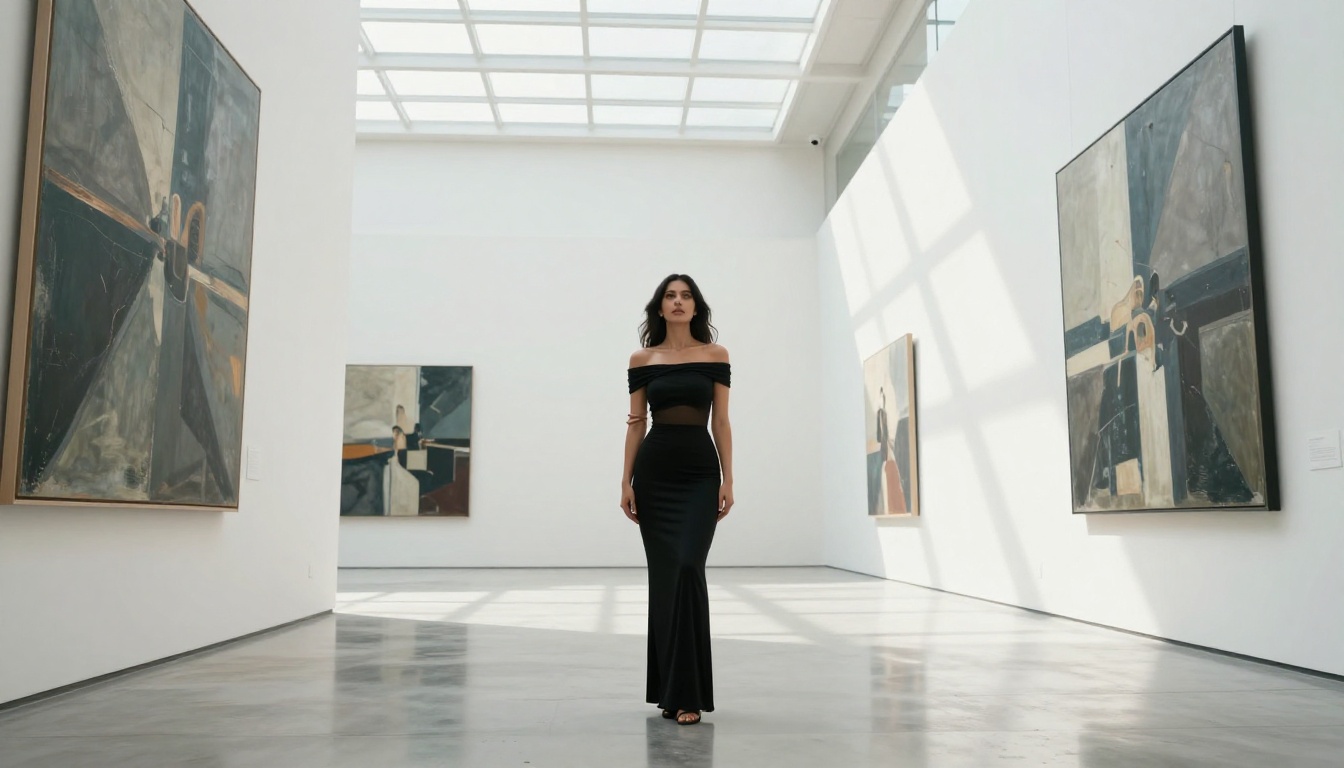
All of the models covered here are available in one place, with access to their full capabilities. Whether you're starting with glamour portraiture, building a reference library for adult fiction, or creating atmospheric mood boards for a creative project, these tools are ready to work with you without second-guessing your intent.
The gap between what Seedance 2.0 allows and what these alternatives deliver is real and significant. It's the difference between a tool that blocks your creative intent at every step and one that executes your vision faithfully and consistently.
Pick a model that fits your aesthetic goals, write a detailed prompt using real photography language, and see what genuinely unrestricted AI image generation actually produces. The results move well beyond what most people expect from an AI tool. Start with a single detailed prompt, iterate on the seed values, and build from there. The creative space is much wider than Seedance 2.0 ever let you see.


