If you've spent time looking for the best AI video generator in 2027, two names come up constantly: Seedance 2.0 and Pika 3.0. Both have strong communities, both have improved substantially over their predecessors, and both claim to deliver cinematic-quality video from a text prompt.
This is not a feature-sheet comparison. It is a direct assessment of what each tool actually produces, where each one breaks down, and which one belongs in a serious creator's workflow. If you need to pick one, this article helps you decide.

The AI video market in 2027 is not short on options. There are over 80 text-to-video models publicly available, from open-weight models running locally to polished commercial tools. But the conversation keeps narrowing down to a handful of leaders, and right now Seedance 2.0 and Pika 3.0 are among the most used and most debated.
Seedance 2.0 is developed by ByteDance. It is built for cinematic realism, motion consistency, and it natively generates synchronized audio alongside the video output, which is still rare among AI video models. Pika 3.0, from Pika Labs, leans into stylized visual aesthetics and an effects system called Pikaffects that produces physics-based visual transformations directly in the generated clip.
These tools appeal to overlapping but distinct audiences, and knowing who benefits most from each one is the only way to give a straight answer.
Why This Comparison Matters
AI video is no longer a novelty or a side experiment. Brands, agencies, and solo creators are producing real campaigns and published content with it. Choosing the wrong tool in this context has real consequences: wasted time, unusable outputs, or clips that require so much post-production that the efficiency advantage disappears entirely.
💡 Short answer: For production-ready, audio-synced, photorealistic video, Seedance 2.0 is the stronger tool. For stylized, effects-driven social content, Pika 3.0 has a distinct edge.
What Seedance 2.0 Does Well
Seedance 2.0 is one of the most complete AI video models available right now. It does not just generate motion from a prompt. It generates a finished, audio-included video clip with high spatial consistency and strong prompt adherence.
Native Audio in Every Clip
Most text-to-video models produce silent output. You get the frames but no sound, which means a separate workflow involving AI music tools, sound design, or recorded audio before your clip is usable. Seedance 2.0 breaks this pattern entirely.
It generates native synchronized audio as part of the video output. Ambient environmental sounds, motion-synced effects, atmospheric texture: these are baked in from the start. For social media content, short-form ads, or any format where sound drives retention, this is a meaningful production advantage that cuts post-production time significantly.
Motion Realism Across Frames

Temporal coherence is the hardest problem in AI video generation. Objects, faces, and environments need to stay visually stable across every frame in the clip, and most models fail at this under complexity. Seedance 2.0 handles it better than almost any other tool at its tier.
A person walking maintains the same face, clothing texture, and proportions from the first frame to the last. A camera pan over a landscape does not distort the horizon or reshape buildings mid-motion. This level of frame-to-frame consistency is critical for any video with human subjects or detailed environments.
The motion itself also reads naturally. Movements carry physical weight, acceleration, and follow-through that make clips feel filmed rather than generated.
Prompt Accuracy You Can Rely On
Seedance 2.0 follows detailed, multi-element prompts with high fidelity. You can specify camera angle, subject movement, lighting type, background composition, and emotional tone, and the model will attempt to honor all of them in a single generation pass.
This matters for professional workflows where you cannot afford to run five attempts to get the right framing. Strong prompt accuracy reduces iteration time, which is where the real efficiency gain comes from in production use.
💡 Tip: Structure Seedance 2.0 prompts as: [Subject + Action] + [Environment] + [Camera Angle] + [Lighting] + [Audio Cue]. Putting the audio descriptor at the end gives the model the clearest instruction for its sound generation pass.
Pika 3.0 in Real Use

Pika 3.0 is not trying to be Seedance 2.0. It occupies a different creative space, one that prioritizes aesthetic intention and effects-driven storytelling over strict photorealism.
Creative Style as a Feature
Pika 3.0 has a recognizable visual sensibility. Outputs often carry warmer color grading, heightened subject contrast, and motion that reads as stylized rather than documentary. For social-first content, creative pitches, or projects where visual personality matters, this is genuinely an asset.
The model interprets mood and tone in prompts with impressive precision. Ask for "a foggy 1970s detective film scene" or "a watercolor-style sunlit morning on a rural farm" and Pika 3.0 will consistently land close to the intended aesthetic. This makes it a strong tool for creative directors and fast concept work.
The Pikaffects System
Pika 3.0's most distinctive feature is Pikaffects: a physics-simulation layer that adds transformative visual effects directly into generated video. Liquid explosions, structural collapses, fire effects, aging progressions, and other dramatic visual events are not overlaid in post. They are generated as part of the clip itself.
For viral social content, product marketing, and short-form content designed to stop a scroll, Pikaffects gives Pika 3.0 a fast lane to attention-grabbing output. The results look polished and feel crafted rather than generated.
Where Pika 3.0 Falls Short
Pika 3.0 does not generate native audio. Every clip is silent by default, requiring additional tools for sound design. The model also has more visible temporal inconsistency on clips longer than a few seconds. Subjects can shift slightly in appearance between frames, and fine details like hair, clothing edges, or background architecture sometimes drift.
For prompts with multiple specific elements, complex scene compositions, or strict requirements on subject appearance, Pika 3.0 is less reliable than Seedance 2.0. It tends to interpret rather than execute, which works well for expressive work but creates friction for precise production tasks.
💡 Note: Pika 3.0 is not currently available on PicassoIA. For comparable or superior AI video quality with native audio support, Seedance 2.0 is available directly on the platform.
Head-to-Head: The Real Numbers

Here is how each model performs across the metrics that actually matter in day-to-day use:
| Metric | Seedance 2.0 | Pika 3.0 |
|---|
| Photorealism | Very High | Moderate to High |
| Temporal consistency | Excellent | Good |
| Subject stability | Very High | Moderate |
| Native audio | Yes | No |
| Prompt adherence | High | Moderate |
| Stylistic range | Natural | Stylized |
| Artifact rate | Low | Moderate |
| Effects system | None | Pikaffects |
| Image-to-video support | Yes | Yes |
The table makes the priorities of each tool clear. Seedance 2.0 leads on fidelity and production utility. Pika 3.0 leads on creative effects and stylistic expression.
Who Handles Complex Prompts Better
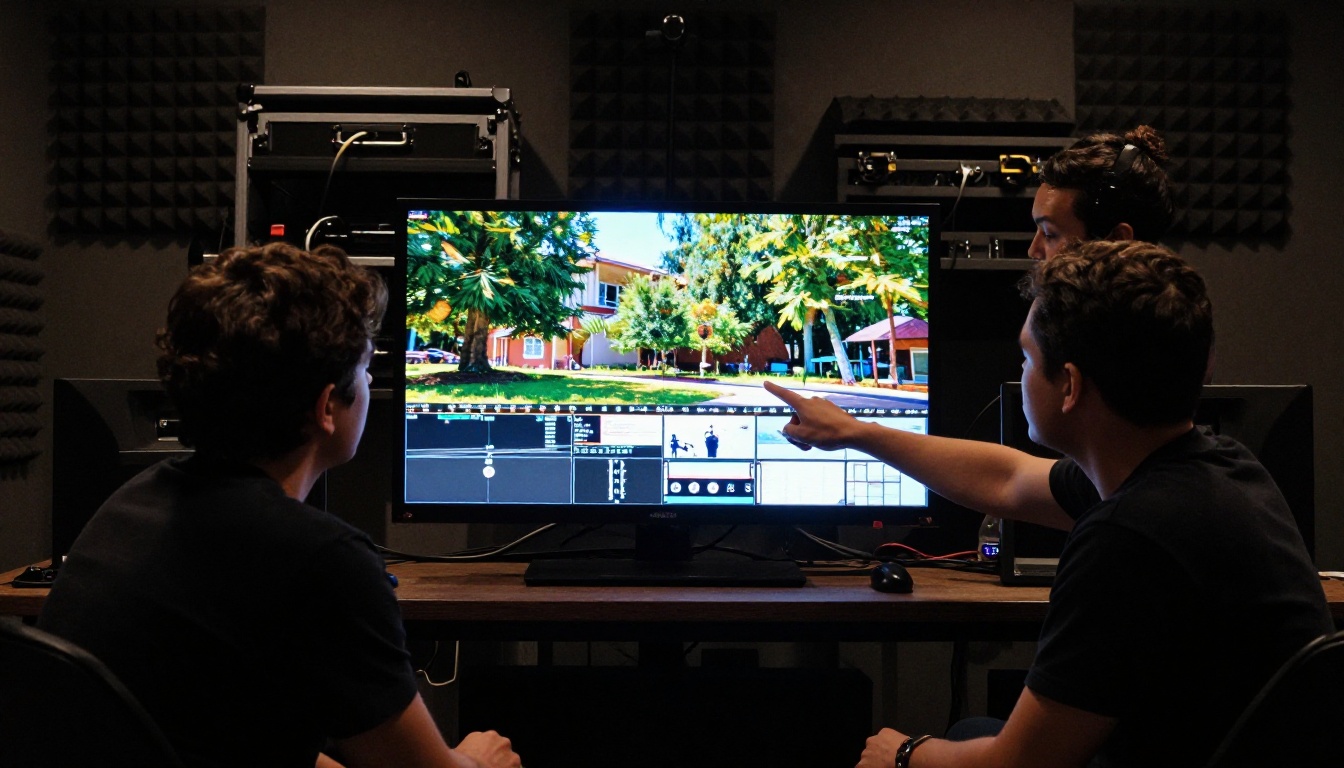
Tested against prompts with five or more specific requirements, including subject appearance, action, camera movement, lighting, and environment, Seedance 2.0 fulfills more elements in a single generation. Pika 3.0 tends to prioritize mood and style, sometimes simplifying or ignoring specific secondary elements in favor of aesthetic coherence.
For iterative production work where you refine toward a specific shot, Seedance 2.0 is the more controllable tool. For interpretive creative work where the model's own aesthetic judgment adds value, Pika 3.0 often delivers results that surprise you in useful ways.
Speed: Both Are Competitive
Seedance 2.0 Fast is a dedicated faster variant available on PicassoIA. It generates clips in significantly less time while maintaining strong motion consistency, making it practical for rapid review cycles and iterative refinement. Pika 3.0's Pikaffects outputs can run slower due to the physics simulation pass, which adds processing time over standard generation.
For volume production workflows, Seedance 2.0 Fast is the more practical daily driver.

The right answer depends entirely on what you are building.
Seedance 2.0 is the better fit when you:
- Need photorealistic video with stable subjects across frames
- Want native audio included in the clip from generation
- Produce branded content, product demos, or documentary-style video
- Need strong prompt adherence for specific shots
- Animate reference images into video with motion consistency
Pika 3.0 is the better fit when you:
- Prioritize distinctive visual style over strict realism
- Produce viral or effects-driven social content using Pikaffects
- Work on creative concept videos where interpretive prompts shine
- Want stylized output for mood boards or client pitches
For most production workflows where the output needs to be usable without extensive post-processing, Seedance 2.0 is the more complete tool. It generates video with audio, maintains visual integrity across frames, and follows prompts with enough accuracy to be predictable in a real production context.
How to Use Seedance 2.0 on PicassoIA

Seedance 2.0 is available on PicassoIA with no API setup required. Here is how to use it effectively from day one.
Step 1: Open the Model
Go to the Seedance 2.0 page on PicassoIA. You will see the text prompt input and an optional image upload field for image-to-video generation.
Step 2: Write a Structured Prompt
Build your prompt in layers. Start with the subject and what they are doing. Add the environment. Specify camera framing and angle. Include a lighting description. Finish with an audio note if you want specific sound output.
Example: "A woman in a red coat walks slowly across a foggy stone bridge over a river in Paris, medium shot from slightly behind, overcast diffused morning light, ambient city sounds and quiet water movement below"
Step 3: Choose Text or Image Mode
For text-to-video, enter your prompt alone and generate. For image-to-video, upload a still image alongside a motion description. Seedance 2.0 will animate the image according to your instructions while maintaining visual consistency with the source.
Step 4: Use Fast Mode for Iteration
When testing prompt variations or reviewing rough concepts, switch to Seedance 2.0 Fast. It generates significantly faster and is ideal for the refinement phase before committing to a full-quality generation pass.
Step 5: Refine Specific Elements
Rather than rewriting the whole prompt after a generation, adjust one or two specific parameters. Change the camera angle, alter the lighting descriptor, or modify the subject action description. Seedance 2.0 responds well to targeted adjustments, making iteration efficient.
💡 Pro tip: Include short, specific audio descriptors at the end of your prompt. Phrases like "ambient rain on cobblestone, distant car horns" or "quiet forest atmosphere with wind through leaves" give Seedance 2.0 clear instructions for its native audio generation pass.
Other AI Video Models Worth Trying

PicassoIA gives you access to over 80 text-to-video models. Here are several worth testing alongside Seedance 2.0:
- Kling v3 Video: Exceptional camera motion control and movement choreography. Ideal for scenes with specific camera path requirements and action-driven subjects.
- Veo 3: Google's flagship text-to-video model with strong realism and coherence on longer clips. One of the top options for high-fidelity cinematic output.
- Hailuo 2.3: An image-to-video specialist with sharp subject motion fidelity and fast generation times. Strong for animating still photography into smooth clips.
- Wan 2.6 T2V: A reliable open-weight model for standard text-to-video across a broad range of styles and subject types.
Testing multiple models on the same prompt is one of the fastest ways to see what each one does distinctly. PicassoIA makes this possible without separate logins or API configurations.
Stop Debating, Start Generating

The Seedance 2.0 vs Pika 3.0 debate is real, and both tools have earned their reputation. But when the criteria are production utility, output completeness, and reliability under complex prompts, Seedance 2.0 is the stronger choice right now.
It generates video with native audio in a single pass, maintains visual integrity across frames, and follows prompts accurately enough to be useful in a real production workflow. For social-first stylized content and effects-heavy clips, Pika 3.0 still holds a strong position. But in a direct head-to-head on what matters most for professional AI video work, Seedance 2.0 has more in its corner.
The best way to form your own opinion is to run both. PicassoIA gives you direct access to Seedance 2.0, the faster Seedance 2.0 Fast variant, and over 80 other text-to-video models all in one place. Write a prompt today and see what the current generation of AI video actually delivers when you put it to work.


