The race to produce the best AI video ad tool has never been closer. Seedance 2.0, ByteDance's flagship video generation model, and Sora 2, OpenAI's latest text-to-video system, are both capable of producing footage that would have required a full production crew just two years ago. But "capable" is not the same as "right for your brand." If you are a marketer, creative director, or founder trying to decide which model belongs in your ad production workflow, the answer depends on what kind of ads you make and how fast you need to move.
This article puts both models through their paces across real advertising scenarios, from short-form product spots to cinematic brand films. No vague impressions. Just what each tool actually does well and where it falls short.

Two Models, One Very Different Philosophy
Before comparing outputs, it helps to understand what each model is optimizing for. Both Seedance 2.0 and Sora 2 are built on large-scale video training, but they reflect fundamentally different production priorities that become very visible when you try to use them for ad work.
Seedance 2.0: Built for Fluidity
Seedance 2.0 is ByteDance's push into high-quality, temporally consistent video generation. The "temporally consistent" part matters enormously for ads: it means objects, faces, and environments stay coherent across frames without the jitter and morphing artifacts that plagued earlier AI video models. ByteDance trained Seedance on a massive corpus of commercial and cinematic content, and that shows in the output. Motion feels natural. Camera moves feel intentional rather than chaotic.
For ad work specifically, this translates to shots where a product stays in perfect visual form as the camera pans around it, or a spokesperson holds their form across a 10-second clip without their face distorting mid-take. That frame-by-frame reliability is not a small thing in commercial production.
Sora 2: Built for Cinematic Range
Sora 2 comes from OpenAI's focus on physical plausibility and scene complexity. It excels at rendering environments where multiple elements interact naturally: smoke drifting through a lit room, fabric catching a breeze, reflections behaving correctly on wet surfaces, and light scattering realistically through glass. The cinematic quality ceiling is genuinely impressive. When Sora 2 hits its target, it produces footage that reads as professional photography rather than AI generation.
The tradeoff is control. Sora 2 generates stunning scenes, but directing it to follow precise brand requirements such as exact product placement, specific color accuracy, or repeated character consistency across multiple shots takes significantly more prompt iteration than Seedance 2.0.
Head-to-Head for Ad Production

Visual Quality in Motion
Both models can produce beautiful frames. The real difference shows when you watch the clip rather than a screenshot.
Seedance 2.0 produces smoother, more predictable motion. A bottle of perfume rotating on a surface stays perfectly cylindrical throughout the clip. A model walking toward camera keeps consistent proportions. A product label remains readable from start to finish. This predictability is a direct commercial asset because ads need to look polished in every single frame, not just the frames you screenshot.
Sora 2 produces more varied and visually rich motion, but with occasional inconsistencies that require careful review before use. A dramatic lighting effect might shift mid-clip. A background element might subtly change shape. For creative brand films where atmosphere matters more than product accuracy, these variations are acceptable or even desirable. For product ads where every frame represents your brand's visual integrity, they require additional quality control passes.
💡 Production tip: For product-centric ads where accuracy matters most, Seedance 2.0 gives you more reliable frame-by-frame consistency. For atmosphere-driven brand stories, Sora 2's cinematic range often produces more impressive raw footage.
Prompt Adherence for Brand Messaging
This is where the two models diverge most noticeably in actual ad team workflows.
Seedance 2.0 follows compositional instructions closely. Write "close-up of a skincare bottle on white marble with soft overhead light and a single water droplet forming on the glass surface" and it will execute that description with strong fidelity. This makes it ideal for campaigns with a defined visual language and specific product requirements where the creative brief is law.
Sora 2 interprets prompts more liberally, often adding creative elements that were not requested. Sometimes this produces genuinely better footage than what was described in the prompt. More often, for brand work, it produces footage that misses a specific requirement and needs re-generation. Ad teams working with Sora 2 for structured campaigns tend to need more iterations to hit a precise creative brief.
Speed and Iteration
Seedance 2.0 generates faster and more consistently across runs. Ad teams can produce multiple variations quickly, which matters enormously in fast-turnaround production environments where a campaign may need 20 different product clips in a single day.
Sora 2 generation times vary by scene complexity, and the higher variability in outputs means you may generate more attempts before landing on a usable clip. For small creative teams without large generation budgets, this is a meaningful consideration.
Which Works Better for Product Ads

E-commerce and Beauty Brands
For e-commerce and beauty product advertising, Seedance 2.0 is the stronger choice. Beauty ads demand that a product looks identical to its real-world counterpart across every frame. A bottle that morphs subtly or a color that shifts mid-clip breaks the commercial appeal immediately and undermines consumer trust.
Seedance 2.0's temporal consistency means product shots stay true throughout the entire clip. Its ability to render glass, liquid, and reflective surfaces realistically without inconsistency makes it ideal for the kind of close-up product footage that beauty brands rely on.
Typical product categories where Seedance 2.0 wins:
- Skincare and serums: Glass and dropper bottle close-ups with liquid texture
- Fragrance: Bottle reveals with reflective surfaces and fine detail
- Cosmetics: Swatch applications, texture close-ups, packaging reveals
- Supplements and food products: Label clarity, material texture, surface reflections
Tech and Consumer Electronics
Tech ads often require a cleaner, more precise aesthetic: devices on minimal backgrounds, screens displaying content clearly, cables and connectors shown accurately. Seedance 2.0 handles these product types well because of its ability to maintain geometric consistency in hard-edged objects across frames.
Sora 2 can also produce strong tech product footage, particularly for lifestyle-context ads rather than product-detail ads. A laptop open in a sunlit coffee shop, earbuds in use during a morning run, or a smartphone being used naturally in a city environment all benefit from Sora 2's environmental richness.
Which Works Better for Brand Films

Emotional Storytelling
When the goal is emotional resonance rather than product accuracy, Sora 2 often produces more compelling raw footage. Its ability to render complex environmental interactions, nuanced lighting behavior, and atmospheric scenes means brand films about travel, human connection, or aspiration benefit directly from its cinematic ceiling.
A 30-second brand film for a travel brand showing a couple watching sunset over the ocean, with realistic wave motion, accurate skin tone in warm golden light, and volumetric clouds in the background, is the kind of scenario where Sora 2 justifies the additional iteration time.
Cinematic Production Feel
Sora 2 consistently produces footage with higher perceived production value in scene-heavy setups. The model seems to understand the visual grammar of cinema: where to place visual weight, how lighting should fall to create depth, what makes a wide shot feel expensive. For brands positioning themselves as premium, these qualities translate directly to brand perception.
Seedance 2.0 does not fall short here either. It produces footage that looks produced rather than generated. But its strength is precision and reliability rather than visual poetry, and for aspirational brand films, that distinction shapes the final output significantly.
Cost vs. Output Quality

The practical consideration for any ad team is the cost-to-output ratio across a real campaign. Here is how the two models compare across the metrics that matter most in commercial video production:
| Factor | Seedance 2.0 | Sora 2 |
|---|
| Product accuracy | Very High | Moderate |
| Temporal consistency | Excellent | Good |
| Cinematic range | Good | Excellent |
| Prompt adherence | High | Moderate |
| Iteration speed | Fast | Moderate |
| Scene complexity | Moderate | High |
| Best ad format | Product spots, e-commerce | Brand films, lifestyle |
| Revision cycles needed | Low | Moderate to High |
| Physical realism | High | Very High |
| Cost per usable clip | Low | Moderate |
💡 Budget insight: If you are producing high volumes of product ads at speed, Seedance 2.0 will cost less in generation attempts and revision time. If you are producing fewer, premium brand films where cinematic quality justifies the additional generation cycles, Sora 2's visual ceiling earns its place in the workflow.
How to Use These Models on PicassoIA
Both Seedance 1.5 Pro and Sora 2 are available directly on PicassoIA, alongside Sora 2 Pro for higher-quality outputs. No API setup, no complex toolchain, no separate subscriptions to manage. You write a prompt and get video.
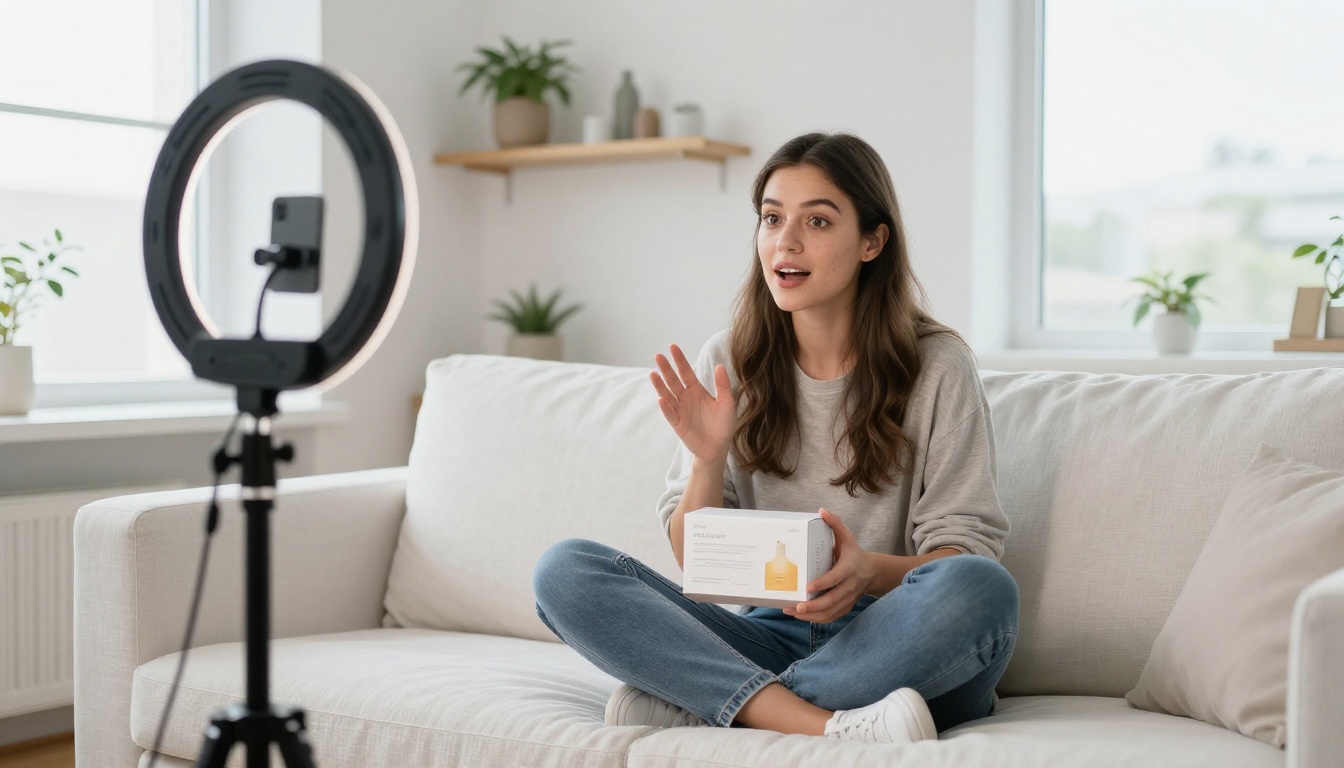
Creating Ads with Seedance on PicassoIA
- Navigate to the Seedance 1.5 Pro model page on PicassoIA
- Write a product-focused prompt that describes the object, surface material, lighting direction, and camera movement explicitly
- Choose your clip duration: 5-second clips work best for punchy product spots, 10-second for lifestyle content
- For product ads, always include: surface material (marble, wood, glass), light source direction, background color or texture, and whether the camera moves or holds static
- Generate and review, then adjust the lighting descriptor or camera parameter in your next prompt based on what needs correcting
- Use Seedance 1 Pro Fast for rapid concept testing before committing to final generation credits
- For high-detail final outputs, Seedance 1 Pro gives you the full quality ceiling
Sample product ad prompt: "Close-up of a frosted glass perfume bottle rotating slowly on a black lacquer surface, soft single-source light from the upper right creating a sharp specular highlight on the bottle shoulder, background dissolves to deep shadow, camera holds static, photorealistic, 8 seconds"
Creating Ads with Sora 2 on PicassoIA
- Go to Sora 2 on PicassoIA
- For brand films, write a scene-focused prompt that describes the environment, mood, and emotional tone rather than hyper-specific product details
- Include lighting mood, time of day, weather or atmospheric conditions, and the human element if applicable
- Generate multiple variations since Sora 2's creative interpretation varies between runs; plan for 3 to 5 generations per scene
- Curate the strongest outputs and combine them in post with sound design for your final cut
- For the highest output quality on final campaign assets, use Sora 2 Pro
Sample brand film prompt: "A woman in her 30s sitting at an outdoor cafe table in late afternoon sun, a ceramic coffee cup in front of her, watching people walk by with a calm and content expression, warm golden hour light bathing a cobblestone street, shallow depth of field, cinematic atmosphere, 10 seconds"
Choosing the Right Model for Your Campaign
The decision process is simpler than it appears:
- Product ads, e-commerce, or beauty: Start with Seedance 1.5 Pro
- Brand films or lifestyle content: Start with Sora 2
- Premium final output for any format: Add Sora 2 Pro to the final production pass
- High-volume rapid production: Use Seedance 1 Pro Fast for speed across large campaign batches
Real-World Use Cases

Social Media Short-Form Ads
Short-form ads on Instagram Reels, TikTok, and YouTube Shorts have become the primary channel for direct-to-consumer brands in 2027. These clips run 6 to 15 seconds and need to hook the viewer within the first two seconds or lose them permanently.
For short-form product ads, Seedance 2.0 is the production workhorse. The model's reliable product footage with consistent motion means less time reviewing outputs and more time publishing. A brand running 20 short-form product ads per month will find Seedance significantly more cost-effective in both generation time and revision cycles.
For short-form brand content where the goal is aesthetic impact rather than product accuracy, such as a travel brand or fashion label building visual identity through atmosphere and emotion rather than product shots, Sora 2 can produce clips that stop the scroll with their visual distinctiveness.
Long-Form Brand Video
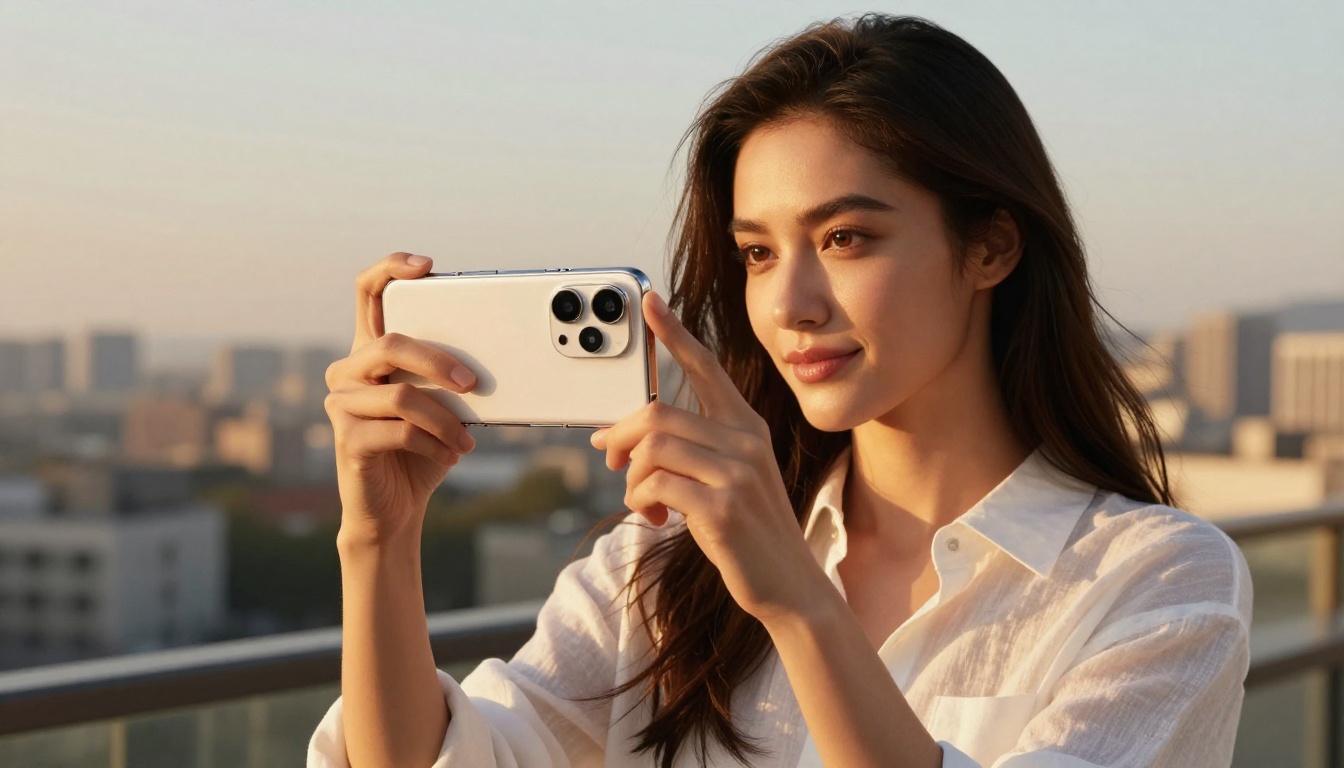
Long-form brand films of 60 seconds or more require scene variety, visual coherence across cuts, and enough cinematic depth to hold viewer attention through the entire runtime. This is where Sora 2 earns its place in the workflow.
A 90-second brand video for a travel brand, a fashion house, or a premium food brand benefits directly from Sora 2's ability to render complex and atmospheric scenes. The model can produce footage of light playing through leaves, steam rising naturally from a bowl of food, or fabric catching wind, all with physical accuracy that short product clips do not require.
A typical long-form workflow using Sora 2 on PicassoIA:
- Generate 15 to 20 scene variations from different prompt setups
- Curate the 8 to 10 strongest clips based on composition and motion quality
- Assemble them in a video editor with music and sound design
- Apply any needed color grading or stabilization in post
What the Numbers Actually Tell You

When ad teams run campaigns comparing AI-generated video content from both models across real campaigns, consistent patterns emerge regardless of brand category:
- Conversion-focused ads with strong product presence perform better when produced with Seedance-class models because the product looks accurate, stable, and trustworthy across every frame
- Brand-building campaigns focused on awareness and recall often achieve better emotional impact with Sora 2's cinematic visual quality
- Hybrid campaigns that use both models for different ad types within the same campaign regularly outperform single-model campaigns because each model is deployed at its strength
This is not an argument in favor of one tool over the other. It is an argument for using both with intention.
Both models are available without a separate subscription to ByteDance or OpenAI's individual APIs. PicassoIA provides access to the full stack, including Seedance 1.5 Pro, Seedance 1 Pro, Sora 2, and Sora 2 Pro, alongside more than 80 additional video models, so you can run both side by side on the same platform without juggling multiple accounts or APIs.
So, Which One Wins for Ads?
The honest answer is that neither model wins across all ad formats, and that is actually good news for anyone building a serious AI ad production workflow.
Use Seedance 2.0 when your ad needs product accuracy, high-volume output, reliable frame consistency, and fast iteration. It is the production workhorse for e-commerce, beauty, consumer goods, and direct-response campaigns where every frame must represent the product faithfully.
Use Sora 2 when your ad needs to feel cinematic, emotionally rich, or visually distinctive beyond what product precision can achieve. It is the creative tool for brand films, aspirational campaigns, and premium storytelling where atmosphere matters more than product accuracy.
The best-performing ad teams right now are not debating which model is better in the abstract. They are using both, allocating each to the campaign type where it performs strongest, and iterating fast on results. PicassoIA makes that possible from a single interface without model-switching friction.
If you have not yet built AI video into your ad workflow, start with a product you know well, write a specific prompt, and run generations on both Seedance 1.5 Pro and Sora 2 for the same brief. The outputs will tell you more than any comparison article can. Try it on PicassoIA and see which model fits the way your brand actually needs to look.


