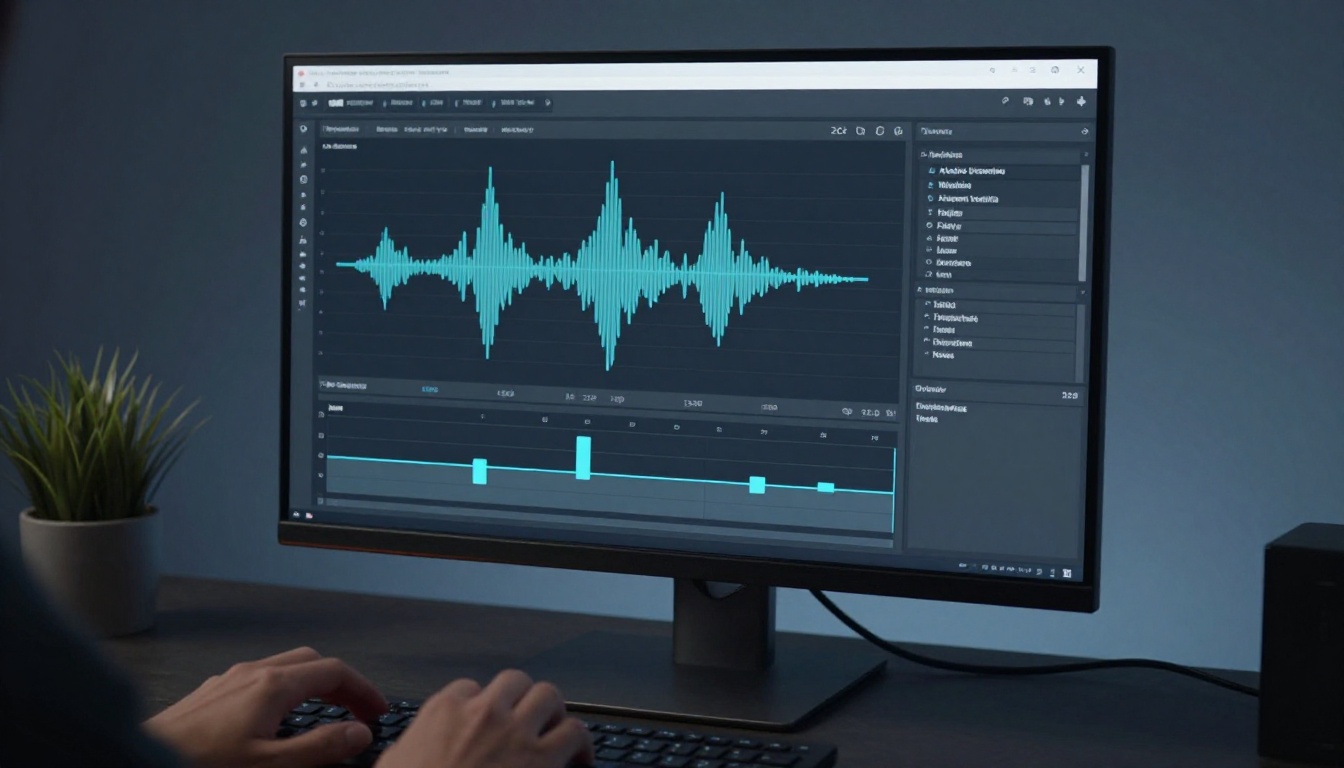
Seedance 2.5 for ASMR Videos: Does It Work for Relaxation Content?
We put Seedance 2.5 through real ASMR-specific tests: kinetic sand, fabric folding, water ripples, and soft tapping. This is what the model actually produces, where it shines, and where it still has room to grow for relaxation content creators.
If you've spent any time in ASMR communities, you know what separates a video that actually triggers tingles from one that just looks nice. It comes down to texture fidelity: the kind that makes you feel the grain of sand or the scratch of a fingernail against a surface. So the real question isn't whether Seedance 2.5 can generate video. It's whether it can generate video that feels like something. We tested it specifically against the visual language of ASMR content, and the results are worth breaking down carefully.
What ASMR Demands from Video AI
Most video AI discussions focus on resolution, temporal coherence, and prompt accuracy. Those matter, but ASMR content has a separate set of demands that most benchmarks simply don't test for.
The Texture Problem Every Model Faces
ASMR is built on micro-detail. A cotton ball being rolled between fingers only works visually if you can see the individual fibers bending. Water on a glass surface only triggers the right response if the meniscus behavior looks physically accurate. Sand shifting through palms only registers as satisfying if you can see the individual grain dynamics.
This is where most AI video models collapse. They generate convincing mid-range images but lose coherence at the micro level. The result is footage that looks artificial at exactly the moment it matters most: the intimate, slow close-up that ASMR depends on.
💡 Where AI video typically struggles for ASMR: grain movement realism, fiber-level fabric behavior, liquid surface physics, and the natural imperfections in human hand textures during contact.
Why Motion Matters More Than Resolution
4K resolution means nothing if the motion is wrong. ASMR videos succeed because of how things move, not just how they look. A brush stroke needs to decelerate at the end of its arc. A finger tapping a surface needs to carry the slight elasticity of real skin impact. These are physics behaviors that require a model trained on enormous amounts of real close-up footage.
The question is whether Seedance 2.5's architecture is tuned for this level of motion fidelity.
Seedance 2.5: What It Actually Is
Seedance 2.5 is ByteDance's flagship video generation model, available now on PicassoIA. It generates up to 30-second videos with native audio generation baked in. It accepts both text-to-video and image-to-video input, which is particularly relevant for ASMR workflows where you might want to start from a reference still.
30 Seconds, Native Audio, ByteDance Engine
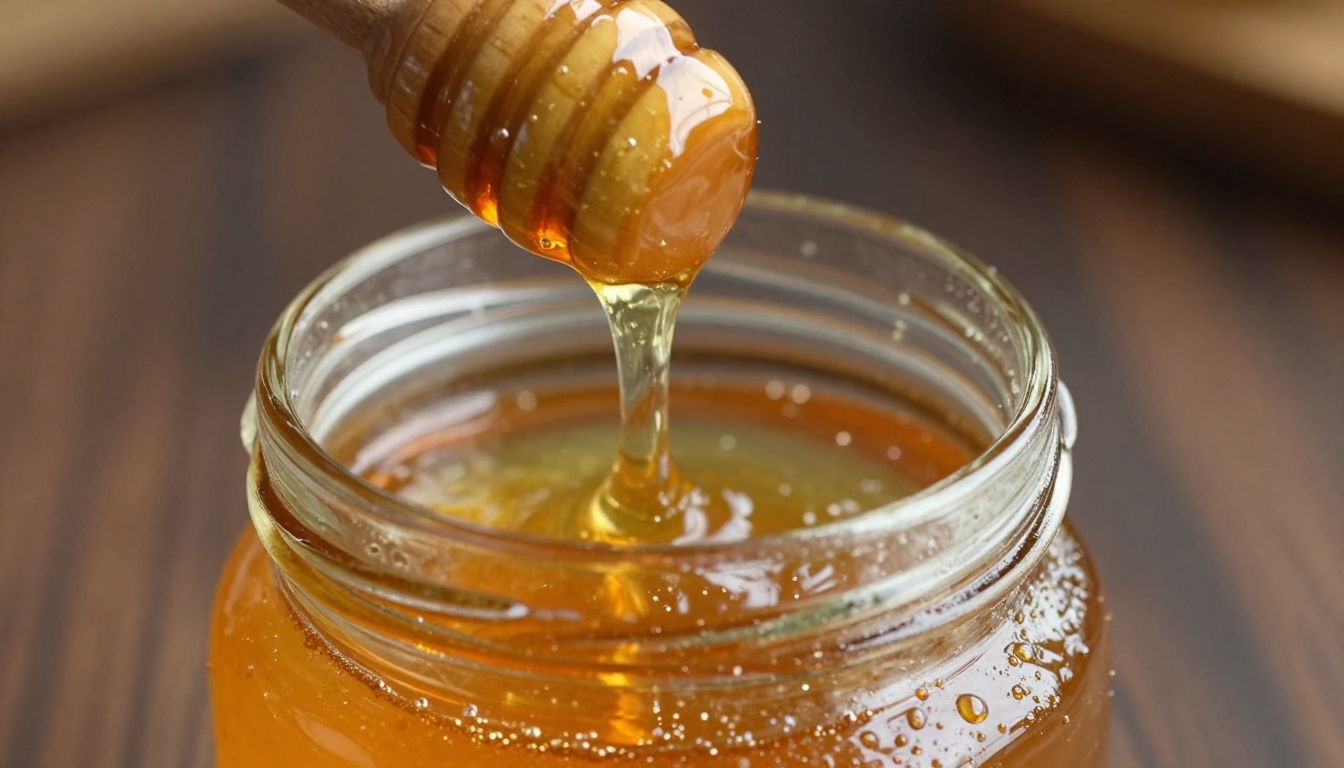
The standout specification is duration: 30 seconds. Most competing models cap at 5-10 seconds. For ASMR content, duration is everything. A 5-second loop feels mechanical. A 30-second continuous shot of a honey dipper pulling viscous amber threads upward has actual hypnotic potential.
The native audio generation is a significant differentiator. ASMR is, first and foremost, an audio format. The visual component amplifies the audio experience. A model that can generate both, with some degree of synchronization between them, has a fundamentally different ceiling than a video-only model you then need to post-produce with separate sound design.
How It Differs from Earlier Versions
Seedance 2.0 was already capable in broad terms, but showed significant inconsistency in close-up scenarios. The 2.5 version improves on temporal coherence (the ability to maintain consistent object appearance across frames) and motion physics. These are exactly the dimensions that matter for ASMR.
The free version, Seedance 2.5 Lite, gives you access to the same model architecture with some processing trade-offs, generating videos up to 10 seconds. For prototyping, it's a legitimate entry point before committing to longer generations on the full model.
Testing Seedance 2.5 on Real ASMR Scenarios
Testing was structured around the three most common categories of ASMR visual content: surface textures, liquid and semi-liquid materials, and object tapping or scratching.
Sand, Water, and Fabric Tests
Sand behavior is one of the hardest things to fake in video AI. Individual grain dynamics require the model to simulate thousands of micro-particles with coherent physics. Seedance 2.5 handles this well at a mid-shot distance. Grains shift with natural momentum and the surface deformation under finger pressure looks physically plausible.
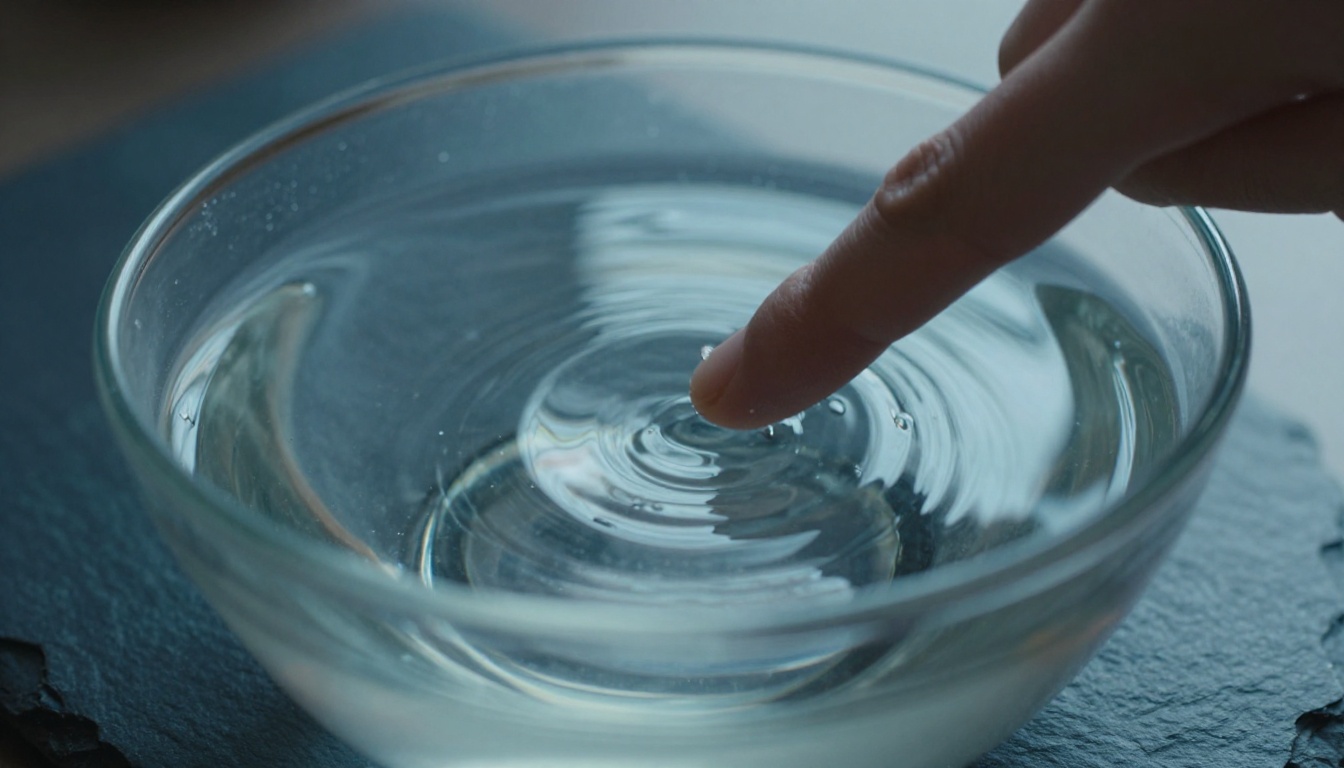
Water surfaces show similar competence. Ripple propagation from a point of contact looks correct in terms of concentric wave mechanics. The issue appears at extreme close distances where water meniscus behavior becomes too stylized. It reads as almost right, which in ASMR terms is worse than obviously wrong, because attentive viewers sense something is off without being able to name it.
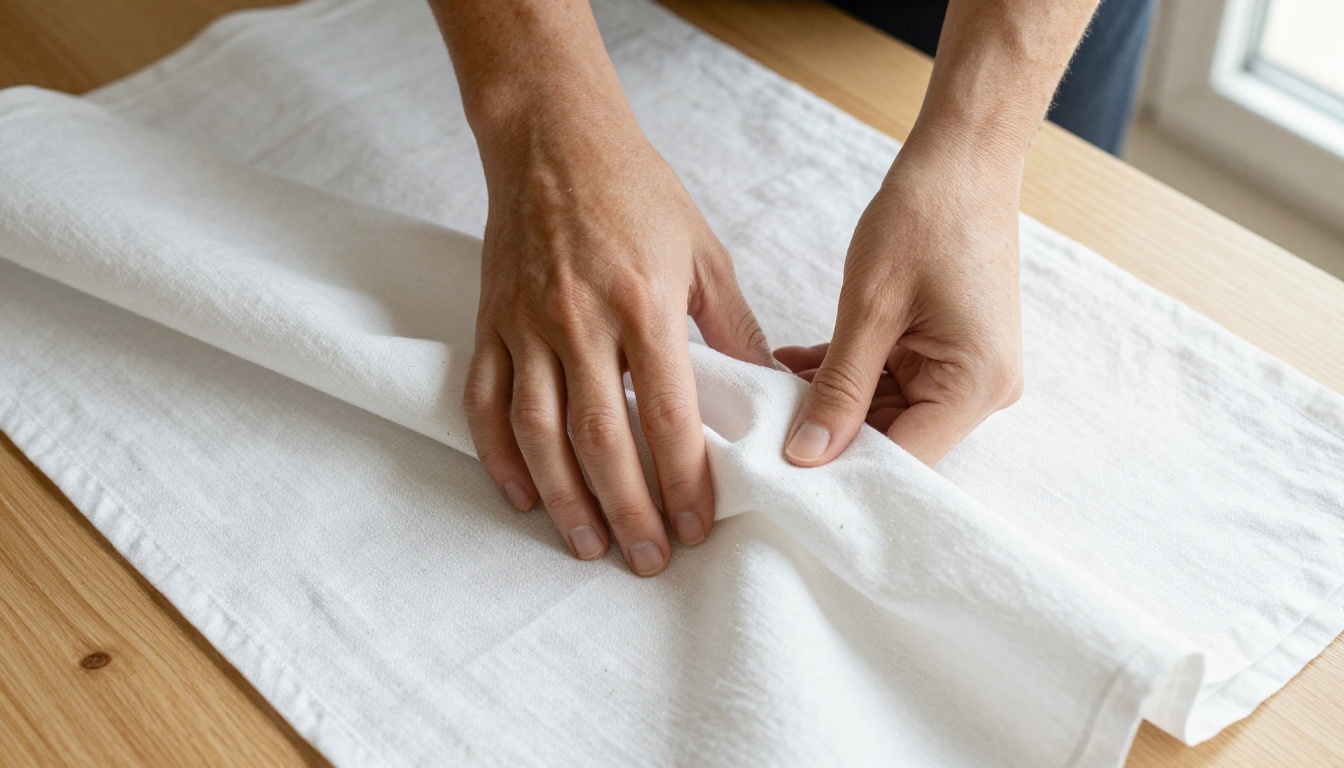
Fabric folding results vary most by material. Light, crisp materials like linen show strong results. The model handles specular highlights moving across fabric folds convincingly. Heavier fabrics like wool or velvet show inconsistency, particularly in how fibers catch and release light during motion.
💡 Fabric prompt tip: include specific fabric type, thread count, and lighting direction. "100-thread-count linen sheet in diffused morning window light" performs significantly better than just "white fabric."
Close-Up Object Manipulation Results
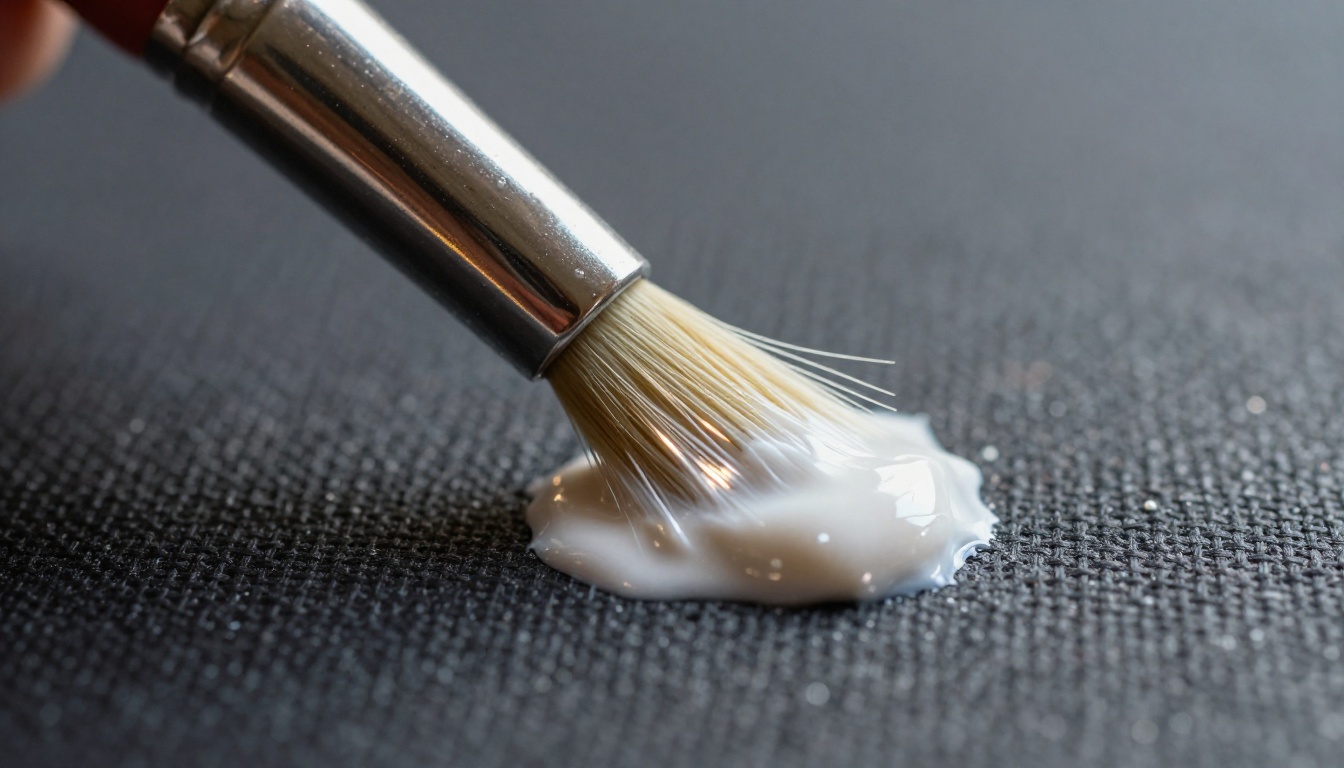
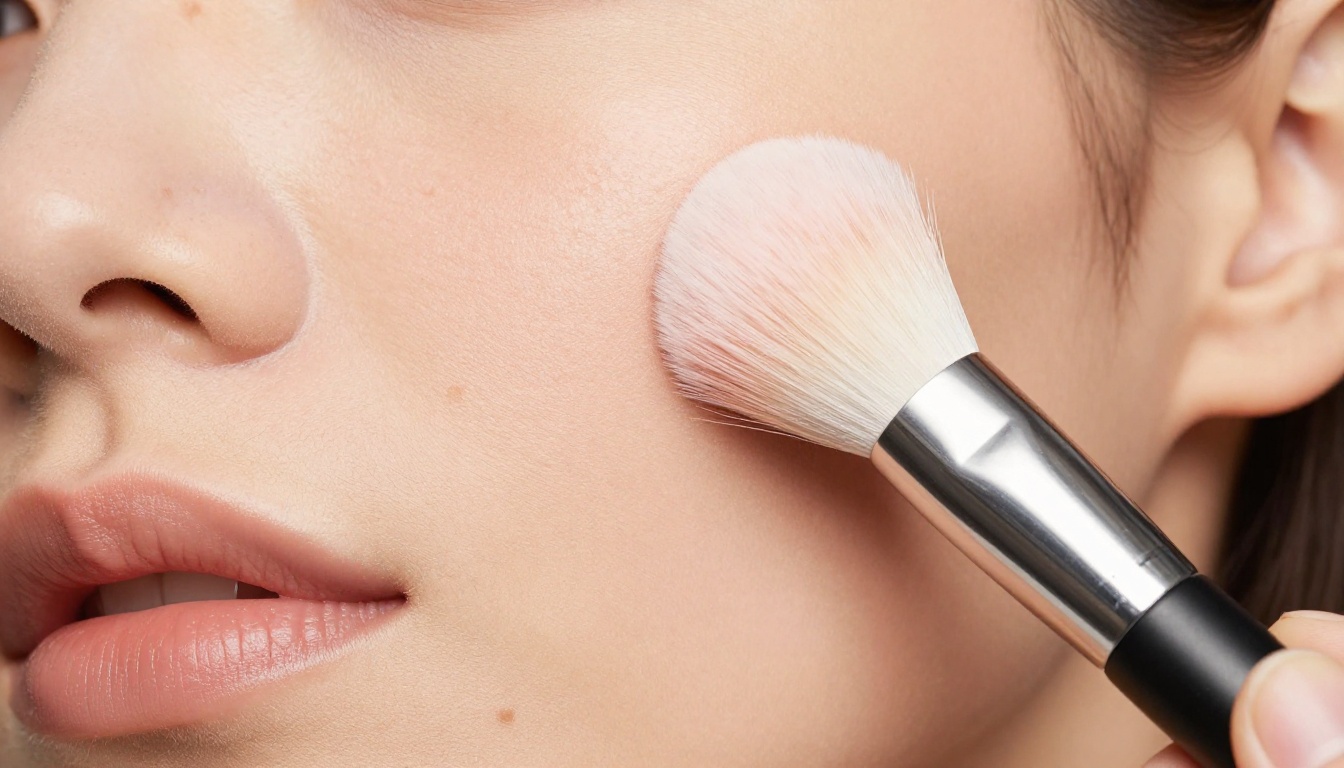
Paintbrush strokes are a classic ASMR trigger, and this is where Seedance 2.5 performs particularly well. The model appears to have strong training data for brush-on-canvas motion. The way paint trails behind a bristle, how individual bristles splay under pressure, and the wet-dry transition along a stroke all look genuinely convincing.
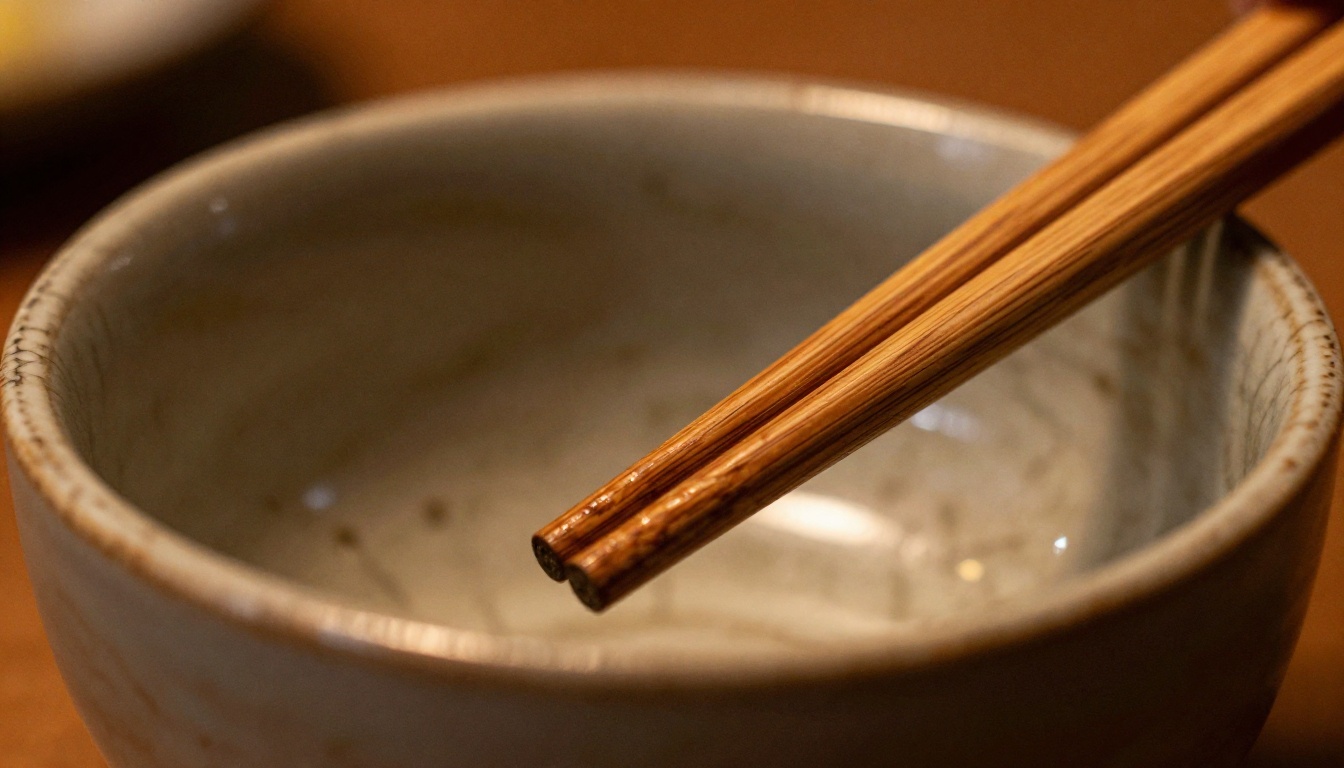
Object manipulation with rigid items, like chopsticks tapping a ceramic bowl, shows good initial results. The model captures the slight rebound after impact and the ceramic surface reflection behaves correctly. At longer generation lengths, however, there's a tendency for the motion to subtly drift so the tapping rhythm becomes slightly irregular in a way that reads as wrong even if viewers can't articulate why.
The Tapping and Scratching Challenge
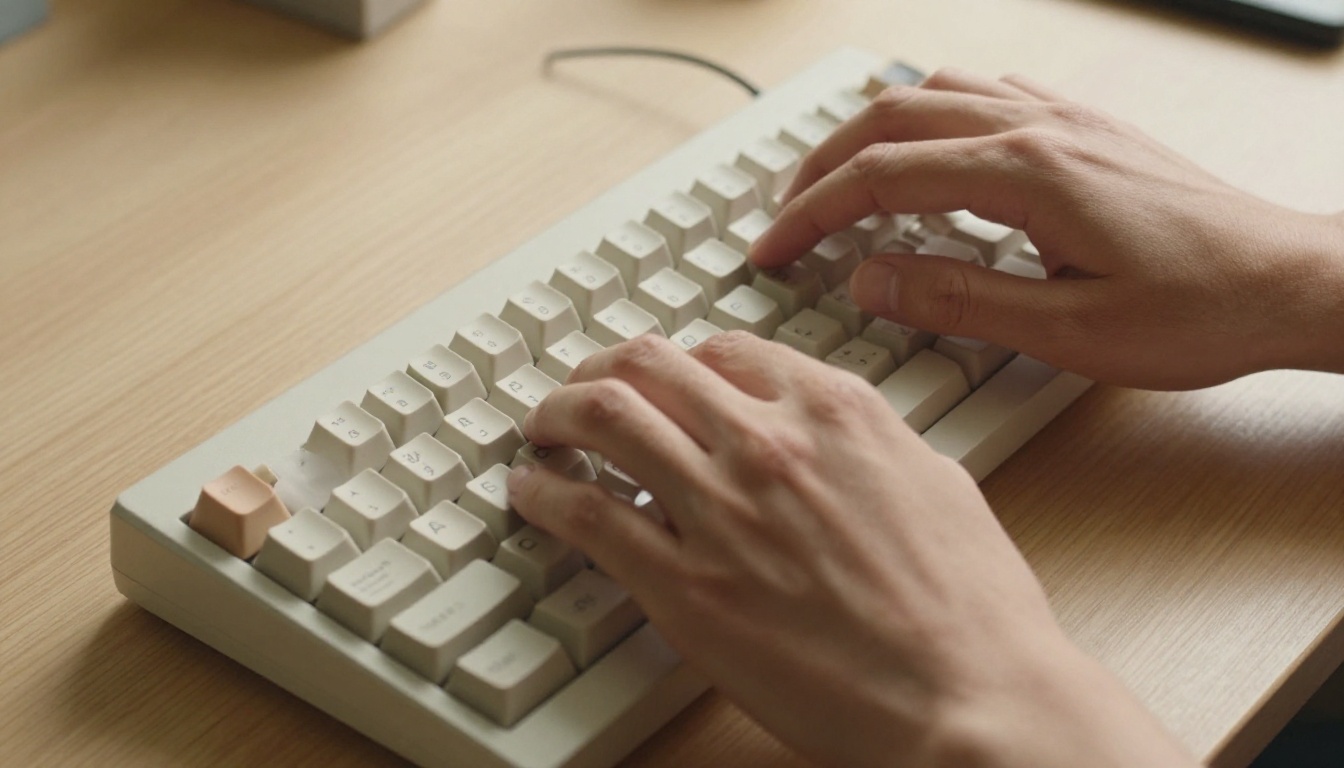
Hand tapping is arguably the most-watched category of ASMR content. It's also surprisingly difficult for AI video models because it requires maintaining consistent finger anatomy across every frame while producing fine-detail skin behavior at point of contact.
Seedance 2.5 handles this better than most competing models. Finger anatomy stays consistent frame to frame. The slight skin compression at tap impact looks physically correct. Where it struggles is in prolonged sequences: beyond 15-20 seconds, there's a tendency for subtle hand geometry shifts that break immersion for attentive viewers.
Where Seedance 2.5 Genuinely Shines for ASMR
Ambient Lighting Reproduction
One dimension where Seedance 2.5 outperforms expectations is its handling of ambient soft lighting. ASMR creators typically shoot in warm, diffused light: window light through sheer curtains, soft lamp glow, candlelight. These are lighting conditions that require the model to understand how light scatters and wraps around curved surfaces.
The model handles this with notable fidelity. Skin tones in soft diffused light look warm and natural. Shadows carry the right gradient quality for ASMR aesthetics. The overall visual feel of a generated Seedance 2.5 video in proper lighting conditions aligns closely with the visual language that ASMR audiences are conditioned to respond to.
Macro Texture Fidelity
At mid-macro distances, the 5-30cm range typical of ASMR recording, Seedance 2.5 renders surface textures with strong consistency. Wood grain on a table surface stays coherent as hands move across it. Glass or ceramic glaze maintains its reflective properties correctly across camera movement. These are the small details that tell a viewer's nervous system whether what they're seeing is real or generated.
This is the single most important finding: at the distances that matter for most ASMR content, Seedance 2.5 produces textures that pass the basic plausibility test.
Where It Still Falls Short
Looping and Motion Continuity
The biggest practical limitation for ASMR creators is the absence of seamless looping. Many ASMR creators build their visual content around hypnotic loops: a brush moving back and forth, sand falling and resetting. Seedance 2.5 generates linear sequences, not loops. Creating loop-friendly content requires careful prompting and then external post-processing, which eliminates much of the workflow advantage of AI generation.
The Sound-Vision Sync Problem
The native audio generation is impressive as a feature, but synchronization with tactile visual events, specifically the exact frame where a tap lands or where a bristle makes contact with a surface, isn't precise enough for true ASMR production use. Audio events approximate the right timing rather than locking precisely to the visual contact moment.
This matters. ASMR audiences are hyper-attentive to exactly this synchronization. A tap that sounds 3 frames before or after the visual contact breaks the spell immediately. For serious ASMR production, using Seedance 2.5 for visuals and handling audio separately in post will consistently give better results.
How to Use Seedance 2.5 on PicassoIA
Step 1: Choose Your ASMR Scene
Navigate to Seedance 2.5 on PicassoIA. Before writing your prompt, decide on your core sensory scenario. The model performs best with:
Surface textures: sand, fabric, paper, wood grain
Liquid materials: honey, water, paint, cream
Object contact: brushes, fingertips, wooden tools on hard surfaces
Avoid scenarios requiring extreme macro (sub-centimeter subjects) or fast repetitive motion, as those show the most inconsistency.
Step 2: Write a Prompt That Triggers Calm
Prompt structure matters enormously for ASMR output. Follow this template:
"Delicate fingers slowly dragging through a pile of fine white kinetic sand on a matte dark surface, warm amber tungsten light from the left, overhead close-up angle, slow deliberate motion, individual grain shadows visible, photorealistic, film grain"
Avoid in prompts:
Speed descriptors like "fast" or "quick"
Bright or harsh lighting descriptors
Multiple competing subjects in the same frame
Step 3: Refine with These Parameter Tips
Parameter
Recommended Setting
Why It Matters
Duration
15-30 seconds
Longer content increases hypnotic effect
Starting frame
Use image-to-video mode
Set exact lighting and composition upfront
Aspect ratio
9:16 (vertical)
Most ASMR is consumed on mobile
Motion intensity
Low or minimal
Preserves texture fidelity across frames
For maximum control over the initial frame, generate your reference image first using PicassoIA's text-to-image tools, then pass it as the source frame for Seedance 2.5's image-to-video mode. This gives you precise control over composition and lighting before the model begins animating.
How It Compares to Other Models for ASMR
Seedance 2.5 sits in a specific position in the PicassoIA model catalog when evaluated for ASMR use cases.
The unique advantage Seedance 2.5 holds for ASMR is the combination of 30-second duration with native audio. No other model in the catalog currently matches that pairing. If you're willing to do audio post-processing separately, Kling v2.6 and Wan 2.7 I2V offer sharper micro-texture results in shorter clips.
For creators building a full library of ASMR content, the practical workflow is to use Seedance 2.5 for extended ambient pieces and pair it with texture-focused models for shorter trigger clips that demand maximum fidelity.
💡 Production workflow tip: generate your reference still in PicassoIA's image tools with precise lighting and composition, then feed it into Seedance 2.5 as a starting frame. Full control over the opening image, with the model handling motion physics from there.
Start Creating Your ASMR Content Now
The honest answer to this article's question: yes, Seedance 2.5 works for ASMR content, with specific caveats. It handles soft ambient lighting, mid-macro textures, and slow deliberate motion better than most models available today. The 30-second generation window and native audio make it the most practical single-model choice for creators who want to produce extended relaxation content without complex post-production pipelines.
The gap that remains is at the extreme ends: ultra-macro detail below a few centimeters, and perfect audio-visual synchronization for percussive triggers. Both are areas where supplementing with dedicated tools or handling audio in post will still give better results.
What makes this worth trying is the iteration speed. You can test 10 different ASMR scenarios in under an hour on PicassoIA, find what resonates with your specific niche, and refine prompts until the results match your creative vision. That feedback loop is what separates creators who figure out AI video from those who don't.
Open Seedance 2.5 on PicassoIA and run your first ASMR prompt. Start simple: fingers in sand, warm light, overhead angle. See how the model handles it. From there, the entire PicassoIA model library is available to branch into, including Seedance 2.5 Lite for unlimited free iterations while prototyping, and the full model collection for anything that requires specialized handling.
The gap between "AI video is not good enough for ASMR" and "this is genuinely usable" has closed more than most creators realize. The only way to find out where your specific use case lands is to test it yourself.