The commercial advertising world just got cheaper, faster, and a lot more flexible. Seedance 2.5 from ByteDance produces full 30-second live-action video clips with synchronized, native audio at 1080p resolution, and it runs on PicassoIA today. For any brand team that has ever watched a reshoot budget spiral out of control, this is worth understanding in detail.
What "Ad Remake" Actually Means
Not every AI video request is a remake. Some are net-new concepts. But a live-action ad remake has a specific shape: there is an existing spot, a creative brief tied to it, a known aesthetic, and a need to reproduce or update it at lower cost. Think seasonal refreshes, regional variants, or campaigns that need a new cast without reshooting the underlying concept.
Why Reshoots Cost So Much
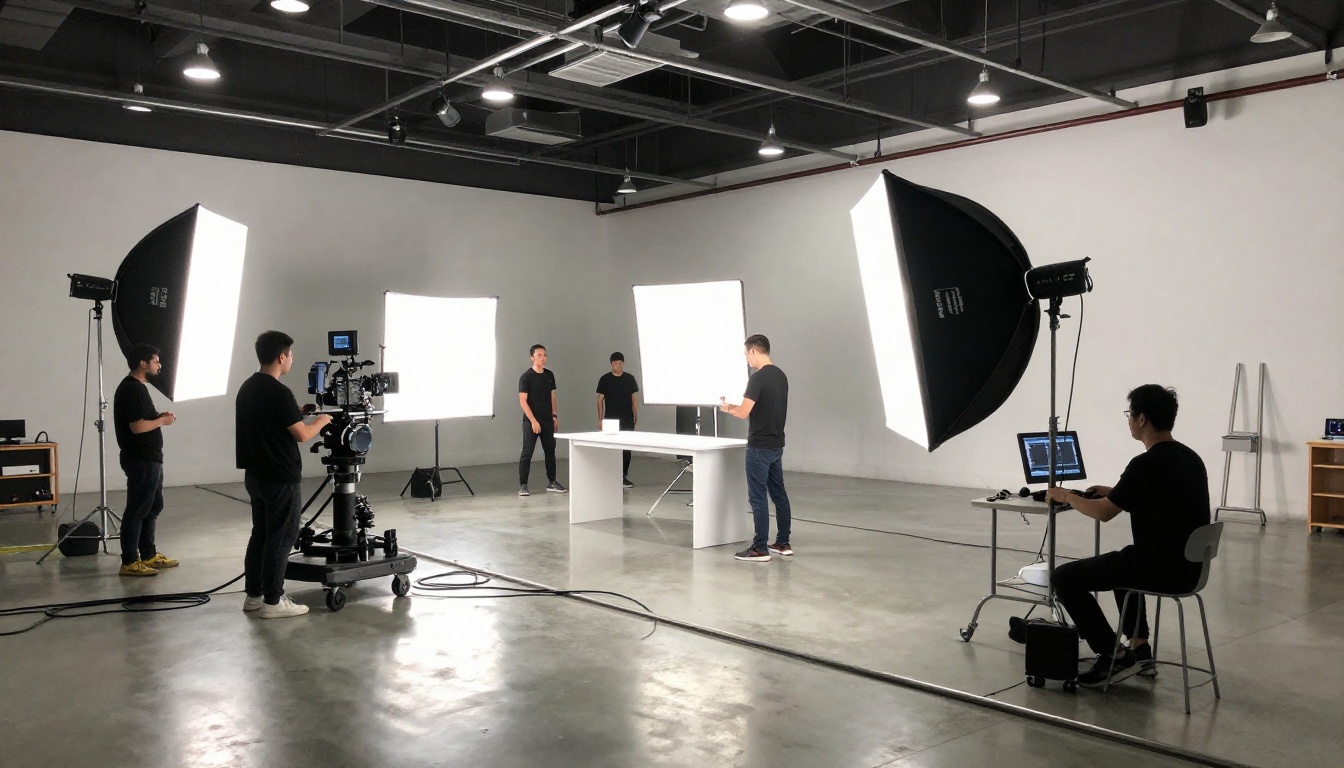
A single day of live-action commercial production in a mid-size market runs $15,000 to $80,000 before post-production. That number includes the crew, location permits, talent, catering, insurance, equipment rentals, and the inevitable overtime when the golden-hour shot window closes before the DP is satisfied. Regional variants of a national campaign can multiply that figure by five or six, turning a one-market win into a multi-market budget crisis.
The Problem AI Was Built to Solve
None of those costs are creative costs. They are logistics costs. The creative brief is already written. The visual language is already established. What changes is the background city, the actor's face, the product colorway, or the seasonal setting. Seedance 2.5 attacks exactly that problem: give it a text prompt describing the visual and it returns 30 seconds of photorealistic motion at broadcast-ready 1080p, with audio already embedded.
Seedance 2.5 at a Glance
ByteDance built Seedance 2.5 as a direct competitor to the top tier of commercial video AI. The spec sheet matters for advertising teams evaluating it seriously.
| Feature | Seedance 2.5 |
|---|
| Max clip length | 30 seconds |
| Resolution | 1080p |
| Audio | Native, synchronized |
| Frame rate | 24fps cinematic |
| Input mode | Text-to-video |
| Access on PicassoIA | Yes |
30 Seconds Changes Everything
Most earlier text-to-video models topped out at 5 to 10 seconds. That is enough for a social media loop or a product reveal, but it is not enough for a structured ad with a hook, a demonstration, and a call-to-action beat. Thirty seconds is the broadcast standard. It is the TV spot duration. It is the pre-roll window before a viewer can skip. Seedance 2.5 hits that mark in a single generation, which no comparable model in the current PicassoIA catalog can match on clip length alone.
What 1080p Means for Broadcast
Resolution has a practical floor in advertising. Digital out-of-home displays, connected TV platforms, and most social placements now require at minimum 1920x1080. The Seedance 2.5 Lite variant handles shorter clips with a more accessible price point, but the full Seedance 2.5 model delivers the broadcast-grade resolution that media buyers actually need. That resolution, paired with native audio, means the output from a single generation can theoretically enter a media plan without a production pass.
💡 Pro tip: 1080p from Seedance 2.5 can be upscaled to 4K for large-format placements using a super-resolution pass. PicassoIA has dedicated upscale models for exactly this workflow.
How to Use Seedance 2.5 on PicassoIA
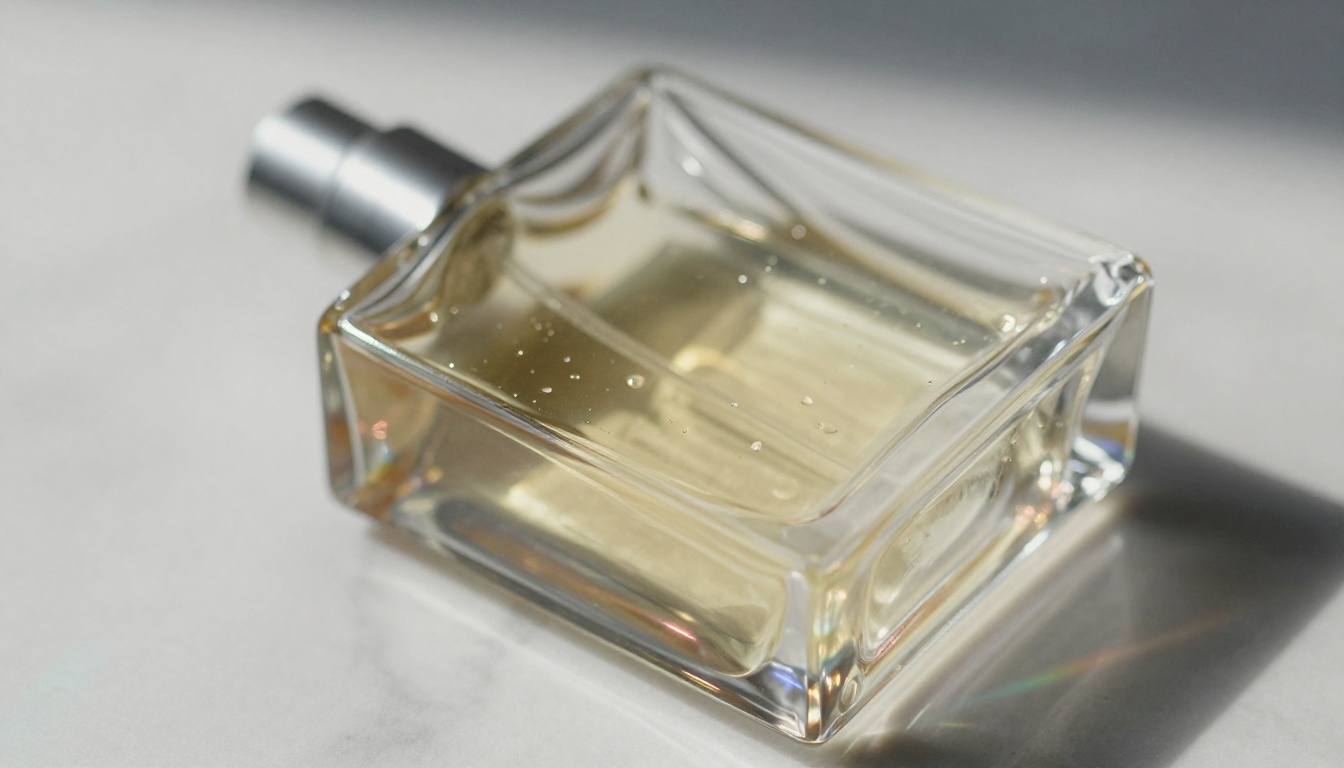
Since Seedance 2.5 is available directly on PicassoIA, you can run your first ad-quality clip without any API setup or local GPU. Here is the practical workflow for ad remake production.
Step 1: Frame Your Brief as a Scene
Advertising briefs use abstract language. AI video models need concrete scene descriptions. The translation step is the most important part of the workflow.
Ad brief language: "Warm, relatable moment showing a family enjoying breakfast together, golden morning light, wholesome brand feeling."
Seedance 2.5 prompt language: "A family of four sitting at a round kitchen table eating breakfast, morning sunlight streaming through sheer curtains from the left, orange juice and toast on the table, children laughing, medium wide shot, warm golden hour lighting, photorealistic, 1080p, cinematic depth of field."
The difference is specificity. Camera angle, lighting direction, composition, and subject action all need to appear in the prompt. Vague emotional language rarely translates into consistent output. Concrete scene descriptions almost always do.
Step 2: Camera Language That Works
Seedance 2.5 responds well to cinematic camera terminology because its training data includes professional cinematography descriptions. These terms translate most reliably:
- Shot type: wide shot, medium shot, close-up, extreme close-up
- Camera movement: slow dolly forward, gentle pan left, tracking shot alongside subject
- Depth of field: shallow focus, deep focus, rack focus from product to face
- Lighting: golden hour, overcast diffused light, three-point studio lighting
The more your prompt sounds like an actual shot list, the better the output quality.
Step 3: Control the Motion Pacing
Ad remakes often need controlled, deliberate motion rather than dynamic action. For a product demonstration spot, you want the camera moving slowly and the subject action clear and unhurried.
Add phrases like: "slow, deliberate movement," "camera holds steady on the product," or "gentle handheld drift" to control the pacing of the generated clip. Without explicit motion direction, Seedance 2.5 can default to more dynamic motion that feels chaotic in a commercial context where the product needs to remain readable throughout.
Step 4: Iterate Fast
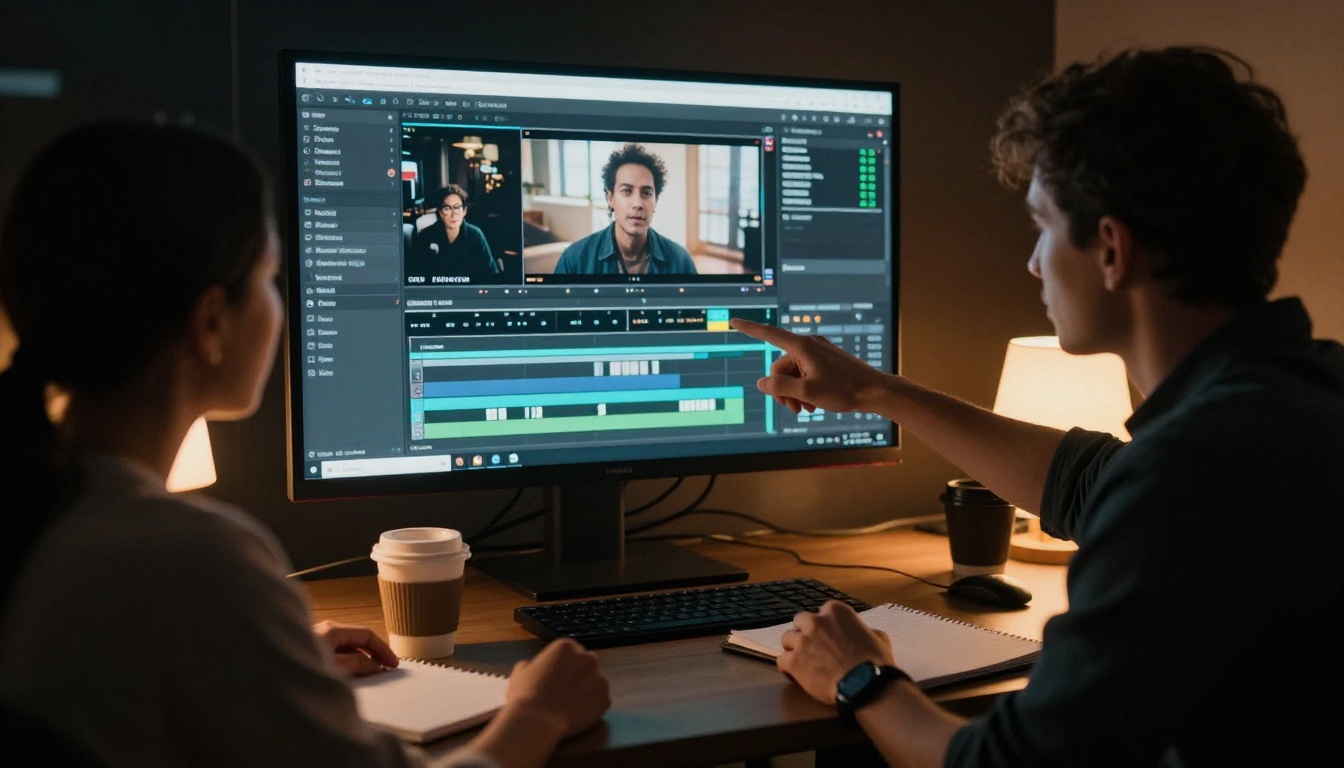
The economics of AI video production flip the traditional approval loop. Instead of waiting three weeks for a reshoot to come back from production, you can generate 10 variations of a scene in an afternoon and bring them to the creative director as options rather than a single take. PicassoIA runs Seedance 2.5 at cloud speed, so iteration is genuinely fast. Concept variations that would have required full production days now take hours.

Real Scenarios: Where Ad Remakes Win
The use cases are not theoretical. These are the scenarios where Seedance 2.5 already produces commercial-quality output that holds up in real media placements.
Food and Beverage Brands
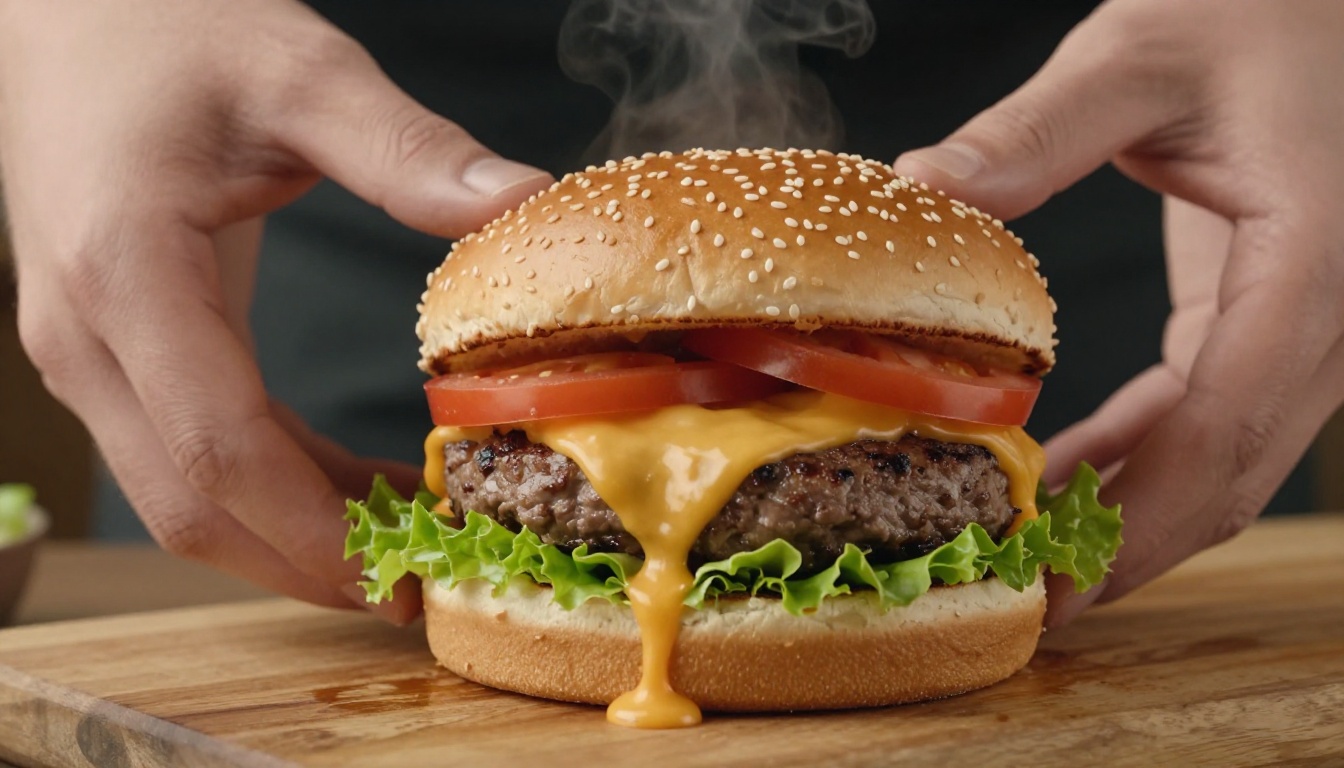
Food advertising has some of the tightest visual requirements in the industry. Color grading, texture, steam, and the specific way light catches a beverage surface are all details that stylists and DPs spend hours perfecting on set. Seedance 2.5 handles hero product shots and casual consumption moments with strong fidelity, especially when prompts include specific lighting conditions and close-up framing instructions.
Seasonal variants are the obvious win here. The same visual brief, rewritten for winter versus summer, produces two fully distinct 30-second spots without a single production day. A brand running four seasonal campaigns per year could eliminate two or three full production shoots annually.
Beauty and Skincare Campaigns
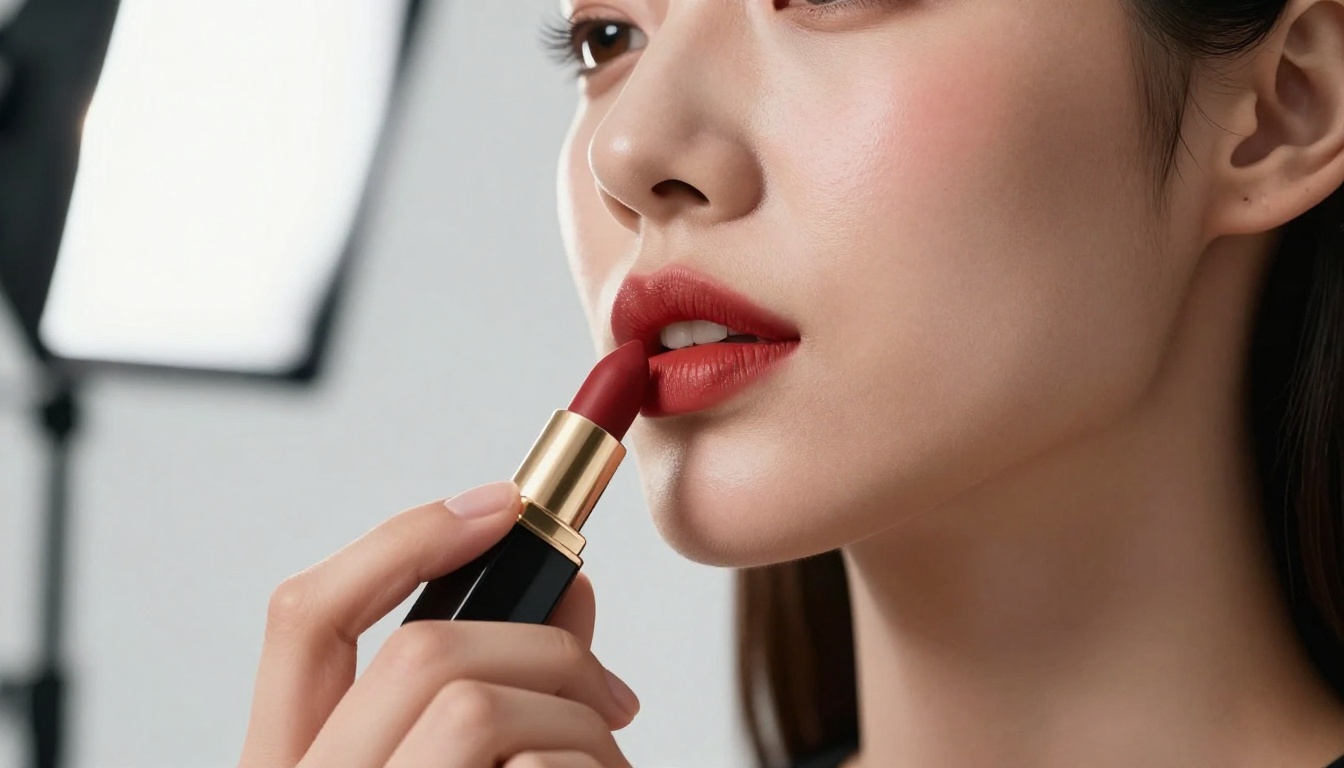
Beauty advertising is technically demanding because it requires close-up skin texture fidelity, precise lighting on product packaging, and talent performance that reads as authentic rather than staged. Seedance 2.5 performs well in this vertical when prompts specify beauty lighting setups explicitly: octabox overhead, edge lights, white seamless background.
For regional market adaptation, the ability to specify talent appearance, skin tone, and environmental setting in the text prompt removes the need for entirely separate production shoots in different countries. A single campaign concept can produce market-specific variants at a fraction of the traditional per-market production cost.
Automotive Spots
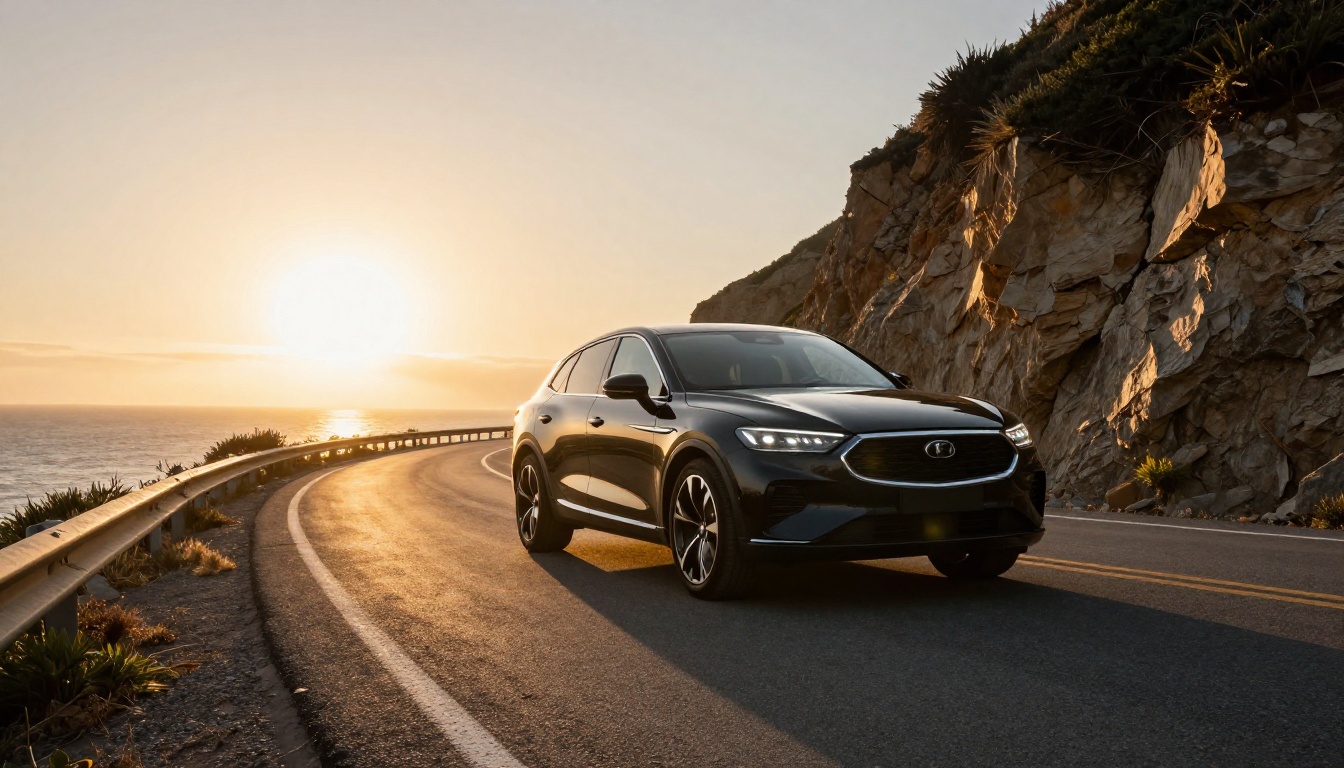
Automotive advertising is traditionally among the most expensive to produce. Location scouting, vehicle transport, rig vehicles, and drone permits add up before a single frame rolls. Seedance 2.5 is not replacing the hero footage of a flagship launch campaign, but it is entirely capable of producing lifestyle and ownership-moment clips: the kind that run as supporting content in a campaign rather than as the primary TV spot.
Prompt the specific road condition, lighting time-of-day, weather, and vehicle behavior and the model returns footage that holds up in social and pre-roll placements. A coastal highway at golden hour, a mountain pass in winter light, a city commute in early morning: these are all promptable scenarios that traditionally require expensive location production days.
Seedance 2.5 vs Other Video Models
The text-to-video space has produced real competition. Here is how Seedance 2.5 stacks up for advertising-specific use cases against other models available on PicassoIA.
The 30-second clip length is Seedance 2.5's structural advantage for advertising work. No other model in the current PicassoIA catalog matches it on that specific dimension. When the ad format requires a full broadcast spot rather than a social clip, that matters enormously.
💡 For iteration speed: Seedance 2.5 Lite is a strong option for rapid concept development. Run your creative directions through Lite first, then graduate the winning prompt to the full Seedance 2.5 model for the final broadcast-quality output.
Prompting for Ad-Grade Output
The difference between a generic AI video and something that could run in a real media buy comes down almost entirely to prompting craft. These are the principles that close the gap between raw AI output and broadcast-quality commercial footage.
Write the Storyboard, Not the Concept
A prompt is not a mood board description. It is a shot-by-shot instruction. Think about what happens in the first three seconds versus the last three seconds. Describe the arc of motion, not just the static scene.
Weak prompt: "A woman enjoying coffee in a cozy cafe."
Strong prompt: "A woman in her early thirties lifts a white ceramic coffee cup slowly toward her lips, close-up at 85mm, steam rising, soft window light from camera-left, background cafe softly blurred, she closes her eyes and exhales slowly after the first sip, 30-second cinematic shot, photorealistic 1080p."
The strong version describes action over time. That temporal specificity is what separates AI video prompting from static image prompting, and it is what makes Seedance 2.5 outputs feel like deliberate creative choices rather than random generation.
Match the Lighting to the Mood
Advertising lighting is not accidental. Morning light means optimism and energy. Cool blue hour light means premium, restrained luxury. Warm tungsten means intimacy and comfort. These associations are deeply embedded in visual culture and Seedance 2.5 has absorbed them through its training data. Use that intelligence deliberately.
| Mood | Lighting to Prompt |
|---|
| Energy, optimism | Morning golden hour, warm directional side-light |
| Luxury, restraint | Cool blue hour, minimal fill, deep shadows |
| Comfort, warmth | Tungsten practicals, amber tones, soft wrap light |
| Clinical, clean | Soft overcast diffusion, white seamless backdrop |
| Dramatic, bold | Single hard source, high contrast, strong shadows |
Use Movement to Signal Production Value
Static shots read as low-budget. Even a subtle camera movement, a slow push-in, a gentle handheld drift, or a brief rack focus, adds perceived production value to the output. Prompt movement explicitly and Seedance 2.5 will deliver it consistently.
The most reliable motion prompts for advertising contexts are: slow dolly in toward product, gentle pan to reveal, tracking shot following subject, subtle rack focus from foreground to background. Without explicit motion direction, results can default to locked-off static shots that lose the kinetic energy a commercial needs to hold attention.
What Seedance 2.5 Still Cannot Replace
Honest evaluation matters here. Seedance 2.5 is a production accelerator. It is not yet a full production replacement for every scenario, and overstating its current capabilities creates misaligned expectations.
Precise Talent Performance
Subtle acting, the hesitation before a line, the micro-expression that sells a comedic beat, the specific body language of a trained spokesperson: these remain outside reliable AI control. When the ad is built around a specific human performance moment, live production is still the more reliable path. The model generates plausible human behavior, but it cannot replicate the directed, intentional performance of a trained actor working to a specific brief.
Physical Interaction with Real Products
Pouring a drink, placing a product in a shopping cart, unboxing a package, interacting with a branded interface: sequences that require a specific physical interaction with a real object at a specific moment in the frame are hard to prompt with precision. The model will generate plausible versions, but achieving the exact timing and product handling that a brand's legal team has already approved is not yet a reliable text-prompt operation.
Brand-Specific Consistency Across a Campaign
Running multiple ads in a campaign series requires visual consistency: same color grades, same talent, same environments across multiple outputs. Seedance 2.5 generates creative variations well, but maintaining exact visual consistency across a full campaign series still requires careful prompt management and post-production color work to align outputs into a coherent visual system.
💡 Workflow suggestion: Use Seedance 2.5 for b-roll, cutaway, and lifestyle footage layers of a campaign. Reserve primary talent footage for live production when exact performance precision is required. The hybrid approach cuts production costs significantly while maintaining quality where it matters most.
Models That Complete the Ad Production Workflow
Seedance 2.5 generates the primary footage, but a full ad production workflow on PicassoIA can draw from the broader model catalog to fill out the pipeline with the right tool for each specific need.
- Pixverse v5.6: Strong on effects-heavy moments and high-energy transitions that work well for fast-cut social edits
- Kling v3 Video: Exceptional cinematic motion quality for premium product spots where motion smoothness is the priority
- Wan 2.7 T2V: Detailed scene descriptions at 1080p with strong consistency, useful for high-volume content needs
- Veo 3: Outdoor, natural-light photorealism, ideal for travel, lifestyle, and CPG outdoor spots
- Ray 3.2: HDR output and cinematic fidelity for premium product hero shots that need maximum visual punch
The full PicassoIA video catalog holds over 87 text-to-video models, meaning the right tool for any specific production scenario is available without switching platforms or managing separate API billing relationships.
The Production Math
The case for Seedance 2.5 in commercial ad production is ultimately a cost-versus-quality argument. Here is how the numbers look in practice for teams that have started integrating it into real workflows.
| Production Scenario | Traditional Cost | AI-Assisted Cost | Savings |
|---|
| Seasonal campaign variant | $40,000 | $500 to $2,000 | 95%+ |
| Regional market adaptation | $25,000 per market | $200 to $800 | 97%+ |
| Social media cutdowns | $8,000 per edit | $100 to $400 | 95%+ |
| Concept pitch production | $15,000 | $50 to $200 | 99%+ |
These numbers assume that creative direction, brand approval, and post-production color grading remain in-house. The AI handles raw footage generation. Human creative judgment still drives output quality, which is the correct division of labor between the two.
The concept pitch scenario deserves particular attention. Presenting a client with 30 seconds of actual rendered footage instead of static storyboard frames changes the pitch meeting entirely. It removes the imaginative burden from the client and makes approval faster and more confident. Teams that have adopted this approach report significantly shorter pitch-to-approval cycles.
Start Remaking Your Ads on PicassoIA
Seedance 2.5 is live on PicassoIA right now. You do not need a production crew, a location permit, or a six-week pre-production schedule to test whether AI video works for your next campaign.
The practical starting point is the one scenario you have already identified as too expensive: the seasonal variant, the regional adaptation, the campaign extension that the budget always kills before it gets approved. Write that brief as a Seedance 2.5 prompt, run it on PicassoIA, and evaluate the output against what traditional production would have delivered at 20 times the cost.
If you want to iterate quickly before committing to the full model, Seedance 2.5 Lite is the right entry point. Run creative directions through Lite, lock the winning concept, then move to the full Seedance 2.5 for broadcast-quality output. The cost difference between concept testing and final output generation makes this two-pass workflow the most efficient path for teams working under budget pressure.
Beyond Seedance, PicassoIA brings the full ecosystem into a single platform: Kling v3 Video, Veo 3, Ray 3.2, Sora 2, and over 80 more models, all accessible without managing separate API accounts or billing relationships. The production pipeline for live-action ad remakes has changed. The question is whether your workflow has caught up with what the models can already do.
Run your first Seedance 2.5 spot on PicassoIA today.


