The arrival of Seedance 2.5 in the AI video generation space has been anything but quiet. Fashion creators, adult content studios, and independent photographers are all asking the same question: how far can you push this model before it pushes back? The answer depends on who you ask, and what platform you are using to run it. This article cuts through the speculation and gives you a clear-eyed look at what the model actually does, where the real content limits live, and which tools on PicassoIA give you genuine creative control.
What Seedance 2.5 Actually Does
Seedance 2.5 is ByteDance's latest video diffusion model, designed for high-fidelity, temporally consistent video generation from image or text inputs. Its ability to maintain realistic human anatomy across frames, preserve fine fabric textures, and simulate natural lighting over 5-to-10 second clips makes it uniquely compelling for fashion content. The model sits at an interesting intersection: technically capable of sophisticated adult content, yet deployed primarily in ecosystems that apply strict content filters.
The Fashion Lookbook Use Case
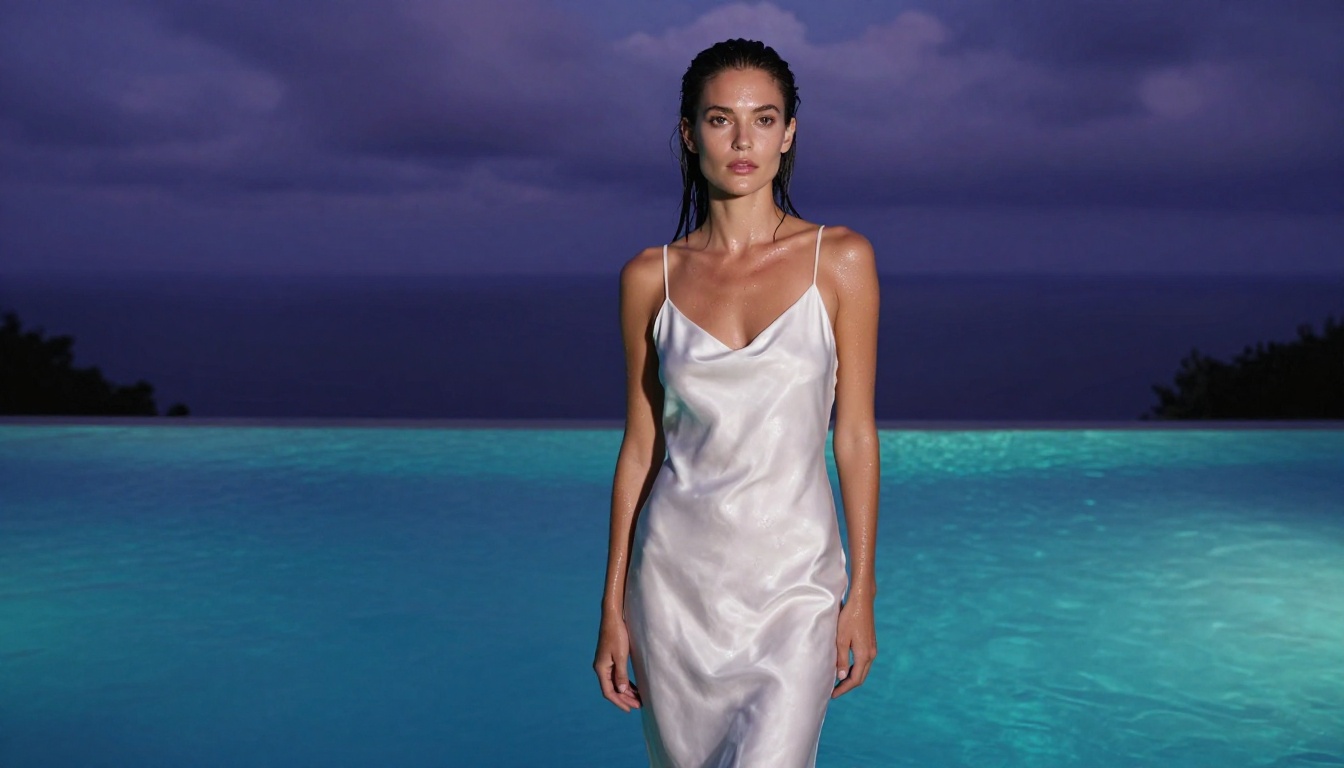
Fashion lookbooks have always been about selling aspiration. A well-crafted lookbook does not just show clothing; it places garments in a world the viewer wants to inhabit. With Seedance 2.5, creators can now generate that world from a single reference image, extending a static photograph into a short video clip with the model walking, turning, or stepping through changing light.
The use cases being explored across creative communities include:
- Swimwear campaigns where models move through surf or shift posture in beach settings
- Lingerie editorial content with slow-motion draping and fabric movement
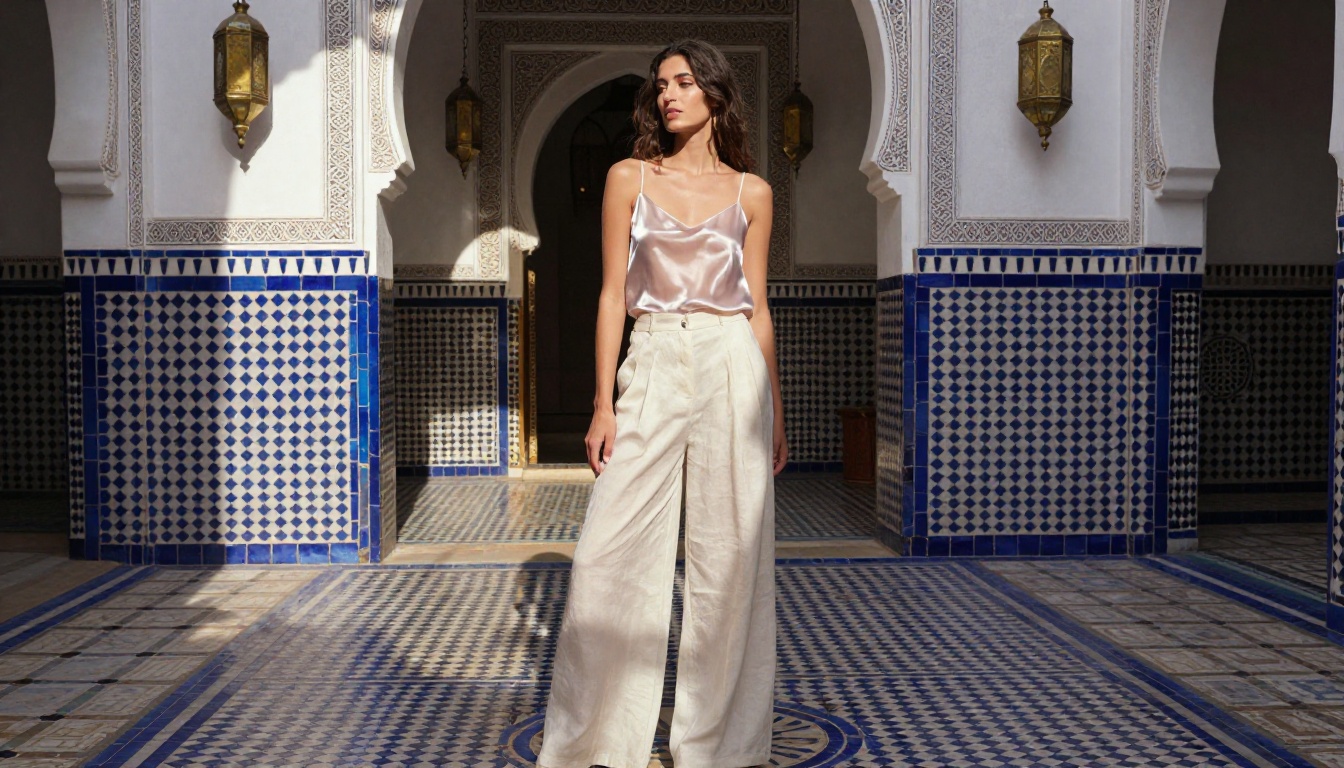
- High-fashion street style animated from still lookbook shots
- Implied-nudity artistic sequences in classical or nature settings referencing fine art photography traditions
Why Fashion Creators Are Paying Attention
The resolution quality of Seedance 2.5 outputs, particularly in 720p mode, places it close to real camera footage for controlled scenarios. When paired with strong source images, the model does not just animate; it adds photorealistic environmental interaction: fabric reacts to simulated wind, shadows shift with the sun, hair moves with natural physics.
For brands producing digital content at scale, this changes the economics entirely. A single photographer session generates dozens of source frames, each of which can become a short clip. What previously required a video crew, lighting director, and location becomes a post-production AI workflow costing a fraction of the price.
The Line Nobody Can Agree On
The phrase "NSFW fashion lookbook" sits in genuinely contested territory. What one platform flags as explicit, another hosts without a second thought. And what a fashion photographer considers "editorial nudity," a content moderation algorithm often reads very differently. This ambiguity is not new; it predates AI entirely. But AI generation at scale has forced the question into much sharper focus.
Suggestive vs. Explicit: Not the Same Thing
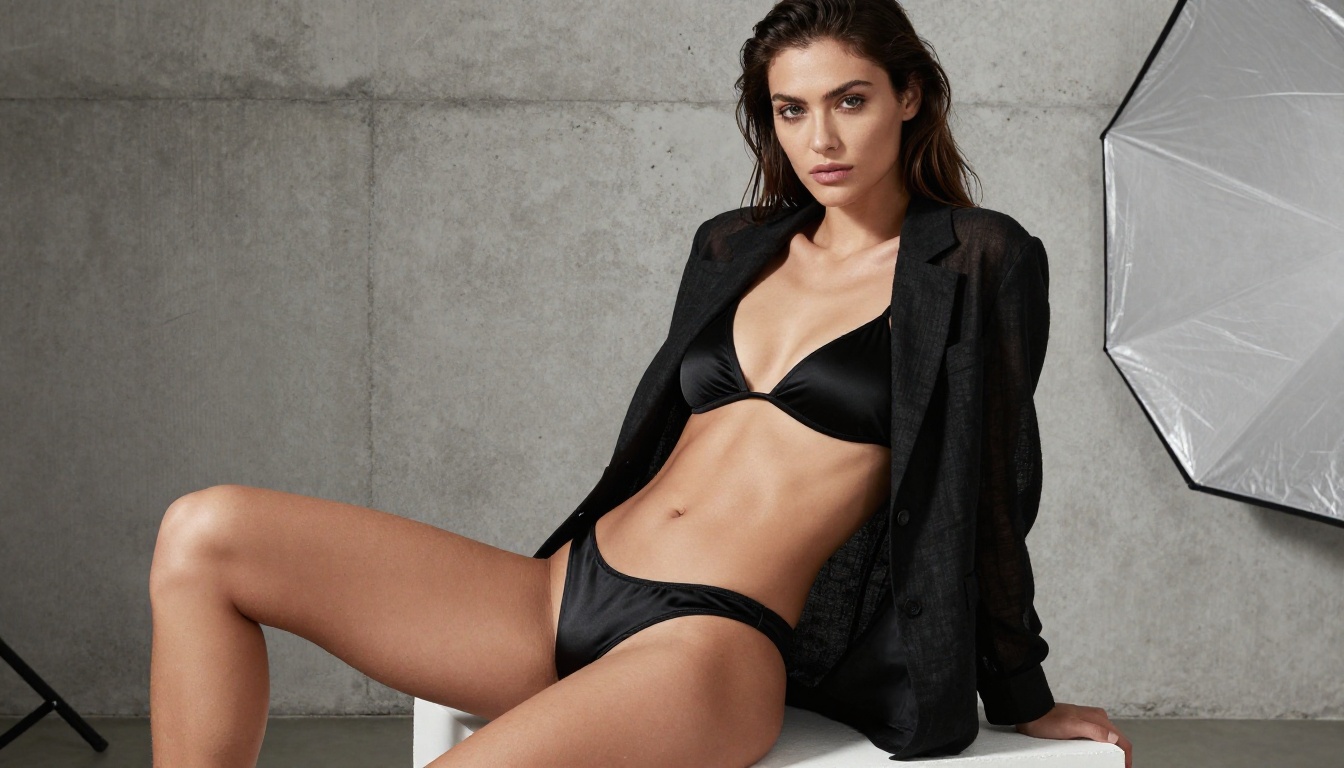
There is a real, meaningful difference between suggestive content and explicit content, and Seedance 2.5 sits mostly on the former side of that line by default. The model generates and handles content across a spectrum:
| Content Type | Default Behavior | Notes |
|---|
| Bikini and swimwear | Freely generated | Consistent quality across platforms |
| Lingerie editorial | Usually generated | Results improve with editorial prompting |
| Implied nudity | Inconsistent | Requires careful framing and context |
| Explicit content | Blocked by default | Requires uncensored platform access |
Suggestive content in fashion photography has existed long before AI. A bikini campaign in a major fashion magazine is not classified as pornographic. But AI models face a harder line because they operate at scale, they are often used anonymously, and the gap between "suggested" and "shown" can collapse in a single generation step.
Platform Policies Are the Real Constraint
The model itself has capabilities. What restricts those capabilities is where you run it. Standard API access through major commercial platforms applies content filters at the request level. Some platforms enforce these aggressively. Others allow safety tolerance parameters you can adjust. A few offer unrestricted access designed specifically for adult creative work.
💡 The real variable is not the model's capability; it is the platform's filter layer. Running the same prompt through two different API wrappers can produce meaningfully different results because the restrictions are applied above the model, not inside it.
How Fashion Photography Bends the Rules
High-fashion photography has decades of precedent for content that reads as glamorous rather than explicit. The visual language of editorial fashion: the styling choices, lighting angles, body language, and environmental context, creates a frame within which the same physical content communicates entirely differently depending on presentation.
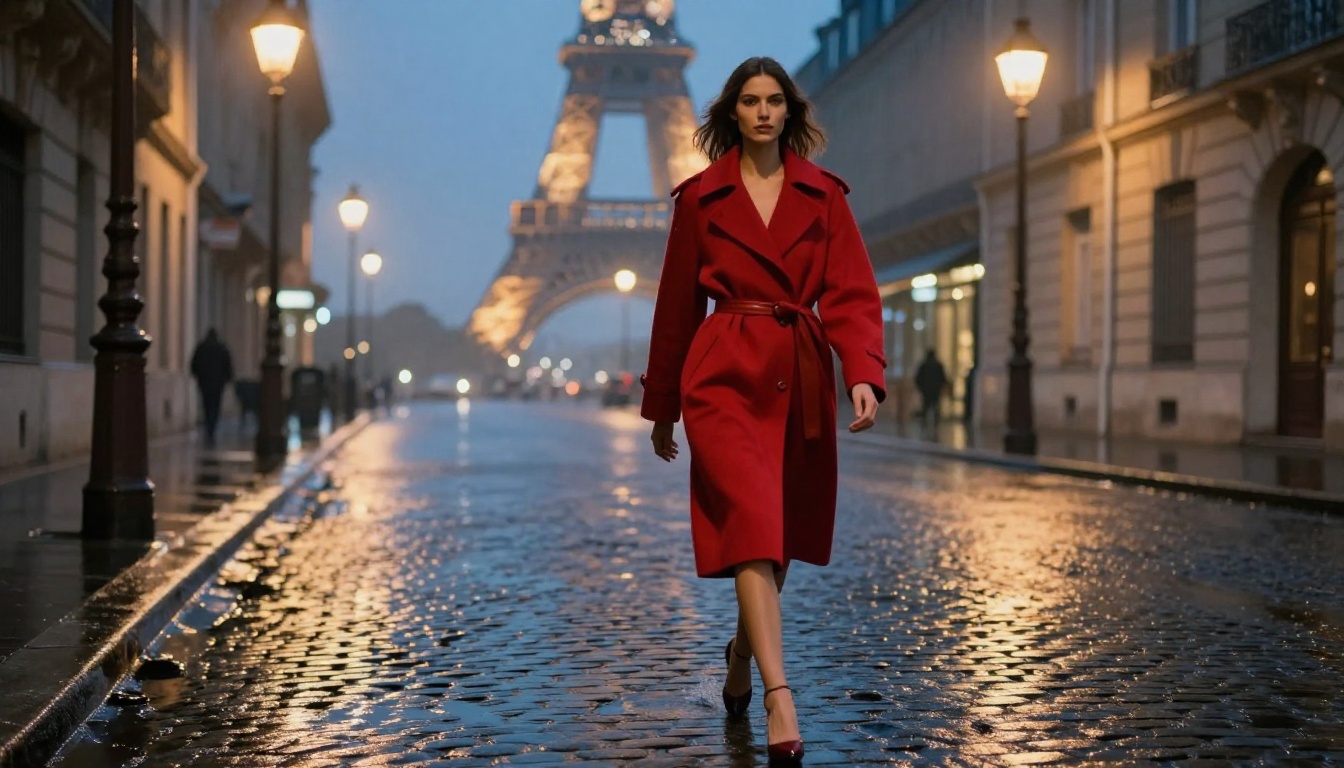
AI models trained on fashion photography inherit some of that visual grammar. A prompt written in editorial language, referencing aperture, film stock, and compositional structure, often produces more controlled results than direct descriptive prompting. The model draws from a different distribution of training examples when you speak its language.
Seedance 2.5 in Practice: What Works
Based on what creators have shared publicly and tested across different deployment environments, Seedance 2.5 handles certain content categories reliably and others with friction.
Bikini Shoots and Glamour Content
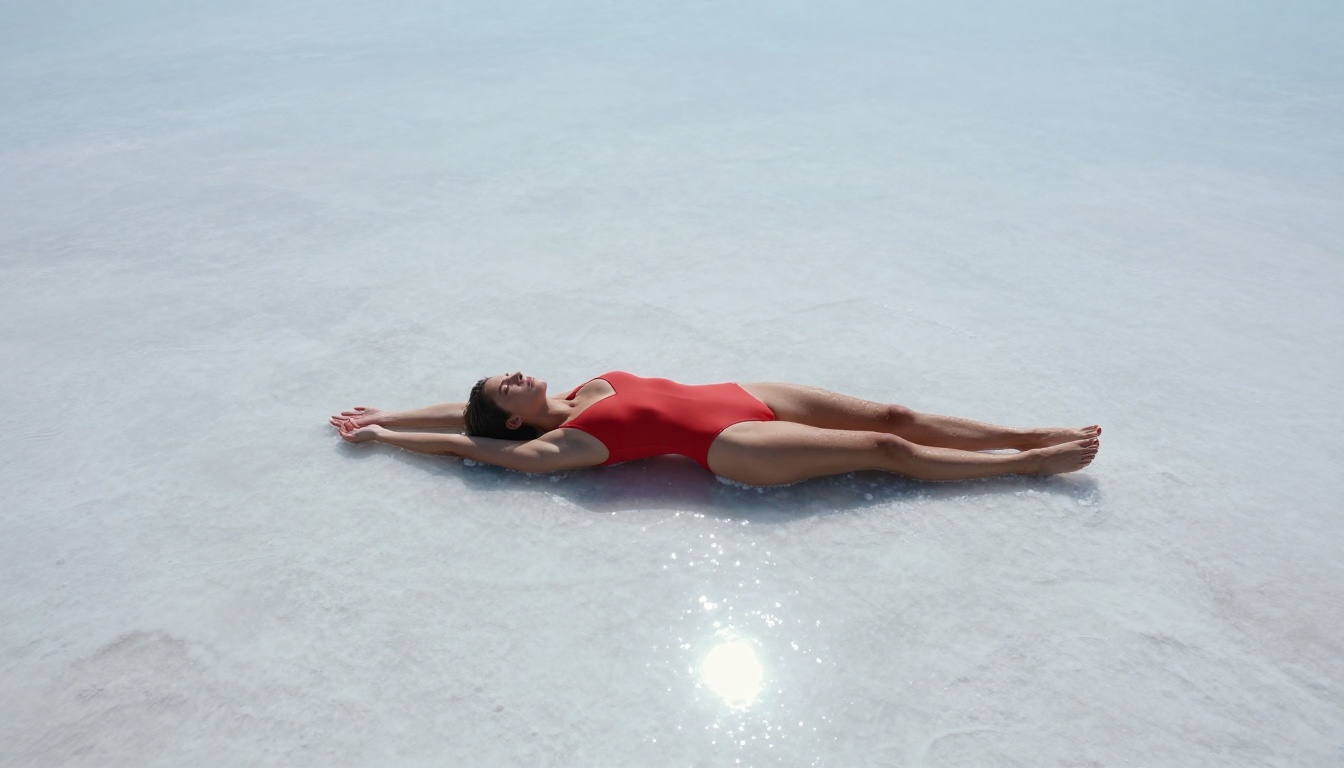
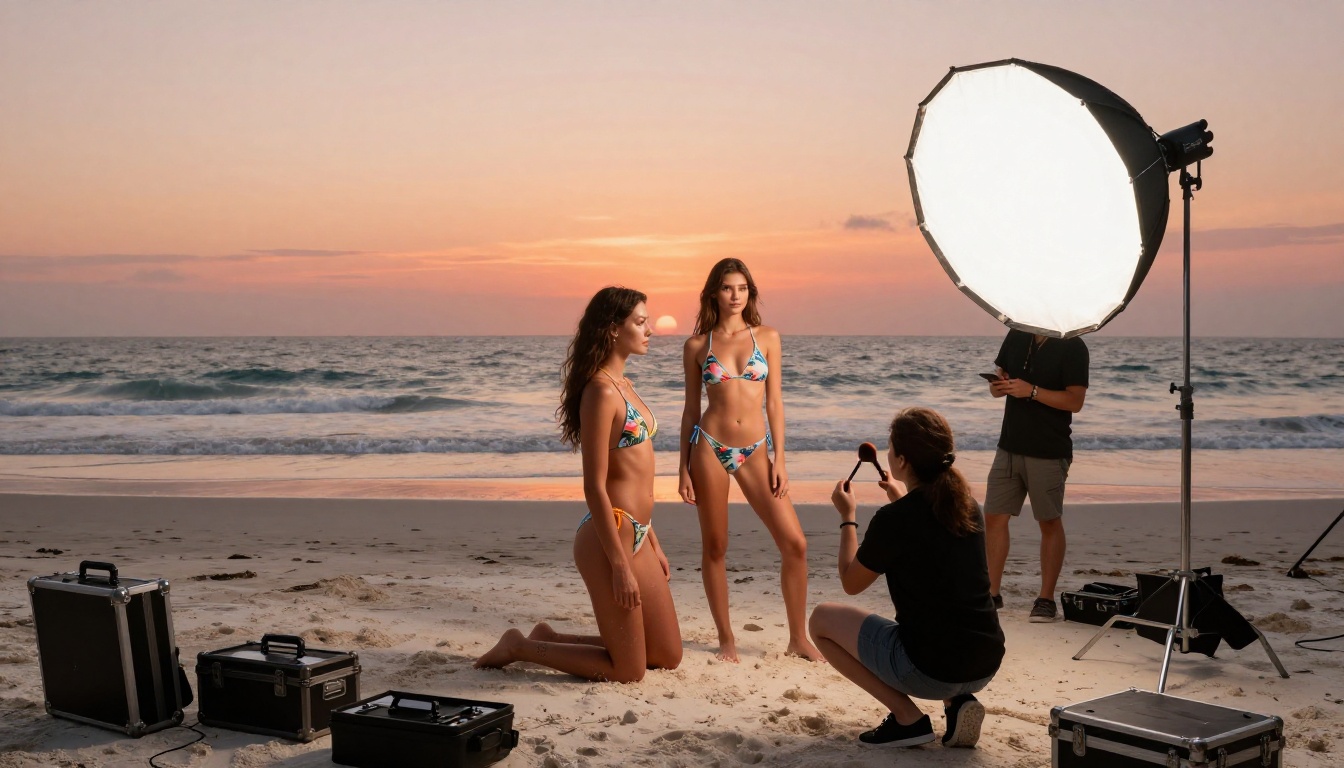
This is where the model performs most consistently. Generated clips of models in swimwear in outdoor settings show strong temporal consistency, realistic fabric physics, and natural motion across frames. The 5-second default duration suits the looping content format favored by fashion brands on social platforms.
Quality factors that consistently improve results:
- Strong source image quality: A high-resolution, well-lit source image produces significantly better video output than a low-quality starting frame
- Clear spatial context: Background environments with defined depth planes animate more convincingly than flat or abstract backgrounds
- Natural poses: The model handles naturalistic standing and walking poses better than highly stylized editorial poses that are rarely seen in motion
Implied Nudity and Artistic Framing
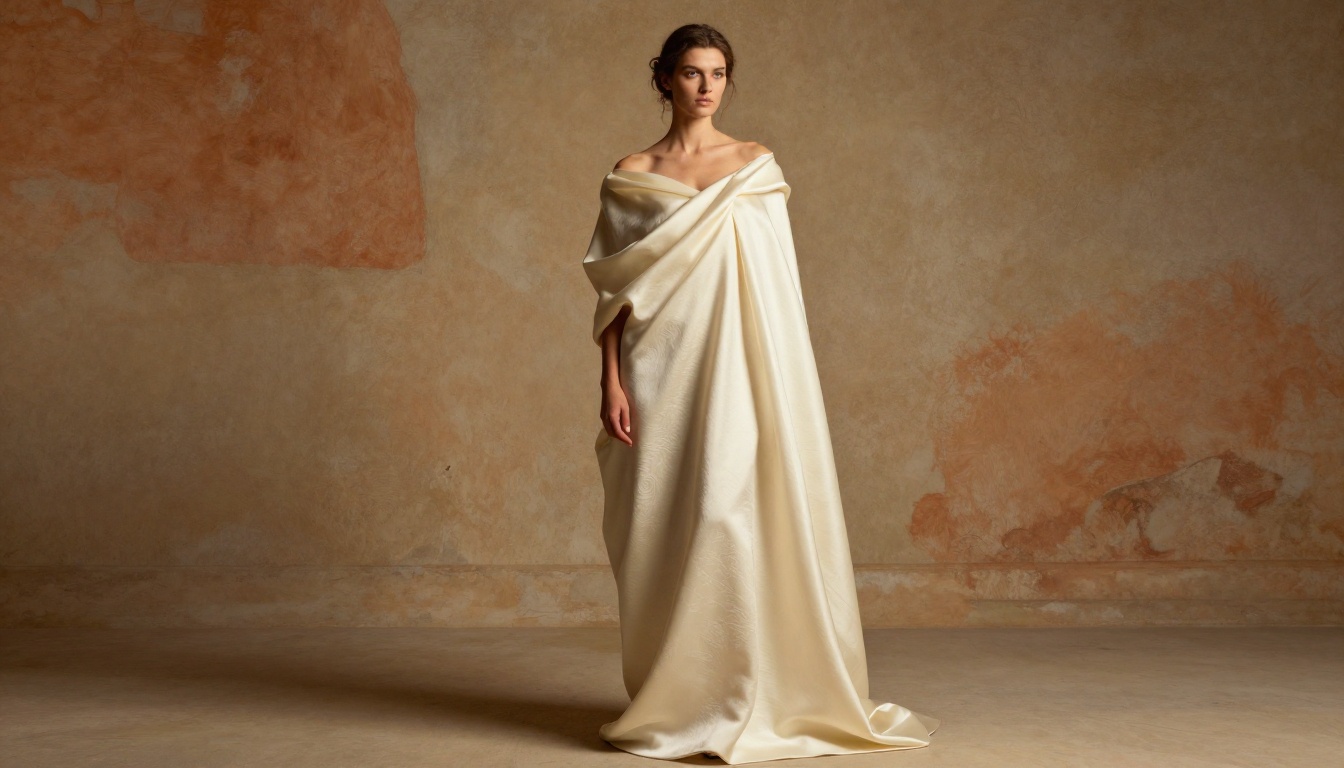
This is the territory where Seedance 2.5 becomes genuinely interesting for creators working in fine art or classical aesthetic photography. Content referencing traditions of figure photography, where coverage is partial or implied rather than explicit, can be generated with careful prompt construction. The most reliable approach involves:
- Using a source image that already establishes the artistic framing before prompting for motion
- Writing motion descriptions in cinematographic language rather than subject descriptions
- Referencing specific lighting conditions: natural window light, dawn, golden hour, candle light
- Describing form and composition rather than anatomy directly
Where the Model Pushes Back
Seedance 2.5, like most large video diffusion models, has trained-in behavior that activates at certain content thresholds. Explicit content, even when described in clinical or artistic language, tends to produce either degraded outputs or a refusal at the API level depending on the deployment environment. This is not a flaw in the model; it reflects where it was designed to operate commercially. The workaround is not better prompting on the same platform; it is choosing a platform designed for unrestricted creative work.
Best Models for NSFW Fashion Content on PicassoIA
For creators who want to work without filter constraints, PicassoIA offers a catalog of models built for unrestricted, high-quality image and video generation. Here is what is worth using for fashion lookbook work specifically.

Seedream 4.5 for Fashion Realism
Seedream 4.5 is the strongest starting point for NSFW fashion photography on PicassoIA. It accepts adult content without filtering, produces images with genuine photographic realism, and operates in under 3 seconds per generation. For a lookbook workflow where you are iterating through dozens of variations, that speed matters considerably.
The model also supports image editing, so you can take a generated base image and modify specific elements: swap backgrounds, adjust clothing, or refine lighting without regenerating from scratch. This makes it the most versatile option in the catalog for professional fashion work.
💡 Important: The newer Seedream 5 Lite does not support NSFW content. For adult-adjacent fashion work, Seedream 4.5 is the correct choice. Do not confuse them.
PicassoIA Image Editor Pro for Unlimited Lookbooks
PicassoIA Image Editor Pro solves a problem that professional lookbook creators hit quickly: generation cost at volume. If you need 500 variations of a swimwear campaign, the per-generation cost on standard commercial models adds up fast. On PicassoIA's Elite or Infinite plans, Image Editor Pro offers unlimited generations, meaning 1,000 images costs the same as 10.
Results come back in under a second, the model accepts NSFW input with no safety filter, and a free trial of 3 generations requires no credit card. For batch lookbook production specifically, this model changes the economics of AI fashion work entirely. Comparable volume on per-credit models like Nano Banana 2 would run around $100 for 1,000 images; here it is included in your subscription.
More NSFW-Capable Models Worth Using
PicassoIA's catalog goes well beyond those two. For fashion lookbook work specifically, these models are worth adding to your workflow:
- Qwen Image 2 — Open-source model with exceptional realism for both creation and editing. Particularly well-suited to detail work on fabric texture and skin rendering in close-up editorial shots.
- Grok Imagine Image — Effective at converting reference images into swimwear and bikini formats with photographic realism. Strong for repurposing existing photography into fashion content.
- Recraft V4 — Text-to-image with very high photorealism across fashion and glamour content categories. A reliable option when you are working from text descriptions rather than source images.
- P-Image — NSFW-capable text-to-image generation in under 1 second. Good for rapid iteration when you need volume quickly and speed is the priority.
For video content from your generated images, PicassoIA Video offers unlimited video generation from text prompts at up to 720p. P-Video extends that to 1080p with safety filters off by default, and Grok Imagine Video produces clips up to 15 seconds with no watermarks. For the highest fidelity video output, LTX 2.3 Pro reaches up to 4K at 50fps with retake and extend editing capabilities.
How to Create Fashion Lookbooks Without Crossing Lines
Whether you are working within platform content policies or on an uncensored platform, the craft of generating compelling fashion content follows the same logic: the best fashion AI imagery does not feel explicit, it feels aspirational. That gap is entirely about how you prompt and frame your content.
Prompting for Glamour, Not Explicit
The most effective fashion AI prompts read like directions to a photographer, not descriptions of a subject. Compare these two approaches:
Less effective: "woman in bikini showing skin on beach"
More effective: "fashion model in structured ivory bikini standing at cliff edge, morning light from camera left, 85mm f/1.8, Kodak Portra 400, medium shot, ocean background, editorial magazine style"
The second version draws from the visual vocabulary of real fashion photography. It tells the model what kind of image you want, not just what is in it. The result is reliably more in line with editorial standards, more visually interesting, and less likely to produce awkward outputs or trigger content filters.
Using Lighting and Composition as Tools
Lighting is the most powerful variable in non-explicit fashion content. The difference between a tasteful swimwear image and something that reads differently often comes down entirely to these technical choices:
- Light direction: Side lighting and backlighting create form without revealing anatomical detail; they are the defining signature of high-fashion photography
- Shadow placement: Strategic shadow maintains tasteful framing while suggesting form and body contour
- Lens specification in prompts: Telephoto lenses create subject isolation and compressed backgrounds, this reads as editorial immediately
- Color temperature: Warm golden-hour light or blue-hour dusk reads as romantic and aspirational rather than clinical
The Editorial Approach
The fashion industry has a well-established visual grammar for content that is sensual without being explicit. It involves framing around implied narrative rather than body-centered description.
💡 A strong fashion image tells a story about where this person is, what they are doing, and why it is aspirational. The garments or lack thereof become almost incidental to the mood being constructed.
Draping, fabric movement, environmental context, and model expression all contribute to how a viewer reads an image before they register specific physical details. Mastering this framing is what separates fashion AI content that looks like editorial work from content that looks like something else entirely.
Your Own Lookbook Workflow on PicassoIA
Building a full fashion lookbook with AI is a repeatable, scalable workflow once you have established your visual style and model preferences. Here is how professional creators are structuring their production process.
From Concept to Finished Lookbook
Step 1: Define your visual identity.
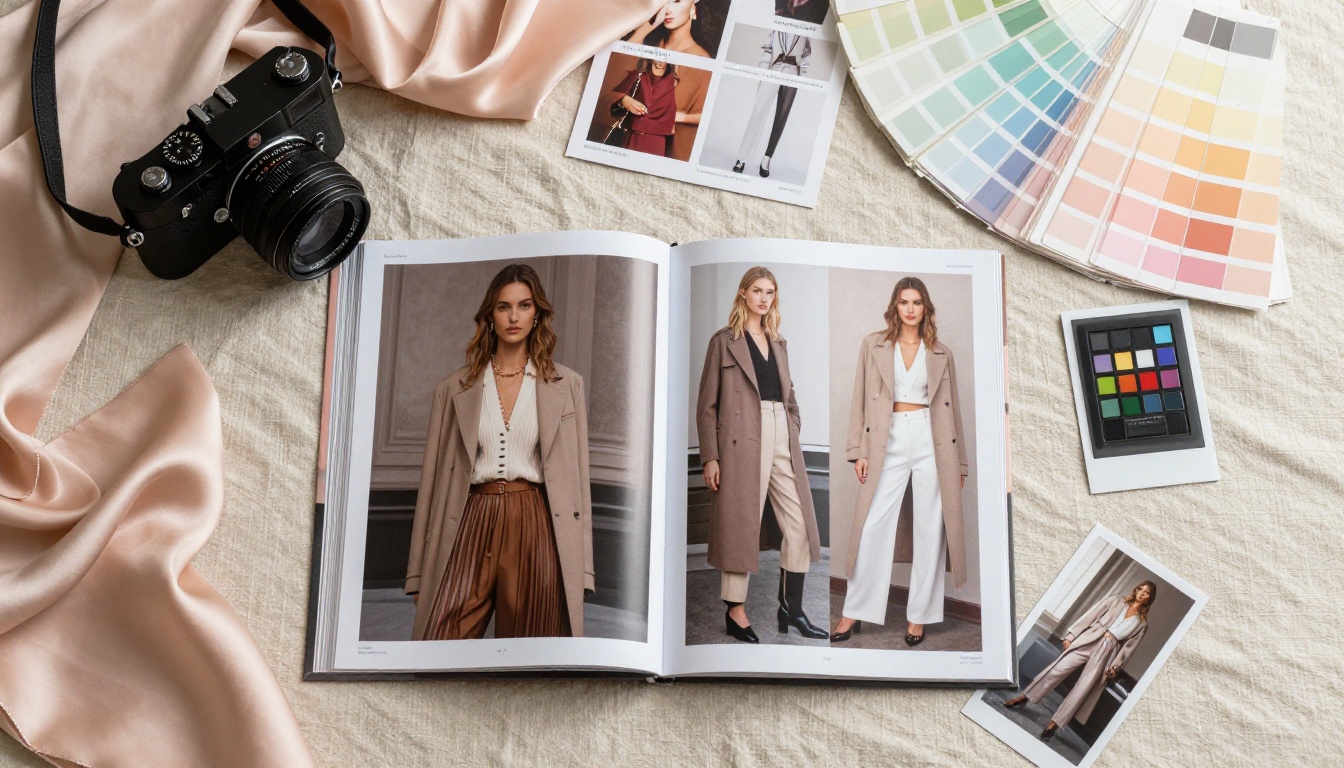
Before generating anything, assemble a reference mood board. Identify the lighting style (editorial, natural, studio), color palette, environmental settings, and body language that characterizes the collection you want to build.
Step 2: Generate base images with Seedream 4.5.
Use Seedream 4.5 to generate your core lookbook images. It provides the highest fidelity starting point for a professional fashion workflow. Write prompts that specify camera setup, lighting direction, environment, and film stock for maximum control over the output aesthetic.
Step 3: Refine and iterate with PicassoIA Image Editor Pro.
Once you have a strong base image, use PicassoIA Image Editor Pro to iterate. Because generations are unlimited, you can produce dozens of variations adjusting background, styling, or lighting without watching credit counts disappear.
Step 4: Extend into video content.
Use PicassoIA Video or P-Video to animate selected stills into short clips. This turns a static lookbook into a hybrid format that performs significantly better on social platforms than still images alone.
Step 5: Finalize and export.
PicassoIA's AI enhancement tools can push generated images to 2x or 4x their native resolution without visible artifacts. For print-quality output or large-format display, run final selections through the super resolution tools before exporting.
Batch Generation for Professional Output
Professional lookbook production means generating at volume. A 30-look collection with 5 image variations per look is 150 images. On a per-credit model, that calculation compounds fast and starts eating into creative flexibility because you are rationing generations instead of iterating freely.
PicassoIA Image Editor Pro's unlimited generation on Elite and Infinite plans eliminates that ceiling entirely. You run the full batch, iterate as much as needed, and select your best outputs without any financial pressure mid-creative process. That difference in creative freedom is not abstract; it changes how confidently you can push in unexpected directions and how quickly you can recover from prompts that do not land.
Start Creating Your Own Lookbooks
The conversation around Seedance 2.5 NSFW Fashion Lookbooks: Where's the Line is ultimately about creative control. The line exists, but where it falls depends entirely on your platform, your workflow, and the visual vocabulary you bring to your prompts.
PicassoIA gives you the tools to work without the restrictions that constrain other platforms. Seedream 4.5 produces real photographic quality for NSFW fashion content and generates in under 3 seconds. PicassoIA Image Editor Pro lets you iterate at scale without limits. And the video models, PicassoIA Video, P-Video, and Grok Imagine Video, extend your stills into motion content that brings fashion to life in formats that platform audiences actually engage with.
For creators who are serious about building AI fashion content at scale without filtering restrictions and without per-generation costs eating into creative capacity, PicassoIA is worth a serious look. The catalog is deep, the models are fast, and the platform is built around the kind of creative freedom that fashion AI work actually requires.
Browse the full catalog and start generating at picassoia.com/en/all-models.


