The moment your words transform into visual reality marks a fundamental shift in creative expression. Seedream 4.5 represents the latest evolution in text-to-image AI technology, where descriptive language becomes photorealistic imagery with astonishing accuracy and detail. This isn't about digital art or abstract representations—it's about generating images that look like they were captured by a professional photographer, designed by an architect, or painted by a master artist.
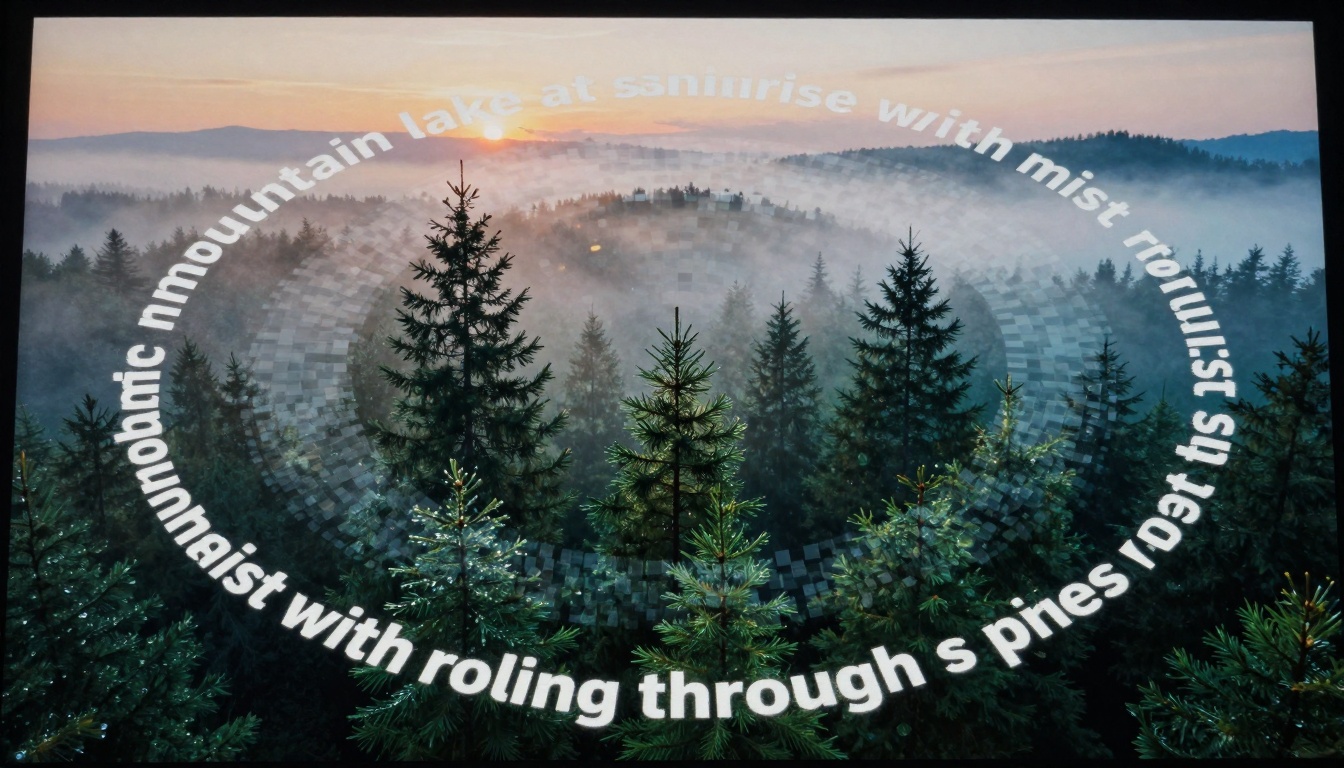
How Seedream 4.5 differs from earlier text-to-image models becomes immediately apparent when you see the output quality. While previous systems struggled with consistency and photorealism, Seedream 4.5 delivers images with proper lighting, accurate perspective, and realistic textures. The system understands not just objects and subjects, but also mood, atmosphere, and artistic composition.
The technical architecture behind photorealistic generation
Seedream 4.5 employs a multi-stage generation process that starts with semantic understanding and progresses through detailed rendering phases. The system first analyzes your text prompt to extract:
- Primary subjects and their relationships
- Environmental context and spatial arrangement
- Lighting conditions and atmospheric effects
- Style preferences and artistic influences
Unlike simpler models that generate images in a single pass, Seedream 4.5 iteratively refines details across multiple resolution scales. This approach mimics how human artists work—starting with broad composition, then adding medium details, and finally rendering fine textures and subtle lighting effects.
💡 Prompt quality directly impacts output quality. Specific, detailed descriptions yield more accurate and visually compelling results. Instead of "a sunset," try "golden hour sunlight filtering through coastal fog, illuminating weathered wooden pier with peeling paint, seagulls circling overhead, cinematic 35mm photography style."
Professional applications across creative industries
Architecture and interior design professionals use Seedream 4.5 to visualize concepts before committing to detailed CAD work. A prompt like "mid-century modern living room with floor-to-ceiling windows overlooking forest, walnut furniture, leather sofa, indirect lighting" generates photorealistic interior renderings that clients can instantly understand and react to.
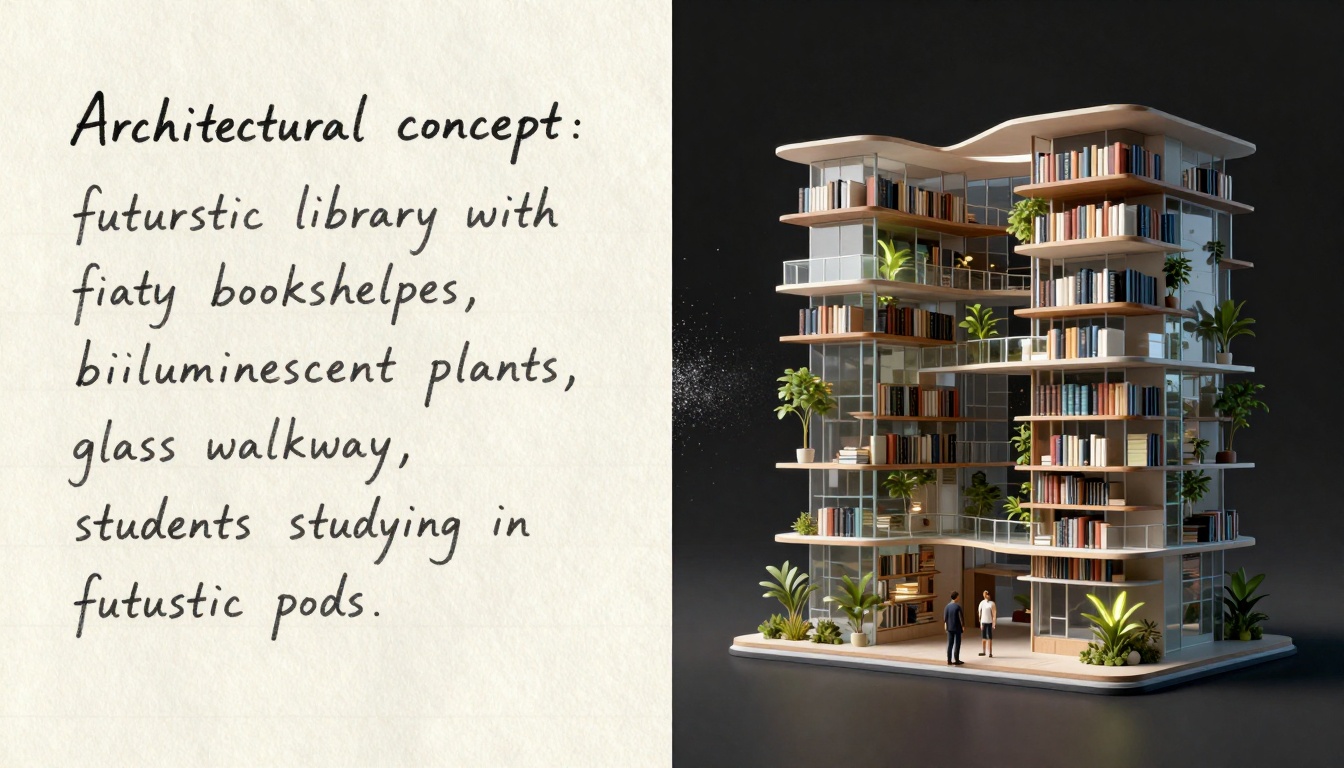
Marketing and advertising teams generate concept imagery for campaigns without expensive photo shoots. Product photography concepts, lifestyle shots, and brand imagery can be prototyped in minutes rather than weeks. The ability to iterate rapidly on visual concepts accelerates creative development cycles dramatically.
Game development and film production benefit from rapid concept art generation. Character designs, environment concepts, prop sketches, and mood boards materialize from descriptive text, allowing creative teams to explore multiple visual directions simultaneously. This reduces the time between conceptualization and production-ready assets.
The creative workflow with Seedream 4.5
Working with Seedream 4.5 follows a natural creative progression:
- Concept development: Start with broad descriptive text outlining the basic idea
- Iterative refinement: Generate initial images, then refine prompts based on results
- Detail specification: Add specific elements like lighting conditions, textures, composition
- Style adjustments: Modify artistic direction through descriptive modifiers
- Final generation: Produce high-resolution, photorealistic output
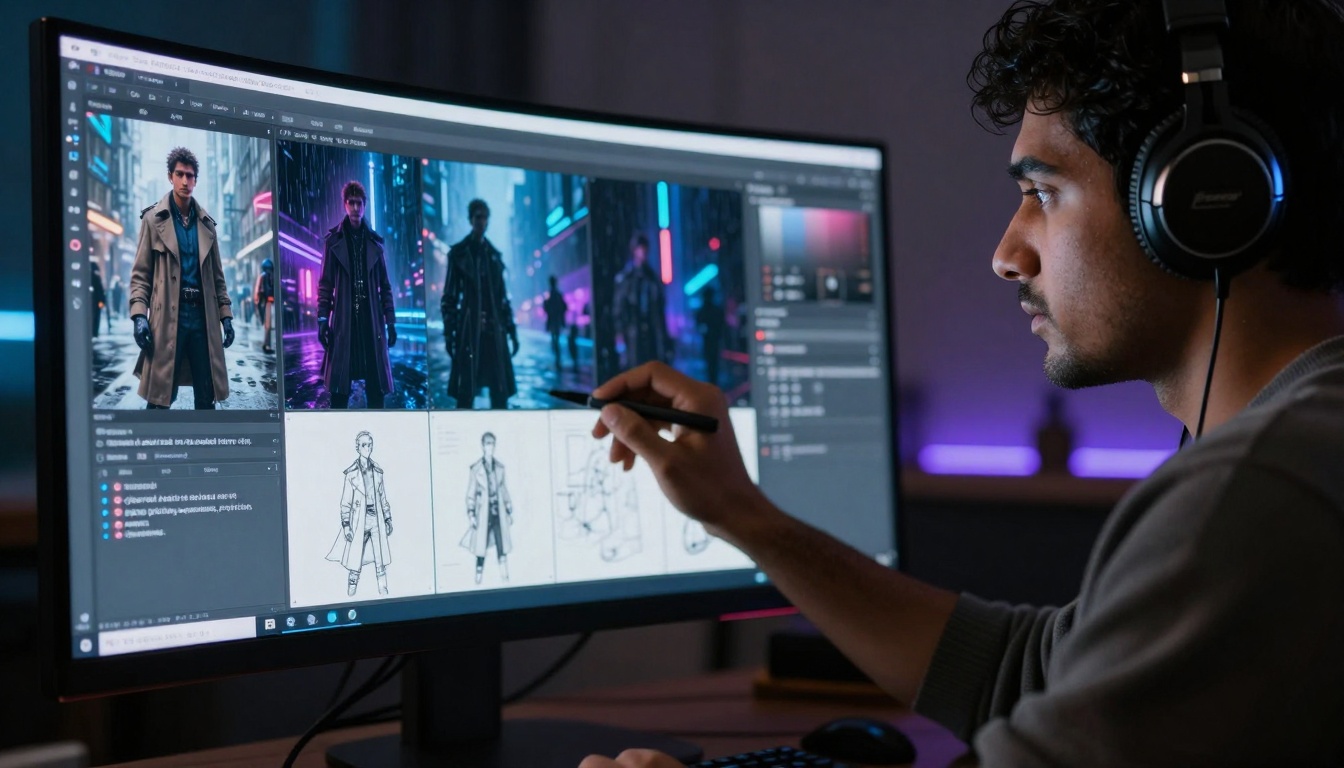
The interface integrates seamlessly with existing creative tools. You can use Seedream 4.5 through the PicassoIA platform, where it joins other advanced image generation models like Flux, GPT Image, and P-Image.
Understanding prompt engineering for optimal results
Effective prompt construction follows specific patterns that maximize Seedream 4.5's capabilities:
Subject specification
Be specific about your main subject. Instead of "a person," describe "a middle-aged architect with gray hair at temples, wearing tailored navy suit, holding blueprint roll, standing confidently in modern office lobby."
Environmental context
Define the setting with sensory details: "rain-soaked cyberpunk street at night, neon signs reflected in puddles, steam rising from sewer grates, distant traffic sounds implied through visual haze."
Lighting conditions
Specify lighting as photographers do: "volumetric morning light streaming through stained glass windows, creating colored light patterns on stone cathedral floor, dust particles visible in light beams."
Camera and composition
Describe the photographic approach: "low-angle shot with 24mm wide-angle lens, shallow depth of field focusing on foreground subject, background elements softly blurred, cinematic aspect ratio."
Texture and material details
Include specific textures: "weathered leather armchair with visible stitching and wear patterns, polished mahogany desk with wood grain detail, brass lamp with oxidation spots, wool rug with intricate Persian pattern."

Comparative analysis with other text-to-image models
Seedream 4.5 occupies a specific position in the text-to-image ecosystem:
| Feature | Seedream 4.5 | Standard Models | Artistic Models |
|---|
| Photorealism | Exceptional | Moderate | Limited |
| Detail accuracy | High precision | Variable | Artistic interpretation |
| Lighting control | Photographic accuracy | Basic | Stylized |
| Texture rendering | Material-specific | Generic | Painterly |
| Generation speed | Fast (<10 seconds) | Fast | Varies |
| Prompt sensitivity | Highly responsive | Moderate | Creative |
The model excels particularly in architectural visualization, product photography concepts, and lifestyle imagery where photographic accuracy matters more than artistic interpretation.
Integration with professional creative pipelines
Seedream 4.5 outputs integrate directly into standard creative workflows:
For graphic designers: Generate base imagery that can be further refined in Photoshop or Illustrator. The photorealistic quality means less time spent on manual rendering and more time on creative composition.
For 3D artists: Create reference images for modeling and texturing. The accurate lighting and material representation provides valuable guidance for 3D rendering setups.
For content creators: Generate unique imagery for articles, social media, and marketing materials without copyright concerns or stock photo subscriptions.
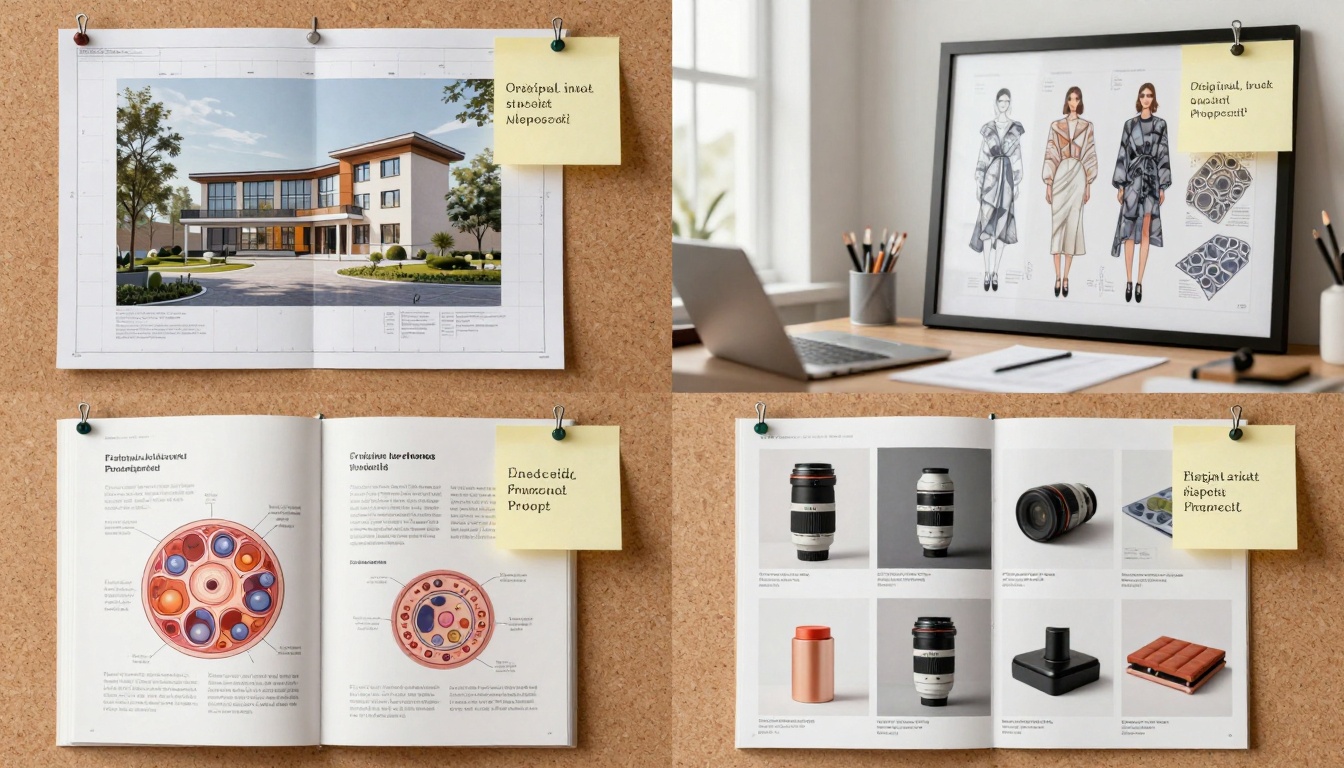
For educators: Create visual teaching materials that precisely illustrate complex concepts, from scientific diagrams to historical reconstructions.
Technical considerations for optimal use
Resolution and aspect ratio: Seedream 4.5 supports multiple output resolutions with consistent quality across scales. The 16:9 aspect ratio works well for digital presentations and web content, while custom ratios accommodate specific project requirements.
Batch processing: Generate multiple variations simultaneously to explore different interpretations of your prompt. This parallel exploration accelerates creative decision-making.
Style consistency: When creating series or collections, maintain consistent prompt structure to ensure visual coherence across multiple images.
Reference integration: Combine text prompts with reference images for hybrid generation, though Seedream 4.5's strength lies primarily in text-to-image rather than image-to-image transformation.
The future direction of text-to-image technology
Current capabilities represent just the beginning. Future developments will likely include:
- Temporal understanding for generating image sequences and basic animations
- Interactive refinement where you can point to specific areas and request modifications
- Style learning that adapts to your personal aesthetic preferences over time
- Multimodal input combining text, voice, and sketch inputs for more intuitive control
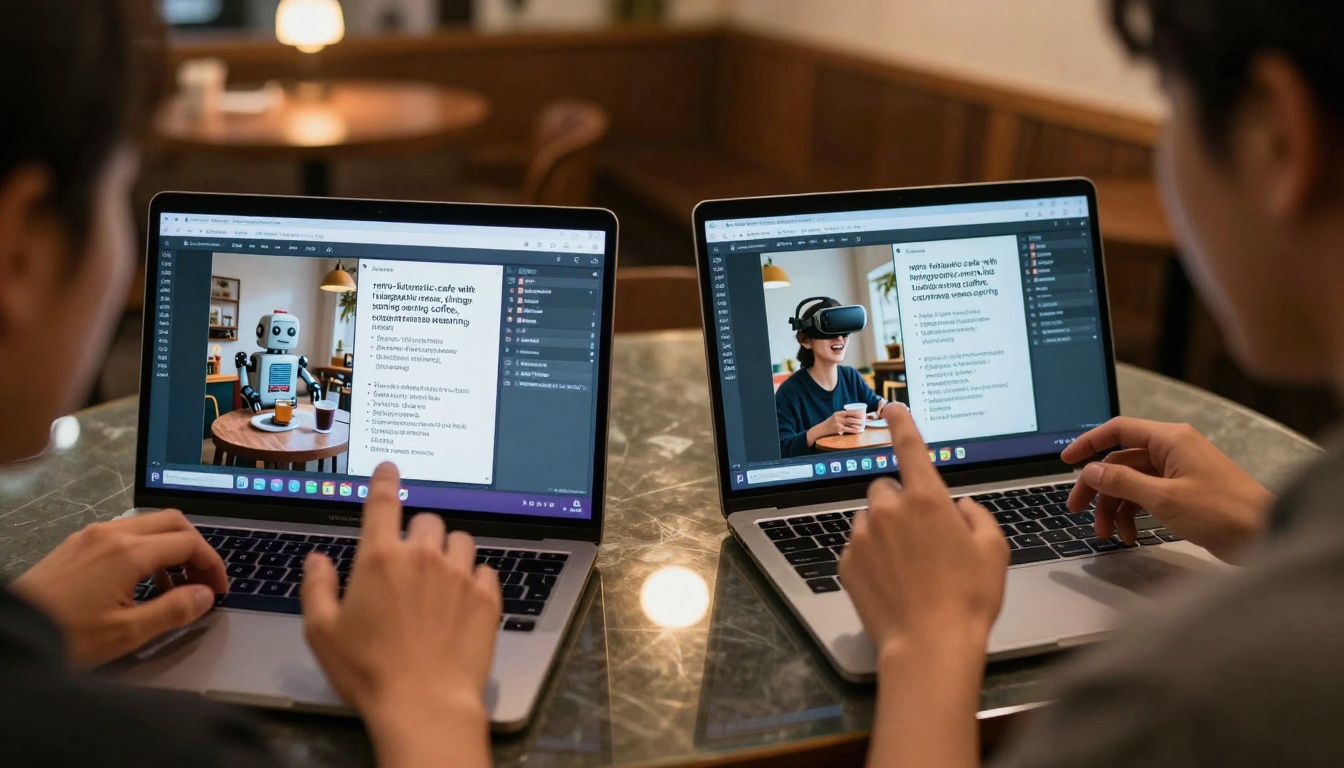
Practical implementation strategies
Start simple and iterate: Begin with basic descriptions, then add complexity gradually. Each generation provides insights for refining your next prompt.
Maintain a prompt library: Document successful prompts and their results. This creates a reusable knowledge base that accelerates future projects.
Collaborate across teams: Share prompts and results with colleagues. Different perspectives often reveal new approaches to prompt construction.
Balance specificity with creativity: While detailed prompts yield accurate results, leave room for the AI's creative interpretation. Sometimes the unexpected variations produce the most compelling results.
Ethical considerations and responsible use
As with any powerful creative tool, responsible application matters:
- Transparency: Disclose AI generation when appropriate for the context
- Originality: Use generated images as starting points rather than final products
- Attribution: When building upon AI-generated content, add significant human creative input
- Appropriateness: Consider context and audience when generating imagery
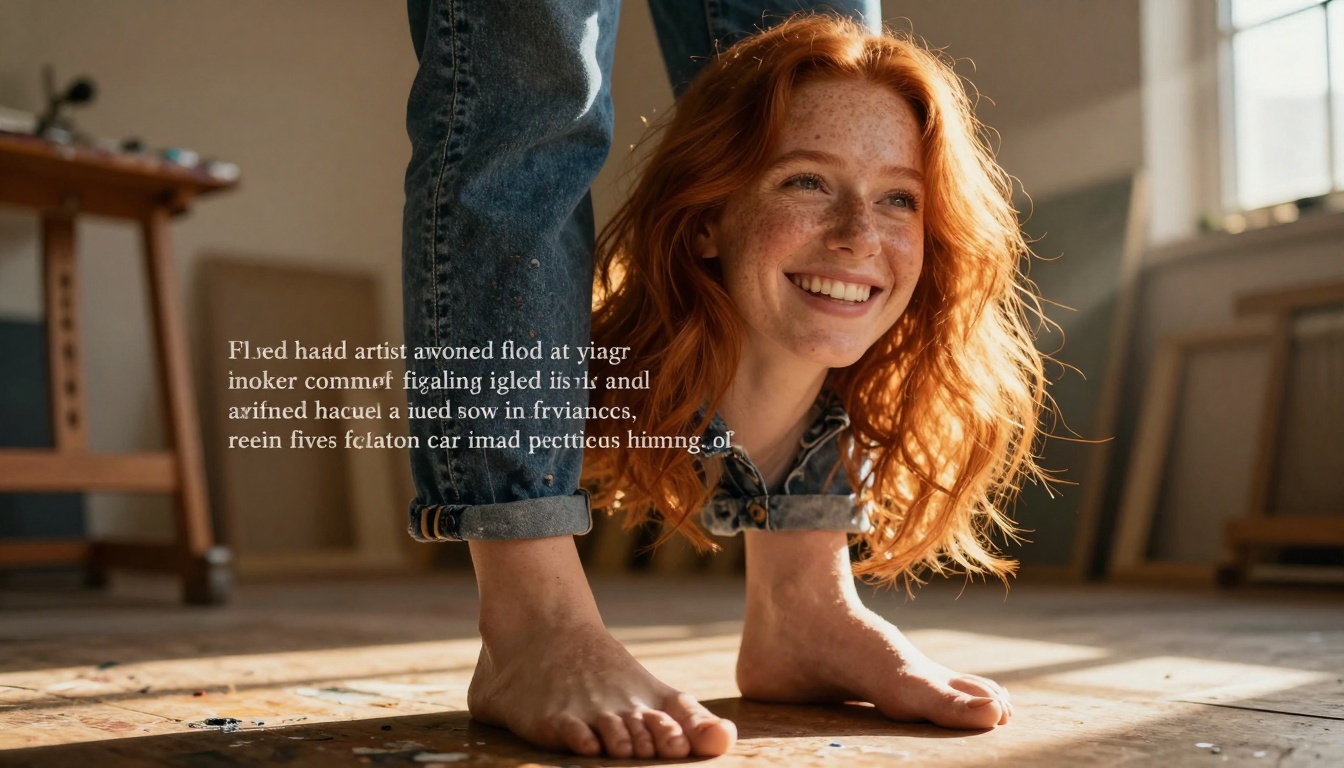
The transition from imagination to visualization has never been more direct. What previously required hours of manual work—sketching, rendering, refining—now happens in moments. This doesn't replace human creativity but amplifies it, allowing professionals to focus on conceptual innovation rather than technical execution.
Your next creative project begins with words. Describe what you see in your mind, and watch as Seedream 4.5 renders it with photographic precision. The barrier between idea and image has effectively dissolved, opening new possibilities for visual communication, design exploration, and artistic expression.
Experiment with different descriptive approaches on PicassoIA's Seedream 4.5 implementation. Start with concrete subjects in defined environments, then explore more abstract concepts and atmospheric conditions. Each prompt teaches you something about how language shapes visual perception, and how AI interprets human description into photographic reality.


