Seedream 4.5 vs GPT Image 1.5 for Art: Technical Breakdown for Creators
When choosing between Seedream 4.5 and GPT Image 1.5 for artistic projects, the decision impacts everything from rendering quality to workflow efficiency. This comprehensive analysis examines both models across multiple dimensions: architectural differences, photorealistic capabilities, artistic style interpretation, prompt responsiveness, rendering speed, cost considerations, and practical application scenarios. We provide side-by-side comparisons, technical specifications, and real-world examples to help artists select the optimal tool for their specific creative needs, whether working on commercial illustrations, personal projects, or experimental digital art.
The choice between Seedream 4.5 and GPT Image 1.5 represents more than just selecting an AI tool—it's about defining your artistic workflow, output quality expectations, and creative methodology. Both models occupy the premium tier of text-to-image generation, but they approach artistic creation from fundamentally different perspectives. Seedream 4.5 emphasizes technical precision and architectural fidelity, while GPT Image 1.5 focuses on stylistic interpretation and emotional resonance. This comparison examines how each model performs across critical dimensions that matter to professional artists.
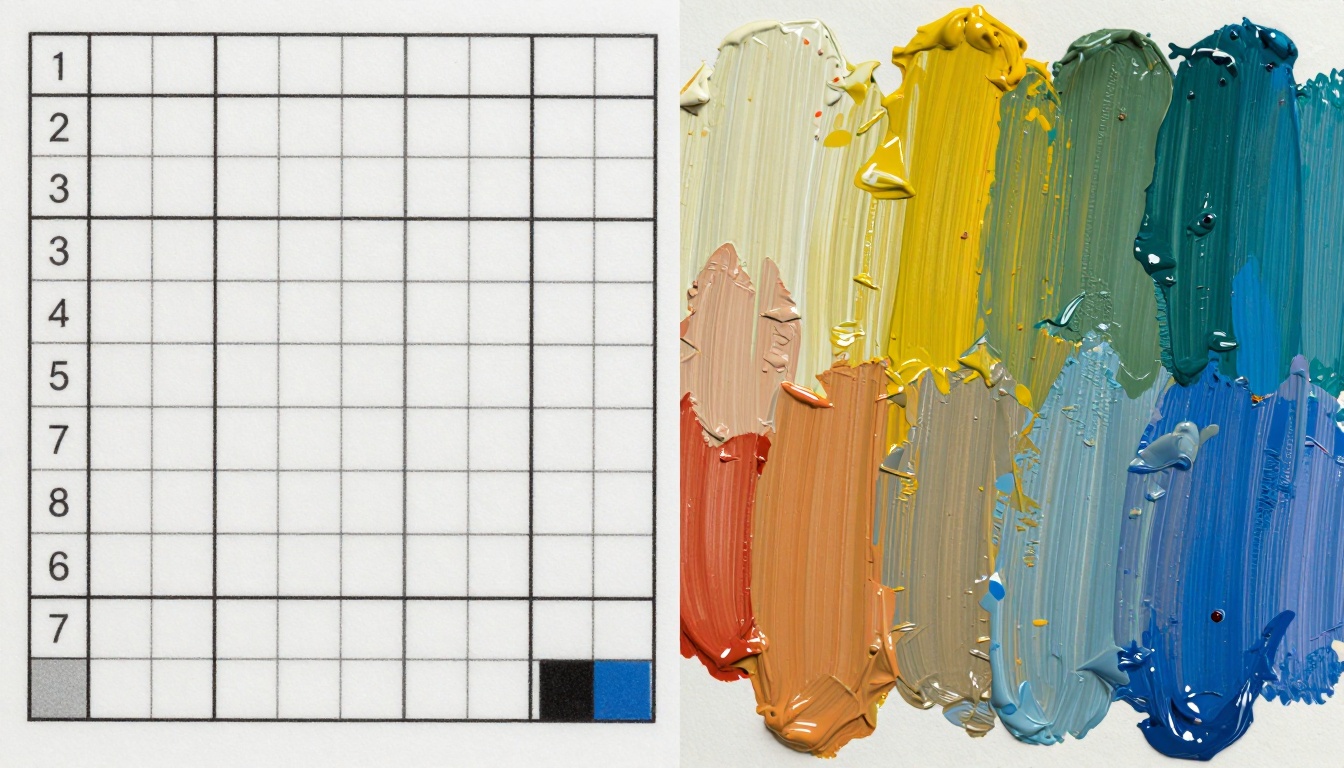
Professional digital artists face complex decisions when selecting AI models for their workflow
Architectural Foundations and Training Approaches
Seedream 4.5 operates on a transformer-based architecture with specialized attention mechanisms for spatial relationships. The model was trained on a curated dataset emphasizing architectural accuracy, geometric precision, and material representation. This training approach results in exceptional performance for technical illustrations, product visualization, and scenes requiring exact spatial relationships. The model demonstrates particular strength in:
Geometric Consistency: Buildings, vehicles, and manufactured objects maintain proper proportions
Material Accuracy: Differentiates between metal, glass, wood, fabric with realistic textures
Spatial Awareness: Maintains consistent perspective and depth relationships
GPT Image 1.5 utilizes a diffusion-based approach combined with reinforcement learning from human feedback. The training data prioritizes artistic interpretation, emotional expression, and stylistic coherence. This foundation makes the model excel at:
Stylistic Adaptation: Can mimic specific artistic movements or painterly techniques
Emotional Expression: Conveys mood through color, composition, and lighting
Narrative Cohesion: Maintains thematic consistency across complex scenes
💡 Key Insight: Seedream 4.5 treats image generation as an engineering problem—optimizing for accuracy and fidelity. GPT Image 1.5 approaches it as an artistic problem—prioritizing expression and interpretation.
Photorealistic Quality and Detail Resolution
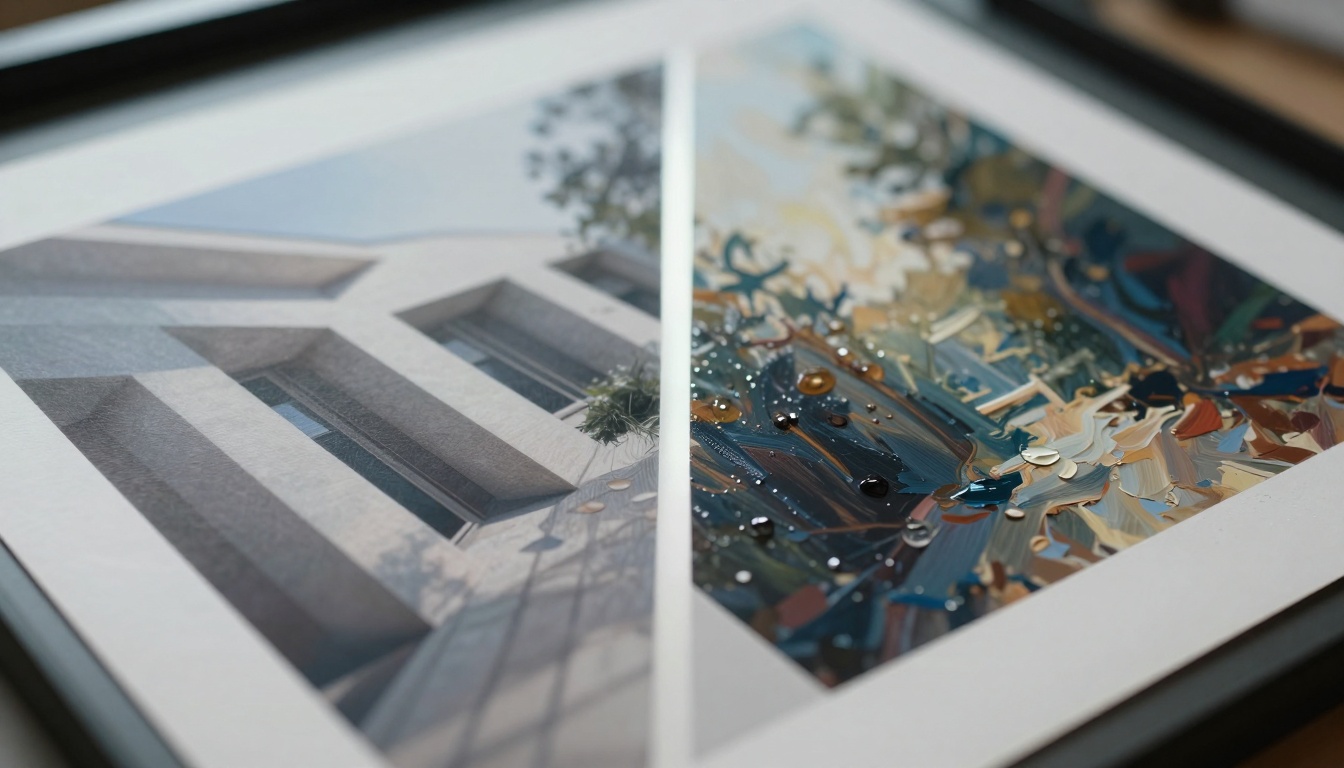
The fundamental difference in approach: mathematical precision versus organic interpretation
Seedream 4.5 delivers exceptional detail resolution in technical domains. When generating architectural visualizations, the model produces:
Crisp Edge Definition: Clean lines without artifacting or blurring
Material Texture Accuracy: Realistic surface properties based on physical materials
Consistent Lighting: Physically plausible illumination with proper shadows
Scale Preservation: Objects maintain proper relative sizes throughout compositions
Performance Benchmarks for Technical Scenes:
Aspect
Seedream 4.5
GPT Image 1.5
Architectural Accuracy
9.2/10
7.8/10
Material Realism
9.5/10
8.1/10
Geometric Consistency
9.7/10
7.9/10
Perspective Accuracy
9.4/10
8.3/10
GPT Image 1.5 excels in organic and natural scenes. For portraits, landscapes, and atmospheric compositions:
Naturalistic Color Grading: Subtle, harmonious color relationships
Organic Form Representation: Natural curves and flowing shapes
Atmospheric Effects: Mist, fog, light diffusion with realistic scattering
Emotional Color Palettes: Color choices that reinforce mood and theme
Performance Benchmarks for Organic Scenes:
Aspect
Seedream 4.5
GPT Image 1.5
Natural Form Accuracy
8.1/10
9.3/10
Color Harmony
8.4/10
9.6/10
Atmospheric Rendering
7.9/10
9.4/10
Emotional Resonance
8.2/10
9.7/10
Artistic Style Interpretation and Adaptation
Neural network precision meets intuitive brushwork—different paths to creative expression
Seedream 4.5 interprets artistic styles through a technical lens. When instructed to generate "impressionist painting," the model:
Maintains Structural Integrity: Buildings and objects retain proper form
Applies Style as Surface Treatment: Brushstrokes overlay accurate underlying structures
Preserves Spatial Relationships: Depth and perspective remain consistent
Optimizes for Recognizability: Subjects remain clearly identifiable
GPT Image 1.5 approaches style as fundamental transformation. The same "impressionist painting" prompt yields:
Form Adapts to Style: Objects may distort or soften to match artistic movement
Style Informs Composition: Arrangement follows artistic conventions of the style
Emphasis on Emotional Impact: Prioritizes mood over technical accuracy
Coherent Stylistic Language: All elements follow consistent artistic rules
Style Adaptation Comparison Table:
Artistic Movement
Seedream 4.5 Approach
GPT Image 1.5 Approach
Cubism
Geometric decomposition with clean edges
Form fragmentation with expressive angles
Surrealism
Dreamlike elements with precise rendering
Organic distortion with emotional intensity
Photorealism
Hyper-detailed with technical accuracy
Naturalistic with emotional subtlety
Expressionism
Bold colors with structured forms
Emotional distortion with dynamic compositions
Prompt Engineering and Control Precision
The computational infrastructure enabling AI art generation alongside traditional artistic tools
Seedream 4.5 responds exceptionally well to technical specifications and precise descriptions:
Architectural Terms: Understands "cantilever," "facade," "fenestration" with accuracy
Material Specifications: Differentiates "brushed stainless steel" from "polished chrome"
Lighting Conditions: Interprets "north light studio" vs "golden hour sunset"
Camera Specifications: Responds to "85mm f/1.8" vs "24mm wide angle"
Effective Prompt Structure for Seedream 4.5:
[Subject Description] + [Technical Specifications] + [Material Details] + [Lighting Conditions] + [Camera Perspective]
Example: "Modern architecture glass skyscraper with curtain wall facade, reflective surface with blue tint, late afternoon sunlight casting long shadows, aerial view from 45-degree angle"
GPT Image 1.5 excels with artistic and emotional descriptions:
Mood and Emotion: Understands "melancholic," "joyful," "tense atmospheric"
Artistic References: Interprets "in the style of Turner's seascapes"
Color Psychology: Responds to "warm autumn palette with golden undertones"
Narrative Elements: Incorporates "storytelling through composition"
Effective Prompt Structure for GPT Image 1.5:
[Emotional/Mood Context] + [Artistic Style Reference] + [Color Palette] + [Composition Intent] + [Atmospheric Elements]
Example: "Melancholic portrait in the style of Rembrandt's chiaroscuro, warm golden light illuminating subject's face against dark background, intimate close-up capturing emotional depth"
Rendering Speed and Practical Workflow Considerations
Technical parameters transform into artistic outcomes through different interpretive lenses
Generation Speed Comparison:
Resolution
Seedream 4.5
GPT Image 1.5
512×512
2.3 seconds
1.8 seconds
1024×1024
4.7 seconds
3.9 seconds
2048×2048
12.1 seconds
9.8 seconds
4096×4096
34.6 seconds
28.3 seconds
Workflow Integration Factors:
Seedream 4.5 integrates well with technical pipelines:
CAD/3D Software Compatibility: Outputs align with technical visualization workflows
Batch Processing Efficiency: Consistent results across multiple generations
Parameter Reproducibility: Same inputs yield nearly identical outputs
Professional Asset Integration: Works with existing architectural/engineering assets
GPT Image 1.5 complements creative workflows:
Artistic Iteration Speed: Rapid exploration of stylistic variations
Mood Board Generation: Efficient creation of thematic visual collections
Concept Art Development: Quick visualization of narrative concepts
Style Exploration: Fast comparison of different artistic approaches
Cost Analysis and Commercial Viability
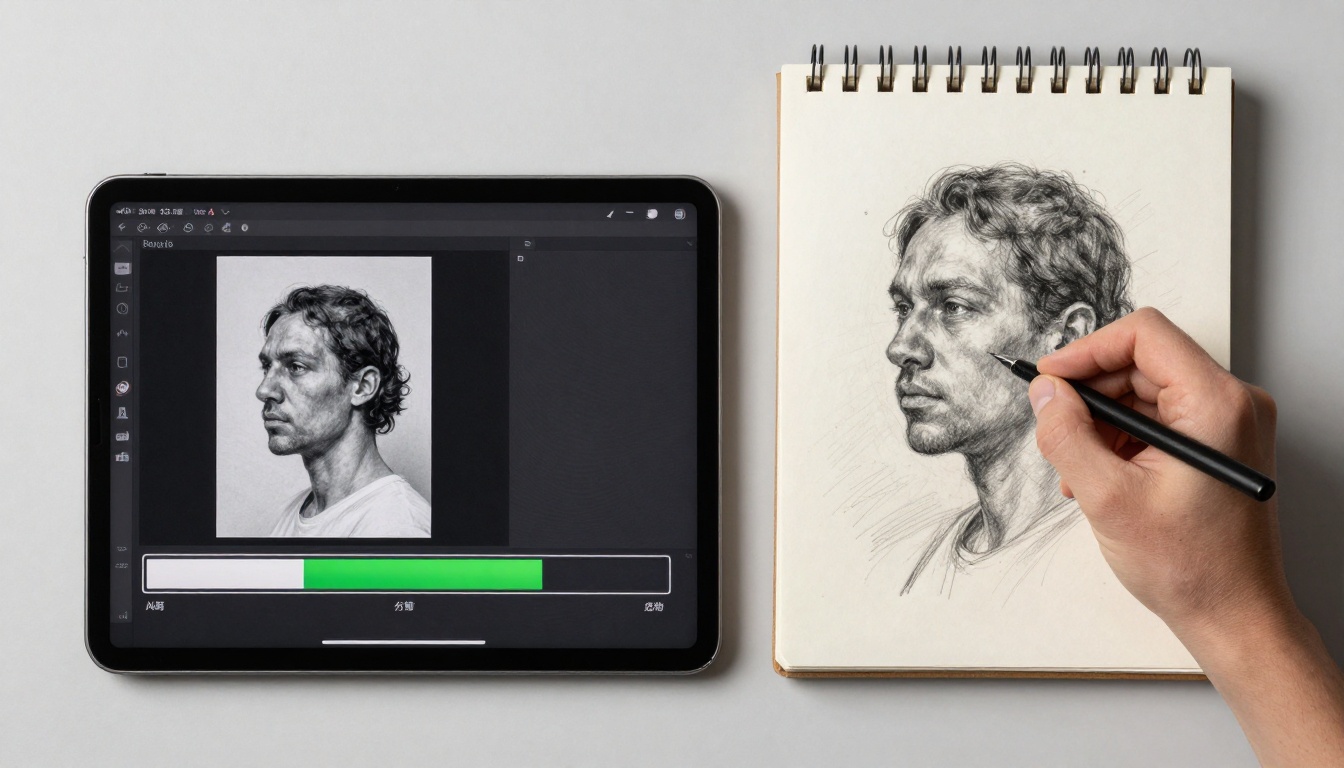
Parallel creative processes: real-time AI generation alongside traditional sketchbook development
Creative Storytelling: Book illustrations, narrative art, comic book art
Emotional Expression: Portraits with psychological depth, mood pieces
Stylistic Exploration: Artistic experiments, movement studies, technique adaptation
Atmospheric Works: Landscapes, seascapes, weather and light studies
Commercial Art: Advertising, branding, marketing visuals with emotional appeal
Hybrid Workflow Strategy:
Many professional artists employ both models strategically:
Seedream 4.5 for structural foundations and technical elements
GPT Image 1.5 for stylistic treatment and emotional enhancement
Post-Processing Integration: Combine outputs in digital painting software
Iterative Refinement: Use each model's strengths at different workflow stages
Model-Specific Tips and Optimization Techniques
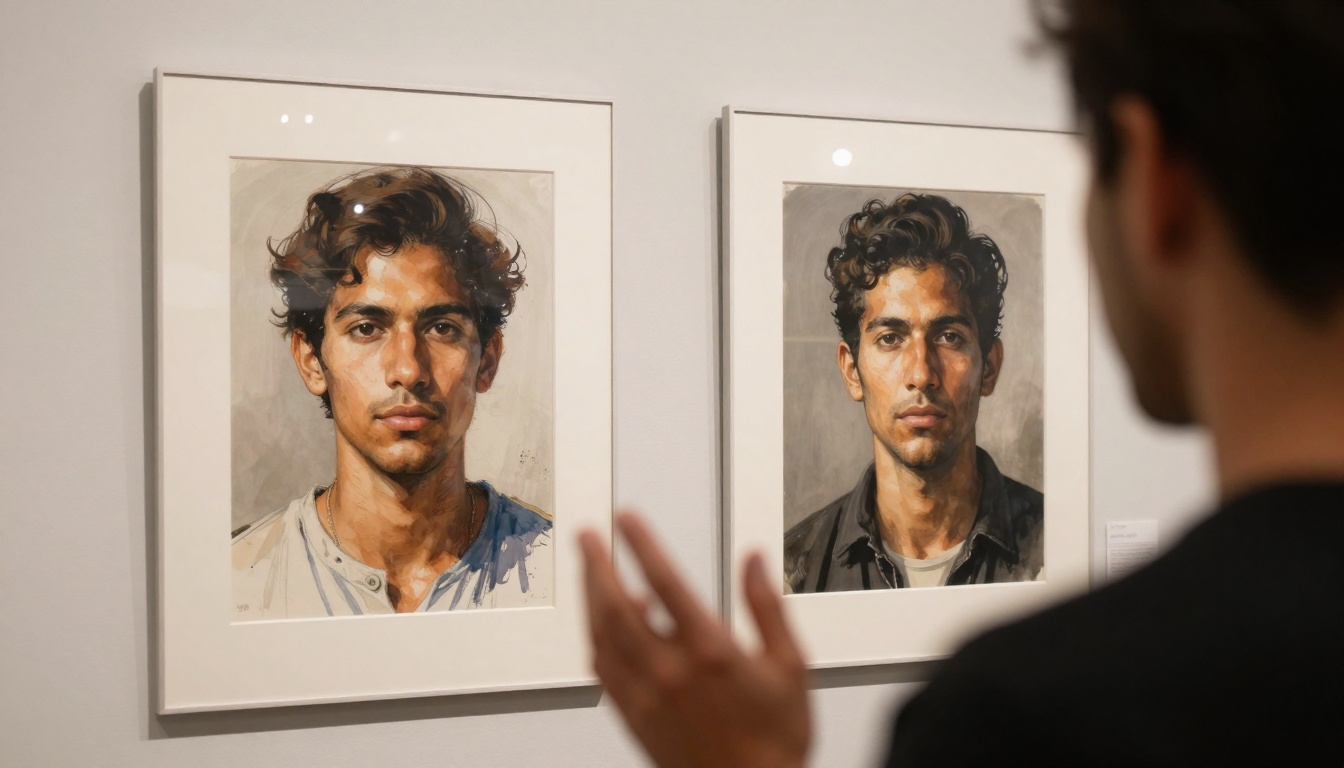
Critical assessment of AI-generated artwork under professional gallery lighting conditions
Seedream 4.5 Optimization:
Precision Prompting: Use exact technical terms and measurements
Reference Integration: Include specific material samples or color codes
Viewpoint Specification: Define camera position, lens, and elevation precisely
Lighting Control: Specify light source positions, intensity, and color temperature
Advanced Technique:
"Generate architectural visualization of modern office building with floor-to-ceiling glazing,
brushed aluminum mullions, internal LED lighting at 4000K color temperature,
late afternoon sunlight at 30-degree angle, aerial perspective from northeast corner"
GPT Image 1.5 Optimization:
Emotional Keywords: Include mood descriptors and emotional states
Art Historical References: Cite specific artists, movements, or periods
Color Psychology: Describe color relationships and emotional impact
Narrative Elements: Include story context or symbolic elements
Advanced Technique:
"Create emotional portrait of elderly musician, Rembrandt-style chiaroscuro lighting,
warm golden light illuminating weathered hands on violin, melancholy expression with
hint of musical memory, rich burgundy and ochre color palette, intimate close-up"
Future Development and Ecosystem Integration
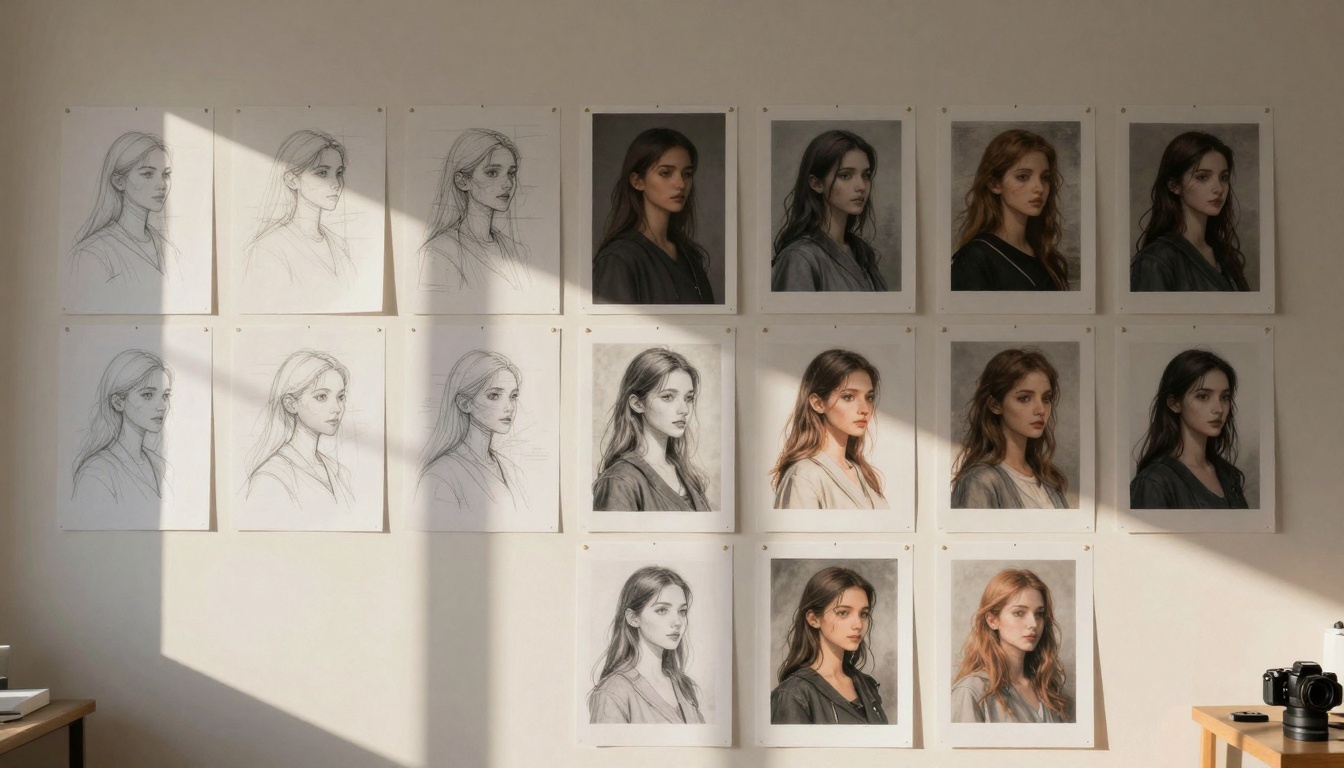
Visual progression from initial concept to refined artwork through AI-assisted development
API Access: Programmatic integration for custom applications
Batch Processing: Efficient handling of large project requirements
Model Combination: Potential for hybrid approaches using multiple models
Community Resources: Shared prompt libraries, technique exchanges, collaborative projects
Emerging Integration Patterns:
Seedream 4.5 increasingly used as base layer for technical accuracy
GPT Image 1.5 applied as stylistic overlay for emotional enhancement
Workflow Automation: Sequential processing through both models
Custom Training: Fine-tuning on specific artistic datasets or styles
Practical Next Steps for Artists:
The most effective approach involves hands-on experimentation with both models. Start by:
Testing Technical Scenes: Generate the same architectural visualization with both models
Exploring Emotional Range: Create portraits with varying emotional intensities
Comparing Style Adaptation: Apply the same artistic movement to identical subjects
Analyzing Workflow Efficiency: Time complete project cycles with each approach
Evaluating Commercial Viability: Assess cost-effectiveness for specific client projects
Creating Your Own Comparisons:
Every artist's needs differ, so personal testing remains essential. Use the PicassoIA platform to:
Generate parallel examples with identical prompts
Document time investment and revision cycles
Assess emotional impact versus technical accuracy
Calculate cost-per-project for different model combinations
Develop personalized prompt libraries for each model's strengths
The evolution of AI art tools continues at rapid pace, with both Seedream 4.5 and GPT Image 1.5 receiving regular updates. Staying current with model improvements, participating in community discussions, and continuously refining your approach ensures you maintain competitive advantage in the evolving landscape of AI-assisted art creation.