Marketing teams targeting Arabic-speaking consumers, Chinese shoppers, or Hindi-reading audiences know the frustration well: you feed an AI image generator a perfectly written prompt, the visual comes out stunning, and then the text in the image looks like a font corruption error. Seedream 5 Pro was built specifically to solve that problem, and for non-English marketing materials, it is the most reliable model available today on PicassoIA.
Why AI Image Models Struggle with Non-Latin Scripts
Most AI image generators were trained predominantly on English-language content. That training imbalance shows up in a very specific, painful way when you ask them to produce marketing materials in Arabic, Chinese, or Hindi. The result is imagery that looks almost right but fails the moment a native speaker looks at it.
The Script Diversity Problem
Latin script has 26 base characters and a handful of diacritics. Compare that to Arabic, which has 28 base letters but over 300 distinct glyph forms depending on position in a word (initial, medial, final, isolated), plus mandatory ligatures and vowel diacritics called harakat that change meaning entirely. Mandarin Chinese has over 50,000 characters in the Unicode standard. Devanagari script, used for Hindi and Sanskrit, has 47 primary characters plus vowel signs and conjunct consonant combinations that stack vertically and horizontally.
When a model has not seen enough of these scripts during training, what it generates looks superficially like the script but fails on accuracy. The strokes are in the wrong order. Letters that should be connected are isolated. RTL (right-to-left) text like Arabic ends up flowing left-to-right. Characters get mirrored. A word that should say "premium quality" in Arabic ends up as nonsense syllables that any native speaker would catch immediately, destroying the brand trust the visual was supposed to build.
What Most Models Get Wrong
Here is the specific failure pattern you will see in models that were not trained for multilingual typography:
- Arabic: Letters are not properly ligated. The connection rules between letters are ignored, producing disconnected glyphs rather than flowing, cohesive script.
- Chinese: Characters are hallucinated. The model invents strokes that do not exist in standard Chinese, producing visually plausible but semantically empty or incorrect characters.
- Devanagari: The matras (vowel marks) are placed incorrectly, and the virama (the mark that removes an inherent vowel) is often missing entirely, altering every word in the image.
- Korean Hangul: Jamo (the individual phonetic components) are assembled in incorrect spatial positions. The block structure of Hangul syllables is misrepresented, making words unreadable.
- Thai: Tone marks and vowel diacritics stack incorrectly above and below consonants, breaking the visual logic of the script entirely.
💡 This is not a prompt engineering problem. No amount of rewording your English prompt fixes incorrect script rendering. The fix happens at the model level, through training on large volumes of correct multilingual typography data from real advertising and publishing sources.
What Seedream 5 Pro Does Differently
Seedream 5 Pro was developed with explicit attention to multilingual text rendering. The model's training corpus includes a substantially higher proportion of non-Latin script content compared to earlier versions in the Seedream family.
Multilingual Training at Scale
The key differentiator is data diversity during pre-training. Seedream 5 Pro was trained on advertising materials, editorial content, packaging designs, and digital assets from Arabic, Chinese, Japanese, Korean, Hindi, Thai, and other major script families. This means the model has internalized the visual rules of these scripts from real-world branded examples rather than approximations or low-quality samples.
The result is a model that treats non-Latin text as a core capability rather than an afterthought. You prompt in English, describe the text you want in the image, and the model renders accurate, contextually appropriate script that a native reader would recognize as properly formed.
How It Handles RTL Scripts
Arabic and Hebrew are right-to-left scripts. The spatial logic of RTL layouts is fundamentally different from LTR (left-to-right) design. Text alignment, punctuation placement, and the visual weight distribution of a composition differ substantially between the two directions.
Seedream 5 Pro respects RTL directionality. Arabic text in generated ads flows correctly from right to left. Numerals maintain their expected positioning within Arabic text flow. Margins and padding in the visual composition shift accordingly. This is something earlier models like Seedream 4 and Seedream 3 handled poorly, producing Arabic-looking imagery that immediately reads as wrong to native speakers.
CJK Support That Holds Up Under Scrutiny
For Chinese, Japanese, and Korean content, Seedream 5 Pro's accuracy is measurable character by character. Chinese stroke count and stroke order are reproduced consistently. Japanese hiragana, katakana, and kanji are generated without the phantom strokes that plague other models. Korean Hangul syllable blocks are assembled in the correct spatial structure with proper jamo placement.
Compared to Seedream 5 Lite, which handles CJK content adequately for casual use, Seedream 5 Pro handles the edge cases: traditional Chinese versus simplified Chinese character sets, mixed Japanese scripts (kanji plus hiragana plus katakana in the same sentence), and Korean brand names that require specific Hangul block spacing rules.
Arabic Marketing with Seedream 5 Pro
The Arabic-speaking market spans more than 25 countries and represents a massive consumer audience with significant purchasing power, particularly in Gulf states. Creating localized marketing content for this market requires more than translation: it requires visual respect for Arabic calligraphic aesthetics, which carry cultural weight and brand trust signals that Latin-centric designers often overlook.
Luxury Ad Campaigns in Arabic
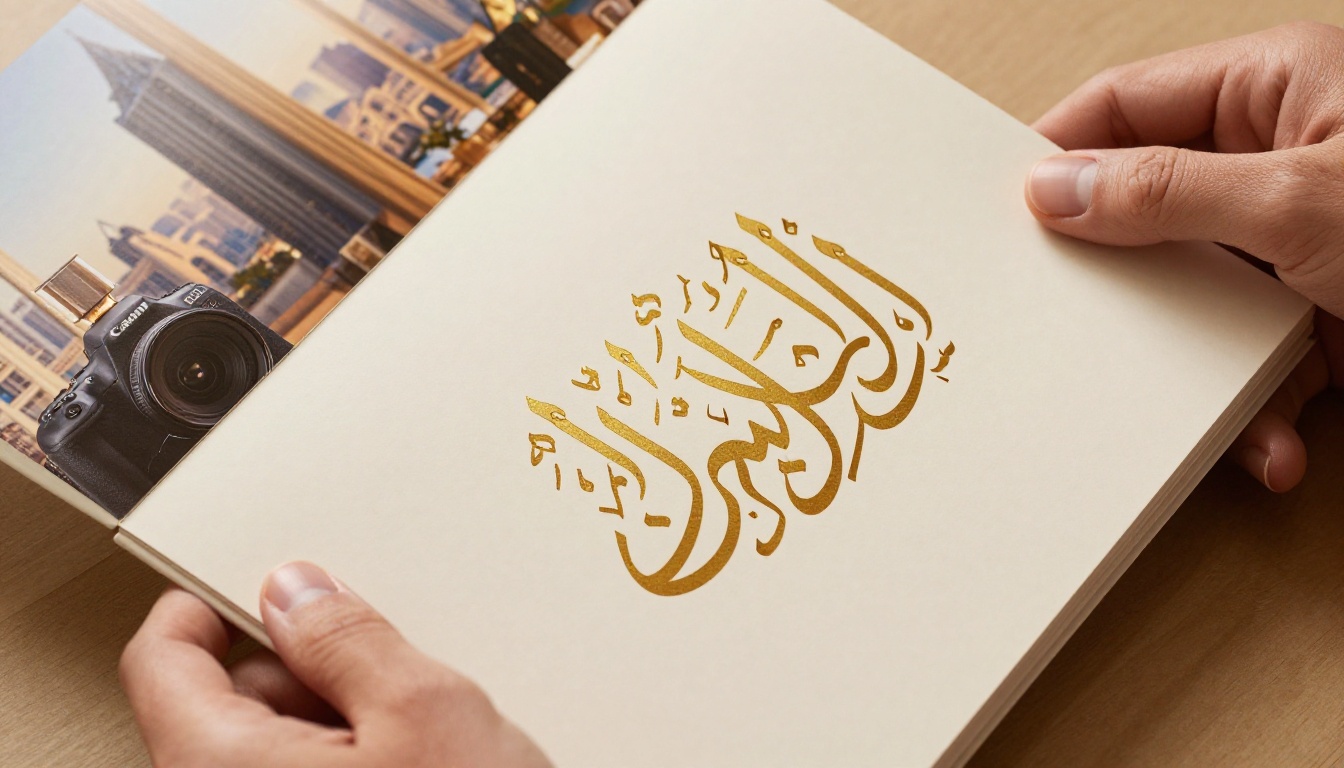
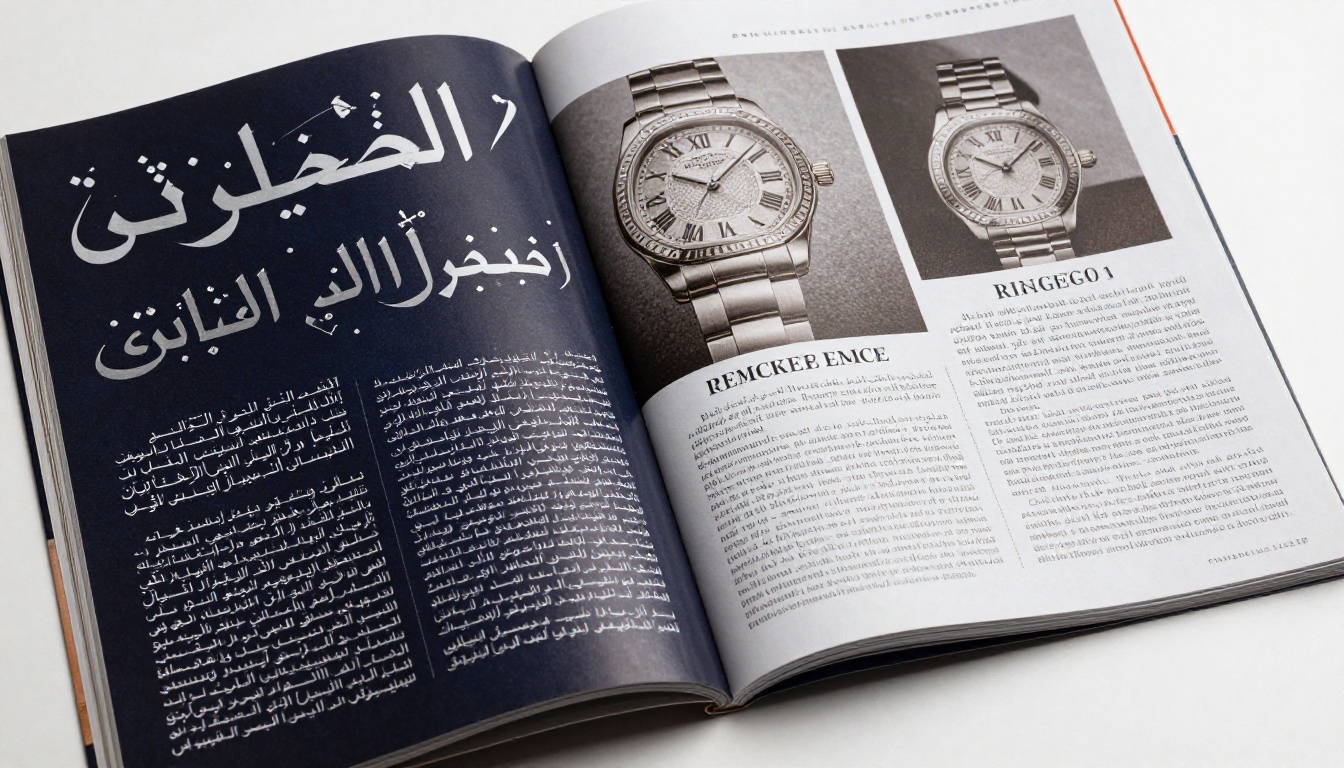
Arabic-language luxury advertising has a distinct visual language. High-end fragrance, fashion, and automotive brands targeting Gulf markets (UAE, Saudi Arabia, Qatar) rely on large, elegant typography that honors the calligraphic tradition of Arabic script. The letterforms need to be not just accurate but visually prestigious, reflecting centuries of Arabic design heritage.
Seedream 5 Pro produces Arabic typography that fits this aesthetic. The model trained on real luxury Arabic advertising, so it generates letterforms with appropriate weight and flow rather than mechanical, computer-generated-looking text. When you specify "luxury Arabic perfume advertisement with flowing gold calligraphy," the result is an image where native Arabic speakers would recognize the script as professionally designed rather than AI-approximated.
RTL Layout and Spacing Accuracy
Spacing in Arabic typography is not straightforward. Kashida (the elongation of letter connections) is used for emphasis and line justification. The spacing between words in a right-to-left composition follows different optical rules than Latin word spacing. When these conventions are violated in AI-generated imagery, Arabic-speaking viewers notice immediately and brand credibility takes a measurable hit.
In practical production scenarios, Seedream 5 Pro consistently delivers Arabic marketing imagery where the RTL flow is correct and word spacing reads naturally to native speakers. This is the functional test that matters for actual campaign deployment.
Chinese and CJK Market Campaigns
China, Taiwan, Hong Kong, Singapore, and global diaspora communities represent one of the largest consumer markets on Earth. E-commerce in China operates at a scale that requires a constant, rapid flow of localized product imagery, promotional banners, and seasonal campaign assets across multiple channels simultaneously.
E-Commerce Product Imagery
Chinese e-commerce platforms like Taobao, JD.com, and Xiaohongshu have highly specific visual conventions for product listing imagery. Product names, specifications, and promotional text appear directly in the image, not just in surrounding metadata or HTML text. This means accurate Chinese character rendering is a functional production requirement, not a stylistic preference.
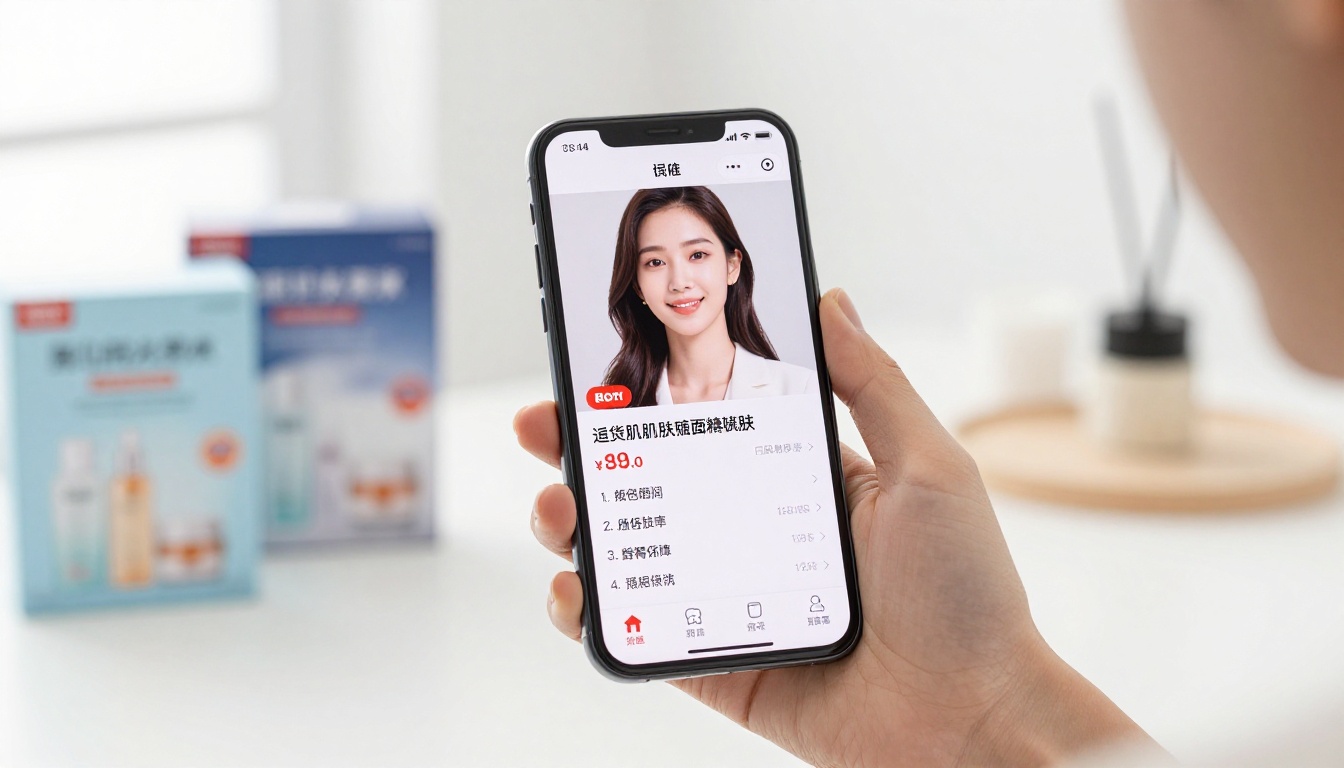
Seedream 5 Pro generates Chinese product imagery where the text is legible and structurally correct. Characters for common e-commerce terms, including descriptors for sale pricing, limited edition, new arrival, and discount percentage, render with the correct stroke geometry that makes them scannable and trustworthy to Chinese consumers scrolling through a crowded product feed.
Chinese Character Stroke Accuracy
The failure mode for Chinese text in AI images is usually one of two things: invented radicals (the components that make up characters) or incorrect stroke count. Both failures are immediately visible to any Chinese reader and signal that the brand did not invest in proper localization, which is damaging for premium and luxury products especially.
Seedream 5 Pro's advantage here is that it has internalized the visual structure of the most common Chinese characters used in marketing contexts. Product quality descriptors, brand taglines, and call-to-action phrases render with the correct number of strokes in the correct spatial arrangement, producing imagery that would pass review by a Chinese-speaking creative director.
Seasonal and Cultural Campaigns
Chinese marketing operates on a dense calendar of culturally significant occasions: Chinese New Year, Singles' Day, Mid-Autumn Festival, Dragon Boat Festival, and others. Each occasion has associated visual vocabularies and traditional Chinese characters used in celebratory contexts. Seedream 5 Pro's training on Chinese cultural media means these festive characters and auspicious phrases render with the ornamental weight and visual complexity they require.
Hindi and South Asian Scripts
India is the world's most populous nation and one of the fastest-growing digital advertising markets. Hindi is spoken by over 500 million people, and Devanagari script is also used for Sanskrit, Marathi, and Nepali, extending the potential reach of Devanagari-accurate image generation across multiple major markets.
Devanagari in Billboard and Digital Design
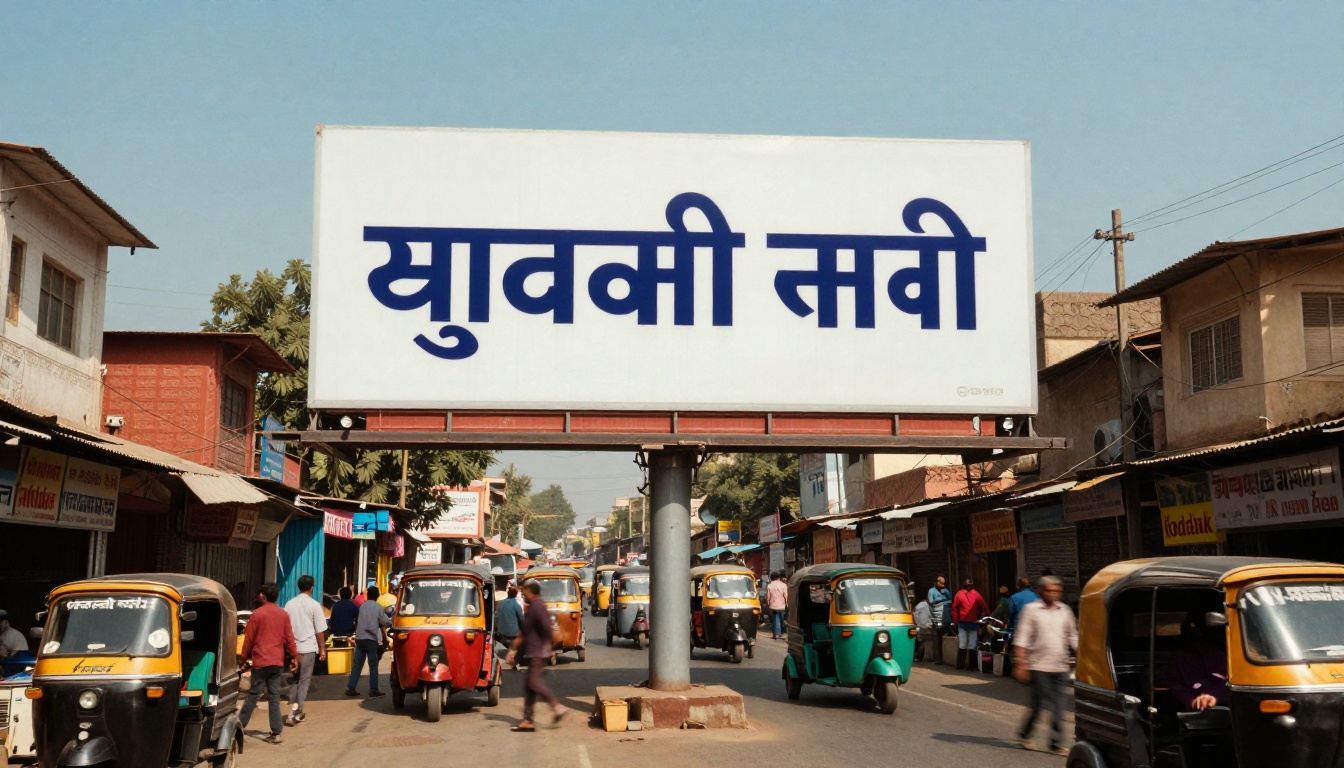
The Devanagari script has a distinctive horizontal headline stroke at the top of characters called the shirorekha. All letters hang from this line rather than sitting on a baseline, creating a visual structure that is unique to Devanagari and critical for legibility. This structural element is frequently mangled by AI models that do not have strong Devanagari training data, producing text that looks scrambled rather than readable.
Seedream 5 Pro renders the shirorekha consistently and connects it correctly across adjacent characters in a word. The matras (vowel signs that appear above, below, or around consonants) are placed in their linguistically correct positions. Conjunct consonants, where two or more consonants combine into a single ligature form, are reproduced with appropriate visual weight. This produces Hindi marketing text that reads cleanly and professionally to Hindi-speaking audiences.
Regional Market Reach
For brands targeting India's regional language markets, the ability to generate accurate Devanagari represents a significant cost and production time savings. Traditional localized content production requires sourcing designers fluent in each script, briefing them on brand guidelines, and iterating through revision cycles. Seedream 5 Pro compresses this workflow by producing accurate first-draft visual concepts that a local designer can refine rather than originate from scratch.
Beyond Hindi, the model also performs meaningfully better on Bengali and Tamil scripts compared to earlier Seedream versions, making it a practical single tool for Indian subcontinent marketing campaigns that span multiple language communities.
East Asian Markets: Japanese and Korean
Japan and South Korea both have distinctive brand aesthetics that are globally recognized and carry significant cultural authority. Japanese minimalism and Korean pop-culture energy are not just stylistic preferences: they are consumer expectation signals that inform how local audiences evaluate brand credibility and cultural relevance.
Japanese Brand Aesthetics
Japanese marketing visuals routinely mix multiple scripts in a single composition. It is entirely normal for a Japanese ad to include kanji, hiragana, katakana, and Roman characters in the same layout, each script serving a distinct linguistic and aesthetic function. Managing this mix correctly, with appropriate size hierarchy and spacing between different script systems, is a challenge that exposes the limits of most AI image models quickly.
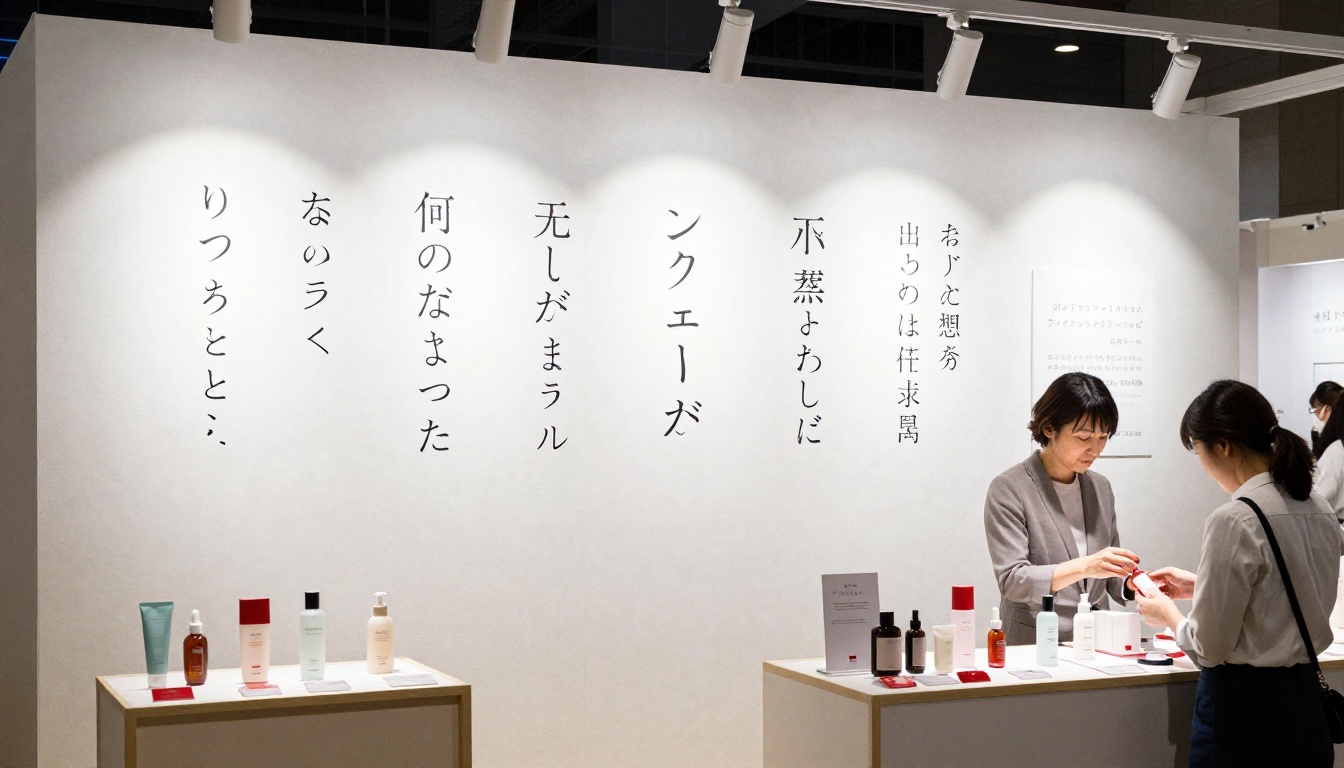
Seedream 5 Pro handles Japanese script mixing reliably. A prompt describing a skincare brand billboard with the product name in katakana and a tagline in hiragana produces the correct script assignments with appropriate character sizing and spatial relationships. The model also handles tategumi (vertical Japanese text layout) and yokogumi (horizontal text layout) contexts correctly, which matters for editorial and traditional advertising formats.
Korean Social Media Campaigns
K-beauty and K-pop have made Korean visual aesthetics one of the most influential design languages in global digital marketing over the past decade. Korean campaigns frequently mix bold Hangul with English brand names and specific high-saturation color palettes that carry cultural resonance with Korean consumers.
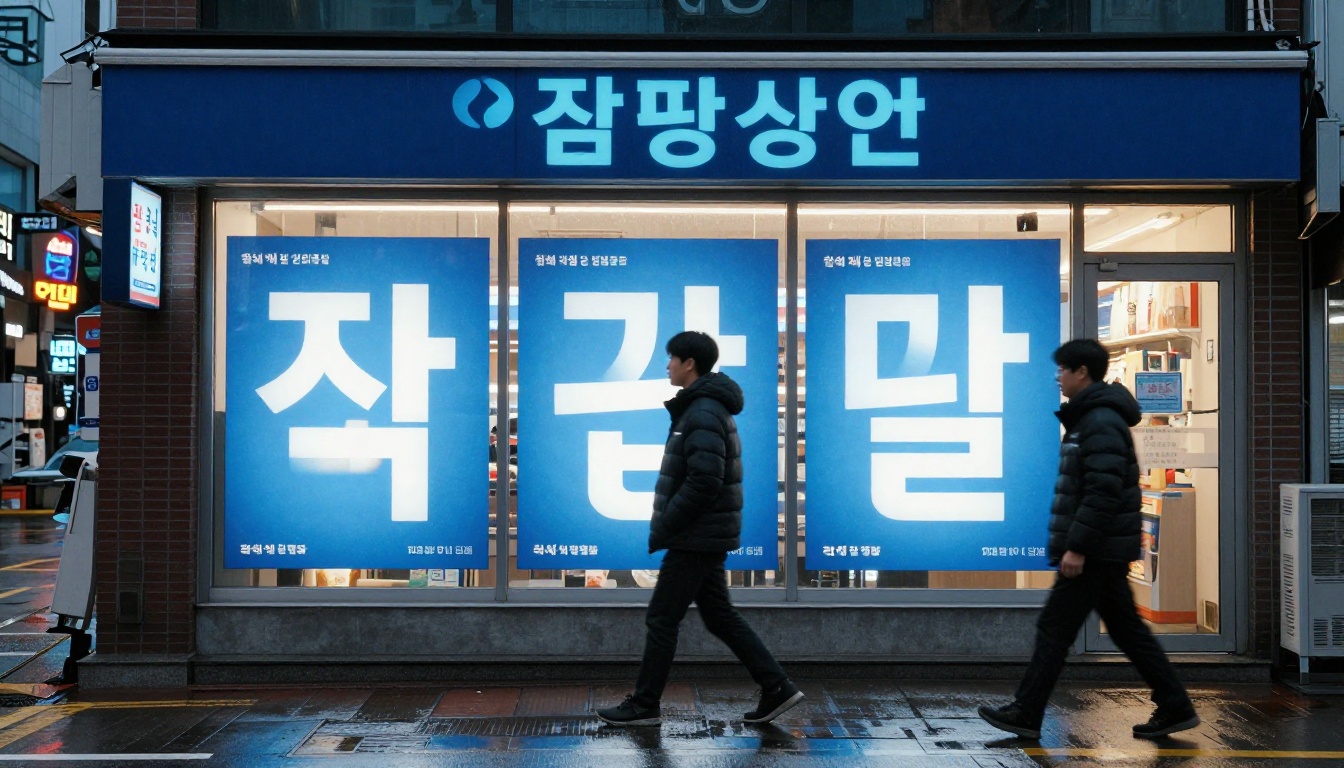
Seedream 5 Pro's Hangul rendering is one of its clearest competitive advantages over earlier models in the family. Hangul syllable blocks are spatially complex: each block contains two or three jamo (consonant and vowel phonetic components) arranged in a precise two-dimensional spatial structure. The model reproduces this structure correctly, producing Hangul that looks like professionally designed typography rather than an AI approximation that Korean consumers would immediately recognize as off.
How to Use Seedream 5 Pro on PicassoIA
Seedream 5 Pro is available directly on PicassoIA. Here is the full workflow for generating non-English marketing materials efficiently and at production quality.
Step-by-Step Workflow
Step 1: Open the Model
Navigate to Seedream 5 Pro on PicassoIA. The model is ready to use immediately with no additional setup.
Step 2: Write Your Prompt in English
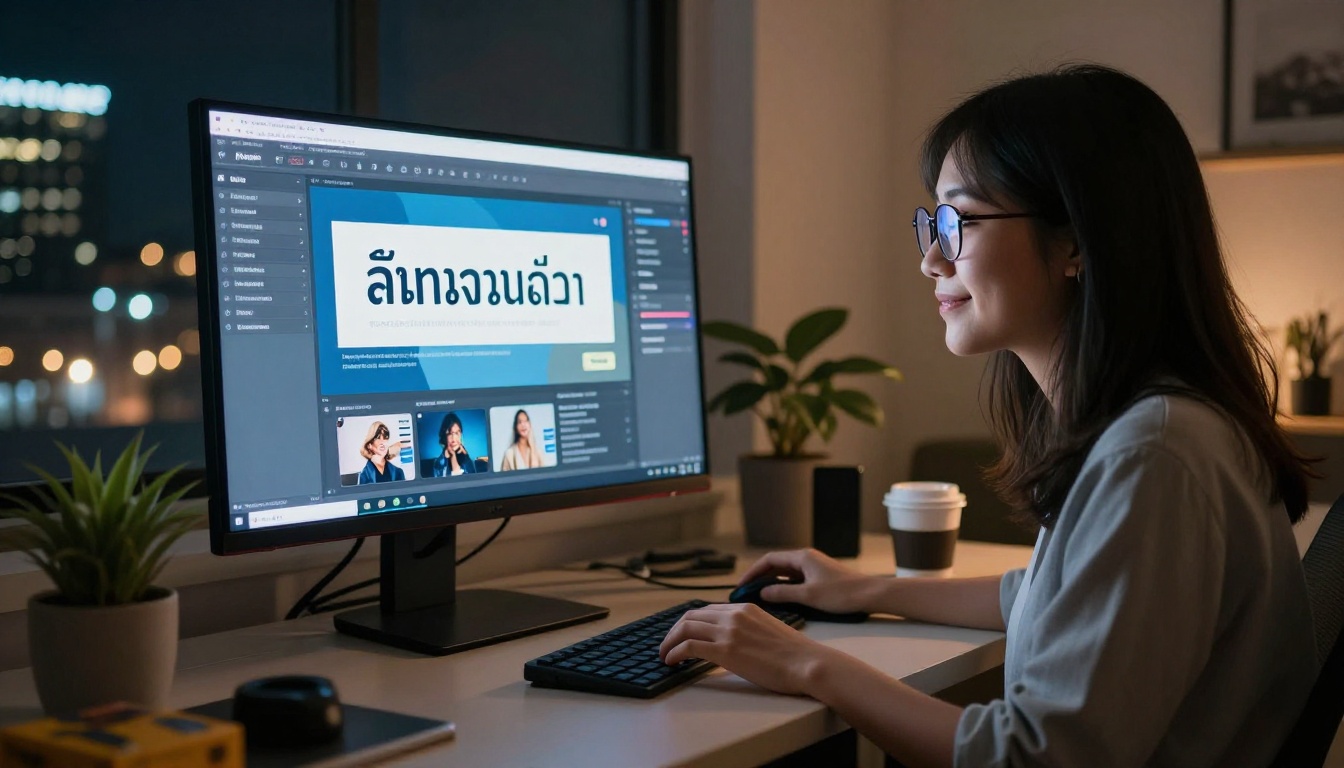
Describe the visual scene and specify the non-English text you want to appear. Always put the target text's meaning in English and specify the script. This gives the model the information it needs to render both the visual and the script correctly.
Step 3: Set the Aspect Ratio
For social media posts, 1:1 or 9:16 ratios fit most platforms. For banners and billboards, 16:9 or wider panoramic ratios work best. Match the ratio to your placement before generating rather than cropping after.
Step 4: Generate and Review
Run the generation and check script accuracy against the intended text. Use multiple seeds if the first result has minor errors: different seed values sometimes produce noticeably cleaner script rendering for complex characters.
Step 5: Refine in PicassoIA
If a specific character or short phrase needs correction, PicassoIA's inpainting tools let you fix targeted regions without regenerating the entire composition, preserving the lighting, composition, and overall image quality you already generated.
Prompt Tips for Non-English Text
| Script | Prompt Strategy | Common Pitfall |
|---|
| Arabic | Specify "Arabic words meaning X in flowing calligraphy" | Never just say "in Arabic"; always specify the meaning |
| Chinese | Use "Chinese characters for X" with the English meaning | Avoid pinyin; request actual characters explicitly |
| Devanagari | Say "Hindi text reading X in Devanagari script" | Do not rely on transliterations or romanizations |
| Hangul | Use "Korean Hangul text reading X" with the meaning | Avoid mixing romanized Korean phonetics in the prompt |
| Japanese | Name the specific script: kanji, hiragana, or katakana | "Japanese text" alone produces inconsistent script selection |
💡 Pro tip: Always tell the model what the text means in English, then specify the script. "A poster showing the Chinese characters meaning 'autumn sale'" gives consistently better results than just "a poster in Chinese."
Using Seedream 4.5 as a Fallback
For lighter workloads or rapid concept drafts where you will refine the final typography in post-production, Seedream 4.5 is a solid option that generates multilingual content faster and at lower credit cost. It does not match Seedream 5 Pro on accuracy for complex scripts like Arabic ligatures or mixed Japanese scripts, but for straightforward single-script Chinese or Korean text it performs well and offers a practical balance of speed and quality for iterative workflows.
Seedream 5 Pro vs. Other Models
How does Seedream 5 Pro compare to other text-to-image models on PicassoIA for non-English marketing use cases? The differences are significant enough to choose the right tool deliberately rather than defaulting to whichever model you used last.
The pattern is clear: script accuracy scales with model version. If multilingual text accuracy is your primary production requirement, Seedream 5 Pro is the correct choice. If you are doing rapid concept iteration where a local designer will handle final typography anyway, Seedream 4.5 offers a practical balance.
Three Mistakes in Multilingual AI Marketing
Even with a capable model, these are the mistakes that routinely cost teams time and produce subpar results in non-English campaigns.
1. Treating the AI as a precision typesetter
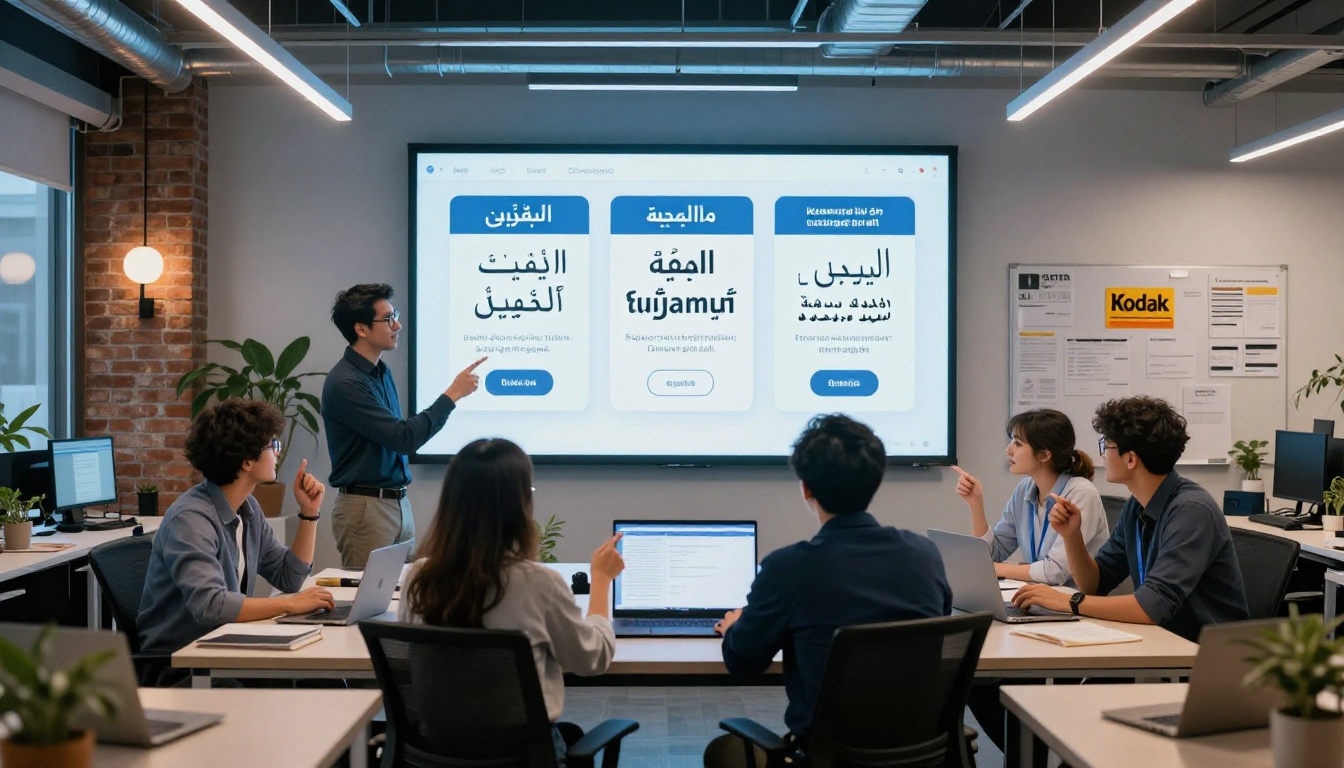
AI image generators embed text into imagery as a visual element rendered from learned patterns, not as editable, glyph-level type. Do not expect to control every character with the precision of dedicated design software. Use AI generation for the visual concept, creative composition, lighting, and atmosphere, then handle fine typographic control in post-production with tools built for exact type rendering.
2. Prompting in the target language
Counter-intuitively, prompting directly in Arabic or Chinese often produces worse results than prompting in English and describing what the non-English text should say and mean. The model processes your English prompt as its primary instruction and renders the target script as a visual output element. Keep your prompt in English, describe both the scene and the meaning of the text that should appear, and let the model handle the script rendering.
3. Skipping native speaker review before deployment
Seedream 5 Pro significantly reduces the error rate in generated non-English text compared to other available models, but no AI image generator is infallible across every script variant, dialectal form, and typographic context. Always have a native speaker or professional localizer review generated marketing materials before they go to print or paid media placement. The model is a production accelerator that gets you to 90 percent faster; the final 10 percent is cultural and linguistic expertise that a native reviewer provides.
Start Creating International Campaigns on PicassoIA
The gap between producing polished English-language AI marketing visuals and doing the same for Arabic, Chinese, or Hindi markets has narrowed significantly with Seedream 5 Pro. For marketing teams that need to localize campaigns across multiple language markets without building separate content production pipelines for each region, this model is the practical answer available right now.
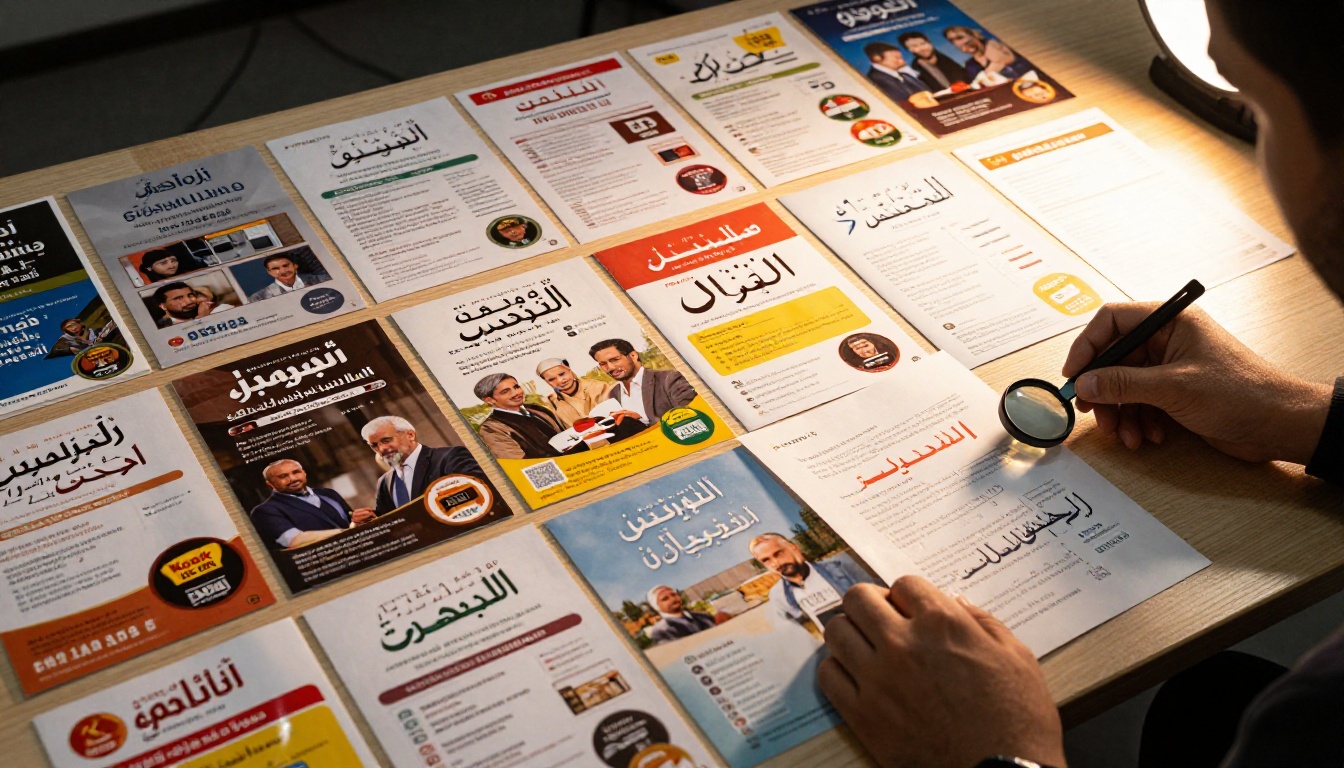
PicassoIA gives you access to Seedream 5 Pro alongside the full library of text-to-image, video, and editing models, so you can pick the right tool for each step of your production workflow. Pick your target language market, generate your first campaign asset, and test the output against your brand standards. Then browse the full model collection at PicassoIA to see what else fits your international campaign stack. The production workflow for localized visual content is faster than it has ever been, and there is no better time to put it to work for your next multilingual campaign.


