AI image generation crossed a threshold this year that most people have not fully registered yet. The gap between "clearly AI-generated" and "indistinguishable from photography" closed in a way that changes what creators, marketers, and developers can do. Seedream 5.5 sits at the center of that shift. It is not just incrementally better than what came before; it operates in a different quality tier, one where photorealism, prompt fidelity, and generation speed all converge at a level that makes it the go-to model for serious image work right now.
What Seedream 5.5 Actually Is
ByteDance builds a flagship model
Seedream 5.5 is a text-to-image diffusion model developed by ByteDance, the company behind TikTok and CapCut. Unlike models built primarily for consumer-facing apps, Seedream 5.5 was engineered with a dual focus: raw image quality and real-world usability at scale. The "5.5" designation marks a significant refinement over the 5 Pro series, with targeted improvements in anatomical accuracy for human subjects, spatial reasoning for complex scenes, and color science that more closely mirrors how film and sensor-based cameras capture light.
The architecture shift that changed everything
At its core, Seedream 5.5 uses a transformer-based diffusion backbone rather than a pure UNet architecture. This matters because transformers scale with data in a way that older architectures do not. The model was trained on a curated dataset with heavy filtering for photographic realism, which explains why its outputs tend to feel grounded even when generating fictional or surreal content. The training data pipeline reportedly included explicit tagging for camera type, focal length, lighting conditions, and film stock, which the model appears to internalize at inference time. When you tell Seedream 5.5 to shoot with an "85mm portrait lens at f/1.4 in golden hour," it actually behaves like it knows what that means.

Why the Output Quality Hits Different
Photorealism that passes the eye test
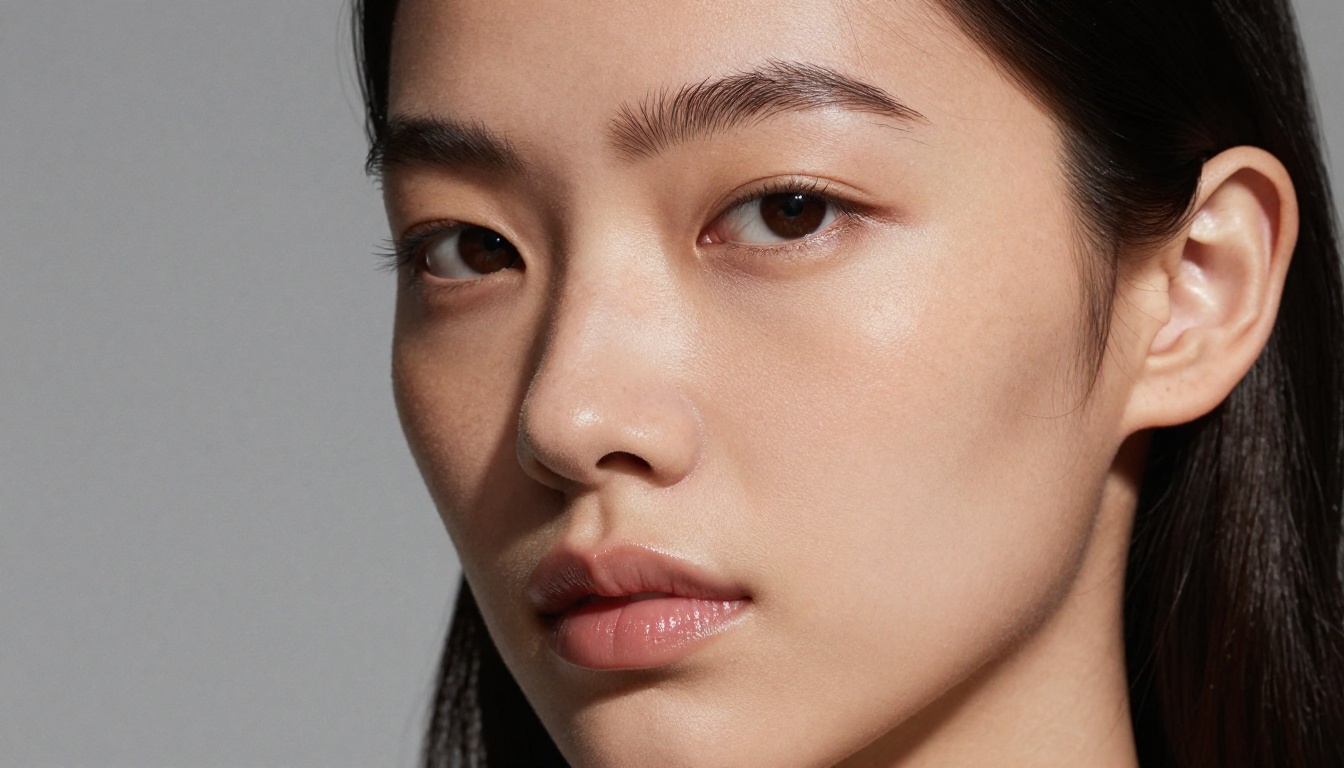
The most immediate thing you notice about Seedream 5.5 output is that it does not look like AI art. It looks like photographs. Skin texture carries pores, microhair, and subsurface scattering that older models approximate with a kind of plastic sheen. Hair renders individual strands, not texture maps. Fabric shows weave patterns. Wood grain has the kind of irregular variation that real wood has. These are not small differences. They are the details that make a viewer's brain immediately classify an image as "real" or "fake," and Seedream 5.5 consistently lands on the right side of that classification.
💡 The photorealism advantage is most visible in close-up and portrait work. At that range, every competing model either over-smooths or introduces subtle artifacts that break the illusion. Seedream 5.5 holds together at any crop level.
Prompt adherence that actually works
One of the persistent frustrations with earlier text-to-image models was the gap between the prompt you wrote and the image you received. Seedream 5.5 closes that gap considerably. Compositional instructions including camera angle, depth of field, lighting direction, and subject placement land accurately at a rate that puts it significantly ahead of most alternatives. Color temperature instructions translate into visible differences in the output. This is not a model where you write a prompt and hope for the best. It is one where deliberate, specific prompting gets predictable, deliberate results.
Speed without the sacrifice
Generation time on modern infrastructure sits in the 3-8 second range for a standard 1024x1024 output, depending on step count and sampling configuration. That is fast enough for iterative workflows where you are testing prompt variations and refining toward a target image. It does not require the kind of step-count tradeoffs that made earlier high-quality models slow to use in practice. The quality-to-speed ratio is, by current benchmarks, the best available in a single photorealistic model.

What Seedream 5.5 Handles Best
Human portraits and faces
This is where Seedream 5.5 is most dominant. Face generation has historically been the hardest problem in AI image synthesis because humans are extraordinarily good at detecting errors in faces. Asymmetry, uncanny smoothness, incorrect eye reflections, malformed ears: our brains flag these instantly. Seedream 5.5 handles face generation with a consistency that makes it viable for professional portrait work, not just casual experimentation. Lighting falls on facial geometry correctly. Eyes carry authentic catchlights. Skin responds to light direction with believable subsurface scattering rather than flat diffuse color.

Natural environments and landscapes
Environmental scenes represent the second major strength. The model generates believable atmospheric conditions: morning mist over water, volumetric light through tree canopies, overcast diffuse lighting that flattens shadows realistically. Water surfaces behave correctly as both reflectors and refractive surfaces. Foliage carries the kind of random variation that real vegetation has, rather than the repeating texture tile that synthetic environments often reveal under scrutiny. This makes Seedream 5.5 particularly strong for background plates, nature photography, and environmental storytelling.
Architecture, interiors, and objects
Interior and exterior architectural scenes benefit from Seedream 5.5's strong spatial reasoning. It correctly interprets perspective, maintains material consistency across surfaces, and handles complex lighting scenarios like mixed natural and artificial sources without collapsing into inconsistency. Object rendering benefits from the same material fidelity: leather shows grain and sheen, metal shows oxidation and specular response, glass carries the right combination of transparency and surface highlight.

Seedream 5.5 vs. the Field
Against the competition
The two models that most directly compete with Seedream 5.5 in the photorealism tier are Flux 1.1 Pro and Juggernaut XI. Each has genuine strengths. Flux excels at creative diversity and stylistic range, handling non-photographic aesthetics with a flexibility that Seedream 5.5 does not prioritize. Juggernaut performs exceptionally well on fashion and beauty work, with strong baseline training on commercial photography aesthetics.
Where Seedream 5.5 differentiates:
| Capability | Seedream 5.5 | Flux 1.1 Pro | Juggernaut XI |
|---|
| Skin and face realism | Excellent | Good | Very Good |
| Landscape / environment | Excellent | Good | Good |
| Prompt adherence | Very Good | Very Good | Good |
| Generation speed | Fast | Moderate | Moderate |
| Style flexibility | Good | Excellent | Good |
| Architecture / objects | Very Good | Good | Good |
The pattern is consistent: Seedream 5.5 is the safer choice when the target output needs to be indistinguishable from photography. Flux wins on creative versatility. Juggernaut wins on commercial beauty aesthetics. But for raw photographic realism across the broadest range of subjects, Seedream 5.5 leads.
Where it still has ground to cover
No model is without limitations. Seedream 5.5 is less flexible than Flux when you want outputs that intentionally depart from photorealism. Its handling of legible in-image text has improved significantly from earlier versions but remains inconsistent beyond 3-4 words. Complex multi-character compositions with specific spatial relationships between subjects still require careful prompting and occasional retry cycles. These are real limitations worth knowing going in, though none of them prevent professional-quality output in the domains where Seedream 5.5 is strongest.

Writing Prompts That Get Results
The inputs that make Seedream 5.5 shine
Seedream 5.5 rewards specificity. Vague prompts return competent results. Specific prompts return excellent ones. The model's training on camera-technical data means that camera type, lens focal length, aperture, lighting setup, and film stock descriptions meaningfully influence output. The following elements consistently improve results:
- Camera system: Describing specific bodies like "Sony A7R V" or "Hasselblad H6D" pulls distinct visual signatures from the model's training data
- Lens and aperture: "85mm f/1.4" vs. "24mm f/8.0" produces visibly different depth-of-field behavior and perspective compression
- Lighting direction: "volumetric morning light from left," "overcast diffuse top-down," "tungsten practical lamp at 45 degrees from the right"
- Film stock: "Kodak Portra 400," "Fujifilm Provia," "Kodak Portra 800" each carry distinct color science the model has internalized
- Texture descriptors: "visible pores," "natural skin texture with microhair," "individual hair strands," "fabric weave pattern visible at close range"
💡 Stack technical descriptors at the end of your prompt, after establishing the subject and scene. The model weights these heavily for final rendering decisions, and front-loading them can cause it to over-prioritize style over content.
What kills your output quality
Several prompt patterns consistently degrade Seedream 5.5 output. Abstract conceptual requests without grounding in physical reality tend to produce generic results. Prompts that contradict each other force the model to compromise in ways that satisfy neither instruction. Asking for multiple specific characters with distinct described appearances in a single frame creates anatomy errors in secondary subjects. And over-relying on quality buzzwords without scene description produces technically clean images without interesting content. The model responds to substance and specificity, not stacked adjectives.
Accessing Seedream on PicassoIA
The full Seedream model family
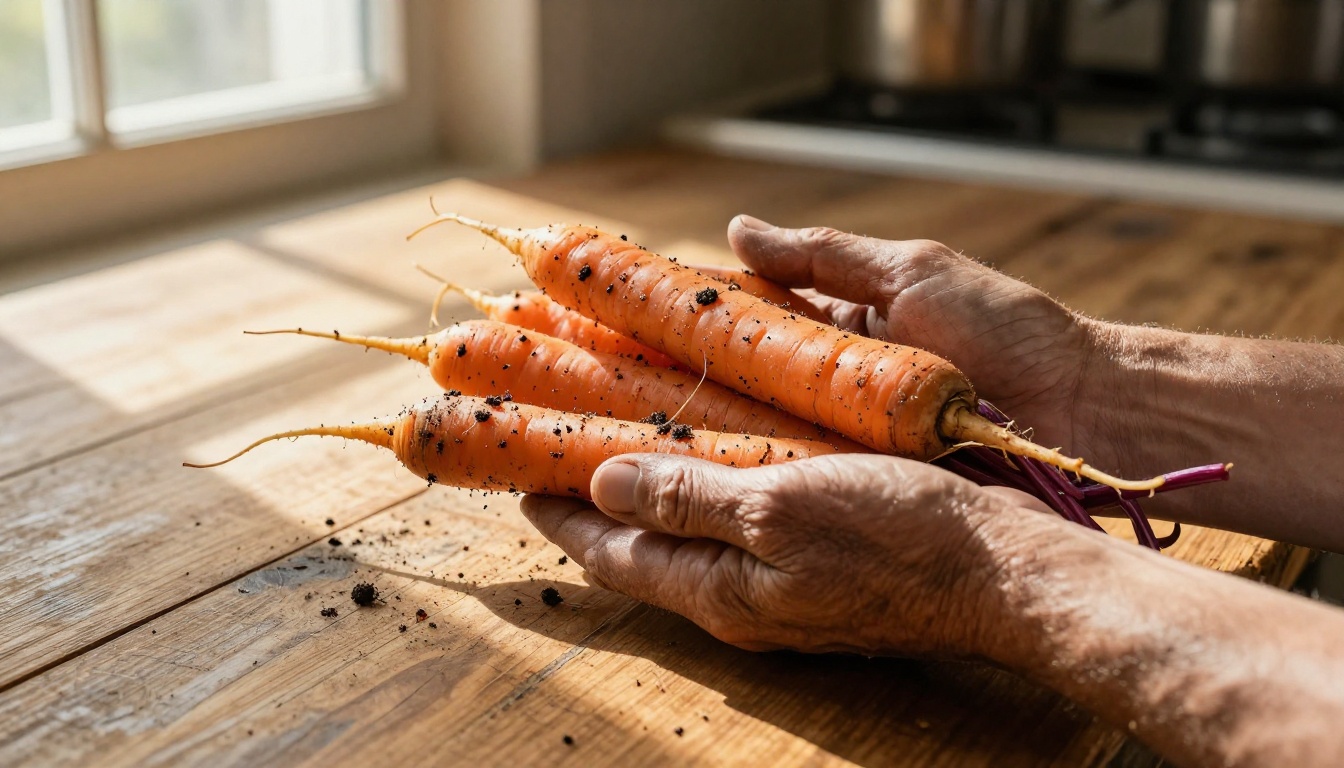
PicassoIA hosts the complete Seedream model family, from early versions to current top-tier releases. Each version in the progression offers a different balance of speed, quality, and capability:
- Seedream 5 Pro: The top-tier Seedream release on the platform, delivering the highest-quality photorealistic output with strong prompt adherence and fast inference. This is the direct access point for Seedream 5.5-class quality results.
- Seedream 4.5: A highly capable mid-tier option that balances quality and generation speed for iterative workflows where rapid cycling through variations matters.
- Seedream 5 Lite: The faster, lighter version optimized for rapid prototyping and high-volume generation tasks where turnaround time is the priority.
- Seedream 4: Solid baseline performance for general photorealistic work, with broader stylistic flexibility than the 5-series models.
- Seedream 3: Earlier generation, useful for understanding the model family's progression and for specific aesthetic outputs that earlier training data captures distinctively.
All models run on PicassoIA's infrastructure with no local installation, no GPU required on your end, and no complex setup.
Using LLMs to write better prompts
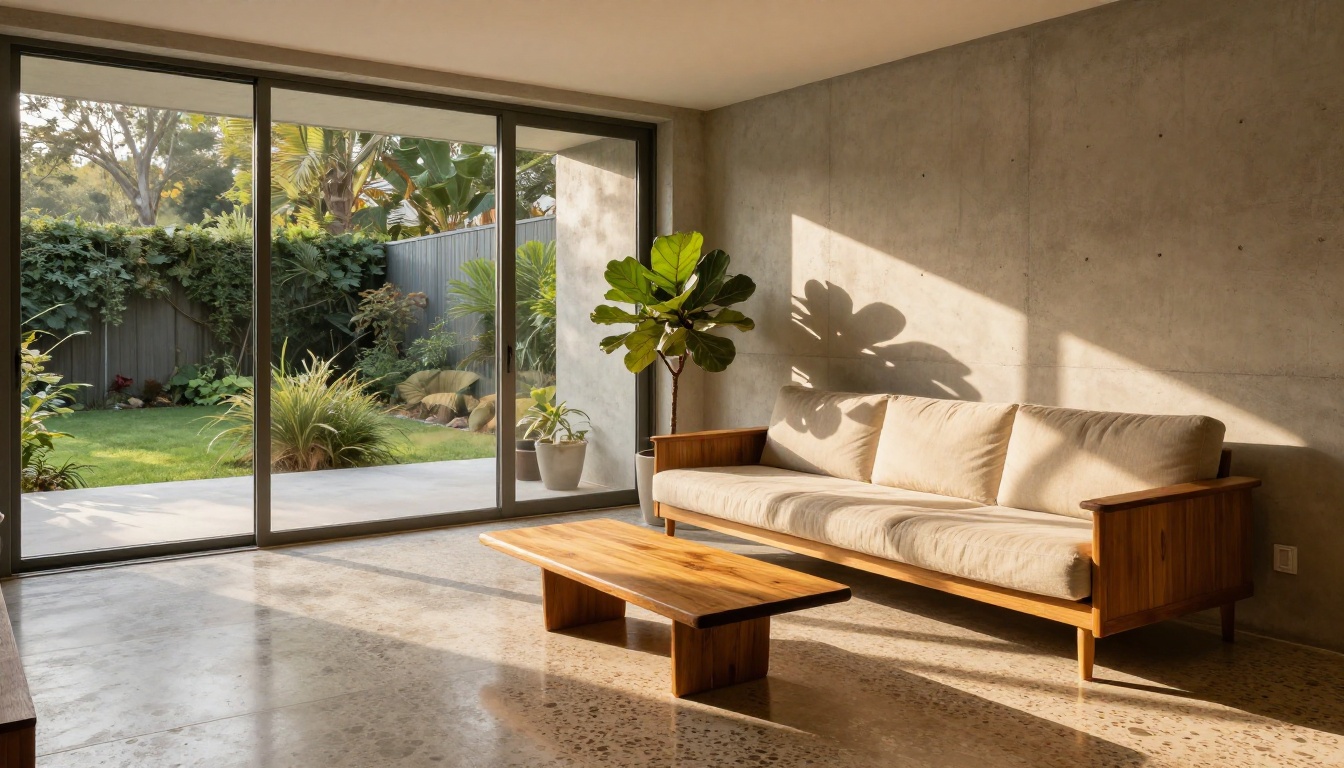
One genuinely productive workflow that has developed around models like Seedream 5.5 is using large language models to draft and refine generation prompts. LLMs with strong creative and technical writing capabilities are good at expanding a brief visual concept into the kind of detailed, technically specific prompt that Seedream 5.5 responds to best.
PicassoIA makes this workflow seamless by hosting leading LLMs alongside its image generation models. You can draft a prompt concept, use an LLM to expand it with camera, lighting, and texture specifics, then pass the refined prompt directly to Seedream 5 Pro without leaving the platform.
Models worth using for prompt refinement:
- GPT 5: Excellent at interpreting creative briefs and translating them into detailed technical visual descriptions that hit the specificity Seedream 5.5 rewards
- Claude Sonnet 5: Strong at maintaining stylistic consistency across multiple prompt variations, ideal when you are building a coherent visual series
- Gemini 3.5 Flash: Fast iteration for rapid prompt refinement cycles where you want to test many small variations quickly
- DeepSeek R1: Strong analytical reasoning useful for deconstructing reference images into their component prompt elements
- Grok 4: Good creative range for unconventional or experimental prompt directions that step outside standard photography aesthetics
The combination of a high-quality image model and an LLM for prompt engineering closes the skill gap that previously required years of prompt-writing practice to develop.
Start Generating Now
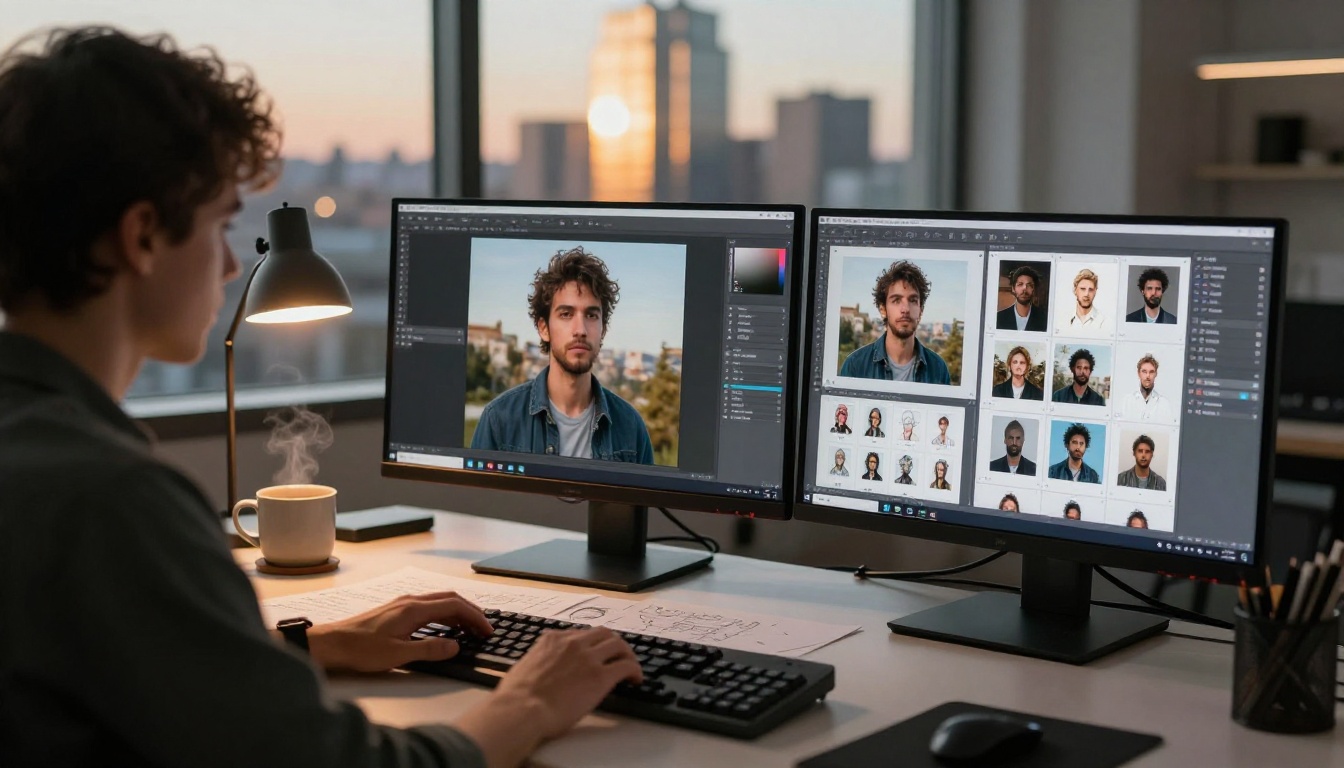
Seedream 5.5 represents what AI image generation looks like when engineering discipline meets high-quality training data at scale. It produces photorealistic output that a professional photographer would not immediately dismiss, at speeds that support genuine creative iteration rather than patient waiting. The combination of strong prompt adherence, exceptional human and portrait rendering, and reliable environmental realism makes it the most practically useful photorealistic image model available right now.
The most direct way to put that quality to work is through PicassoIA, where the full Seedream model family is available alongside the LLM tools that make prompt engineering faster and more consistent. The workflow from brief to refined prompt to generated image runs end-to-end on a single platform, with no local GPU setup or technical overhead getting in the way.
Start with Seedream 5 Pro for the highest quality output, or run Seedream 5 Lite when speed is the priority. Drop in a specific, technically-described prompt, check the result, refine, and repeat. That iteration loop is where the real skill in working with Seedream 5.5 develops, and the faster you can run it, the faster your output quality climbs.
Browse the complete model catalog at picassoia.com/en/all-models, find the Seedream version that fits your workflow, and start generating.