The AI image generation landscape shifted when ByteDance dropped Seedream and Google answered with Nano Banana. Both models target the same audience: photographers, content creators, and commercial artists who want photorealistic output without a camera. But targeting the same audience does not mean delivering the same result. One model renders skin texture that holds up at 200% crop. The other generates color accuracy that competing models consistently miss. And neither one wins every category.
This breakdown covers what actually matters in production: skin fidelity, color range, background rendering, generation speed, and which model fits which creative workflow. If you have spent time prompting both and feel like the results are almost interchangeable, you have not pushed them hard enough yet.
Two Different Bets on Realism
Both Seedream and Nano Banana claim photorealism, but they pursue it through different architectural decisions, which means they fail and succeed in different situations.
How Seedream Handles Realism
Seedream 5 Pro was trained with a heavy emphasis on photographic datasets from fashion, portrait, and product photography. ByteDance designed it to prioritize skin tone accuracy, fabric texture rendering, and the kind of natural depth-of-field falloff you see from prime lenses. The model runs natively at 2K resolution, which means fine detail is preserved rather than upsampled.
Its predecessor, Seedream 4.5, was already competitive in portrait work. The jump to 5 Pro added improved understanding of light direction, better specular highlight control on wet or reflective surfaces, and significantly tighter hair strand rendering.
How Nano Banana Sees the World
Nano Banana 2 sits inside Google's image stack and draws heavily from the same color science heritage as the Imagen 4 family. The result is a model that absolutely dominates in color fidelity. It renders deep shadows without losing saturation, holds highlight detail without washing out, and produces tonal gradients that feel physically accurate.
Nano Banana Pro pushes even further into fine structural detail at the cost of slightly slower throughput. The lighter Nano Banana 2 Lite sacrifices some of that color depth for speed, making it the fastest option in the lineup.
💡 Important: Both model families have different strengths at different output sizes. Seedream's advantage compounds at higher resolutions. Nano Banana's color advantage is visible even in smaller outputs.
Skin Texture: Where the Gap Is Real
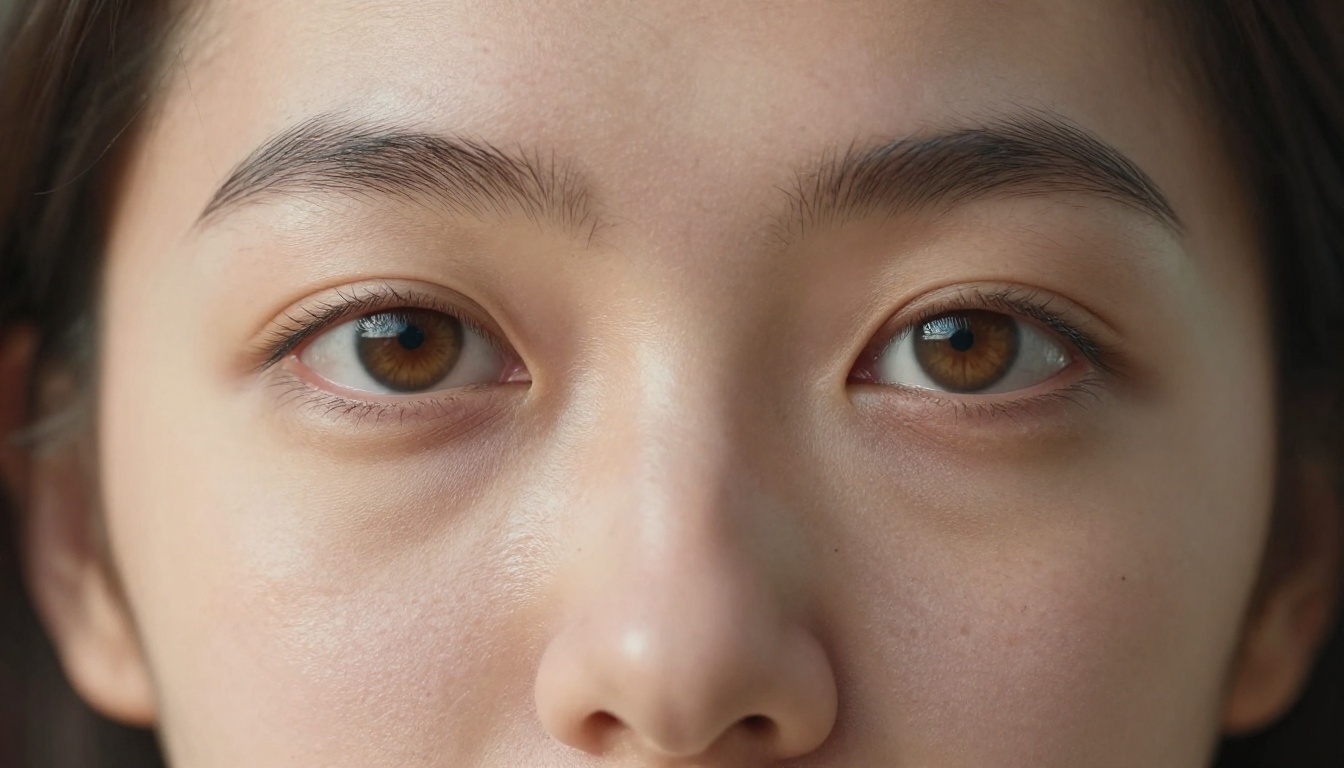
Skin rendering is the hardest problem in AI photo realism. Most models that claim photorealism fail the 200% crop test: they produce convincing thumbnails, then dissolve into painted-looking softness at full resolution.
Pore-Level Detail in Both Models
Seedream 5 Pro renders pores with directional awareness. It understands that pores cluster differently on the nose bridge than on the cheeks, that the T-zone has different oil-sheen behavior than the cheekbones. When you prompt for natural skin without specifying a style, you get a result that looks like a scan from a medium-format camera.
Nano Banana 2 handles skin differently. The pore rendering is good, but it leans toward a cleaner, slightly commercial-photography aesthetic. Skin looks accurate but polished. Useful for product-adjacent work (beauty campaigns, health and wellness content), not ideal when you want the raw documentary feel of a photojournalism portrait.
Hair Strands Under Pressure
Both models struggle at the hairline perimeter, but differently. Seedream occasionally produces individual strands that merge near the scalp. Nano Banana keeps strands separated near the scalp but sometimes loses micro-detail three centimeters out from the hairline, where the hair body transitions into the background.
For portraits where the hair-to-background edge is critical, the workflow that works best: generate with Seedream 5 Pro for the core skin and body rendering, then use a super-resolution model to maximize final output sharpness.
Color Accuracy That Actually Holds
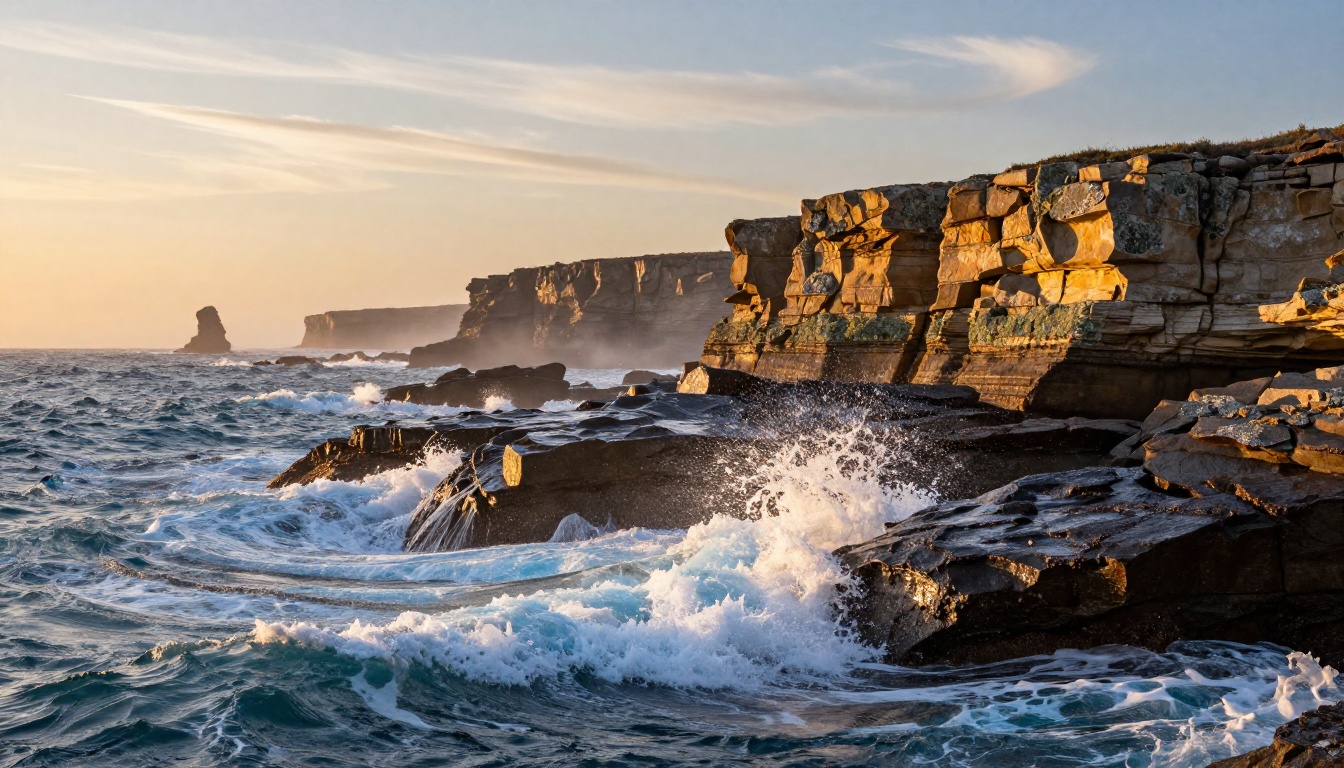
Color is where Nano Banana earns its reputation. The model's handling of natural light is consistently superior to most competing models in the market.
Highlights Without Blowout
Nano Banana 2 renders the transition between a sunlit surface and the highlight spike without clipping. You get the warm gold of late afternoon window light on a white wall, then a tight specular peak that stays within the believable range of film stock response. Most other models either clip the highlight to pure white or over-soften it into a matte blob.
Seedream handles highlights competently, particularly on skin (which is its home terrain), but on hard architectural surfaces or metallic objects, it occasionally produces slightly over-brightened specular areas that break the photographic illusion.
Shadow Depth and Color Retention
This is Nano Banana's single clearest advantage. In deep shadow areas, where many models either crush to pure black or add unnatural noise, Nano Banana 2 retains color information. A dark burgundy jacket in shadow still reads as burgundy. A forest floor at dusk still shows the differentiated colors of soil, leaf, and shadow rather than collapsing into an undifferentiated dark mass.
💡 For any scene that relies on dramatic lighting contrast, such as night photography simulation, candlelight interiors, or backlit golden-hour subjects, Nano Banana 2 produces consistently more believable shadows than Seedream 5 Pro.
Portrait Fidelity: The Real Test
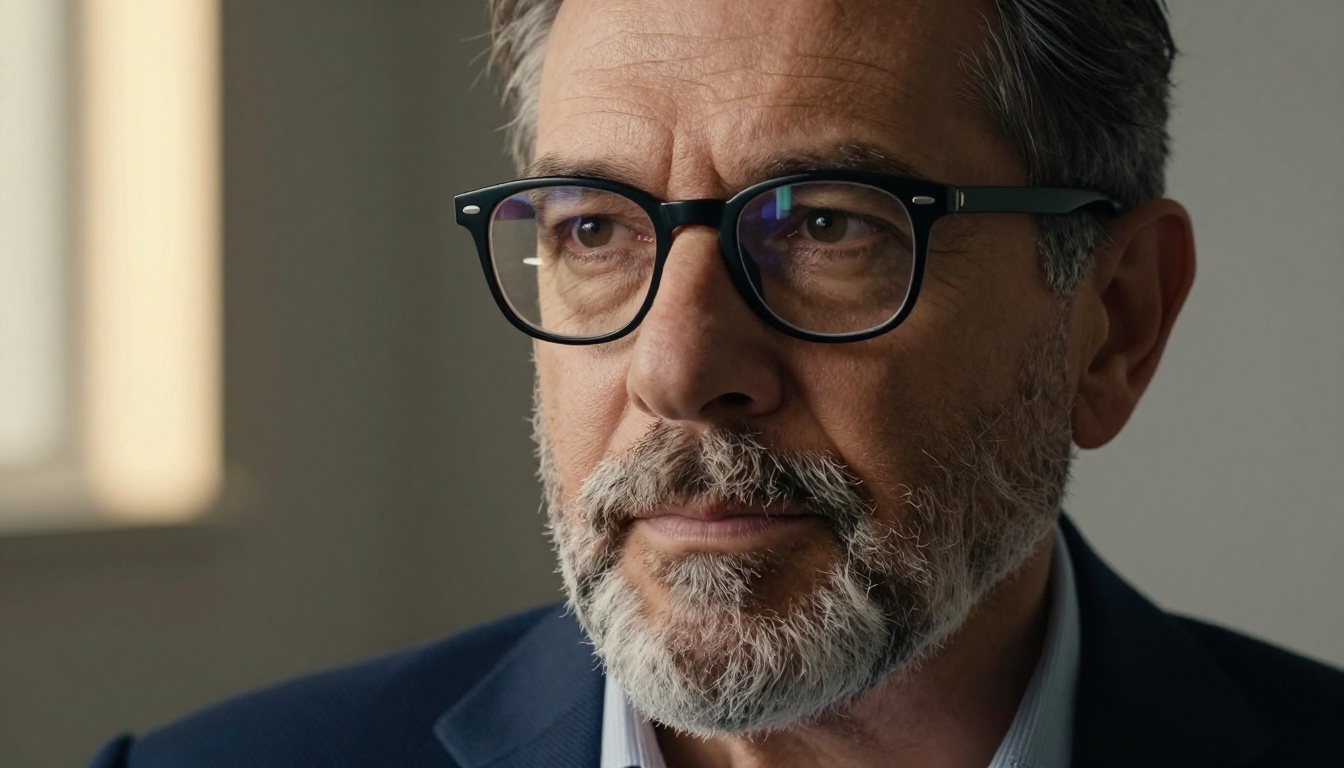
Portraits are where most users first form strong opinions about a model. They are also the most unforgiving category, because the human visual system detects face errors instantly.
Facial Structure and Proportions
Seedream 5 Pro handles facial geometry with exceptional accuracy for mid-range portrait distances (waist-up and closer). Cheekbone placement, the relationship between the nose and the orbital socket, jawline angle: these read as photographically correct rather than computer-generated approximations.
Nano Banana 2 is excellent at three-quarter profile angles, where Seedream occasionally introduces subtle asymmetries. For headshot-style images where symmetry and the exact relationship between facial thirds matter, Nano Banana Pro is worth testing alongside Seedream.
Eye Detail and Iris Rendering
Eyes are the single most scrutinized element in any portrait. Seedream produces iris detail with perceptible fiber structure, accurate limbal ring presence, and realistic corneal dome refraction. The catchlight (the specular highlight in the eye) is rendered with its specific shape reflecting the light source accurately.
Nano Banana Pro matches this quality in its high-effort mode but requires more specific prompting to get there. Without explicit prompting, it defaults to a slightly more graphic, less photographic eye rendering.
Speed vs. Quality Trade-off
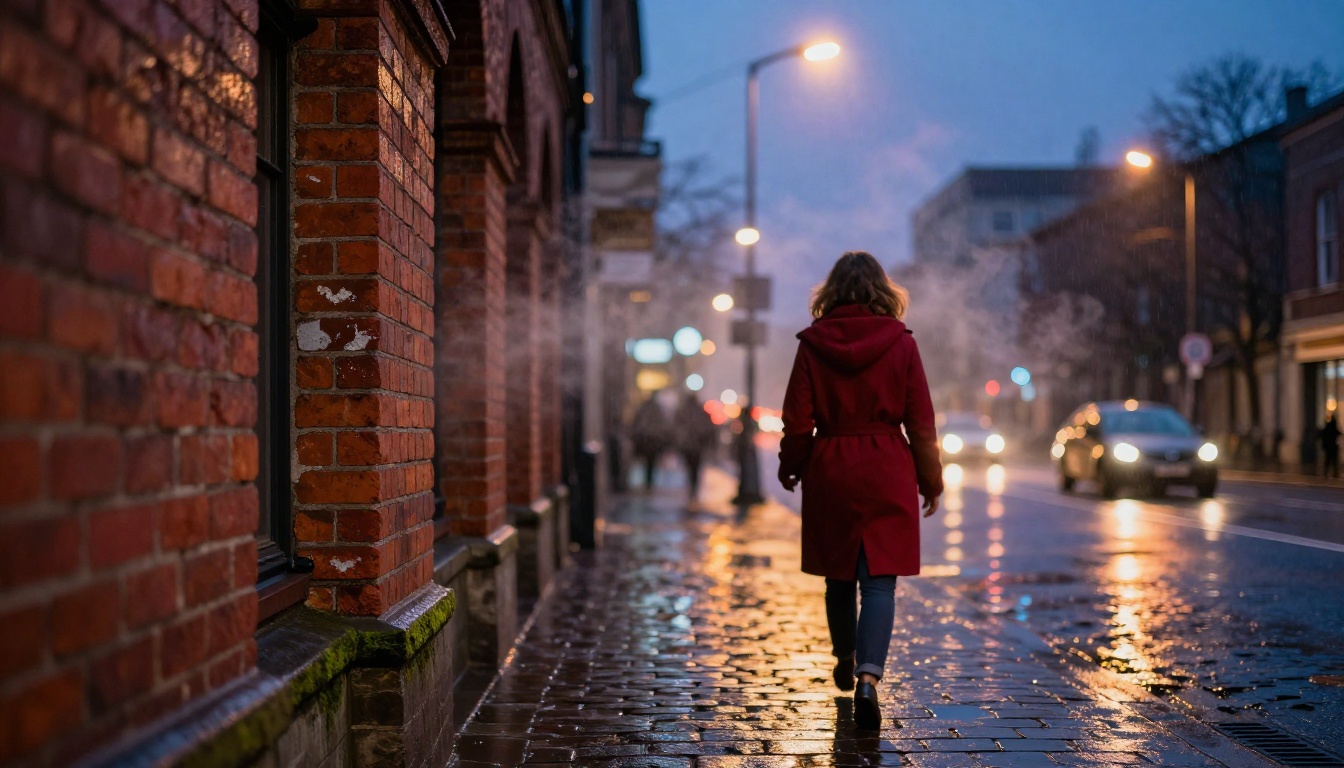
Generation speed matters when you are iterating through multiple prompt variations to find the one that works. Here is how both model families perform across their tiers.
When Speed Becomes a Real Cost
If you are generating 50 variations of a single concept, working with Seedream 5 Lite or Nano Banana 2 Lite for the draft cycle, then upscaling the top two or three candidates, is a more efficient workflow than running every iteration through the Pro tier.
For super-resolution upscaling after initial generation, both model outputs respond well to high-quality upscaling tools available on PicassoIA's super-resolution models.
Real-World Use Cases
Portrait and Glamour Photography
For portrait work, specifically fashion and beauty photography simulation, Seedream 5 Pro is the clearer choice. Its skin rendering is simply more convincing at high resolution. When you need the output to pass as a photograph to anyone who does not already know it is AI-generated, Seedream's architecture handles the micro-detail that makes the difference.
The entire Seedream generation history is available on PicassoIA. Seedream 4 and Seedream 3 are still useful for their slightly softer rendering, which can work better than the sharper 5 Pro output for certain beauty retouching simulation workflows.
Product and Commercial Photography
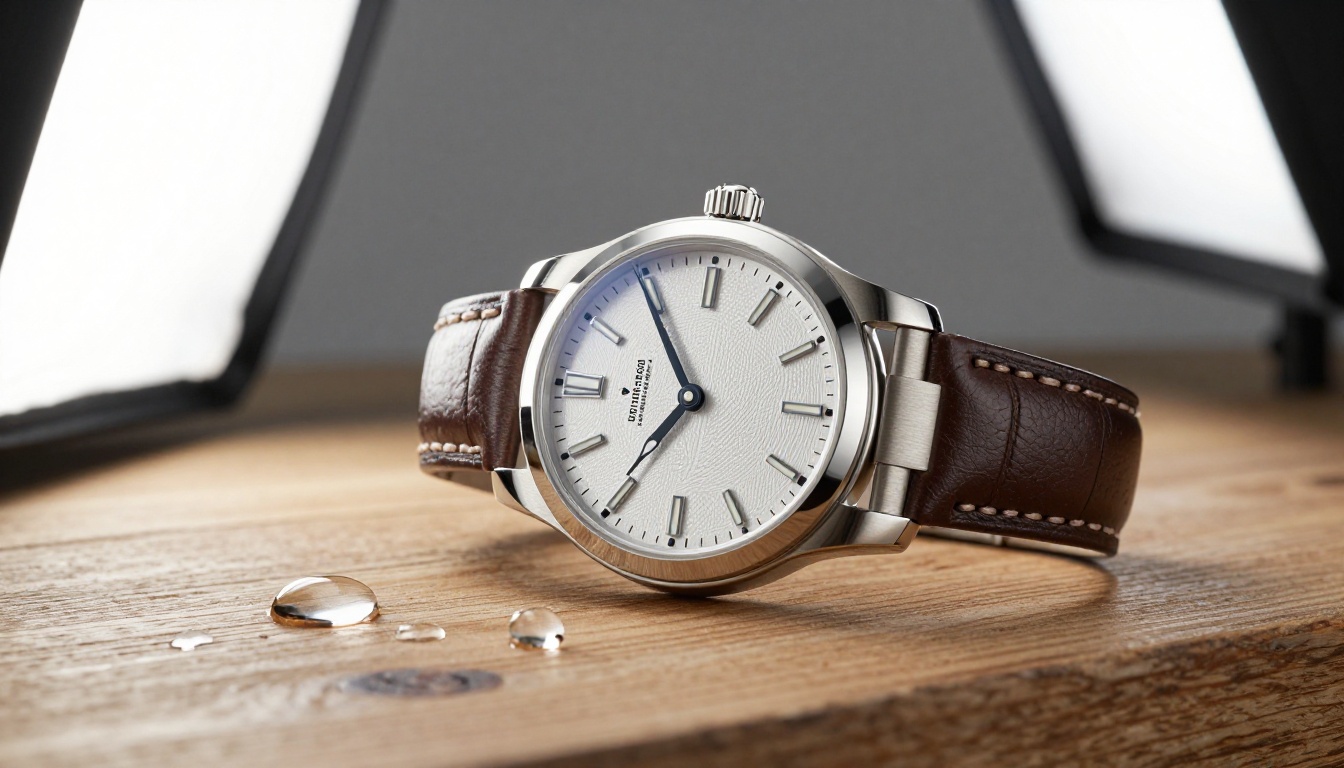
Product photography sits in an interesting middle ground. The color accuracy that Nano Banana brings is genuinely useful for product shots where brand colors need to match a specific Pantone reference. A red that reads as slightly orange will get rejected by any serious client.
For product photography where the product has significant texture, such as leather goods, textiles, or food, Seedream 5 Pro renders surface detail more convincingly. For product photography where color is the dominant concern, Nano Banana 2 wins.
Landscapes and Nature
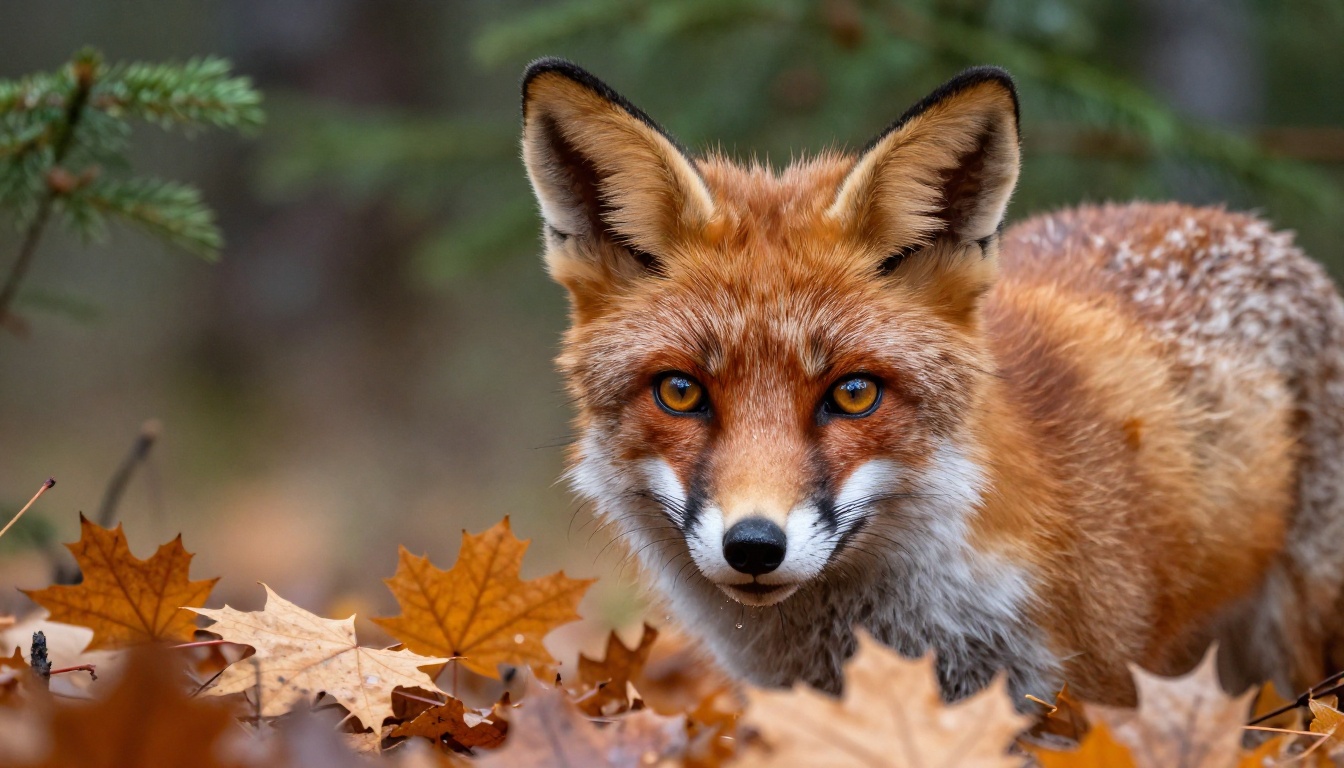
Landscape generation favors Nano Banana's color science. The way it handles the spectral variation in natural scenes, from the warm ochres of golden-hour rock faces to the specific cool-blue of overcast sky reflected in wet pavement, is consistently more accurate than Seedream's landscape output.
Wildlife and animal photography is split. Fur and feather texture generation favors Seedream's micro-detail rendering. Sky, water, and foliage color accuracy favors Nano Banana.
Head-to-Head Comparison
| Category | Seedream 5 Pro | Nano Banana 2 | Winner |
|---|
| Skin texture | Exceptional | Good | Seedream |
| Color accuracy | Good | Exceptional | Nano Banana |
| Hair detail | Very Good | Good | Seedream |
| Shadow rendering | Good | Exceptional | Nano Banana |
| Highlight control | Very Good | Exceptional | Nano Banana |
| Portrait geometry | Excellent | Very Good | Seedream |
| Landscape realism | Good | Excellent | Nano Banana |
| Generation speed | Moderate | Moderate | Tie |
| Prompt flexibility | High | High | Tie |
| Max native resolution | 2K | 2K | Tie |
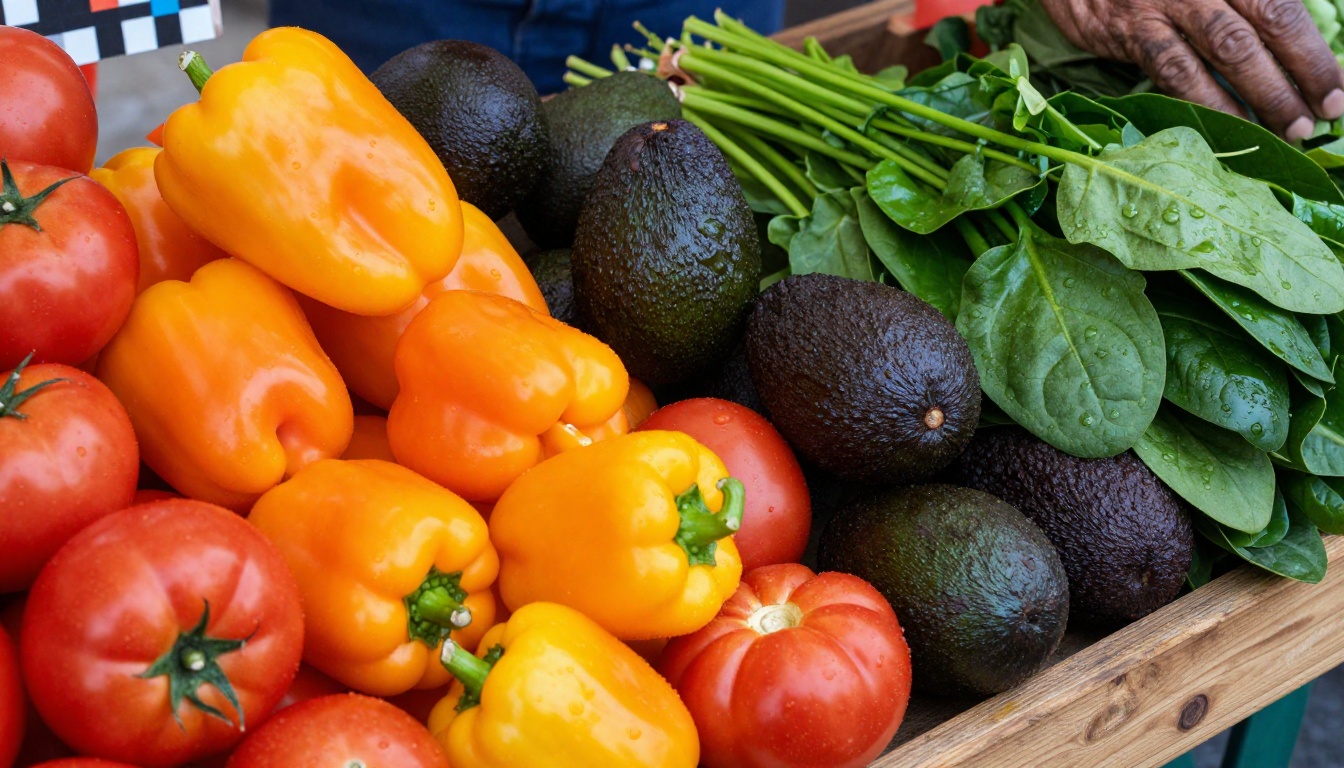
💡 The short answer: Seedream wins on anything involving living subjects, texture, and fine surface detail. Nano Banana wins on anything involving color-critical output, lighting drama, and landscape fidelity.
Using Seedream 5 Pro on PicassoIA
Seedream 5 Pro is available directly on PicassoIA with no setup required. Getting the best out of it comes down to how you structure the prompt.
Step-by-Step for Portrait Work
- Go to Seedream 5 Pro on PicassoIA
- Set your subject first: Start with the person description, age, and pose before adding environment or lighting details
- Specify camera parameters: Include lens length (e.g., 85mm), aperture (f/1.8), and shooting distance (close-up, mid-shot)
- Add lighting direction explicitly: "Warm window light from left" produces better results than just "warm lighting"
- Include texture cues: "Natural skin texture, visible pores, no retouching" unlocks Seedream's core strength
- Add film stock reference: "Kodak Portra 400" or "Fuji Superia 800 grain" shifts the color response toward analog photography
Best Settings for Maximum Realism
- Add the suffix
--style raw to your prompt
- Avoid generic style words like "photorealistic" or "ultra realistic" as they can push the model toward an over-smoothed commercial look
- For skin: describe specific lighting conditions rather than general quality adjectives
- Prompt for imperfection: "natural blemishes", "visible pore texture", "slight asymmetry" counters the model's default toward perfection
Using Nano Banana 2 on PicassoIA
Nano Banana 2 and Nano Banana Pro are both on PicassoIA and respond exceptionally well to color-specific prompting.
Tips for Sharp Color Results
- Name specific color temperatures: "4200K warm tungsten", "6500K overcast daylight", "5600K neutral sunlight" give Nano Banana better targets than "warm" or "cool"
- Reference real-world materials: Mention specific fabric dyes or natural materials by their actual names (terra cotta, cobalt, raw sienna) rather than general color names
- Shadow prompting: Actively prompt for shadow behavior: "deep shadows retaining color saturation", "no shadow clipping" signals the model to engage its color retention strength
- Avoid over-specifying style: Nano Banana's color science performs best when you describe physical conditions rather than photographic styles
The original Nano Banana version is still available and worth testing when you specifically want a softer, more impressionistic color palette rather than the precise color science of Nano Banana 2. For rapid iteration before committing to a full Pro-tier generation, Nano Banana 2 Lite is the fastest way to validate composition and lighting before locking in the final prompt.
The Real Winner Depends on Your Subject
Neither model wins across the board, which is actually useful. It means both earn a place in a serious production workflow rather than one replacing the other.
Pick Seedream 5 Pro when:
- The subject is human (portrait, fashion, editorial)
- Surface texture and micro-detail are visible and important
- You need the output to survive close cropping
- Hair, fur, fabric, or organic material are prominent in the frame
Pick Nano Banana 2 when:
- Color accuracy is a deliverable, not just a preference
- The scene contains dramatic lighting contrast
- Landscape, architecture, or wide environmental shots are the focus
- The client or project has specific color standards to match
Both models sit alongside Flux 2 Pro, Flux 2 Max, Flux Kontext Max, Imagen 4 Ultra, and 90+ additional text-to-image models on PicassoIA. The best way to understand which model fits your specific workflow is to run the same prompt through both and compare at 100% crop.
Start Generating Right Now
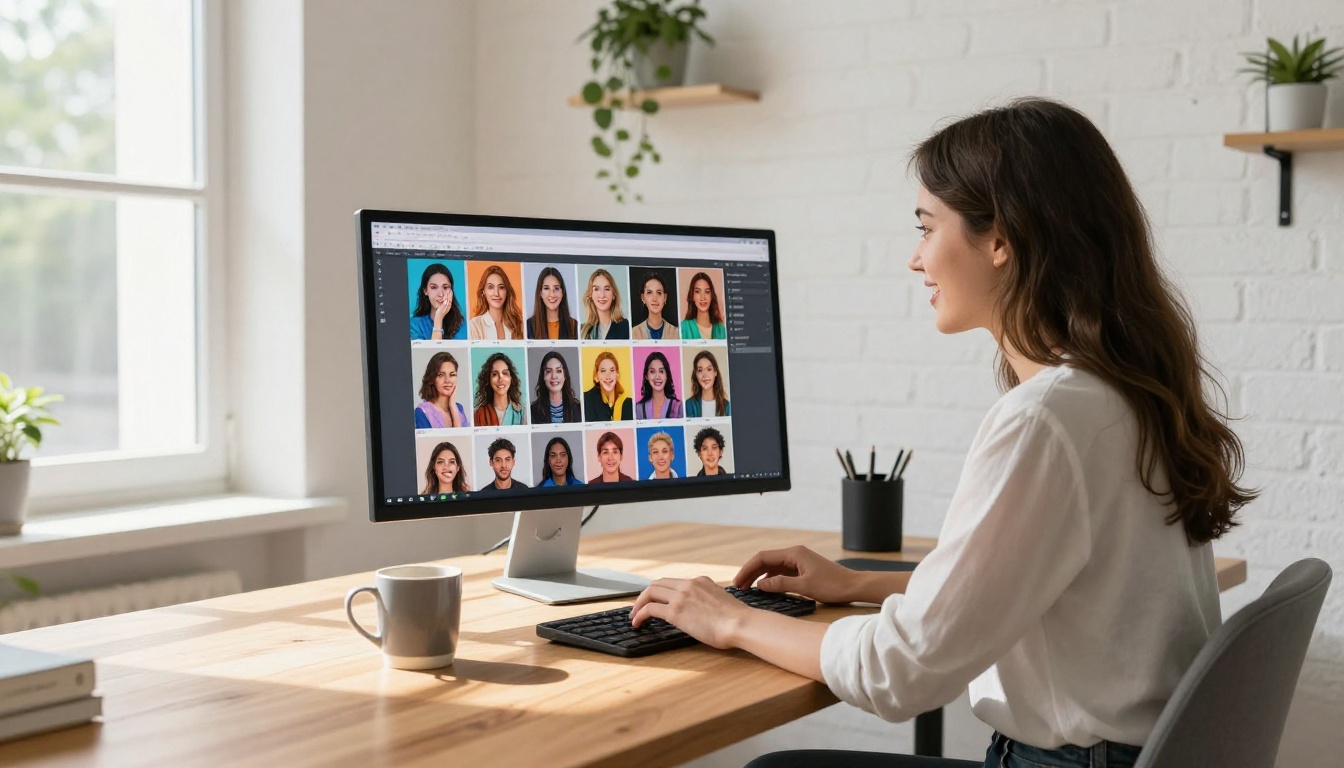
Both Seedream 5 Pro and Nano Banana 2 are live on PicassoIA today. You do not need to commit to one or install anything. Run the same prompt through both, zoom into the result at full resolution, and let the output tell you which model fits your work.
The broader library at picassoia.com/en/all-models includes the full Seedream generation stack, all four Nano Banana variants, and dozens of additional models for every category from super-resolution upscaling to video generation, face enhancement, and ControlNet-guided generation.
Pick a subject you care about. Write a specific, photographic prompt. Run it on both models. That is the only benchmark that actually matters for your workflow.


