Social media content creation has entered a new phase where AI image generation tools transform how visuals are conceived, produced, and optimized. This comprehensive analysis explores how platforms like Instagram, TikTok, and Pinterest leverage AI for platform-specific aesthetics, data-driven strategy, and democratized professional quality. Discover current trends in hyper-personalized branding, location-independent content creation, real-time trend adaptation, and ethical considerations in AI-enhanced social media. Learn practical implementation strategies, tool selection criteria, and future developments that define the intersection of human creativity and artificial intelligence in the visual ecosystem of modern social platforms.
Social media has transformed from simple status updates to a sophisticated visual ecosystem where imagery drives engagement, algorithms reward aesthetic consistency, and audiences expect increasingly polished content. The pressure to produce professional-grade visuals has intensified, creating a demand for tools that bridge the gap between creative vision and technical execution. This is where AI image generation technologies enter the social media landscape, offering creators unprecedented capabilities to produce, enhance, and optimize visual content at scale.
The visual language of social platforms evolves rapidly, with trends emerging and disappearing within weeks. Keeping pace requires more than just a good camera—it demands understanding platform-specific aesthetics, audience preferences, and algorithmic behavior. AI image tools provide the analytical and creative horsepower needed to navigate this complex environment, transforming how content is conceived, produced, and distributed.
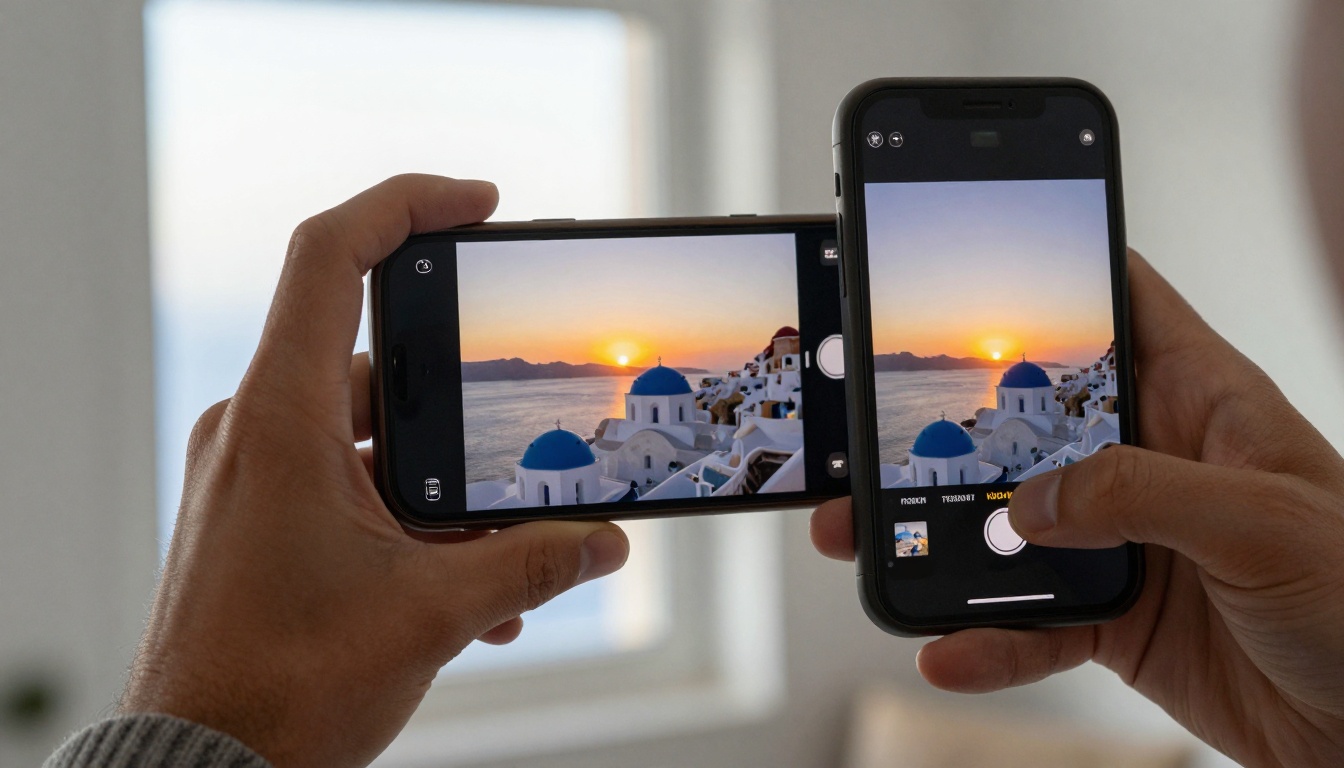
Comparison between original travel photography and AI-enhanced versions showing optimized lighting and composition.
The Visual Arms Race on Social Platforms
Every major social platform has developed distinct visual languages that resonate with specific audience segments. Instagram prioritizes cohesive feeds with consistent color grading and composition. TikTok rewards dynamic, attention-grabbing visuals that work within vertical format constraints. Pinterest demands high-quality, aspirational imagery that inspires action. Managing these divergent requirements while maintaining brand consistency challenges even the most organized creators.
💡 Platform-specific optimization: AI tools analyze millions of successful posts to identify visual patterns that perform best on each platform. This data-driven approach replaces guesswork with statistically validated aesthetics.
The competitive landscape means audiences now expect production quality that previously required professional studios. What was once acceptable as casual smartphone photography now appears amateurish against AI-enhanced alternatives. This rising standard creates a barrier for smaller creators who lack resources for professional equipment and editing expertise.
How AI Image Generation Works for Social Media
Modern AI image generators like Flux, Stable Diffusion, and Qwen Image operate on sophisticated neural networks trained on billions of images. These systems understand not just objects and scenes, but also artistic styles, lighting conditions, compositional rules, and platform-specific aesthetics.
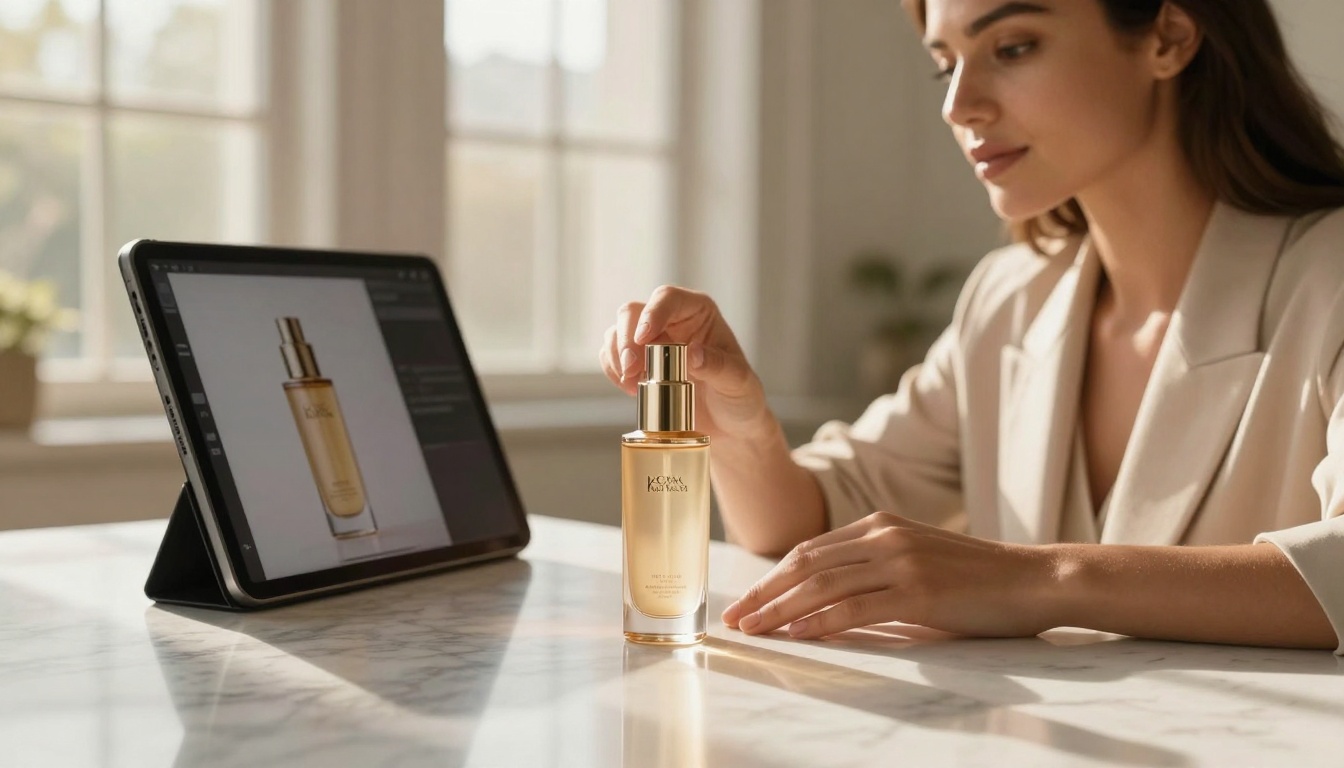
Fashion influencer using AI to generate product photography variations in different lighting conditions.
Three primary approaches dominate social media AI image creation:
Text-to-Image Generation: Enter descriptive prompts to create entirely new visuals. Tools like p-image and z-image-turbo excel at rapid iteration, allowing creators to test multiple visual concepts before production.
Image Enhancement: Transform existing photos through style transfer, resolution upscaling, or aesthetic improvement. GPT Image 1.5 specializes in understanding image context and applying appropriate enhancements.
Platform-Specific Optimization: Automatically adjust aspect ratios, color grading, and composition for different social platforms. WAN 2.2 Image incorporates platform-specific training data for optimal results.
Current Social Media Trends Powered by AI
1. Hyper-Personalized Visual Branding
Creators use AI to develop unique visual signatures that distinguish their content. Personal branding now extends beyond logos and color schemes to include AI-generated visual elements that create immediate recognition. This includes:
Signature lighting patterns generated through style transfer
Custom compositional templates that maintain consistency across posts
Unique texture overlays that create tactile visual experiences
💡 Consistency versus novelty: The most successful creators balance recognizable branding with enough variation to maintain audience interest. AI helps automate this delicate balance.
2. Location-Independent Content Creation
Travel and lifestyle creators face logistical challenges accessing diverse locations. AI image generation enables location-specific content without physical travel, creating authentic-looking imagery from text descriptions. This democratizes travel content creation while raising questions about authenticity in the digital space.
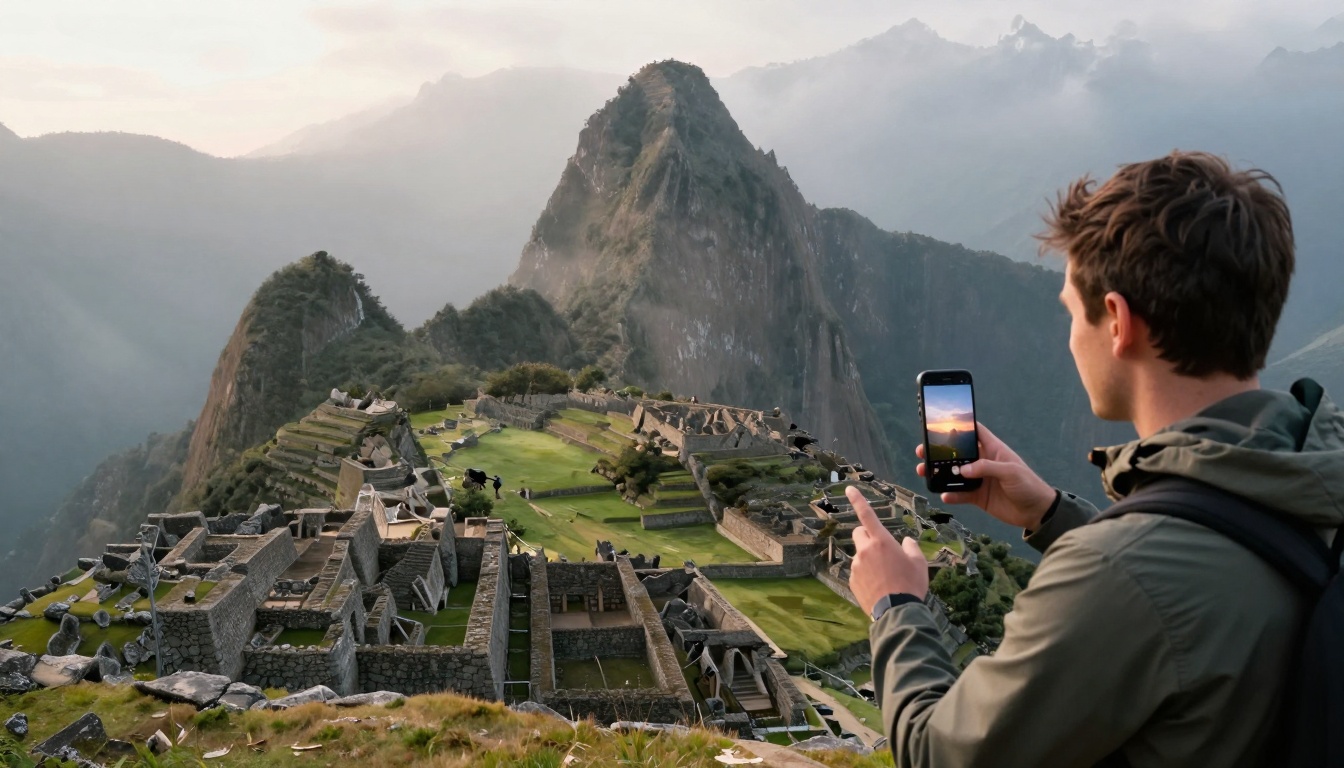
Travel creator using AI to generate alternative views of famous locations from single visits.
3. Real-Time Trend Adaptation
Visual trends on social media move with astonishing speed. AI tools monitor emerging aesthetics and generate compliant content before human creators identify the patterns. This includes:
Color palette analysis of trending posts
Compositional pattern recognition across viral content
Style convergence tracking between different creator niches
4. Accessibility and Democratization
Professional photography equipment represents significant investment. AI tools lower the barrier to professional-quality content, enabling creators with limited resources to compete with established brands. This includes:
Smartphone enhancement to rival DSLR quality
Lighting simulation that replaces expensive studio setups
Background generation that transforms ordinary environments
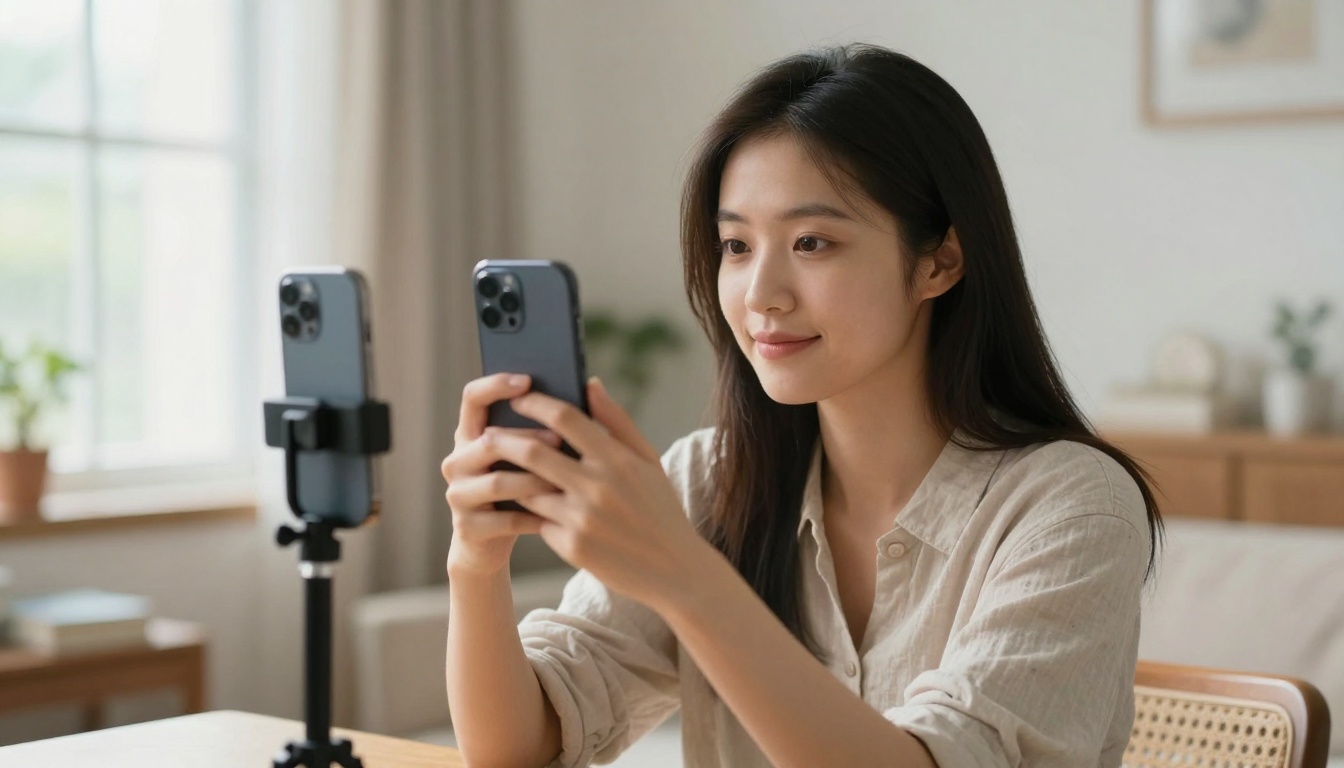
Micro-influencer creating professional-grade content with minimal equipment using AI enhancement tools.
5. Data-Driven Visual Strategy
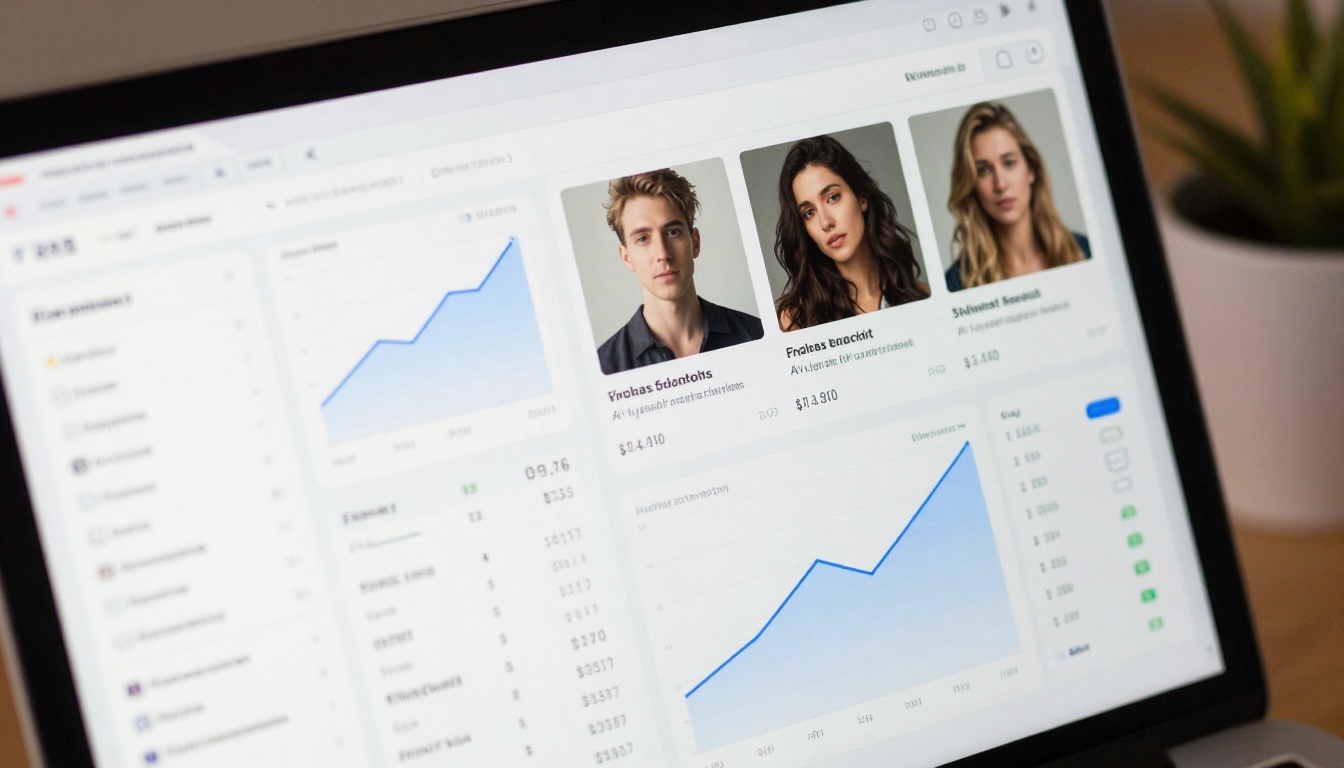
Analytics platforms now integrate with AI image generators, creating feedback loops between content performance and visual creation. This transforms social media strategy from intuition-based to data-driven, with concrete metrics guiding visual decisions.
Social media analytics dashboard showing correlation between AI-generated visual styles and engagement metrics.
Practical Applications Across Platforms
Instagram: Cohesive Aesthetic Development
Instagram's grid-based presentation demands visual harmony across posts. AI tools analyze successful accounts to identify aesthetic patterns that drive follower growth and engagement. Seedream 4.5 and Flux 2 Flex excel at maintaining consistent style across multiple generations.
Key Instagram applications:
Feed planning: Generate multiple post variations to visualize grid layouts
Color scheme development: Create harmonious palettes based on brand colors
Style transfer: Apply successful aesthetic patterns to new content
TikTok: Attention-Optimized Visuals
TikTok's algorithm prioritizes immediate engagement within the first three seconds. AI generates visuals engineered for attention capture, incorporating motion, contrast, and compositional techniques proven to stop scrolling.
Key TikTok applications:
Thumbnail optimization: Generate multiple thumbnail options for A/B testing
Motion suggestion: Create implied movement in static images
Text integration: Design text overlays that complement rather than obscure visuals
Pinterest: Aspirational and Actionable Imagery
Pinterest users seek inspiration for future actions. AI creates highly specific, aspirational imagery that suggests possibilities rather than documenting reality. Imagen 3 and Imagen 3 Fast specialize in detailed, inspirational visual generation.
Key Pinterest applications:
Idea visualization: Generate images of concepts before physical execution
Style boards: Create cohesive collections around specific aesthetics
Tutorial imagery: Produce step-by-step visual guides
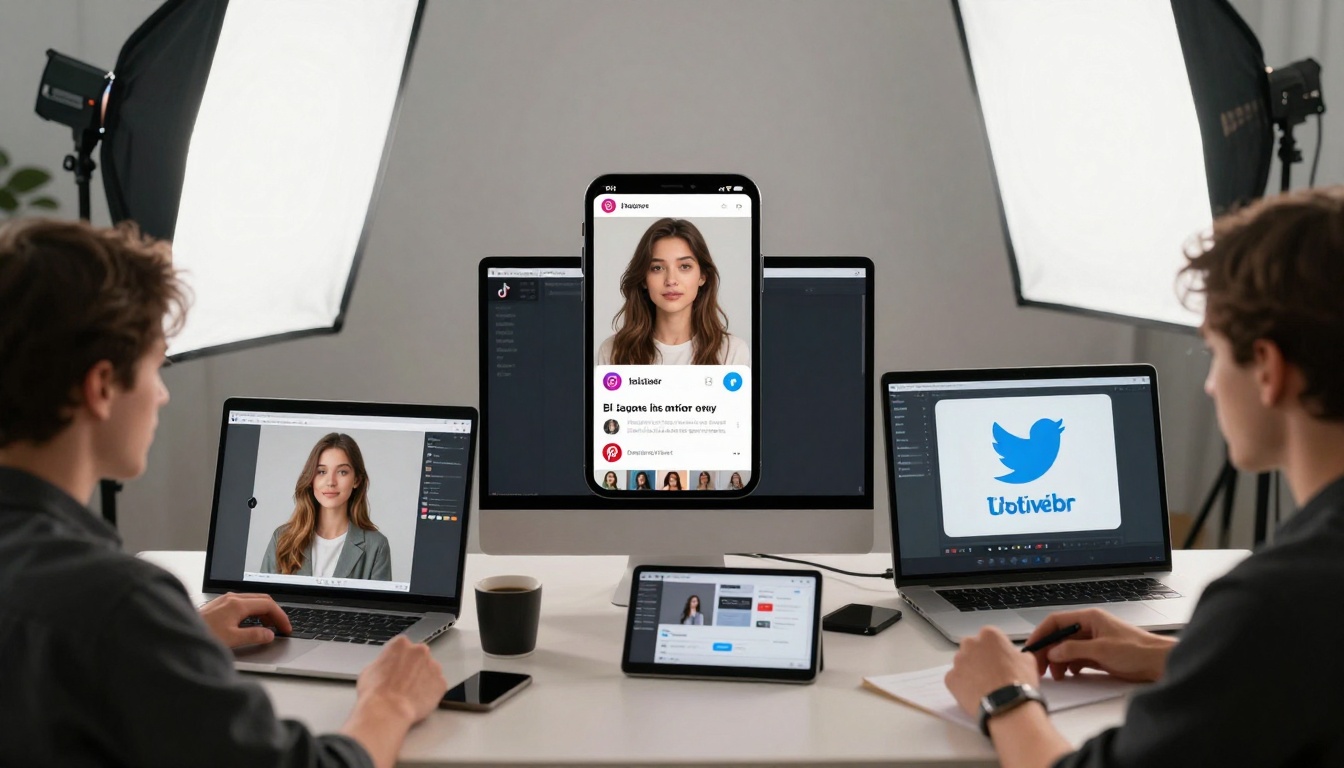
Social media team testing AI-generated visuals across different platform formats and aspect ratios.
Technical Implementation: How to Integrate AI Tools
Workflow Integration
Successful AI integration requires thoughtful workflow design rather than random tool application. The most effective implementations follow structured processes:
Analysis Phase: Use AI to analyze existing successful content and identify visual patterns
Generation Phase: Create multiple visual variations based on identified patterns
Selection Phase: Human review and selection of generated options
Refinement Phase: Combine AI foundation with human creative adjustments
Distribution Phase: Platform-specific optimization before posting
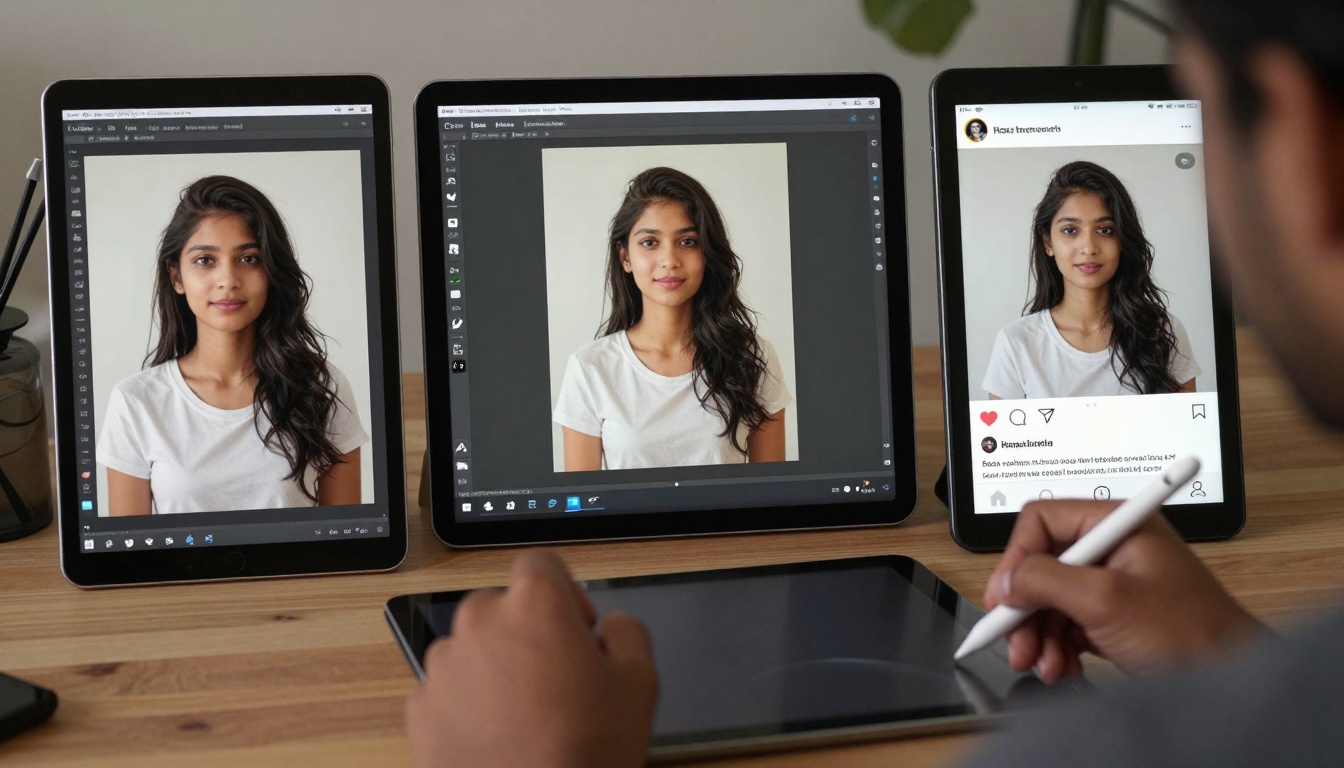
Creative process showing the evolution from AI generation to human refinement to final publication.
Tool Selection Criteria
Not all AI image generators suit social media needs equally. Selection criteria should include:
"Photorealistic image of sustainable activewear on model during golden hour trail run, Instagram aesthetic with cohesive color palette, reference @outdoorvoices styling, 35mm lens, f/2.8, Kodak Portra 400 film simulation"
Example: TikTok beauty product demonstration:
"Close-up video thumbnail showing skincare application with visible texture improvement, TikTok vertical format with attention-grabbing composition, reference viral skincare trends, dramatic lighting contrast"
Ethical Considerations and Authenticity
The rise of AI-generated social media content raises important questions about authenticity, disclosure, and digital trust.
Disclosure Practices
Transparent AI use builds audience trust rather than diminishing it. Best practices include:
Clear labeling of AI-generated or enhanced content
Educational captions explaining how AI improved the image
Process sharing that demystifies the technology
Authenticity Preservation
The most successful creators maintain human connection while leveraging AI capabilities. This balance involves:
Personal storytelling alongside AI-enhanced visuals
Genuine experiences supplemented rather than replaced by AI
Human creative direction guiding AI execution
Content creator using AI to enhance golden hour portraits while maintaining authentic human connection.
Future Trends and Developments
1. Real-Time Generation Integration
Social platforms will integrate AI generation directly into their interfaces, allowing instant visual creation within the posting workflow. This eliminates export/import steps and enables spontaneous creative expression.
2. Personalized Aesthetic Algorithms
AI will learn individual creator styles and generate content that matches their unique visual signatures while introducing calculated variations to maintain audience interest.
3. Cross-Platform Style Transfer
Single visual concepts will automatically adapt to different platform requirements, maintaining brand consistency while optimizing for each platform's unique presentation format and audience expectations.
4. Predictive Visual Strategy
AI will forecast visual trend trajectories before they reach mainstream awareness, allowing creators to position themselves at trend inception rather than during peak saturation.
Getting Started with AI Image Tools
For creators beginning their AI integration journey, starting points depend on current workflow and goals:
For photography enhancement:
Begin with GPT Image 1.5 or Qwen Image to improve existing content quality before exploring full generation capabilities.
For original content creation:Flux models offer excellent balance of quality and consistency for developing cohesive visual branding.
For rapid iteration and testing:p-image and z-image-turbo provide the speed necessary for testing multiple visual concepts.
The most important step is beginning experimentation with clear objectives and measurement criteria. Track engagement changes, audience feedback, and personal workflow efficiency to guide tool selection and implementation depth.
Social media's visual evolution continues accelerating, with AI image tools becoming integral rather than optional for serious content creators. These technologies don't replace human creativity but amplify it, handling technical execution while freeing creators for strategic and emotional aspects of content development. The future belongs to creators who master this collaboration between human vision and AI capability.
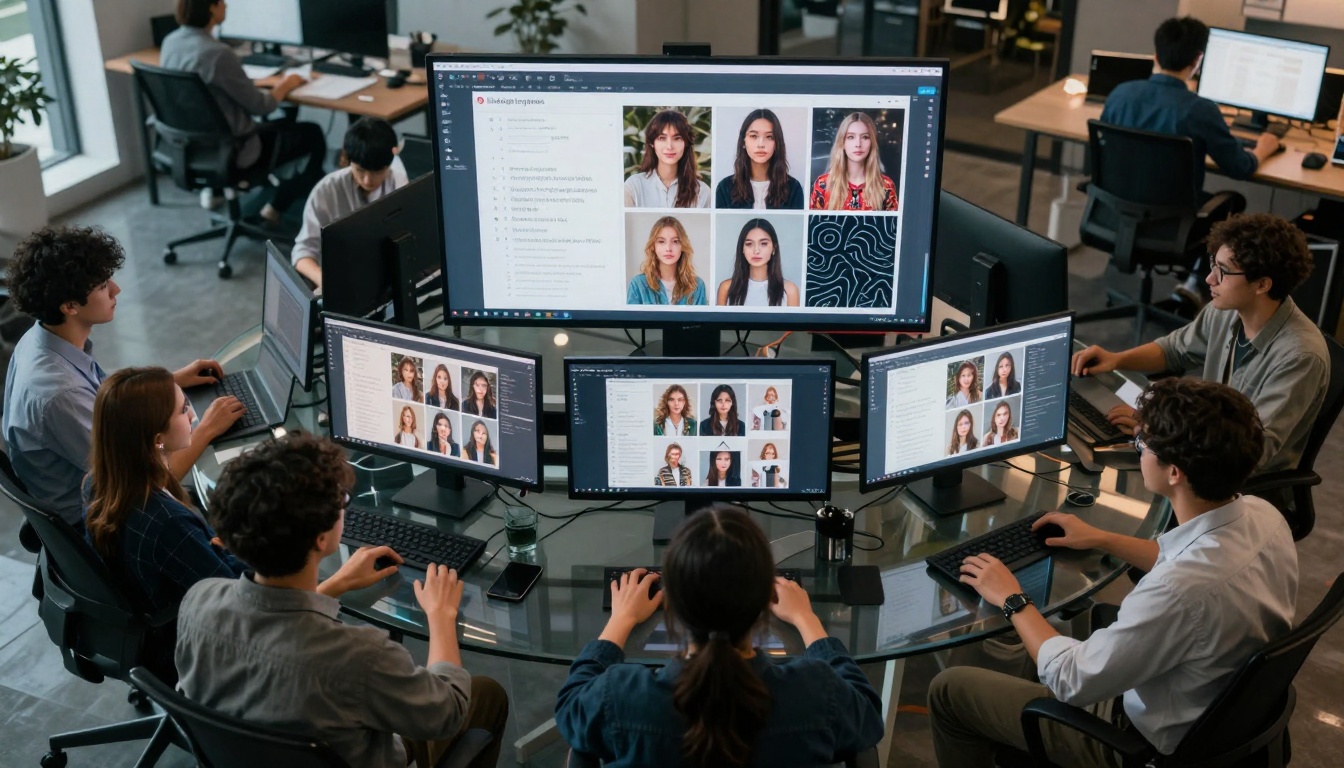
Social media team using AI-generated mood boards to identify and create emerging visual trends before they reach mainstream awareness.
The visual language of social media grows more sophisticated daily. Creators who understand and leverage AI image generation tools position themselves at the forefront of this evolution, producing content that resonates with increasingly discerning audiences while maintaining sustainable creative workflows. The intersection of human creativity and AI capability defines the next chapter of social media content creation.