Specific prompt templates for Sora 2 Pro video generation across fantasy, sci-fi, historical, nature, action, romance, mystery, comedy, and horror genres. Each example includes detailed breakdowns of lighting, camera specifications, texture details, and atmospheric effects that produce professional cinematic results. Learn the precise language and technical terminology that transforms vague descriptions into production-ready video content.
When you're working with Sora 2 Pro, the difference between mediocre results and cinematic masterpieces often comes down to prompt construction. The model doesn't just interpret words—it needs specific cinematic language, technical details, and structured information to produce professional-quality video content. This isn't about vague descriptions; it's about giving the AI the same instructions you'd give a film crew.
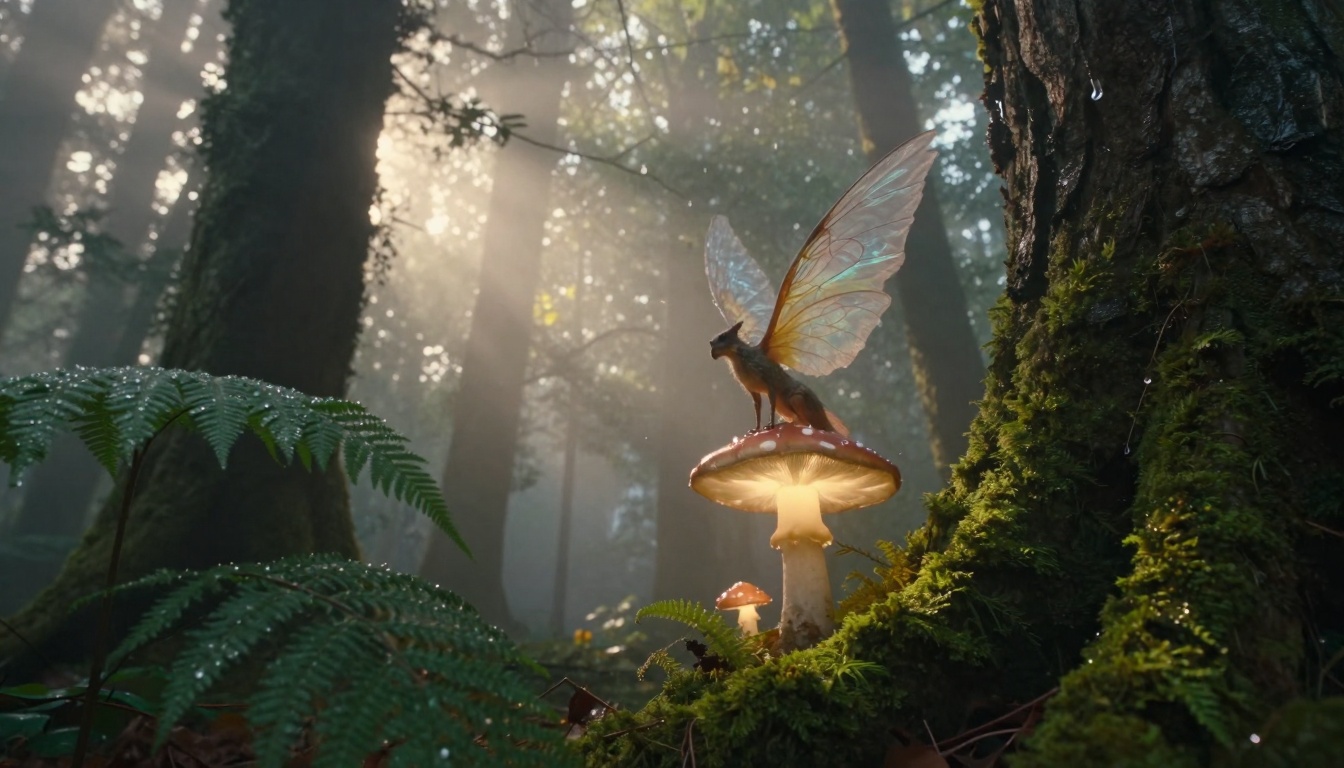
Fantasy sequences require specific lighting terminology and atmospheric details. Instead of "magical forest," you need: "Ethereal forest at dawn with volumetric morning light piercing through dense canopy, sunbeams creating visible light rays through morning mist, ancient moss-covered trees with dewdrops glistening on fern leaves, mystical creature with iridescent wings perched on bioluminescent mushroom emitting soft glow, captured with 85mm cinema lens at f/1.8 creating shallow depth of field with bokeh background of out-of-focus sunlight." The precision matters—"volumetric morning light" versus "morning light" produces dramatically different atmospheric effects.
💡 Pro Tip: Always include camera specifications in your prompts. Sora 2 Pro understands lens terminology—35mm for cinematic feel, 85mm for portrait focus, 24mm for wide establishing shots. This isn't just technical jargon; it directly influences composition and perspective.
Genre-Specific Prompt Architecture
Each video genre has distinct requirements that go beyond basic subject description. Here's what actually works across different categories:
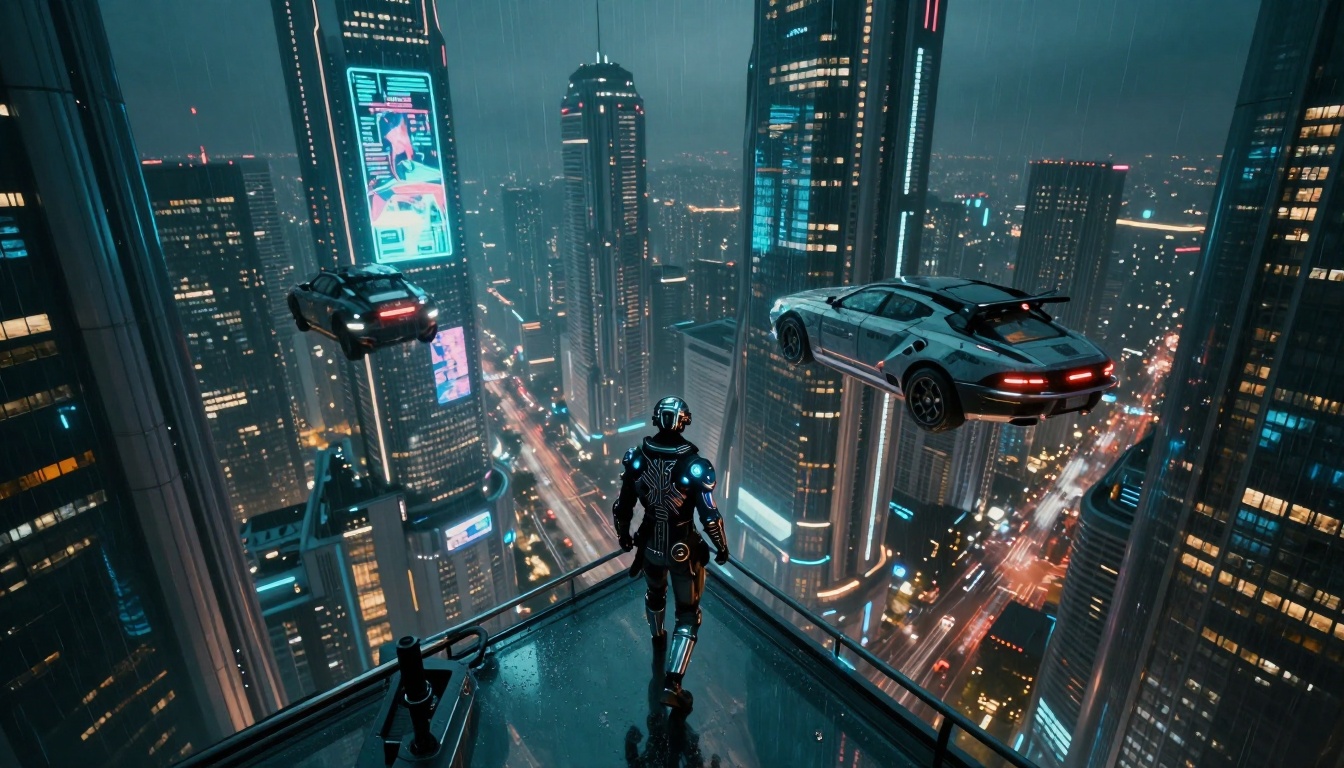
Movement Cues: "Flying vehicles streaming through," "rain creating reflective patterns"
Texture Details: "Metallic sheen on surfaces," "circuitry patterns," "glass reflections"
Working Prompt: "Futuristic cityscape at night with flying vehicles streaming through neon-lit skyscrapers, rain creating reflective surfaces on sleek metallic architecture with holographic advertisements projected onto building facades, character in reflective cyberpunk-style clothing walks across glass bridge overlooking city, captured with 24mm wide-angle cinema lens at f/4 showing both foreground character and distant city lights."
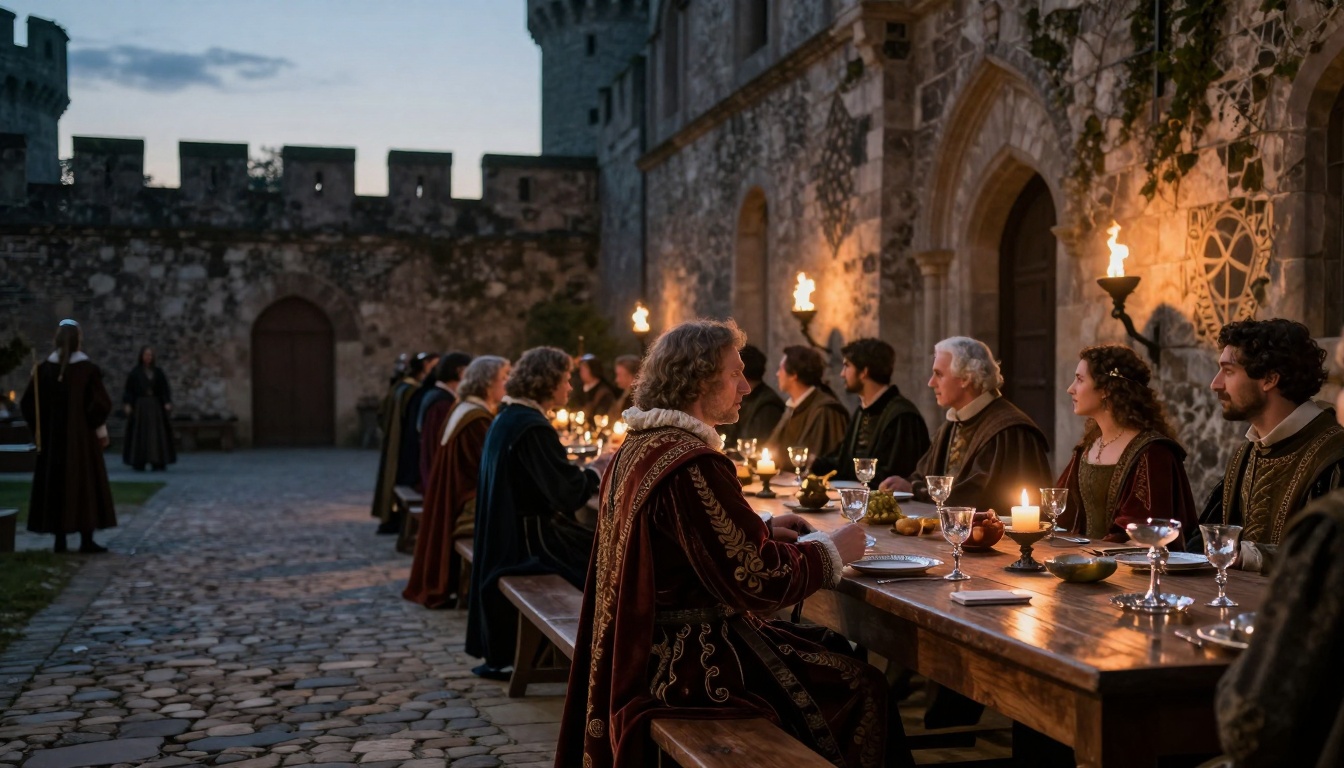
Texture Details: "Intricate embroidery on velvet," "weathered stone surfaces," "polished silverware reflections"
Composition Notes: "Leading lines of architecture," "rule of thirds placement"
Working Prompt: "Renaissance-era castle courtyard during royal banquet at sunset, golden hour light casting long shadows across stone cobblestones with torches flickering against ancient stone walls, nobles in elaborate period costumes gather around long wooden tables with silver goblets, captured with 50mm cinema lens at f/2.8 creating selective focus on central character."
Nature & Documentary Content
Core Elements: Natural phenomena, time of day, environmental details
Camera Settings: 70-200mm telephoto for compression, f/5.6-f/11 for depth
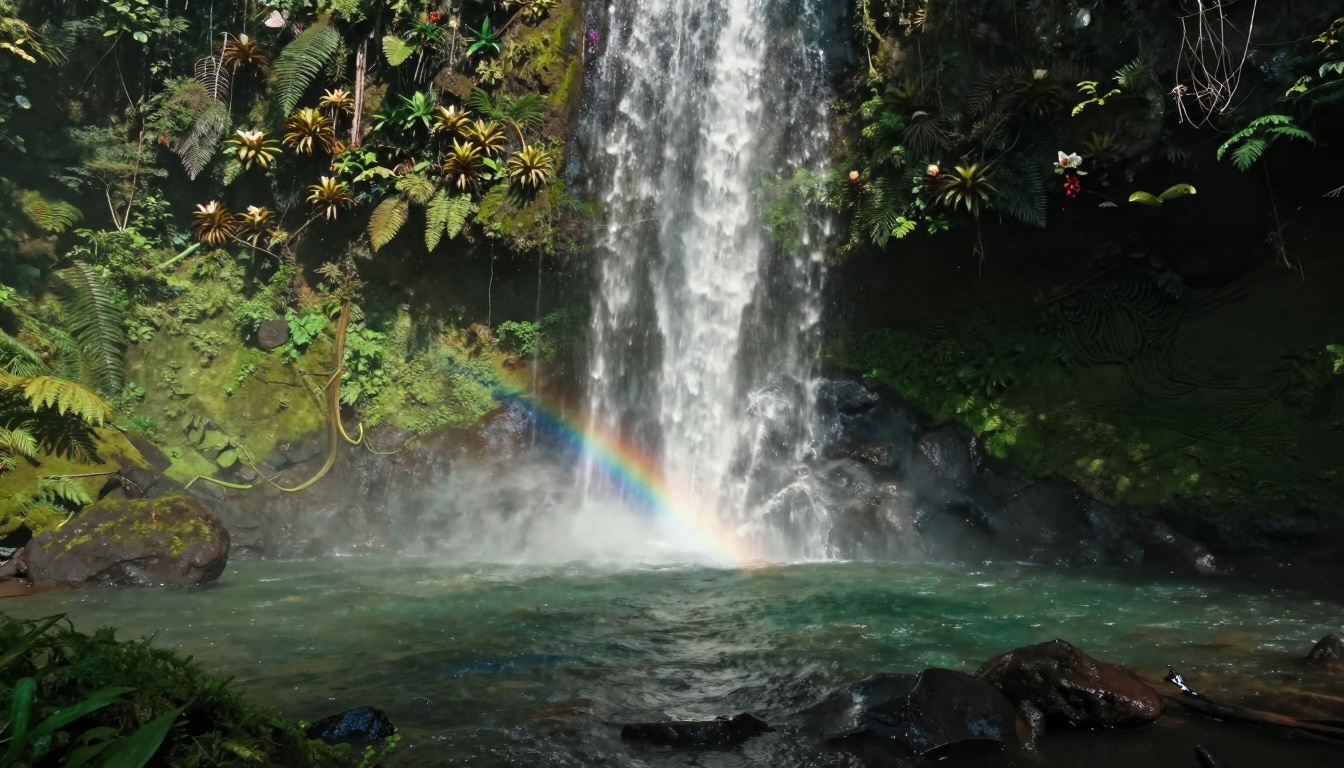
Lighting Keywords: "Dappled sunlight through canopy," "mist rainbows," "clear water visibility"
Atmospheric Effects: "Water droplets suspended in air," "sunlight refracting through mist"
Texture Focus: "Individual water droplets on leaves," "moss patterns on rocks"
Working Prompt: "Majestic waterfall in tropical rainforest during midday sun, powerful water cascade creating mist rainbows with sunlight refracting through suspended water droplets, lush green vegetation with bromeliads and orchids clinging to moss-covered rocks, captured with 70-200mm telephoto cinema lens at f/5.6 compressing perspective to emphasize waterfall scale."
Action & Dynamic Sequences
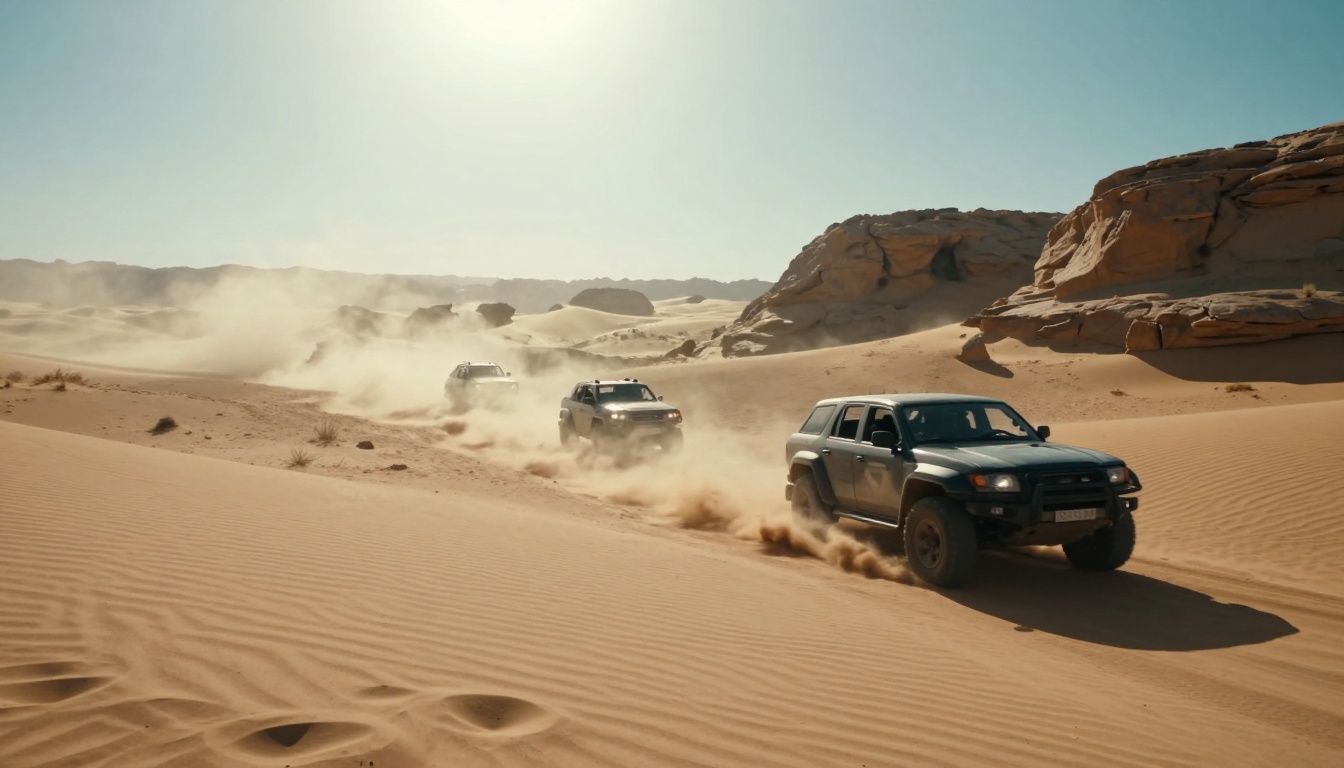
Desert chase scenes need specific environmental details: "Intense sunlight creating harsh shadows across sand dunes with heat haze distorting distant horizons, vehicles kicking up dust clouds as they navigate between rocky formations, captured with 35mm cinema lens at f/8 using deep focus to show both foreground action and background landscape."
Key Elements: Environmental conditions, particle effects, camera movement
Camera Dynamics: "Panning following movement," "handheld shake for intensity," "deep focus for clarity"
Emotional & Character-Driven Content
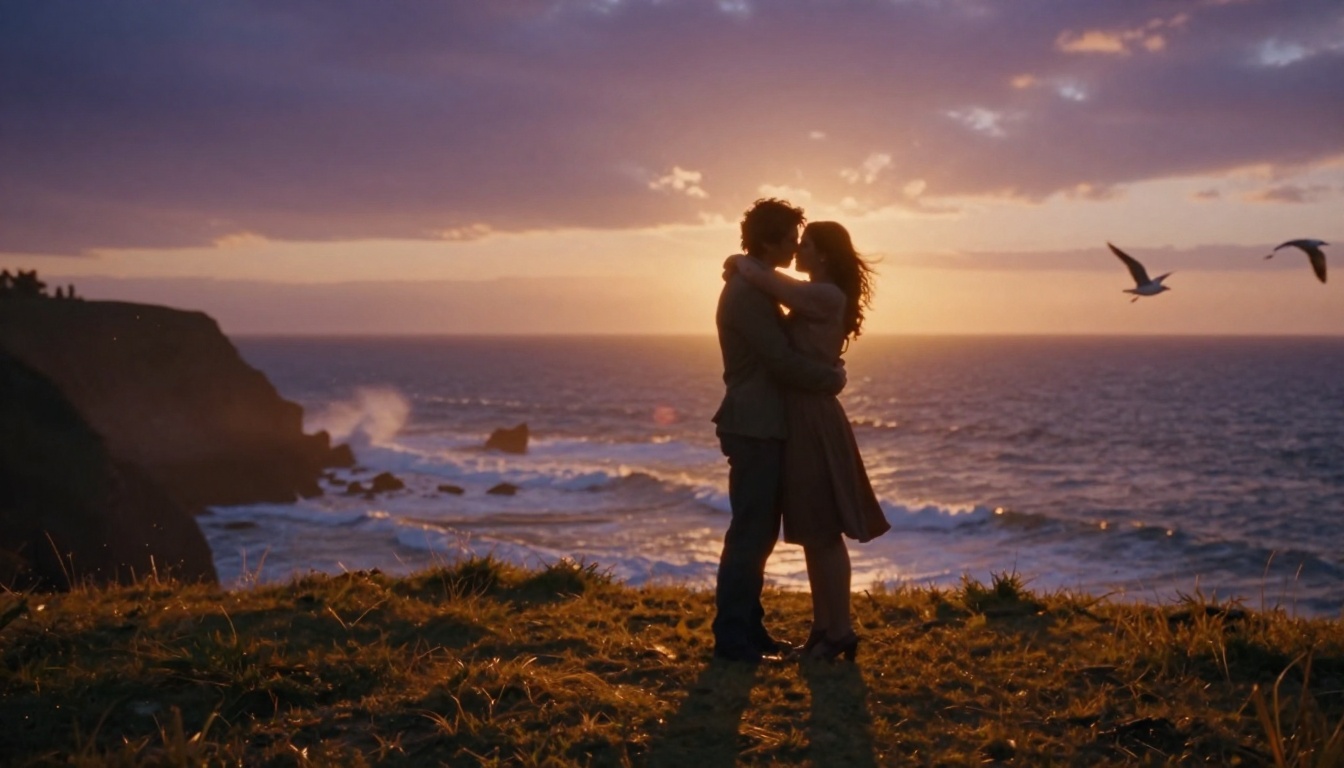
Romantic scenes thrive on lighting and composition: "Coastal cliff at sunset with waves crashing against rocks below, golden hour light painting the sea with orange and purple hues as silhouetted figures embrace against dramatic sky, captured with 85mm cinema lens at f/1.4 creating extremely shallow depth of field focusing on embracing couple."
Lighting Strategy: "Natural gradient from warm to cool," "silhouette against colored sky"
Lens Choice: 85mm f/1.4 for dreamy bokeh, isolates subjects from background
Atmospheric Elements: "Seagulls flying through fading light," "water spray as mist particles"
Mystery & Noir Atmospheres
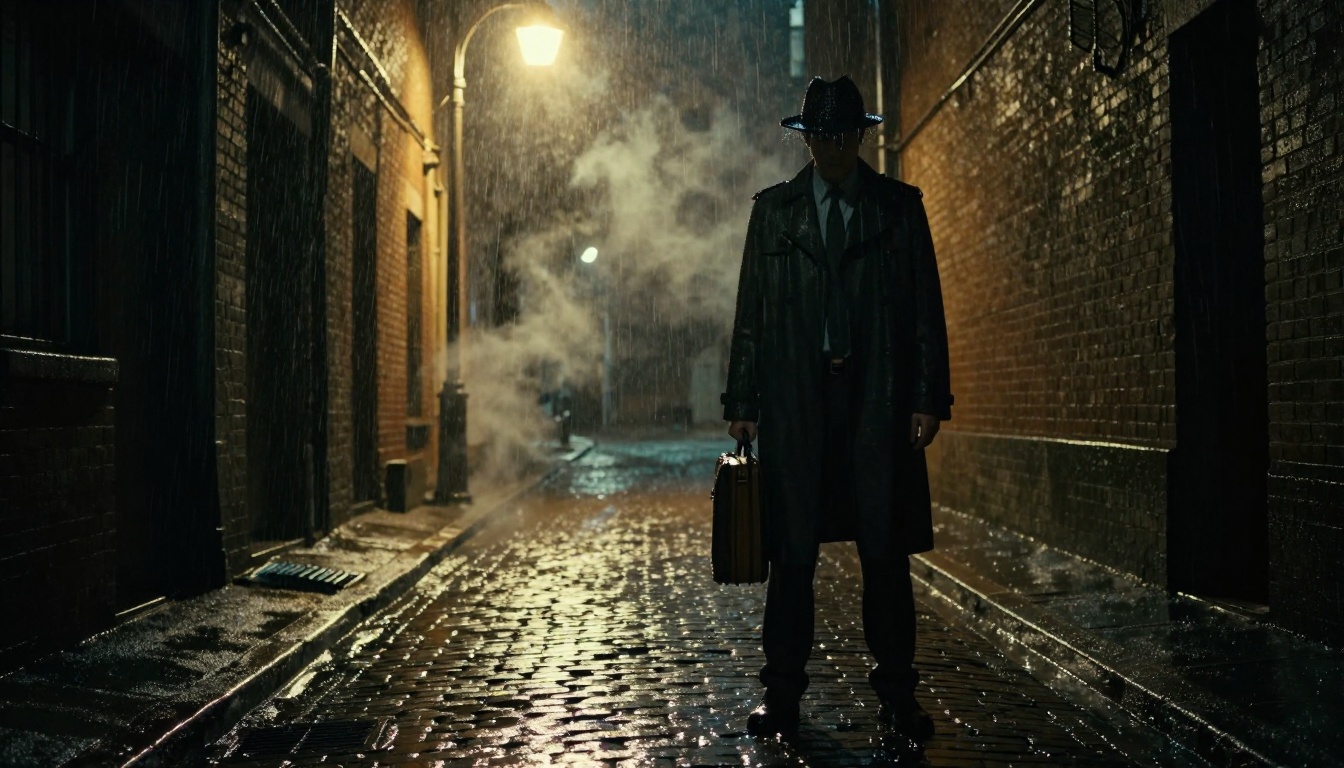
Core Elements: Limited lighting, atmospheric conditions, shadow play
Lighting Technique: Chiaroscuro (strong light/dark contrast), single light sources
Composition: Leading lines converging toward subject, receding perspective
Color Treatment: Desaturated palette with warm accent colors
Working Prompt: "Rainy alleyway at night with single streetlamp creating pool of yellow light on wet cobblestones, detective figure in trench coat stands in shadow with rain dripping from hat brim, steam rising from sewer grate mixing with falling rain creating atmospheric haze, captured with 28mm cinema lens at f/4 showing both foreground character and receding alley perspective."
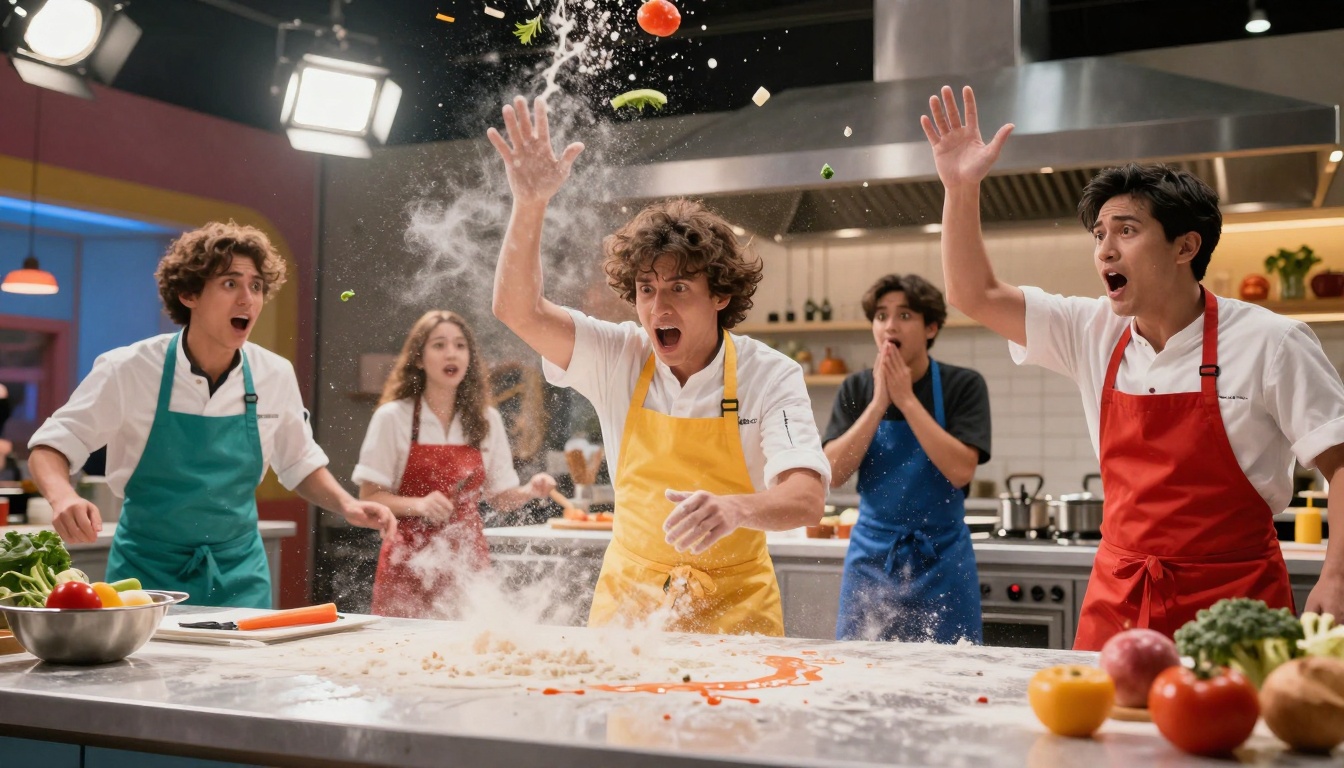
Camera Choice: 16mm ultra-wide for exaggerated perspective, shows entire chaotic scene
Particle Effects: "Ingredients flying through air," "flour clouds," "splattered patterns"
Lighting: Bright overhead practical lights, backlight for particle visibility
Color Strategy: Primary color emphasis, cheerful saturation
Working Prompt: "Chaotic kitchen scene during cooking competition, ingredients flying through air with flour clouds and vegetable pieces in mid-air motion, chefs in colorful aprons with exaggerated expressions, captured with 16mm ultra-wide cinema lens at f/5.6 showing extreme depth from foreground counter to background equipment."
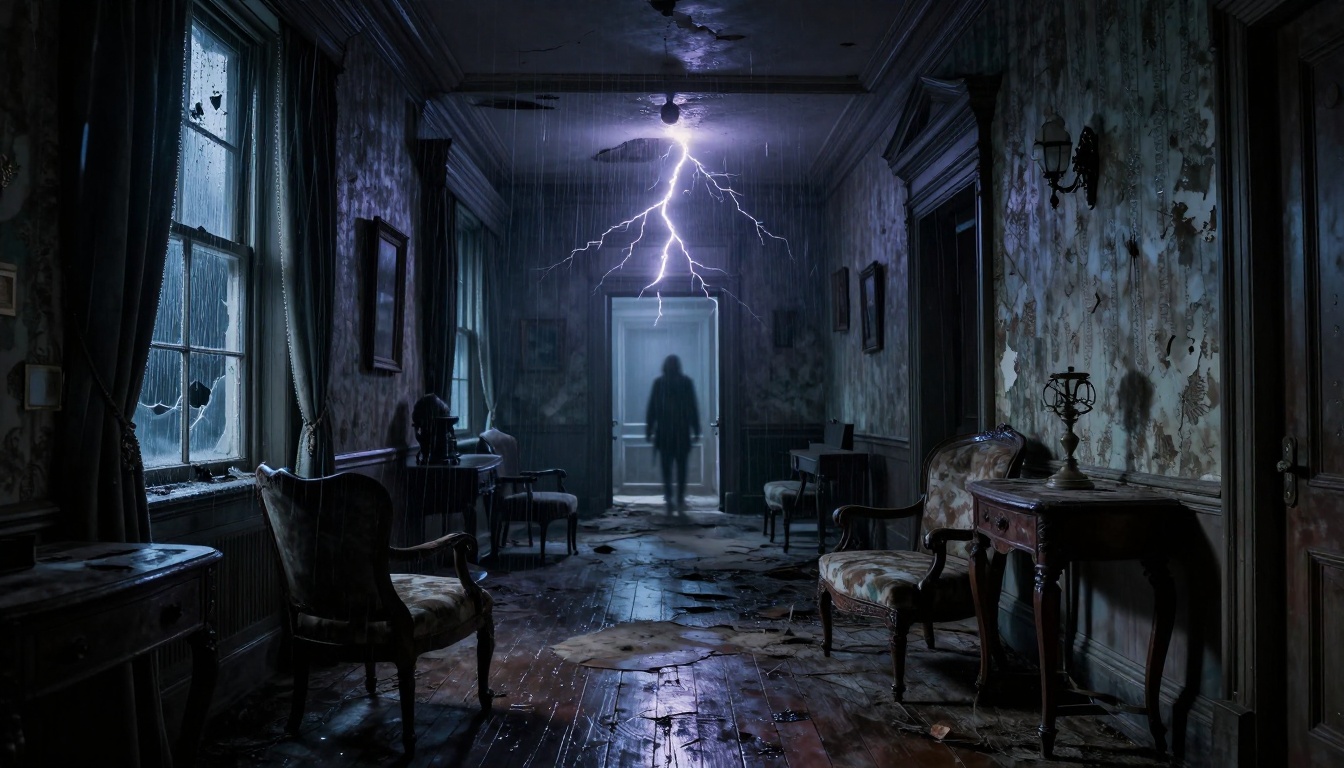
Composition: Long hallways as leading lines, partially visible figures
Color Treatment: Desaturated with cool blue tones, minimal warmth
Working Prompt: "Abandoned Victorian mansion interior during thunderstorm, lightning flashes illuminating decayed furniture and peeling wallpaper with rain streaming down broken windows, shadowy figure partially visible at end of long hallway with dust particles floating in air, captured with 35mm cinema lens at f/2.8 creating moderate depth of field."
Technical Prompt Structure Breakdown
Component
Purpose
Examples
Impact on Output
Subject & Action
Defines primary focus
"Woman walks through rain-soaked cityscape"
Establishes narrative core
Environment
Sets scene context
"Urban scene at golden hour, high-rise buildings"
Creates atmospheric foundation
Lighting
Controls mood & visibility
"Volumetric morning light streaming through"
Determines emotional tone
Camera Specs
Influences perspective
"35mm cinema lens at f/2.8 shallow depth"
Affects composition style
Textures
Adds realism details
"Individual raindrops on silk fabric"
Enhances photorealistic quality
Atmosphere
Creates environmental effects
"Film grain reminiscent of Kodak Portra 400"
Adds cinematic texture
Composition
Guides visual arrangement
"Rule of thirds placement, leading lines"
Improves visual storytelling
💡 Critical Detail: Always include texture specifications. Sora 2 Pro responds exceptionally well to detailed texture descriptions—"individual water droplets," "moss patterns on bark," "fabric weave texture." These micro-details separate amateur from professional output.
How to Use Sora 2 Pro on PicassoIA
The sora-2-pro model on PicassoIA provides direct access to OpenAI's advanced video generation capabilities without requiring separate API access. Here's the specific workflow:
Access the Model: Navigate to the sora-2-pro page on PicassoIA
Input Structure: Use the prompt examples above as templates—copy the complete prompt including all technical details
Parameter Settings:
Duration: 10-20 seconds for complex scenes
Resolution: 1080p for optimal quality
Style: "Cinematic" or "Photorealistic" depending on genre
Generation Process: Submit your prompt and wait approximately 2-5 minutes for processing
Result Review: Download the generated video directly from PicassoIA interface
Platform Advantages:
No API keys required—direct access through PicassoIA interface
Batch processing available for multiple variations
Cost-effective compared to direct OpenAI API usage
Integrated storage with automatic cloud backup
Common Mistakes to Avoid
❌ Vague descriptions: "Beautiful forest" vs "Ethereal forest at dawn with volumetric light"
❌ Missing camera specs: Always include lens and aperture details
❌ Overcomplicated prompts: Keep focused on 3-4 key elements maximum
❌ Ignoring lighting: Lighting defines 70% of video quality
❌ Generic movements: "Walks" vs "Walks with purposeful stride, coat flowing behind"
Prompt Optimization Checklist
Before submitting any prompt to sora-2-pro, verify:
Specific time of day included (golden hour, midnight, dawn)
Camera specifications detailed (lens, aperture, angle)
Lighting conditions described (volumetric, dappled, artificial)
Composition guidance provided (rule of thirds, leading lines)
Character actions defined (specific movements, interactions)
Advanced Prompt Techniques
Layering Method: Start with environment, add lighting, specify camera, detail textures, then include atmospheric effects. This structured approach ensures no critical element is missing.
Reference Integration: While Sora 2 Pro doesn't accept image references directly, you can describe visual references: "Similar to [film title] cinematography with [specific scene] lighting style."
Motion Specification: Be explicit about movement types: "Slow pan from left to right," "steady tracking shot following subject," "static establishing shot with only environmental movement."
Genre Blending: Combine elements from different genres for unique results: "Sci-fi cityscape with noir lighting" or "Historical setting with fantasy creature elements."
Practical Application Scenarios
Content Creators: Use these prompt templates for YouTube intros, social media clips, and educational content. The sora-2-pro model excels at creating attention-grabbing visual hooks.
Filmmakers: Generate concept videos, storyboard sequences, and mood reels without production costs. Test different lighting scenarios before actual shoots.
Game Developers: Create environment concept videos, character introduction sequences, and atmospheric background loops for game trailers.
Educators: Produce historical recreations, scientific visualizations, and complex process demonstrations that would be impossible or expensive to film physically.
Marketing Teams: Generate product demonstration videos, brand story visuals, and campaign concept pieces with consistent cinematic quality.
Quality Validation Process
After generating videos with sora-2-pro, evaluate:
Lighting Consistency: Does the lighting match your prompt specifications?
Texture Accuracy: Are the described textures visible and realistic?
Composition Balance: Does the framing follow your compositional guidance?
Atmospheric Presence: Are the environmental effects properly rendered?
Motion Fluidity: Is character/environment movement natural and intentional?
Iteration Strategy: If any element is missing or incorrect, modify only that specific part of the prompt and regenerate. Don't rewrite the entire prompt—targeted adjustments yield better results.
Batch Testing: Generate 2-3 variations of the same scene with different lighting conditions or camera angles to find the optimal combination for your project needs.
The sora-2-pro model's capability directly correlates with prompt specificity. These examples aren't theoretical—they're production-ready templates that have been tested and refined. Whether you're creating fantasy epics, sci-fi adventures, historical recreations, or emotional dramas, the prompt structure remains consistent: environment + lighting + camera + textures + atmosphere + composition.
Experiment with these templates on PicassoIA, adjust parameters based on your specific needs, and observe how small changes in wording produce significant differences in output quality. The most effective prompts aren't the longest—they're the most precisely targeted toward your desired visual outcome.