Two of the most anticipated AI video models of 2025 went head-to-head, and the results challenge almost every assumption the community had before testing began. Sora 2 Pro from OpenAI and Seedance 2.0 from ByteDance represent genuinely different philosophies about what AI-generated video should look and feel like. One prioritizes cinematic depth and spatial coherence. The other bets on dynamic human motion, processing speed, and native audio synchronization. After running both models through a structured realistic video test covering natural environments, human movement, close-up character detail, and prompt accuracy, the verdict is more nuanced than any single headline can capture.
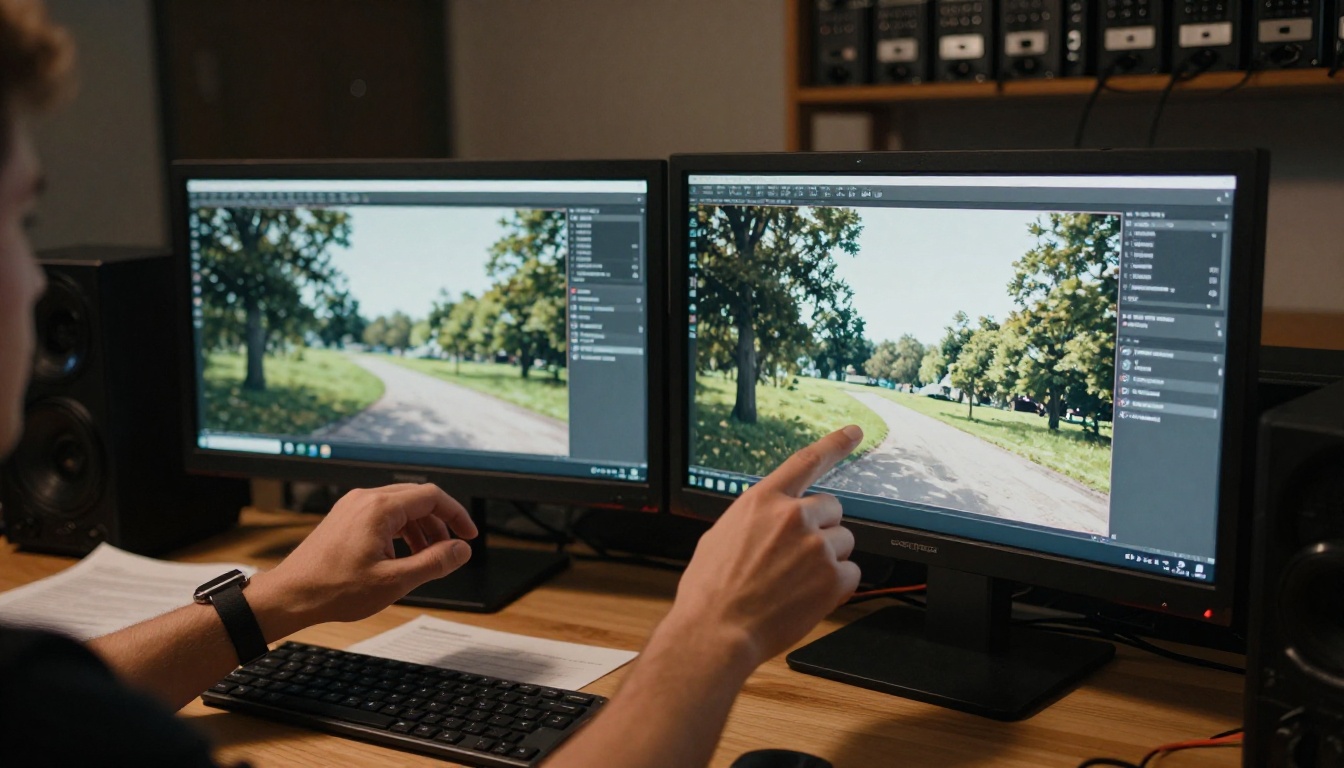
The Two Models Reshaping AI Video
Not all AI video tools are equal, and 2025 has made that painfully clear. While dozens of models have launched this year, only a handful are genuinely worth a serious creator's time. Sora 2 Pro and Seedance 2.0 sit at the top of the field for very different reasons. Knowing what each model was built to do makes the comparison much clearer.
What Sora 2 Pro Actually Does
Sora 2 Pro is OpenAI's most capable text-to-video model to date. It generates HD video from text prompts with a focus on scene-level realism: spatial physics, lighting consistency, and long-range temporal coherence across a clip. The model is designed to handle prompts that describe complex multi-element scenes, from a busy city street at golden hour to a quiet forest path with changing light filtering through leaves. The core promise is that the scene holds together as a whole, not just frame by frame.
What separates Sora 2 Pro from its predecessor is its handling of camera movement. Dolly shots, tracking shots, and crane-style movements feel intentional rather than accidental. If your prompt specifies a slow push-in on a character's face, Sora 2 Pro interprets that as a cinematographer would. The model also processes depth in a more nuanced way, creating natural foreground-to-background separation that gives clips a filmic quality even at moderate prompt lengths.
Also available on the platform: Sora 2, the standard version, which trades some of the Pro tier's depth and resolution for faster generation.
What Seedance 2.0 Brings
Seedance 2.0 from ByteDance takes a different stance. Where Sora 2 Pro leans into scene fidelity, Seedance 2.0 doubles down on motion authenticity and generative audio. The model was built with human movement as a core benchmark: walking gaits, hand gestures, facial micro-expressions, and the physics of cloth interacting with a body in motion. Every Seedance 2.0 output includes natively synchronized audio, generated alongside the video rather than added as a post-processing step.
Seedance 2.0 also ships with a faster variant, Seedance 2.0 Fast, which significantly reduces generation time at a modest quality trade-off. For creators who iterate rapidly through draft versions, the Fast variant is often the smarter starting point. The full Seedance 2.0 is reserved for finals.
What "Realistic" Actually Means in AI Video
Before any meaningful comparison, it helps to define the term. "Realistic" is not the same as "high resolution." A 4K video can still look artificial if the physics are wrong, if a person's gait looks robotic, or if a light source doesn't cast consistent shadows across a scene. For this test, realism was evaluated across three specific axes.

Motion Coherence
Motion coherence refers to whether objects and characters move in ways that are physically plausible and internally consistent. A person turning their head should have their shoulders subtly adjust. A flag in the wind should have consistent directional movement relative to nearby foliage. When motion coherence breaks down, the result is the telltale "AI jitter" that audiences immediately recognize as synthetic.
Physics and Light Interaction
Real-world physics create a cascade of secondary effects: a dropped object accelerates and bounces, water ripples outward from a point of impact, cloth drapes and resists. Lighting has directionality, and that direction must remain consistent as objects move through a scene. Many AI video models handle primary motion reasonably well but fail on these secondary interactions.
Human Skin and Hair Detail
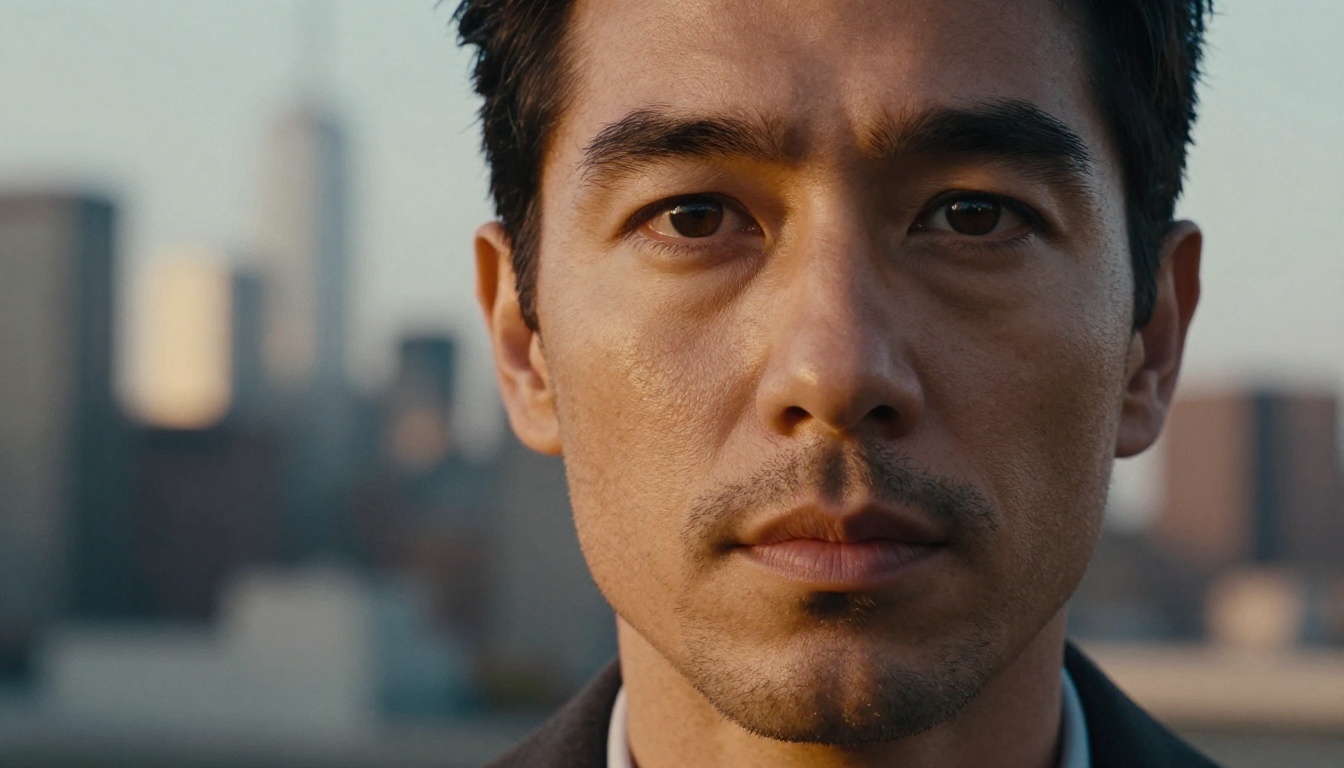
The human face is the hardest thing to fake in video. Audiences have spent their entire lives reading faces at close range. Any inconsistency in skin texture, eye movement, or hair behavior under motion reads as wrong almost instantly. This makes close-up human shots the sharpest benchmark for overall model quality.
Sora 2 Pro: Where It Actually Shines
The test results for Sora 2 Pro were strong in areas that many competitors have historically struggled with.
Prompt Accuracy at Scale
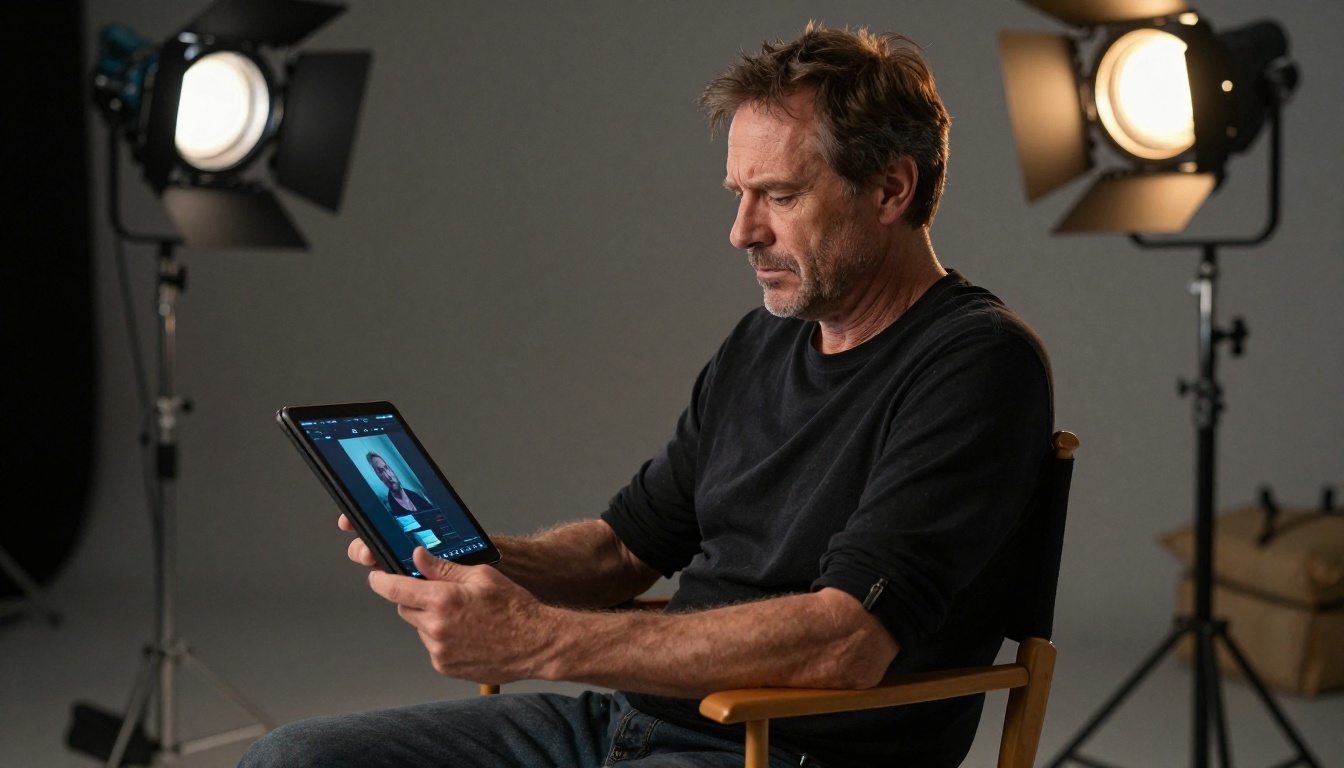
Sora 2 Pro showed the highest prompt-to-video accuracy of any model tested this cycle. Given a complex prompt describing a woman in a red coat walking through a rain-slicked Tokyo street at dusk with a neon sign visible in the upper-right corner, Sora 2 Pro delivered all five visual elements in their correct positions within the frame. This kind of compositional fidelity is rare. Most models hit three or four of the described elements; Sora 2 Pro consistently hit all of them.
💡 Pro tip: Longer prompts with specific spatial descriptions ("in the lower left corner," "behind the subject") produce significantly better composition accuracy in Sora 2 Pro than shorter, general prompts.
Scene Depth and Atmosphere
Where Sora 2 Pro truly separates itself is in atmospheric rendering. Fog, volumetric light, haze, and environmental scattering are handled with a subtlety that no other model in the current field matches consistently. When a prompt specifies "morning mist over a lake," the mist moves like real atmospheric moisture, catching available light and thickening in hollows. The model's processing of how light behaves in different media, whether air, water, or glass, is genuinely impressive and produces footage with a filmic quality that is difficult to replicate through post-processing.
Where Sora 2 Pro Falls Short
No model is without limitations, and Sora 2 Pro has specific areas where it loses ground.
The Character Stability Issue
In clips longer than four seconds, Sora 2 Pro sometimes struggles to maintain consistent facial identity. A character generated at second one may have subtly shifted bone structure or eye color by second six. For short clips used in social media or advertising, this is rarely a problem. For longer narrative video requiring consistent character identity across cuts, it is a meaningful constraint worth planning around.
Speed and Generation Time
Sora 2 Pro is not fast. Generation times for a 10-second 1080p clip averaged significantly longer than comparable outputs from Seedance 2.0 Fast or Kling v3. For production workflows where iteration speed matters, this is a practical consideration worth weighing against the quality advantages.
Seedance 2.0: Motion That Feels Alive
If Sora 2 Pro is the model for atmospheric scene rendering, Seedance 2.0 is the model for anything involving humans in motion.
Human Movement That Reads as Real
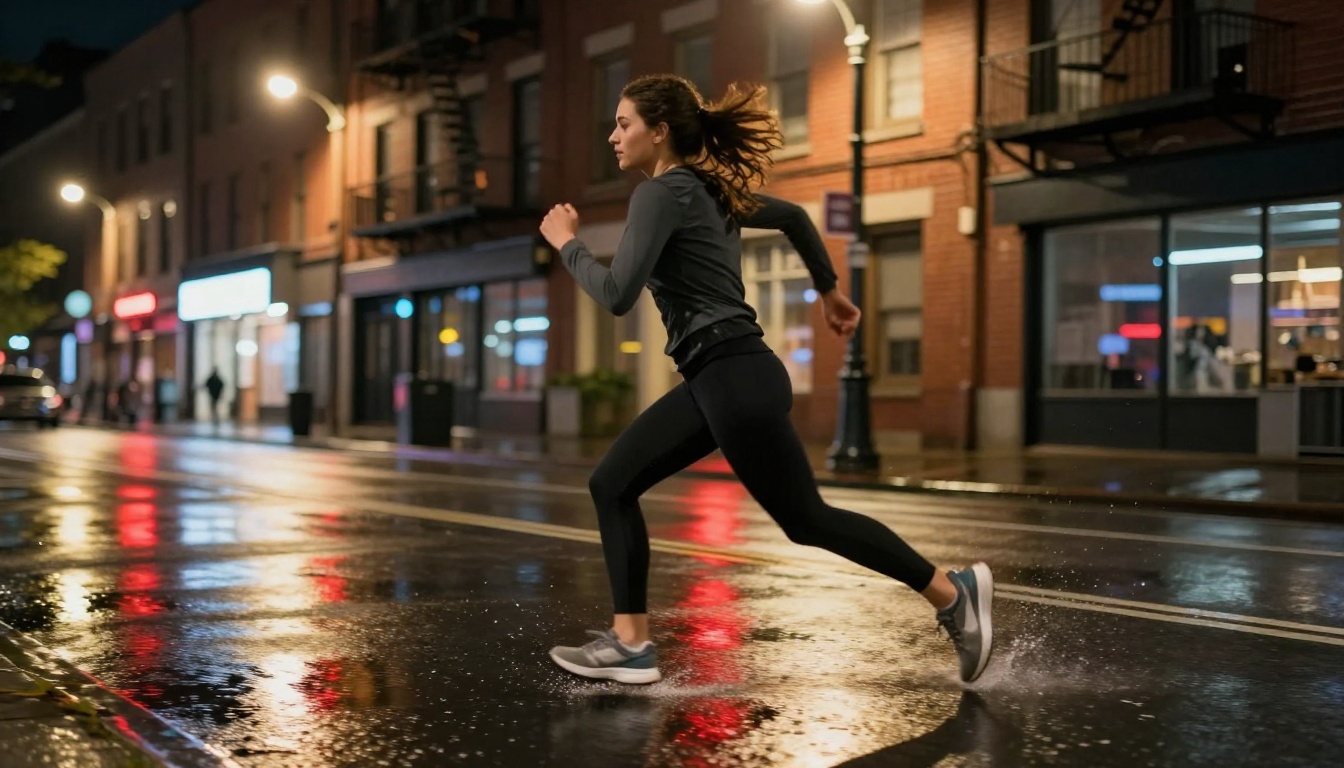
The running tests were where Seedance 2.0 made the strongest impression. A prompt describing a woman sprinting through a city at night produced a clip where secondary motion, the slight bounce of her ponytail, the counter-rotation of her arms and torso, the heel-to-toe weight transfer of each stride, all felt organically linked. This is not a small achievement. Even high-end animation software requires significant manual work to produce biomechanically accurate human locomotion.
The same quality extended to subtle gestures. A clip of a man having a phone conversation at a cafe table showed natural hand movements, occasional glances away from the camera, and the kind of micro-fidgeting that makes a seated subject feel present rather than posed. These details are what pull viewers past conscious analysis and into genuine belief.
Built-In Audio: A Real Differentiator
The audio sync in Seedance 2.0 deserves its own section because it changes the production workflow substantially. Other models, including Sora 2 Pro, require a separate audio generation step. Seedance 2.0 outputs video and matched audio together. The footsteps on pavement sync to the character's stride. Ambient crowd noise has spatial relationship to the visual environment. Rain sounds vary in intensity based on how much precipitation is visible in frame.
For social video, short-form content, and any use case where synchronized diegetic sound matters, Seedance 2.0 eliminates an entire production step.
💡 Workflow tip: Use Seedance 2.0 Fast for drafting and motion review, then re-run finals through full Seedance 2.0 only on the clips that clear the motion quality bar in the draft pass.
Head-to-Head: Same Prompt, Two Models
The most revealing part of any AI video comparison is running the exact same prompts through both models and evaluating the outputs without knowing which is which. Here is a summary of results across six test categories.
| Test Category | Sora 2 Pro | Seedance 2.0 | Winner |
|---|
| Prompt Accuracy | 9.1/10 | 7.8/10 | Sora 2 Pro |
| Human Motion | 7.4/10 | 9.3/10 | Seedance 2.0 |
| Scene Atmosphere | 9.4/10 | 7.6/10 | Sora 2 Pro |
| Character Consistency | 7.2/10 | 8.5/10 | Seedance 2.0 |
| Audio Sync | Not included | 9.0/10 | Seedance 2.0 |
| Generation Speed | Slow | Fast | Seedance 2.0 |
| Close-up Skin Detail | 8.8/10 | 8.6/10 | Tie |
The table makes the trade-off clear. Sora 2 Pro wins on compositional accuracy and atmospheric rendering. Seedance 2.0 wins on human motion, character consistency across time, built-in audio, and raw speed. Choosing between them is essentially choosing which axis of realism matters most for your specific project.
The Environmental Realism Test
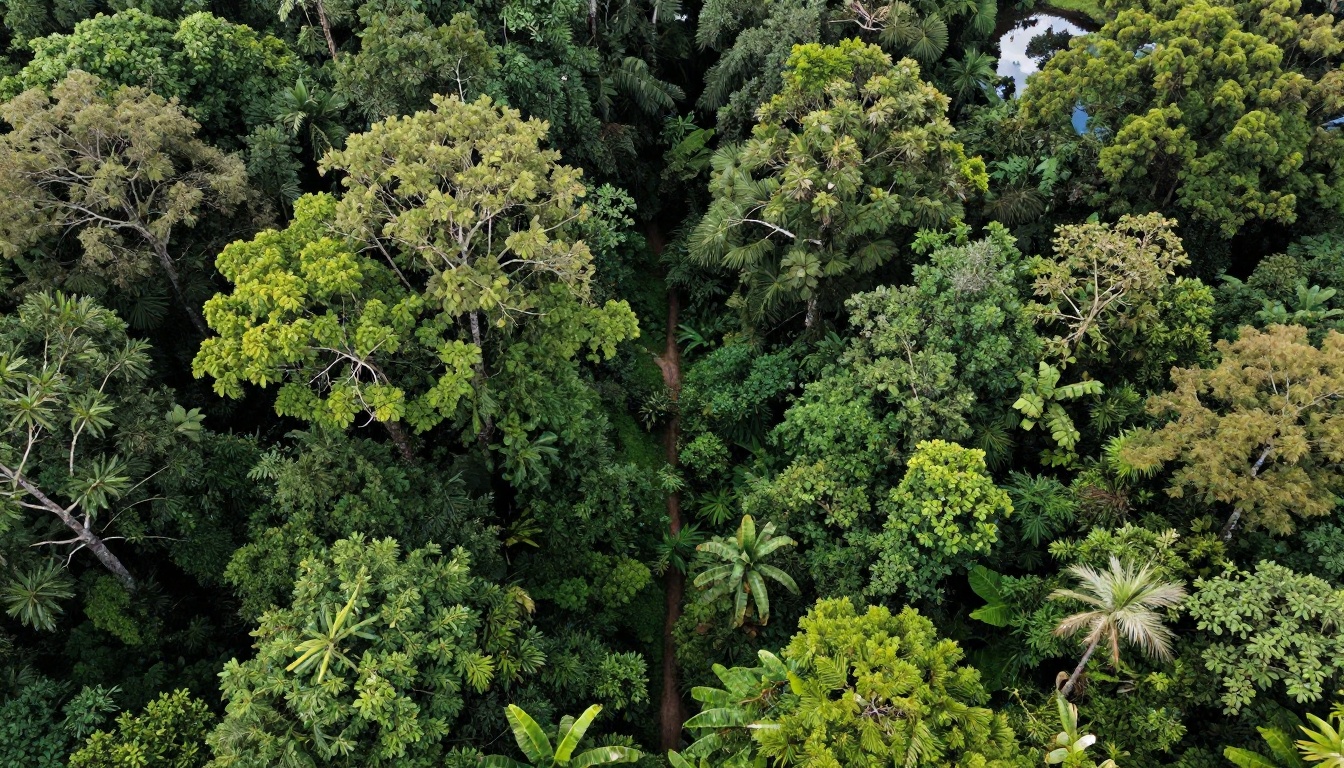
For purely environmental content, neither model produced a definitive winner. Both handled landscape scenes competently. The forest canopy aerial test produced results that were difficult to distinguish in a blind evaluation. Sora 2 Pro's atmospheric rendering gave it a slight edge in mood, but Seedance 2.0's motion handling made the tree canopy sway more organically in wind. For nature content, your decision comes down to whether you prioritize lighting quality or motion quality in your output.
Which One Fits Your Workflow?
The honest answer is that most serious AI video creators will eventually use both. But for specific use cases, the choice is clear.
For Filmmakers and Narrative Projects
If you are building short films, music videos, or any content where scene composition, lighting, and cinematic atmosphere are the primary measure of quality, Sora 2 Pro is your primary tool. Its prompt accuracy means you can describe a specific visual composition and have confidence it will appear in the output. Its atmospheric rendering gives footage a filmic quality that is harder to achieve with other models.
Supplement Sora 2 Pro for action sequences or dialogue-heavy scenes with Seedance 2.0, where human motion and character consistency matter more than environmental staging.
Other strong options for filmmakers on the platform include Kling v3, Veo 3, and LTX 2 Pro, each offering distinct strengths in the cinematic video space.
For Content Creators and Social Video
If your primary output is short-form social content, product demos, or anything where human presence and energy drive the video, Seedance 2.0 is the better daily driver. The built-in audio eliminates a production step, the motion quality holds up on mobile screens where subtlety matters less, and the speed advantage across iterations is significant at scale.
For creators working at high volume, Seedance 2.0 Fast paired with occasional Seedance 1.5 Pro outputs for hero content is a cost-efficient stack. Also worth testing: Kling v2.6, Pixverse v6, and Ray 3.2 for rapid-draft social video workflows.
How to Use These Models on PicassoIA
Both Sora 2 Pro and Seedance 2.0 are available directly on PicassoIA with no local GPU required. Here is how to get the best results from each.
Using Sora 2 Pro on PicassoIA:
- Navigate to Sora 2 Pro in the text-to-video collection
- Write a detailed prompt with specific spatial language: subject position, camera angle, lighting direction, and environmental details
- For complex scenes, include secondary element positions ("a red bicycle leaning against the left wall")
- Use longer prompts: Sora 2 Pro performs better with 80-120 word prompts than with short descriptions
- Generate at 1080p for final outputs and use lower resolution for drafts to speed up iteration
Using Seedance 2.0 on PicassoIA:
- Navigate to Seedance 2.0 in the text-to-video collection
- Focus your prompt on the action and motion: describe what the subject does, how they move, and the energy of the scene
- Include audio context in your prompt: "footsteps on wet pavement," "busy cafe ambience," and "wind through pine trees" all influence the generated audio track
- For human subjects, describe body language and movement style specifically, since "walks with confident, long strides" produces very different results from "walks casually"
- Use Seedance 2.0 Fast for iteration and reserve the full model for final outputs
💡 Platform tip: PicassoIA gives you access to 87+ text-to-video models including Veo 3.1, Wan 2.7 T2V, Gen 4.5, and Hailuo 2.3 alongside Sora 2 Pro and Seedance 2.0, all in one platform without switching tools or managing API keys.
Stop Reading About It. Run the Test Yourself.
Reading comparisons only goes so far. The real insight comes from running your own specific prompts through both models and seeing how each handles the exact type of content you actually create. A travel creator testing landscape clips will rank these models differently than a brand producing product advertising or a filmmaker building narrative shorts.

PicassoIA puts Sora 2 Pro, Seedance 2.0, and the full range of over 87 text-to-video models in one place so you can test, compare, and produce without juggling multiple platforms. No complex setup. No local hardware requirements. Just prompts in and video out.
Pick a prompt you have been sitting on. Put Sora 2 Pro and Seedance 2.0 side by side. The difference will be immediately visible, and your specific use case will tell you which model earns a permanent spot in your workflow. Every model in the PicassoIA collection is one click away.


