The choice between OpenAI's Sora 2 Pro and Google's Veo 3 isn't about which AI video generation tool is objectively better—it's about which one aligns with your specific creative vision, workflow requirements, and production style. Both represent the current pinnacle of text-to-video technology, but they approach the creative process from fundamentally different perspectives. Sora 2 Pro builds on OpenAI's narrative-focused architecture, prioritizing character consistency and emotional storytelling, while Veo 3 leverages Google's massive training dataset to deliver unparalleled scene composition and environmental realism.
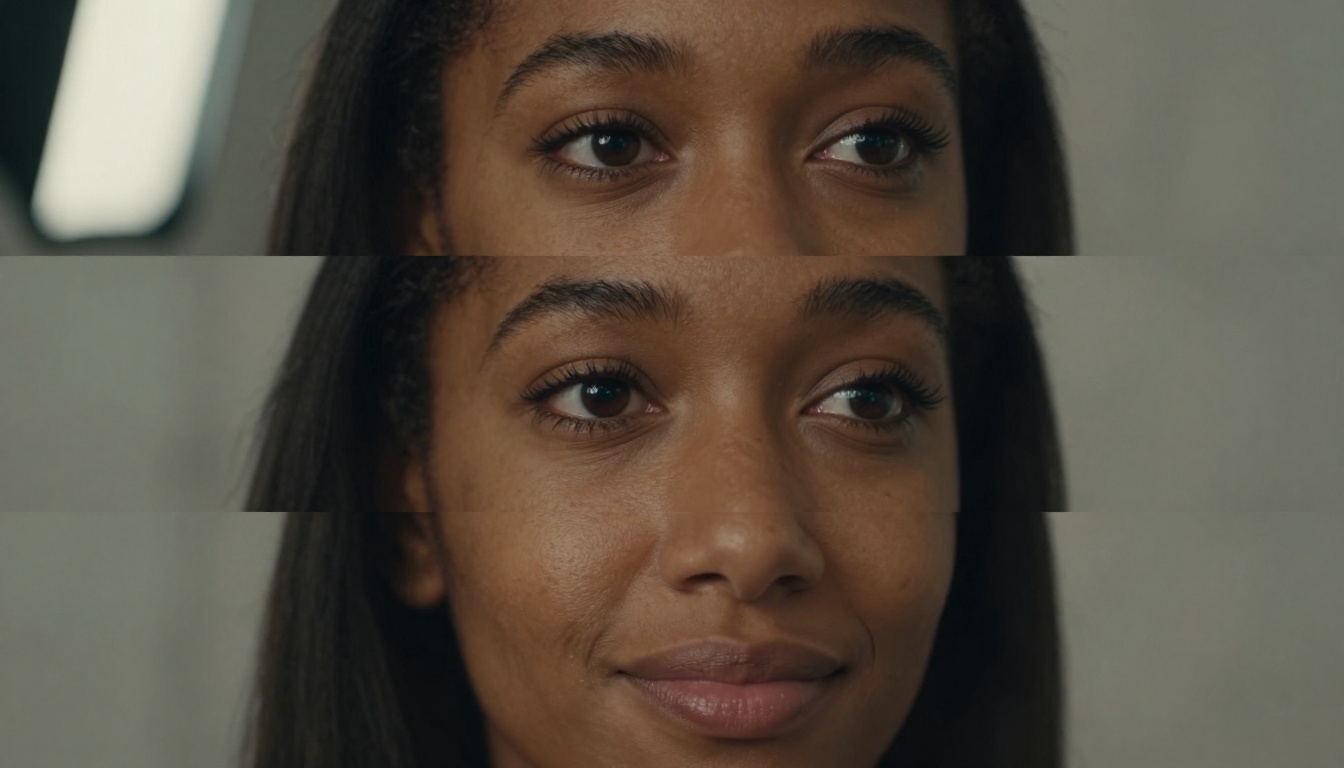
Character animation quality becomes immediately apparent when comparing facial expressions and body language between the two models.
Visual Quality Showdown
When you first generate videos with both tools, the visual differences become immediately apparent. Sora 2 Pro produces videos with a distinctive cinematic quality—there's an almost tangible film grain texture, natural motion blur that feels organic rather than computational, and lighting that behaves like real-world cinematography. The model seems to understand cinematic principles at a fundamental level, creating shots with proper depth perception, atmospheric perspective, and lens characteristics.
Veo 3, by contrast, excels at photorealism and environmental detail. Where Sora might prioritize mood and emotion, Veo prioritizes accuracy and completeness. You'll notice better texture reproduction—the weave of fabrics, the grain of wood, the reflection properties of different surfaces. The lighting is technically perfect, with accurate shadows, proper exposure balance across the frame, and realistic light falloff.
💡 Professional Insight: Filmmakers working on character-driven narratives consistently prefer Sora's emotional lighting, while architectural visualizers and environmental designers gravitate toward Veo's technical accuracy.
Key Visual Differences:
| Aspect | Sora 2 Pro | Veo 3 |
|---|
| Lighting Style | Cinematic, mood-driven | Technical, accuracy-focused |
| Texture Detail | Artistic interpretation | Photorealistic reproduction |
| Color Palette | Film stock characteristics | Natural color science |
| Motion Blur | Organic, cinematographic | Calculated, physically accurate |
| Atmosphere | Emotional depth | Environmental completeness |
Character Animation Capabilities
This is where the philosophical differences between the two models become most apparent. Sora 2 Pro treats characters as emotional entities first, physical objects second. The model excels at capturing subtle facial expressions—the micro-movements around the eyes that convey skepticism, the slight upturn of lips that suggests amusement before a full smile emerges. Body language feels natural rather than mechanical, with weight distribution that follows real-world physics and gestures that serve emotional storytelling.
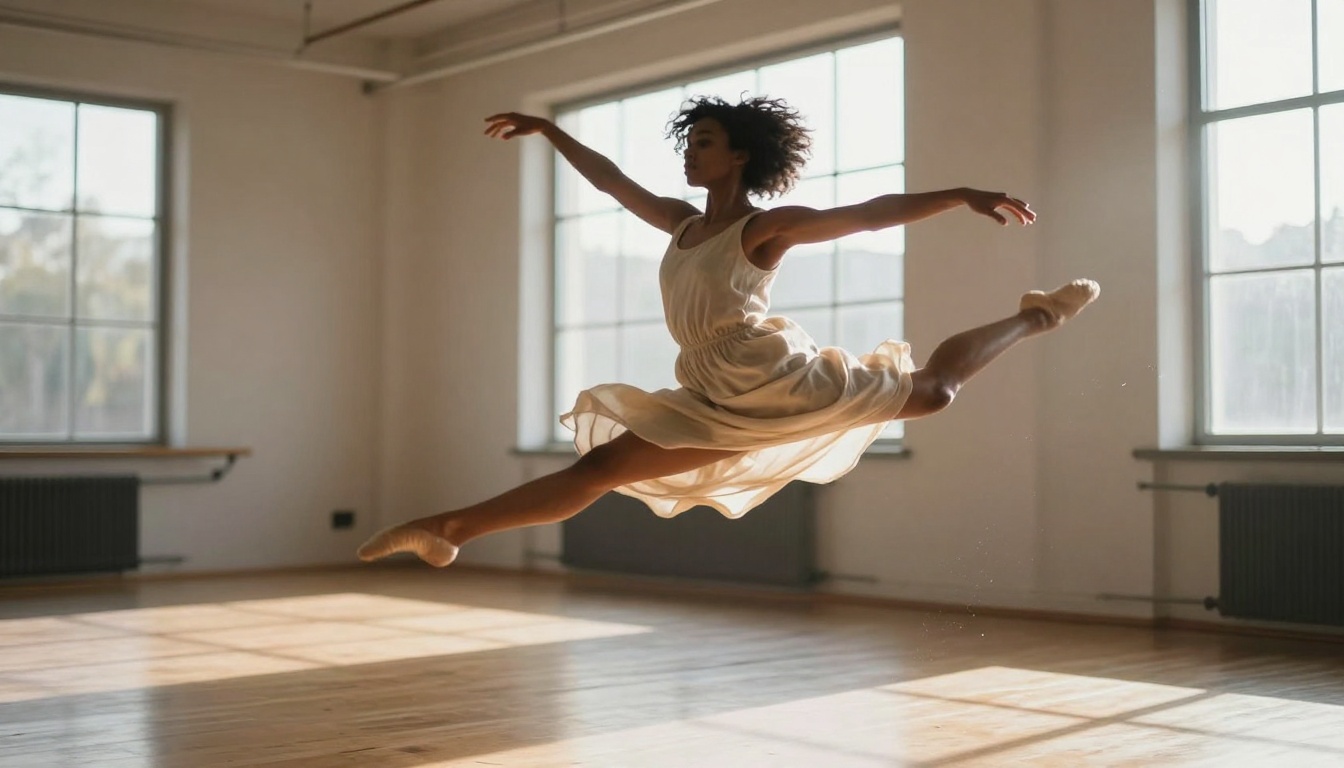
Fluid character movement demonstrates how different models handle weight distribution and timing.
Veo 3 approaches character animation from a different angle. The model excels at anatomical accuracy—joints bend at proper angles, muscles contract and relax with believable timing, and complex movements like walking or reaching maintain physical plausibility. Where Sora might prioritize emotional truth over anatomical perfection, Veo prioritizes mechanical accuracy. This makes Veo particularly strong for educational content, technical demonstrations, or any application where precise movement matters more than emotional expression.
Character Animation Comparison:
-
Sora 2 Pro Strengths:
- Emotional facial expressions
- Natural body language
- Character consistency across shots
- Expressive eye movements
- Subtle gesture storytelling
-
Veo 3 Strengths:
- Anatomical accuracy
- Complex movement sequences
- Physical interaction with objects
- Multi-character coordination
- Technical demonstration clarity
Scene Composition Differences
When you need complex environments with multiple elements working in harmony, the choice becomes more nuanced. Sora 2 Pro builds scenes with narrative intent—the composition guides the viewer's eye toward the emotional center of the shot. Background elements support rather than compete with foreground action. The model understands cinematic framing principles, creating shots that feel intentionally composed rather than randomly generated.
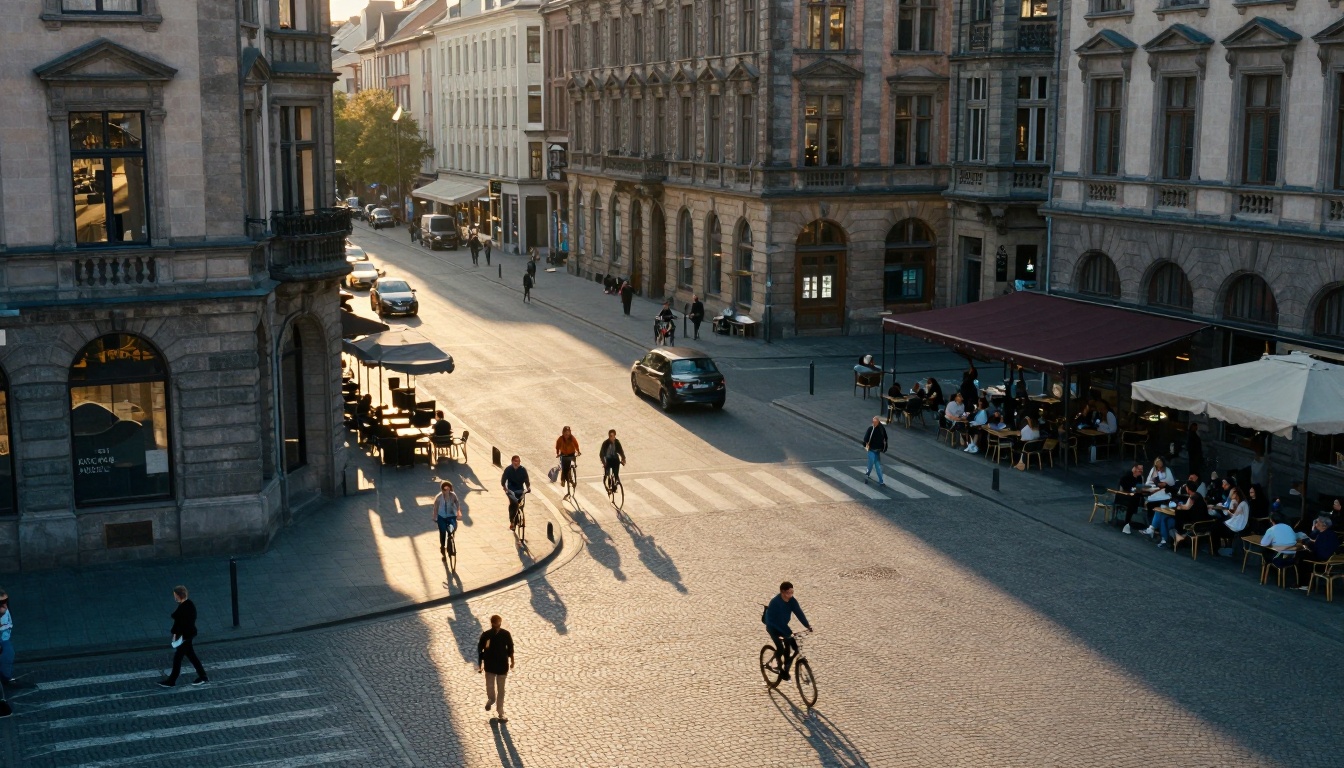
Complex urban environments demonstrate how different models handle multiple simultaneous storylines.
Veo 3 approaches scene composition with architectural precision. The model excels at environmental storytelling where every element serves a purpose in the overall scene. You'll notice better scale relationships between objects, more accurate perspective lines, and proper spatial relationships between foreground, midground, and background elements. This makes Veo particularly strong for product demonstrations, architectural visualizations, or any application where environmental accuracy matters.
Practical Application Examples:
-
Choose Sora 2 Pro for:
- Short film narratives
- Character-driven commercials
- Emotional brand storytelling
- Music video concepts
- Documentary recreations
-
Choose Veo 3 for:
- Product demonstration videos
- Architectural walkthroughs
- Educational explainers
- Technical training materials
- Environmental visualizations
Motion Control and Timing
The handling of motion reveals another fundamental difference in approach. Sora 2 Pro treats motion as an emotional device—the speed of a character's movement reflects their emotional state, camera movements serve narrative purposes, and timing follows dramatic rather than chronological principles. The model understands cinematic pacing, creating motion that feels intentionally directed rather than mechanically generated.
Veo 3 approaches motion with mathematical precision. Movements follow physically accurate timing curves, acceleration and deceleration feel natural according to real-world physics, and complex motion sequences maintain consistent timing relationships. This makes Veo particularly valuable for applications requiring precise timing synchronization, such as music videos where motion needs to match beat patterns or technical demonstrations where timing accuracy matters.
💡 Production Tip: For projects requiring emotional pacing and dramatic timing, Sora's motion control provides superior results. For technical accuracy and physical realism, Veo's precision timing cannot be matched.
Motion Control Parameters:
| Motion Type | Sora 2 Pro Approach | Veo 3 Approach |
|---|
| Character Movement | Emotion-driven pacing | Physically accurate timing |
| Camera Motion | Cinematic intention | Technical precision |
| Object Interaction | Narrative relevance | Physical accuracy |
| Scene Transitions | Dramatic pacing | Chronological progression |
| Timing Control | Emotional rhythm | Mathematical precision |
Style Consistency Challenges
One of the most significant challenges in AI video generation is maintaining consistent style across multiple shots or throughout a longer sequence. Both models handle this challenge differently, and your choice here should align with your production needs.
Sora 2 Pro excels at character consistency—the same character will maintain their appearance, clothing details, and stylistic characteristics across different shots and camera angles. This makes Sora particularly valuable for narrative projects where characters need to remain visually consistent throughout a story. The model also maintains lighting style consistency, ensuring that the cinematic look established in one shot carries through to subsequent shots.
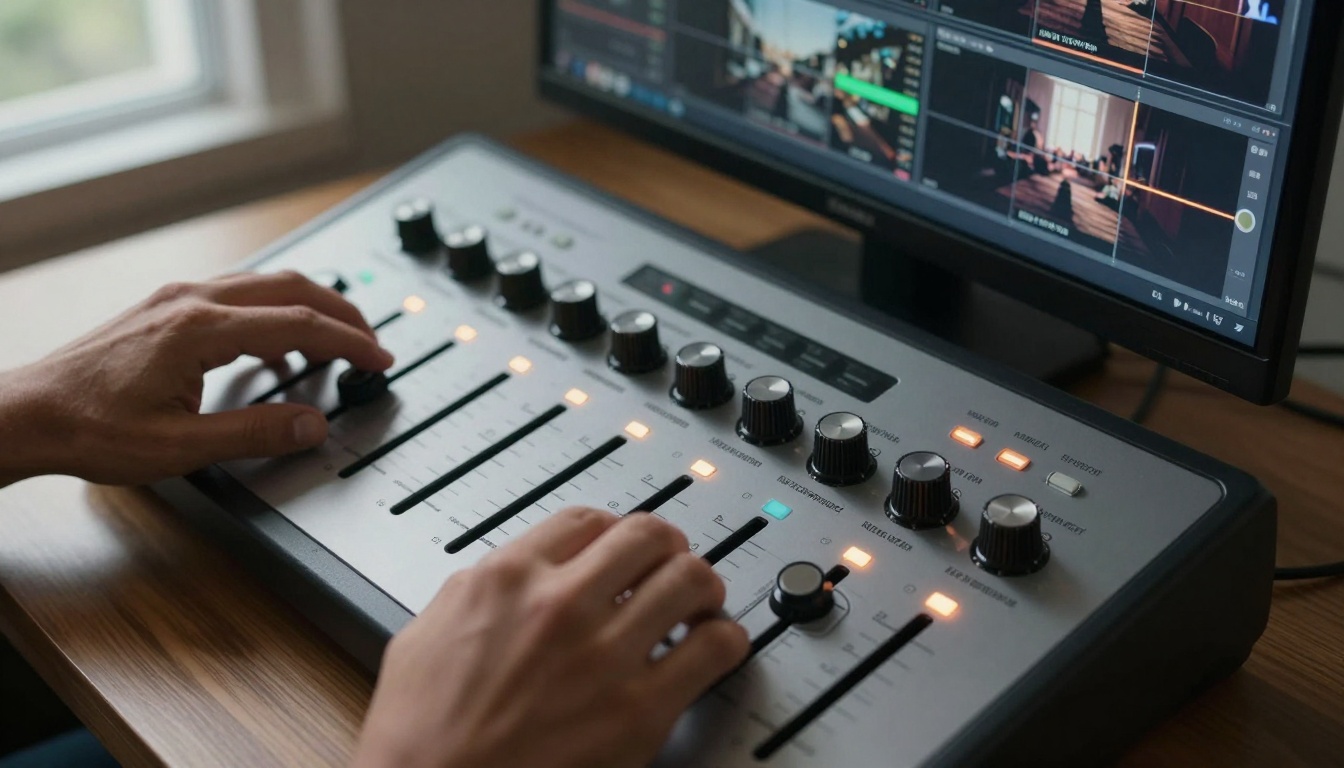
Professional control interfaces allow fine-tuning of style consistency parameters across different generation aspects.
Veo 3 excels at environmental consistency—the same location will maintain its architectural details, lighting conditions, and material properties across different shots. This makes Veo particularly valuable for projects requiring multiple angles of the same environment, such as product demonstrations showing different views of the same object or architectural visualizations showing spaces from various perspectives.
Style Retention Strategies:
- For Character Consistency: Sora 2 Pro provides better results with detailed character descriptions and emotional state specifications
- For Environmental Consistency: Veo 3 performs better with comprehensive environmental descriptions and material specifications
- For Lighting Consistency: Both models benefit from explicit lighting descriptions, but Sora maintains mood better while Veo maintains accuracy better
- For Color Consistency: Veo's color science provides more accurate reproduction, while Sora's filmic approach creates more artistic coherence
Creative Control Options
The level of creative control available differs significantly between the two platforms, affecting how much you can fine-tune the output to match your exact vision.
Sora 2 Pro offers control parameters that feel familiar to filmmakers and directors. You can adjust:
- Emotional intensity: How strongly emotions are expressed
- Cinematic style: The degree of filmic characteristics
- Narrative focus: How much the composition prioritizes storytelling
- Character prominence: The visual weight given to characters versus environment
- Lighting mood: The emotional quality of the lighting
Veo 3 offers control parameters that appeal to technical directors and precision-focused creators. You can adjust:
- Physical accuracy: How strictly the model follows real-world physics
- Detail level: The amount of environmental detail included
- Technical precision: The accuracy of scale and perspective
- Material properties: How accurately different materials are represented
- Lighting accuracy: The technical correctness of lighting conditions
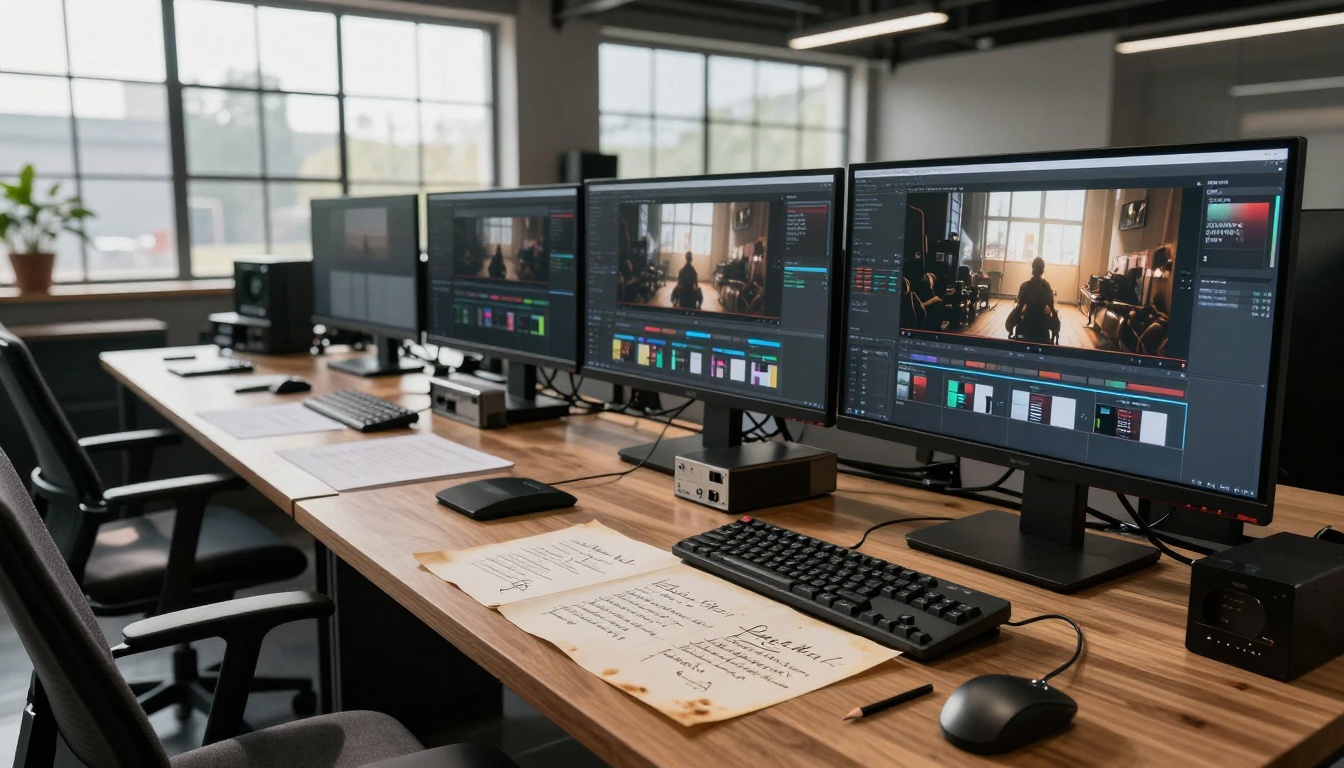
Complete professional workflows from concept to final output demonstrate the different approaches each model facilitates.
Practical Workflow Comparison
Your daily creative workflow will differ significantly depending on which tool you choose, affecting everything from initial concept development to final output delivery.
Sora 2 Pro Workflow typically follows a narrative development pattern:
- Story Development: Start with character emotions and narrative arcs
- Scene Blocking: Plan shots based on emotional beats
- Prompt Crafting: Write prompts focusing on emotional descriptors
- Generation: Create shots with cinematic parameters
- Assembly: Edit with attention to pacing and rhythm
- Refinement: Adjust emotional intensity and character focus
Veo 3 Workflow typically follows a technical specification pattern:
- Specification: Define technical requirements and accuracy needs
- Scene Planning: Layout environmental elements and spatial relationships
- Prompt Engineering: Write prompts focusing on technical descriptors
- Generation: Create shots with precision parameters
- Assembly: Edit with attention to technical continuity
- Verification: Check for accuracy and completeness
Workflow Efficiency Factors:
| Factor | Sora 2 Pro Advantage | Veo 3 Advantage |
|---|
| Character Projects | Faster emotional development | More precise animation |
| Environmental Projects | Better mood creation | Faster technical setup |
| Revision Cycles | Fewer emotional adjustments | Fewer technical corrections |
| Batch Processing | Better style consistency | Better parameter replication |
| Integration | Easier narrative integration | Easier technical integration |
Pricing and Accessibility
The commercial considerations extend beyond simple cost-per-video calculations to include workflow efficiency, revision requirements, and integration capabilities.
Sora 2 Pro Pricing Structure favors narrative production workflows:
- Per-minute pricing: Based on output video duration
- Character complexity scaling: Additional cost for multiple characters or complex emotions
- Cinematic quality tiers: Different pricing for standard vs. premium cinematic quality
- Commercial licensing: Clear rights for commercial use
- API availability: Comprehensive API for integration into production pipelines
Veo 3 Pricing Structure favors technical and educational applications:
- Per-scene pricing: Based on scene complexity rather than duration
- Technical detail scaling: Additional cost for high-detail environments
- Accuracy tiers: Different pricing for standard vs. high-precision output
- Educational discounts: Reduced rates for academic and training applications
- Batch processing: Economies of scale for multiple similar scenes
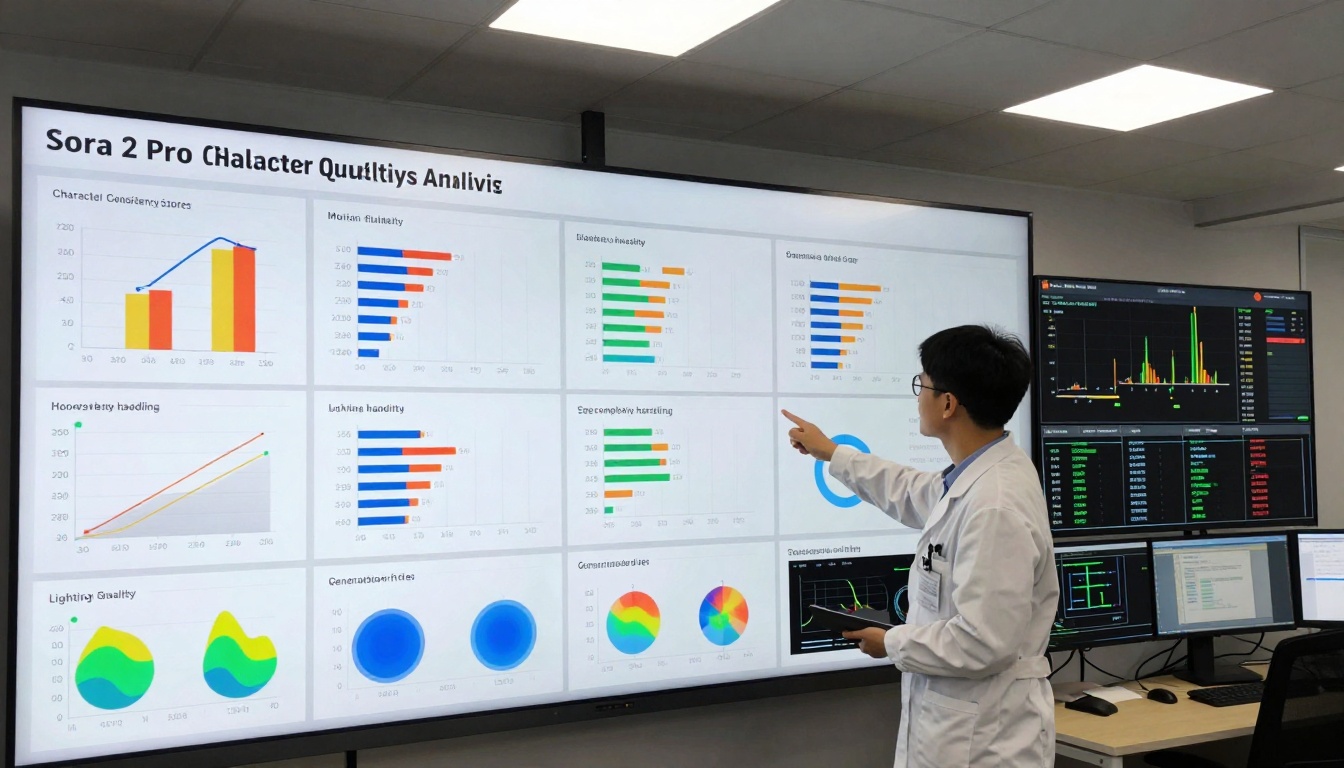
Comparative metrics dashboards help visualize the different strengths and trade-offs between the two models.
Cost Analysis Scenarios:
- Short Film Production: Sora typically costs 15-25% less due to better emotional efficiency
- Product Demonstration: Veo typically costs 10-20% less due to better technical efficiency
- Educational Series: Veo's educational discounts can provide 30-40% savings
- Commercial Campaign: Sora's narrative efficiency often provides better value
- Technical Training: Veo's precision reduces revision costs significantly
Both models integrate seamlessly with the PicassoIA platform, but they serve different roles within the creative ecosystem. When working with Sora 2 Pro, you'll find natural synergies with other narrative-focused tools on the platform. The model works particularly well alongside character-focused image generation models for creating consistent character visuals, and integrates smoothly with story development tools for cohesive narrative planning.
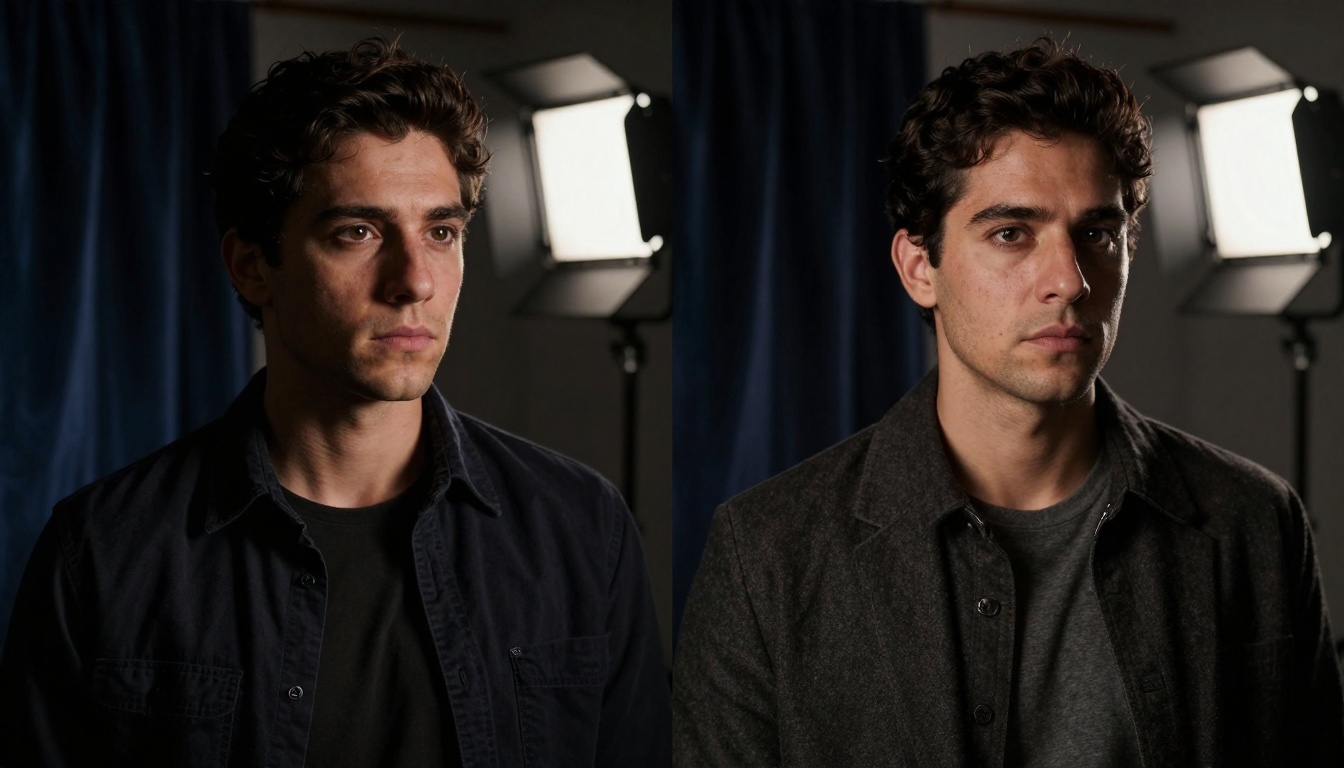
Lighting quality comparisons demonstrate how each model handles different illumination scenarios with distinct artistic approaches.
When working with Veo 3, you'll discover strong integration with technical and precision-focused tools. The model complements environmental visualization models for creating comprehensive scene setups, and works efficiently with technical specification tools for accurate project planning.
Platform Integration Benefits:
-
Sora 2 Pro Integration:
- Seamless workflow with character design tools
- Natural pairing with narrative planning systems
- Efficient integration with emotional analysis tools
- Smooth handoff to editing and post-production
- Consistent style across related creative tools
-
Veo 3 Integration:
- Technical compatibility with precision tools
- Efficient workflow with specification systems
- Accurate integration with measurement tools
- Smooth handoff to technical validation
- Consistent accuracy across related technical tools
Making Your Decision
The ultimate choice between Sora 2 Pro and Veo 3 comes down to understanding your creative priorities and production requirements. Consider these decision-making frameworks:
If your priority is emotional storytelling:
Choose Sora 2 Pro when characters drive the narrative, emotional resonance matters more than technical accuracy, and cinematic quality enhances the storytelling. The model's strength in character consistency, emotional lighting, and narrative composition will serve projects where human connection and emotional impact are primary goals.
If your priority is technical accuracy:
Choose Veo 3 when environmental completeness matters, physical accuracy is non-negotiable, and technical precision serves practical purposes. The model's strength in scene composition, material accuracy, and physical realism will serve projects where clarity, accuracy, and technical reliability are essential.

The final decision moment requires balancing artistic vision against technical requirements and practical constraints.
Hybrid Approaches: Many professional creators maintain subscriptions to both platforms, using each for its particular strengths. Sora handles character-driven sequences while Veo manages complex environments. This hybrid approach requires more workflow management but provides access to the best capabilities of both worlds.
Decision Checklist:
The AI video generation landscape continues to evolve rapidly, with both OpenAI's Sora 2 Pro and Google's Veo 3 pushing the boundaries of what's possible. Rather than searching for a single "best" tool, successful creators understand how to match each model's strengths to specific creative challenges. The most effective approach involves developing fluency with both platforms, learning when emotional storytelling requires Sora's cinematic sensitivity, and when technical accuracy demands Veo's environmental precision.
Your creative style deserves tools that complement rather than constrain your vision. Test both models with your specific project requirements, experiment with different prompting approaches, and discover which combination of emotional depth and technical precision serves your unique creative needs. The right choice isn't about which tool is objectively superior—it's about which tool helps you tell your story with the authenticity and impact you envision.


