If you're a TikTok creator trying to decide between Sora 2 and Kling 3.0, you've probably already spent too long reading articles that tell you nothing useful. This one is different. We ran both tools through real short-form video workflows, tested output quality, generation speed, motion consistency, and prompt fidelity, then put the results side by side so you can make the call without wasting credits.
Both tools are genuinely impressive. Both can produce AI-generated clips that stop the scroll. But they serve different creator types in ways that matter a lot when you're posting every day and trying to keep up with a fast-moving TikTok algorithm.
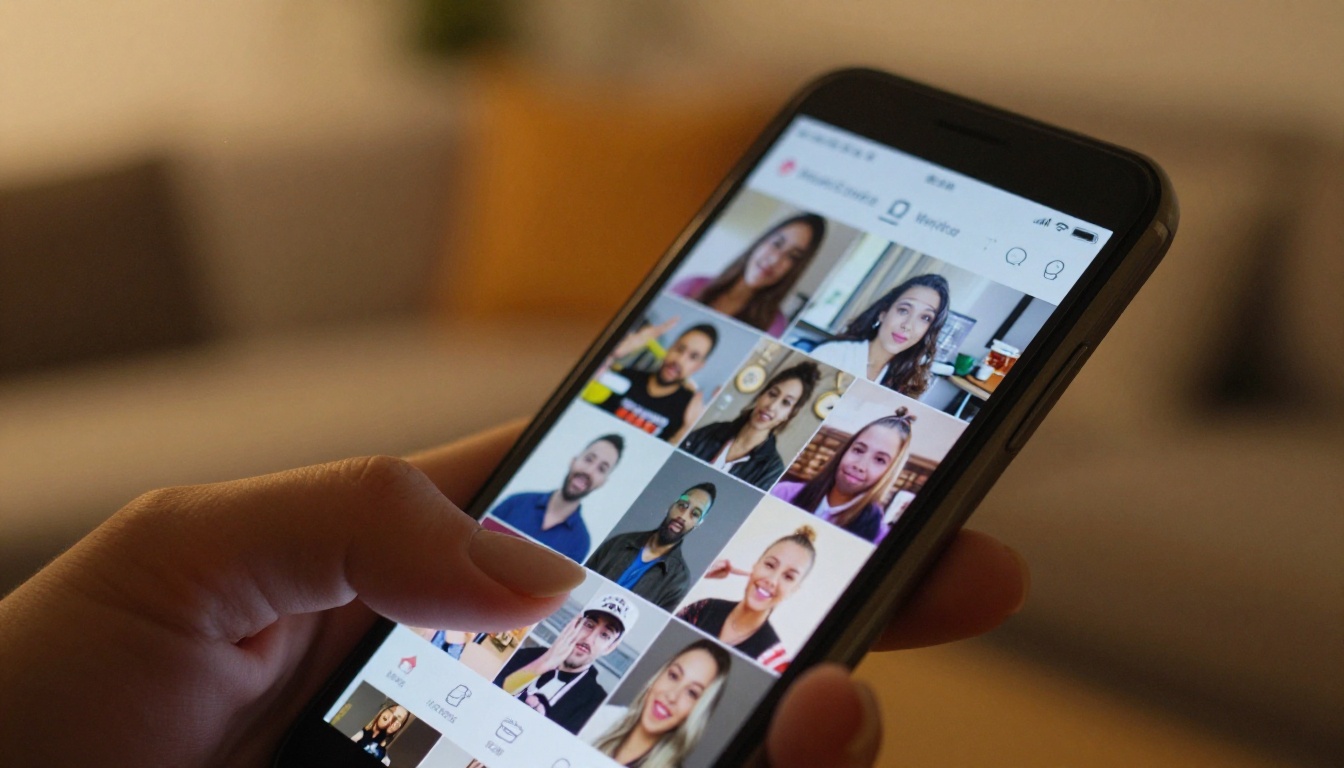
What TikTok Creators Actually Need
Short clips, not epics
TikTok runs on 15 to 60 second videos. Most viral TikTok videos sit between 7 and 30 seconds. That means you don't need a cinematic AI that takes 8 minutes to render a 2-minute masterpiece. You need something fast enough to batch 10 clips in a morning, consistent enough that most of them look good, and flexible enough to match the trends that define the platform week to week.
The biggest mistake creators make when choosing from the available AI video tools in 2027 is evaluating them based on "best possible output" benchmarks. A single jaw-dropping clip means nothing if it takes 45 minutes to generate and costs you three days of credits to produce. What matters for TikTok is reliable output at a speed and cost that fits your real posting schedule.
Short-form video thrives on volume. The more you post, the more chances you give the algorithm to push your content. Creator monetization on TikTok is directly tied to consistency, and no AI tool supports consistency if it slows your workflow more than it speeds it up.
Motion realism wins views
TikTok's algorithm rewards watch time above almost everything else. The fastest way to tank your watch time is a video with robotic motion, floating limbs, or faces that melt after 2 seconds. Motion realism is not a bonus feature. It's the price of admission. Both Sora 2 and Kling 3.0 understand this, but they approach the problem from different angles.
Sora 2 prioritizes scene coherence. Objects stay where you put them, characters move consistently across the clip, and lighting behaves like real-world physics. The result is video that feels grounded and believable even when the subject matter is fantastical.
Kling 3.0 prioritizes human motion expressiveness. Characters move in ways that feel alive and purposeful, which matters when your content is built around a specific persona or performance style. The short-form DNA in Kling's training is visible in how it handles quick, energetic movement.
Sora 2: What It Does Well
OpenAI's Sora 2 is a significant step up from its predecessor. The improvements in scene coherence and object permanence are immediately obvious the first time you run a test prompt. Characters no longer teleport between frames. Objects stay where you put them. Surfaces interact with light in ways that look physically accurate. For TikTok creators who work with product shots, fashion content, or lifestyle clips, that visual consistency is worth a lot.
Sora 2 Pro pushes further into high-definition territory, with output that holds up at full screen on modern phones. If you're running paid TikTok ads or building a brand with premium aesthetics, the Pro tier produces results that look commercially polished without needing extensive post-processing.
Output quality at 1080p
Sora 2 produces some of the cleanest 1080p AI video available right now. Skin tones look natural. Lighting behaves like real lighting. Backgrounds have depth rather than looking like painted backdrops. For beauty, fashion, and travel creators on TikTok, this quality ceiling is genuinely competitive with stock footage from professional shoots.
The tradeoff is generation time. Complex prompts take longer to process, and the model rewards detailed, specific input. Vague prompts produce vague results. If you're the type of creator who invests real time in crafting a precise prompt, Sora 2 will reward that effort with output that earns its generation cost. If you're firing off quick prompts between takes, the results will be uneven.
It's also worth noting that Sora 2 supports clip lengths up to 20 seconds, which puts it ahead of most competitors for creators building longer TikTok formats. As the platform increasingly promotes 60-second and 3-minute content alongside short clips, that headroom matters.
Prompt precision under pressure
Sora 2 handles complex compositional prompts better than almost any other text-to-video model available today. "A woman walks toward the camera on a rain-soaked street, neon shop signs reflected in puddles, slow zoom in, shallow depth of field" produces something remarkably close to what you described. It respects camera movement instructions more reliably than most competitors, making it a strong option for creators who think in cinematic terms.
Where it struggles is with very fast cuts and high-energy motion: the kind of kinetic content that performs well on TikTok for younger audiences. Dance trends, quick transitions, and hyperactive edits are not Sora 2's comfort zone. The model is built for deliberate, controlled motion and shows visible strain when pushed toward chaos.
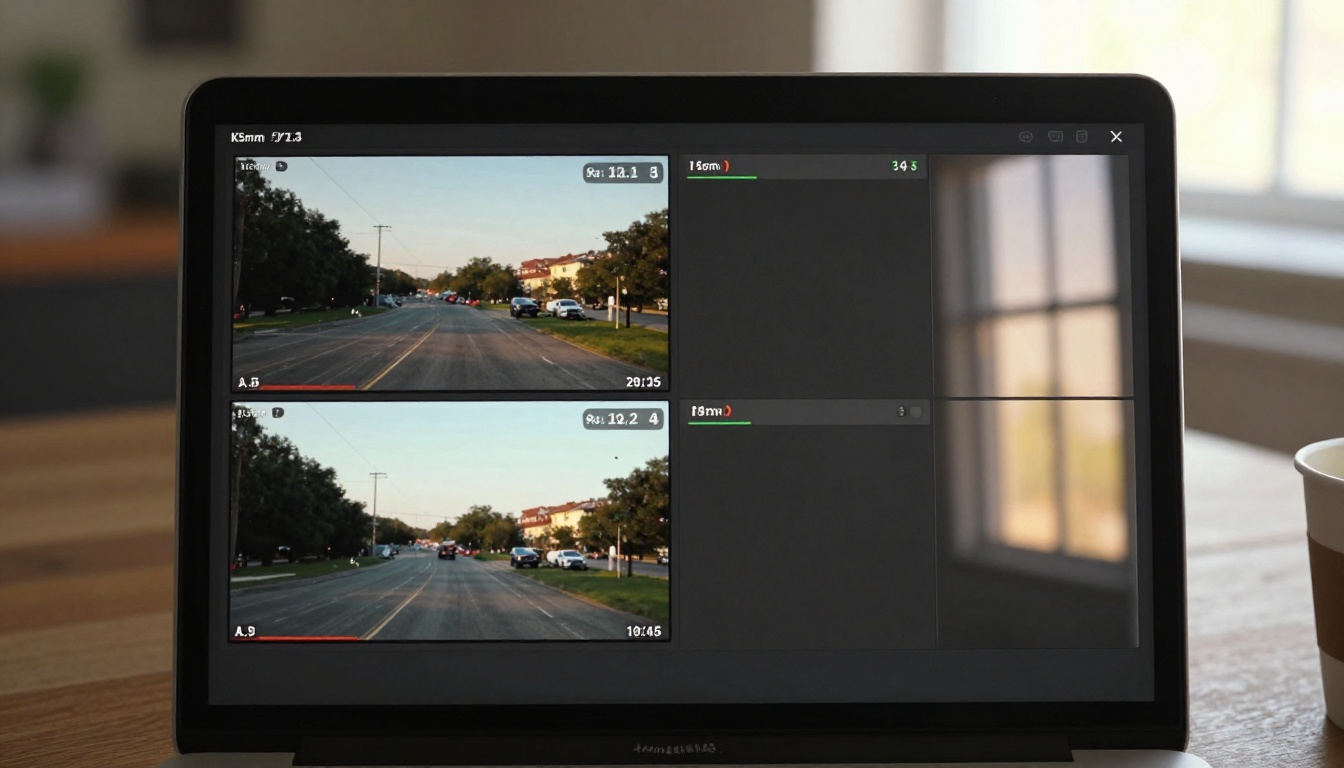
Kling v3 Video is built by Kuaishou, one of China's largest short-video platforms. That context matters deeply. The people who built Kling 3.0 have spent years studying what makes short-form video work at scale. That institutional knowledge shows in the output in ways that are hard to quantify but immediately obvious when you compare clips side by side.
The three Kling v3 variants cover different use cases: Kling v3 Video for straightforward text-to-video generation, Kling v3 Omni Video for text-to-1080p output with more visual fidelity, and Kling v3 Motion Control for precise character animation. That last option is particularly valuable for TikTok creators who work with consistent personas or branded characters across multiple posts.
Speed that fits creator workflows
Kling v3 Video is noticeably faster than Sora 2 for standard clip lengths. For a 5-second clip at 720p, the difference in generation time can feel significant when you're producing content in volume. Batch workflows, where you generate 10 to 20 variations of a concept to find the one that fits, are far more practical with Kling's throughput than Sora 2's.
The output quality on short clips is excellent. Human motion looks natural and grounded. Background environments hold together across frames without the flickering or consistency drops that affect many competing models. The video generation model has clearly been trained with an eye toward the aesthetic standards of short-form social video rather than cinematic production.
For TikTok creators who need to post daily or multiple times per day, the speed advantage alone makes Kling v3 worth serious consideration, even if Sora 2 occasionally produces a more stunning individual clip.
Motion control that stands out
Kling v3 Motion Control is the most distinctive feature in the Kling 3.0 lineup. It lets you animate character movement with directional precision that most competing models simply cannot match. For TikTok content that relies on character expression, walking sequences, or performance clips, this capability opens creative territory that would otherwise require a real camera and a live subject.
For creators building a recurring character or mascot for their channel, Motion Control is particularly valuable. You can animate the same character across many clips with consistent motion style, building audience recognition across your content library without re-shooting or re-prompting from scratch each time.
The level of expressive control available in Motion Control puts Kling 3.0 in a category of its own for character-driven TikTok content.
Head-to-Head: The Numbers
Here's where the two tools actually differ across the metrics that matter for TikTok production:
| Feature | Sora 2 | Kling 3.0 |
|---|
| Max resolution | 1080p | 1080p |
| Clip length | Up to 20s | Up to 10s |
| Generation speed | Slower | Faster |
| Motion quality | Very high | High |
| Prompt sensitivity | High | Moderate |
| Camera control | Strong | Good |
| Character motion | Good | Excellent |
| Short-form optimization | Moderate | Strong |
| Batch workflow | Limited | Better |
| Multi-scene complexity | Excellent | Good |
| Best for | Premium/brand content | High-volume TikTok |
Note: Clip length and speed vary based on resolution settings and platform load. The comparisons above reflect typical performance at standard quality settings.
Both models are available directly through PicassoIA, which means you can test them side by side without managing separate accounts, API credentials, or billing relationships with multiple providers. That convenience alone removes a significant barrier to experimenting.

Sora 2's weak spots
Sora 2's biggest limitation for TikTok creators is volume. It's a precision tool, and precision tools don't lend themselves to rapid iteration. If your content creation workflow involves generating dozens of short variations to find the one that resonates with your audience, the generation time and credit cost add up quickly. For creators who operate on tight daily posting schedules, this is a real constraint.
It also has a narrower aesthetic range when it comes to trending TikTok styles. Content that leans into exaggerated facial expressions, meme formats, or trend-specific aesthetics can feel slightly sterile coming out of Sora 2. The model skews toward cinematic realism, which is excellent for some niches and genuinely limiting for others.
For dance content specifically, Sora 2 still struggles with keeping limbs consistent and avoiding the "melting" effect at frame edges during fast choreography. The model handles slower, more deliberate movement better than high-energy physical performance.
Kling 3.0's limitations
Kling v3 Video is not as strong when handling complex scene descriptions with multiple interacting elements. A prompt like "three people eating at a restaurant while rain falls outside the window" will produce something recognizable but less polished than the same prompt fed to Sora 2. Compositional complexity is where Kling trades quality for speed, and the tradeoff shows at the edges.
The maximum clip length in Kling 3.0 is also shorter than Sora 2, which matters if you're building longer-format TikTok content. As the platform increasingly promotes 60-second and 3-minute posts alongside short clips, Sora 2's longer output becomes a real competitive advantage for certain creator types.
Lighting consistency across chained clips can also be an issue in Kling. When you're cutting multiple generated clips together, the light source direction sometimes shifts between segments. Fixing that in post requires time and attention that could be spent generating more content.
How to Use Kling v3 on PicassoIA
Since PicassoIA has Kling v3 Video available across multiple variants, here's how to get the best results for TikTok content without burning credits on suboptimal outputs.
Picking the right Kling variant
Start with Kling v3 Video for general text-to-video clips. This is the fastest option and works well for the majority of TikTok content types.
Upgrade to Kling v3 Omni Video when you need sharper output for close-up shots or product-focused content where fine visual detail matters. The quality jump is visible when comparing outputs at full screen on a modern phone.
Switch to Kling v3 Motion Control when you're animating a specific character or need precise directional movement in your clip. This is the variant to use for persona-driven content, branded characters, or any clip where specific physical performance is central to the concept.
Writing prompts that convert
Kling v3 responds well to prompts structured as scene description + motion description + atmosphere. A prompt like:
"A young woman in a bright yellow jacket walks confidently down a busy city sidewalk, turning to look at the camera with a smile, natural daylight, shallow depth of field"
...will produce far better results than a vague emotional brief. Kling handles concrete visual instructions better than mood-based or abstract language. Keep prompts between 30 and 60 words for the best balance of directional control and model freedom.
Avoid stacking too many independent elements into a single prompt. One subject, one environment, one motion direction produces more consistent results than three competing focal points.
Aspect ratio matters for TikTok
TikTok is a 9:16 platform. When generating content specifically for TikTok, switch your aspect ratio to 9:16 in PicassoIA before generating. Generating in 16:9 and cropping to vertical always loses quality and cuts off important visual elements.
Tip: Generate your clip with your subject centered and with clear headspace above the action. TikTok overlays text, captions, and UI elements at the top and bottom of the frame. Composing for that overlay from the start saves you a round of editing.
Other AI Video Options Worth Considering
Sora 2 and Kling 3.0 are not the only tools in the race. PicassoIA's text-to-video library includes several other models that fill specific gaps and suit specific content types.
Pixverse v5 offers competitive 1080p output with faster turnaround for creators who want a middle ground between Sora's quality and Kling's speed. It handles stylized content particularly well, making it a strong option for fashion or aesthetics creators.
Luma Ray produces fluid, naturalistic motion that works especially well for lifestyle and travel content. It's less controllable than Kling but generates output that feels organic and unscripted, which aligns with TikTok's authenticity-first culture.
Seedance 1 Pro from ByteDance (TikTok's parent company) deserves serious attention. ByteDance's training data almost certainly includes significant amounts of TikTok content, which gives Seedance a native understanding of short-form aesthetics that competing models can only approximate from the outside.
Wan 2.6 T2V is a strong option for creators who want HD output without the cost premium of top-tier models. It's particularly good for nature, environment, and abstract content that doesn't rely on precise human motion.
Kling v2.6 and Kling v2.5 Turbo Pro remain solid options if you want slightly older Kling generations at a lower credit cost per generation. The quality difference from v2.6 to v3 is real but not enormous for casual content, making the older models worth considering for high-volume batch work.
Which One Should You Pick?
For raw quality
Pick Sora 2 or Sora 2 Pro if:
- You post less frequently but want each video to carry premium production value
- Your niche rewards cinematic aesthetics: beauty, luxury, travel, fashion
- You're running paid TikTok ads where output quality directly affects conversion rates
- You need longer clip output, up to 20 seconds
- Your audience skews 25 and above, a demographic that responds to polished production
- Your content involves complex multi-element scenes that require compositional precision
For speed and volume
Pick Kling v3 Video or Kling v3 Omni Video if:
- You post daily or multiple times per day
- You need to batch-generate content to stay on top of fast-moving trends
- You work with recurring characters or a branded persona
- Speed matters more than perfection on any individual clip
- Your content style relies on high-energy, fast-cut editing
- You're building a high-volume TikTok channel where consistency beats occasional brilliance
The honest answer for most TikTok creators is that Kling 3.0 fits the TikTok workflow better. The platform rewards volume, consistency, and trend responsiveness. Sora 2 rewards patience and precision. Both have their place in a serious creator's toolkit, but if you had to pick one tool for a daily TikTok strategy, Kling 3.0 wins on practical grounds.
Start Creating AI Videos on PicassoIA
Both Sora 2 and Kling v3 Video are available on PicassoIA with no complex setup required. You can switch between models, compare outputs on the same prompt, and find the one that clicks with your specific content style without committing to a single platform subscription or managing multiple API keys.
The best way to decide is to run both on the same prompt. Take a clip idea you'd actually post, feed it to each model, and watch how they interpret it. You'll know within five minutes which tool fits your brain and your workflow. No comparison article, including this one, can replace that first-hand experience.
Beyond Sora 2 and Kling 3.0, PicassoIA gives you access to over 87 text-to-video models, plus tools for image generation, background removal, lipsync, video enhancement, face swap, and AI music generation. It's the fastest way to go from a raw content idea to a polished TikTok clip without owning any hardware, managing any infrastructure, or signing up for a dozen separate subscriptions.
Start generating. Your next viral video is one prompt away.