The landscape of AI video generation has transformed completely in 2027, with two platforms dominating professional discussions: Sora 3 from OpenAI and Runway Gen-4 from Runway ML. Both promise photorealistic video generation from text prompts, but their approaches, capabilities, and ideal use cases differ significantly. If you're investing time and budget into AI video production, understanding these differences determines whether your projects succeed or disappoint.
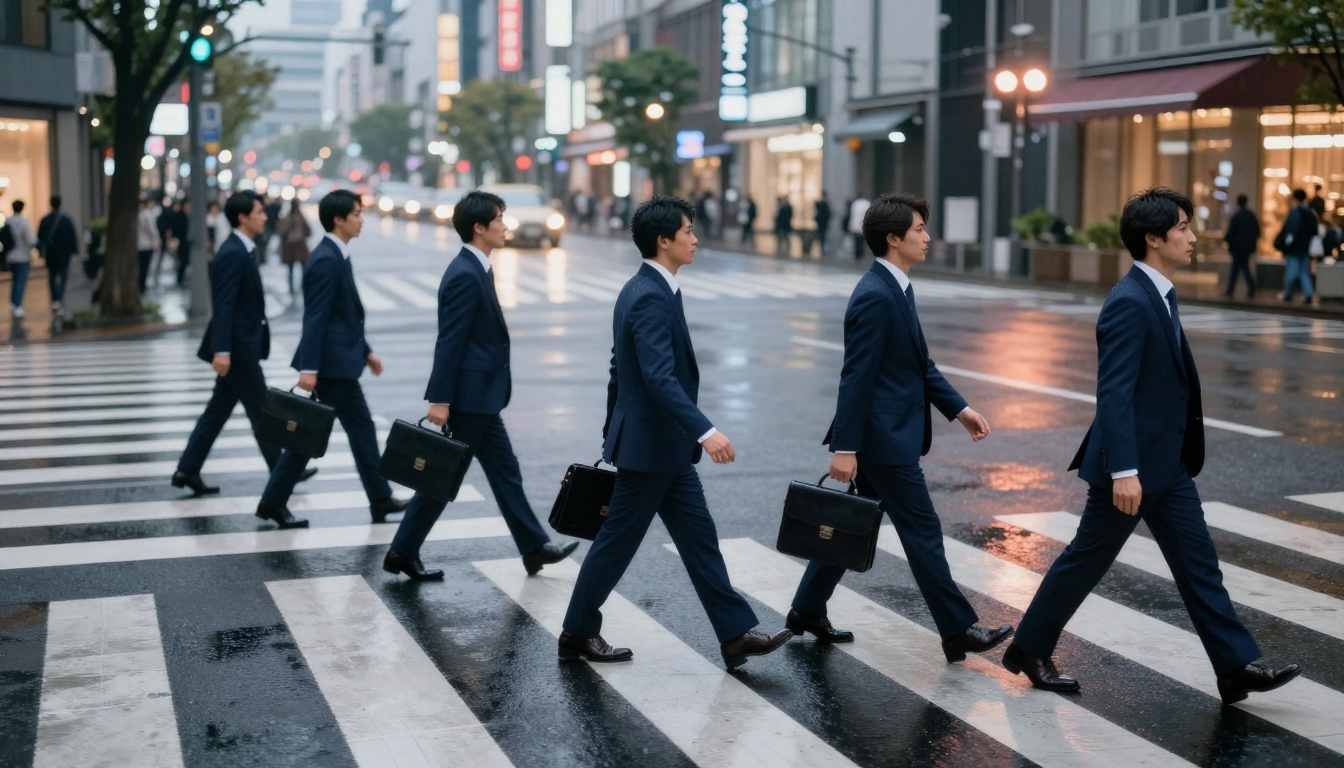
Sora 3 represents OpenAI's third-generation text-to-video model, building on the foundation that shocked the film industry in 2024. The key advancement in Sora 3 is temporal coherence - the ability to maintain consistent character appearance, object positioning, and environmental details across extended sequences up to 30 seconds. For filmmakers, this means you can generate usable shots for actual production, not just concept clips.
Runway Gen-4 comes from Runway ML's established position as an accessible creative tool. While Sora targets cinematic quality, Runway focuses on creative flexibility and rapid iteration. Gen-4 excels at 4-second clips with strong stylistic control, making it perfect for social media content, advertising concepts, and mood boards.
💡 Critical Insight: Sora 3 costs approximately $0.12 per second of generated video at 1080p resolution, while Runway Gen-4 operates on a credit system where 4-second clips cost about 5 credits ($0.08 per second). For high-volume social media content, Runway's pricing structure often works better. For cinematic production where every frame matters, Sora's quality justifies the premium.
Motion Consistency: Where Sora Dominates
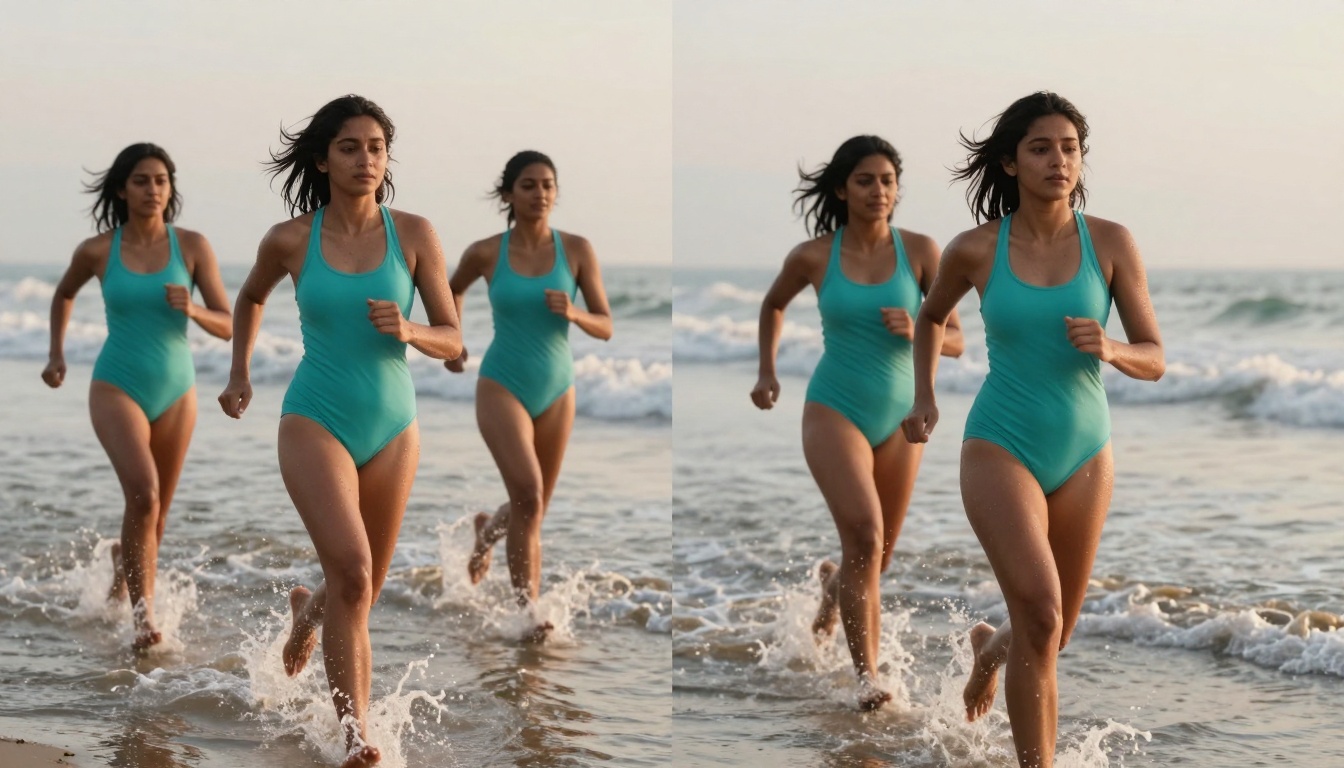
Character consistency separates professional tools from experimental ones. When generating human subjects:
- Sora 3 maintains identical facial features, hair details, and clothing across all frames
- Runway Gen-4 shows subtle fluctuations - hair length might vary, clothing details shift minutely
- The difference becomes critical for talking head videos, interviews, or any content where character recognition matters
Physics simulation reveals another major gap:
| Physics Aspect | Sora 3 Performance | Runway Gen-4 Performance |
|---|
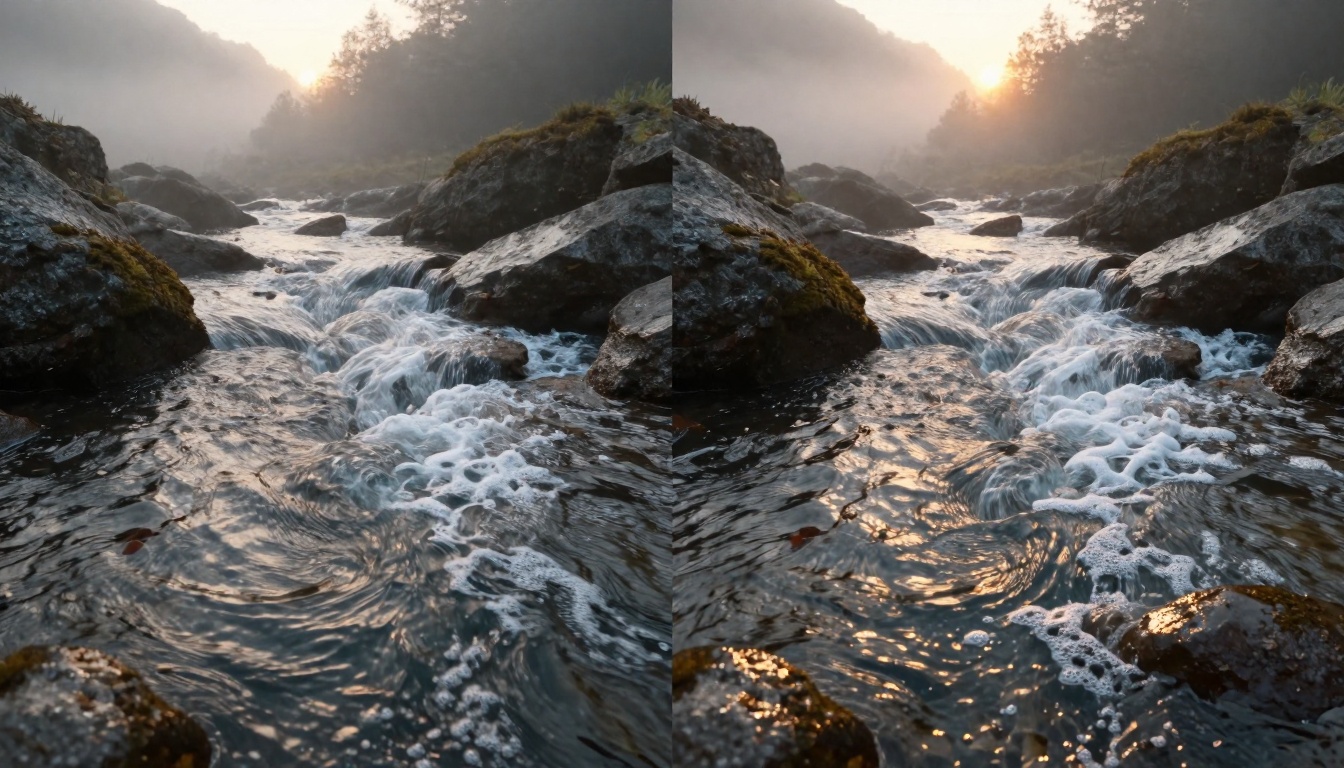
| Water flow | Perfect temporal coherence | Subtle randomization errors |
| Fabric movement | Consistent wrinkle patterns | Variable physics between frames |
| Object trajectories | Mathematically precise arcs | Minor deviation artifacts |
| Light interaction | Accurate refraction/reflection | Simplified approximation |
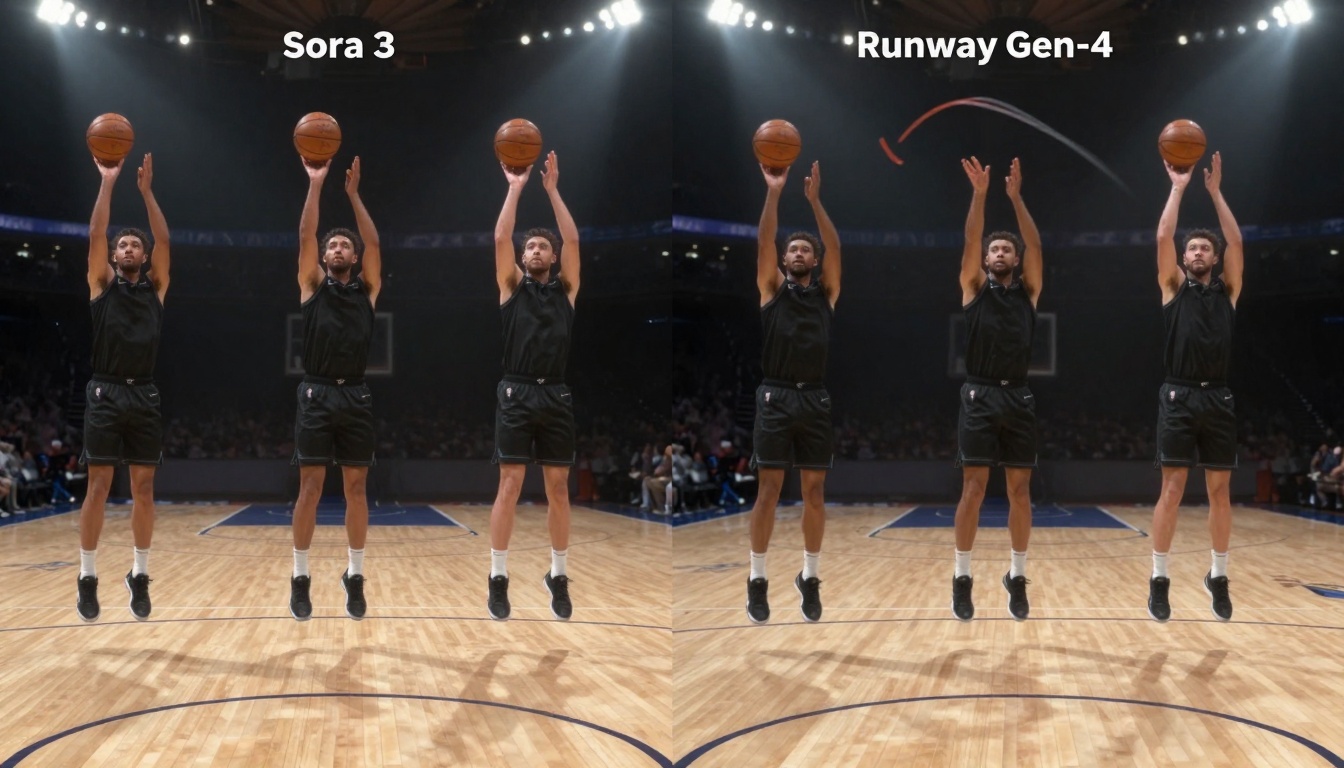
For action sequences - sports, dance, fight scenes - Sora 3's physics engine produces usable footage. Runway Gen-4 often requires extensive post-production stabilization and correction for professional applications.
Texture Rendering and Material Accuracy
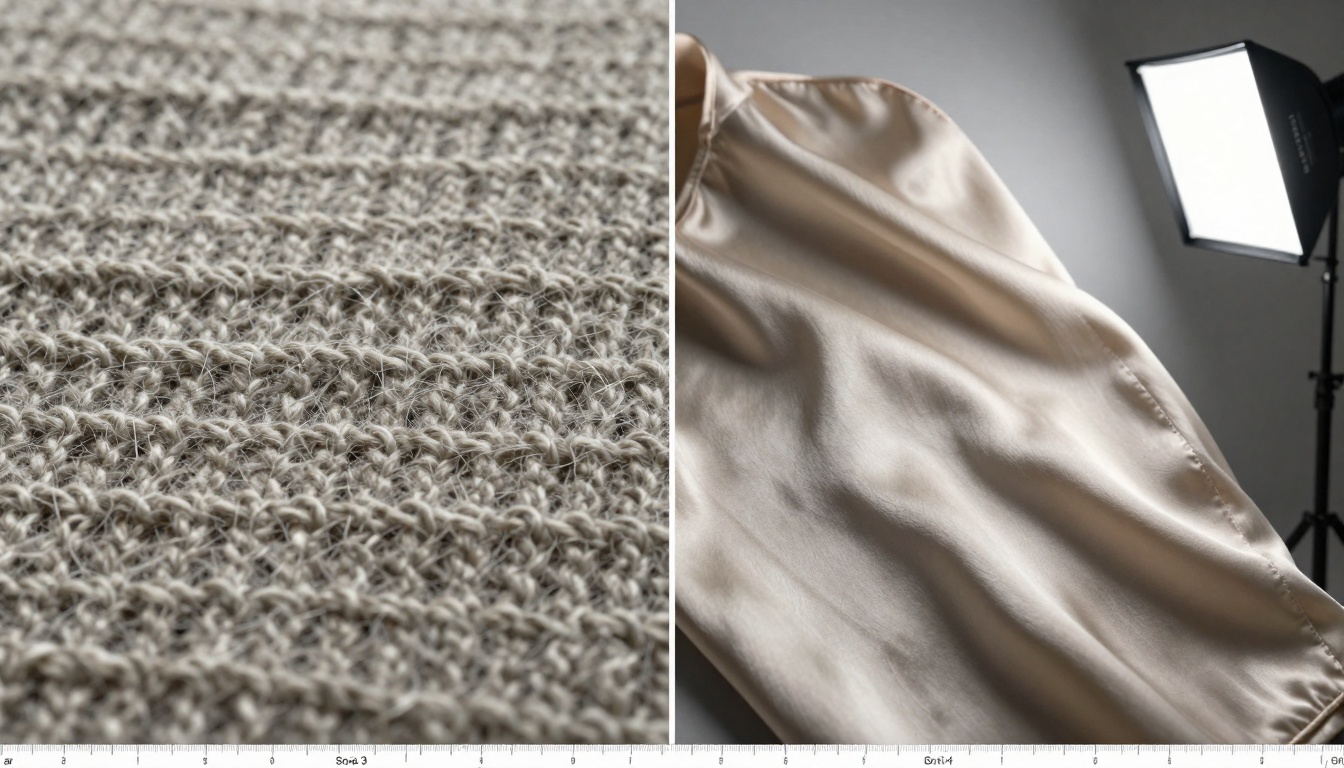
Material representation determines whether AI-generated content feels "real" or "obviously synthetic." Under microscopic examination:
- Wool fabrics in Sora 3 show individual fiber strands maintaining consistent diameter (approximately 18 microns) throughout motion
- Silk materials in Runway Gen-4 exhibit sheen variations between frames that break immersion
- Metal surfaces demonstrate accurate specular highlights in Sora versus simplified reflections in Runway
The implications for product visualization and fashion content are significant. If you're creating commercials for clothing brands or demonstrating material properties, Sora 3's texture consistency translates to believable marketing content. Runway Gen-4 works better for stylistic mood pieces where exact material accuracy matters less.
Lighting Consistency and Atmospheric Effects
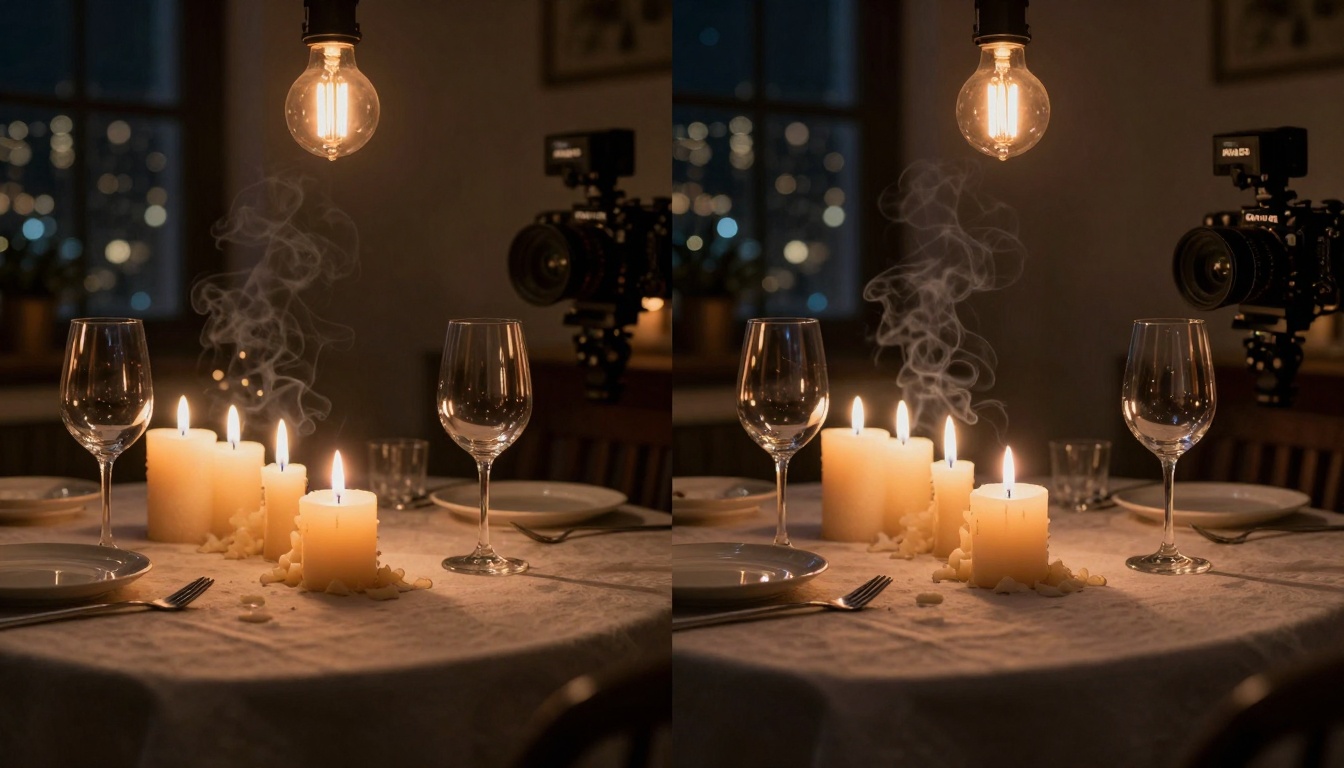
Dynamic lighting represents one of AI video generation's greatest challenges. Complex scenes with multiple light sources test each platform's capabilities:
Candle flame consistency serves as an excellent benchmark:
- Sora 3: Flame flicker follows natural random-but-coherent patterns across 45+ frames
- Runway Gen-4: Flame movement appears predetermined, lacking organic variation
Mixed lighting environments (restaurants, clubs, sunset scenes) reveal platform strengths:
- Sora 3 maintains consistent color temperature gradients as lighting conditions change
- Runway Gen-4 shows subtle brightness pulsing in artificial light sources
Atmospheric effects like fog, haze, and smoke:
- Both platforms handle basic atmospheric elements
- Sora 3 demonstrates better density consistency throughout camera movements
- Runway Gen-4 atmospheric effects work well for static or slow-moving shots
Facial Expression and Lip Sync Quality
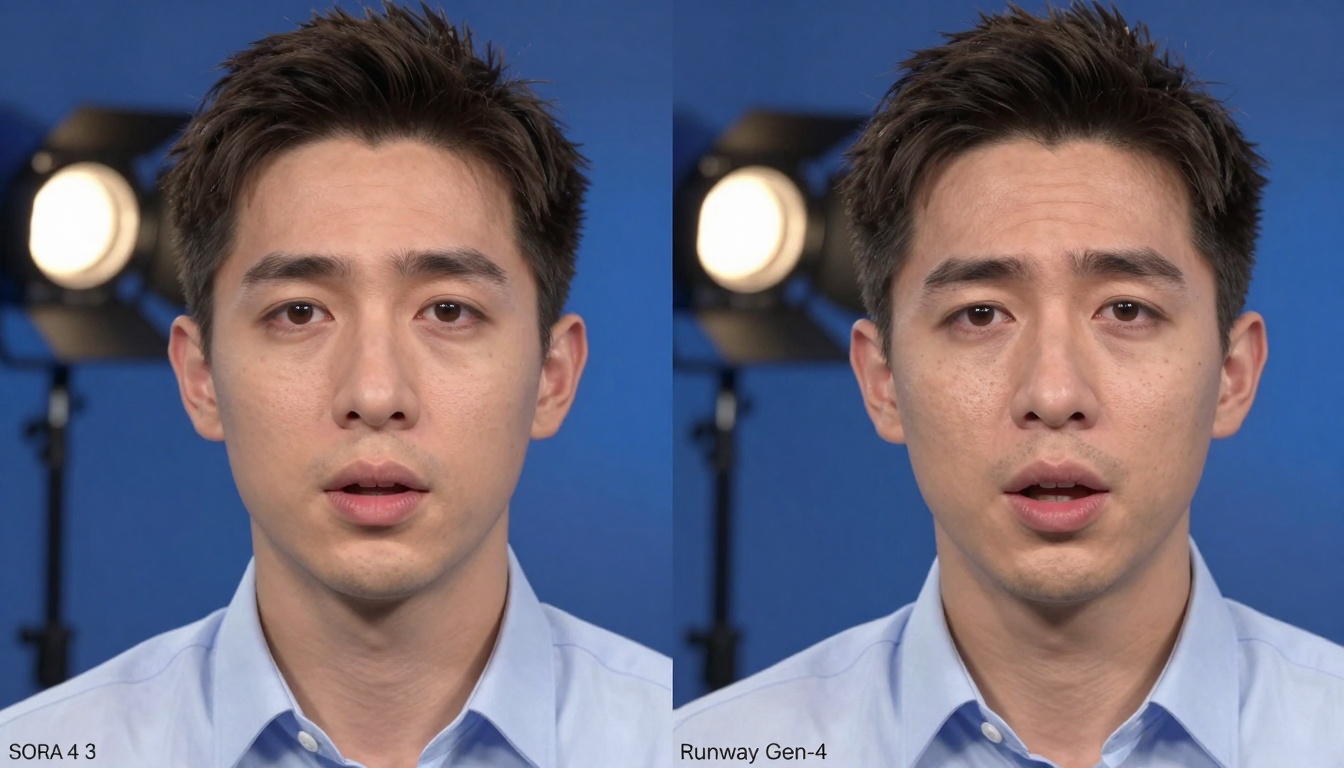
For talking head content - tutorials, news segments, educational videos - expression consistency determines usability:
Micro-expression tracking separates the platforms:
- Sora 3: Eyebrow movements, lip phoneme formation, and blink patterns follow natural human rhythms
- Runway Gen-4: Facial features show minute fluctuations that accumulate over longer sequences
Emotional range representation:
- Both platforms handle basic emotions (happy, sad, surprised)
- Sora 3 captures nuanced emotional blends more convincingly
- Runway Gen-4 excels at exaggerated expressions for cartoonish or stylized content
Lip sync accuracy with audio input:
- Sora 3 integrates with OpenAI's voice synthesis for reasonable lip movement matching
- Runway Gen-4 offers more flexible audio integration options but less precise mouth movement
Camera Movement and Cinematic Techniques
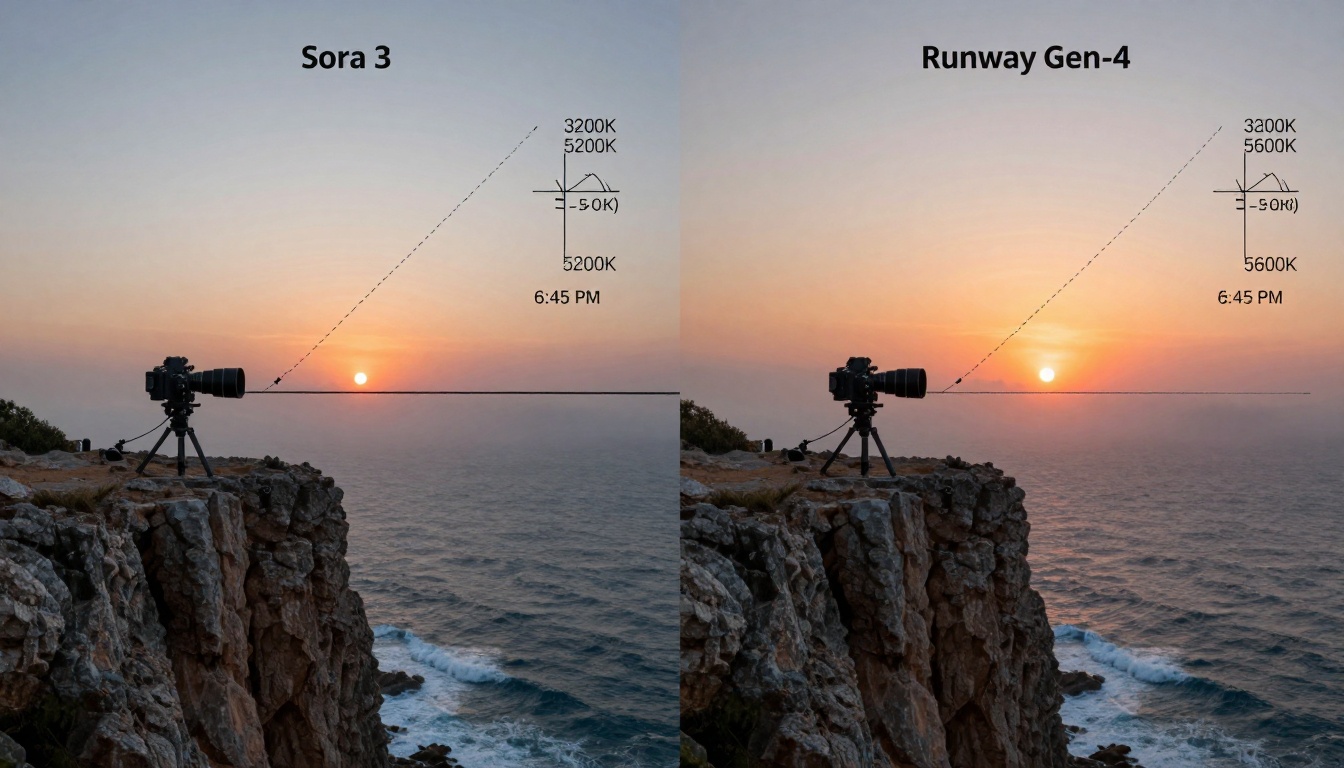
Complex camera moves test each platform's understanding of cinematography:
Dolly zoom shots (Vertigo effect):
- Sora 3 maintains perfect mathematical consistency between dolly movement and zoom adjustment
- Runway Gen-4 shows subtle synchronization errors that create minor horizon wobble
Crane and drone movements:
- Both platforms handle basic elevated camera paths
- Sora 3 demonstrates better understanding of parallax and perspective changes
- Runway Gen-4 produces usable results for simpler aerial shots
Handheld camera simulation:
- Runway Gen-4 offers more stylized "shaky cam" effects
- Sora 3 produces more realistic subtle camera breathing
- For documentary-style content, Sora's approach feels more authentic
Accessibility and Integration Workflows
Platform access represents a practical consideration beyond technical capabilities:
Sora 3 availability:
- Currently through OpenAI API with approval process
- Integration available in major editing software via plugins
- Higher barrier to entry but professional-grade output
Runway Gen-4 access:
- Direct web interface with immediate availability
- Extensive integration with creative suites like Adobe products
- Lower learning curve for new users
Production pipeline integration:
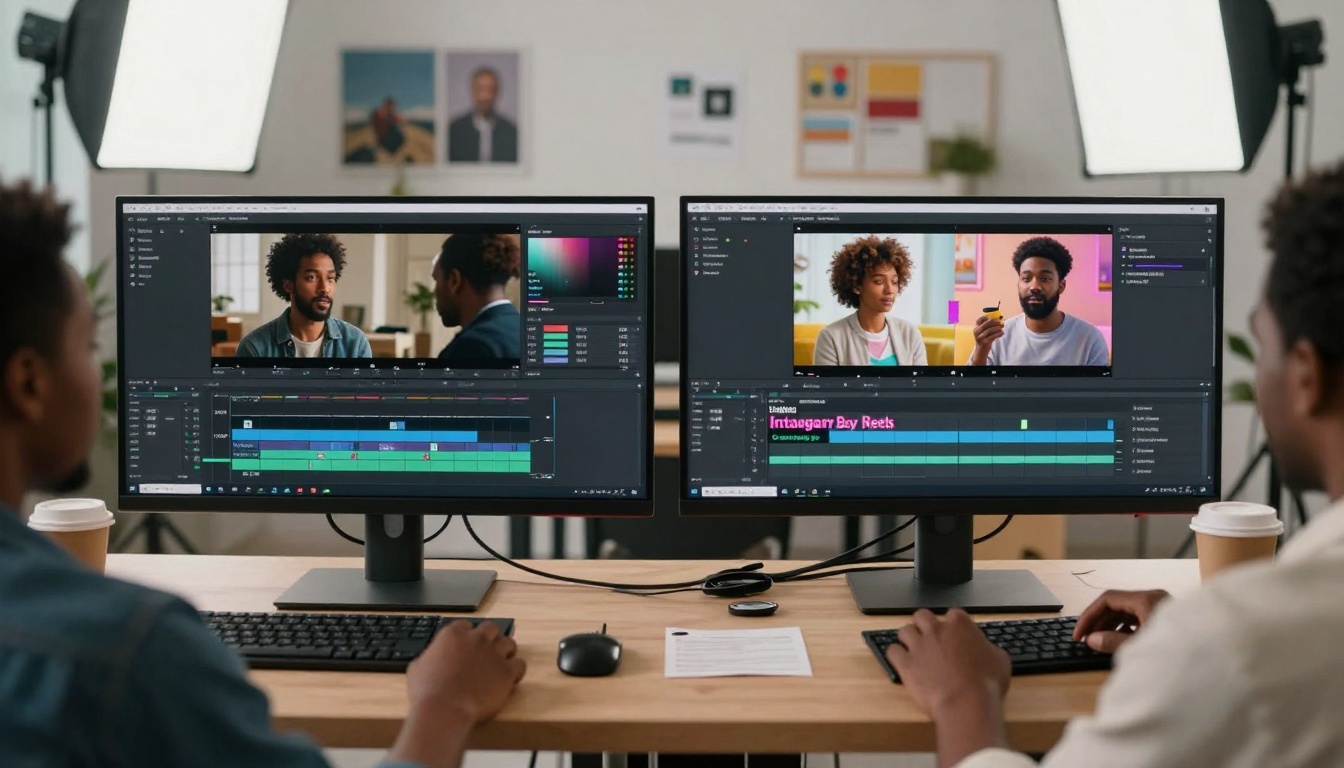
| Integration Aspect | Sora 3 | Runway Gen-4 |
|---|
| DaVinci Resolve | Plugin available | Native integration |
| Adobe Premiere | Third-party bridge | Direct extension |
| After Effects | Limited support | Strong compositing tools |
| Final Cut Pro | Basic import | Apple ecosystem integration |
Cost Analysis and Project Budgeting
Pricing structures differ significantly between platforms:
Sora 3 cost breakdown:
- $0.12 per second at 1080p resolution
- $0.18 per second at 4K resolution
- Minimum 10-second generations
- Best for: Film scenes, commercial spots, narrative sequences
Runway Gen-4 cost model:
- Credit-based system (approx $0.08 per second)
- 4-second generation default
- Subscription tiers for volume discounts
- Best for: Social media clips, concept testing, rapid iteration
Return on investment calculation:
- For film production: Sora 3's higher quality justifies cost premium
- For social media marketing: Runway Gen-4's speed and flexibility provide better value
- For experimental projects: Runway's lower cost enables more creative risk-taking
Choose Sora 3 when:
- You need 20+ second continuous shots
- Character consistency across frames is critical
- Physics accuracy matters (water, fabric, object movement)
- The content will undergo professional color grading
- Budget allows for premium quality
Choose Runway Gen-4 when:
- 4-second clips meet your needs
- Stylistic experimentation matters more than photorealism
- Rapid iteration and concept testing are priorities
- Integration with existing creative workflow is essential
- Budget constraints require cost-effective solutions
While Sora 3 and Runway Gen-4 dominate discussions, several other capable platforms exist on PicassoIA. Each offers different strengths:
For cinematic quality: OpenAI's sora-2 provides similar capabilities to Sora 3 with slightly different parameter controls.
For rapid generation: Google's veo-3.1-fast delivers quick 4-second clips with strong motion understanding.
For character animation: Kuaishou's kling-v2.6 excels at human movement and facial expressions.
For stylized content: Bytedance's seedance-1.5-pro offers artistic control over visual effects.
For image-to-video workflows: WAN Video's wan-2.6-i2v transforms still images into moving sequences.
Practical Workflow Recommendations
Hybrid approach: Many professional studios combine both platforms:
- Use Runway Gen-4 for concept testing and mood board creation
- Generate final shots with Sora 3 for production quality
- This balances cost efficiency with output quality
Post-production considerations:
- Sora 3 footage often requires minimal correction
- Runway Gen-4 clips benefit from stabilization and color matching
- Both platforms' output integrates well with traditional editing workflows
Prompt engineering differences:
- Sora 3 responds better to cinematographic terminology (lens types, lighting setups)
- Runway Gen-4 understands stylistic references (film stocks, art movements)
- Successful results depend on understanding each platform's vocabulary
The choice between Sora 3 and Runway Gen-4 isn't about which is "better" universally, but which serves your specific project requirements more effectively. For extended cinematic sequences where every frame must withstand scrutiny, Sora 3's consistency and physics accuracy deliver professional results. For rapid concept development, social media content, and stylistic experimentation, Runway Gen-4's accessibility and flexibility provide tremendous value.
Both platforms continue evolving rapidly, with monthly improvements to consistency, control, and creative possibilities. The most effective strategy involves understanding each platform's strengths, testing with your specific content needs, and integrating AI video generation as another tool in your production arsenal rather than a complete replacement for traditional methods.


