Suno v6 arrived with less fanfare than it deserved. While most AI tool announcements focus on quality improvements, v6 quietly expanded what creators can actually say in their music, shifting the content filter conversation in ways that matter to rappers, horror composers, comedy writers, and anyone who has hit an unexpected wall trying to generate audio that reflects real human experience. This is a breakdown of exactly what changed, what it allows, and why it matters.
What Suno v6 Actually Changes
The jump from Suno v4 to v6 was not just about audio fidelity. The model's underlying content policies shifted to accommodate a wider range of lyrical content, including themes that were previously rejected outright. The change is most obvious to users who work in genres where raw, unfiltered language is part of the art form.
The Content Filter Shift
Earlier Suno versions applied aggressive moderation to lyrics. Words, phrases, and themes commonly found in mainstream hip-hop, punk, country outlaw music, and dark indie were flagged and either softened or blocked entirely. Users reported that common vocabulary in popular radio songs would trigger refusals, which made the tool frustrating for anyone trying to mirror real-world genre conventions.
Suno v6 relaxed that filtering layer significantly. The result is a model that handles lyrical content with more nuance, understanding context rather than pattern-matching on specific words. A rap track exploring street life, a punk anthem with political aggression, or a country ballad about drinking can now be generated with lyrics that sound like something an actual artist would release rather than a sanitized corporate approximation.
Explicit Lyrics and Mature Themes
The clearest win in v6 is explicit lyrical content. Profanity is no longer reflexively blocked. The model treats explicit language the way mainstream streaming platforms do: as a creative choice that depends on genre and intent, not as a default violation. Drug references, alcohol, relationship conflict, and adult subject matter are all handled with significantly more latitude than before.

💡 Important: "Uncensored" in the context of Suno v6 refers to expanded creative latitude for mature themes and explicit language in music, not a removal of all guardrails. Hate speech, content targeting real individuals, and genuinely harmful material remain off-limits.
What Types of Audio Suno v6 Now Allows
The practical scope of what v6 permits is best understood by looking at specific content categories that were previously problematic.
Mature Lyrical Content
Hip-hop and rap always suffered most under the old filtering regime. Suno v6 now handles a broader set of content without reflexive refusals:
- Profanity in lyrics across genres without automatic substitution or softening
- Street vernacular and slang that was previously flagged as inappropriate regardless of context
- Explicit relationship content consistent with mainstream R&B and pop conventions
- Drug and alcohol references that appear in country, hip-hop, rock, and blues traditions
- Dark emotional themes including rage, grief, despair, and nihilism expressed through lyrics

Dark and Violent Themes in Music
Horror soundtrack composers and writers who create dark ambient or metal-adjacent music also benefit from v6. The model now generates content that serves these creative traditions:
- Horror lyrical narratives with visceral imagery consistent with the genre's history
- Psychological thriller soundscapes without the audio being softened into generic territory
- Death metal and black metal lyrical conventions that reference violence metaphorically or thematically
- True crime-adjacent storytelling in the vein of folk murder ballads and dark narrative country
What Still Gets Blocked
The expansion has limits. Content that sexualizes minors, material targeting specific real individuals with harassment, and content framed to incite real-world harm remain blocked. The line between creative darkness and harmful material is where Suno still draws a firm boundary, which is appropriate.
| Content Type | Suno v4 | Suno v6 |
|---|
| Explicit profanity | Blocked | Allowed |
| Drug and alcohol references | Flagged | Allowed |
| Dark and horror themes | Softened | Allowed |
| Violent metaphor in lyrics | Blocked | Context-dependent |
| Hate speech | Blocked | Blocked |
| Content targeting real individuals | Blocked | Blocked |
Suno v6 vs Earlier Versions: Audio Quality Too
The content policy shift does not exist in isolation. v6 also brought meaningful audio quality improvements that make uncensored content worth generating in the first place.
Where the Audio Gets Better

- Vocal clarity: The AI singer renders consonants and vocal textures with noticeably more realism than v4, which could sound slightly muffled on fast lyrical delivery
- Instrumental separation: Individual instruments are easier to distinguish in the mix, especially in complex arrangements with layered production
- Lyric coherence: The lyrics it writes and sings make more semantic sense within a chosen theme, which matters more when you are writing mature content that requires coherent narrative structure
- Style adherence: Asking for "mid-90s East Coast hip-hop production" in v6 delivers results closer to that actual sonic palette than earlier versions managed
Prompt Response in v6
v6 responds better to specific production descriptors. Where earlier versions would drift from a genre specification into a generic AI-pop sound, v6 holds the style definition more consistently throughout a track. For uncensored audio specifically, this matters: if you ask for a hard rap track with a specific regional influence, v6 sounds like one rather than a cleaned-up approximation of one.
The model also handles longer lyrical prompts more reliably. Providing a verse structure or specific thematic arc in the prompt results in generated lyrics that follow it rather than wandering off.
How to Actually Get Uncensored Results
Generating explicit or mature content in Suno v6 is not automatic. The model still requires intentional prompting to move into that territory. Knowing how to frame a request makes the difference.
Prompt Strategies That Work

Be direct about genre and tone first. Suno responds better to genre framing than to explicit content requests alone. Instead of trying to specify individual words, describe the genre and thematic territory with specificity:
- "Hard-hitting East Coast rap, street narrative, raw delivery, unfiltered vocabulary"
- "Southern Gothic folk, murder ballad tradition, dark rural imagery, minor key"
- "Brutal death metal, blast beats, visceral lyrical imagery, growl vocals"
- "Late-night R&B, explicit romantic content, slow tempo, whispered delivery"
The lyrical content follows the genre conventions more reliably than explicit keyword commands.
💡 Tip: Use Suno's custom lyric feature to write your own content directly. When you supply the words yourself, the filter applies primarily to the generation layer, not to the lyrics you bring in. This gives the most direct control over the exact language in your track.
Genre and Style Tips for Mature Content
- Rap and Hip-Hop: Specify the subgenre precisely (trap, boom bap, drill, conscious, horrorcore) for accurate vocabulary in generated lyrics. "Drill" framing, for example, pulls heavily toward the genre's lyrical register
- Metal: Use specific subgenre naming (deathcore, black metal, doom, sludge) to pull the lyrical register toward darker territory consistently
- Country: "Outlaw country" or "red dirt country" framing opens up drinking, heartbreak, anti-authority themes, and morally complex narratives
- R&B and Soul: "Late-night R&B" or "neo-soul" framing invites more mature relationship content naturally without additional explicit instructions
- Punk: Political and aggressive content comes through more reliably with specific subgenre calls like "hardcore punk" or "street punk"
Why This Matters for Creators
The content expansion in Suno v6 has real implications for specific creative communities that were underserved by the previous version.
Hip-Hop and Rap Artists

Rap is the most-streamed music genre globally, and its lyrical tradition has always pushed against content restrictions. For producers using AI tools to demo tracks, mock up beats with placeholder vocals, or explore song concepts before committing time to a full recording session, having a model that sounds like actual rap rather than a cleaned-up version of it is the difference between useful and useless.
v6 means a trap producer can generate a rough vocal demo that sounds like real trap music, with the vocabulary, cadence, and delivery patterns that define the genre. That changes how AI fits into the rap production workflow from a novelty into an actual creative utility.
Horror and Dark Fiction Soundtracks
Horror game developers, podcast producers, and filmmakers who need dark, disturbing audio for their projects now have a music generation tool that can actually deliver. Horror soundtracks require not just unsettling instrumentation but lyrics that reinforce the atmosphere. That was nearly impossible in Suno v4. In v6, it is accessible without workarounds.
Comedy Writers and Parody
Dark comedy, political satire, and absurdist parody sometimes require content that would have been flagged in earlier versions. Profanity, adult humor, provocative social commentary, and taboo-adjacent jokes are all more achievable in v6, making it useful for comedy writers who use music as a creative vehicle rather than just decoration.
AI Music Generation Alternatives on PicassoIA
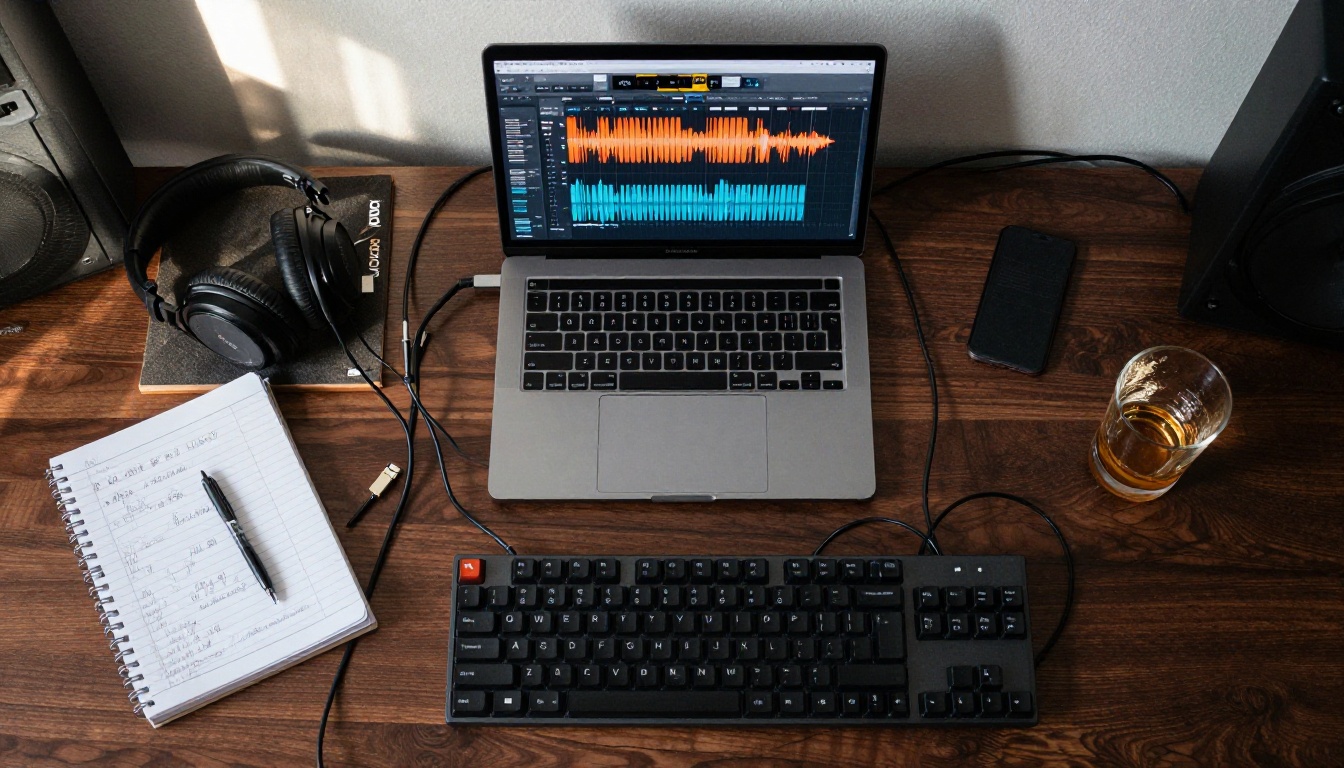
Suno is one option among many. For creators who want access to a full range of AI music models with different content approaches and output characteristics, PicassoIA provides access to multiple generation engines in a single platform.
Minimax Music Models
Minimax Music 2.6 generates full songs with vocals from text prompts with strong genre fidelity and coherent lyrical structure. For creators who need full-song output with minimal iteration, it is a strong option. The earlier Minimax Music 2.5 remains available and excels at vocal-forward tracks where the singing performance needs to carry the piece.
Minimax Music 01 is the model to reach for when you want to provide your own lyrics and get a full produced song back. Since you control the lyrical content going in, content policy concerns are largely sidestepped. Minimax Music 1.5 offers another option for full-length AI song creation with clean audio output.
Minimax Music Cover takes existing songs and restyled them by genre, useful for remixing or transposing a piece into a different sonic territory without generating new content from scratch.
Google Lyria Models
Google Lyria 3 Pro sits at the top of the Lyria lineup for full-length song creation. It handles complex arrangements and maintains musical coherence over longer tracks better than most alternatives. For producers who want instrumental sophistication alongside lyrical content, Lyria 3 Pro delivers.
Google Lyria 3 is the standard version, faster and well-suited to shorter compositions or rapid iteration when you need to test multiple directions quickly. Google Lyria 2 is still available for those who prefer its specific tonal character or workflow compatibility.
ElevenLabs Music
ElevenLabs Music composes AI songs from text prompts with a focus on musical quality and tonal coherence. ElevenLabs built its reputation on voice realism, and that quality carries over into their music generation output. The model handles genre transitions and mood specifications particularly well, making it a strong choice when the emotional character of the track matters as much as the lyrical content.
Stable Audio 2.5
Stable Audio 2.5 from Stability AI takes a different approach, excelling at high-fidelity instrumental and ambient composition from text prompts. For horror soundscapes, dark ambient, cinematic underscore, or any project that prioritizes texture and atmosphere over vocals, Stable Audio 2.5 is purpose-built for the task.
Text-to-Speech for Uncensored Narration
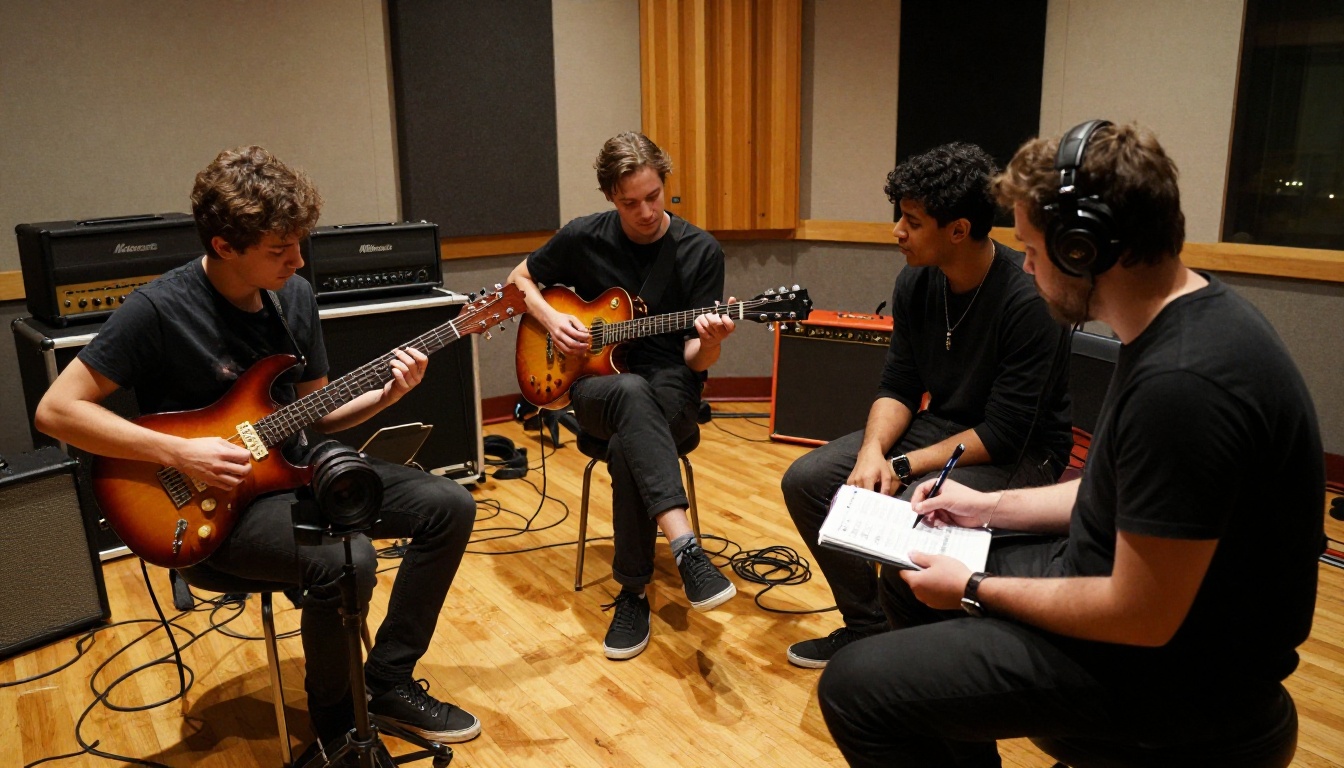
Beyond music, creators working on podcasts, audiobooks, or video content often need voice narration that sounds natural for mature themes. Several text-to-speech models on PicassoIA handle this with the naturalness and expressive range that mature content requires.
Speech 2.8 HD for Studio-Quality Narration
Minimax Speech 2.8 HD produces studio-quality AI voiceovers with natural prosody and breath patterns. For long-form narration where consistency and audio fidelity matter across extended passages, it delivers smooth, human-sounding speech that holds up without fatigue. The turbo variant, Speech 2.8 Turbo, trades some fidelity for speed, which works well for rapid iteration during the drafting phase.
ElevenLabs V3 for Expressive Performance
ElevenLabs V3 is the model to use when the narration needs emotional performance rather than neutral readout. It handles angry, sorrowful, comedic, and intense deliveries with more nuance than most text-to-speech systems. For horror narration, character-driven storytelling, or any content where the voice needs to carry emotional weight, V3 is the right choice. The V2 Multilingual variant extends this across 30 languages for international projects.
Chatterbox Pro for Voice Customization
Resemble AI Chatterbox Pro allows creating natural voiceovers with detailed voice customization and emotion control. If you need narration in a specific voice type or want to dial in a particular emotional register for dramatic content, Chatterbox Pro gives you that level of control. The standard Chatterbox variant offers voice cloning for projects where you need to match a specific speaker.
💡 Combined Workflow: Generate music with Minimax Music 01 using your own lyrics, then layer spoken-word sections using ElevenLabs V3 for a complete audio production pipeline that you control from script to final mix.
How to Use PicassoIA for AI Music Generation
If you have not used the platform before, starting is straightforward and the range of models means you can find the right tool for almost any audio production need.
- Go to picassoia.com/en/all-models and browse the AI Music Generation category to see all available models
- Select a model based on your goal: full songs with vocals (Minimax Music 2.6, Lyria 3 Pro), instrumental and ambient (Stable Audio 2.5), or custom lyric input (Minimax Music 01)
- Write a detailed prompt specifying genre, tempo, mood, lyrical themes, and instrumentation. More specific prompts produce more accurate results
- Iterate across variations: AI music generation rewards iteration. Run multiple variations on a prompt before settling. Small changes in phrasing can produce noticeably different results
- Combine with TTS: Add voiceover narration to your track using one of the speech models for a complete audio piece that goes beyond music generation alone
The platform runs multiple models so you can compare outputs from different engines on the same prompt without switching between services. That kind of side-by-side comparison is one of the fastest ways to understand how different models handle the same creative brief.
Start Creating Your Own AI Audio
Suno v6 opened a door for a lot of creators who had been frustrated by AI music tools that produced results that sounded like they were filtered for a different audience. The expanded content latitude, combined with real audio quality improvements, makes it a serious tool for adult creators working in mature genres.
But Suno is not the only path, and depending on your workflow it may not be the best one for every project. PicassoIA's AI Music Generation collection gives you access to Minimax, Google Lyria, ElevenLabs, and Stable Audio in one place, alongside text-to-speech tools that cover everything from studio narration to emotional character performance.
Try generating your first track at picassoia.com/en/all-models. Pick a genre you know well, write a specific and detailed prompt, and see what the models produce. The best way to understand what AI audio generation now allows is to push the prompt yourself and find where the creative ceiling actually sits.


