The scroll never stops. Your thumb moves instinctively, pausing only when something catches your eye. That moment of hesitation - that fraction of a second where visual content interrupts the endless scroll - has become the most valuable commodity in social media. Every creator, brand, and influencer competes for that moment. What wins attention today isn't just pretty pictures. It's visual storytelling that feels authentic yet polished, personal yet professional, spontaneous yet intentional.
Three years ago, producing this level of visual content required a photography studio, professional equipment, and hours of editing. Today, it happens on smartphones while drinking morning coffee. The revolution isn't in camera technology - it's in AI image generation that transforms text descriptions into photorealistic visuals. Social media creators have quietly adopted these tools, integrating them into daily workflows until the line between photographed and generated content has nearly disappeared.
Social platforms have created visual economies where engagement translates directly to revenue, opportunities, and influence. Each platform has distinct visual requirements:
- Instagram: High-resolution, aesthetically cohesive feeds with consistent color grading
- TikTok: Vertical format, dynamic movement, attention-grabbing first frames
- Pinterest: Inspirational, detailed, search-optimized for discovery
- Twitter/X: Simple, clear visuals that communicate ideas instantly
- LinkedIn: Professional, polished images that build credibility
Traditional content creation struggles with these demands. Photography requires location access, weather cooperation, model availability, and editing time. Stock photography feels generic and rarely matches brand voice. This gap created the perfect conditions for AI image tools to flourish.
💡 The Economics of Visual Content: A professional photoshoot for social media content costs $500-$2,000 and produces 10-20 usable images. AI generation costs $0.10-$2.00 per image and produces unlimited variations instantly. For content creators publishing daily, this isn't just convenient - it's economically essential.
The Text-to-Image Tools Dominating Social Media

Social media creators have developed clear preferences based on specific needs. The most popular tools share common characteristics: speed, photorealism, platform optimization, and affordability.
Flux Models: The Speed Champions
When Instagram Stories disappear in 24 hours, speed matters more than perfection. The Flux family of models has become the go-to choice for creators who need images now.
Why creators choose Flux:
- Generation time: 2-5 seconds per image
- Platform integration: Mobile-optimized interfaces
- Style consistency: Maintains visual coherence across multiple generations
- Cost: $0.15-$0.30 per generation
📊 Creator Feedback: "I use flux-2-klein-4b for daily Instagram content because I can generate 20 variations during my morning coffee and have the day's visuals ready before breakfast. The speed means I can experiment freely without worrying about costs adding up."
SDXL and Stable Diffusion: The Quality Specialists
For Pinterest pins that need to survive scrutiny at full resolution or LinkedIn posts that establish professional credibility, quality outweighs speed. The SDXL and Stable Diffusion families deliver the detail that matters.
Where these models excel:
- Detail preservation: Fine textures, intricate patterns, realistic lighting
- Commercial readiness: Images suitable for professional use
- Control options: Advanced parameters for precise adjustments
- Community support: Extensive prompt libraries and style guides
Performance Comparison: Text-to-Image Models for Social Media
| Model | Best For | Speed | Cost/Image | Platform Fit |
|---|
| flux-2-klein-4b | Instagram Stories, TikTok | 3 seconds | $0.18 | Mobile-first platforms |
| flux-2-pro | Instagram Feed, Pinterest | 8 seconds | $0.35 | Visual discovery platforms |
| SDXL | LinkedIn, Portfolio | 15 seconds | $0.50 | Professional networks |
| Stable Diffusion 3.5 | Brand Content, Ads | 12 seconds | $0.45 | Commercial use |
| Imagen | Fashion, Product | 10 seconds | $0.40 | E-commerce platforms |
The Mobile-First Revolution
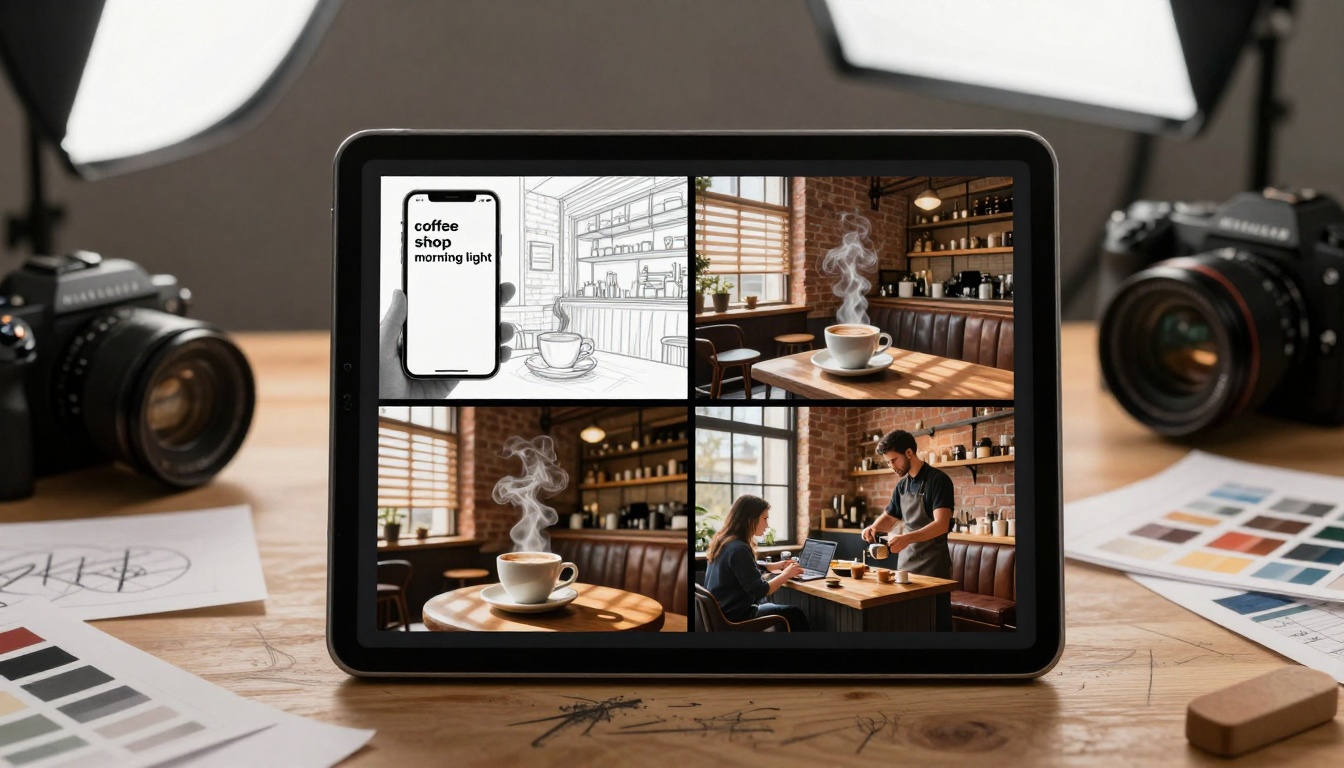
Social media creation happens predominantly on mobile devices. The most successful AI tools have optimized for this reality:
Mobile Integration Features:
- One-tap generation: From idea to image in under 10 seconds
- Offline capabilities: Generate while commuting or in areas with poor connectivity
- Camera roll integration: Direct saving to photo libraries
- Share optimization: Platform-specific formatting (Instagram square, TikTok vertical)
"Mobile isn't just a platform - it's a mindset," explains a lifestyle influencer with 250k Instagram followers. "When inspiration strikes during my morning commute, I need to capture it immediately. The p-image model gives me that instant gratification. By the time I reach my office, I have visual concepts ready to develop into full posts."
Each social platform has become a distinct visual ecosystem. Successful creators don't use the same approach everywhere - they tailor their AI image strategy to platform psychology.
Instagram: The Aesthetic Feed
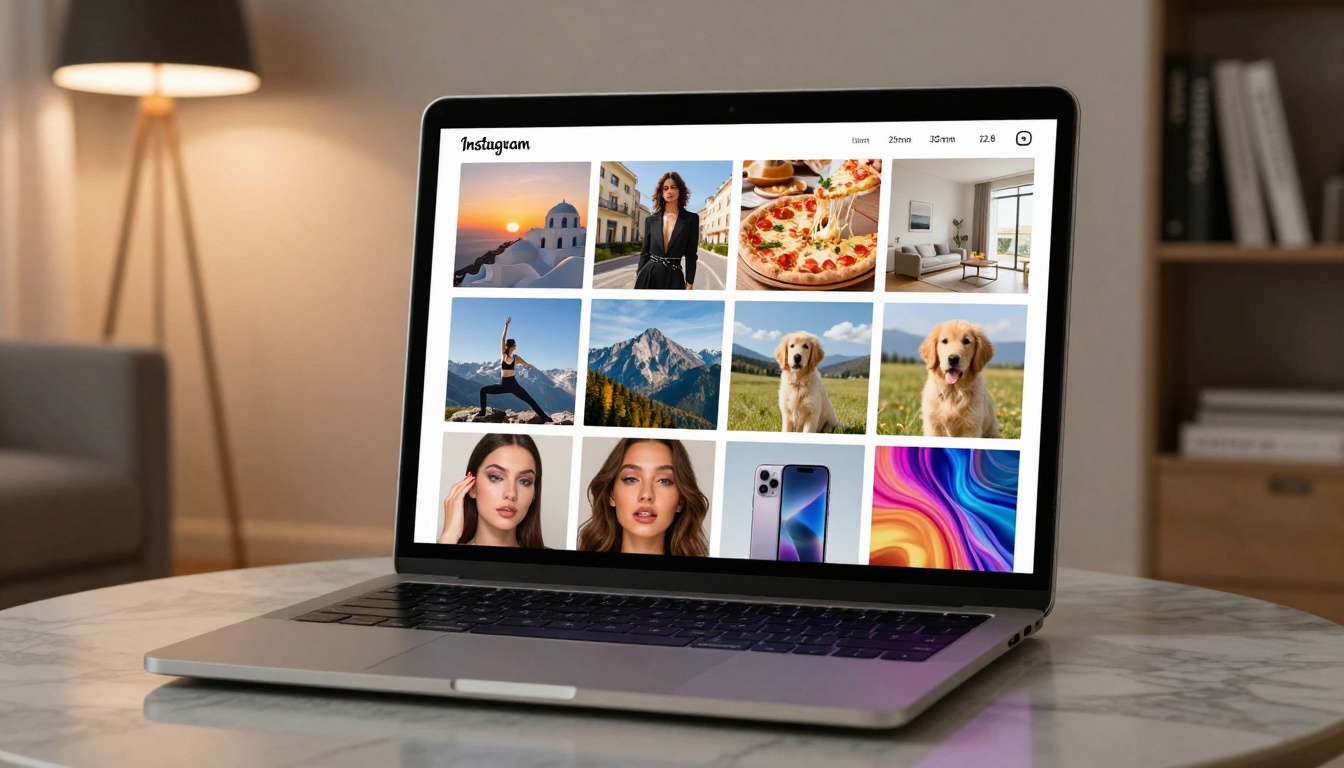
Instagram rewards visual cohesion. The feed operates as a gallery where individual images contribute to an overall aesthetic. AI tools help creators maintain this consistency:
Instagram Optimization Tactics:
- Color palette control: Generating images with specific hex color matches
- Style transfer: Applying consistent visual treatments across generations
- Grid planning: Previewing how 9-12 images will look together before posting
- Seasonal adaptation: Adjusting visual tone for holidays, seasons, or trends
"Instagram audiences have trained eyes," notes a travel creator. "They notice when one image feels different. I use qwen-image-2512 because it gives me fine control over lighting consistency. Whether I'm generating beach scenes or mountain landscapes, the golden hour glow matches perfectly across my feed."
TikTok: The Attention Economy
TikTok operates on different rules. The first 0.5 seconds determine view duration. AI tools here focus on impact rather than perfection:
TikTok-Specific Approaches:
- Motion suggestion: Generating images that imply movement or action
- Text integration: Creating visuals that work with on-screen captions
- Trend participation: Quickly producing content that matches viral formats
- Audio-visual synergy: Images that complement popular sounds or music
"TikTok is about stopping the scroll," explains a comedy creator. "I use z-image-turbo because it's fast enough to keep up with daily trends. When a new sound goes viral, I can generate 20 different visual concepts in minutes and test which gets the best response."
Pinterest: The Discovery Engine
Pinterest users seek inspiration, not entertainment. Images here need to survive close inspection and provide practical value:
Pinterest Optimization:
- Detail richness: Images that reward zooming in
- Instructional clarity: Visuals that explain processes or techniques
- Search optimization: Including text elements that match common queries
- Series creation: Multiple images that tell a complete story
"Pinterest is where people come to plan, not just browse," says a home decor creator. "I use realistic-vision-v5.1 because the textures are perfect. When someone zooms in on a generated living room image, they should see realistic fabric weave, wood grain, and lighting - not AI artifacts."
The Creative Workflow Integration
AI image tools haven't replaced creativity - they've augmented it. The most successful creators use these tools within structured workflows:
The Ideation Phase
Creativity begins with constraint. AI tools excel at rapid exploration:
Ideation Strategies:
- Prompt variations: Generating 10-20 variations from one core idea
- Style exploration: Testing how the same subject looks in different visual treatments
- Mood boarding: Creating visual collections that establish emotional tone
- Concept validation: Testing audience response before committing resources
"I start every campaign with a 50-image generation session using flux-2-flex," shares a brand manager. "It costs about $10 and gives me visual concepts that would take weeks to produce traditionally. We present these to stakeholders, get feedback, and only then move to production."
The Production Phase
AI images rarely publish as-is. They become components in larger creations:
Production Integration:
- Background generation: Creating settings for product photography
- Concept visualization: Showing clients what final photos will look like
- Mockup creation: Placing products in lifestyle contexts
- Variety generation: Producing multiple angles of the same scene
"Our photography budget covers shooting the product itself," explains an e-commerce director. "We use playground-v2.5 to generate beautiful environments where we composite our products. This gives us 100 lifestyle images for the cost of 10 traditional photoshoots."
The Optimization Phase
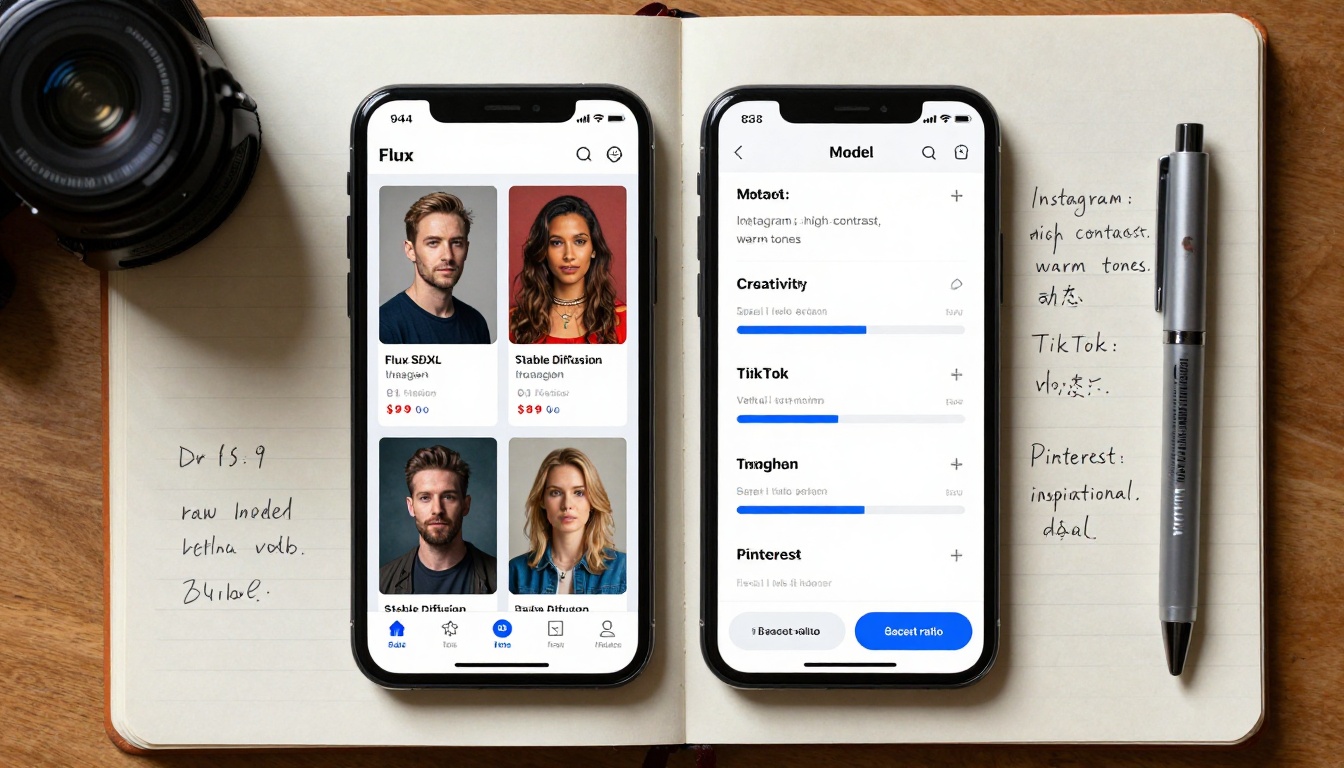
Data drives modern social media strategy. AI tools provide unprecedented testing capabilities:
Optimization Approaches:
- A/B testing: Generating slight variations to test performance
- Platform adaptation: Adjusting images for different social networks
- Audience segmentation: Creating variations for different demographic groups
- Trend responsiveness: Quickly producing content that capitalizes on moments
"We run daily A/B tests using gpt-image-1.5," says a social media analyst. "Two nearly identical images - one with warmer tones, one cooler - can have 40% different engagement rates. AI lets us test these micro-variations at scale."
Cost Considerations and ROI

The financial mathematics of AI image generation have transformed content economics:
Cost Analysis: Traditional vs AI Production
| Expense Category | Traditional Photography | AI Generation | Savings |
|---|
| Equipment | $3,000-$10,000 (camera, lenses, lighting) | $0 (smartphone/computer) | 100% |
| Location | $200-$2,000 per shoot | $0 | 100% |
| Models | $150-$500 per hour | $0 | 100% |
| Editing | 2-8 hours per image ($50-$200) | 0-15 minutes per image ($0-$5) | 90-97% |
| Speed | Days to weeks | Minutes to hours | 95-99% |
📈 ROI Calculation: A fashion influencer spending $300 monthly on AI generation (approximately 600 images) typically sees 3-5x engagement increase compared to stock photography. For accounts monetizing through sponsorships ($1,000-$5,000 per post), this represents a 10-15x return on investment.
The Hidden Costs: What Creators Actually Pay
Beyond generation fees, successful creators invest in:
Skill Development Costs:
- Prompt engineering: Learning to communicate visual ideas effectively
- Style mastery: Understanding how different models interpret descriptions
- Workflow optimization: Integrating AI into existing creative processes
- Quality control: Developing eyes to identify and fix AI artifacts
Infrastructure Costs:
- Storage solutions: Managing thousands of generated images
- Organization systems: Tagging, categorizing, and retrieving assets
- Backup strategies: Ensuring valuable generated content isn't lost
- Version control: Tracking iterations and improvements
Ethical Considerations and Audience Perception
The relationship between creators and audiences has evolved with AI adoption:
Transparency Expectations
Audiences have become sophisticated at detecting AI-generated content. Successful creators navigate this transparency:
Transparency Strategies:
- Clear labeling: Indicating when images are AI-generated
- Educational content: Showing audiences how the tools work
- Process sharing: Demonstrating the creative journey from prompt to final image
- Value focus: Emphasizing the idea and execution rather than the tool
"My audience knows I use AI," explains a concept artist. "They don't care about the tool - they care about the vision. I show them my prompt notebooks, the 20 failed generations before the perfect one, and the editing process. The transparency builds trust rather than undermining it."
Authenticity in an AI World
Paradoxically, AI tools can enhance authenticity when used thoughtfully:
Authenticity Preservation:
- Personal style: Developing consistent visual signatures across AI generations
- Story integration: Using generated images to support personal narratives
- Emotional connection: Ensuring visuals evoke genuine feeling
- Value alignment: Matching generated content to core brand values
"AI doesn't make me less authentic - it makes me more expressive," says a mental health advocate. "When words fail to describe depression or anxiety, I can generate images that communicate those feelings. The visuals start conversations that save lives. That's authentic purpose."
The evolution continues at accelerating pace. Several trends will shape the next phase:
Real-Time Generation
Speed will become even more critical as social media moves toward instant content:
Coming Developments:
- Live generation: AI creating images during live streams
- Interactive creation: Audiences influencing generation in real-time
- Context awareness: Tools understanding trending topics and generating relevant content
- Platform integration: Native AI features within social apps
Personalization at Scale
AI will enable mass personalization - creating unique visual experiences for each viewer:
Personalization Potential:
- Demographic adaptation: Images tailored to viewer age, location, interests
- Behavioral response: Content that changes based on engagement patterns
- Cultural sensitivity: Visuals adapted to different cultural contexts
- Accessibility features: Images optimized for different visual abilities
Cross-Platform Cohesion
Tools will help creators maintain consistent identity across fragmented platforms:
Cohesion Solutions:
- Style synchronization: Ensuring visual consistency across Instagram, TikTok, Pinterest, etc.
- Format adaptation: Automatically reformatting images for different platforms
- Performance tracking: Analyzing what works where and why
- Content recycling: Intelligently repurposing successful visuals
Getting Started: Practical First Steps
If you're considering integrating AI image tools into your social media strategy, begin with these practical steps:
1. Platform Assessment
Evaluate your current situation:
- Which platforms drive your most valuable engagement?
- What visual content performs best currently?
- Where do you experience content creation bottlenecks?
- What's your current visual content budget?
2. Tool Selection
Choose based on needs, not hype:
3. Skill Development
Build competence systematically:
- Start simple: Master basic prompts before advanced techniques
- Study examples: Analyze successful AI-generated social content
- Practice daily: Regular use builds intuition faster than occasional sessions
- Join communities: Learn from other creators' experiences and mistakes
4. Integration Planning
Design your workflow:
- Identify use cases: Where will AI provide most value immediately?
- Set boundaries: What will you always create traditionally?
- Establish processes: How will AI fit into existing workflows?
- Measure impact: What metrics will determine success?
The Visual Language Evolution
Social media has always been visual, but the definition of "visual" keeps expanding. Text-to-image AI tools represent the latest chapter in this evolution - not replacing human creativity but expanding its vocabulary. The most successful social media creators understand this isn't about choosing between photography and generation. It's about mastering a hybrid visual language that uses every available tool to communicate ideas, evoke emotions, and build connections.
The images that stop scrolling today aren't created by cameras alone. They're born from imagination, translated through text, realized through algorithms, and refined through human judgment. This collaborative creation - between human vision and machine execution - produces visuals that feel simultaneously impossible and authentic. That paradox - the blend of fantastic and familiar - is what makes AI-generated social media content so compelling.
Your next post could begin with a simple text description. What will you create?


