Explore how AI-generated voices transform social media content creation, from realistic narration to character voices that captivate audiences. Understand the technology behind text-to-speech tools powering today's most engaging TikTok videos and Instagram Reels, including voice cloning, emotional modulation, and platform-specific optimization strategies that help creators produce professional-quality content without studio recording equipment.
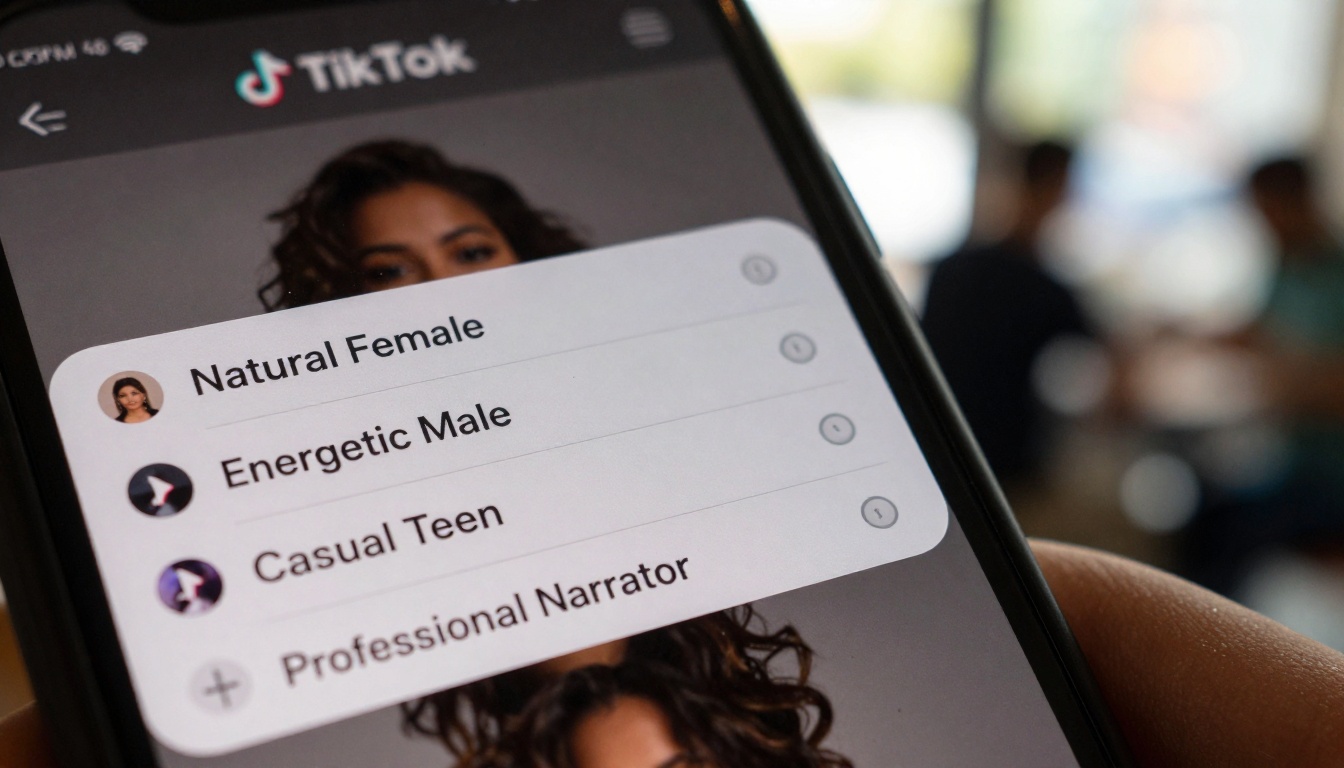
The transformation of social media content creation is happening not through cameras or editing software, but through voices. Specifically, AI-generated voices that convert text into realistic speech are becoming the secret weapon for TikTok and Instagram Reels creators. What started as robotic, monotone speech synthesis has evolved into emotionally nuanced, studio-quality audio that viewers can't distinguish from human narration.
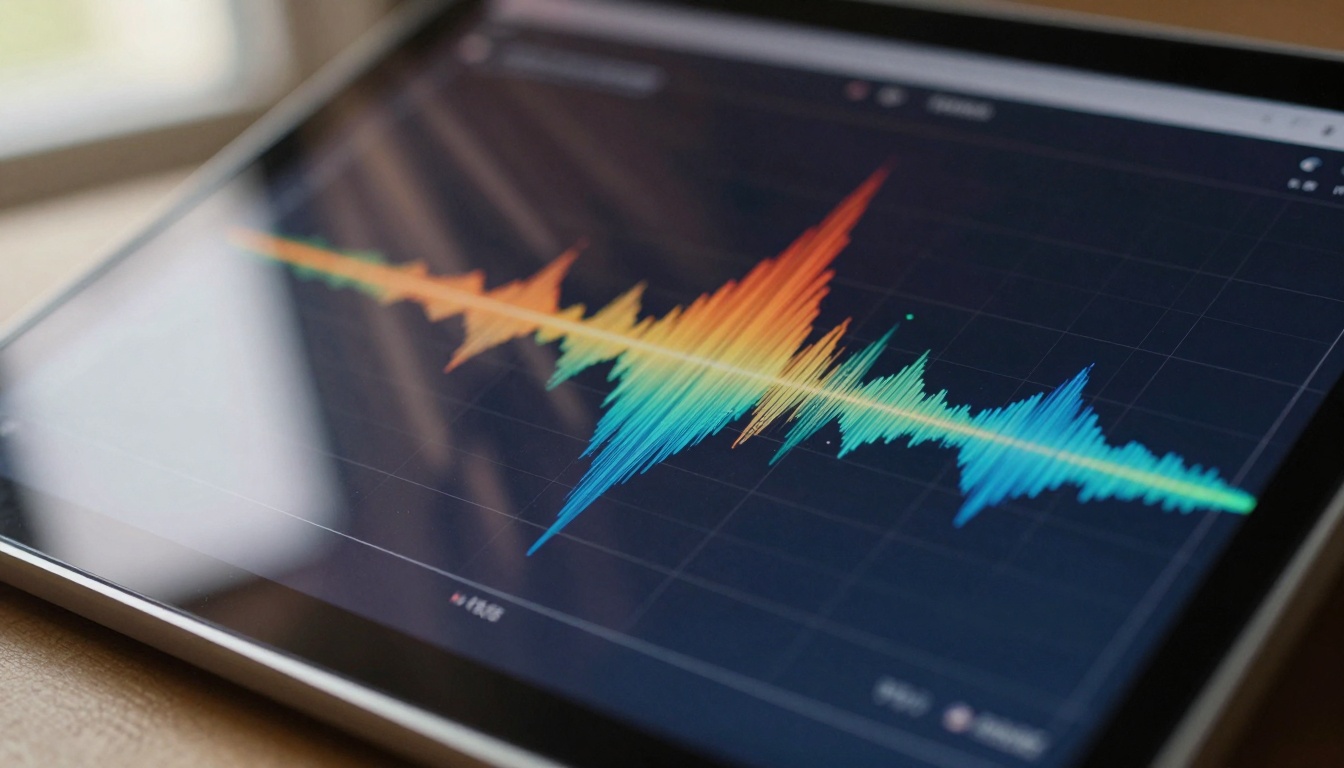
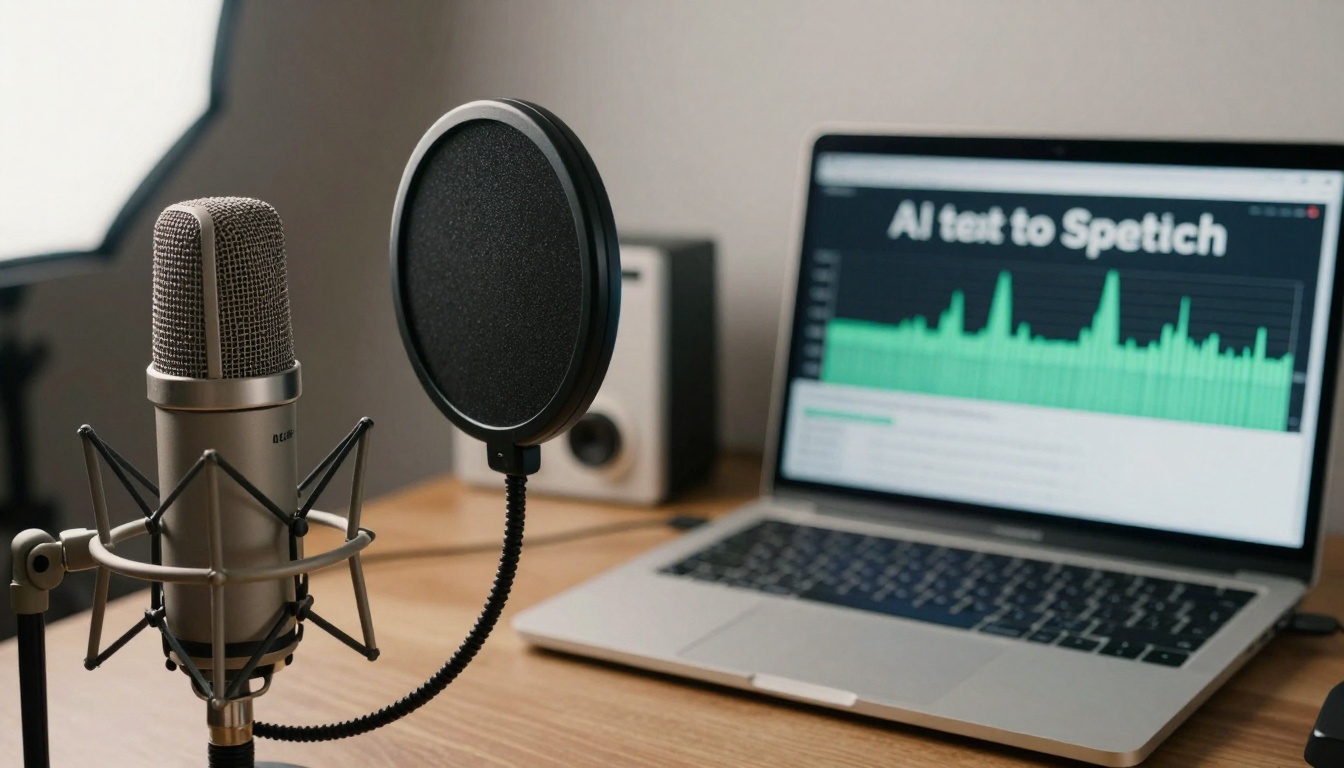
Close-up of spectral analysis showing the intricate frequency patterns of AI-generated speech
The Voice Revolution in Short-Form Content
Short-form video platforms have created an audio-first content environment. TikTok's algorithm prioritizes videos with clear, engaging audio, while Instagram Reels favors content with professional-sounding narration. The challenge for creators has always been producing consistent, high-quality voiceovers without access to recording studios or expensive equipment.
Why AI Voices Dominate TikTok and Reels
Three factors explain the rapid adoption of text-to-speech technology:
Consistency: AI voices deliver identical quality across hundreds of videos
Scalability: Create voiceovers in minutes instead of hours
Accessibility: No microphone, acoustic treatment, or audio engineering skills required
💡 Platform Insight: TikTok's "For You" page algorithm reportedly favors videos with clear, intelligible audio. AI-generated voices consistently score higher on speech clarity metrics than amateur recordings.
The Technical Magic Behind Realistic Speech
Modern text-to-speech systems use neural networks trained on thousands of hours of human speech. The breakthrough came with WaveNet architecture and subsequent improvements that capture:
Prosody: Natural rhythm, stress, and intonation patterns
Emotion: Subtle vocal inflections that convey feeling
Articulation: Precise pronunciation of complex words
Breathing patterns: Natural pauses and breath sounds
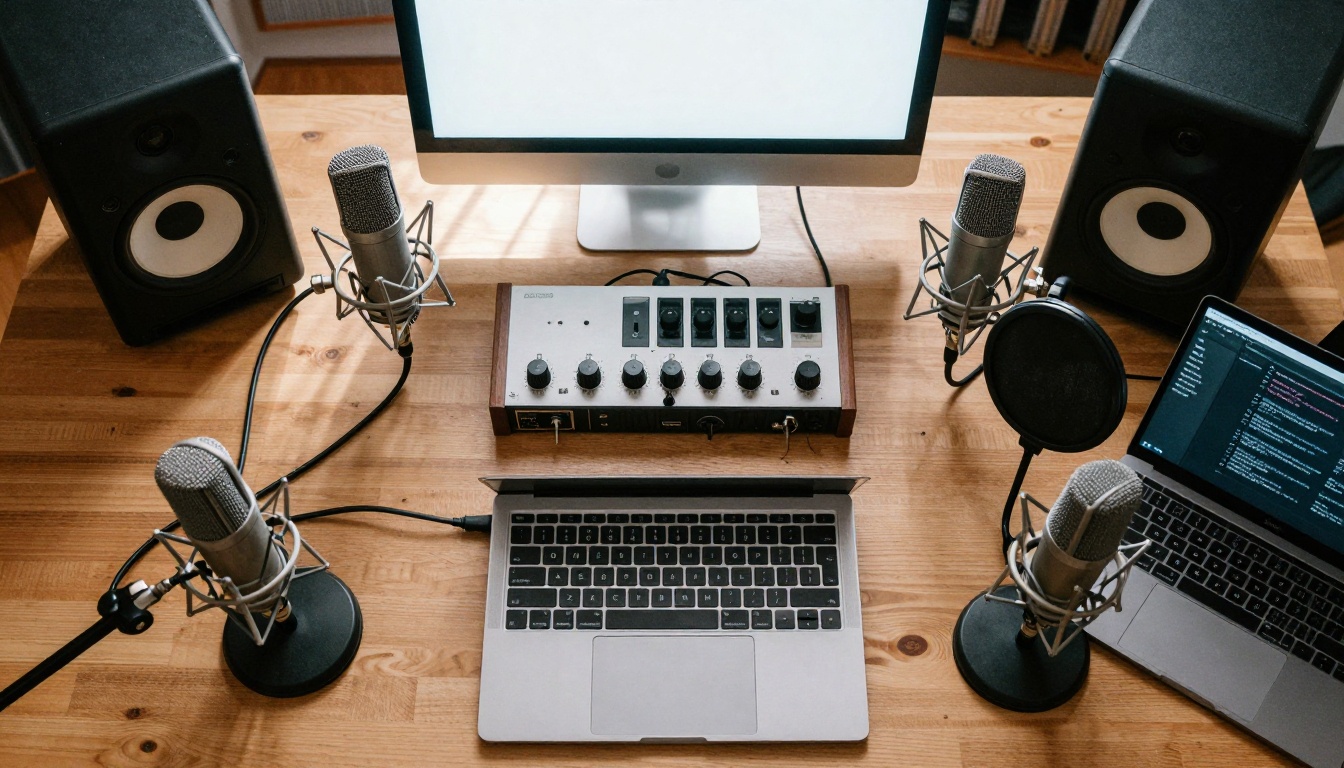
Aerial view comparing traditional recording equipment with AI text-to-speech workflow
Essential Text-to-Speech Tools for Creators
Several platforms offer text-to-speech capabilities, but PicassoIA provides specialized models optimized for social media content creation.
High-Fidelity Voice Generation Options
PicassoIA's text-to-speech models offer distinct advantages for creators:
Speed adjustment: Match speaking pace to video editing rhythm
Pitch control: Create different character voices from one base model
Volume normalization: Ensure consistent audio levels across videos
Voice Cloning for Brand Consistency
The voice-cloning model enables creators to establish a recognizable vocal brand. Upload 60 seconds of sample audio, and the system generates new content in that same voice.
Brand voice applications:
Corporate channels: Maintain executive voice across all content
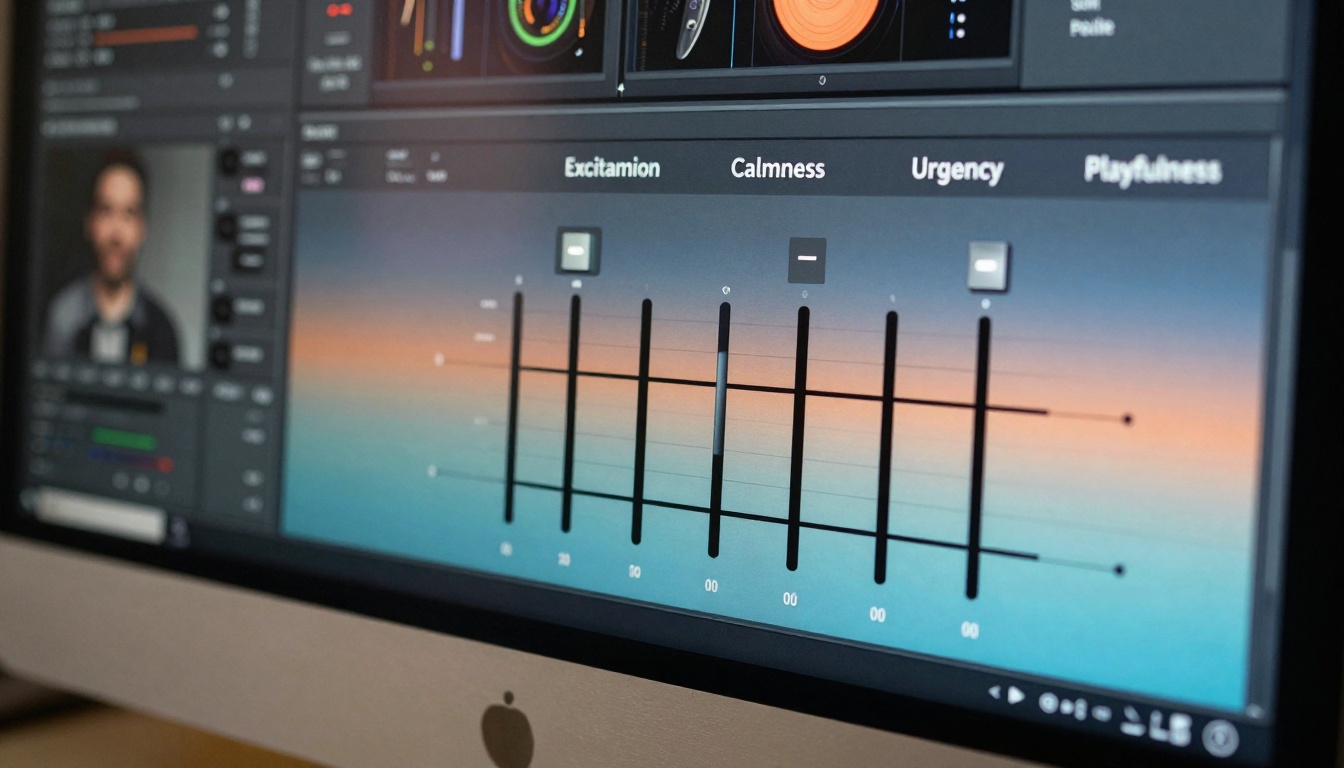
Detailed view of emotion control sliders for fine-tuning vocal delivery
Future Voice Trends in Social Media
Text-to-speech technology continues evolving with several emerging trends that will shape content creation.
Real-Time Voice Generation
The next frontier is instant voice synthesis that happens as you type:
Live content narration: Voice generated during live streams
Interactive storytelling: Branching narratives with instant voice changes
Real-time translation: Voice conversion between languages during creation
Technical requirements:
Sub-100ms latency for seamless experience
Consistent quality across generation speeds
Emotion preservation at accelerated rates
Personalized Voice Experiences
Future platforms may offer viewer-specific voice customization:
Regional accents: Automatically adapt to viewer's location
Listening preference: Calm vs energetic based on user profile
Accessibility features: Slower pace for comprehension assistance
Language learning: Clearer pronunciation for language students
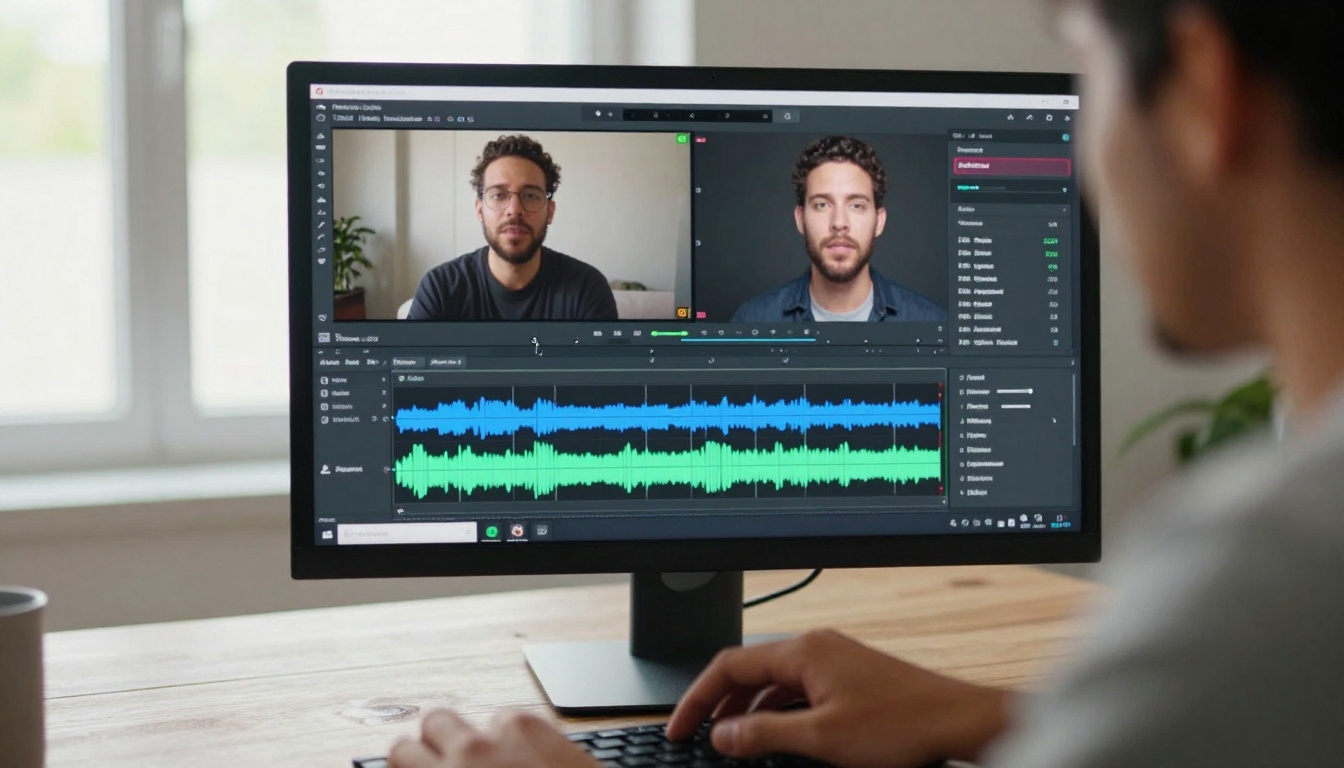
Side-by-side comparison showing space and equipment savings with AI voice workflow
Putting It All Together
The landscape of social media audio has permanently shifted. What was once a technical limitation—producing consistent, high-quality voiceovers—has become a creative advantage through AI text-to-speech technology. The tools available on platforms like PicassoIA provide creators with professional-grade vocal capabilities that were previously accessible only to studios with substantial budgets.
The speech-2.6-hd model delivers studio-quality narration, while voice-cloning enables unique brand voice development. For rapid production, speech-02-turbo offers near-instant generation with impressive quality.
Three actionable steps to implement AI voices today:
Start with speech-02-turbo for rapid experimentation and workflow integration
Develop your brand voice using the cloning capabilities once you establish a preferred tone
Master emotion controls to match vocal delivery to each piece of content's purpose
The barrier between idea and finished content has never been lower. With AI text-to-speech, your words transform into engaging audio that captures attention, builds connection, and drives platform algorithm favor. The technology isn't replacing human creativity—it's amplifying it by removing technical obstacles and opening new expressive possibilities.
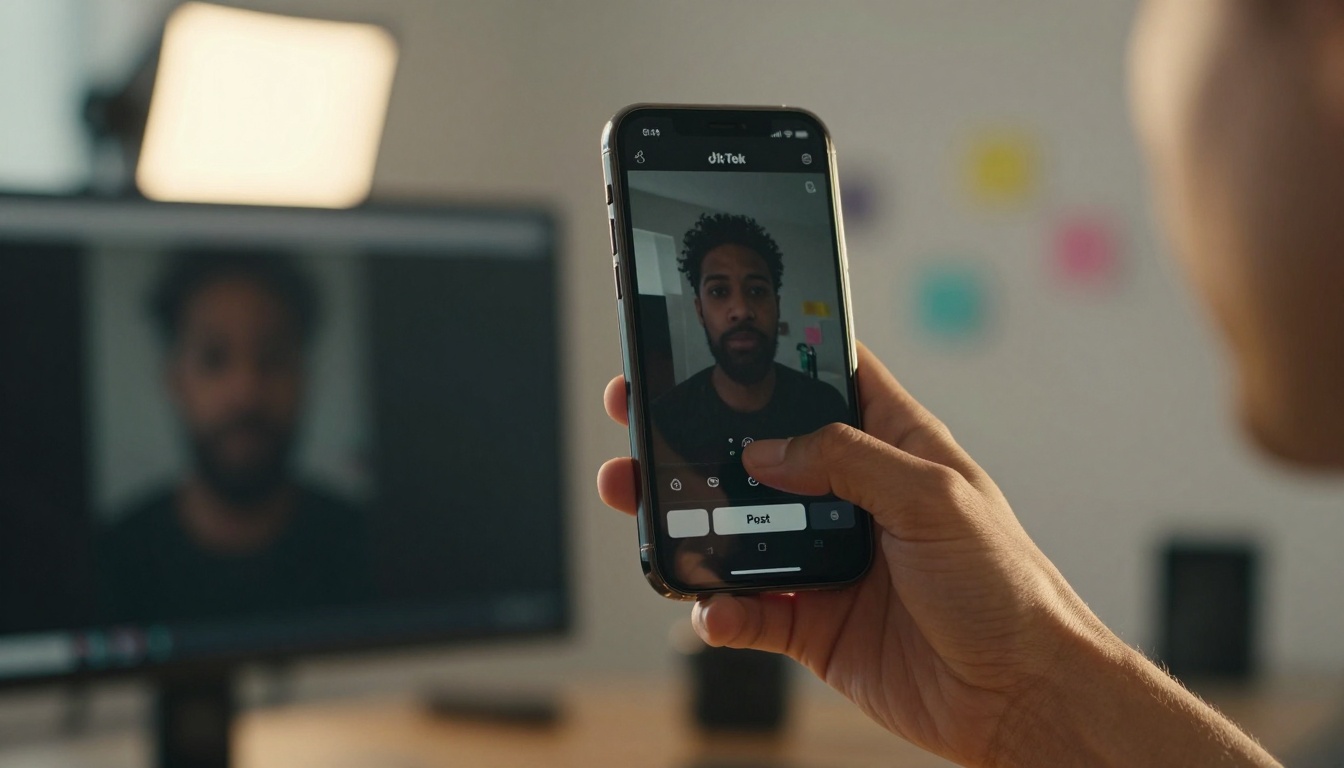
The decisive moment of publishing content with AI-generated voiceover
What separates successful TikTok and Reels creators isn't just their video editing skills or on-camera presence—it's their understanding of audio as the primary engagement driver. AI text-to-speech provides the tools to master this dimension of content creation with precision, consistency, and creative flexibility previously unimaginable.
The voices powering today's most engaging short-form content aren't recorded in studios—they're generated from text by sophisticated AI systems. This shift represents more than technological advancement; it's a fundamental change in how creators bring ideas to life. The question isn't whether to adopt these tools, but how quickly you can integrate them into your creative workflow to produce content that stands out in increasingly competitive social feeds.