The landscape of content creation has undergone a radical transformation. Where once professional cameras, editing suites, and production teams were essential for creating compelling video content, today's viral sensations often originate from simple text descriptions typed into smartphone apps. This shift represents more than technological advancement—it's a fundamental rethinking of who gets to create and what constitutes professional-quality content.
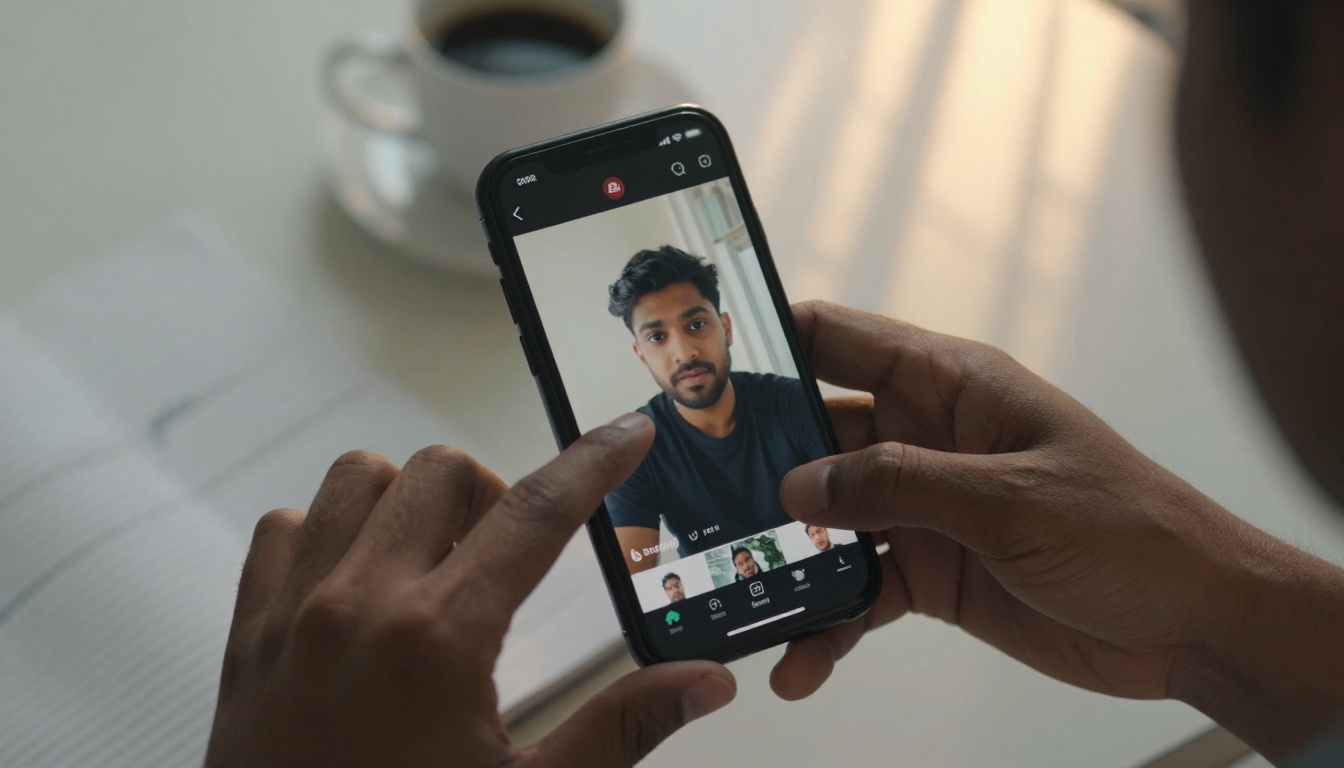
Close-up aerial drone shot showing content creator's hands manipulating smartphone interface with text-to-video app open
What Text-to-Video Actually Means
Text-to-video technology represents the convergence of natural language processing, computer vision, and generative AI. When you type "cinematic sunset beach scene with waves crashing" into an app, sophisticated algorithms interpret your description, reference millions of training examples, and generate a unique video sequence that matches your request.
💡 The Core Mechanism: These systems don't just match keywords to stock footage. They understand context, emotion, and visual storytelling principles. When you request "joyful birthday celebration," the AI considers lighting, character expressions, color palettes, and camera movements that convey happiness.
The Psychology Behind Viral Content
Viral videos share specific characteristics that text-to-video apps are increasingly adept at replicating:
| Viral Element | How AI Recreates It | Example Prompt |
|---|
| Emotional resonance | Analyzes emotional keywords and applies appropriate visual tone | "Heartwarming reunion between long-lost friends" |
| Unexpected visuals | Generates novel combinations of elements | "Penguin wearing sunglasses surfing on lava" |
| Cultural relevance | References current trends and memes | "Popular dance challenge in futuristic city" |
| Shareable moments | Creates clear beginning-middle-end structure | "Three-second satisfying transformation clip" |
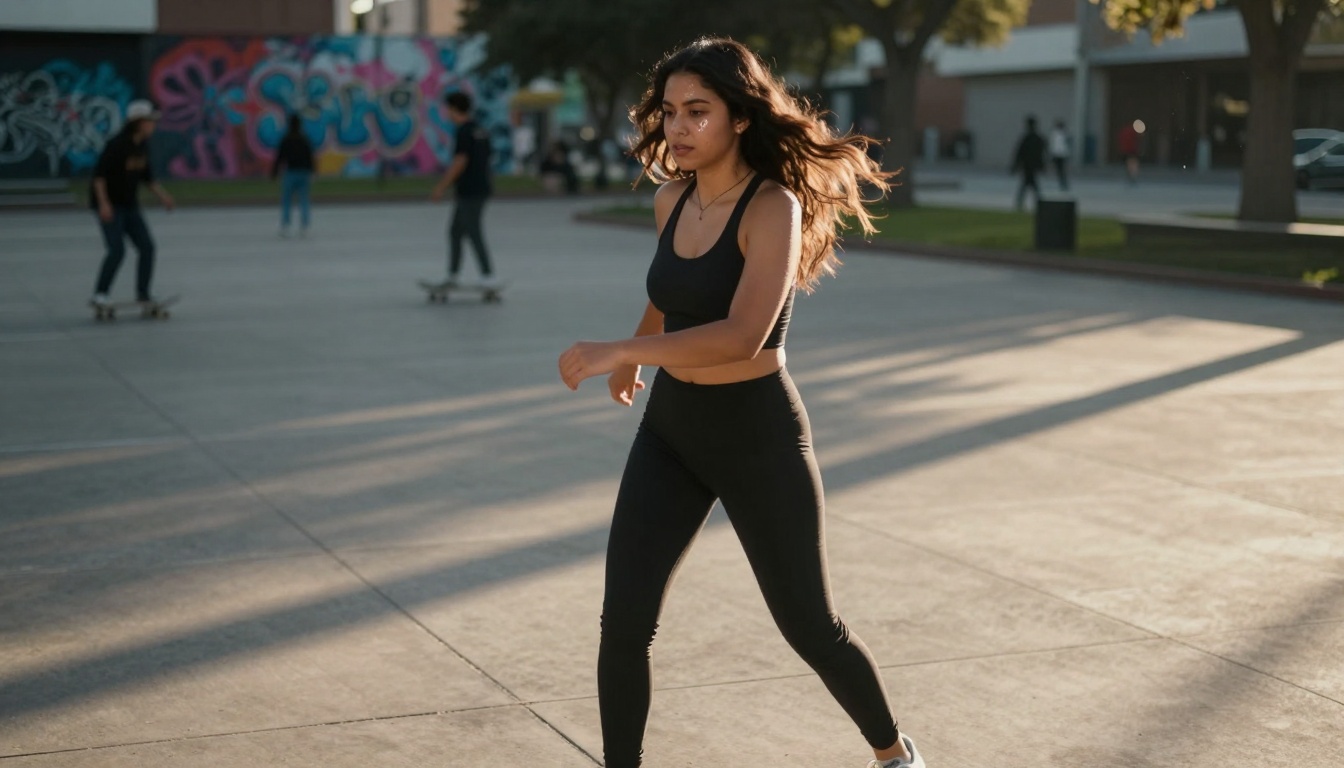
Medium shot capturing young woman creating viral dance trend video in urban park setting
Top Text-to-Video Platforms for Creators
AI-Powered Generation Platforms
PicassoIA offers numerous text-to-video models including:
- kling-v2.6 - Advanced motion control and realistic physics
- seedance-1.5-pro - High-quality character animation
- wan-2.6-t2v - Rapid generation with detailed environments
- sora-2-pro - Cinematic quality with complex narratives
- veo-3.1 - Google's latest with improved temporal consistency
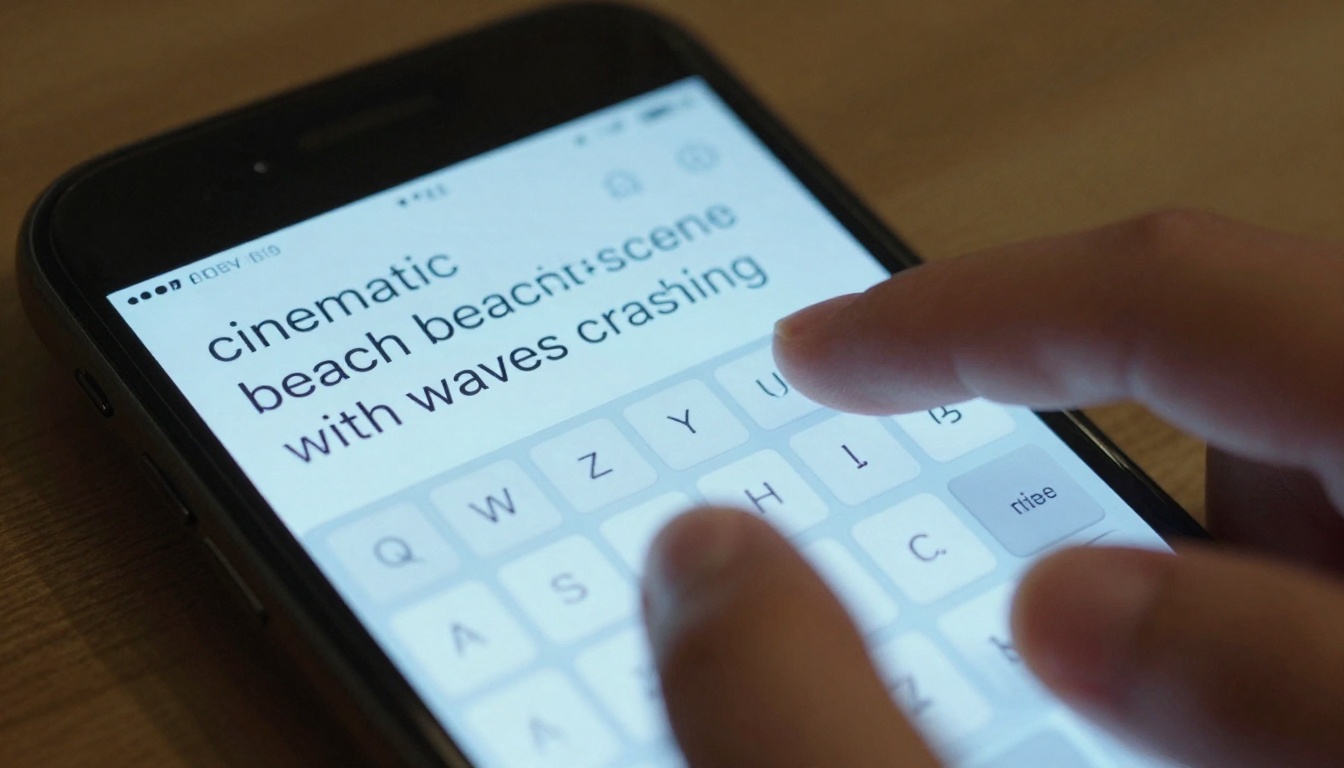
Extreme close-up of smartphone screen showing text prompt interface for AI video generation
Mobile-First Creation Apps
These apps prioritize smartphone workflows:
- CapCut with AI video generation features
- InShot Pro incorporating text-to-video
- VLLO with AI scene generation
- KineMaster AI expansion packs
Crafting Prompts That Actually Work
The difference between mediocre and viral content often comes down to prompt engineering. Here's what separates effective prompts from generic ones:
Weak Prompt: "A beach scene"
Strong Prompt: "Aerial drone shot tracking along pristine white sand beach during golden hour, turquoise waves crashing with realistic foam physics, cinematic 24mm lens with shallow depth of field, Kodak Portra 400 film grain, volumetric light through palm trees"
Prompt Structure Breakdown
- Camera Perspective: Specify angle (aerial, ground-level, POV)
- Lighting Conditions: Golden hour, dramatic shadows, soft diffusion
- Lens Characteristics: Focal length, aperture, depth of field
- Motion Elements: Camera movement, subject animation speed
- Style References: Film stock, artistic movement, specific directors
- Emotional Tone: Joyful, melancholic, suspenseful, nostalgic
The Workflow from Text to Viral
Phase 1: Ideation and Conceptualization
Most viral content starts with observing cultural patterns:
- Trending audio on TikTok/Reels
- Current meme formats
- Seasonal events and holidays
- Emotional moments people share
💡 Pro Tip: Use tools like pixverse-v5 for testing multiple visual interpretations of the same concept before committing to full production.

Dutch angle shot showing content creator analyzing viral video metrics dashboard
Phase 2: Prompt Refinement and Generation
This iterative process involves:
- Base Generation: Create initial video with wan-2.5-t2v-fast
- Style Adjustment: Apply specific aesthetics with kling-v2.6-motion-control
- Quality Enhancement: Upscale and refine with veo-3.1-fast
Phase 3: Post-Production and Optimization
Even AI-generated content benefits from traditional editing:
- Audio Layering: Add trending sounds and effects
- Text Overlays: Include captions for silent viewing
- Pacing Adjustments: Edit to platform-specific lengths
- Thumbnail Creation: Generate compelling still frames
Real Case Studies: From Text to Millions
Case Study 1: The "Satisfying Transformation" Trend
Original Text Prompt: "Macro close-up of dirty sneaker being pressure washed, ultra-slow motion water droplets, satisfying cleaning reveal, ASMR sound design implied"
Platform Used: hailuo-2.3
Result: 12.3 million views across TikTok and Instagram, spawned hundreds of imitations using the same prompt structure with different objects.
Case Study 2: The "Impossible Physics" Meme
Original Text Prompt: "Water flowing upward against gravity in elegant spiral pattern, magical realism aesthetic, studio lighting with dramatic shadows"
Platform Used: seedance-1-pro
Result: 8.7 million views, created new visual meme format where ordinary physics are reversed for comedic or artistic effect.
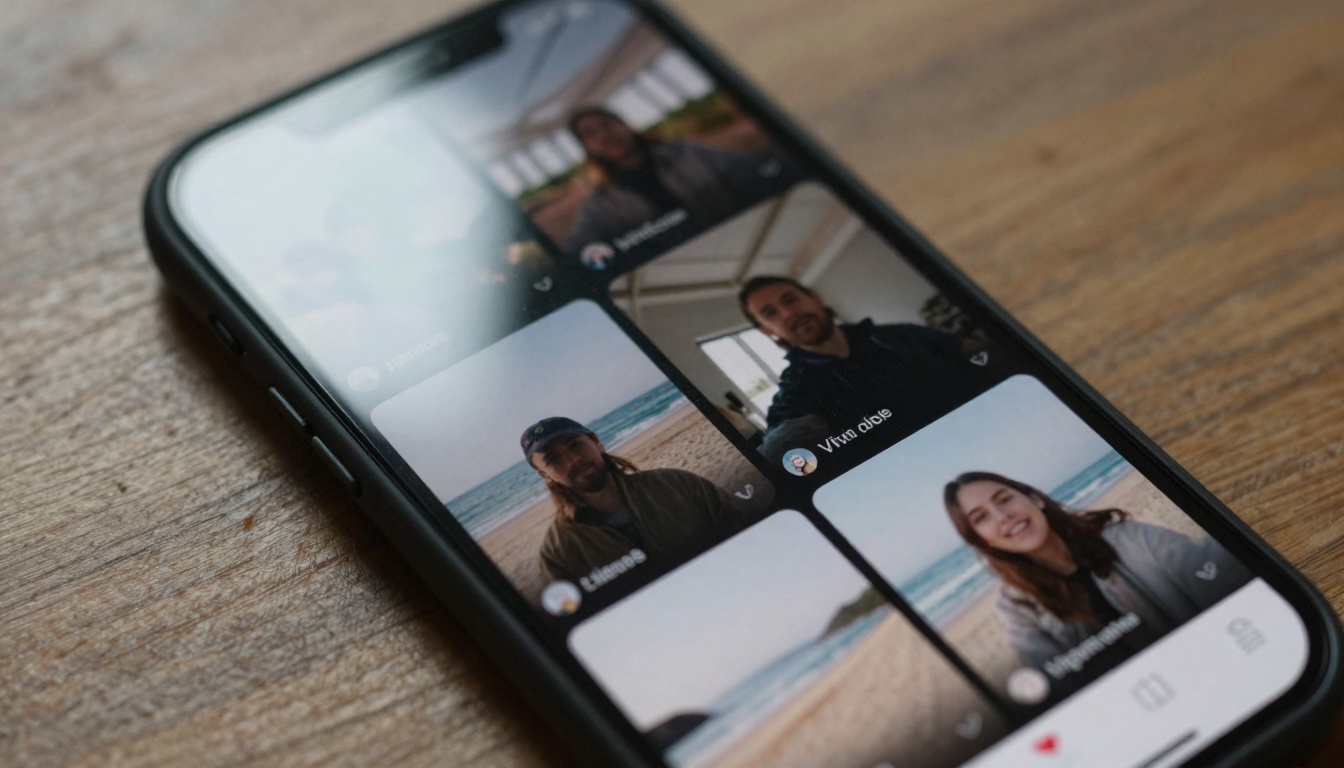
High-angle shot looking down on social media feed showing multiple AI-generated videos in grid layout
Technical Considerations for Quality Output
Resolution and Aspect Ratios
Different platforms have different requirements:
| Platform | Optimal Resolution | Aspect Ratio | Duration |
|---|
| TikTok | 1080x1920 | 9:16 | 15-60 seconds |
| Instagram Reels | 1080x1350 | 4:5 | 15-90 seconds |
| YouTube Shorts | 1080x1920 | 9:16 | 15-60 seconds |
| Twitter/X | 1200x675 | 16:9 | 2:20 minutes |
Frame Rate and Motion Smoothness
Most viral content uses:
- 24fps: Cinematic feel, traditional film look
- 30fps: Standard digital video, balanced smoothness
- 60fps: Ultra-smooth for action/sports content
💡 Motion Quality: Tools like mochi-1 excel at maintaining consistent motion physics across longer generations.
Cost vs. Quality Considerations
Text-to-video generation isn't free, but the economics have shifted dramatically:
Traditional Video Production:
- Camera equipment: $2,000-$10,000
- Lighting setup: $500-$3,000
- Editing software: $300/year
- Location costs: Variable
- Total per project: $500-$5,000+
AI Video Generation:
- Platform subscription: $10-$100/month
- Generation credits: $0.10-$2.00 per video
- Total per project: $5-$50
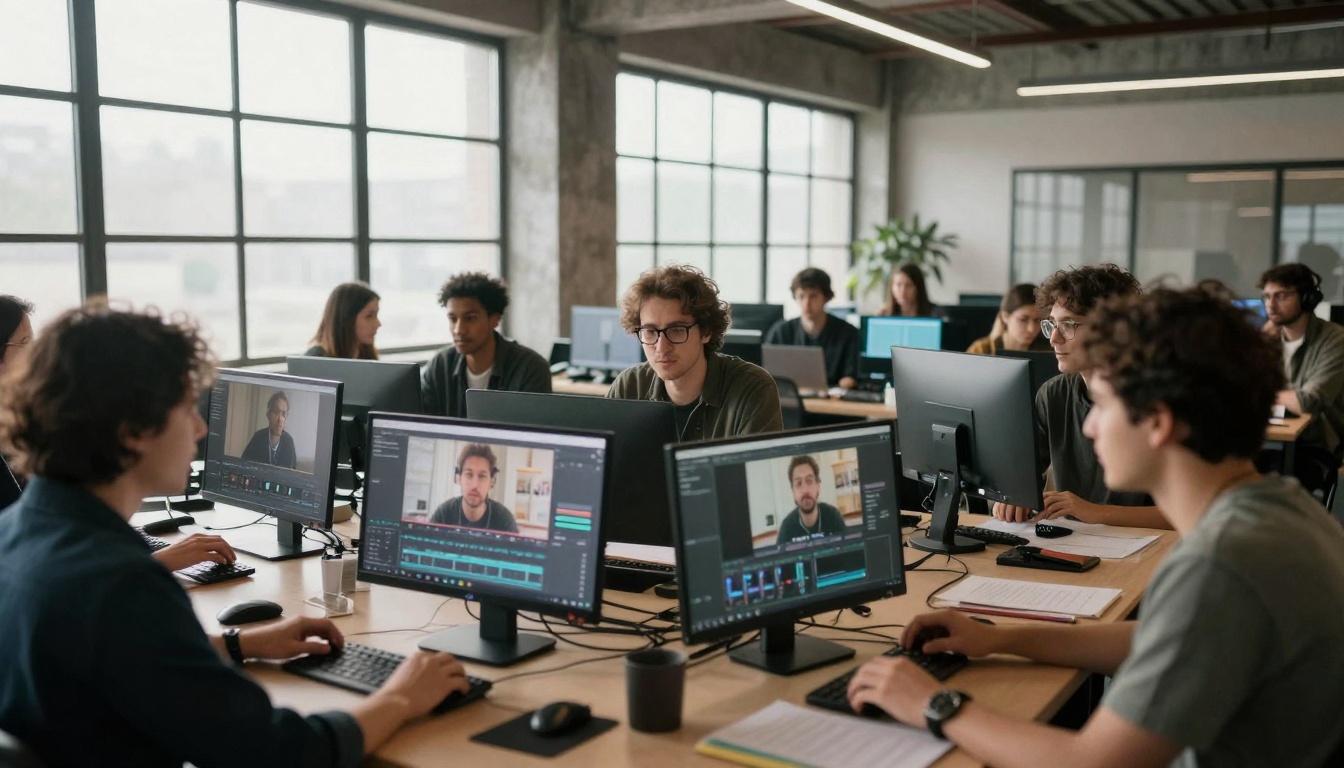
Wide establishing shot capturing collaborative video editing session in modern co-working space
Common Mistakes and How to Avoid Them
Mistake 1: Overly Complex Prompts
Problem: "Epic fantasy battle between dragon and knights with intricate armor details during thunderstorm at medieval castle with multiple camera angles including aerial drone shot and ground-level POV"
Solution: Break into multiple generations:
- Generate establishing shot with ray-2-720p
- Create character close-ups separately
- Combine in post-production
Mistake 2: Ignoring Platform Constraints
Problem: Creating 2-minute cinematic masterpiece for TikTok where attention spans average 7 seconds.
Solution: Use video-01-director to generate multiple short variations of the same concept for A/B testing.
Mistake 3: Negating Audio Considerations
Problem: Beautiful visual with no sound design strategy.
Solution: Always plan audio simultaneously. Describe sound in prompts: "peaceful forest scene with birds chirping and gentle wind rustling leaves, ASMR texture"
Advanced Techniques for Seasoned Creators
Style Transfer Between Models
Combine strengths of different AI systems:
- Generate base structure with stable-diffusion-videos
- Apply motion quality from kling-v2.5-turbo-pro
- Enhance resolution with veo-3
Parameter Fine-Tuning
Beyond basic prompts, advanced creators adjust:
- Seed values for reproducible results
- Guidance scale for prompt adherence vs. creativity
- Step counts for generation quality vs. speed
- Temperature settings for output variability
Batch Processing Workflows
Efficient creators don't generate one video at a time:
- Create prompt template with variables
- Generate 10-20 variations simultaneously
- Quickly review and select best options
- Apply final polish to selected versions
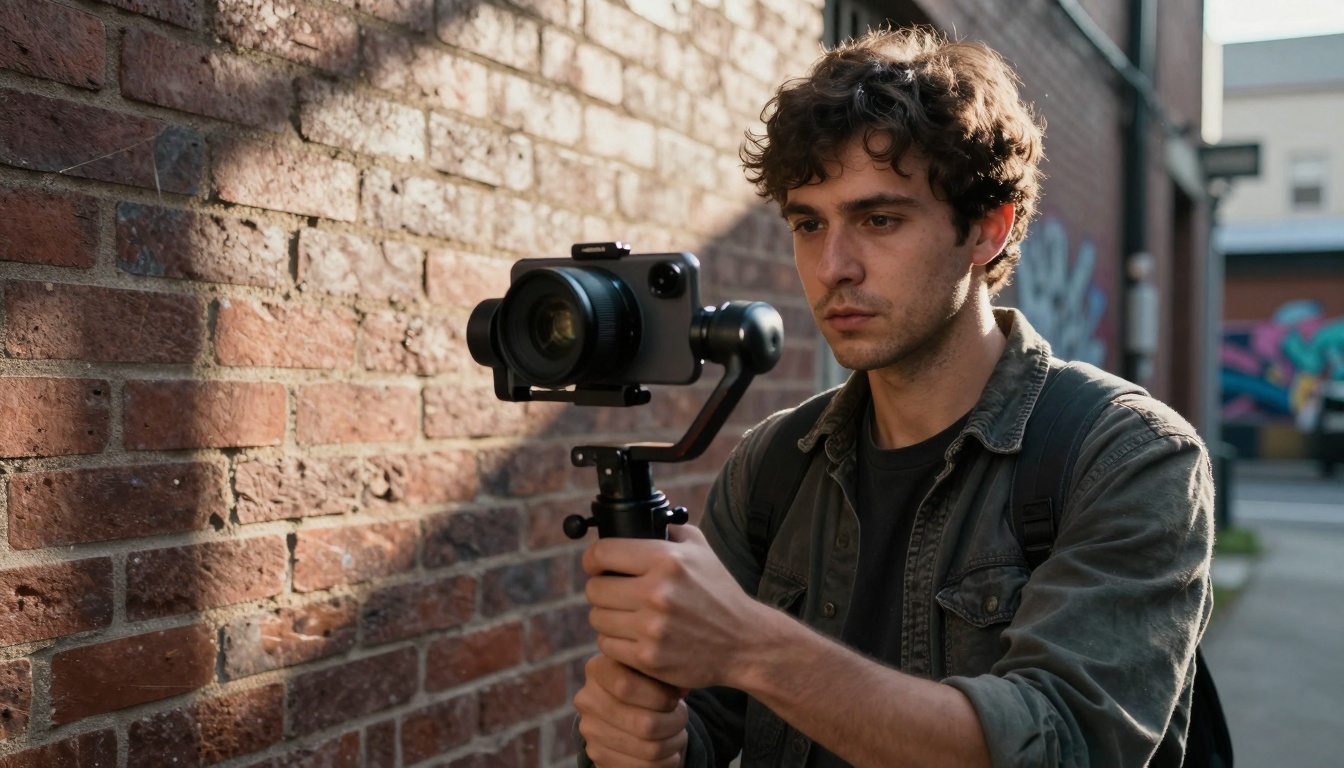
Medium telephoto shot capturing content creator filming B-roll footage with smartphone gimbal in urban alleyway
The Ethics of AI-Generated Viral Content
As text-to-video becomes more prevalent, several ethical considerations emerge:
Authenticity and Disclosure
Should creators disclose AI generation? Current best practices:
- Educational content: Full disclosure encouraged
- Entertainment: Disclosure optional but appreciated
- Commercial use: Clear labeling when representing as "real"
Intellectual Property Considerations
AI models trained on existing content raise questions:
- Style imitation vs. direct copying
- Transformation threshold for fair use
- Attribution for heavily referenced styles
Platform Policies Evolution
Major platforms are developing AI policies:
- TikTok: Requires AI disclosure for realistic content
- Instagram: Testing AI content labels
- YouTube: Developing synthetic media policies
Future Developments on the Horizon
The text-to-video landscape continues evolving rapidly:
Immediate Next Steps (6-12 months)
- Longer coherence: Tools like sora-2 working toward minute-long consistent narratives
- Character consistency: Maintaining identical characters across multiple shots
- Emotional subtlety: More nuanced facial expressions and body language
Medium-Term Projections (1-3 years)
- Real-time generation: Instant video creation as you type
- Style learning: Systems that adapt to your personal aesthetic
- Collaborative AI: Multiple AI systems working together on complex scenes
Long-Term Possibilities (3-5 years)
- Full production pipelines: Script-to-final-edit automation
- Personalized content: AI that knows your audience preferences
- Interactive video: Viewers influence narrative in real-time
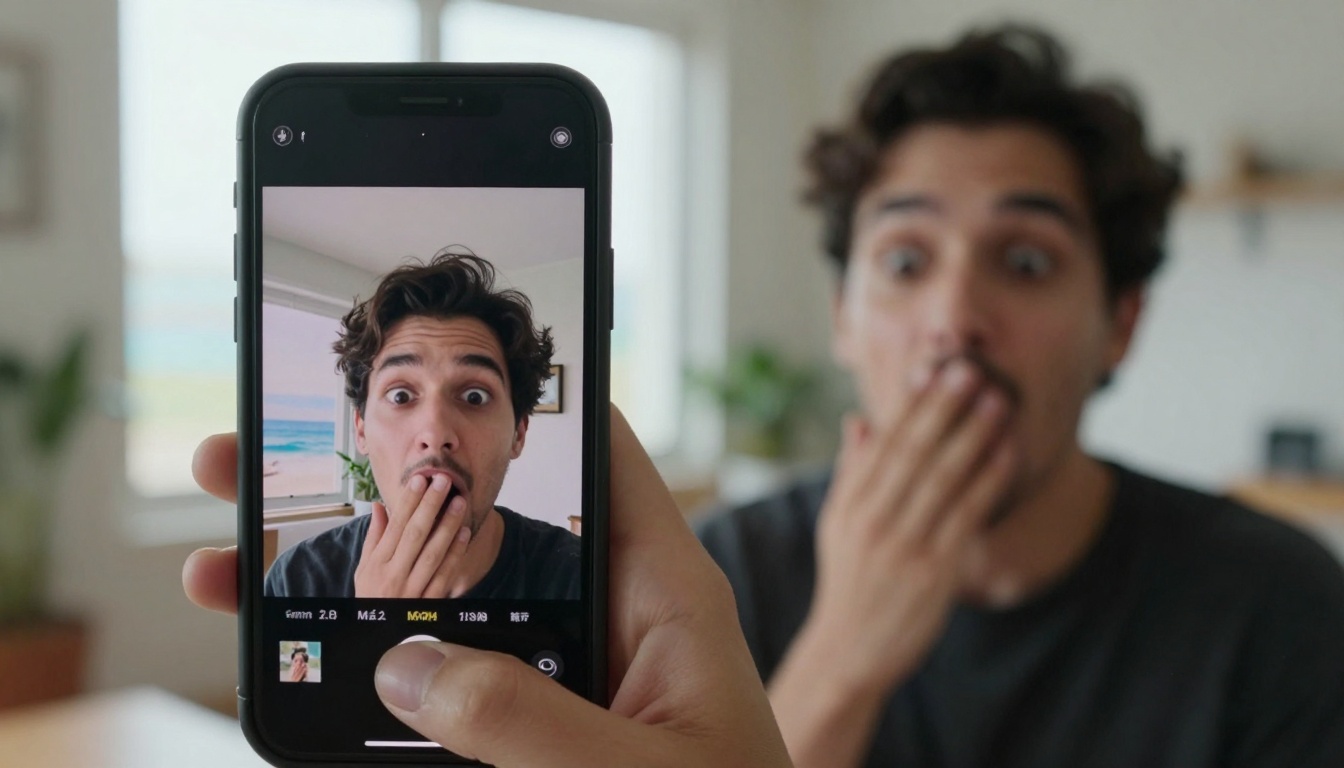
Split focus shot showing both smartphone screen displaying AI-generated video and creator's reaction face
Getting Started with Your First Viral Attempt
Step-by-Step Beginner's Guide
- Choose Your Platform: Start with cogvideox-5b for straightforward generation
- Select Simple Concept: "Cat wearing sunglasses lounging in sunbeam"
- Add Specific Details: "Close-up, cinematic lighting, orange afternoon light"
- Generate Multiple Versions: Create 3-5 variations
- Add Audio: Include trending sound or original music
- Test on Small Audience: Share with friends or small follower group
- Analyze Performance: Note what works and iterate
Budget-Friendly Starting Points
For creators with limited resources:
- Free tiers: Most platforms offer limited free generations
- Community credits: Some platforms reward engagement with generation credits
- Educational discounts: Students often receive special pricing
- Batch discounts: Buying credits in bulk reduces per-video cost
The Creator's Mindset Shift
Successful adaptation to text-to-video requires psychological adjustment:
From "I need perfect equipment"
To "I need compelling ideas"
From "Technical skill limits me"
To "Creative vision drives me"
From "Production is expensive"
To "Iteration is inexpensive"
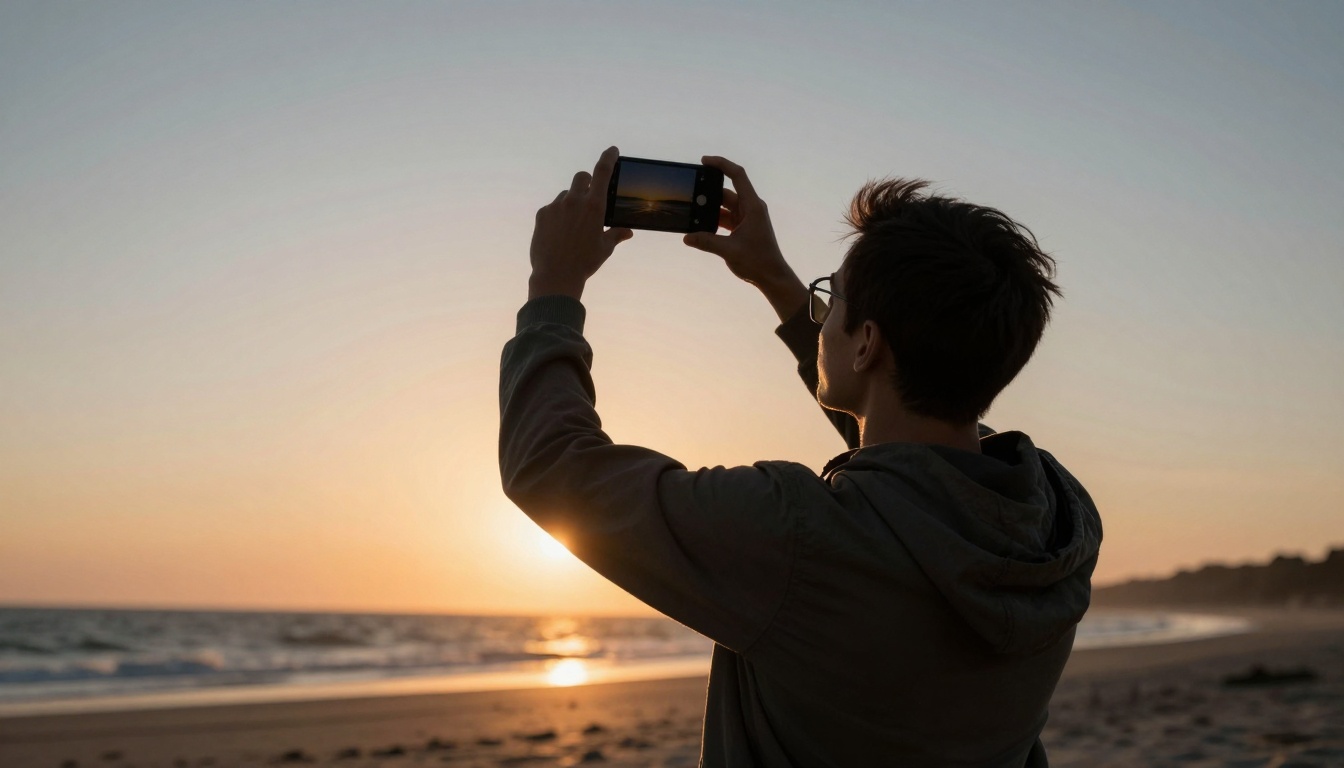
Low-angle worm's-eye view looking up at content creator holding smartphone toward sky for perfect lighting shot
Measuring Success Beyond Views
While view counts matter, sustainable creation considers:
Engagement Metrics That Actually Matter
- Watch time percentage: How much of your video people actually watch
- Shares per view: The sharing coefficient indicating viral potential
- Comment sentiment: Quality of conversation sparked
- Follow-through rate: How many viewers take desired action
Business Outcomes for Professional Creators
- Brand partnership inquiries
- Product/service mentions
- Community growth rate
- Revenue per video (direct and indirect)
The Democratization Effect
Text-to-video tools fundamentally change who can create compelling content:
Previously excluded groups now participating:
- Physical limitation creators: Those unable to operate traditional equipment
- Economic barrier creators: Individuals without equipment budgets
- Time-constrained creators: Professionals with limited production windows
- Geographically isolated creators: Those without local production resources
This democratization doesn't dilute quality—it expands the pool of creative perspectives contributing to cultural conversations.
Your Next Steps
The tools exist. The platforms are waiting. The audience is hungry for fresh content. What separates those who merely consume from those who create viral content isn't technical skill or expensive equipment—it's the willingness to experiment with new creative workflows.
Text-to-video represents the most accessible entry point into professional content creation ever available. Whether you're exploring hunyuan-video for traditional aesthetics or pushing boundaries with animatediff-prompt-travel for experimental animations, the only real limitation is how creatively you can describe what you want to see.
Start with a simple concept today. Type it into an app. Generate. Refine. Share. The distance between your imagination and a viral video has never been shorter. What will you create first?


