Something is happening on TikTok that the platform's algorithm is actively trying to suppress. Creators are quietly using an AI image generator so powerful it produces results that rival professional photography studios, and the videos showing these results keep going viral before they get shadowbanned. The tool? A text-to-image AI that takes a sentence and spits out a photorealistic image in seconds. No camera. No studio. No post-processing degree. Just you and a prompt.
If your TikTok feed has shown you content that made you stop and think "how did they shoot that?", the answer is probably this.
What's Actually Blowing Up Right Now
The videos that keep going viral
Every few weeks a new wave of TikToks floods the FYP showing impossible-looking photography. A woman standing on the edge of a Santorini cliff at golden hour. A product shot that looks like it cost thousands. A travel lifestyle image from a destination the creator has never visited. Comments fill up fast: "what camera is this?", "what editing app?", "this can't be real."
The secret is almost never a camera.
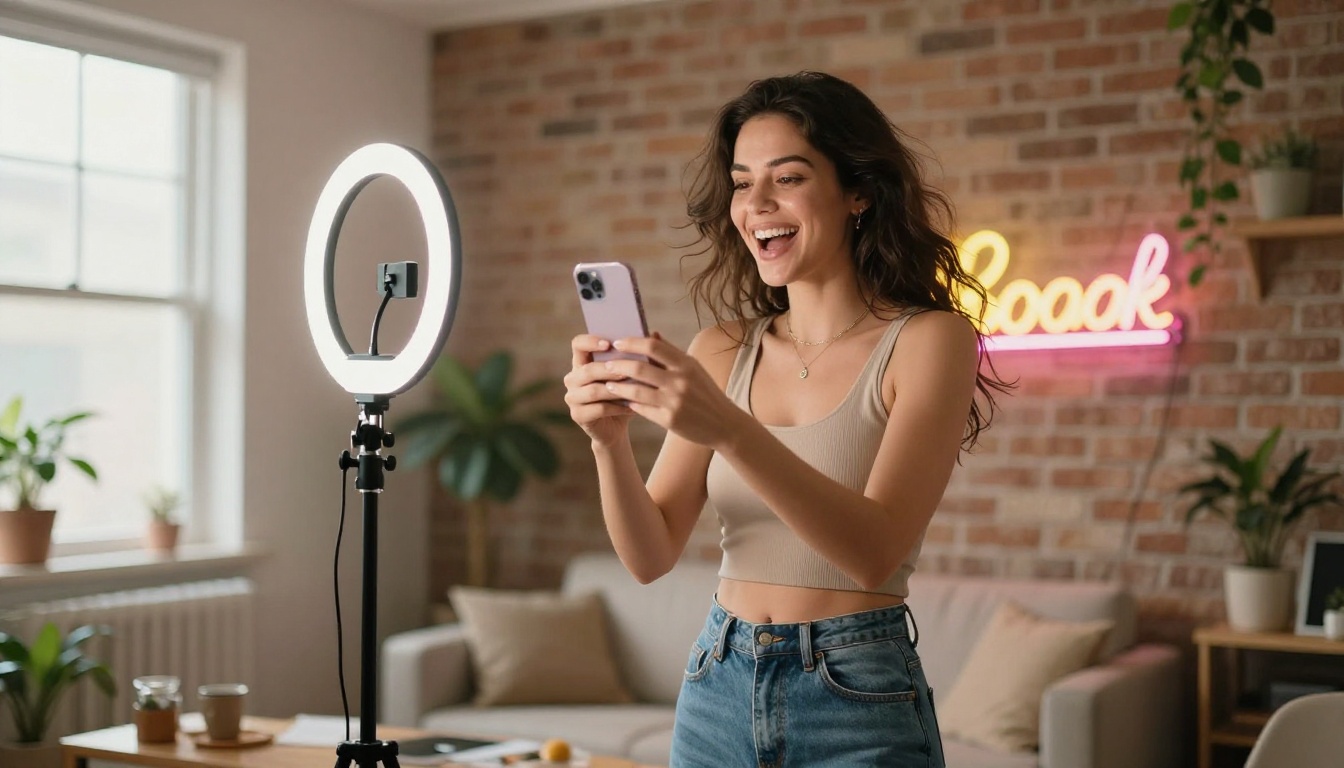
The creators making this content are using AI image generators to produce their visuals, then building TikToks around those images. Reaction videos. Before/after reveals. "I made this with AI" storytimes. The format works because the results are genuinely shocking to viewers who still associate AI imagery with cartoonish or obviously digital aesthetics.
The reality in 2027 is very different from what most people expect.
Why the algorithm gets nervous
TikTok's content moderation is built around authenticity signals. The platform actively suppresses content that feels artificially produced at scale, particularly when creators do not disclose AI-generated imagery. But here is the irony: the images coming out of modern AI generators are so photorealistic that the algorithm often cannot tell. And neither can viewers.
The result is a cat-and-mouse situation where creators are generating viral content at a pace that was impossible two years ago, and TikTok is perpetually one step behind in identifying it. The platform has rolled out AI disclosure labels, but enforcement is inconsistent and the label itself has become a content hook rather than a deterrent. Creators who say "this is AI" in their caption get more curious viewers, not fewer.
💡 The real opportunity: Most creators still think AI image generation means cartoonish or obviously fake outputs. The gap between what they expect and what modern tools actually produce is your competitive advantage right now.
What it actually does
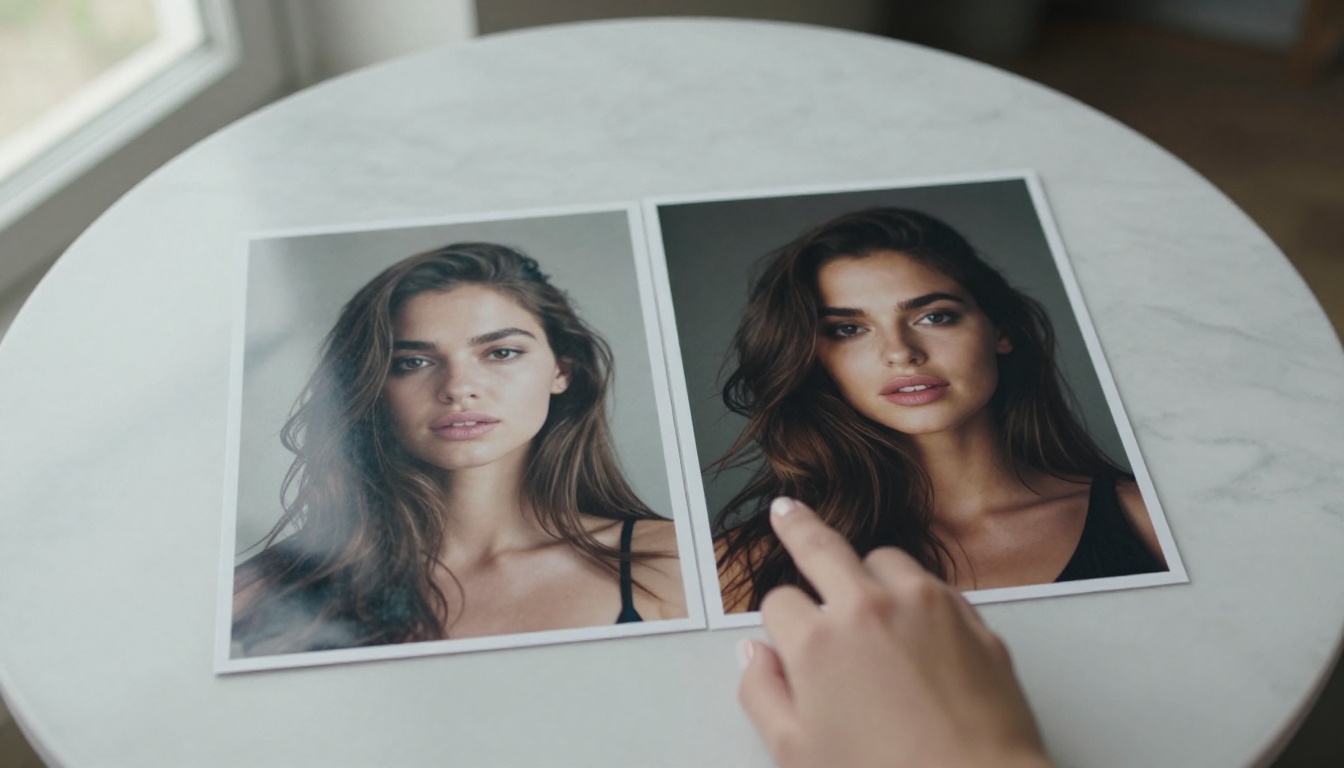
Text-to-image AI takes a written description and generates a photorealistic image in seconds. The best models today can produce outputs indistinguishable from professional photography: correct lighting physics, accurate skin texture, realistic depth of field, and believable environmental details.
The leap from "AI art that looks like art" to "AI images that look like photographs" happened around 2024. Now in 2026, the quality gap between these tools and a DSLR setup has effectively closed for most social media use cases. The remaining differences are visible only under forensic analysis, not casual scrolling.
How creators are using it
The workflow is simpler than people expect. You write a detailed text prompt describing the image you want. The AI generates it. You post it. The part people overlook is prompt quality, which is the actual craft being developed by the creators dominating this space.
Here is what a basic versus advanced prompt looks like:
| Version | Example |
|---|
| Basic | "woman on beach at sunset" |
| Advanced | "27-year-old woman in a linen sundress on Positano beach, golden hour light from behind, 85mm f/1.4, bokeh water background, Kodak Portra 400 film grain, photorealistic 8K" |
The output difference between these two prompts is enormous. Basic prompts get generic results. Specific, technical prompts get images that look like they came from a $5,000 photography shoot. The creators who figured this out first are now sitting on a skills advantage that is genuinely hard to replicate quickly.
Why This Beats Hiring a Photographer
The math doesn't lie
Let's be direct about the economics. A single professional lifestyle photography session typically costs between $500 and $3,000 depending on location, lighting setup, model fees, and editing time. The resulting images are yours, but you get a limited number of usable shots from one session, with one location, one set of outfits, and one aesthetic direction.
With an AI image generator, you can produce dozens of photorealistic images in an afternoon. Different locations. Different lighting conditions. Different models. Different aesthetics. All from a browser tab.
| Metric | Photographer | AI Image Generator |
|---|
| Cost per session | $500 to $3,000 | Included in subscription |
| Images per session | 20 to 50 usable | Unlimited |
| Location variety | 1 to 3 | Unlimited |
| Turnaround time | 3 to 7 days | Seconds |
| Iteration speed | Slow | Instant |
| Geographic limits | Local | None |
For individual creators, small brands, and anyone building a personal presence on TikTok, the value difference is hard to argue with. This is why early adopters are generating content at a volume that simply cannot be matched by traditional production workflows.
The quality is there
This is where the skepticism usually lives. People assume "AI-generated" means lower quality. The assumption is wrong in 2027. The top models currently available are producing 8K-equivalent photorealistic outputs with accurate physics, realistic skin texture, and proper lighting behavior.
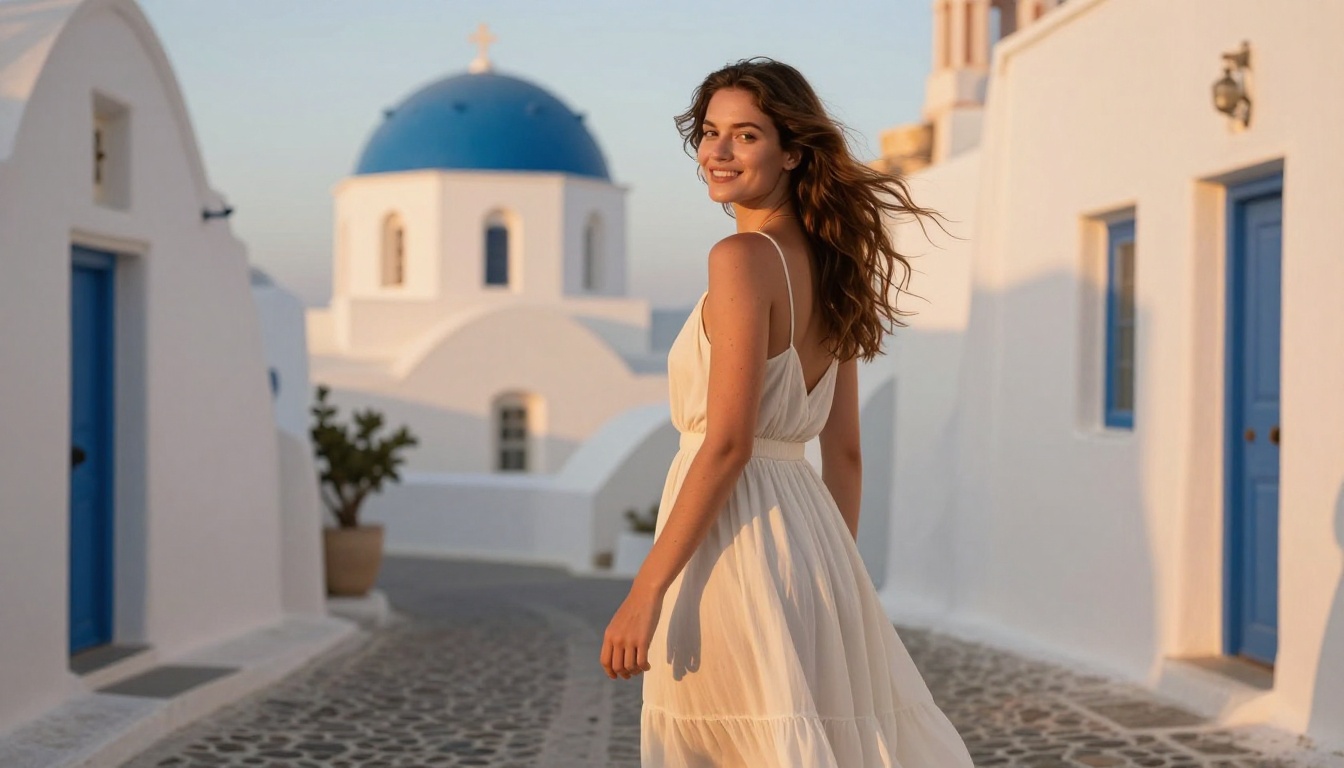
The image above was not photographed. It did not require a travel budget, a camera, or a photography crew. It took a well-written prompt and about thirty seconds. The cobblestones, the light hitting the white walls, the dress catching the breeze: all generated from text.
The Models Creators Are Actually Using
Not all AI image generators produce equal results. The models that generate the most convincing photorealistic outputs right now are available on Picasso IA, a platform that gives you access to dozens of the best AI models without requiring technical setup or local hardware.
For cinematic photorealism
GPT Image 2 from OpenAI is the current standard for photorealistic outputs. It handles lighting physics accurately, produces convincing skin texture, and manages complex scenes with multiple elements. When creators need an image that has to pass as real photography, this is what they reach for first.
Seedream 4.5 from ByteDance excels at 4K lifestyle imagery. Its color science is particularly strong for the warm, saturated tones that perform well on TikTok and Instagram. If your content sits in beauty, travel, or fashion, Seedream's output tends to match those aesthetics natively without heavy post-processing.
For high-resolution detail
Wan 2.7 Image Pro is built for 4K output with exceptional fine detail in every pixel. Product shots, editorial fashion imagery, and any content where you need to zoom in and have the image still hold together performs exceptionally well here. The resolution makes a meaningful difference when TikTok compresses your upload during processing.
Hunyuan Image 2.1 by Tencent handles difficult prompts with complex composition particularly well. Multi-person scenes, environmental detail, and scenes requiring accurate scale between subjects and backgrounds are its notable strengths. If your prompt has a lot of moving parts, this model tends to organize them coherently.
For quick editing and iterations
P Image Edit LoRA is the tool to use when you have a generated image that is close but needs targeted adjustments. Rather than regenerating from scratch, it lets you edit specific parts while keeping the rest intact. For creators iterating on content in real time, this saves significant generation time.
How to Use Picasso IA for Viral TikTok Content
Here is the actual process successful creators are following to build TikTok content around AI-generated imagery.
Step 1: Pick your niche visual
Before you write a prompt, decide what type of content your audience responds to. TikTok trends shift fast, but certain visual categories perform consistently:
- Aspirational lifestyle (travel destinations, luxury interiors, morning routines)
- Before/after reveals (showing a dramatic quality difference between prompt versions)
- Product showcases (beautifully lit product photography that looks commercial)
- Process storytimes (showing the prompt alongside the generated result)
Each of these has a proven content format that converts on TikTok regardless of follower count.
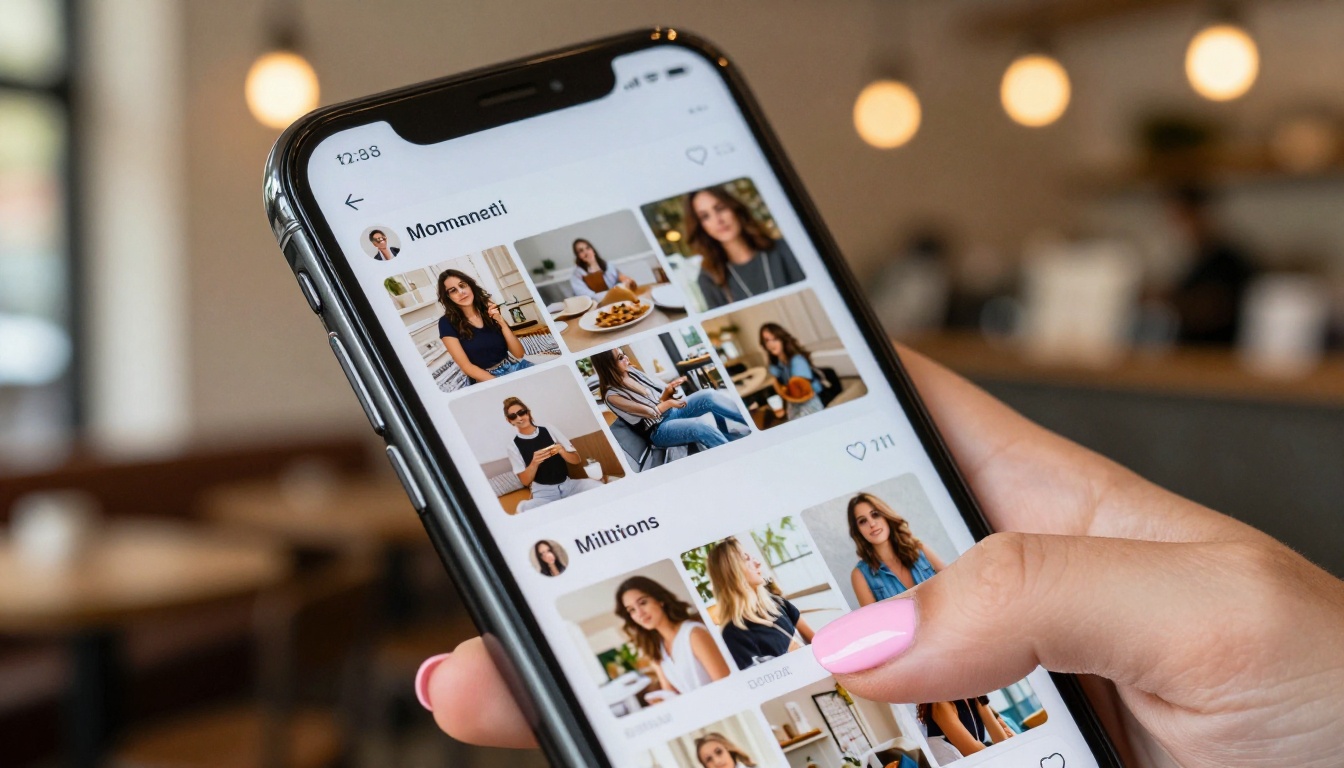
Step 2: Write a prompt that works
The single biggest factor separating creators who get impressive results from those who get mediocre ones is prompt quality. Follow this structure for photorealistic outputs:
- Subject: Who or what is in the image? Be specific about age, clothing, expression, and pose.
- Environment: Where? What is in the background? What time of day?
- Lighting: Direction, quality, and color temperature. ("Volumetric morning light from the left", "golden hour backlight", "softbox from above and left")
- Camera specs: Lens focal length and aperture. ("85mm f/1.4", "35mm f/2.0", "100mm macro f/2.8")
- Film stock: ("Kodak Portra 400", "Ektar 100", "8K RAW photorealistic")
- Style tag: Add "--style raw" for photography realism over artistic interpretation
The more specific your prompt, the more controllable your output becomes. Generic inputs produce generic results. Technical inputs produce images that look intentional and professional.
Step 3: Choose the right model
Different models handle different content types better. For lifestyle and travel imagery, start with GPT Image 2 or Seedream 4.5. For product photography, try Wan 2.7 Image Pro. Generate two or three variations with different models and select the strongest result. The cost of generating extras is minimal compared to the content value of finding the perfect image.
Step 4: Build the TikTok around the image
The image is only half the content. The best-performing TikToks using AI imagery follow a specific narrative structure:
- Open with the finished image or with the text prompt (if doing a reveal)
- Build curiosity in the first two seconds with a hook ("I generated this without a camera")
- Reveal the process or show the before/after
- End with a question or statement that invites comments
The comment section is what triggers the algorithm. Structure your content to invite curiosity, disagreement, or genuine surprise.
What the Best Creators Are Actually Making
Lifestyle and morning content
Aspirational morning routine content performs consistently across demographics on TikTok. AI-generated breakfast flat lays, cozy reading scenes, and sunlit bedroom aesthetics are among the most shared visual categories on the platform.
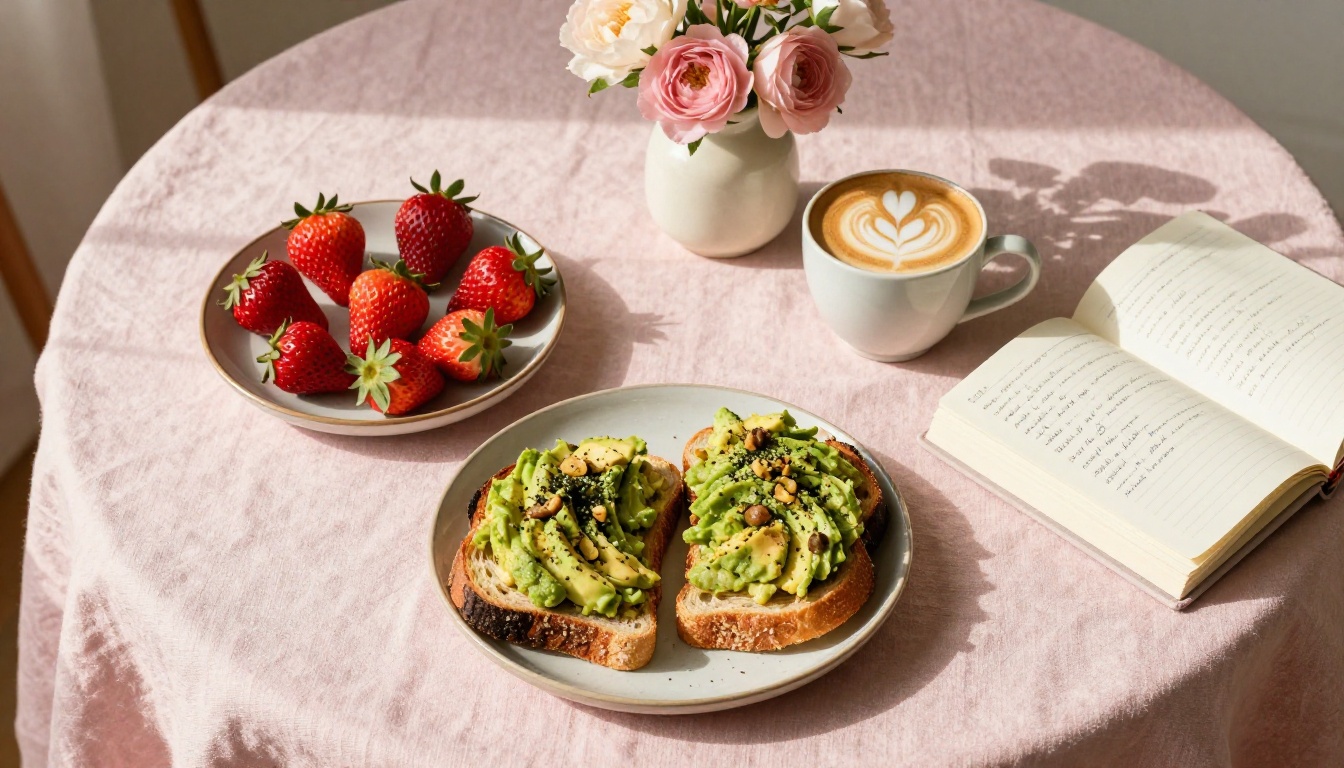
The secret to making this content feel curated rather than manufactured is specificity in prompting. A generic "morning aesthetic" prompt produces generic content. "Avocado toast on sourdough, ceramic bowl of strawberries, cappuccino with latte art, pampas grass, pale pink linen tablecloth, morning light from the left, Kodak Ektar 100" produces content that feels intentional and aspirational.
Travel and destination content
This category has the most dramatic gap between creator effort and perceived production value. Images of destinations that would require a flight, hotel, and professional photographer to capture can be generated in seconds.
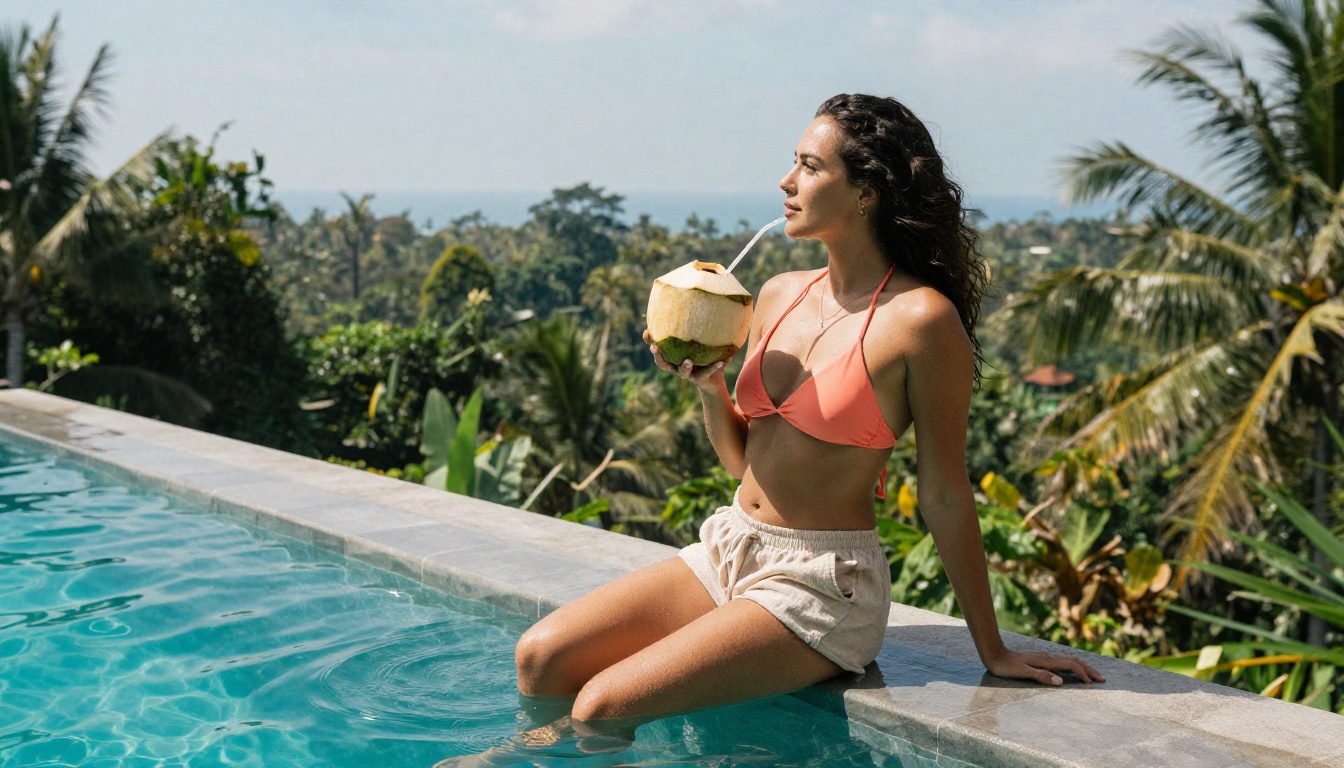
Creators building travel content around AI imagery are most successful when they frame it honestly in their TikToks. The "I generated this without visiting" reveal format consistently outperforms content that tries to pass AI imagery off as real photography. Authenticity about the process actually increases rather than hurts performance.
Product and brand content
Small businesses and solo brand owners are among the fastest-growing segments of AI image generation users. The reason is direct: commercial photography for products is expensive, and AI-generated product shots are now indistinguishable from professionally produced ones for most social media applications.
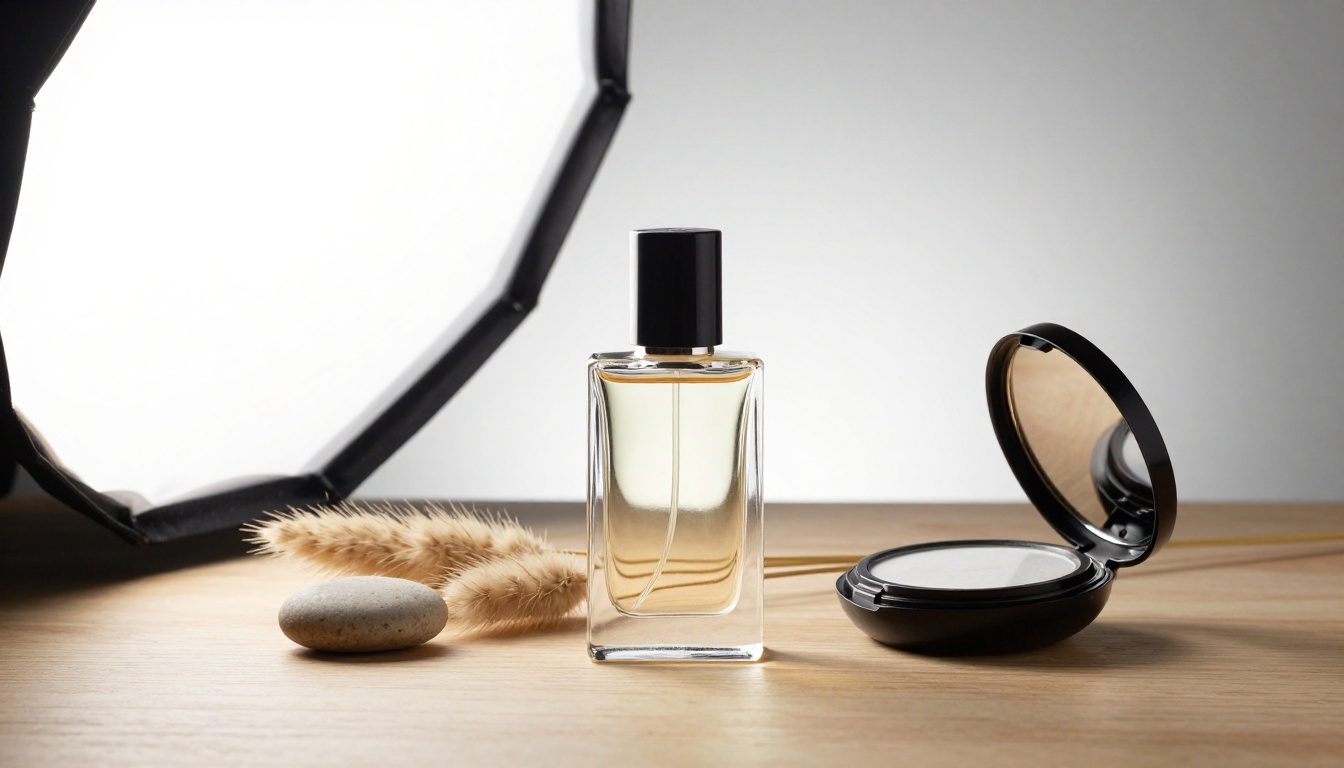
Wan 2.7 Image Pro and GPT Image 2 are particularly strong for this use case due to their handling of glass, liquid, and reflective surface textures. A single detailed prompt can produce a product shot that would typically require a half-day studio booking.
The Skills That Actually Matter Now
The conversation around AI content creation has shifted significantly. The question is no longer whether AI can produce high-quality images (it absolutely can). The question is what skills differentiate good creators from average ones when everyone has access to the same tools.
💡 The new creative skill: Prompt writing is the photography of this generation. Writing precise, detailed, technically informed prompts is a craft that produces compounding returns the longer you practice it.
The creators building the most successful TikTok channels around AI imagery share three specific traits:
- Precision in prompting: They study photography terminology, lighting setups, and camera specs specifically to use them in prompts. They treat prompt writing as a technical discipline.
- Speed of iteration: They generate dozens of images to find the few worth posting. They treat generation as a volume game with quality filtering at the end.
- Content packaging: They know that the image is the raw material. The narrative, format, and timing of the TikTok built around it is what actually drives performance.
These three skills compound with practice. A creator who has spent six months refining prompt technique has an advantage that cannot be replicated overnight by someone who just installed the app.
What Comes Next for Creators Using This
The window is open, not permanent
As AI image generation becomes more widely adopted, the supply of AI-generated content on TikTok will increase. The creators who built their audience during this early phase of widespread adoption are in the strongest position. Being early to a format that later becomes ubiquitous is one of the most reliable ways to build a durable audience online.
This is not a forever window. But it is still open.
Models keep improving
The pace of new model releases on Picasso IA has not slowed. Hunyuan Image 2.1 and Seedream 4.5 are both recent additions representing significant quality improvements over tools available 12 months ago. The trajectory suggests that in another 12 months, the gap between AI outputs and professional photography will be even harder to identify.
💡 Getting started: You do not need to try every model at once. Pick one, spend two weeks writing prompts for it, and see what you can produce. The results will be surprising.
Time to Create Something Yourself
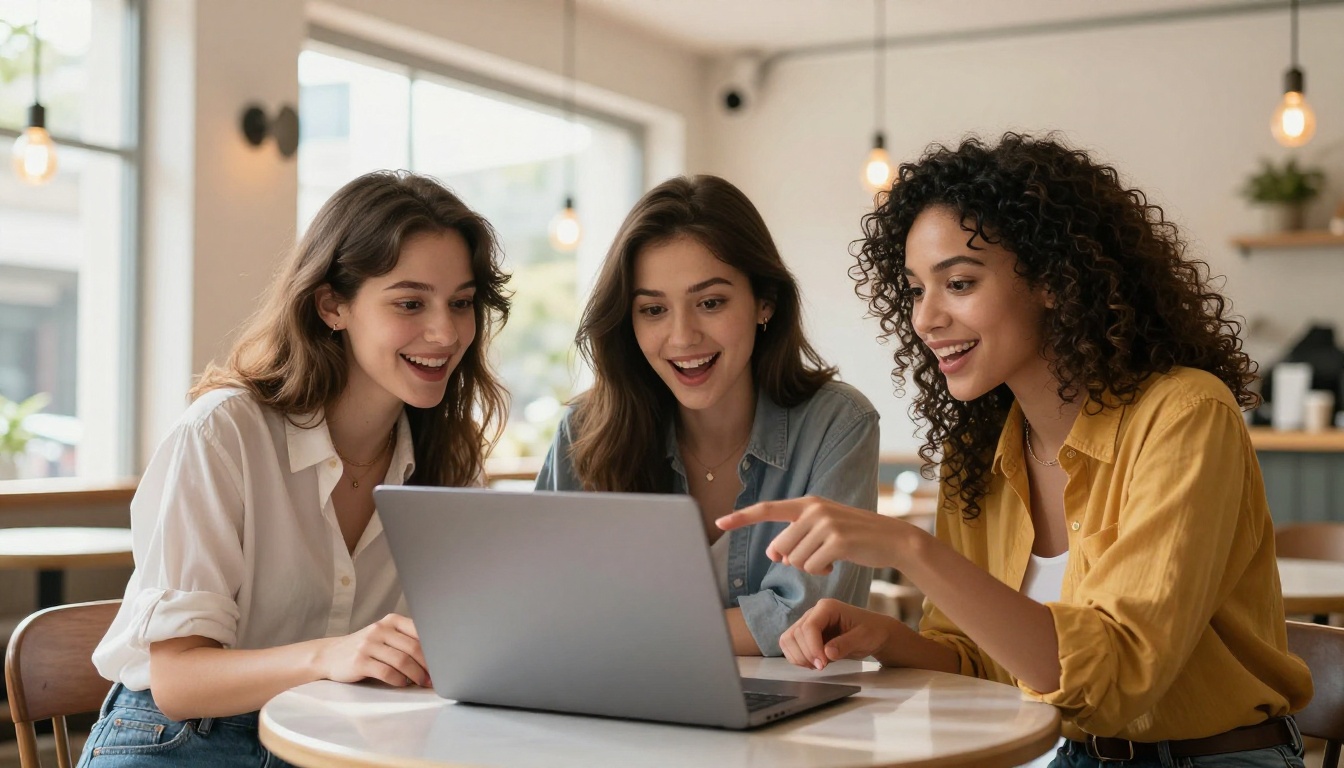
Every image in this article was generated using the same tools available to you right now on Picasso IA. No photography equipment. No travel budget. No production team. Just prompts and the right models.
If you have been watching TikTok creators produce stunning visual content and wondering how they do it, you now have the full picture. The tools are the same for everyone. What separates creators who build real audiences from those who scroll and wonder is simply who starts first.
Go to Picasso IA, pick a model like GPT Image 2 or Seedream 4.5, and write your first prompt. Use the structure from this article. Be specific about lighting, lens, film stock, and subject. Generate three variations and pick the strongest one.
Then build a TikTok around it.
What kind of content would you create first? Drop your idea in the comments and see what others are building with the same tools.


