Something unprecedented happened in 2024. A brand with a seven-figure influencer marketing budget quietly replaced three of its human creators with AI-generated personas. The photorealistic women on their feed? Not real. The comment sections filling up with "where did you get that?" and "she's so beautiful"? All pointed at images created by text-to-image models available to anyone with a laptop and an internet connection.
This is not a future projection. This is the current state of social media marketing, and it is accelerating faster than most people realize.
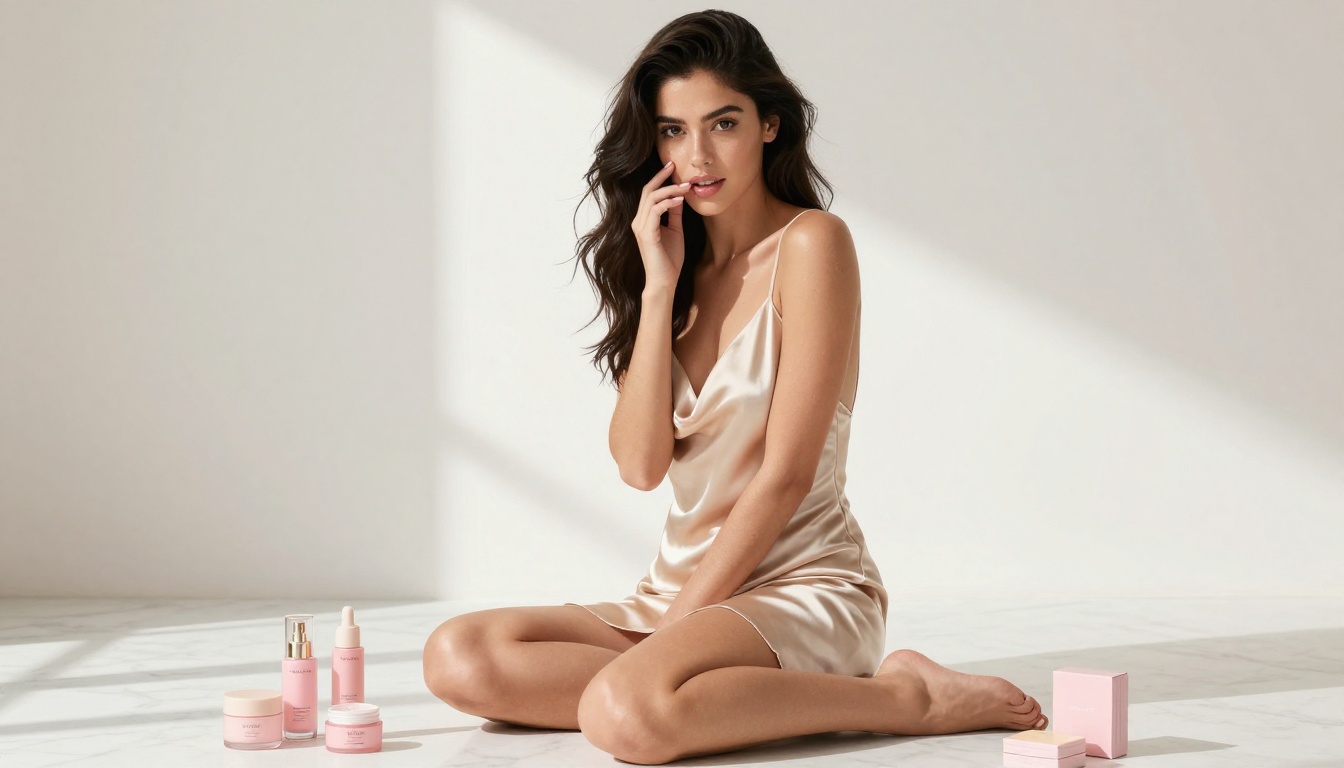
Why Virtual Influencers Are Winning Now
The timing is not random. Several forces collided at once to make AI-powered personas not just viable, but genuinely competitive with human creators in specific verticals. The photorealism threshold crossed, the cost of production collapsed, and brands got tired of managing the unpredictable side of human talent.
The Problem with Human Creators
Human influencers come with a long list of variables that marketing teams have to manage constantly. Rates have risen dramatically over the past three years. A mid-tier lifestyle creator with 500K followers charges between $3,000 and $15,000 per post depending on the niche and exclusivity agreements. They get sick. They have opinions that occasionally surface on their personal accounts. They age. They gain weight and brands cannot say anything. They get in feuds. They get canceled.
None of those variables exist with a virtual persona. The AI version of your brand ambassador posts on schedule, stays in the exact aesthetic you designed, and never needs a contract renegotiation.
What Changed in the Last 18 Months
The barrier to photorealism collapsed. As recently as two years ago, AI-generated faces had tells: slightly off-proportioned ears, asymmetrical pupils, weird hand geometry. The images were impressive but obviously artificial to anyone paying attention.
Flux Dev and Photon changed that equation. The output from these models, when prompted correctly, is genuinely indistinguishable from professional photography to most viewers. Skin pores, hair texture, natural lighting falloff, the slight asymmetry of a real human face, all of it renders correctly now.
That is the specific moment when virtual influencer adoption stopped being an experiment and started being a budget line item.

The Numbers That Stopped People Arguing
The first major signal was Lil Miquela. The virtual persona launched in 2016 and eventually accumulated over 3 million Instagram followers. Brands including Calvin Klein, Prada, and Samsung ran campaigns featuring her before most marketing directors had even heard the term "virtual influencer."
Miquela was early and expensive to produce because each image required bespoke 3D rendering and post-production work. The economics did not scale to every brand's budget.
Follower Growth Without a Real Person
The economics changed when text-to-image generation made consistent, high-quality persona creation accessible. A brand can now generate 30 unique photorealistic images of the same virtual persona in a single afternoon, each one with different outfits, lighting conditions, locations, and moods.
The content calendar that used to require coordinating with a human creator for weeks can now be filled in hours. And because the persona does not exist in the real world, there is no scheduling conflict, no travel logistics, and no creative approvals to negotiate.
Accounts built around virtual personas have hit 100K followers inside three months when the content strategy and audience targeting are solid. Several have crossed the 1 million mark.
What Brands Are Actually Paying
Here is what the comparison looks like in practice:
| Cost Factor | Human Influencer (500K followers) | Virtual AI Persona |
|---|
| Per post rate | $3,000 to $15,000 | $0 per post after setup |
| Setup cost | $0 | $200 to $2,000 one-time |
| Content volume | 2 to 4 posts per month | Unlimited |
| Exclusivity | High upcharge | Built-in |
| Cancellation risk | High | Zero |
| Appearance control | None | Total |
| Response to brief | Negotiated over days | Immediate |
The math is not subtle. For any brand that produces high-volume content, the ROI of a virtual persona compounds over time in a way that no human creator relationship can match.
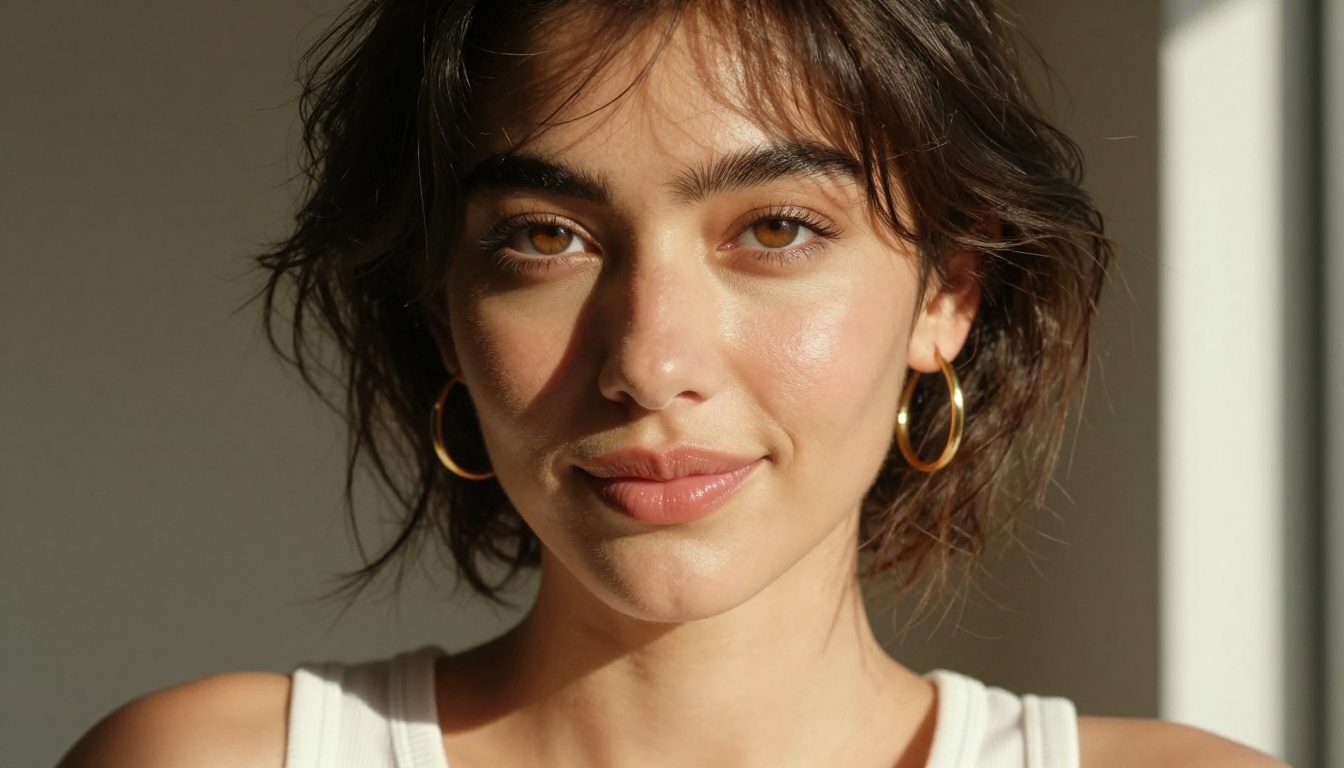
How a Virtual Influencer Actually Gets Built
The process is more straightforward than most people expect. There is no CGI studio, no team of 3D artists, and no motion capture setup required. The entire production workflow runs on text-to-image AI, accessible through platforms like PicassoIA.
Photorealistic AI Is the Starting Point
The foundation is a consistent character design. Before generating the first image, you establish the parameters of the persona: physical appearance, style, background, and personality archetype. This gets encoded into a detailed base prompt that anchors every subsequent generation.
For example, a character description might read:
A 26-year-old woman of Brazilian and Italian descent, dark olive skin, long dark wavy hair, sharp green eyes, slender athletic build. Personal aesthetic is elevated minimalism mixed with Mediterranean warmth. Always photographed in natural light with a warm, approachable expression.
That base description gets combined with scene-specific prompts for each post. The result is a visually coherent persona across hundreds of images.
Realistic Vision v5.1 is specifically built for human portraiture at the highest fidelity. It handles skin rendering, facial structure, and body proportions with a level of accuracy that makes outputs genuinely competitive with professional photography. For fine-tuned consistency across a campaign, Flux Pro Finetuned allows you to train the model on a specific character design.
The Full Stack Explained
A professional virtual influencer production pipeline typically includes four layers:
- Character generation: Text-to-image models produce the core content images
- Upscaling: Crystal Upscaler or Real ESRGAN push output resolution to print quality
- Detail refinement: Google Upscaler sharpens fine detail in skin and fabric texture
- Content scheduling: Standard social media tools handle distribution
💡 The single most important step in any virtual influencer workflow is resolution upscaling. Even the best text-to-image outputs benefit from running through Topaz Image Upscale before posting. The difference in perceived quality is immediately visible on high-resolution mobile screens.

The Models Doing the Heavy Lifting
Not all text-to-image models perform equally for this specific use case. Photorealistic human subjects are one of the most demanding tasks in image generation. The wrong model choice shows up immediately in uncanny valley artifacts that audiences detect before they can articulate why something looks off.
Flux Dev and Photon Lead the Pack
Flux Dev has become the standard choice for creators producing high-volume lifestyle content. Its strength is prompt adherence: you describe a specific scene and it delivers without defaulting to generic compositions. The model respects complex prompt instructions reliably.
Photon and Photon Flash lean toward cinematic quality. They handle complex lighting scenarios extremely well, which matters enormously for outdoor and lifestyle content where golden hour, overcast diffused light, and mixed-source illumination are common.
GPT Image 2 brings a different kind of photorealism, one that prioritizes compositional balance and a clean, polished aesthetic. It is particularly strong for product-adjacent content where the image needs to feel editorial and aspirational.
Flux Pro sits at the highest quality tier from Black Forest Labs, delivering sharp, detailed outputs with excellent skin texture rendering for full-body shots.
Getting the Face Right Every Time
Facial consistency is the hardest technical problem in virtual influencer production. Each generation technically starts fresh, and faces can drift in subtle ways across a campaign.
💡 The approach professionals use: lock seed values for core character attributes, use negative prompting aggressively to exclude facial variations, and run a consistency review before any image goes to production. Flux Krea Dev is notable for producing outputs that look natural rather than AI-generated, which matters for authenticity perception across social platforms.
Seedream 4.5 handles diverse facial types with exceptional accuracy, making it a strong choice when the persona design includes specific ethnic features or non-Eurocentric beauty standards. The model was trained with a particularly wide range of human diversity in its dataset.
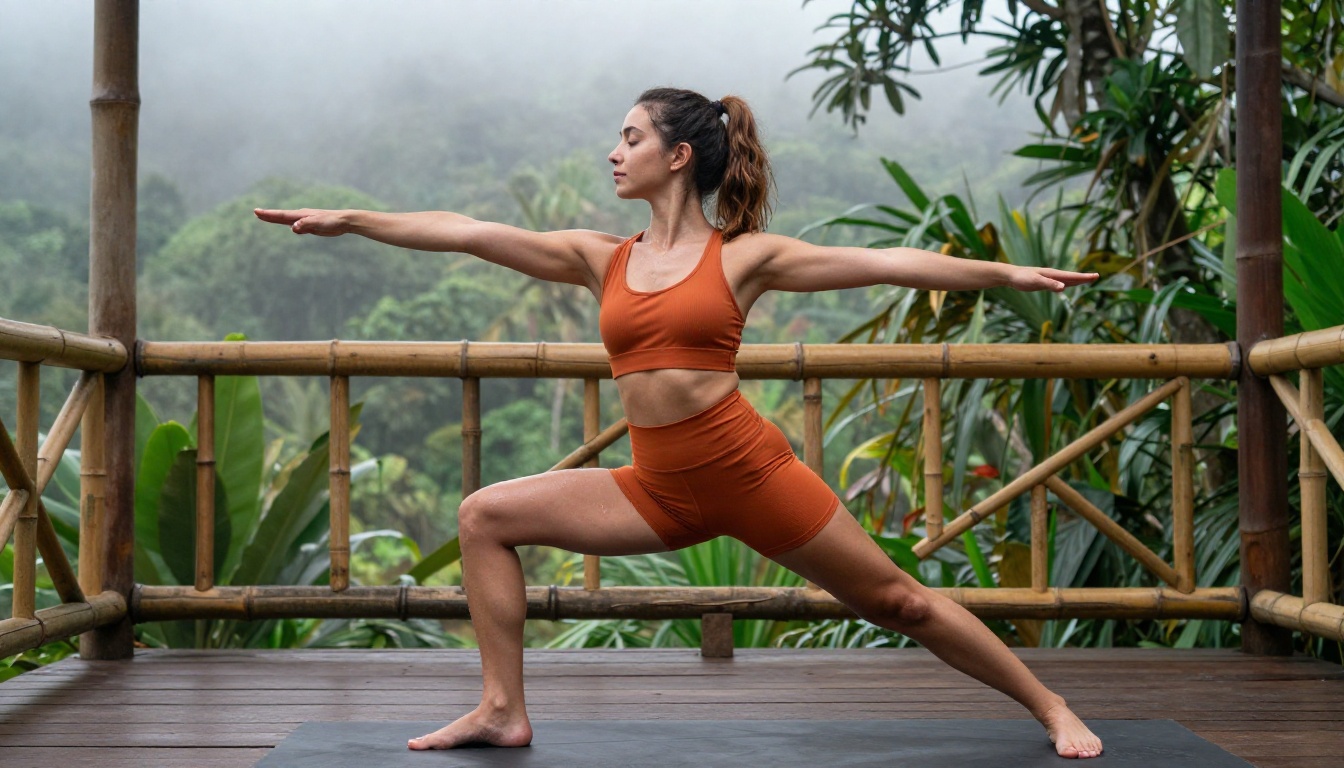
Real Brands Already Made the Switch
The shift is not hypothetical. It is documented across multiple industries. Several major brands have incorporated AI-generated influencer content into their campaigns, sometimes with disclosure, sometimes without, and sometimes with deliberate ambiguity that audiences never questioned.
Which Industries Moved First
Fashion and beauty moved earliest because the content requirements are highest. A fashion brand needs 500 to 1,000 lifestyle images per season. Coordinating that volume with human creators is logistically expensive and creatively inconsistent. AI gives art directors total control over every frame.
Fitness and wellness followed. Body transformation content, workout routines, and supplement marketing all depend on visual consistency that real athletes cannot always deliver on schedule throughout a year.
Travel and hospitality saw major uptake because AI personas can be placed in any location without actual travel costs. A hotel brand does not need to fly a creator to its property. The content gets generated.
Beauty and skincare adopted virtual personas for product launch campaigns where the brand needs to show the product in dozens of contexts simultaneously, with the same model, across all of them.
What the ROI Looks Like
Brands that have deployed virtual personas for 12 or more months report consistent patterns:
- Content cost reduction of 60 to 80% compared to equivalent human creator campaigns
- Zero cancellation events or PR issues linked to the persona
- Consistent visual branding across all posts with no creative drift between seasons
- Ability to scale content volume without proportional cost increases as the brand grows
The tradeoff is authenticity perception. Some audiences respond negatively to AI personas when they are disclosed. Others do not care at all. The research on audience tolerance is still developing, but the financial case closes regardless.
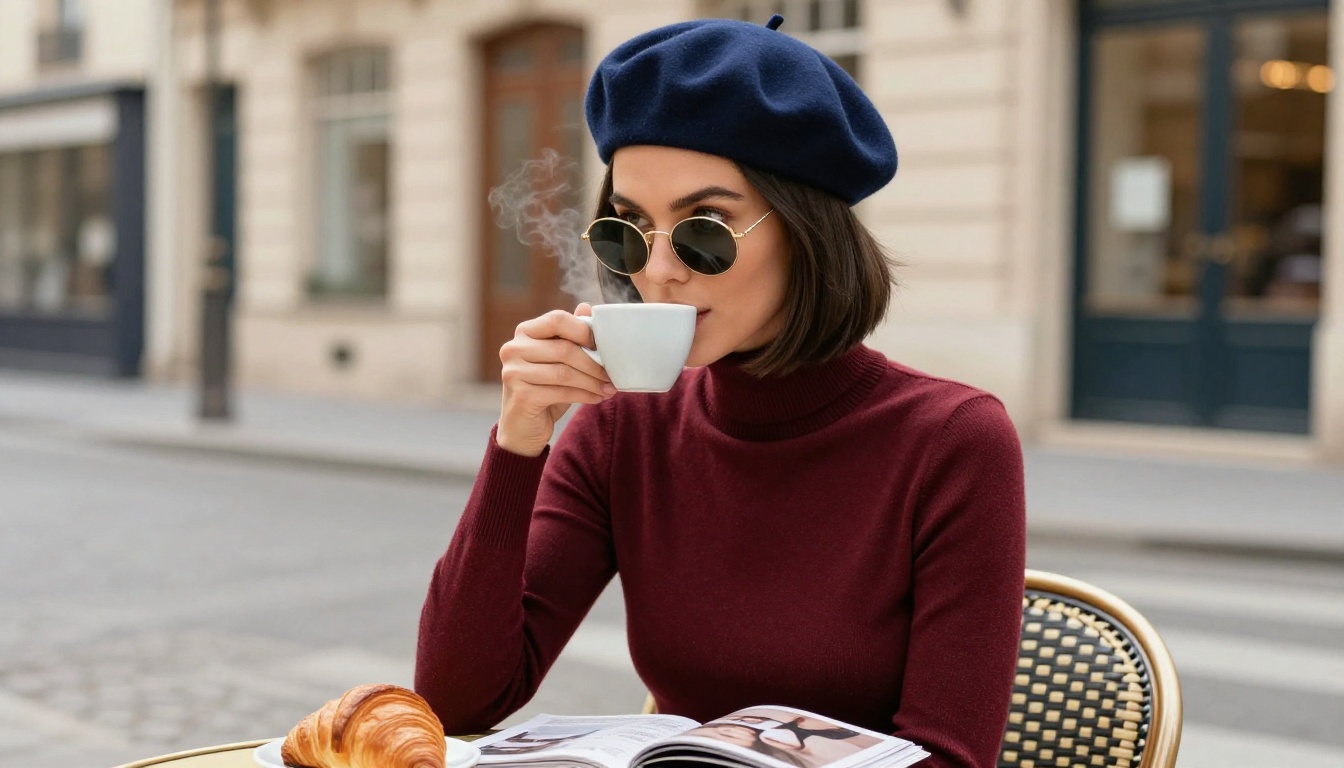
3 Reasons Brands Prefer AI Personas
The case for virtual influencers is not purely financial. There are three structural advantages that money cannot fully explain.
Total brand control. Every pixel of every image is produced to specification. No negotiating with a creator over which products to feature prominently. No images where the product is partially obscured or unfavorably lit. Complete creative alignment from the first frame to the last.
24/7 content capability. Human creators sleep, travel, take holidays, and go through periods where their output drops. A virtual persona posts on whatever schedule the brand sets, indefinitely, with no consistency degradation across months or years.
Zero reputational volatility. A virtual persona cannot get caught saying something offensive. It cannot break an exclusivity clause by wearing a competitor's product in a candid photo. It cannot announce a personal crisis the week of a major product launch.
💡 Growing regulatory pressure on AI content disclosure does not eliminate these advantages. It adds a disclosure label. The underlying economics remain compelling even with full transparency.
What Real Creators Should Know

The honest answer is that virtual personas are not replacing all human creators equally. The impact is heavily concentrated in specific types of work, and understanding the split matters.
Where AI Personas Win
Purely visual, aspirational content: fashion, beauty, lifestyle, fitness, travel. Content that does not require personality-driven commentary, humor, real-time response to trends, or personal narrative. Brand content that needs to be produced in high volume with consistent aesthetics across a long campaign cycle.
Where Human Creators Still Win
Storytelling. Opinion. Humor. Community. The parasocial relationship between a creator and their audience is built on perceived authenticity, vulnerability, and real personality. No AI persona can currently replicate the feeling of following someone through a real life with real stakes and real emotions.
Human creators who build their value around personality rather than just aesthetics are far less exposed to displacement. The creators most at risk are mid-tier lifestyle influencers in the 50K to 500K range whose content is primarily visual and aspirational, with little personality differentiation. That is the segment where virtual personas compete most directly.
The Creator Economy Split
What is forming is a two-tier creator economy. On one side: AI-generated visual content at scale, low cost, high consistency. On the other side: high-personality creators with genuine audience relationships that cannot be replicated. The middle, where most creators currently live, is getting compressed.
For human creators, the strategic response is clear: double down on what cannot be generated. Voice, perspective, humor, community, real-time commentary. The visual aesthetics race is one that humans will not win against AI in the long run.
Build Your Own Virtual Persona on PicassoIA
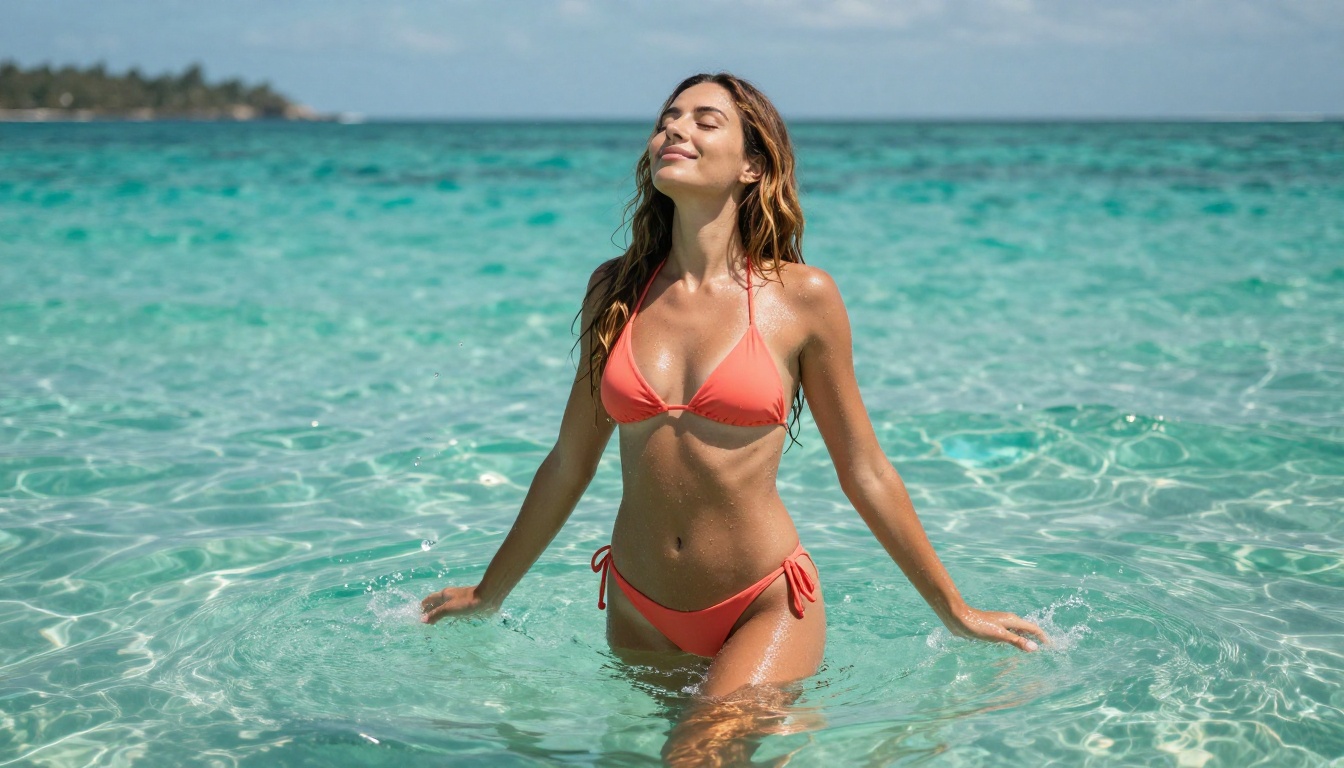
If you are a brand, a creator agency, or an individual wanting to experiment with virtual influencer content, PicassoIA gives you access to the full production stack in one place.
Step 1: Choose Your Base Model
Start with Flux Pro for the highest fidelity photorealistic output, or Realistic Vision v5.1 if you want a warmer, more editorial look. Both handle human subjects with exceptional accuracy.
Step 2: Build Your Character Prompt
Write a detailed, consistent description of your persona. Include age range, ethnicity, hair, eyes, build, style, and default setting. Save this as your base prompt template. Every image generation starts with this foundation and scene-specific additions layer on top.
Step 3: Generate and Iterate
Run 5 to 10 variations of each scene prompt, selecting outputs that most closely match your character design. This selection process is where visual consistency gets built. You are curating an identity, not just generating images.
Step 4: Upscale Before Posting
Every image should go through Real ESRGAN or Topaz Image Upscale before it goes to your social channels. The resolution difference between a raw AI output and an upscaled version is clearly visible at full resolution on modern mobile screens.
Step 5: Fill the Content Calendar
With a solid character design locked in, you can generate a month of content in a single session. Vary locations, lighting conditions, outfits, and moods to keep the feed visually dynamic. Photon Flash is your best option for rapid iterations when you need high volume on a tight schedule.
💡 Do not let perfect be the enemy of published. The first 30 days of any virtual persona account are about establishing the aesthetic, not achieving flawless consistency. The audience will not notice subtle variation in early posts. They will notice if you never post.
The Moment to Act Is Now
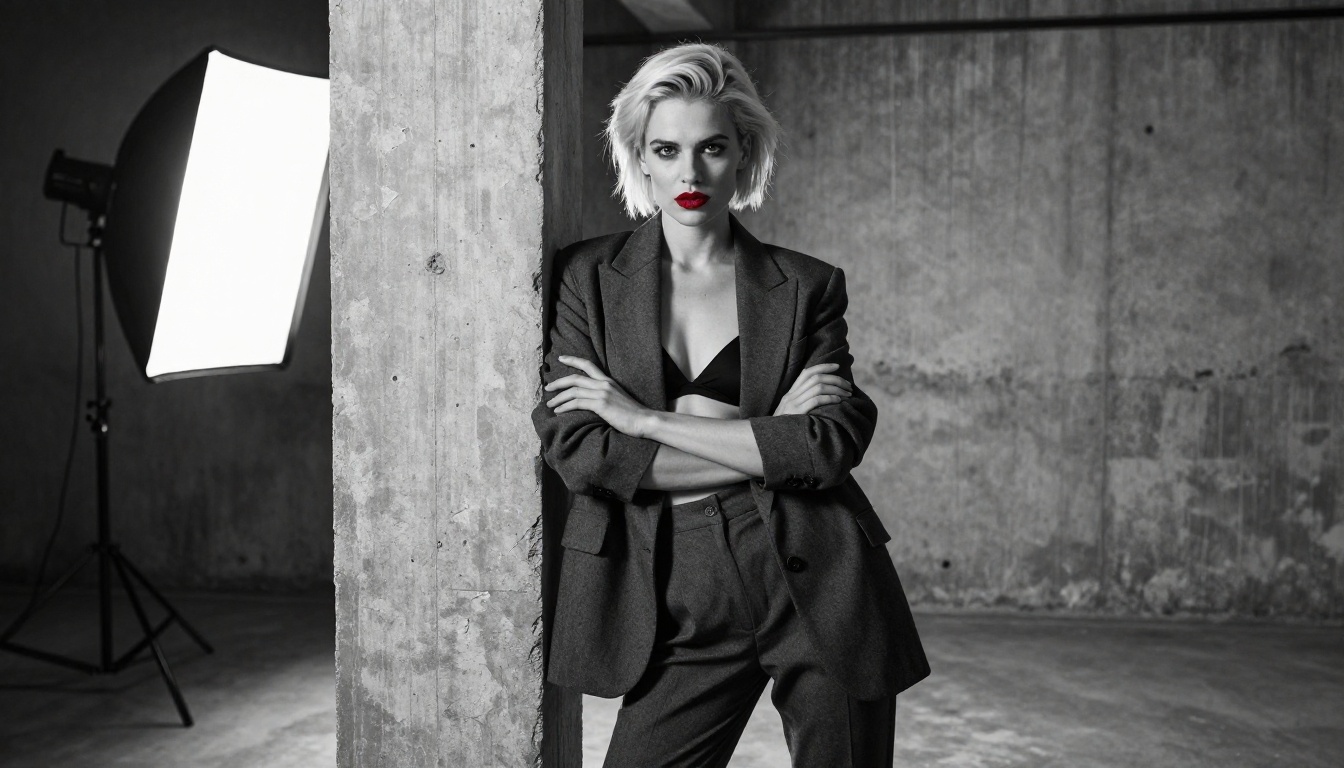
The brands and creators building virtual personas now are establishing first-mover advantages in audience familiarity and brand equity that will compound over the next two to three years. The technical quality of AI image generation is improving every month. The cost of entry is already lower than most people expect.
For any brand still producing photoshoot content at full cost, the question is straightforward: what percentage of that budget could achieve a comparable or better result on PicassoIA right now?
Start generating. Build the persona. Test with a small audience segment. Run Seedream 4.5 or Flux Dev for your first character, upscale with Crystal Upscaler, and post the first 9 images as a grid. The answer on whether this works for your brand will be obvious within 30 days. The results tend to speak clearly and fast.


