The smartphone screen shows a perfect face—flawless skin, symmetrical features, ideal lighting. But at the edges, subtle distortions warp the image in ways the human eye barely registers. This isn't a photograph. It's an AI-generated portrait created in seconds by models like Flux or GPT-Image, and in 2027, we're facing a reality where distinguishing between real and artificial becomes increasingly difficult. The problem isn't hypothetical anymore—it's affecting court cases, stock markets, personal reputations, and our collective trust in visual evidence.
When image generation first emerged, the imperfections were obvious: distorted hands, unnatural lighting, impossible physics. Today, models like Qwen Image and P-Image produce results that forensic analysts need specialized tools to detect. The quality leap between 2024 and 2026 represents not just technological progress but a fundamental shift in how we perceive reality.
Why 2026 Is Different From Previous Years
The difference between current AI image generation and what existed just two years ago isn't incremental—it's exponential. In 2024, you could spot AI-generated content by looking for "telltale signs": strange finger counts, inconsistent shadows, or unnatural textures. By 2026, those signs have become forensic markers requiring pixel-level analysis.
The Quality Leap Nobody Predicted
What happened? Model architectures changed fundamentally. The shift from diffusion models to transformer-based approaches like those used in Flux models created images with coherent physics, consistent lighting, and anatomically correct details across entire scenes. Training datasets expanded from millions to billions of images, giving models exposure to edge cases and rare scenarios.
💡 Critical Insight: The 2027 quality threshold isn't about making "better pictures"—it's about creating images that survive first-glance human verification. When something looks real enough to pass casual inspection, all existing content moderation systems fail.
Accessibility Creates Mass Adoption Problems
Simultaneously, accessibility exploded. Platforms like PicassoIA made powerful models available to anyone with an internet connection. What was once specialist technology requiring technical knowledge became as easy as typing a prompt. This democratization created the perfect storm: sophisticated technology in the hands of millions without corresponding education about responsible use.
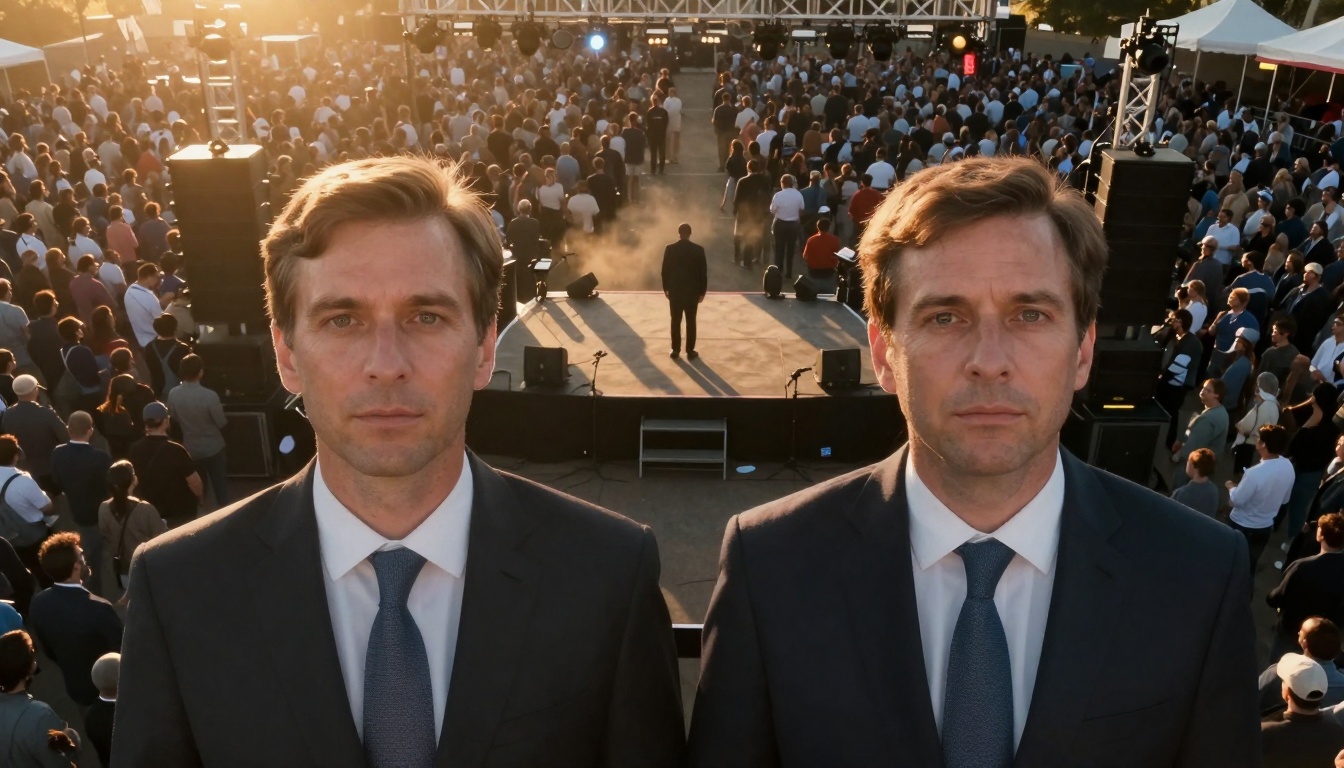
Image: Aerial view of political rally with AI-generated politician (right) showing perfect symmetry but unnatural eye reflections
Deepfakes Are No Longer Obvious
The term "deepfake" entered public consciousness around 2018, referring to obvious face swaps with visible artifacts. By 2026, the technology has evolved into something far more dangerous: contextually appropriate synthetic media that matches surroundings, lighting conditions, and even emotional expressions.
Political Manipulation Now Ubiquitous
During the 2026 election cycles, multiple campaigns faced what security experts call "synthetic scandal creation": AI-generated images showing candidates in compromising situations that never happened. The images were good enough that major news organizations initially reported them as legitimate before forensic analysis revealed inconsistencies.
Three patterns emerged:
- Timing attacks: Images released during critical voting periods when fact-checking can't keep pace
- Context plausibility: Situations that align with public perceptions of candidates
- Multi-platform saturation: Same content distributed across social media, messaging apps, and email
Personal Reputation Destruction Tactics
Beyond politics, individuals face what privacy advocates term "synthetic character assassination". A 2026 case study documented how:
- A corporate executive received AI-generated images showing them at a competitor's facility
- The images included correct uniform colors, building architecture, and even weather conditions matching historical data
- Forensic analysis revealed impossible shadow angles, but the damage to their career was immediate
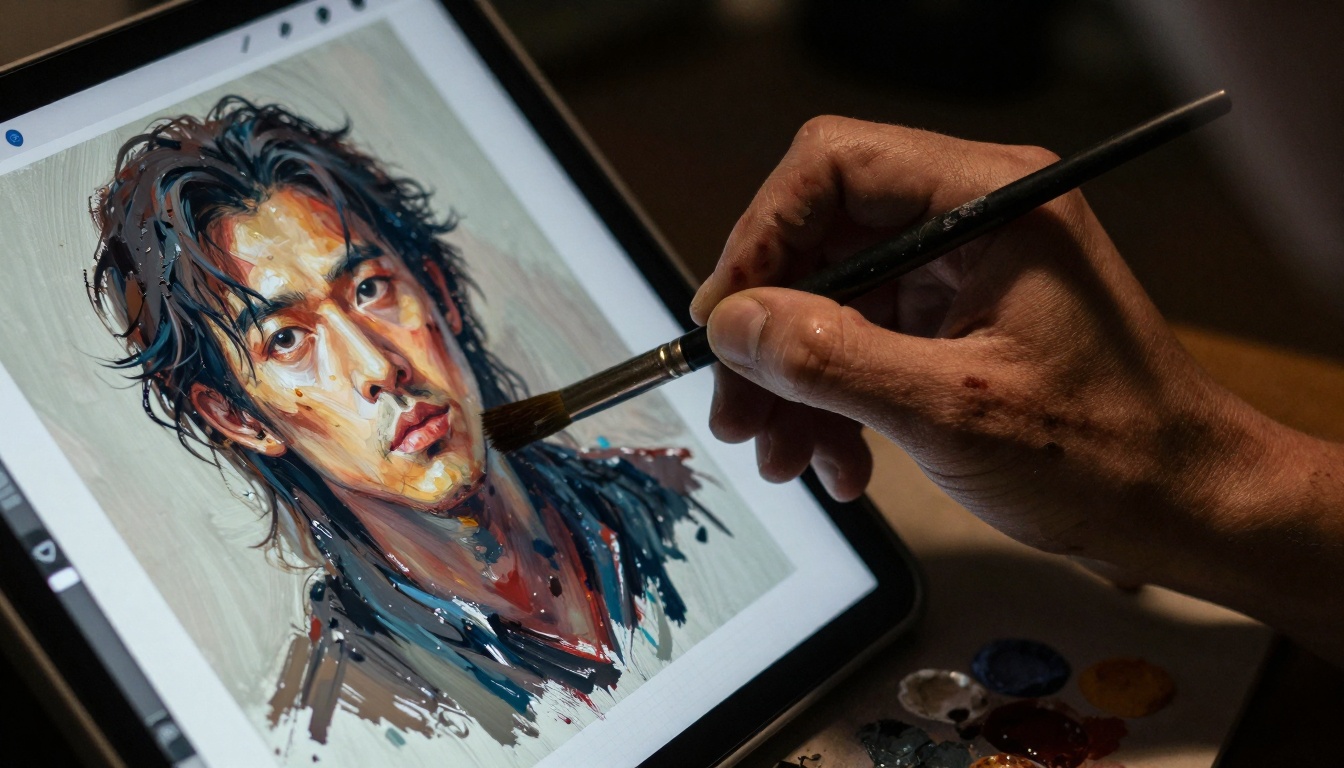
Image: Artist discovers AI-generated work perfectly mimicking their signature style
Copyright Chaos Is Real
The legal landscape around AI-generated content shifted dramatically in 2025-2026 as courts grappled with unprecedented cases. The fundamental question: When AI replicates an artist's style with mathematical precision, where does inspiration end and theft begin?
Artist Style Theft Is Systematic
Traditional copyright law protects specific works, not styles. This created a legal gray area that AI exploited systematically. Models trained on specific artists' portfolios—available through platforms offering specialized image generation models—could produce work indistinguishable from the original creator's.
Documented cases include:
- A digital painter whose color palette, brushstroke technique, and compositional style were replicated by AI
- A photographer whose lighting signature appeared in thousands of AI-generated images
- A concept artist whose character design language became a prompt template on image generation communities
Legal Cases That Changed Everything
2026 saw landmark rulings that established new precedents:
| Case | Ruling | Impact |
|---|
| Artists Guild vs. ImageGen Corp | Training data constitutes derivative work | Required opt-in consent for style training |
| Photographer Collective vs. ModelTrain | Style signatures protected as trade dress | Established style as commercial identifier |
| European Union Directive 2026/47 | Mandatory watermarking for AI content | Created technical standards for attribution |
The economic impact became measurable: artists reported 30-50% income reduction in markets saturated with AI-generated alternatives.
What began as social media manipulation evolved into coordinated attacks on financial systems, legal proceedings, and public institutions. The 2027 playbook for misinformation doesn't rely on convincing narratives alone—it uses visual proof that appears irrefutable.
Fake Evidence Creation For Court Cases
Legal systems operate on evidence, and AI-generated images represent the perfect weapon for synthetic evidence injection. Documented cases include:
- Property disputes: AI-generated images showing property conditions at specific dates
- Insurance fraud: "Accident scenes" created with correct vehicle models, weather conditions, and location details
- Alibi destruction: Images placing individuals at locations contradicting their testimony
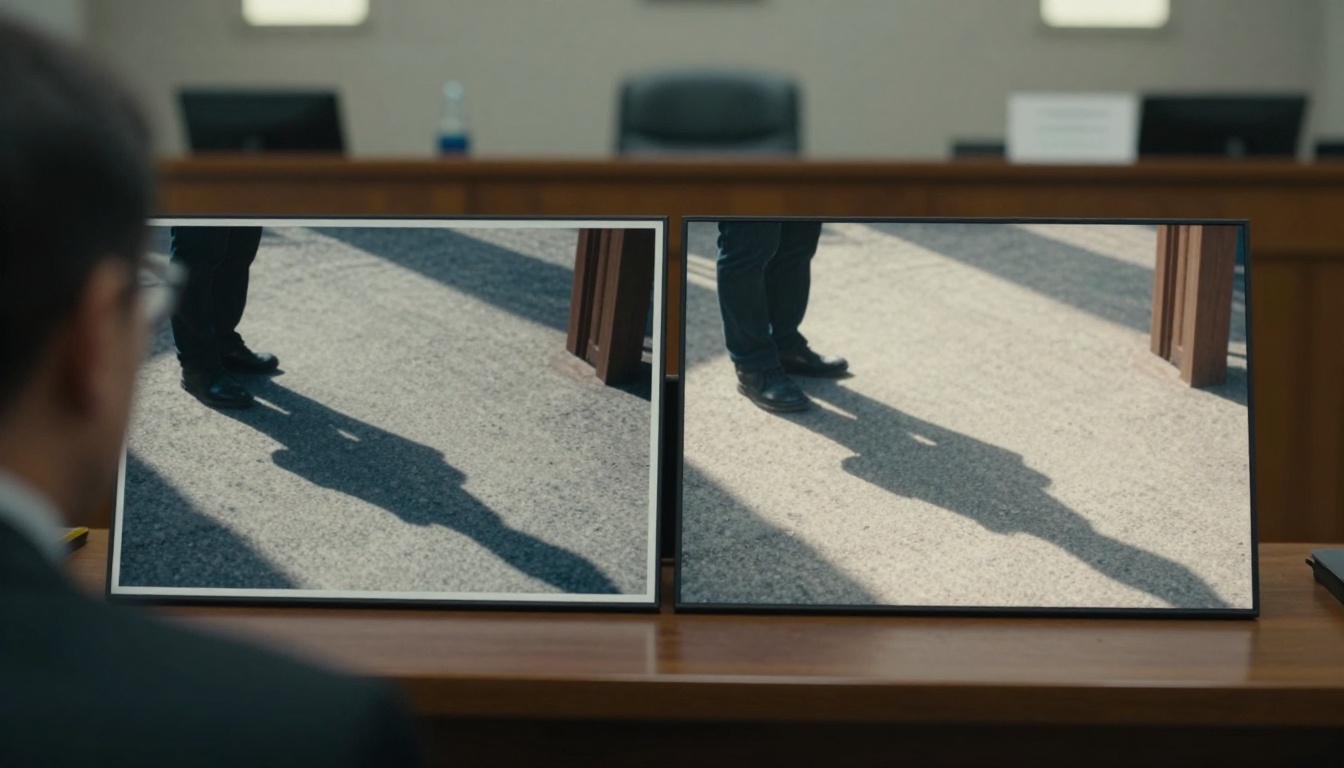
Image: Forensic comparison reveals subtle lighting inconsistencies in AI-generated evidence
Stock Market Manipulation Through Imagery
Financial markets react to visual information. In 2026, coordinated attacks used AI-generated images to create synthetic market-moving events:
- Factory "explosions" affecting commodity company valuations
- Natural disaster imagery targeting insurance and construction stocks
- Product defect photos impacting consumer goods companies
The pattern followed predictable timing: images released during trading hours, amplified through bot networks, creating volatility that algorithms and human traders both reacted to.
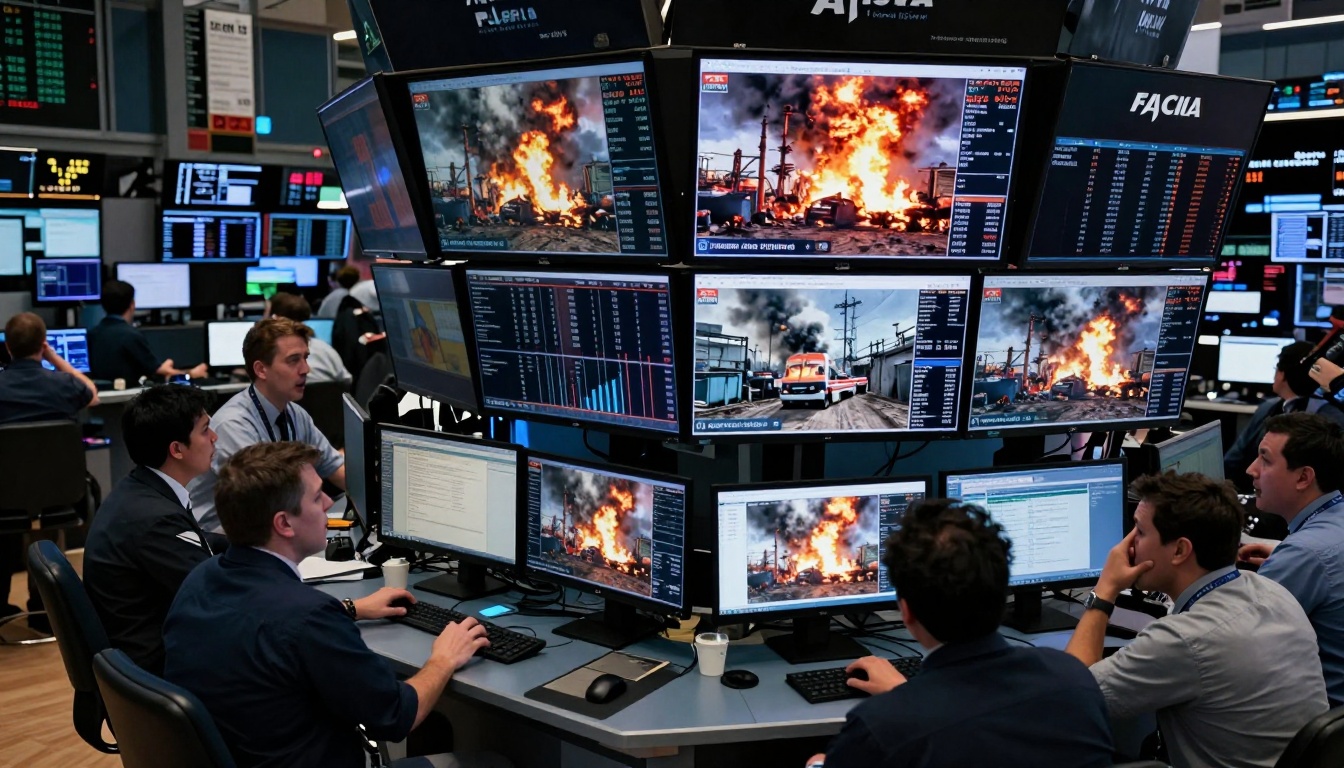
Image: Trading floor reacts to AI-generated disaster images affecting stock prices
Psychological Impact We're Ignoring
Beyond the tangible harms lies a subtler danger: reality distortion affecting how we perceive memories, trust visual information, and maintain shared understanding of events. Psychologists began documenting what they term "Visual Reality Disorientation" in 2027 case studies.
Reality Distortion Syndrome Emerges
The phenomenon manifests when individuals encounter AI-generated images of themselves in impossible situations. The brain's response creates cognitive dissonance that's difficult to resolve:
Documented symptoms include:
- Memory confusion about whether events actually occurred
- Heightened skepticism toward all photographic evidence
- Anxiety about personal image control and digital identity
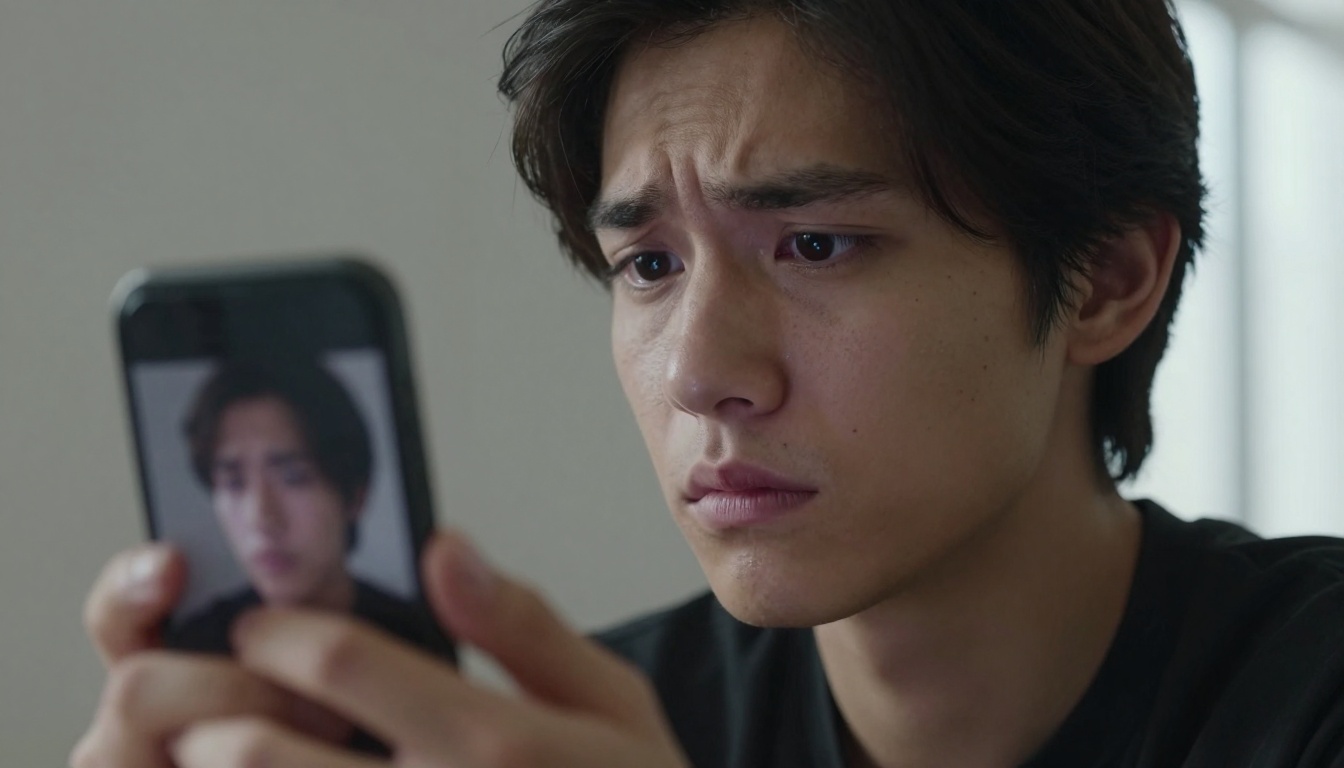
Image: Cognitive dissonance from seeing AI-generated self in impossible location
Case Study: Social Media Verification Collapse
A 2026 research project tracked 500 social media users exposed to AI-generated content about themselves. Results showed:
- 42% reported confusion about whether events actually happened
- 67% expressed decreased trust in photographic evidence generally
- 23% developed checking behaviors (repeatedly verifying images)
The researchers concluded: "When personal visual history becomes malleable, identity itself becomes unstable."
Trust Erosion In Visual Evidence
The cumulative effect extends beyond individuals to society. Key institutions relying on visual evidence face credibility challenges:
Journalism: News organizations implementing triple-verification protocols for all images
Law enforcement: Police departments adopting forensic image analysis for all digital evidence
Academic research: Scientific journals requiring source transparency for all visual data
The irony: the same AI models causing the problem—like advanced image generation systems—are also being used to develop detection tools. It's an arms race with no clear end.
Technical Vulnerabilities Nobody Talks About
Beyond intentional misuse lie technical risks inherent in the models themselves. These aren't hypothetical vulnerabilities—they're documented in security research from 2025-2026.
Model Poisoning Attacks
Image generation models trained on public datasets became targets for data poisoning: malicious actors injecting specific patterns into training data that later manifest in generated images.
Documented attack vectors:
- Watermark injection: Subtle patterns that identify images as AI-generated
- Bias amplification: Reinforcing stereotypes through curated training data
- Backdoor triggers: Specific prompts that generate harmful content
The security community's response has been what experts call "defensive training"—curating datasets to resist these attacks, but the cat-and-mouse game continues.
Data Leakage Through Generated Images
Perhaps the most concerning technical finding: models can memorize and regurgitate training data. Research published in 2026 demonstrated that given enough similar prompts, models like those available on PicassoIA could reproduce near-exact copies of images from their training sets.
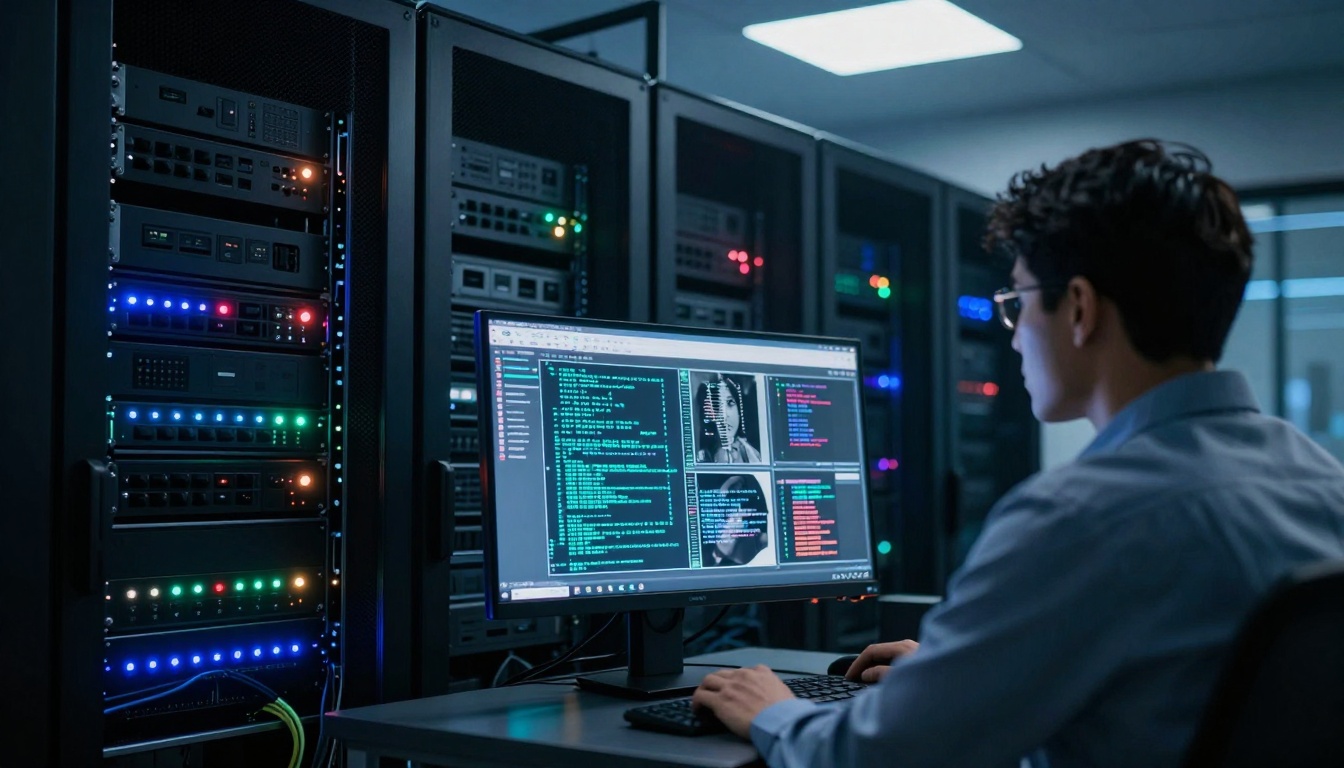
Image: Forensic analysis reveals training data patterns in generated images
Implications include:
- Privacy violations when personal images appear in training data
- Intellectual property exposure for copyrighted material
- Security risks for sensitive visual information
The technical solution—differential privacy in training—reduces model quality, creating a trade-off between safety and capability that platforms must navigate.
The response from major platforms has been reactive rather than proactive. Analysis of content moderation systems reveals fundamental flaws in addressing AI-generated content at scale.
Verification Systems That Don't Work
Current verification approaches rely on detection models that lag behind generation models. The pattern repeats: a new generation model releases, creates content that bypasses existing detection, then detection models catch up months later.
Documented failures include:
- Watermarking systems easily removed or forged
- Metadata-based detection circumvented by recreating images from scratch
- Human moderation overwhelmed by volume and sophistication
Content Moderation Failures
The scale problem became apparent in 2026 moderation statistics:
| Platform | AI Content Flagged | Human-verified | False Negatives |
|---|
| Social Media A | 2.3M daily | 12% | Estimated 40% |
| Social Media B | 1.8M daily | 8% | Estimated 55% |
| Forum Platform | 850K daily | 15% | Estimated 35% |
The numbers reveal an impossible task: human moderators cannot possibly verify millions of images daily, especially when the deceptive ones are designed to appear legitimate.
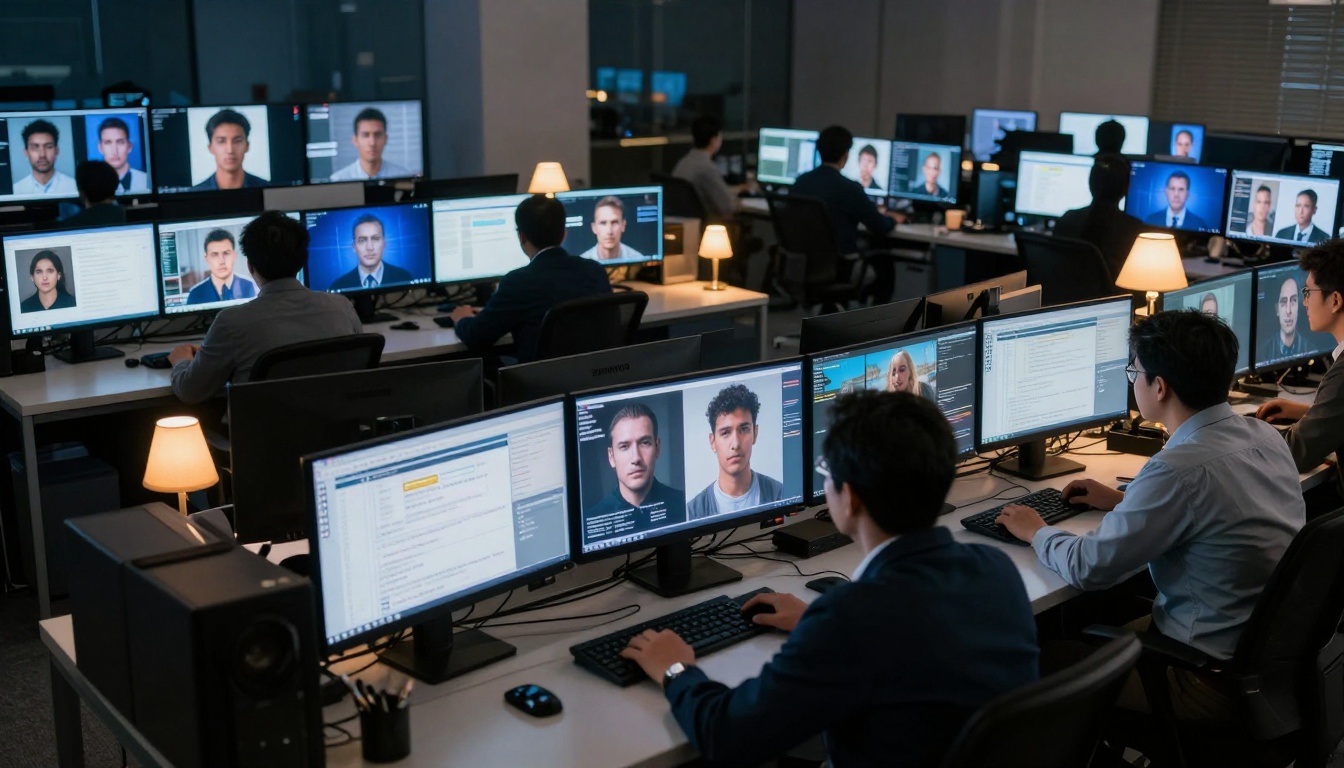
Image: Moderation centers overwhelmed by volume of deceptive AI content
Responsible Image Creation With PicassoIA
Despite the risks, image generation technology offers tremendous creative potential. The solution isn't abandoning the technology but using it responsibly. Platforms like PicassoIA provide tools while creators must implement ethical practices.
Using Models Ethically
When working with image generation models like Flux or GPT-Image, responsible creators follow established guidelines:
Transparency practices:
- Disclose AI generation when content appears realistic
- Attribute inspiration sources when mimicking specific styles
- Document modifications when editing existing images
Technical safeguards:
- Use watermarking features available in generation tools
- Implement metadata tagging for future verification
- Maintain source files for forensic analysis if needed
Best Practices For Content Creators
Based on 2027 industry standards, responsible creation involves:
- Purpose evaluation: Ask "Why am I creating this image?" before generation
- Impact assessment: Consider how the image might be misinterpreted or misused
- Transparency implementation: Build disclosure into your workflow
- Verification readiness: Be prepared to prove authenticity if challenged
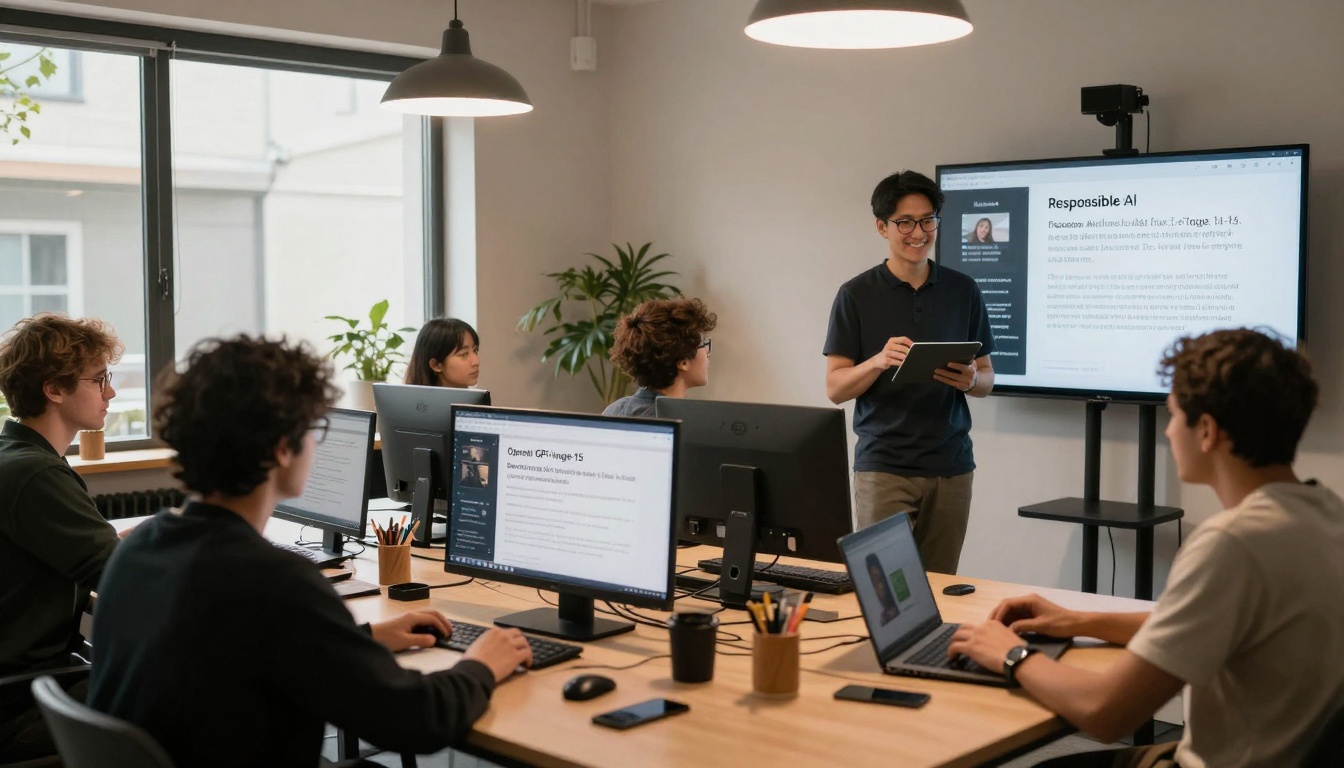
Image: Ethical creators using AI tools with proper attribution and transparency
The technology itself is neutral—it's our application that determines its impact. When you experiment with image generation models on PicassoIA, consider not just what you can create but what responsibility comes with that creation. The images you generate today might be indistinguishable from reality tomorrow, and how you handle that power defines whether you're contributing to solutions or problems.
Start with clear intent: Are you creating for artistic expression, commercial use, or experimentation? Each purpose carries different responsibilities.
Build verification into your process: Before sharing generated content, ask yourself how you would prove its authenticity if challenged. That question alone changes how you approach creation.
Contribute to better practices: Share what you learn about responsible generation. The community needs more voices advocating for ethical use rather than just celebrating technological capability.
The dark side of AI-generated images emerges when creation happens without consideration of consequences. The bright side? When creators approach the technology with awareness, responsibility, and respect for its power. That difference determines whether 2027 sees escalation of these problems or meaningful progress toward solutions.


