The relationship between social media platforms and AI-generated NSFW content has evolved into a sophisticated ecosystem where algorithms, audience behavior, and creative tools intersect. What began as niche experimentation has transformed into a multi-platform content strategy driven by data analytics, engagement metrics, and sophisticated AI image generation. The explosion isn't just about technology—it's about how social media dynamics create demand, shape content strategies, and redefine what's possible in digital content creation.
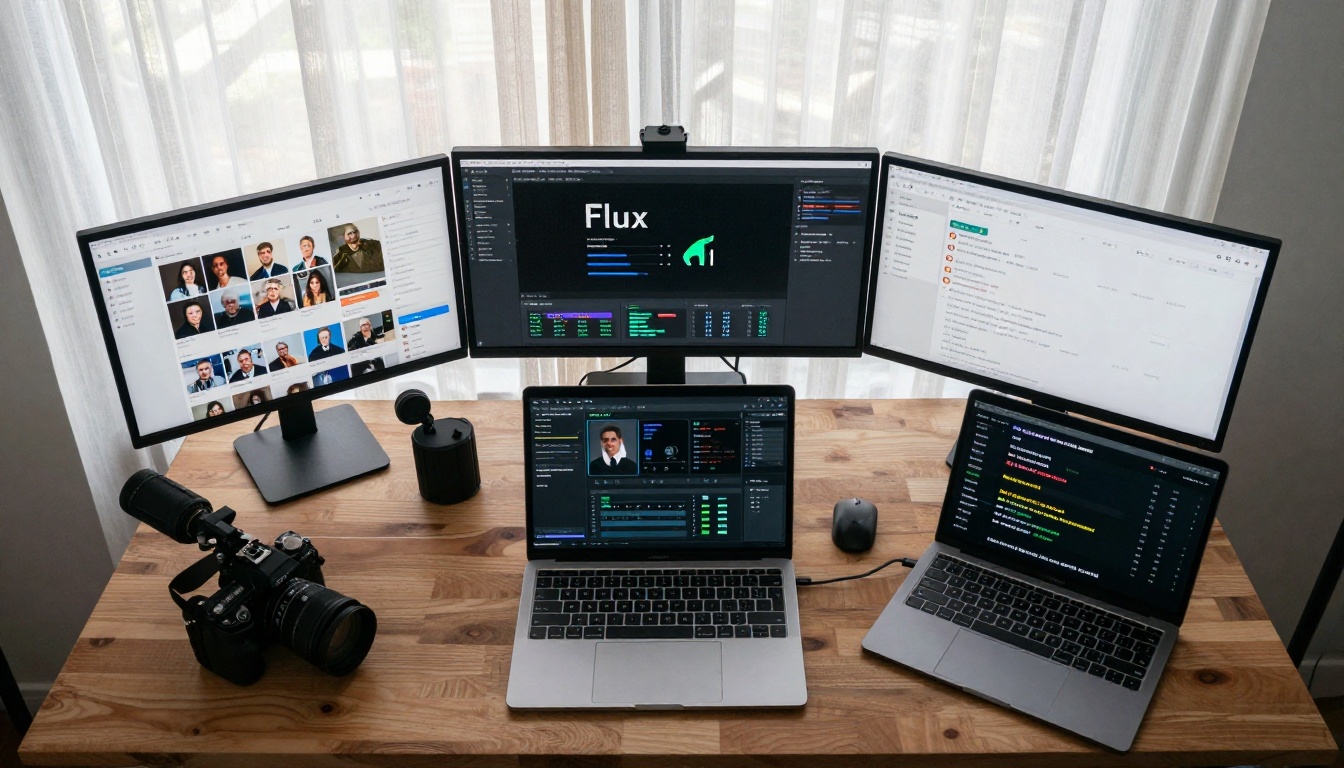
Modern content creators work at the intersection of creative tools and data analytics
How Social Media Algorithms Fuel AI Content Demand
Social media platforms aren't neutral distribution channels—they're active participants in shaping what content gets seen, shared, and monetized. The algorithms driving Instagram, Twitter, TikTok, and emerging platforms have created specific conditions where AI-generated NSFW content thrives.
The Engagement Feedback Loop
💡 Platform algorithms prioritize content that keeps users engaged longer. AI-generated NSFW images often achieve higher engagement rates than traditional content because they can be optimized for specific audience preferences through iterative testing.
The immediate feedback loop created by likes, comments, and shares provides creators with real-time data about what works. When a creator posts an AI-generated image and sees engagement spike within minutes, they receive clear signals about audience preferences. This data informs their next creation cycle, creating a self-reinforcing system where successful content patterns get replicated and refined.
Real-time notifications create immediate feedback for content optimization
Key metrics that drive AI content creation:
| Metric | Impact on AI Content Strategy | Platform Example |
|---|
| Engagement Rate | Determines content style and frequency | Instagram Reels |
| Time Spent Viewing | Influences composition and detail level | TikTok videos |
| Share Rate | Affects virality and content distribution | Twitter threads |
| Save Rate | Indicates long-term value and reusability | Pinterest boards |
| Follower Growth | Measures audience expansion potential | All platforms |
Peak Posting Times and Content Strategy
Different platforms have distinct engagement patterns throughout the day. AI content creators use this data to schedule their posts for maximum impact:
- Instagram: Peak engagement 7-9 PM local time, perfect for artistic, visually-rich AI content
- Twitter: Highest activity 12-1 PM and 5-6 PM, ideal for conversational NSFW content
- TikTok: Consistent engagement throughout evening hours, favoring dynamic AI content
- OnlyFans: Evening and weekend peaks, supporting premium AI-generated content
The ability to generate content on-demand using AI tools means creators can align their production schedule with these engagement windows without the logistical constraints of traditional photography.
The Creator Economy Shift
The traditional model of NSFW content creation involved significant upfront costs: photography equipment, studio space, model fees, and post-production editing. AI generation has democratized access to high-quality content creation, but social media platforms have amplified this effect through their monetization systems.
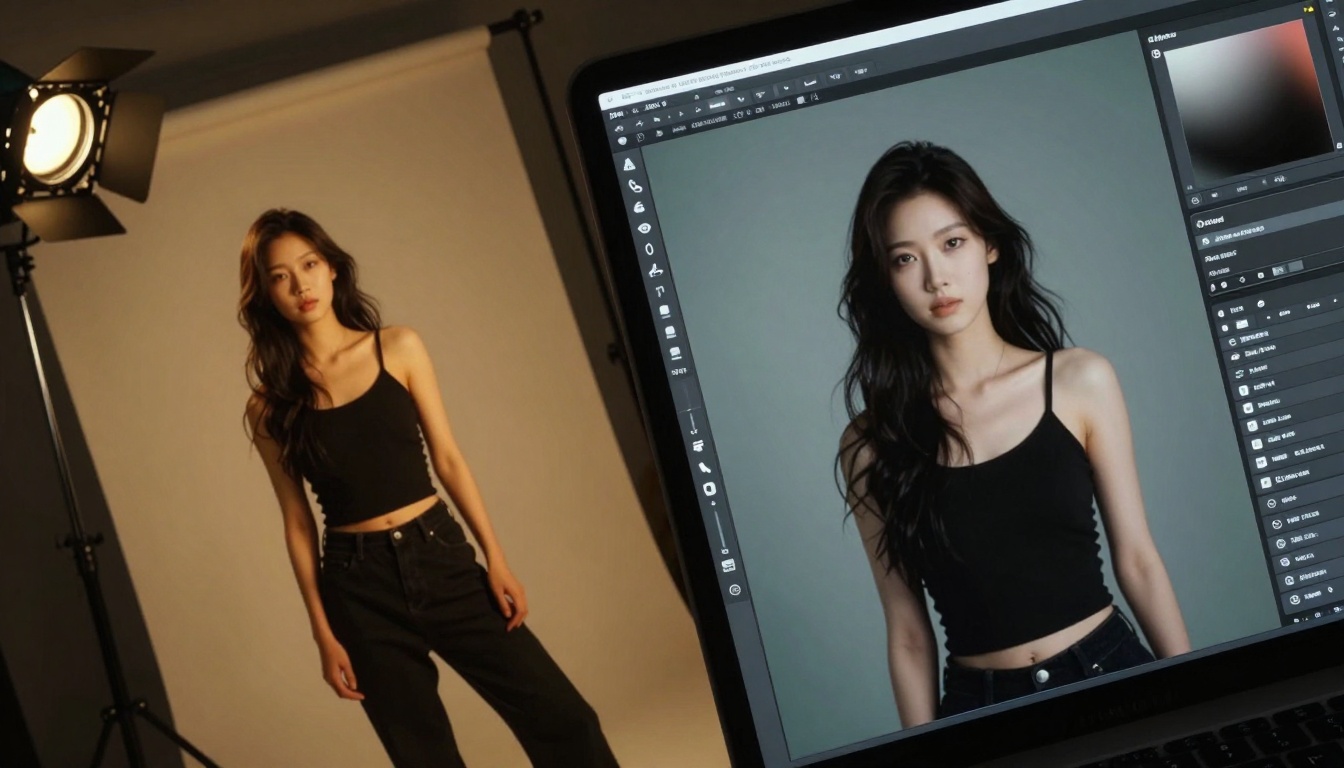
Traditional photography versus AI-generated content creation methods
Traditional vs AI-Assisted Production
Traditional Photography Challenges:
- High equipment costs ($5,000+ for professional setup)
- Limited shooting locations and studio access
- Model scheduling and collaboration complexities
- Extended post-production timelines
- Physical storage and organization requirements
AI-Assisted Advantages:
- Lower barrier to entry (subscription-based tools)
- Unlimited creative variations from single prompts
- 24/7 generation capability
- Immediate iteration based on feedback
- Digital organization and cataloging
Revenue Models and Monetization
Social media platforms have created multiple revenue streams for AI-generated NSFW content:
-
Direct Platform Monetization
- Instagram Subscriptions
- Twitter Super Follows
- TikTok Creator Fund
- OnlyFans membership tiers
-
Cross-Platform Distribution
- Same content adapted for different platform formats
- Tiered access models (free previews, paid full access)
- Platform-specific exclusive content
-
Merchandise and Digital Products
- Print-on-demand with AI-generated designs
- Digital content packs for other creators
- Custom commission services
The data transparency provided by social media platforms gives creators unprecedented insight into what content generates revenue, allowing for strategic optimization of their AI generation workflows.
Platform-Specific Content Strategies
Each major social media platform has developed unique content ecosystems that favor different types of AI-generated NSFW content. Successful creators adapt their AI generation parameters to match platform-specific audience expectations.
Content distributed simultaneously across multiple social platforms
Instagram's Visual-First Approach
Instagram's algorithm prioritizes aesthetic consistency and visual storytelling. AI-generated NSFW content on Instagram tends toward:
- High aesthetic quality with cohesive color palettes
- Series-based content that tells visual stories
- Reels integration with AI-generated motion elements
- Carousel posts showing AI prompt evolution
Instagram-specific AI parameters:
- Aspect ratio: 4:5 (portrait optimization)
- Color grading: Warm, consistent tones
- Detail level: High for zoom engagement
- Style consistency: Cohesive aesthetic across feed
Twitter's Real-Time Engagement
Twitter favors conversational content and real-time interaction. AI-generated content here often includes:
- Thread-based storytelling with progressive reveals
- Community engagement through polls and questions
- Trend participation with timely AI content
- Direct creator-audience interaction
Twitter optimization strategies:
- First image in thread as engagement hook
- Progressive detail reveal through thread
- Hashtag optimization for discoverability
- Reply engagement as content extension
TikTok's Viral Potential
TikTok's algorithm rewards authenticity and entertainment value. AI-generated NSFW content adapts by:
- Educational angles showing AI creation process
- Behind-the-scenes of prompt refinement
- Transformation content (sketch to final AI image)
- Sound integration with AI visual storytelling
TikTok content formulas:
- "Watch me create this with AI" process videos
- Before/after AI generation comparisons
- Prompt experimentation and results
- AI tool tutorials and tips
The social media boom would be impossible without sophisticated AI image generation tools that can produce content at scale while maintaining artistic quality. Several key models have become industry standards.
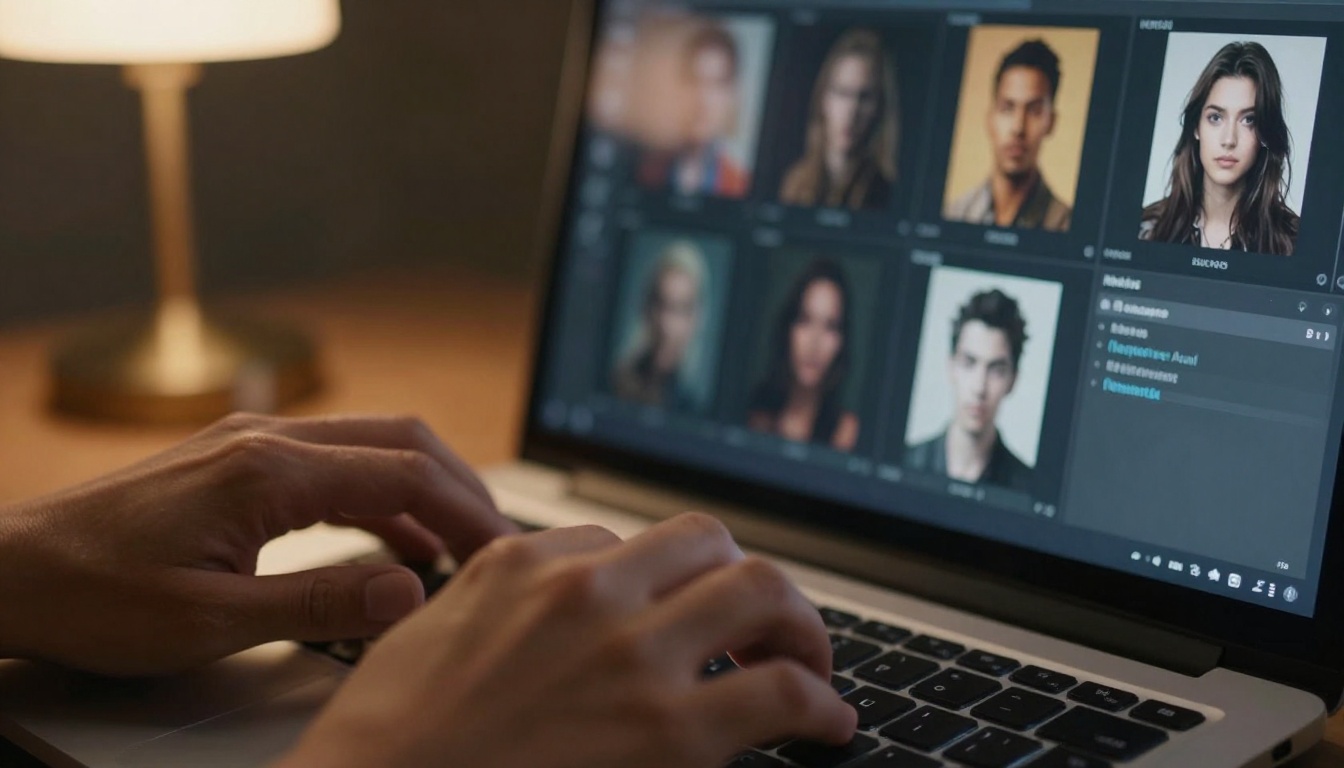
The iterative process of refining AI prompts for optimal results
Flux Models for Photorealistic Output
The Flux model family has revolutionized photorealistic AI generation. Social media creators particularly value:
- Consistent character generation across multiple images
- High detail preservation at social media resolutions
- Style adaptability for different platform aesthetics
- Rapid generation speed for timely content
Flux parameters for social media:
guidance_scale: 7.5 for balanced creativity/realismnum_inference_steps: 30 for optimal speed/qualityaspect_ratio: "4:5" for Instagram optimizationstyle_preset: "photographic" for platform authenticity
p-image for Rapid Generation
prunaai/p-image offers exceptional speed perfect for social media's demand for constant content:
- Sub-second generation for real-time content needs
- Batch processing for content series creation
- Style consistency across multiple generations
- Cost efficiency for high-volume creators
p-image social media workflow:
- Generate 50+ variations in single batch
- Quick review and selection based on platform fit
- Immediate posting during engagement peaks
- Performance tracking and prompt refinement
qwen-image-2512 for Artistic Styles
qwen-image-2512 provides artistic versatility that helps content stand out in crowded social feeds:
- Unique visual styles differentiating from competitors
- Emotional tone control matching platform mood
- Composition creativity beyond standard formulas
- Niche aesthetic development for specific audiences
Artistic parameter combinations:
cinematic lighting + soft focus for Instagram elegancedynamic composition + high contrast for Twitter impactplayful elements + bright colors for TikTok viralityminimalist aesthetic + negative space for premium platforms
Data-Driven Content Creation
The most successful AI-generated NSFW content isn't created in isolation—it's iteratively refined based on social media performance data. Modern creators operate more like data scientists than traditional artists.

Content creators analyze performance data to inform AI generation strategies
Analytics Dashboards in Action
Professional content creators use multi-platform analytics tools to track:
- Cross-platform performance comparisons
- Audience demographic shifts
- Content type engagement patterns
- Revenue correlation with content styles
- Growth trajectory predictions
Key metrics influencing AI generation:
| Data Point | AI Generation Adjustment | Expected Outcome |
|---|
| Higher evening engagement | Generate content with warm, intimate lighting | 15-25% engagement increase |
| Mobile vs desktop viewing | Optimize composition for vertical scrolling | Better mobile retention |
| Age demographic shifts | Adjust style toward audience preferences | Improved follower growth |
| Platform algorithm changes | Test new content formats quickly | Maintain visibility during changes |
| Competitor content analysis | Identify successful visual patterns | Competitive differentiation |
A/B Testing with AI Variations
The rapid generation capability of AI tools enables sophisticated A/B testing that was previously impossible:
Testing methodology:
- Generate 10 variations of same concept
- Post simultaneously to test audience
- Track engagement differences in real-time
- Identify winning patterns
- Scale successful variations
What gets tested:
- Color palettes (warm vs cool, saturated vs muted)
- Composition styles (close-up vs environmental, symmetrical vs dynamic)
- Lighting approaches (natural vs studio, high-key vs low-key)
- Subject expressions (direct gaze vs candid, serious vs playful)
- Detail levels (minimalist vs intricate, abstract vs literal)
The intersection of AI generation and social media distribution raises significant ethical questions that platforms, creators, and audiences are still navigating.
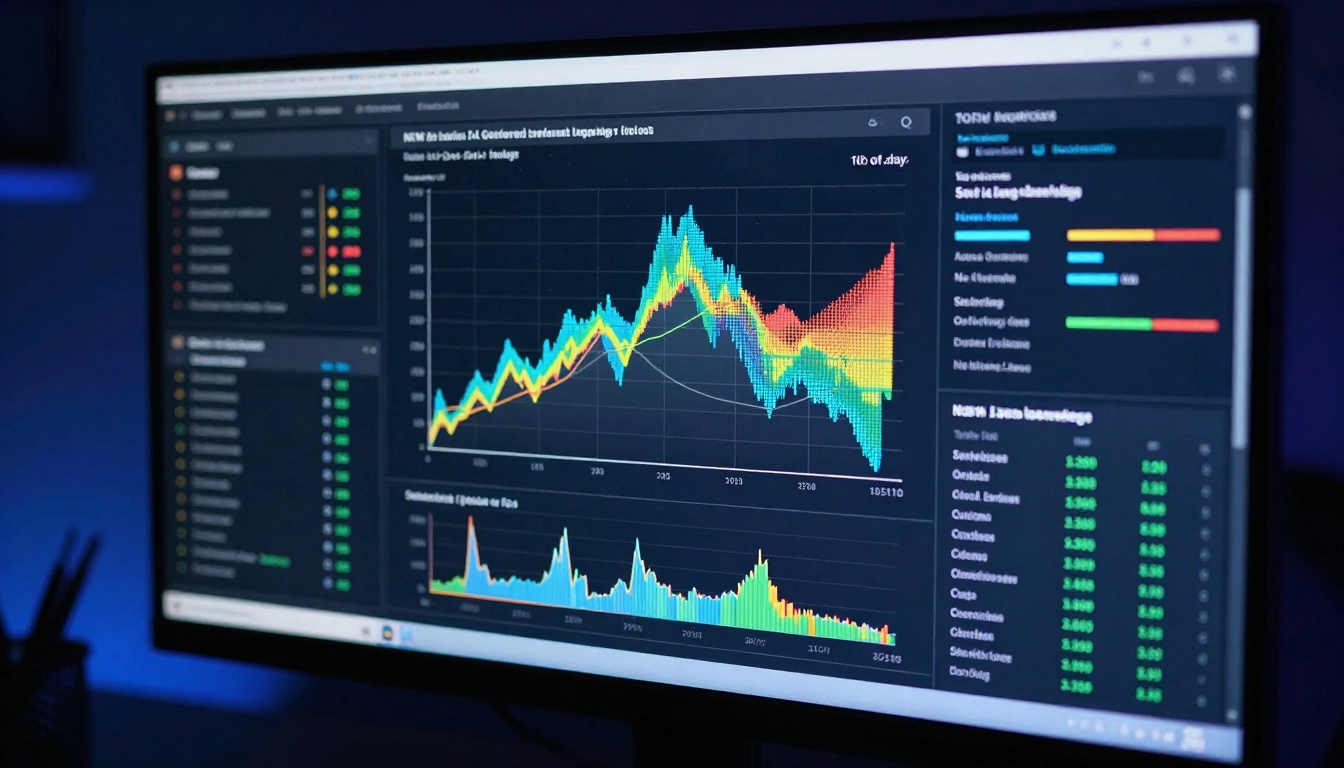
Algorithmic systems that determine content visibility and distribution
Content Moderation Challenges
Social media platforms face unprecedented moderation complexity with AI-generated content:
Technical detection difficulties:
- Traditional moderation tools trained on human-created content
- AI generation creates novel visual patterns
- Rapid style evolution outpaces detection updates
- Subtle boundary-pushing without explicit violations
Platform response strategies:
- AI detection integration in moderation systems
- Creator verification programs for trusted accounts
- Community guideline evolution for AI-specific cases
- Transparency reporting on AI content handling
Creator Rights and Ownership
The legal landscape for AI-generated content ownership remains complex:
Current platform approaches:
- Most treat AI-generated content like user-created content
- Revenue sharing based on platform terms, not tool usage
- Attribution systems evolving for AI-assisted work
- Copyright claims handled case-by-case
Creator best practices:
- Clear disclosure of AI generation methods
- Tool acknowledgment in content descriptions
- Original prompt documentation for ownership claims
- Platform-specific compliance with evolving policies
The Future of AI-Generated Content
The relationship between social media and AI generation is still evolving, with several clear trajectories emerging based on current platform developments and creator innovations.

The complete workflow from AI generation to social media distribution
Emerging Trends and Technologies
Platform integration of AI tools:
- Native AI generation features within social apps
- Direct API connections between AI tools and platforms
- Automated content optimization based on performance
- Real-time style adjustment during generation
Creator tool evolution:
- Multi-platform style adaptation in single generation
- Performance-predictive generation based on historical data
- Audience-specific customization at generation time
- Cross-platform consistency tools for brand building
Platform Integration Possibilities
Social media platforms are moving toward deeper AI integration:
Near-term developments:
- Platform-specific AI model training for optimized output
- Integrated prompt libraries for platform-best content
- Automated posting optimization based on algorithm timing
- Native A/B testing tools within platform interfaces
Long-term vision:
- Fully automated content strategies based on audience data
- Real-time generation adjustments during posting windows
- Cross-platform style consistency through AI coordination
- Predictive content planning based on engagement forecasts
Creating Your Own AI-Generated Content
The tools and strategies discussed here are accessible to creators at all levels. Platforms like Picasso IA provide direct access to the same AI models used by professional content creators, with intuitive interfaces that make sophisticated generation accessible.
Getting started steps:
- Platform selection: Choose 1-2 platforms matching your content style
- Tool experimentation: Test different AI models to find your preferred workflow
- Audience research: Study successful content in your niche
- Iterative refinement: Start simple, refine based on engagement data
- Consistency building: Develop recognizable style across platforms
Key tools to explore:
The most successful creators combine technical tool mastery with platform-specific strategy. They don't just generate content—they generate content optimized for specific platforms, specific audiences, and specific engagement patterns. The AI provides the creative capability, but the social media dynamics provide the strategic framework that turns creative output into audience engagement and sustainable creator careers.


