The moment you see it on your feed, you stop scrolling. Someone posted a photo of themselves as a Renaissance oil painting, a Marvel action figure still in the box, or a hyper-cinematic portrait that looks like it belongs on a movie poster. The comments flood with "how did you do this?" And the answer is always the same: AI.
This is the viral AI trend everyone is talking about. And unlike most tech trends, this one has real staying power.
What Is Actually Going Viral
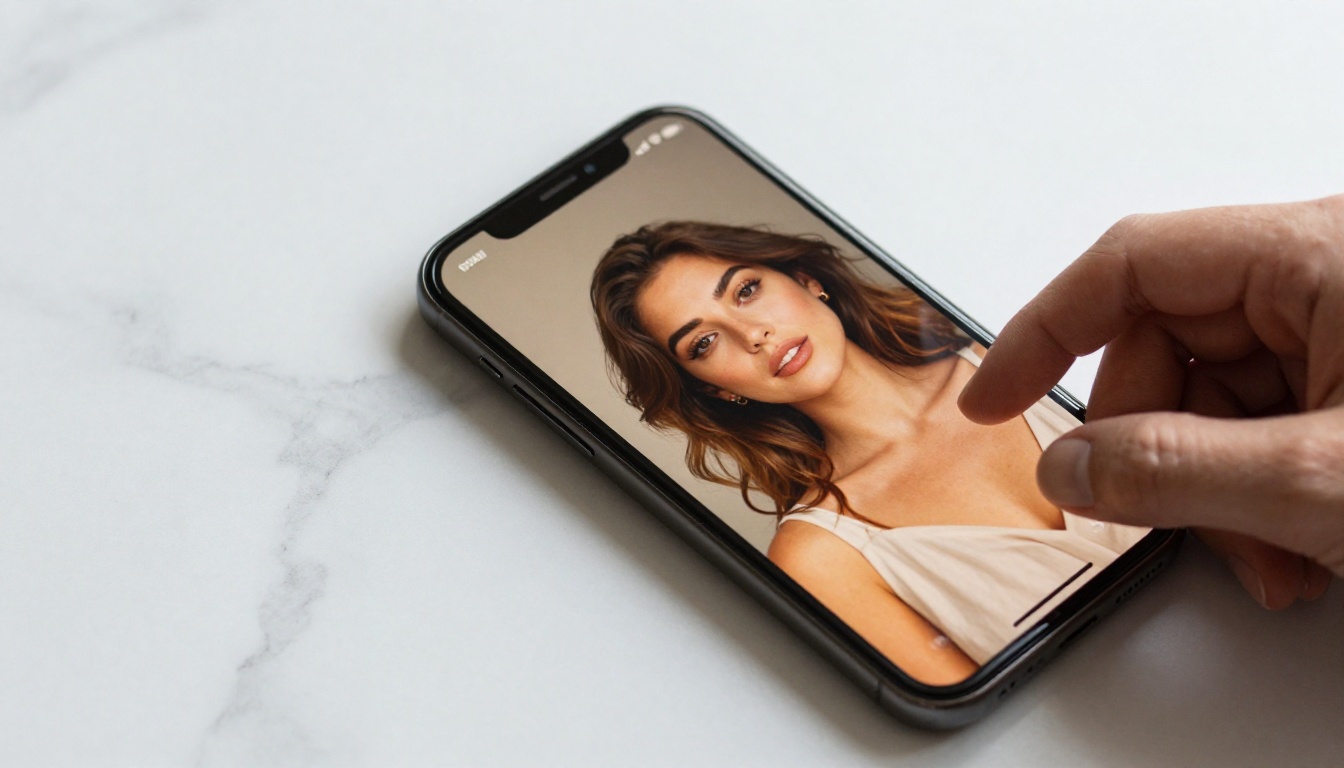
It is not one single thing. The "viral AI trend" is really an umbrella covering several distinct waves that have hit social media over the past year, each one bigger than the last.
The AI Portrait Wave
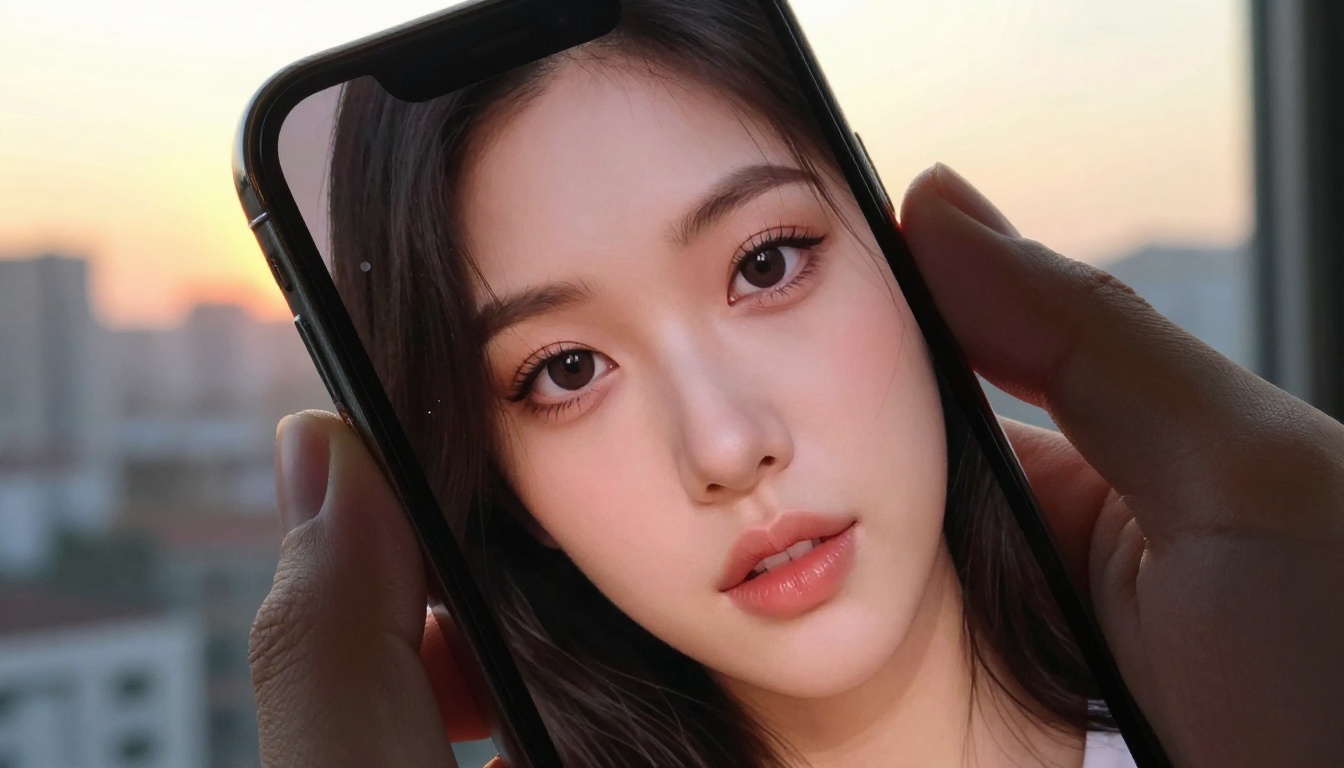
It started with AI portrait generators. Platforms offered to turn a selfie into a stunning, high-resolution portrait with professional lighting, perfect skin, and a cinematic feel. The results were striking enough to share immediately. People who had never touched an AI tool in their lives were suddenly generating and posting AI versions of themselves.
The appeal was obvious: you, but elevated. No photographer. No editing skills. Just a photo and a few words.
The Style Transformation Boom
Then came style transformations. The same photo of yourself, but as a Pixar character. Or a watercolor painting. Or a 1950s fashion model. Or, most famously, in the hand-painted aesthetic of a beloved Japanese animation studio whose style spread so fast that the phrase "turn me into anime" became a search term with millions of monthly hits.
Social platforms amplified every wave. One viral post spawned hundreds of thousands of replications. Trends that would have taken months to spread a decade ago now saturate your feed in 72 hours.
The Action Figure Moment
The most recent explosion: AI action figures. People are generating images of themselves packaged inside a toy box, like a collectible figure complete with accessories, a blister pack, and their own name on the box. The images look like real product photography. Brands started doing it. Celebrities joined in. It became its own cultural moment.
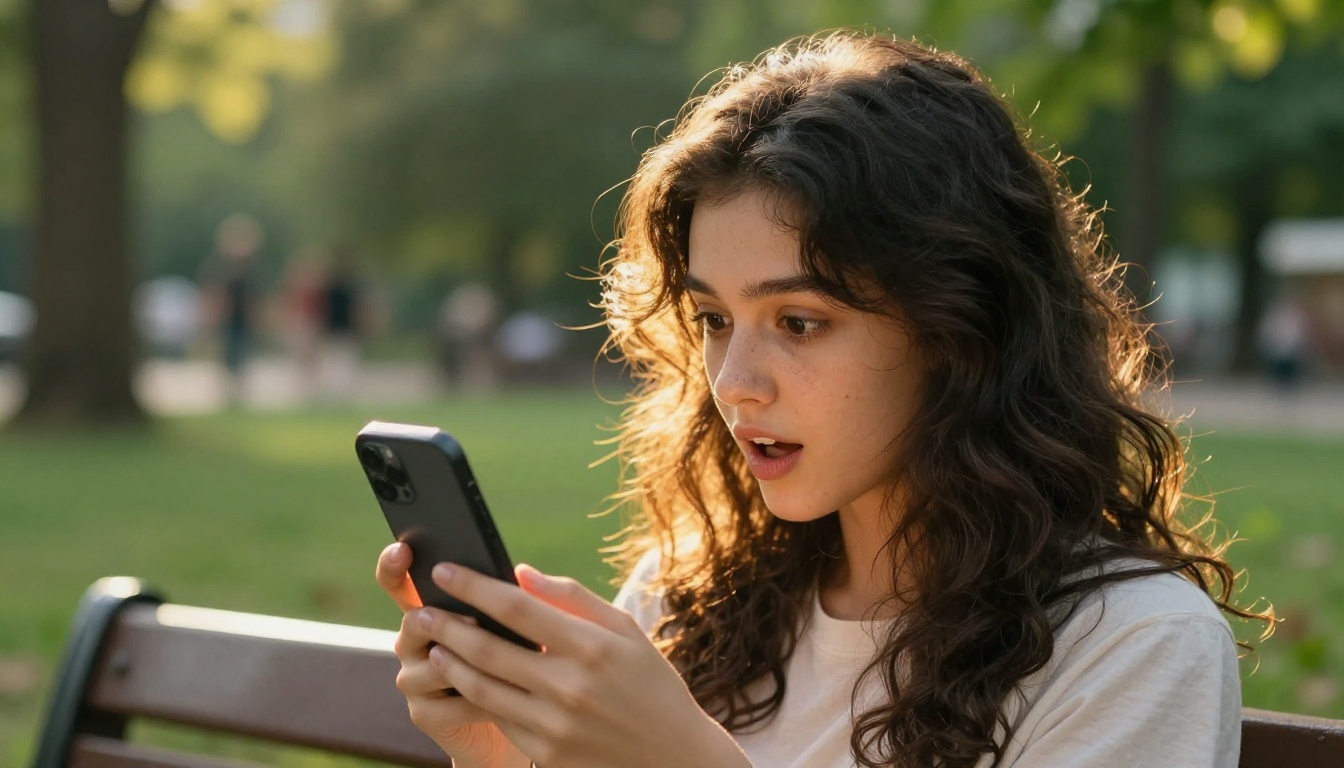
What made this specific trend explode was the specificity of it. It was not vague "AI art." It was a clear, recognizable format that anyone could immediately participate in. That formula, a template-like concept with room for personal customization, is exactly what makes AI trends go viral.
Why This Spread So Fast
Three forces turned AI image generation from a tech curiosity into a genuine cultural phenomenon.
The Barrier Dropped to Zero
A year ago, generating a high-quality AI image required knowing about model weights, negative prompts, CFG scales, and sampling steps. Today, you type a sentence and get a photorealistic image in seconds. The friction evaporated.
Platforms built clean, accessible interfaces on top of powerful models. The technical layer became invisible. What remained was the creative act itself, which turned out to be something everyone wanted to do.
The Results Got Genuinely Good
This is the part that matters most. Early AI images were easy to spot. Hands with six fingers. Teeth that looked like abstract sculptures. Eyes pointing in different directions. People shared them as jokes.
Then the models improved dramatically. Flux Schnell changed what fast generation looked like. Flux 1.1 Pro pushed photorealism to a level where casual viewers genuinely could not tell the difference. When the results stopped being "impressive for AI" and started being actually beautiful, the sharing behavior changed completely.
💡 The inflection point: Quality drives viral sharing. People share things that make them look good or make their friends ask "wait, how did you do that?"
Social Platforms Rewarded It
Reels, TikToks, and tweets featuring AI transformations get disproportionate engagement. They trigger a specific reaction: curiosity and slight disbelief. The viewer has to look twice. That pause, that moment of "is this real?", is algorithmically valuable because it drives watch time, replays, and comments.
The algorithm did not create the trend, but it absolutely poured fuel on it.
The Models Making It Happen
Not all AI image models are equal, and the ones driving the viral moment are worth knowing by name.
Flux: The New Standard
Black Forest Labs released Flux and it immediately became the model that serious creators switched to. Flux Schnell delivers results in under ten seconds. Flux 1.1 Pro produces images with exceptional detail, accurate text rendering, and realistic proportions that earlier models struggled with consistently.
What Flux did differently was nail the things that matter for social sharing: correct hands, accurate faces, and text that actually reads properly in the image.
For creators who want to edit or modify existing images with text instructions, Flux Kontext Pro brings another layer of control, letting you describe changes to a photo in plain language and watch them applied in seconds.
Ideogram for Text and Graphic Styles
Ideogram v3 Quality carved out a specific niche that other models historically fumbled: images with readable text. Product labels, posters, action figure packaging, quote graphics. Any trend that involves text appearing inside the image leans heavily on Ideogram's accuracy.
The action figure trend, specifically, owes a lot to Ideogram's ability to render the character's name, accessories list, and packaging copy as actual readable words rather than decorative gibberish.
DreamShaper for Artistic Transformations
DreamShaper XL Turbo sits at the intersection of speed and artistic quality. It handles style transformations especially well, making it the go-to for the "turn this photo into X style" format that drives so much social engagement.
Want the oil painting aesthetic? The anime character look? A specific cinematic color grade? DreamShaper delivers those without sacrificing detail or realism.
LoRA Models for Hyper-Specific Styles
For creators who want to go beyond base model capabilities, Flux Dev LoRA opens up custom-trained style adaptations. LoRAs allow models to consistently reproduce very specific visual styles, whether that is a particular artist's aesthetic, a brand's look, or a niche format like retro product photography.

What Makes a Prompt Go Viral
This is where most people go wrong. They type "make me look cool" and get something generic. The creators who are actually going viral are writing prompts like cinematographers describing a shot.
Specificity Is Everything
Compare these two prompts:
| Generic Prompt | Viral-Quality Prompt |
|---|
| "Make me an action figure" | "1990s action figure of a software engineer, still in box, accessories include laptop and coffee mug, blister pack packaging, product photo style" |
| "Oil painting portrait" | "Renaissance oil painting portrait, dark background, Rembrandt lighting, velvet doublet, 17th century Dutch master style" |
| "Anime character" | "Soft watercolor girl in a summer field, warm afternoon light, hand-painted feel, pastel tones" |
The difference is not effort, it is precision. AI models respond to specific details because they have learned from millions of images that share those same descriptive tags.
The 3-Part Prompt Structure
Prompts that consistently produce shareable results tend to follow a pattern:
- Subject: Who or what, with specific physical description
- Style: What visual language the image should speak
- Technical details: Lighting, angle, camera, atmosphere
💡 Tip: Add "photorealistic, 8K, Kodak Portra 400, natural lighting" to almost any prompt for an immediate quality boost.
Short Prompts vs Detailed Prompts
Short prompts give the model creative freedom, which is great for experimentation but unpredictable for specific outcomes. Detailed prompts give you control. For viral content, control wins. You want to be able to reproduce a style, tweak it, and iterate on results.
The best creators treat prompting as a craft. They save what works, iterate on structure, and build a personal library of prompt components they can mix and match.
The Numbers Behind the Trend
Social data tells the story more clearly than any description.
| Metric | Data |
|---|
| TikTok views on AI art content | 80+ billion cumulative |
| Monthly AI image generation requests globally | Over 15 billion |
| Growth in AI image tool usage (2024 to 2025) | 340% increase |
| Average shares per viral AI transformation post | 3 to 8 times higher than standard posts |
| Most used format | Portrait transformation (42% of AI posts) |
These numbers reflect something deeper than a passing trend. They reflect a genuine shift in how people interact with their own images and identities online.
Custom Styles and Personal Branding
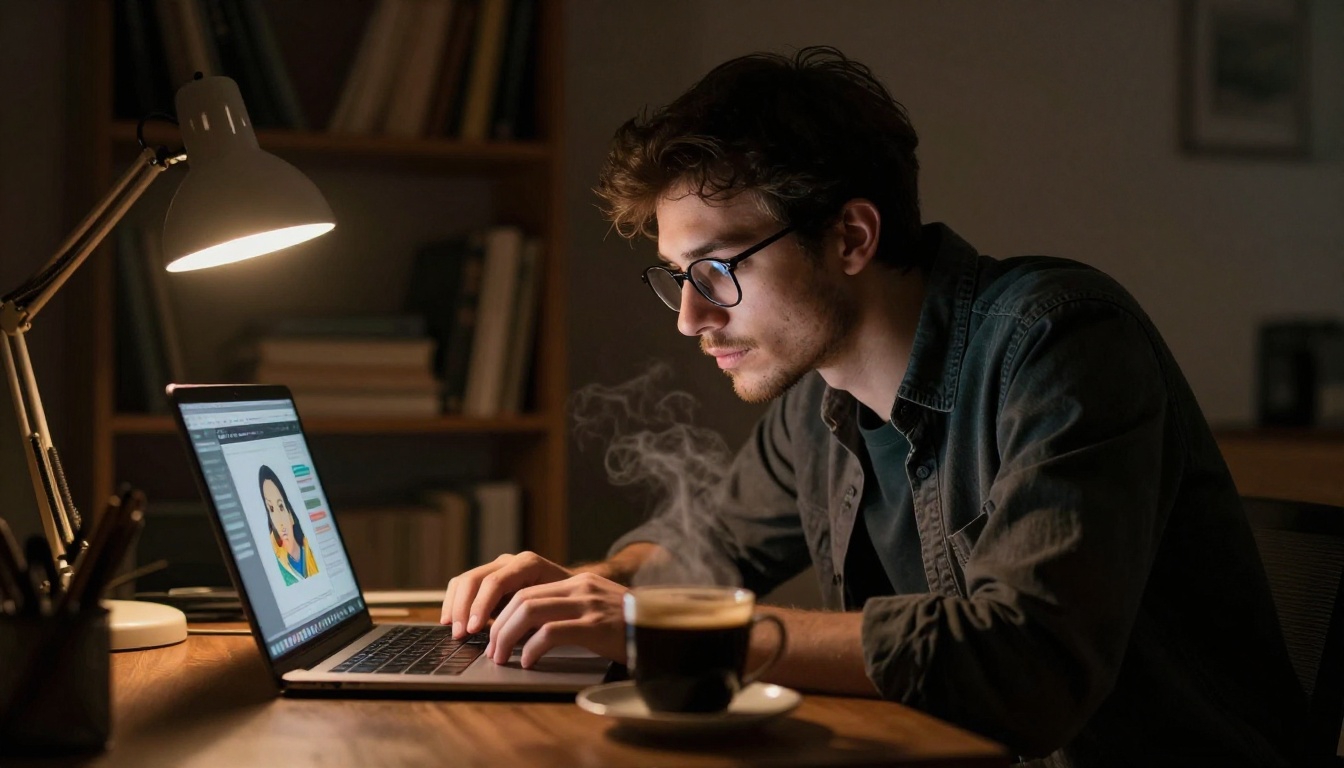
One underappreciated angle of the viral AI trend is how it is changing personal branding. Professionals, influencers, and small business owners are using AI image generation not just for fun but for consistent visual identity.
A content creator can establish a signature aesthetic, a specific lighting style, a particular color palette, a recognizable composition, and reproduce it across every image they generate. That consistency, once reserved for people with professional photography budgets, is now available to anyone.
SDXL ControlNet LoRA takes this further with structural control, letting creators maintain consistent poses, compositions, and framing across multiple generated images. Pose control means your series of images actually looks like a coordinated collection rather than random outputs.
Why Consistency Beats One-Off Virality
Going viral once is luck. Going viral repeatedly is a system. Creators who build a recognizable AI aesthetic, a specific way their images look and feel, build an audience that recognizes their work. The AI trend gives everyone the tools to do this. Very few are using them strategically.
💡 Opportunity: Most people are chasing one-off viral moments. Build a consistent visual language and you will stand out from everyone doing the same generic transformations.
Beyond Still Images
The trend is not staying still. The same energy that made AI photo transformation viral is now moving into video.
Text-to-video models are catching up fast to what image models could do 18 months ago. The early results are rough, but the trajectory is clear. What you can do with a still image today, turning a selfie into a cinematic portrait in ten seconds, you will be able to do with video in the near future.
Playground v2.5 continues pushing aesthetic quality on the image side, with a focus on the kind of beautiful, polished results that perform best on visual platforms. The competition between models benefits everyone creating content.
Why People Keep Coming Back
There is a psychological element to this trend that most coverage misses. AI image generation is not just about the output. It is about the act of creation.
Most people have never made art. Not professionally, not even as a hobby. The barrier, whether skill, time, tools, or confidence, was always too high. AI dropped that barrier completely. Now anyone can have a creative idea, describe it in words, and see it realized as an actual image.
That experience, I thought of something and now it exists, is genuinely new for most people. It is addictive in the best possible way. It turns passive scrollers into active creators.
💡 The real hook: People are not just sharing AI images. They are sharing proof that they made something beautiful. That emotional resonance is what keeps the trend growing.
Who Is Participating
The demographics of AI image creation are broader than you might expect:
- Gen Z uses it for self-expression and social identity
- Millennials use it for nostalgia-driven content (yearbook photos, childhood aesthetics)
- Professionals use it for profile photos and brand assets
- Small businesses use it for product photography and marketing materials
- Hobbyists use it to realize creative visions they could never execute manually
The trend is not niche. It is mainstream, and it has been for a while.
What Comes Next
The current viral moment is a preview. Models are improving every few months. Prompting skills are spreading through communities and tutorials. Use cases are expanding from personal portraits to product photography, brand assets, and visual storytelling.
The people experimenting now, learning which prompts work, which models suit which styles, how to get consistent results, are building skills that will matter for years. The tools will keep evolving. The instinct for what makes a compelling image will not go out of date.
The action figure trend will fade. The anime style wave will crest. But the underlying behavior, people using text to create images and sharing the results, is structural. It is not going anywhere.
Start Creating Your Own AI Images
You have seen the trend. You understand why it is spreading. The only thing left is to try it yourself.
PicassoIA gives you access to every major model driving this movement, Flux Schnell for instant results, Flux 1.1 Pro for maximum quality, Ideogram v3 Quality for text-heavy formats, DreamShaper XL Turbo for artistic styles, and over 90 more models, all in one place. No downloads. No setup. No technical knowledge required.
Pick a model. Write a prompt. See what you can make.
The trend is already here. The only question is whether you are creating or just watching.


