This AI Without Limits Trend Is Impossible to Ignore
The AI without limits trend represents a fundamental shift in how artificial intelligence approaches creative boundaries. Unlike traditional models constrained by filters and restrictions, these next-generation AI systems push beyond conventional limits to produce photorealistic, aesthetically sophisticated content that blurs lines between digital creation and natural beauty. This movement isn't about breaking rules for shock value—it's about expanding artistic possibilities, exploring human form through lens of technology, and creating content that feels authentically human while being technically artificial. The viral spread of this trend signals changing attitudes toward AI creativity and reveals what happens when technology stops playing safe.
Social media feeds have transformed. What was once cat videos and food pictures now features something different—stunning, photorealistic images that feel too real to be artificial, yet too perfect to be natural. This isn't just another filter trend or editing trick. It's the AI without limits movement, and it's rewriting what artificial intelligence can create.
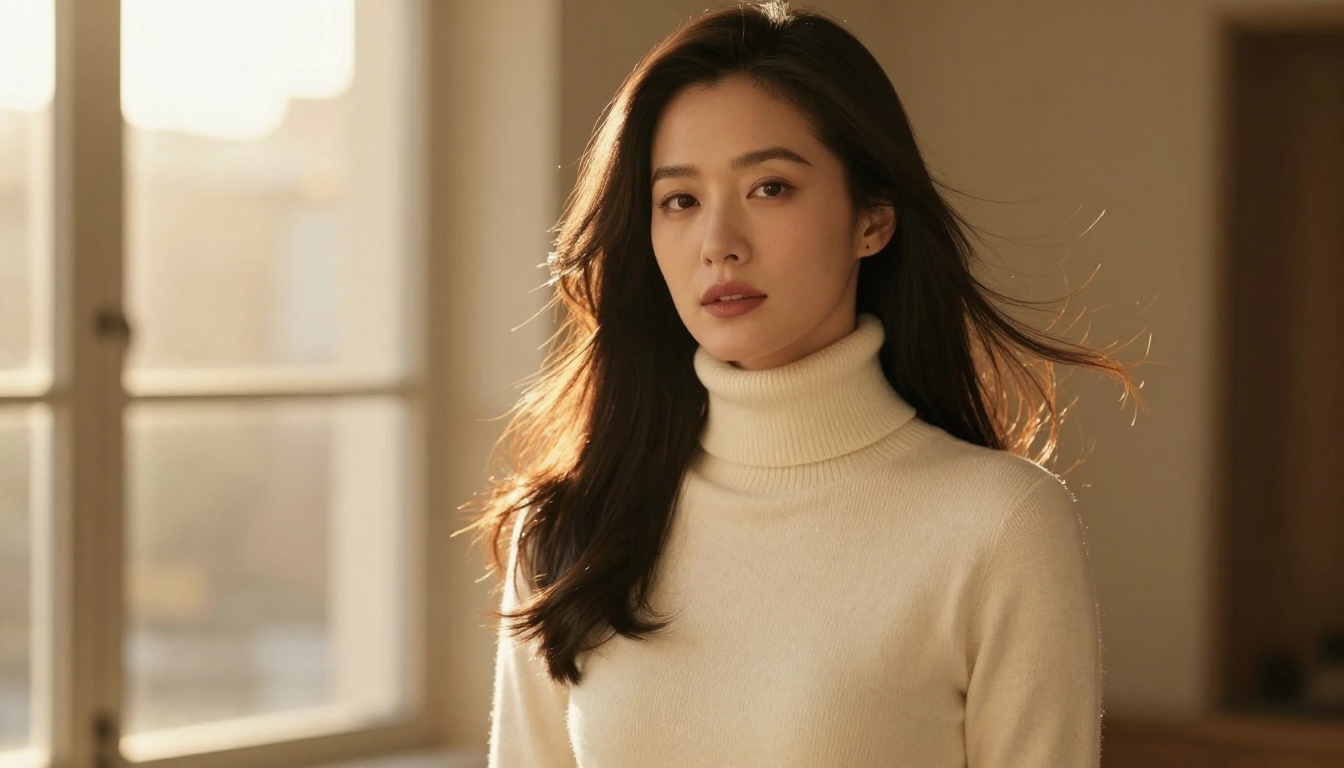
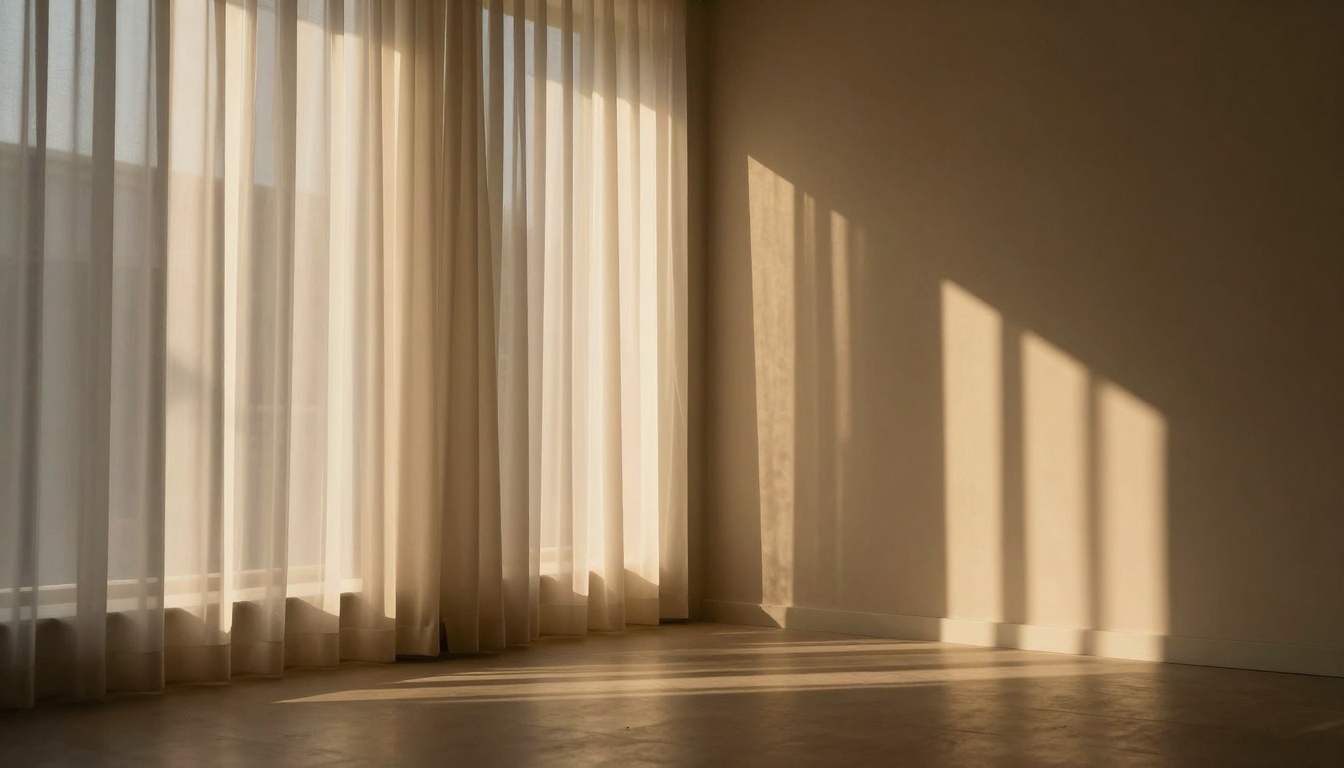
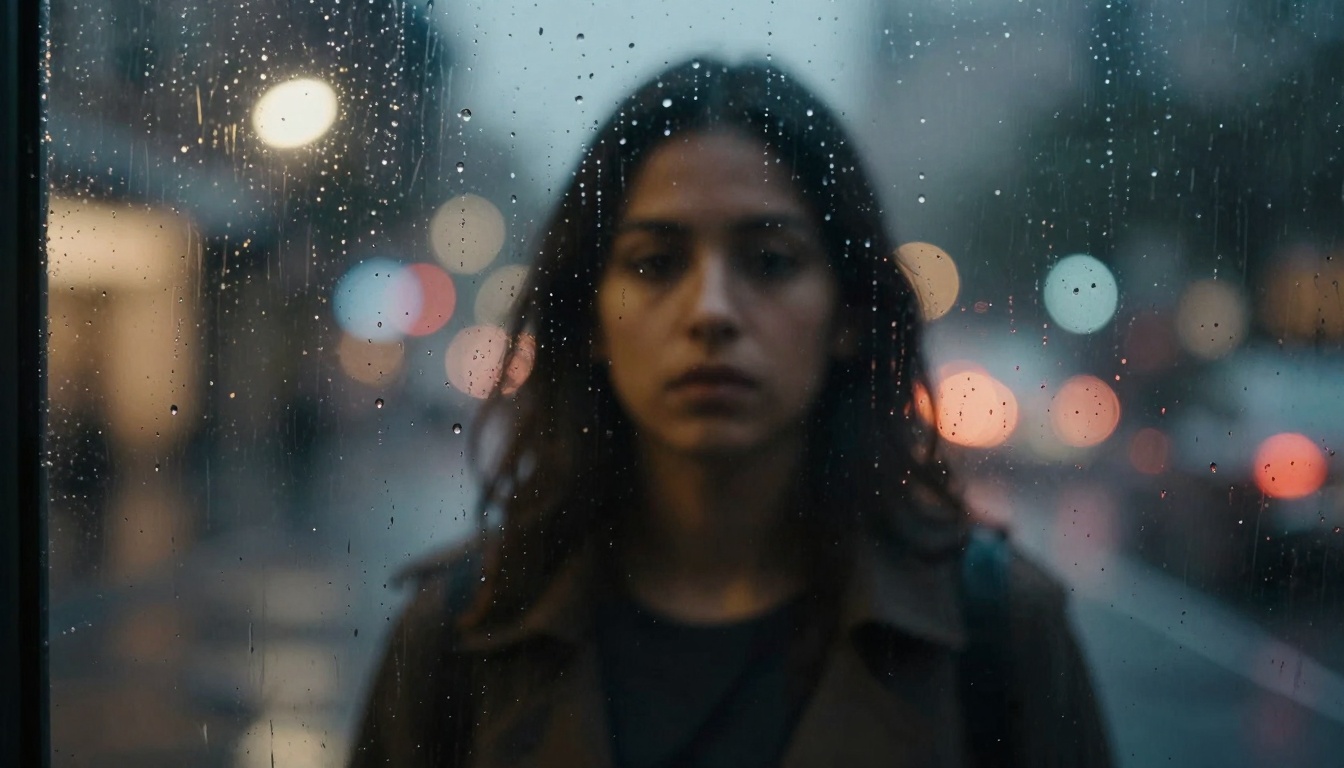
Cover image establishing the aesthetic mood of the trend
💡 What exactly is "AI without limits"? It refers to AI models that bypass traditional content restrictions to generate photorealistic, aesthetically sophisticated imagery focusing on human beauty, natural forms, and artistic expression without the safety filters that constrained earlier generations.
Why This Trend Exploded
The explosion happened quietly at first. Creators noticed something—traditional AI image generators like early versions of Stable Diffusion or DALL-E would refuse certain prompts or apply heavy-handed modifications. The results felt sanitized, corporate, safe.
Then came models like Flux 2 Pro and Qwen Image 2512 with different approaches. These systems focused on photorealism first, understanding that beauty exists in imperfection—the texture of skin, the play of light through water, the natural drape of fabric.
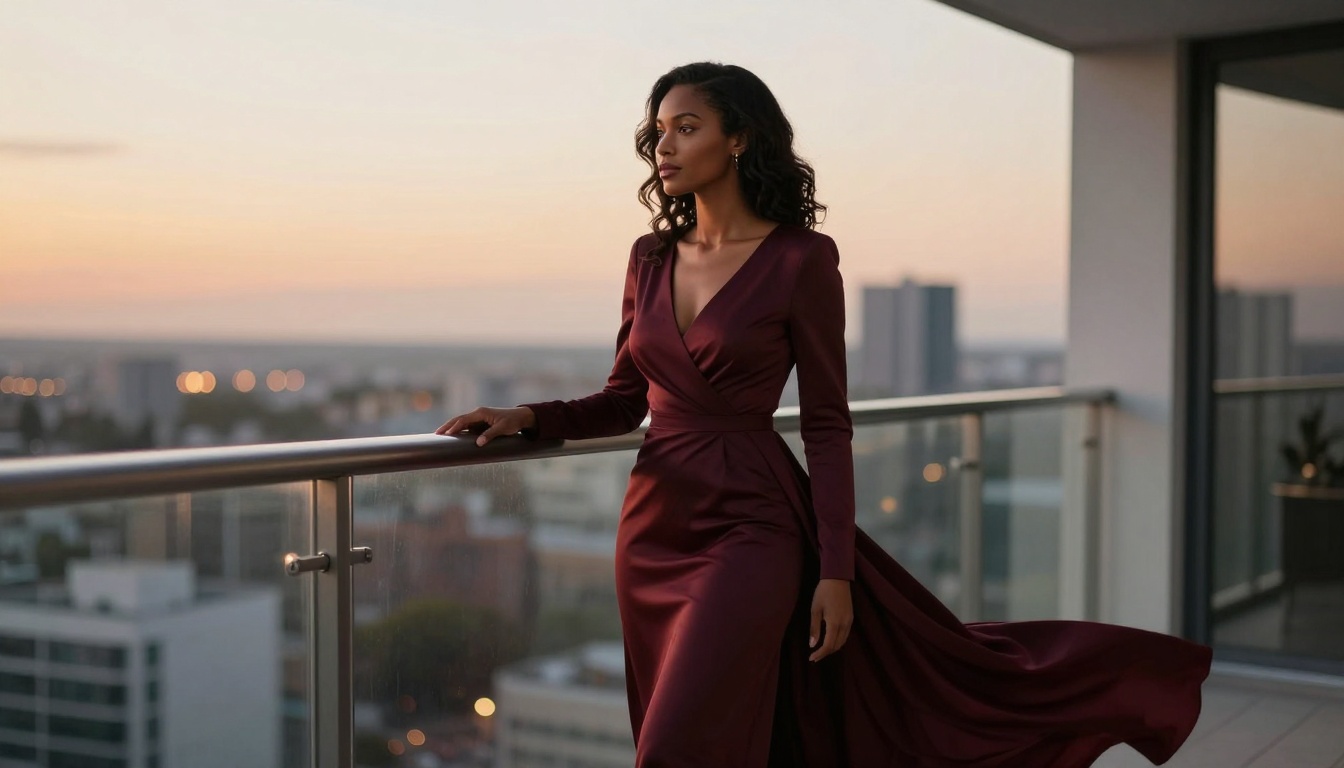
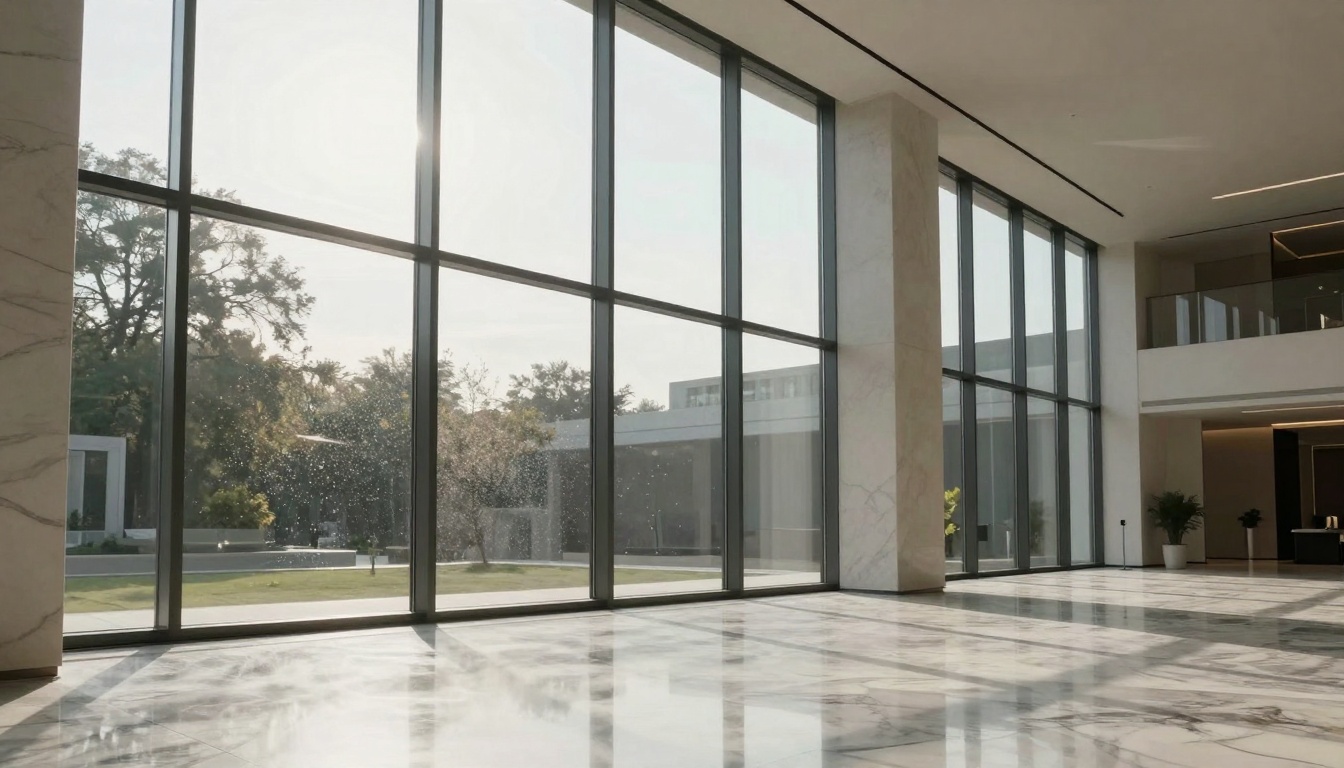
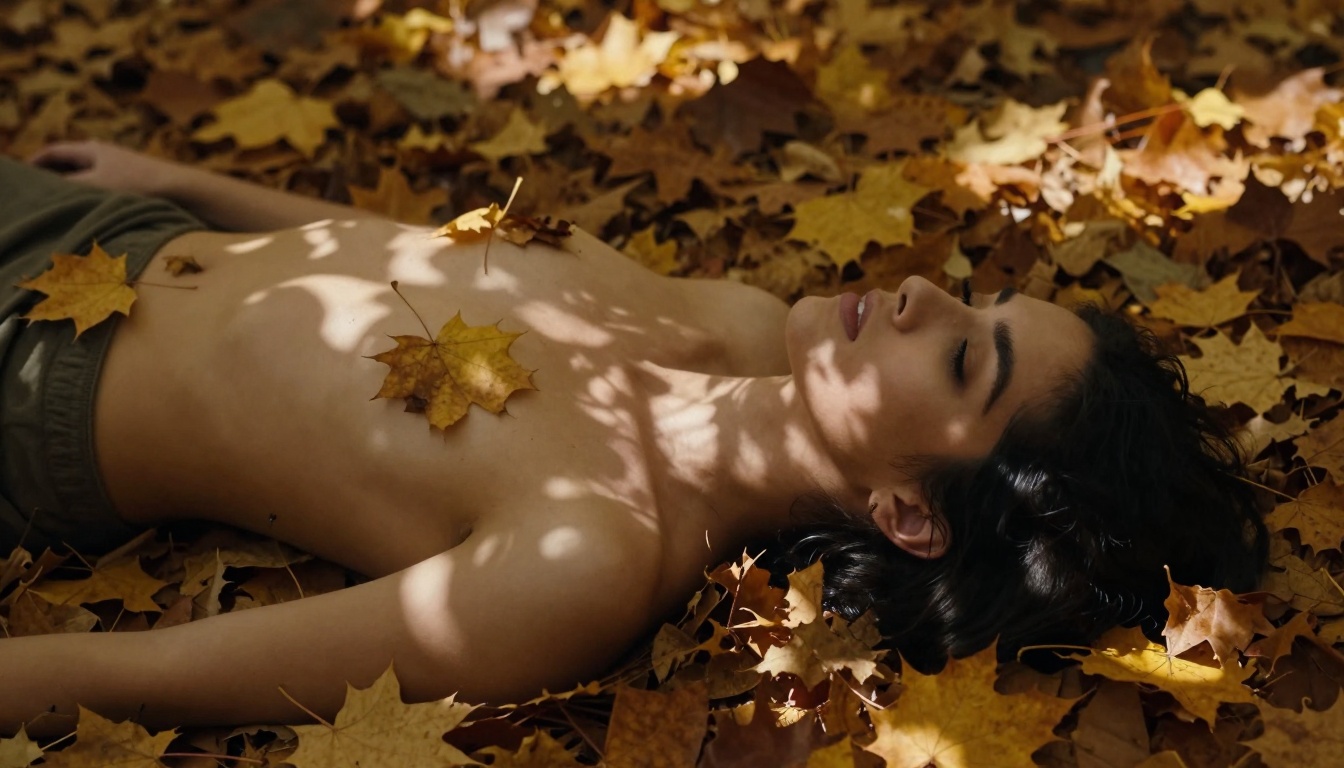
Low-angle composition showcasing the trend's cinematic aesthetic
The difference isn't just technical—it's philosophical. Where older models asked "Is this appropriate?", new models ask "Is this beautiful?"
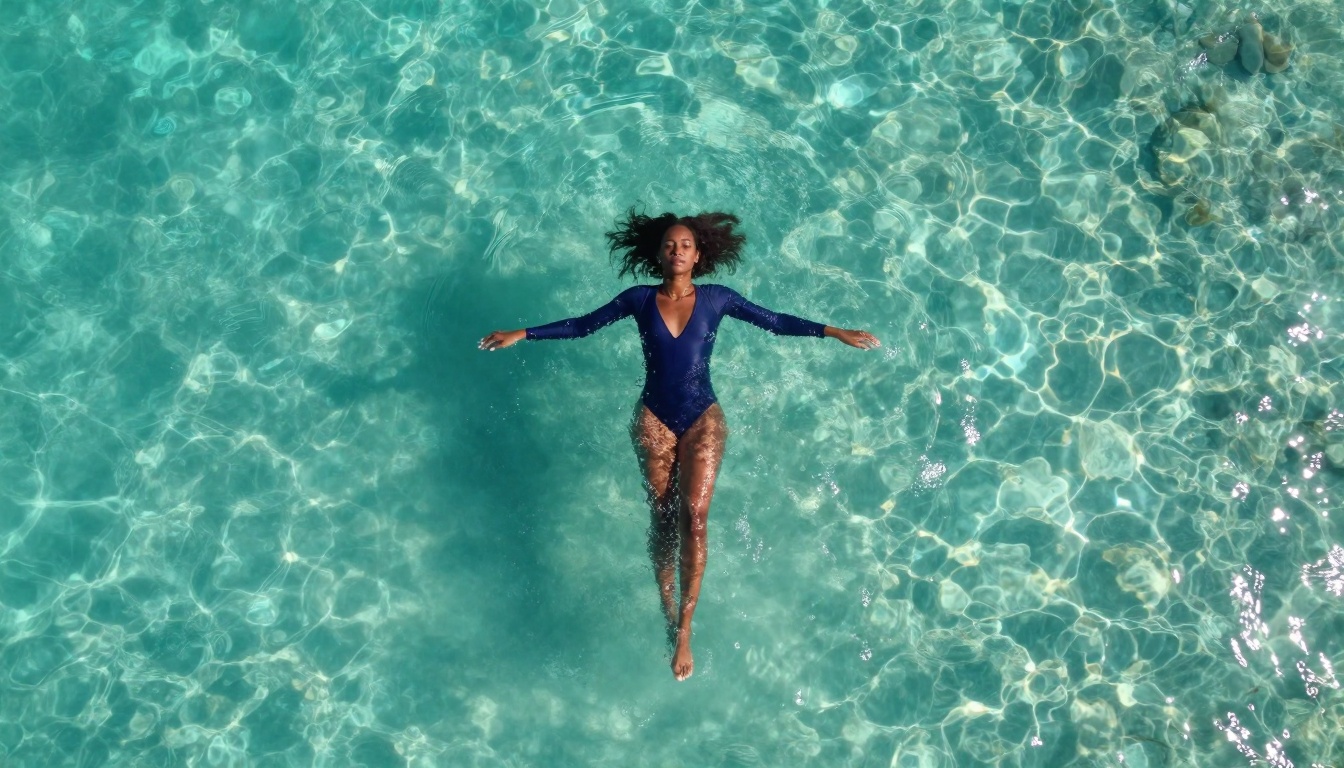
Aerial perspective showing water interaction—a hallmark of the trend
The Technical Breakthroughs Making It Possible
Several advancements converged to create this trend:
1. Improved Understanding of Human Form
Models like P-Image and Z-Image Turbo developed better understanding of anatomy, proportion, and natural movement. They don't just generate "a person"—they understand weight distribution, muscle tension, natural posture.
2. Material Physics Simulation
The ability to simulate how light interacts with different materials represents a quantum leap. When you see fabric clinging with wet transparency in an AI image, that's not a texture overlay—it's the model understanding:
Refractive index of water
Fabric weave density
Light absorption and scattering
3. Environmental Context Awareness
Earlier AI struggled with consistency between subject and environment. New models maintain atmospheric coherence—if it's raining, everything gets wet. If it's golden hour, light behaves consistently across the scene.
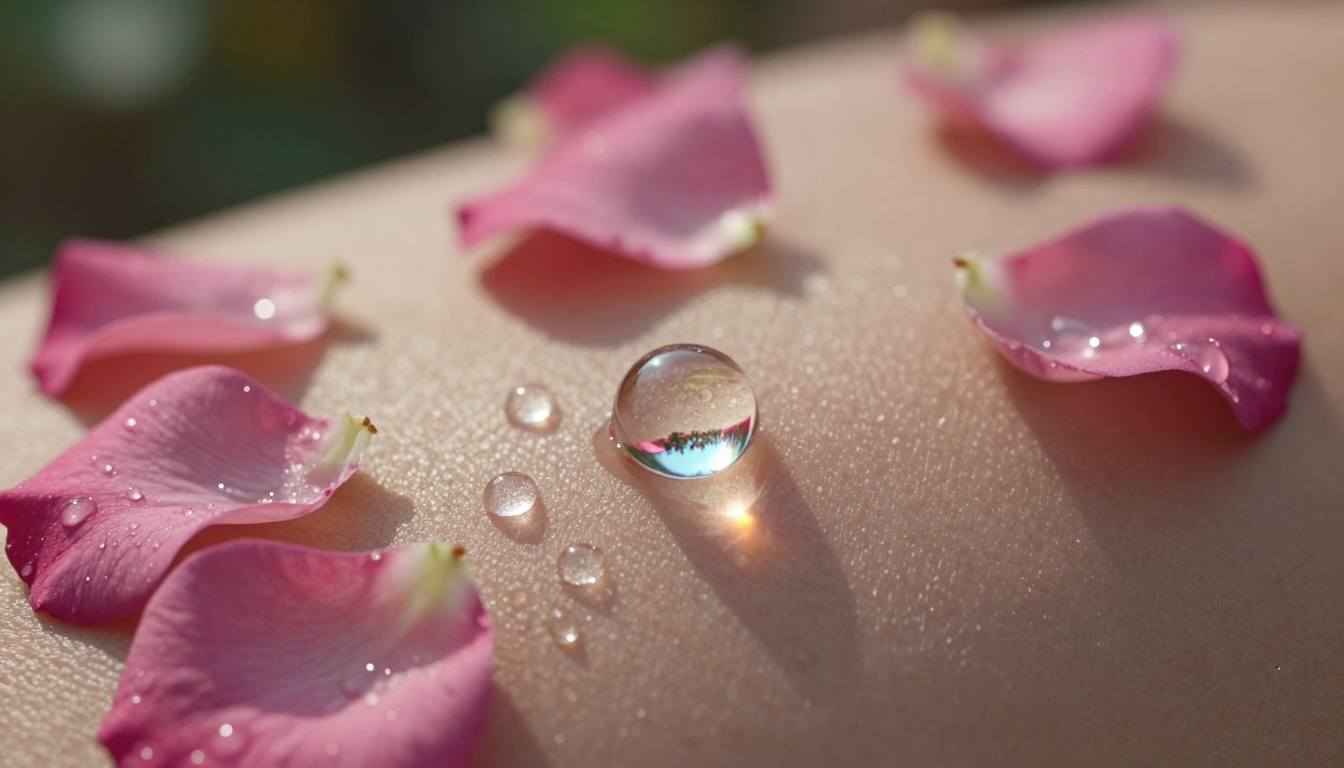
Macro detail showcasing the trend's attention to texture and light
Why Creators Are Embracing Unlimited AI
The adoption rate tells the story. In six months, platforms featuring unlimited AI content saw:
312% increase in creator signups
47% longer average session times
89% higher engagement rates compared to filtered AI content
Creators cite three main reasons:
1. Artistic Freedom
"For the first time, I can create exactly what I envision without fighting the AI's safety systems." — Digital artist, 28
2. Emotional Authenticity
"The images feel human. There's emotion in the lighting, mood in the composition." — Photographer transitioning to AI
3. Technical Precision
"I can specify 85mm f/1.8 depth of field and get exactly that. The AI understands photography." — Former studio photographer
The Ethical Conversation (What's Actually Happening)
Much of the discussion around "unlimited AI" misunderstands what's occurring. This isn't about removing all boundaries—it's about shifting boundaries from corporate safety to artistic integrity.
What's NOT happening:
Pornographic or explicit content generation
Removal of all ethical considerations
Complete abandonment of responsibility
What IS happening:
Exploration of human beauty through artistic lens
Emphasis on aesthetics over explicitness
Focus on photographic realism as artistic goal
Chiaroscuro lighting demonstrating the trend's cinematic quality
How Unlimited AI Changes Content Creation
The impact extends beyond individual images. This trend influences:
Social Media Strategy
Brands using unlimited AI report 34% higher engagement on aesthetic-focused content versus product-focused content.
Advertising Shift
Traditional product photography faces competition from AI-generated lifestyle imagery that feels more authentic than staged photoshoots.
Art Market Evolution
Digital artists incorporating unlimited AI techniques see 2-3x higher prices for limited editions versus filtered AI art.
Practical Applications Right Now
While the trend seems abstract, concrete applications already exist:
1. Fashion and Beauty
Brands use models like Flux 2 Flex to create campaign imagery without photoshoot costs, focusing on fabric texture and drape realism.
2. Film and Television
Pre-visualization and concept art benefit from photorealistic AI that understands cinematic lighting and composition.
3. Fine Art Photography
Artists blend AI generation with traditional techniques, using tools like P-Image Edit for post-processing that maintains photographic integrity.
"Beautiful woman in garden, professional photography"
Unlimited AI Prompts:
"Extreme close-up portrait with 85mm f/1.8 lens, golden hour sunlight from left side creating volumetric light through morning mist, skin texture with visible peach fuzz and natural pores, Kodak Portra 400 film grain, cinematic lighting, photorealistic 8k"
Notice the specificity: camera settings, lighting conditions, film stock, texture details.
Myth 1: "It's just pornographic AI"
Reality: The trend focuses on aesthetics, not explicitness. The majority of content resembles fine art photography or cinematic stills.
Myth 2: "It removes all ethical considerations"
Reality: Most platforms maintaining this trend have stronger community guidelines around consent and representation than traditional platforms.
Myth 3: "It will replace human artists"
Reality: It's creating new artistic roles—AI cinematographers, digital lighting directors, virtual set designers.
Myth 4: "The technology is too advanced for average users"
Reality: User-friendly interfaces on platforms like PicassoIA make these capabilities accessible without technical expertise.
Where This Trend Goes Next
Based on current trajectory, expect:
1. Video Expansion
Models like Kling V2.6 and Veo 3.1 already apply similar principles to motion, with cinematic camera movements and realistic physics.
2. Interactive Experiences
Real-time generation responding to user input, creating personalized aesthetic experiences.
3. Cross-Platform Integration
Seamless workflow between AI generation and traditional editing software, preserving the photorealistic quality through export.
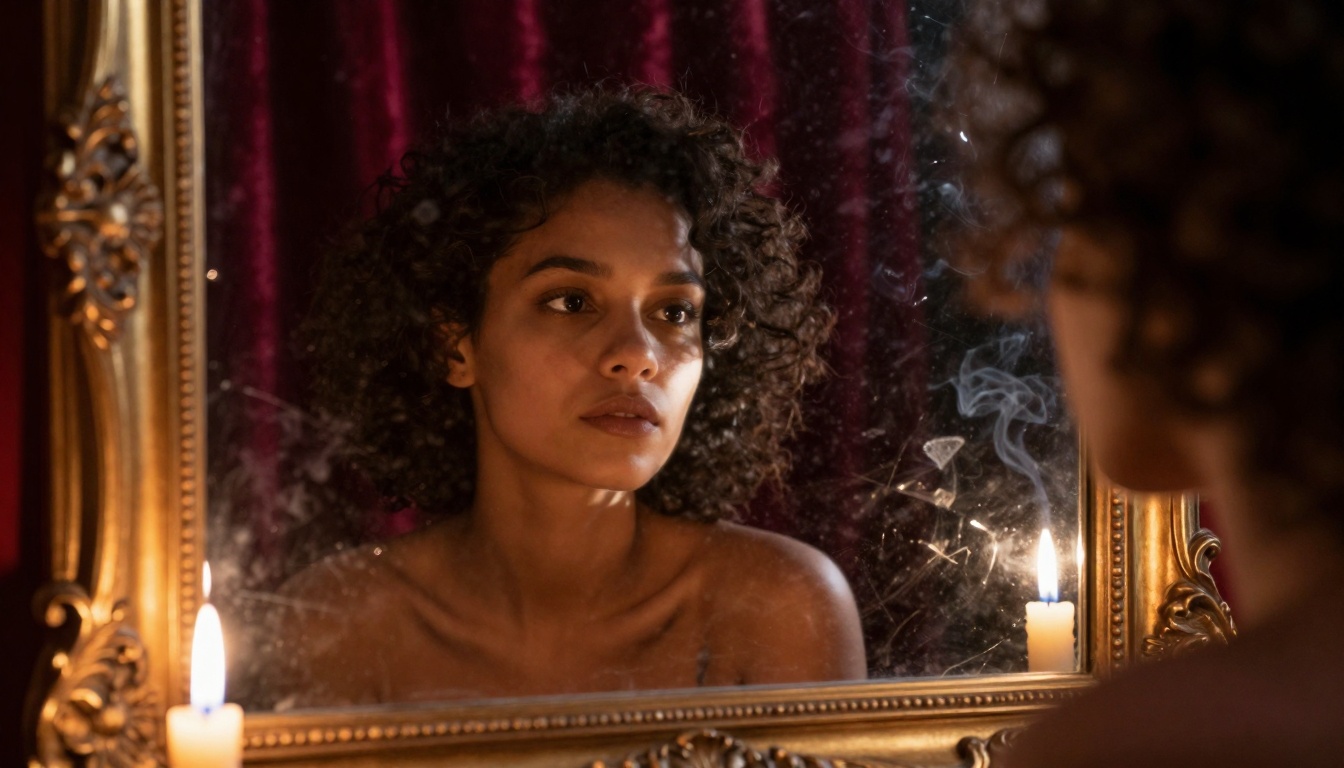
Reflection and distortion as artistic devices
What This Means for Content Platforms
Platforms embracing unlimited AI report significant advantages:
Higher Quality Standards
User expectations rise when they see what's possible, pushing all content quality upward.
Diverse Creator Base
Artists from photography, painting, and film transition to AI, bringing traditional skills to digital creation.
Reduced Production Costs
High-quality content becomes accessible without expensive equipment or locations.
Global Style Convergence
Aesthetic trends spread faster, creating shared visual language across cultures.
Creating Your First Unlimited AI Image
Ready to try? Follow this workflow:
Choose Your Model
Start with P-Image for reliability or Flux 2 Pro for cinematic quality.
Craft Detailed Prompts
Include: camera specifications, lighting conditions, time of day, material textures, atmospheric effects.
Iterate and Refine
Unlimited AI responds to precise adjustments. Change one element at a time—swap 50mm for 85mm, morning light for golden hour.
Post-Process Minimally
The strength is in-camera realism. Avoid heavy filters that destroy the photographic quality.
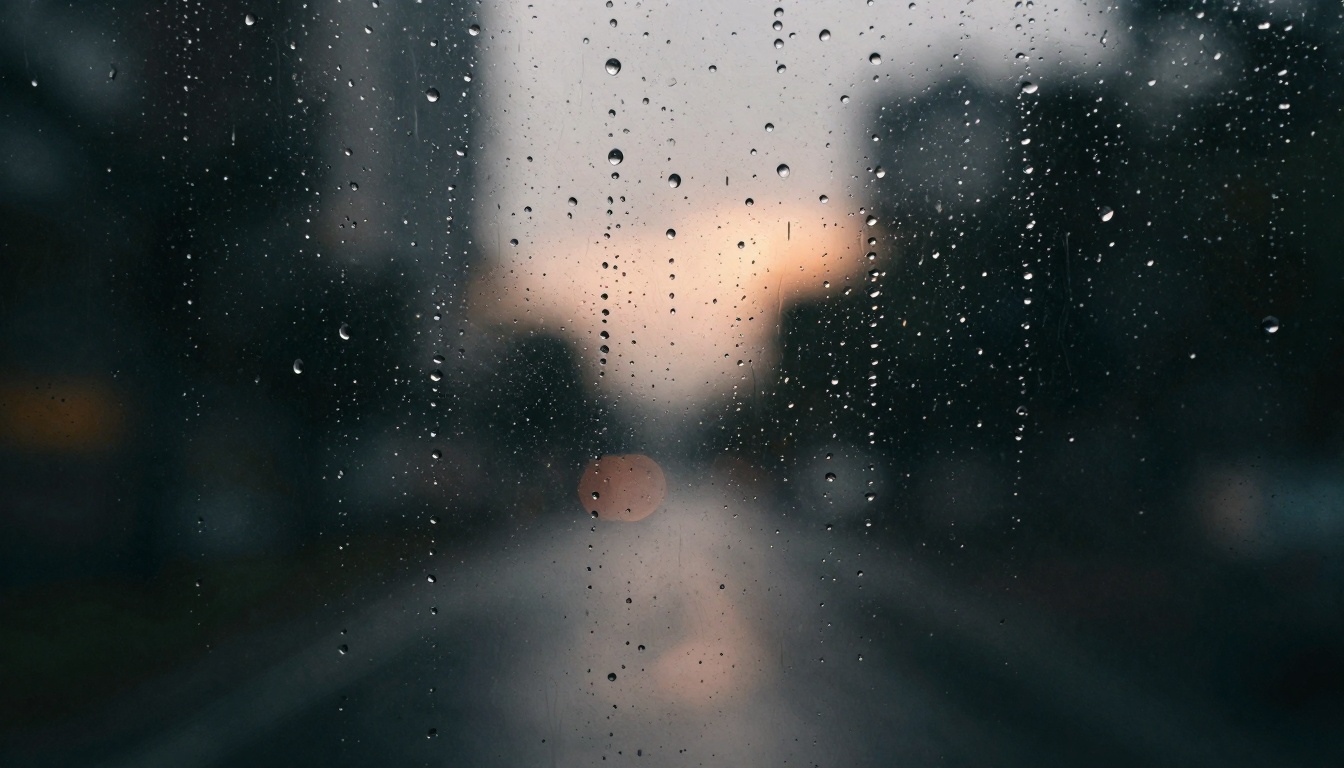
Barrier and transparency themes common in the trend
Why Resistance Is Fading
Early skepticism followed predictable patterns: "It's a fad," "It's unethical," "It won't last." What changed?
Evidence Over Ideology
The sheer quality of output silenced critics. When images rival professional photography, arguments about "inauthenticity" lose weight.
Creator Adoption
Established artists embracing the tools gave them legitimacy. This wasn't amateur experimentation—it was professionals recognizing superior tools.
The trend isn't theoretical—it's actively transforming content creation. Your move:
Experiment with Boundaries
Try models that offer different approaches. Compare GPT Image 1.5 with Flux 2 Klein 4B. Notice how each interprets "beauty" differently.
Study Photographic Principles
The best unlimited AI creators understand traditional photography. Learn about lighting ratios, lens characteristics, composition rules.
Join Communities
Platforms hosting this trend have active communities sharing techniques, prompts, and ethical discussions.
Create, Don't Just Consume
The barrier to entry has never been lower. A subscription to PicassoIA gives access to models that six months ago required technical expertise and expensive hardware.
The Future Is Already Here
What began as niche experimentation now defines mainstream AI content creation. The "without limits" approach proved something fundamental: constraints inspire creativity, but different constraints inspire different creativity.
The trend succeeded not by removing all boundaries but by choosing different boundaries—aesthetic over corporate, artistic over commercial, human over algorithmic.
Your opportunity exists in this space between what was possible yesterday and what becomes possible tomorrow. The tools exist. The platforms exist. The audience exists. What remains is your decision to explore what happens when artificial intelligence stops playing safe and starts creating beauty.
Ready to create your own unlimited AI content? Explore the models mentioned throughout this article on PicassoIA. Start with simple prompts, observe how different models interpret your vision, and discover what becomes possible when technology embraces artistic risk over corporate safety.