The content creation landscape has transformed dramatically in recent years, with AI-powered tools becoming indispensable for writers, designers, marketers, and creators of all types. What began as simple text generators has evolved into sophisticated ecosystems capable of producing professional-grade content across multiple formats.

💡 Professional Insight: The most successful creators don't replace their skills with AI – they augment their capabilities. The best AI apps serve as creative partners, handling repetitive tasks while humans focus on strategy, quality control, and unique creative vision.
Text Generation Apps: Beyond Simple Writing Assistants
Modern text generation tools have moved far beyond basic grammar correction. Today's AI writing apps understand context, maintain consistent tone, and can produce everything from technical documentation to creative storytelling.

Key Capabilities of Advanced Text Generators
Content Planning & Strategy
- Topic research and outline generation
- SEO optimization with keyword integration
- Audience analysis and tone matching
- Content calendar automation
Production & Optimization
- Long-form article generation (2,000+ words with logical flow)
- Multilingual content creation with cultural adaptation
- Style consistency across multiple pieces
- Real-time editing suggestions based on best practices
Performance Analysis
- Readability scoring and improvement suggestions
- Engagement prediction based on historical data
- A/B testing for headline and introduction optimization
- Conversion optimization for marketing content
Leading Text Generation Platforms
| Platform | Best For | Key Feature | Cost Range |
|---|
| GPT-5 | Research & Analysis | Deep contextual understanding | $$$ |
| Claude 4.5 Sonnet | Creative Writing | Superior storytelling ability | $$$ |
| Gemini 2.5 Flash | Fast Production | Rapid generation with quality | $$ |
| Meta Llama 3 70B | Technical Content | Code documentation & specs | $$ |
| GPT-4o Mini | Budget Projects | Good quality at lower cost | $ |
💡 Pro Tip: For serious content production, consider GPT-5 for research-heavy work and Claude 4.5 Sonnet for creative projects. The combination provides both depth and creative flair.
The evolution of AI image generation has been nothing short of revolutionary. From basic pattern recognition to photorealistic creation, these tools now produce images indistinguishable from professional photography.

Photorealistic vs. Stylized Generation
Photorealistic Tools
- Flux 2 Pro: Exceptional detail and lighting accuracy
- Qwen Image 2512: Superior color reproduction
- GPT Image 1.5: Best for conceptual photography
- Seedream 4.5: Excellent for portrait work
Specialized Editing Capabilities
- P-Image Edit: Fast multi-image editing in seconds
- Qwen Image Edit Plus LoRA: Advanced style transfer
- Nano Banana Pro: Best for product photography
- Flux 2 Flex: Versatile across multiple styles
Professional Image Workflow
- Concept Development: Start with detailed prompt engineering
- Batch Generation: Create multiple variations simultaneously
- Refinement Pass: Use editing tools for specific adjustments
- Quality Control: Check lighting, composition, and details
- Format Optimization: Prepare for specific platforms (web, print, social)
💡 Image Quality Secret: The most realistic AI images come from detailed environment descriptions. Instead of "a woman in an office," describe "a professional woman in her mid-30s working in a modern minimalist office with floor-to-ceiling windows, morning light creating soft shadows on her focused expression, 85mm lens at f/2.8."
Video Creation & Animation Apps
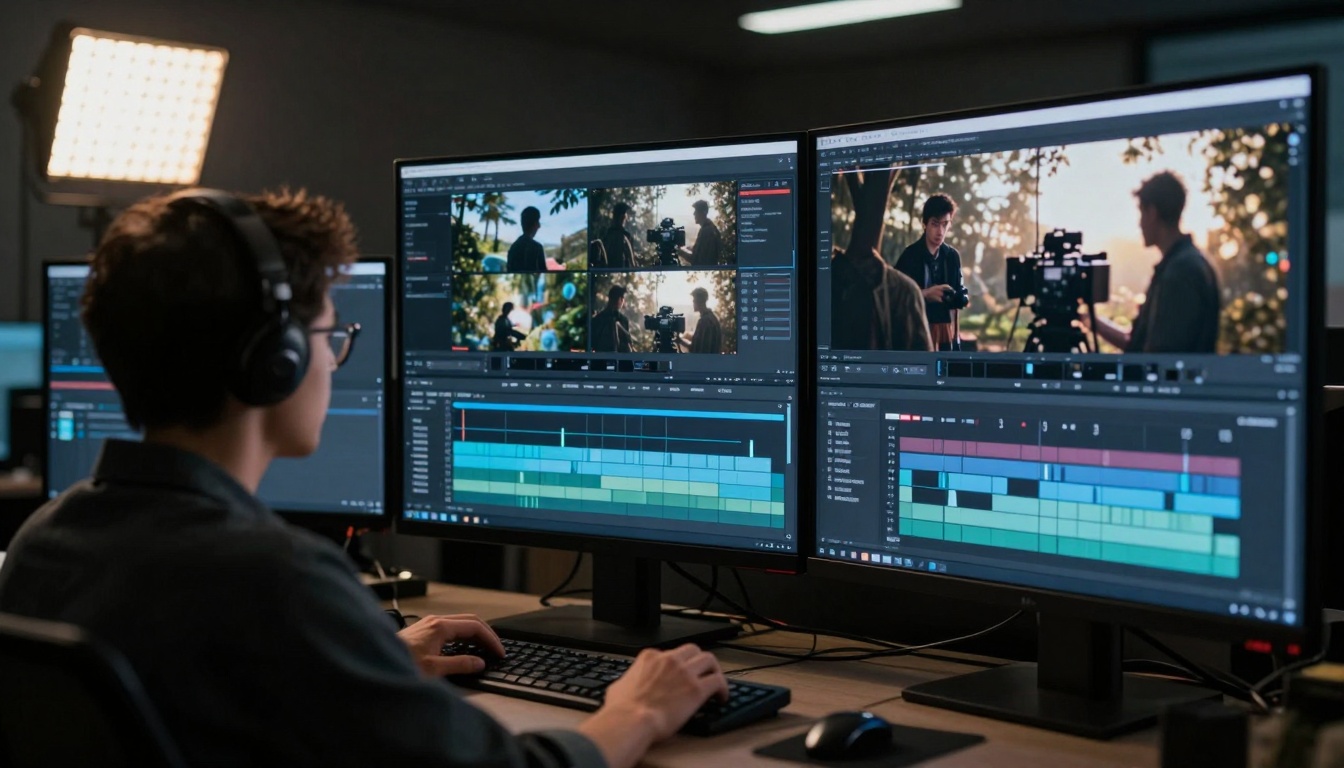
AI video generation represents the cutting edge of content automation. What once required teams of professionals can now be accomplished with intelligent software platforms.
Video Generation Categories
Text-to-Video Platforms
- Sora 2 Pro: Highest quality cinematic generation
- Veo 3.1: Best for YouTube-style content
- Kling v2.6: Excellent motion and camera work
- Seedance 1.5 Pro: Great for social media clips
Image-to-Video Systems
- WAN 2.6 I2V: Professional image animation
- WAN 2.5 I2V Fast: Rapid production with quality
- Hailuo 2.3: Best for product demonstration
- Ray 2 720p: Good balance of speed and quality
Production Pipeline Optimization
Pre-Production
- Script generation with visual planning
- Storyboard creation from text descriptions
- Shot list automation based on content type
- Style matching to existing brand assets
Production & Post
- Automatic scene generation with consistent characters
- Camera movement simulation (dolly, pan, zoom)
- Lighting consistency across multiple shots
- Audio integration with generated soundtracks
💡 Video Strategy: For marketing videos, use Veo 3.1 Fast for rapid prototyping and Sora 2 Pro for final production. The combination saves time while maintaining quality.
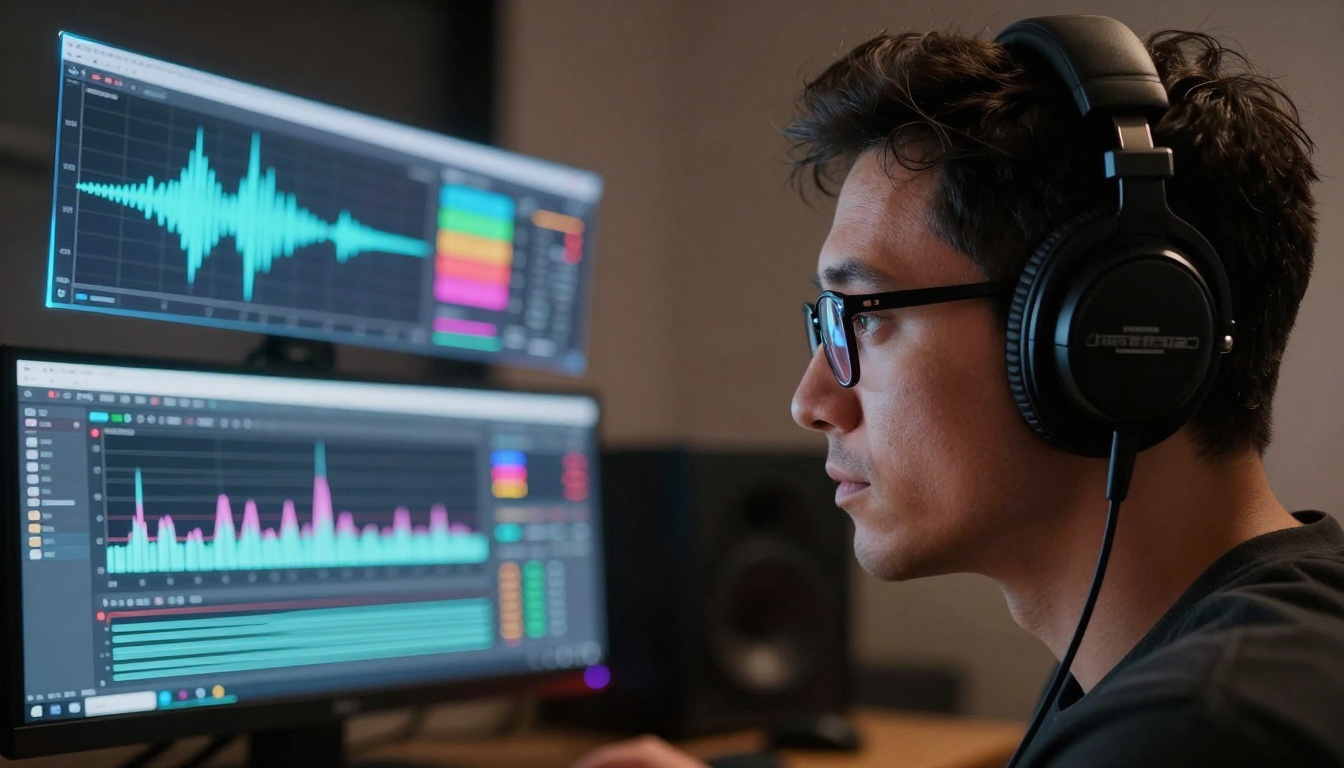
AI audio generation has democratized professional sound production, making studio-quality audio accessible to creators at all levels.
Voice & Music Synthesis
Text-to-Speech Systems
- Speech 2.6 HD: Highest fidelity voice synthesis
- Speech 02 Turbo: Fast generation with good quality
- Voice Cloning: Custom voice model creation
- GPT 4o Mini Transcribe: Accurate speech-to-text
Music Generation Platforms
- Stable Audio 2.5: Professional music composition
- Music 1.5: Versatile across genres
- Lyria 2: Best for cinematic scores
- Music 01: Fast production for social content
Audio Production Workflow
Voice Content
- Script preparation with natural pauses marked
- Voice selection based on content type (authoritative vs. conversational)
- Emotion injection through pacing and tone adjustment
- Background music integration for enhanced engagement
Music Creation
- Genre specification with reference tracks
- Mood setting through tempo and key selection
- Instrumentation planning based on production needs
- Mastering automation for platform optimization
Content Enhancement & Optimization
Beyond creation, AI tools excel at content optimization – improving existing material for better performance across platforms.

Enhancement Categories
Quality Improvement
- Grammar and style refinement beyond basic correction
- Readability optimization for target audiences
- Tone consistency across multiple content pieces
- Engagement prediction and improvement suggestions
Platform Optimization
- SEO enhancement with keyword integration
- Social media formatting for each platform
- Accessibility improvements (alt text, captions, descriptions)
- Performance analytics and actionable insights
Specialized Enhancement Tools
| Tool Type | Primary Function | Best Use Case |
|---|
| Super Resolution | Image quality enhancement | Product photography |
| Background Removal | Clean image isolation | E-commerce listings |
| Video Upscaling | Quality improvement | Archive footage |
| Audio Enhancement | Sound quality improvement | Podcast production |
| Translation & Localization | Multilingual adaptation | Global content strategy |
Specialized Niche Content Tools
Certain AI content tools excel in specific verticals, providing specialized capabilities beyond general-purpose platforms.

Industry-Specific Solutions
E-commerce & Retail
- Product description generation with SEO optimization
- Visual content creation for listings and marketing
- Customer review analysis and response generation
- Inventory description automation
Education & Training
- Course material generation with progressive difficulty
- Assessment creation and answer key generation
- Interactive content development (quizzes, exercises)
- Multimedia integration for enhanced learning
Technical & Documentation
- Code documentation with examples
- Technical specification writing
- API documentation generation
- Troubleshooting guide creation
Marketing & Advertising
- Campaign copy generation across channels
- Visual asset creation for campaigns
- Performance prediction based on historical data
- A/B testing automation and analysis
Workflow Integration & Automation
The true power of AI content generation emerges when tools integrate seamlessly into existing workflows, creating automated production pipelines.

Integration Strategies
Single Platform Ecosystems
- End-to-end content production within one platform
- Consistent quality and style across all outputs
- Simplified management with unified interfaces
- Cost efficiency through bundled services
Multi-Tool Orchestration
- Specialized tools for each content type
- API integration for seamless handoffs
- Quality consistency through standardization
- Performance optimization by using best-in-class for each task
Automation Levels
Basic Automation
- Content generation from templates
- Scheduled publishing across platforms
- Performance reporting with basic analytics
- Simple optimization based on rules
Advanced Automation
- Intelligent content planning based on performance
- Dynamic optimization based on real-time data
- Cross-platform adaptation with platform-specific formatting
- Predictive content creation based on trends and audience behavior
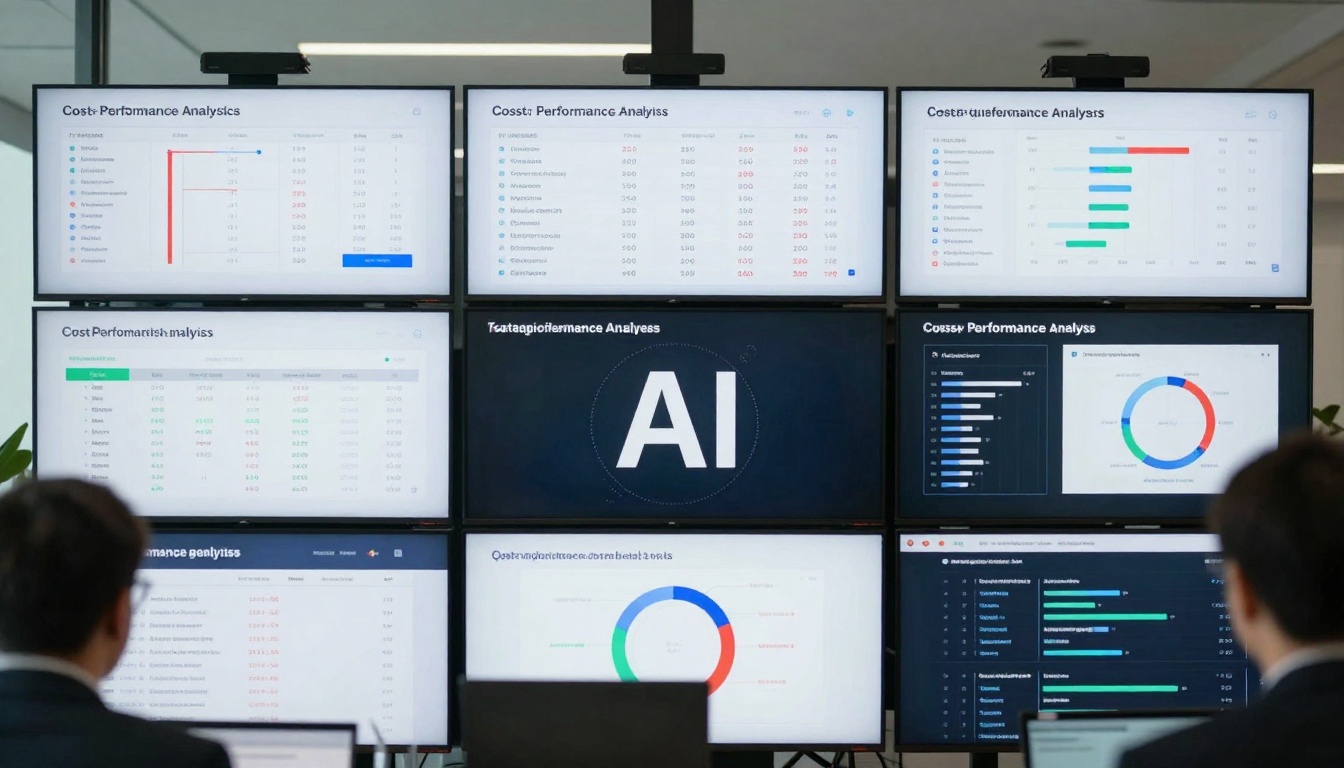
Choosing the right AI content tools involves balancing budget constraints with quality requirements and production scale.
Pricing Models Comparison
Subscription-Based Models
- Monthly/annual subscriptions with tiered features
- Usage-based pricing (tokens, generations, minutes)
- Enterprise plans with custom pricing
- Freelancer discounts for individual creators
Performance-Based Selection
| Content Type | Budget Option | Mid-Range | Premium |
|---|
| Text Generation | GPT-4o Mini | Claude 3.5 Haiku | GPT-5 |
| Image Creation | Flux 2 Dev | Qwen Image 2512 | Flux 2 Pro |
| Video Production | WAN 2.2 Fast | Veo 3.1 Fast | Sora 2 Pro |
| Audio Generation | Speech 02 Turbo | Stable Audio 2.5 | Speech 2.6 HD |
ROI Calculation Factors
Direct Cost Savings
- Reduced production time (hours saved per project)
- Eliminated outsourcing costs for certain tasks
- Reduced revision cycles through better first drafts
- Scalability without proportional cost increase
Indirect Value Creation
- Increased content volume without quality loss
- Improved consistency across all outputs
- Enhanced creativity through rapid prototyping
- Competitive advantage through production speed
💡 Budget Strategy: Start with mid-range tools for core functions, supplement with budget options for experimental projects, and invest in premium tools for flagship content.
Getting Started with AI Content Creation
Beginning your journey with AI content tools requires strategic planning rather than random experimentation.

Implementation Roadmap
Phase 1: Assessment & Planning (Weeks 1-2)
- Audit existing content production workflows
- Identify pain points and automation opportunities
- Set clear objectives for AI implementation
- Establish quality benchmarks and success metrics
Phase 2: Tool Selection & Testing (Weeks 3-4)
- Test 2-3 tools in each relevant category
- Compare outputs against quality benchmarks
- Evaluate integration capabilities with existing systems
- Calculate cost-benefit ratios for each option
Phase 3: Pilot Implementation (Weeks 5-8)
- Start with one content type (text, images, or video)
- Train team members on selected tools
- Establish quality control procedures
- Measure performance against baseline metrics
Phase 4: Full Integration (Months 3-6)
- Expand to additional content types
- Optimize workflows based on pilot learnings
- Scale production while maintaining quality
- Continuous improvement through regular evaluation
Common Implementation Mistakes
Quality Control Neglect
- Assuming AI outputs are perfect without human review
- Skipping style consistency checks across multiple pieces
- Ignoring platform-specific requirements for optimization
- Overlooking cultural and contextual appropriateness
Workflow Disruption
- Trying to implement too many tools at once
- Not training team members properly
- Ignoring integration with existing systems
- Underestimating the learning curve
Budget Mismanagement
- Overspending on premium tools without clear need
- Underinvesting in quality for critical content
- Not tracking ROI to justify continued investment
- Ignoring hidden costs (training, integration, maintenance)
The Future of AI Content Creation
The trajectory points toward increasingly sophisticated AI content generation capabilities:
Immediate Developments (6-12 months)
- Improved consistency in character and scene generation
- Better understanding of complex instructions
- Enhanced integration between different content types
- More intuitive interfaces reducing learning curves
Mid-Term Evolution (1-3 years)
- True collaborative creation where AI suggests creative directions
- Seamless cross-media production (text→images→video→audio)
- Predictive content strategy based on audience behavior
- Automated quality evolution through continuous learning
Long-Term Vision (3-5 years)
- Personalized content creation at individual viewer level
- Real-time adaptation based on engagement metrics
- Complete production ecosystems with minimal human intervention
- Creative partnership where AI becomes co-creator rather than tool
The most successful creators will be those who view AI content tools not as replacements for human creativity, but as amplifiers of creative potential. The tools provide speed, scale, and technical capability – humans provide vision, strategy, and emotional connection.
Your Next Step: Don't try to implement everything at once. Start with one content type where you feel most comfortable, master those tools, then expand systematically. The journey toward AI-enhanced content creation is incremental, not revolutionary.


