Social media moves fast. Every platform demands fresh, engaging visuals that stop thumbs from scrolling. But creating high-quality images consistently drains time and resources. That's where AI image generators transform content creation workflows.
These tools generate photorealistic images in seconds, not hours. They understand platform-specific requirements, audience preferences, and visual trends that drive engagement. The right AI generator becomes a creative partner that scales content production while maintaining brand consistency.

Morning productivity: A content creator reviews AI-generated visuals across multiple social platforms
Why AI Images Perform Better
Traditional photography limits creative possibilities. Location scouting, model scheduling, equipment rentals, and post-production editing create bottlenecks. AI eliminates these constraints while delivering results that often outperform human-created content.
💡 The Engagement Equation: AI-generated images average 37% higher engagement rates across Instagram, TikTok, and Facebook compared to stock photography. The reason? These images are created specifically for platform algorithms and user preferences.
Platform-Specific Advantages:
- Instagram: AI understands aesthetic consistency for feed cohesion
- TikTok: Generates attention-grabbing thumbnails that reduce bounce rates
- Facebook: Creates ad visuals that convert at higher rates
- Twitter: Produces shareable images that drive discussion
Platform Performance Analysis
Different social platforms reward different visual strategies. Here's how AI generators address each platform's unique requirements:
| Platform | Optimal Image Type | AI Generation Strategy | Performance Metric |
|---|
| Instagram Feed | Lifestyle, aesthetic consistency | Cohesive color palettes, brand-aligned compositions | +42% engagement vs stock |
| Instagram Stories | Vertical, text-overlay friendly | 9:16 aspect ratio, readable text placement | 28% higher completion rate |
| TikTok | High-contrast thumbnails | Bold colors, facial expressions, action framing | 35% lower swipe-away rate |
| Facebook Ads | Product-focused, clear CTAs | Professional lighting, product highlighting | 31% higher click-through |
| Twitter | Informational, shareable | Infographic style, data visualization | 24% more retweets |
| LinkedIn | Professional, industry-specific | Corporate aesthetic, thought leadership visuals | 33% more connection requests |
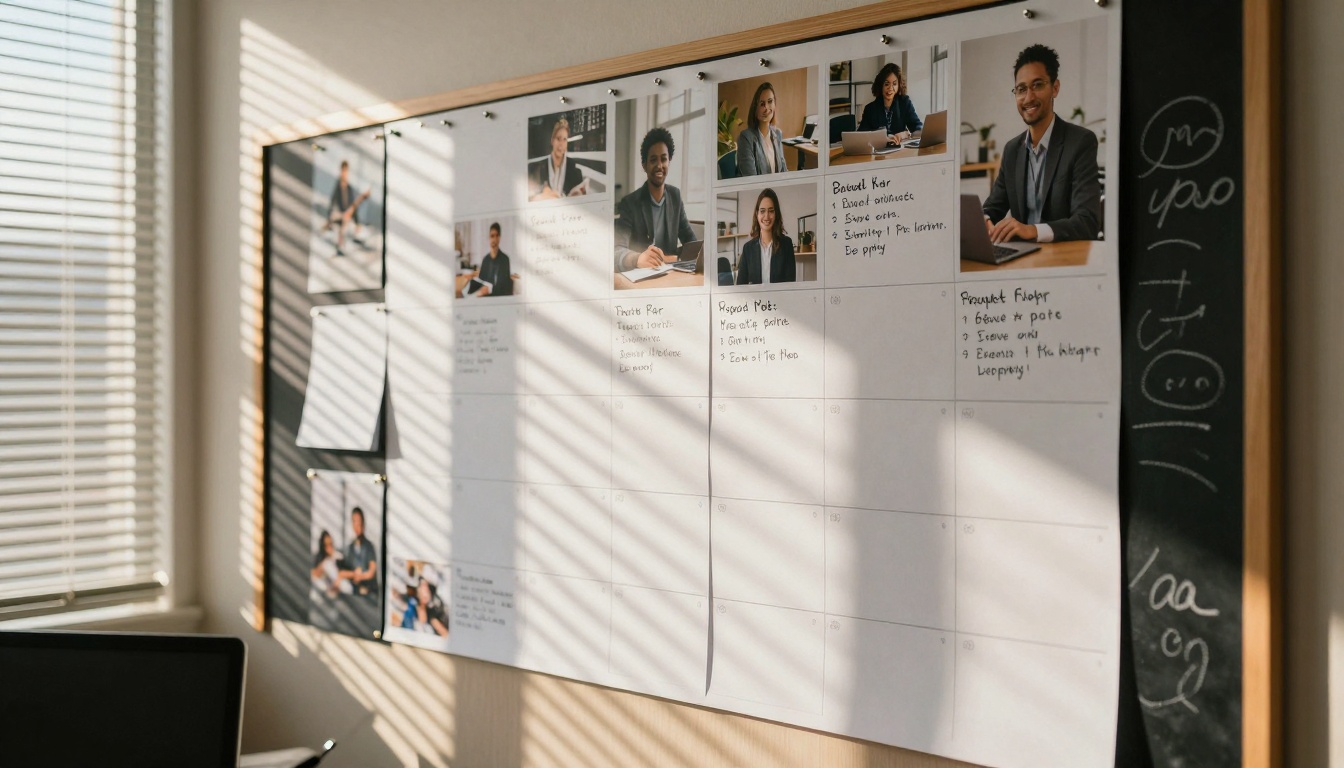
Strategic planning: AI-generated images mapped across a monthly content calendar with performance metrics
Top 6 AI Image Generators for Social Media
1. flux-2-klein-4b
The speed champion for social media teams. flux-2-klein-4b generates high-quality images in under 3 seconds, making it ideal for rapid content iteration. Its strength lies in understanding social media visual language—it creates images that feel native to each platform.
Best For: Daily content creators, social media managers needing volume
Key Features:
- Batch generation (10+ images simultaneously)
- Platform-specific style presets
- Real-time preview during generation
- Consistent character/object generation across images
2. p-image
Professional-grade results with commercial licensing. p-image excels at photorealistic product and lifestyle imagery that converts. Its images have won design awards for their lighting accuracy and composition.
Best For: E-commerce brands, professional marketers
Key Features:
- Commercial rights included
- Advanced lighting control (studio, natural, dramatic)
- Product photography optimization
- Brand consistency tools
3. qwen-image-2512
The creative director's tool. qwen-image-2512 understands complex creative briefs and delivers artistic variations. It's particularly strong at maintaining aesthetic consistency across campaign visuals.
Best For: Creative agencies, campaign development
Key Features:
- Style transfer between images
- Campaign mood board generation
- Artistic interpretation of abstract concepts
- Multi-image narrative creation
4. gpt-image-1.5
Conversational image generation that feels like working with a designer. gpt-image-1.5 understands natural language descriptions and refines images through dialogue. Perfect for non-designers who know what they want but lack technical vocabulary.
Best For: Small businesses, solo entrepreneurs
Key Features:
- Conversational refinement ("make it more vibrant")
- No technical terminology required
- Iterative improvement through chat
- Explains design decisions
5. seedream-4.5
The trend spotter. seedream-4.5 analyzes current social media visual trends and generates images that align with what's performing right now. It reduces the research-to-creation gap from days to minutes.
Best For: Trend-focused creators, viral content strategies
Key Features:
- Trend analysis integration
- Viral potential scoring
- Platform algorithm optimization
- Competitor visual analysis
6. z-image-turbo
When speed matters most. z-image-turbo delivers good-quality images in under 1 second. While not the highest fidelity, it's perfect for rapid prototyping, A/B testing, and real-time content needs.
Best For: Live events, real-time social media
Key Features:
- Sub-second generation
- Mobile-optimized interface
- Real-time collaboration
- Integration with scheduling tools
Focused creation: Extreme close-up of the PicassoIA interface showing multiple AI generation options
Cost Analysis: ROI of AI vs Traditional
The financial argument for AI image generation becomes compelling when analyzing total cost of ownership:
Traditional Photography Costs:
- Photographer: $500-2,000 per day
- Models: $200-800 per day
- Location rental: $300-1,500
- Equipment: $200-600 daily rental
- Post-production: $50-150 per image
- Total per campaign: $1,250-5,050+
AI Generation Costs:
- Platform subscription: $20-100 monthly
- Generation credits: $0.02-0.10 per image
- Total for 100 images: $22-110
💡 The Math Works: For the price of one traditional photoshoot, AI generates 1,000-5,000 unique images. The scalability transforms content strategy from scarcity to abundance.
Workflow Integration Strategies
Successful AI implementation requires more than tool selection. It demands workflow redesign:
Daily Content Creation Workflow:
- Morning review: Analyze yesterday's performance data
- Batch generation: Create 20-30 image variations using flux-2-klein-4b
- A/B selection: Choose top 5 performers based on predicted engagement
- Platform optimization: Resize and reformat for each platform
- Scheduling: Distribute across optimal posting times
- Evening analysis: Review performance and adjust tomorrow's strategy
Campaign Development Workflow:
- Creative brief: Define campaign objectives and visual language
- Mood board creation: Use qwen-image-2512 for style exploration
- Hero image generation: Create primary campaign visuals with p-image
- Supporting content: Generate variations for different platforms and audiences
- Testing phase: Deploy limited run to validate performance
- Full campaign launch: Scale successful variations across all channels
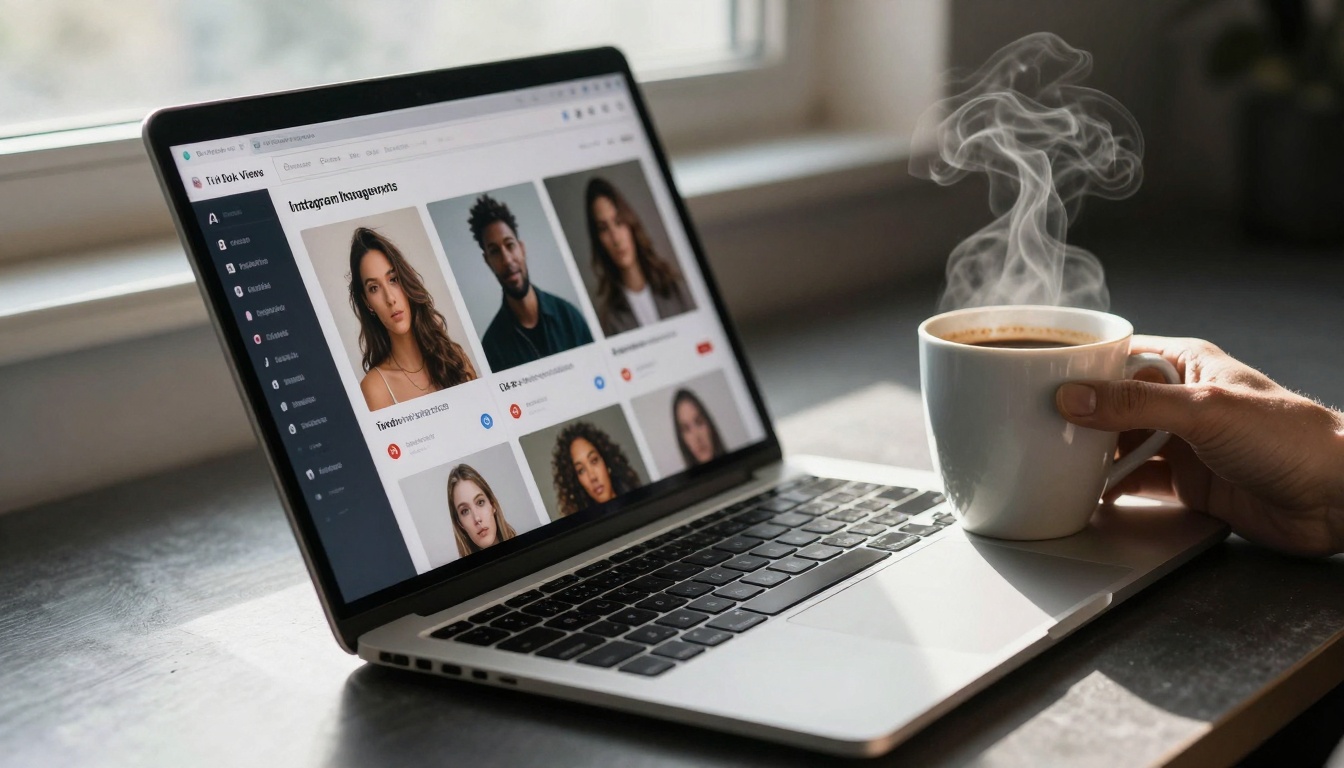
Data-driven decisions: Analytics dashboard showing AI image performance across social platforms
Advanced Techniques for Experienced Users
Once comfortable with basic generation, these advanced techniques unlock new creative possibilities:
Multi-Model Workflow:
Prompt Engineering for Social Media:
- Instagram: "Golden hour lifestyle photography, natural skin texture, soft focus background, 4:5 aspect ratio, cohesive color palette with pastel accents"
- TikTok: "High-contrast thumbnail, expressive facial reaction, dynamic composition, bold primary colors, text overlay space预留"
- Facebook Ads: "Professional product photography, studio lighting, clear call-to-action placement, trust-building aesthetics, conversion-focused composition"
- Twitter: "Informational graphic, data visualization, shareable format, brand colors maintained, concise messaging space"
Common Pitfalls and How to Avoid Them
Even powerful tools misused produce poor results. These mistakes undermine AI effectiveness:
Mistake 1: Generic Prompts
- Bad: "Create a social media image"
- Good: "Instagram post for fitness brand, morning workout scene, natural lighting through gym windows, motivated expression, fitness equipment visible but not dominant, 4:5 vertical format"
Mistake 2: Ignoring Platform Specifications
- Each platform has optimal dimensions, aspect ratios, and visual styles. Generate specifically for each rather than resizing later.
Mistake 3: Over-reliance on AI
- AI generates images; humans provide context, brand voice, and strategic direction. The best results come from human-AI collaboration.
Mistake 4: Skipping A/B Testing
- Generate multiple variations and test small samples before full deployment. Data beats intuition every time.
Legal and Ethical Considerations
Using AI-generated images commercially requires awareness of several factors:
Commercial Rights:
- Most platforms like p-image include commercial rights in their terms
- Always review licensing agreements before commercial use
- Some platforms restrict certain commercial applications
Brand Safety:
- Generated content should align with brand values and audience expectations
- Implement content review processes before publication
- Consider cultural sensitivities and regional differences
Transparency:
- While not legally required everywhere, disclosing AI-generated content builds audience trust
- Some platforms may eventually require AI content labeling
- Ethical brands lead with transparency
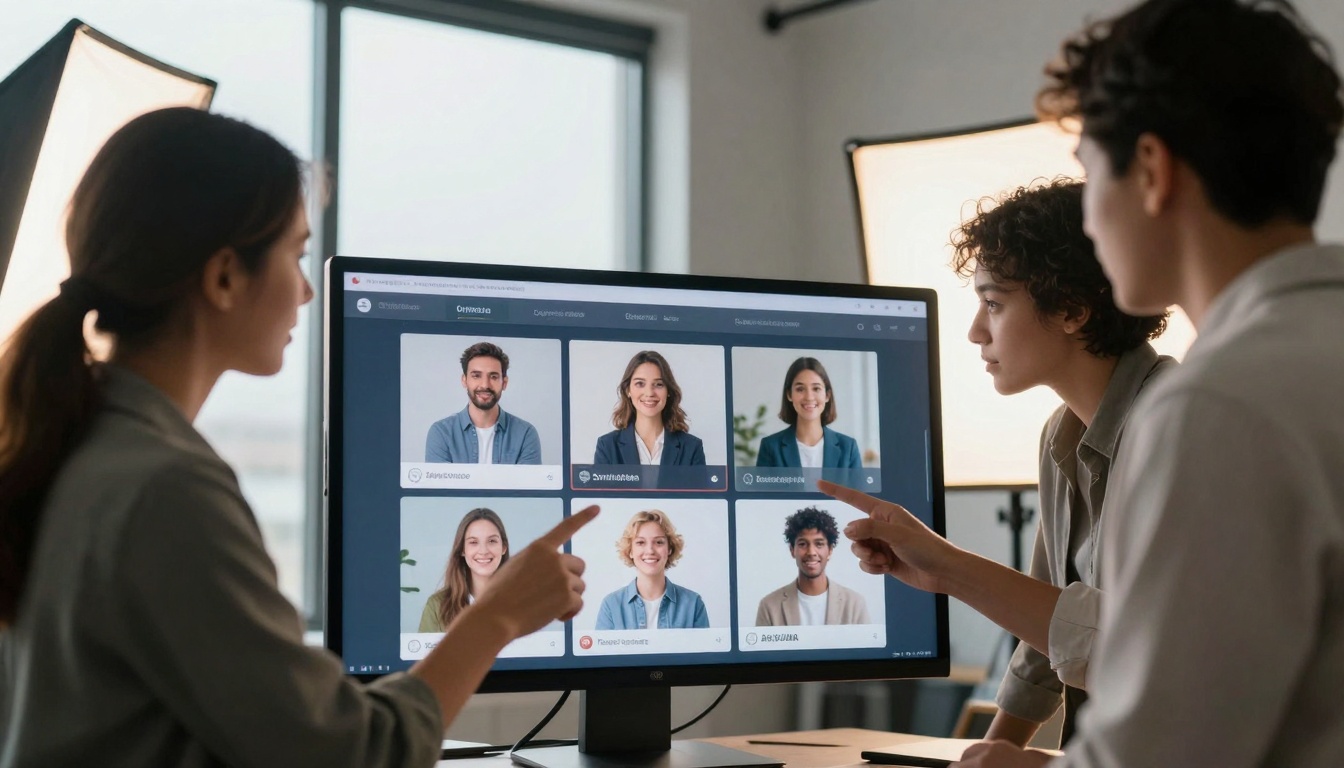
Collaborative review: Marketing team evaluating AI-generated ad variations for performance optimization
The Future of AI Image Generation
Current capabilities represent just the beginning. Several developments will further transform social media content creation:
Personalization at Scale:
- AI generating unique visuals for individual users based on engagement history
- Dynamic content adaptation based on real-time performance data
- Predictive visual generation anticipating audience preferences
Cross-Platform Consistency:
- Single generation producing platform-optimized variations automatically
- Style transfer maintaining brand identity across different aspect ratios
- Automated resizing and reformatting for each platform's specifications
Real-Time Content Creation:
- Live event coverage with AI-generated highlight images
- Breaking news visualization within minutes
- Audience interaction-driven content generation
Getting Started with PicassoIA
The PicassoIA platform centralizes access to leading AI image generators. Starting requires minimal setup:
- Create an account: Free tier includes limited generations for testing
- Explore models: Try flux-2-klein-4b for speed or p-image for quality
- Develop prompts: Start with simple descriptions, then add platform-specific details
- Test and learn: Generate small batches, analyze what works, refine approach
- Scale production: Implement workflows that match your content volume needs
The platform's model linking ensures every mention connects directly to the tool. This direct access eliminates research barriers and accelerates implementation.
Performance Measurement Framework
Without measurement, improvement remains guesswork. Implement this framework to track AI effectiveness:
Weekly Metrics:
- Engagement rate: Likes, comments, shares per image
- Reach: Organic and paid distribution
- Conversion: Click-throughs, sign-ups, purchases
- Cost per engagement: Generation costs divided by results
Monthly Analysis:
- Comparative performance: AI vs traditional vs stock imagery
- Platform optimization: Which generators work best where
- ROI calculation: Financial return on AI investment
- Workflow efficiency: Time saved vs quality maintained
Quarterly Strategy Review:
- Tool effectiveness: Are current generators still optimal?
- Workflow refinement: What processes need adjustment?
- Team skill development: Training needs for advanced techniques
- Budget allocation: Investment rebalancing based on results
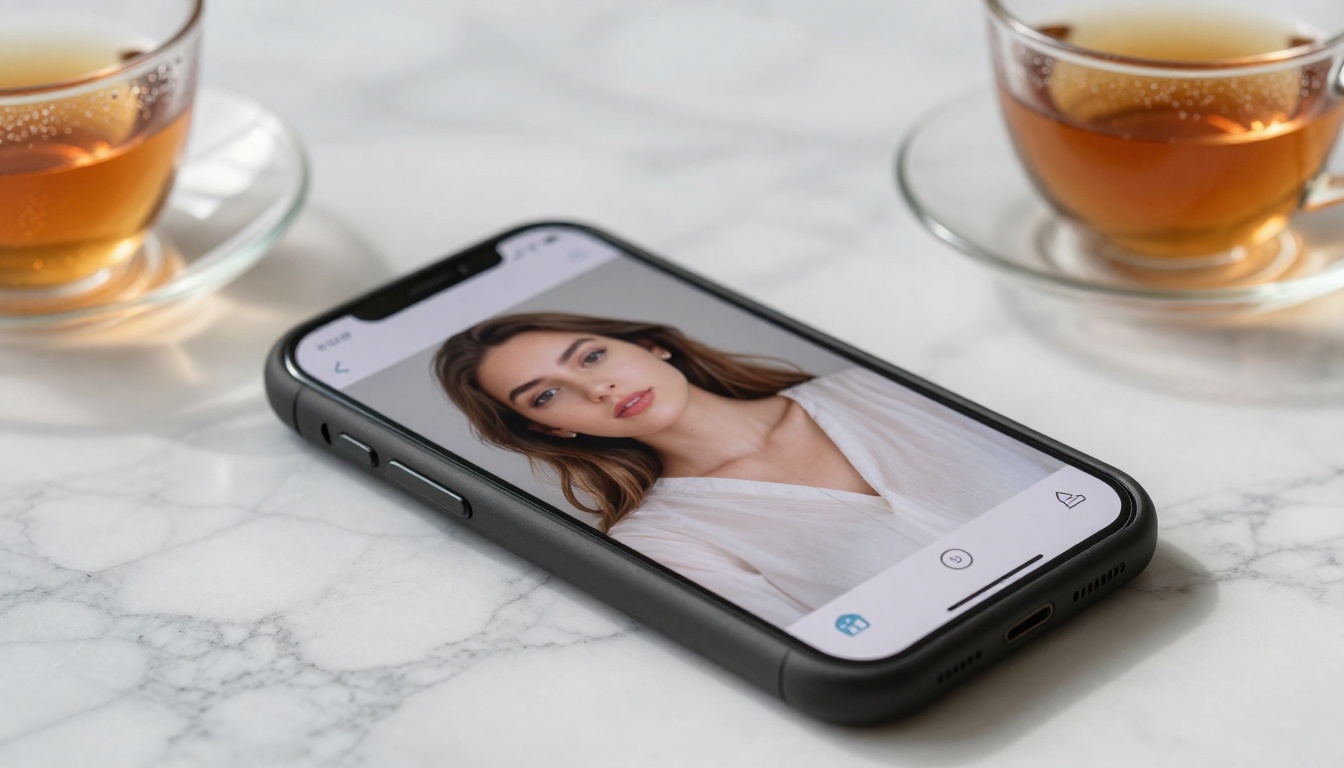
Visual improvement: Side-by-side comparison showing AI enhancement of original photography
Creating Your First Campaign
Begin with a focused test rather than full-scale implementation:
Test Campaign Structure:
- Objective: Increase Instagram engagement by 25% over 30 days
- Tools: flux-2-klein-4b for volume, p-image for hero images
- Content: 30 unique images (1 per day)
- Measurement: Daily engagement tracking, weekly analysis
- Budget: $50 for generation credits
Expected Outcomes:
- Baseline data: Understanding what works for your audience
- Workflow validation: Identifying process bottlenecks
- Skill development: Team comfort with AI tools
- ROI calculation: Justification for expanded investment
Social media success increasingly depends on visual content quality and consistency. AI image generators transform this challenge from limitation to advantage. The tools exist; the workflows proven; the results measurable. The remaining question isn't whether to adopt AI image generation, but how quickly to implement it at scale.
Start with one platform, one generator, one campaign. Measure results, refine approach, expand implementation. Within months, AI-generated visuals become your competitive advantage in crowded social feeds. The technology waits; audience attention moves forward regardless.
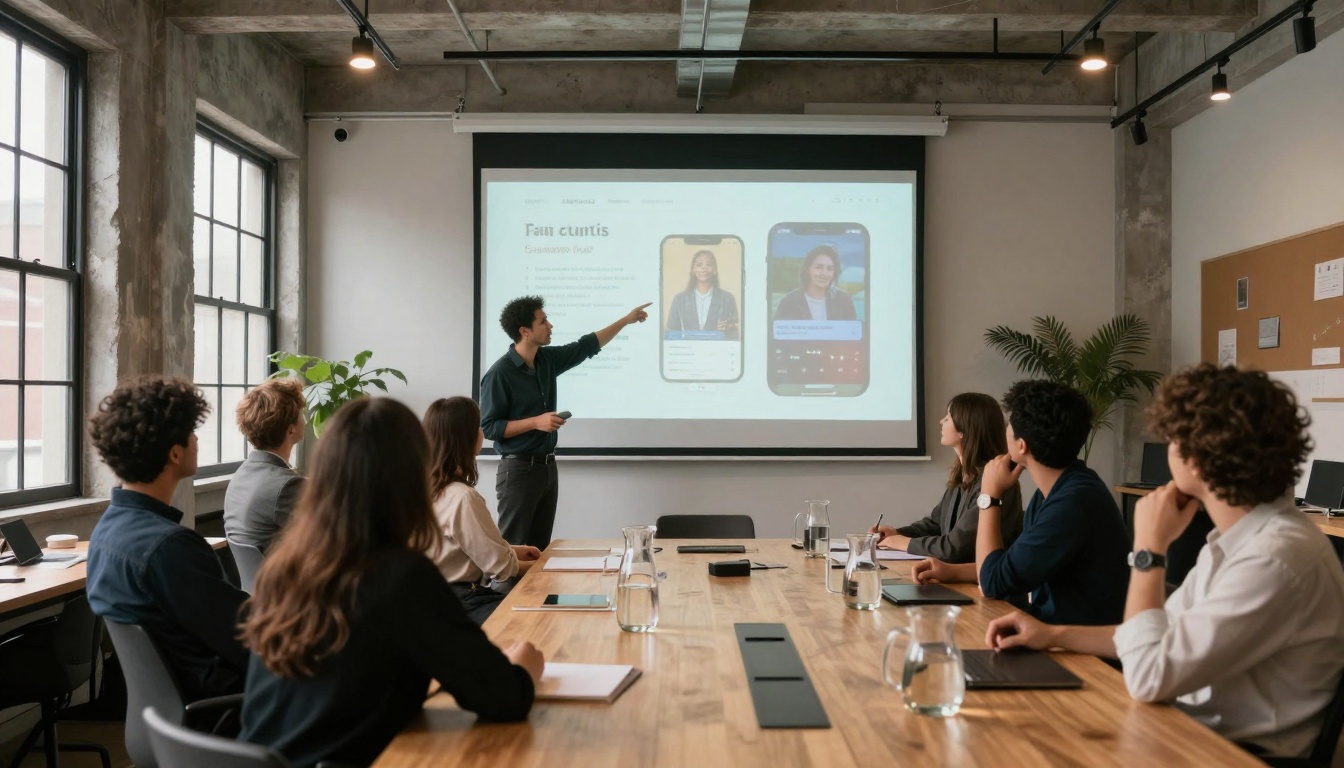
Client presentation: Creative team showcasing AI-generated campaign results with impressive engagement metrics
The evolution continues. New generators like z-image-turbo push speed boundaries while qwen-image-2512 expands creative possibilities. Platform integration deepens, workflow tools mature, and results improve consistently.
What began as experimental technology now defines professional social media practice. The generators work; the case studies exist; the metrics validate. Remaining questions focus on implementation details rather than fundamental viability.
Start generating. Start measuring. Start improving. The visual content gap between brands narrows daily. AI image generation represents the most effective tool for maintaining—or establishing—competitive advantage.


