The debate over who makes better anime art, an AI model or a trained human illustrator, is no longer academic. It plays out in real time across art forums, commission boards, and social feeds every single day. And when you add "uncensored" into that equation, you get a conversation that touches on creative freedom, platform restrictions, economic survival, and what it even means to make art in 2027.
This is that conversation, without the filters.
What Uncensored Anime AI Art Actually Is
The lines AI removed
Traditional AI image generators ship with safety filters baked in. Prompt for anything suggestive, anything that pushes past the sanitized output range, and most platforms either blank the result, substitute something generic, or flag your account. Uncensored AI art generation removes those filters entirely. The model outputs what the prompt describes, within the limits of what it has been trained on.
For anime specifically, this is significant. Anime as a visual culture has always included mature, adult, and sensual content as part of its mainstream expression, not just in niche circles. Fan art, doujinshi, and character illustration commissions all sit on a spectrum that most western AI platforms refuse to serve. Uncensored models close that gap.
What creators are actually producing
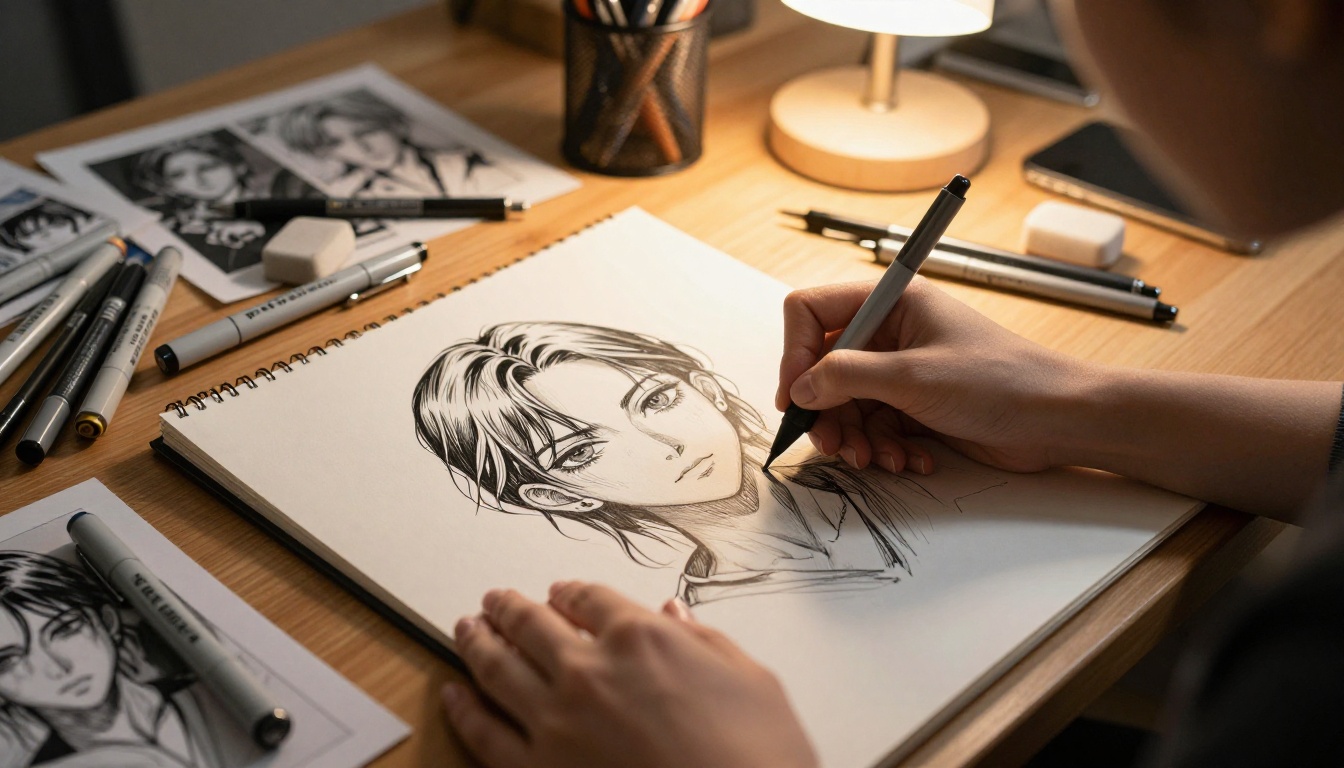
The practical uses are varied. Some creators use uncensored AI outputs as base drafts that they then refine manually, saving hours on the initial linework and shading phases. Others generate fully finished character sheets for games, visual novels, or adult content platforms. Commission artists use AI to produce rapid concept variations before committing to a direction. Speed is the consistent theme. What used to take two days now takes two minutes.
💡 Worth noting: uncensored does not mean low quality. The top models in this space produce outputs that rival professional illustration in terms of technical finish.
AI Speed vs Human Skill
What a machine can do in 4 seconds
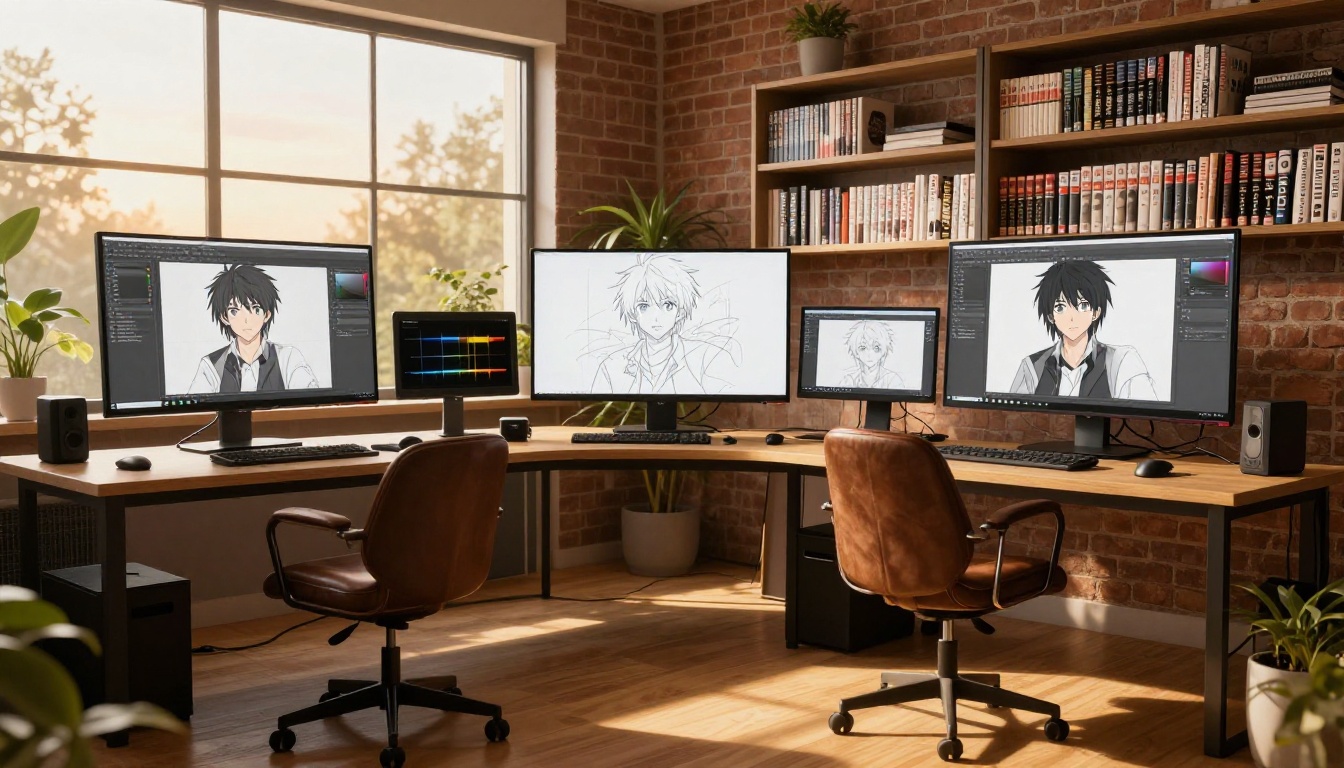
A well-prompted AI model can generate a finished, detailed anime character in under ten seconds. Change the outfit, pose, expression, background: another ten seconds. Run fifty variations and pick the best three: still under fifteen minutes total. No fatigue, no creative blocks, no revision fees. For bulk content production, this is transformational.
The throughput advantage is not subtle. A human illustrator at high professional speed can produce perhaps two to four fully finished character illustrations per day. An AI model running on a capable server can produce thousands. The economics of this gap are reshaping how anime content is commissioned and priced across every segment of the market.
What takes an artist 40 hours
Where human artists genuinely dominate is in the category of intentional complexity. The kind of illustration that carries a specific emotional weight, that reflects a worldview developed over years of practice, that tells a story in the space between two lines rather than just rendering what was described: this is still largely beyond AI.
A trained manga artist does not just draw a face. They encode tension in the eyebrow angle, communicate backstory through costume wear-patterns, and make compositional choices that reward multiple readings. That level of narrative intelligence inside a single image is extremely hard to prompt your way into. AI does not understand emotional subtext. It pattern-matches to aesthetics.
The other area where human artists hold the edge is in consistent personal style. AI can imitate styles in aggregate. But building and evolving an original, recognizable style over a decade, one that fans can identify at a glance, requires the kind of sustained identity that only a human being possesses.
Where Human Artists Still Win
Emotional authorship and intent
When you look at an illustration by a well-known anime artist, you are not just seeing technical skill. You are seeing a point of view. The choices made in color temperature, in negative space, in the way clothing folds interact with movement: all of these are decisions shaped by a specific human sensibility. That is what people pay premium commissions for.
AI does not make decisions. It makes selections, drawn from probability distributions trained on millions of images. The output can be striking, even beautiful. But it does not carry the trace of a person behind it. For collectors, for fans of specific artists, and for clients who want a particular voice, that absence matters.
Style evolution over time
Another advantage human artists hold is growth. An artist who started drawing anime characters at nineteen is producing different, richer work at thirty-five. That evolution, those visible shifts in approach and confidence, creates a body of work with intrinsic interest beyond any individual piece. People follow artists, not outputs.
AI models do not evolve organically. They improve through retraining, but that is a discrete technical event, not a creative journey. There is no arc to follow, no sense of a mind developing in real time. For the portion of the anime audience that engages with art as biography, this matters enormously.
💡 The market reality: Human artists and AI tools are increasingly being used together rather than in opposition. Many professional illustrators now use AI for reference generation, pose exploration, and background drafting, while delivering the finished piece themselves.
Seedream 4.5 takes the lead
For anyone generating uncensored anime content today, Seedream 4.5 is the model to start with. Developed by ByteDance, it delivers a combination of aesthetic quality, prompt responsiveness, and unrestricted output range that puts it ahead of most alternatives in the space. The character design coherence is notably strong: faces, proportions, and clothing render consistently even across varied prompts.
What separates Seedream 4.5 from filtered alternatives is not just what it will generate. It is how it generates it. Output quality does not degrade at the edges of the content spectrum. The same technical precision that makes it excellent at fully dressed character sheets carries through into mature content, without the muddy textures or anatomical inconsistencies that plague lower-tier uncensored models.
More Seedream versions worth knowing
The Seedream lineup on PicassoIA covers multiple generations. Seedream 4 and Seedream 3 remain capable options for lighter workloads. Seedream 5 Pro sits at the top of the range for users who need the highest output resolution and the greatest detail density in a single generation.
One important note: Seedream 5 Lite is available on PicassoIA but is not recommended for uncensored content. Its content filtering is more aggressive than the other Seedream versions, and it tends to soft-block prompts that the 4.5 and 5 Pro handle without issue.
💡 For uncensored anime generation at scale, use Seedream 4.5 as your primary model and Seedream 5 Pro for final hero images that need maximum detail.
Unlimited generations on PicassoIA
PicassoIA offers unlimited image generation through its platform, meaning you are not capped on daily outputs the way many other tools restrict users. For volume-heavy workflows, this is the practical foundation that makes AI-assisted anime production viable. Running twenty prompt variations to find the right pose costs nothing extra. Iterating on character designs across a full session is standard workflow, not a luxury.
The full model library, including the Seedream range and hundreds of other text-to-image models, is accessible at picassoia.com/en/all-models.
How to Use Seedream 4.5 on PicassoIA
Getting started with Seedream 4.5 for anime generation takes about three minutes from account creation to first output. Here is the exact workflow:
Step 1: Navigate to the model
Go to Seedream 4.5 directly from the PicassoIA model collection, or search for it in the platform's model browser.
Step 2: Write a structured prompt
Seedream 4.5 responds best to prompts that specify the character type, setting, and content clearly. Solid prompt structure:
[Character description] + [pose or action] + [clothing detail] + [setting/background] + [art style modifiers] + [quality tags]
Example: anime girl, silver hair, side glance, fitted jacket open, rooftop setting, soft overcast light, detailed line work, high resolution
Step 3: Set resolution
For character sheets and detailed work, use the highest available resolution option. Seedream 4.5 maintains quality at larger outputs without significant texture degradation.
Step 4: Iterate fast
Generate five to ten variations on the same prompt with minor adjustments. Use the seed lock function to preserve what is working in a composition while varying specific elements like expression, color, or background detail.
Step 5: Upscale your best outputs
Take your strongest result through an upscaler. Clarity Pro Upscaler by philz1337x adds fine detail and crispness to anime-style outputs without introducing unwanted stylistic changes. Real ESRGAN is a strong alternative for 4x resolution boosts on completed pieces.
AI vs Human: A Direct Comparison
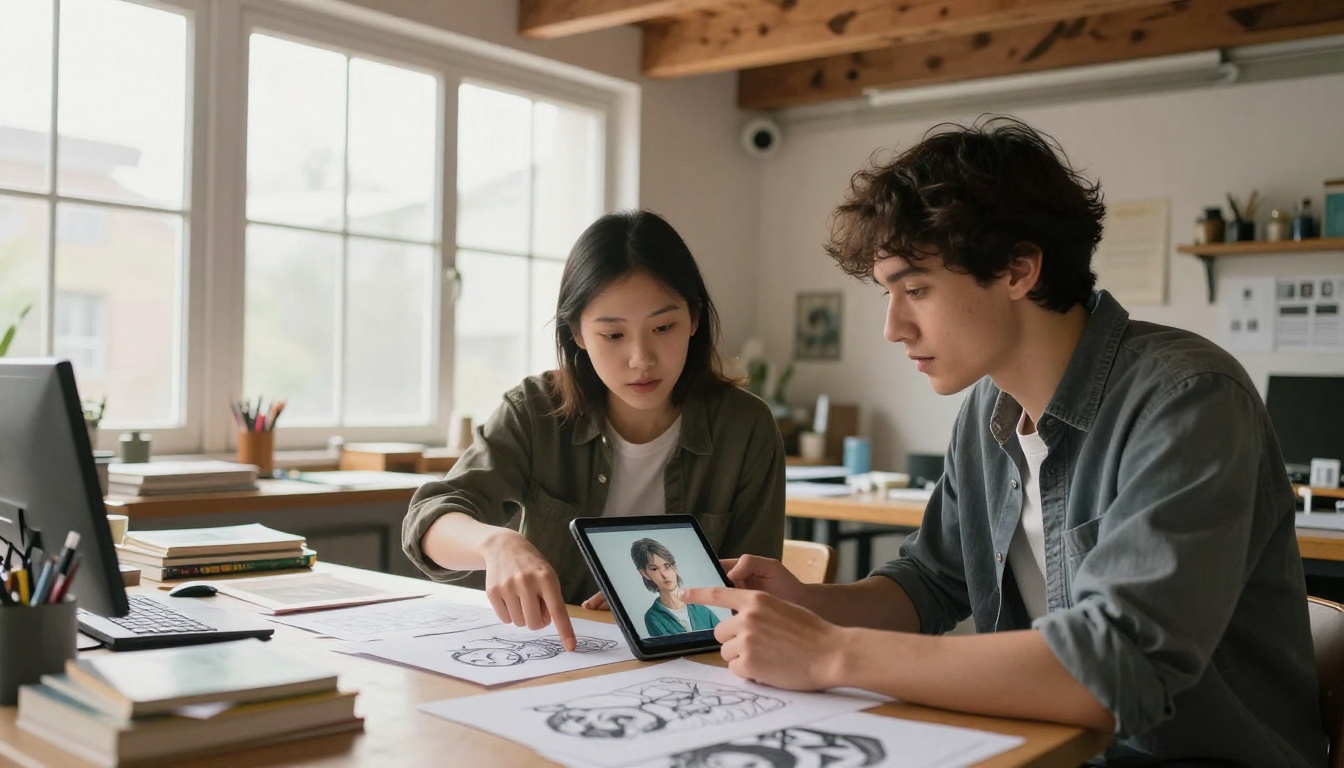
Here is how the two approaches stack up across the dimensions that matter to content creators:
| Dimension | AI Generation | Human Artist |
|---|
| Speed | Seconds per image | Hours to days per image |
| Volume | Unlimited iterations | 2-4 pieces per day max |
| Consistency | High within a session | Varies with fatigue |
| Original style | Pattern-matched from training | Genuinely personal |
| Emotional depth | Limited | High |
| Uncensored range | Full, with right model | Full, limited by platform TOS |
| Cost at scale | Low, flat | High, scales with volume |
| Narrative intelligence | Low | High |
| Revisions | Instant, free | Paid, time-dependent |
| Long-term evolution | Only via retraining | Natural, organic |
The table tells the real story: these are not substitutes for each other. They excel in different dimensions. The creators winning in the current landscape are those who use both, assigning tasks to whichever approach has the advantage in that specific context.
Upscaling and Finishing AI Anime Outputs
Why upscaling is not optional
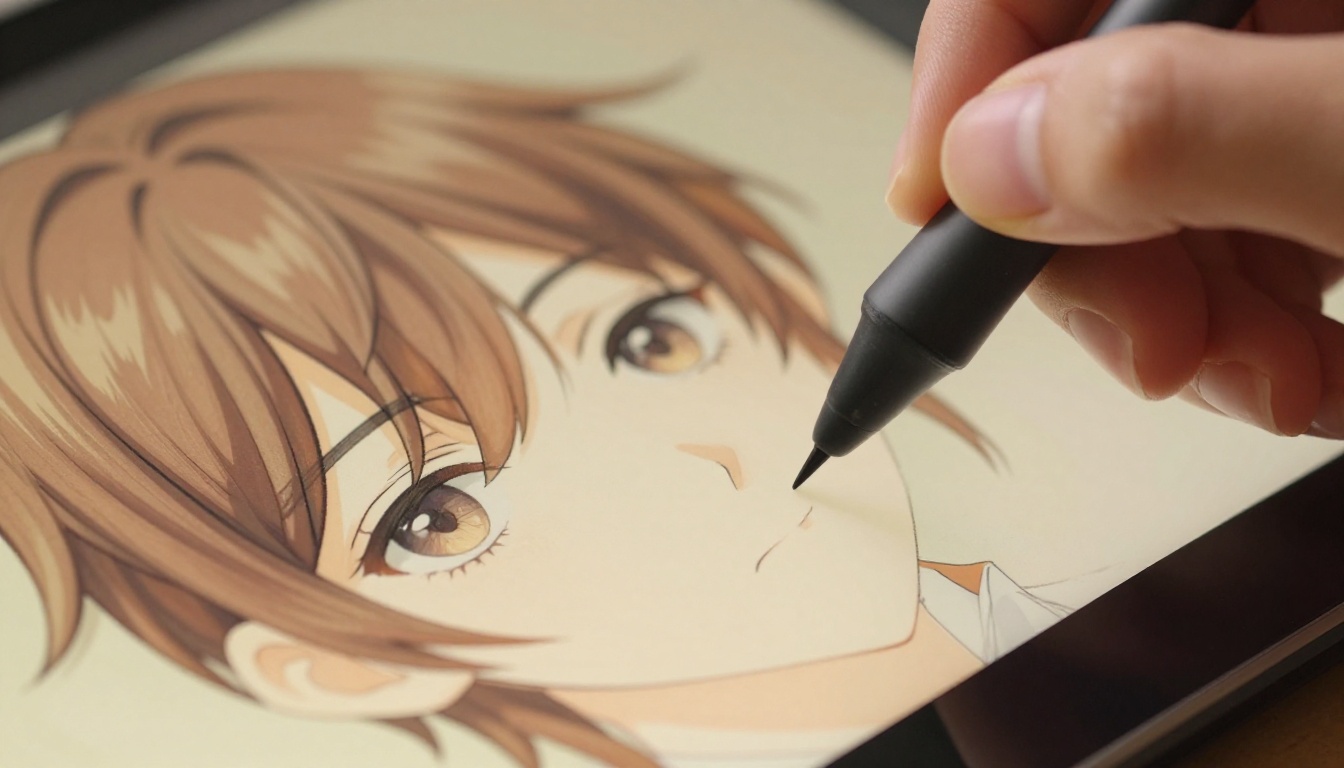
Raw AI outputs, even from high-end models, often need a final pass to reach print or high-display quality. The generation process introduces subtle softness in fine details, particularly in hair strands, fabric textures, and intricate background elements. A dedicated upscaler corrects this without manual intervention.
Best upscaling models on PicassoIA
For anime-style content, these are the upscalers that consistently deliver:
- Clarity Pro Upscaler: Best for maintaining the anime aesthetic while adding photorealistic detail to skin and fabric. 2x default with strong detail injection.
- Real ESRGAN: The established standard for 4x upscaling on illustrated content. Fast, reliable, minimal distortion.
- Image Upscale by Topaz Labs: Premium 6x upscaling with precision sharpening. Best for final hero images intended for large-format display or print.
- Crystal Upscaler: Optimized specifically for portrait-oriented content, making it ideal for the character-focused compositions typical in anime art.
💡 Run your upscaler twice for maximum quality: once at 2x to add detail, then again at 2x to reach 4x total. This produces better results than a single 4x pass in most cases.
Visual effects and post-processing
Beyond upscaling, PicassoIA's effects library lets you add cinematic depth, color grading, and atmospheric post-processing to finished anime outputs. The platform's extensive visual tools mean your workflow does not have to end at image generation. Atmospheric overlays, lighting adjustments, and stylistic effects are all available from the same interface.
The Real Question Is How You Use Both
The framing of AI vs human artists as a zero-sum competition misses what is actually happening at the production level. The studios and independent creators building successful operations in anime content right now are not choosing one or the other. They are building hybrid workflows.
AI handles the volume work: concept variations, background generation, secondary character sheets, pose references. Human artists handle the hero work: the signature pieces, the featured illustrations, the content where personal voice and narrative intelligence make a measurable difference in reception and value.
For NSFW and uncensored content specifically, AI has removed a bottleneck that used to exist entirely on the supply side. Human artists willing to take adult commissions were limited in number and often had long waitlists. AI tools like Seedream 4.5 on PicassoIA have made uncensored character generation accessible to anyone, at any hour, in any volume.
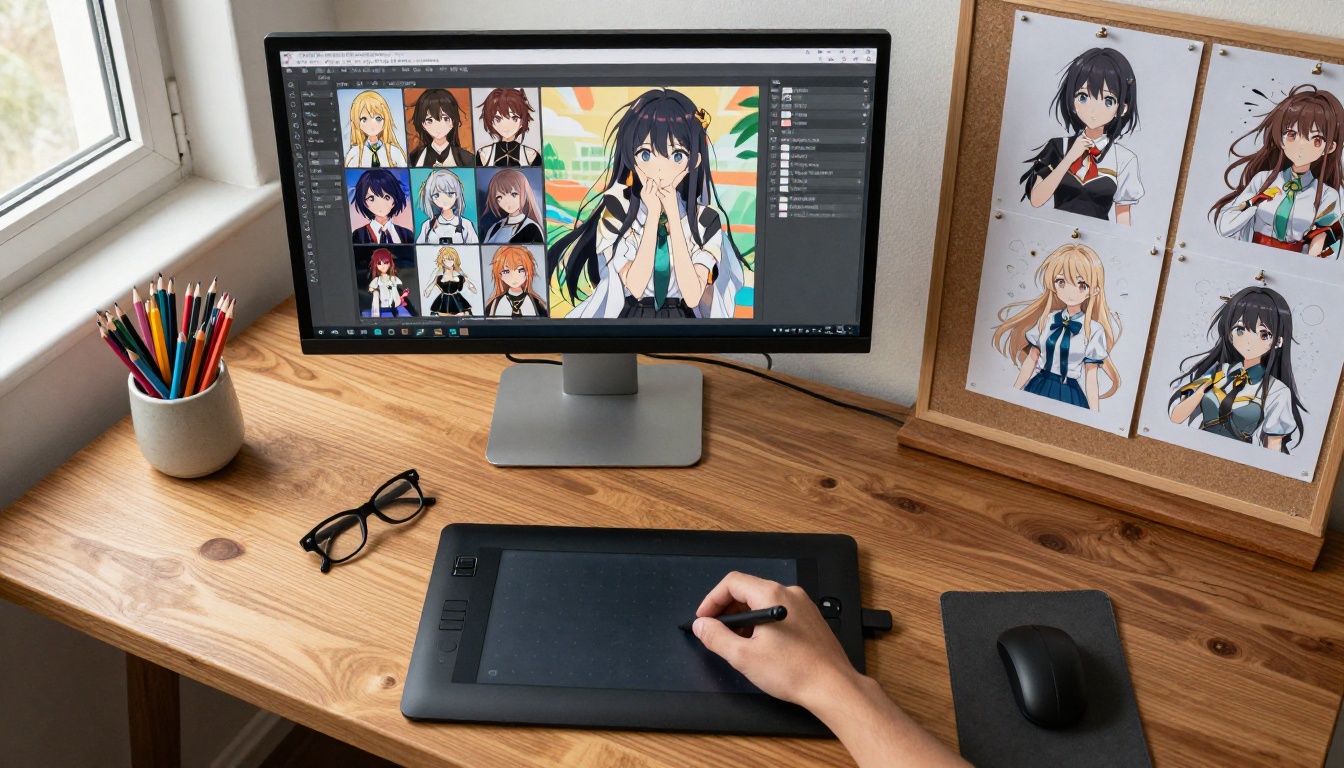
That is not the end of human artists. It is a shift in what human artists are most valuable for. The artists who see this shift and position their skills accordingly are finding that demand for genuinely skilled illustration has not dropped. It has, in some markets, increased: because the flood of AI content has raised the premium on work that is unmistakably, verifiably human.
Start Generating on PicassoIA
If you have not run a generation session on Seedream 4.5 yet, now is a solid time to start. The model's output quality at the top of the anime content range is not something you fully appreciate from descriptions alone. You need to see it operating at full prompt depth, across both safe and unrestricted content, to get a real picture of what it delivers.
PicassoIA's unlimited generation model means the cost of experimentation is low. Run through a hundred prompts in a sitting. Test the limits of the content range. Push the style parameters. Use Clarity Pro Upscaler on your three strongest outputs from each session and see where the quality ceiling actually sits.
The full catalog of models, including text-to-image, upscalers, effects, and video tools, is at picassoia.com/en/all-models. Everything you need for an end-to-end anime content workflow is in one place, without filters getting in the way.


