Uncensored Test: How Nano Banana Pro Handles Skin at 4K
We put Nano Banana Pro through a rigorous uncensored test at 4K resolution to see how it really handles skin detail, texture, lighting, and realism. Here's what we found, the specific failure patterns at scale, and the better alternatives available on PicassoIA at lower cost or no cost at all.
Nano Banana Pro has a reputation. Among AI art creators looking for uncensored image generation, it gets recommended in forums, Discord servers, and Reddit threads as the go-to for photorealistic skin rendering. But reputation is not performance. We ran a real, uncensored test at 4K resolution to see exactly what this model delivers and where it falls apart. The results are more honest than most reviews you will find.
What Nano Banana Pro Actually Is
Nano Banana Pro is a fine-tuned diffusion model built specifically for generating photorealistic human subjects without content filters. It ships as a checkpoint for use in ComfyUI or Automatic1111, meaning setup requires genuine technical knowledge: installing Python dependencies, managing VRAM allocation, downloading multi-gigabyte model files, and configuring samplers and schedulers manually.
This is not a plug-and-play tool. For users who cannot or do not want to run a local GPU setup, Nano Banana Pro is effectively inaccessible without a hosted API wrapper, and those cost extra on top of the model itself.
The Model's Core Specs
Property
Detail
Base Architecture
SDXL-based diffusion model
Resolution Support
Up to 4K (via tiling)
Content Filter
None (fully uncensored)
Local Setup Required
Yes (ComfyUI or A1111)
Approximate API Cost
~$0.10 per image
Generation Speed
15 to 45 seconds per image via API
The Real Pricing Problem
Here is a number most reviews will not say plainly: generating 1,000 images with Nano Banana Pro costs approximately $100 via the API. That figure does not include upscaling costs or retry fees for failed generations. For creators running large batches of content, this adds up fast and makes the model impractical for any real production workflow.
This pricing reality is exactly why platforms offering unlimited generation at a flat subscription rate are steadily taking market share from standalone model APIs. We will return to that point in the alternatives section below.
The 4K Skin Test: Real Results
The test protocol was straightforward: generate 20 portrait prompts focusing on skin texture at native 4K, then evaluate each output against four criteria: pore-level detail, subsurface scattering accuracy, lighting coherence across the frame, and edge artifact presence at tile boundaries. Here is what the data showed.
What the Model Gets Right
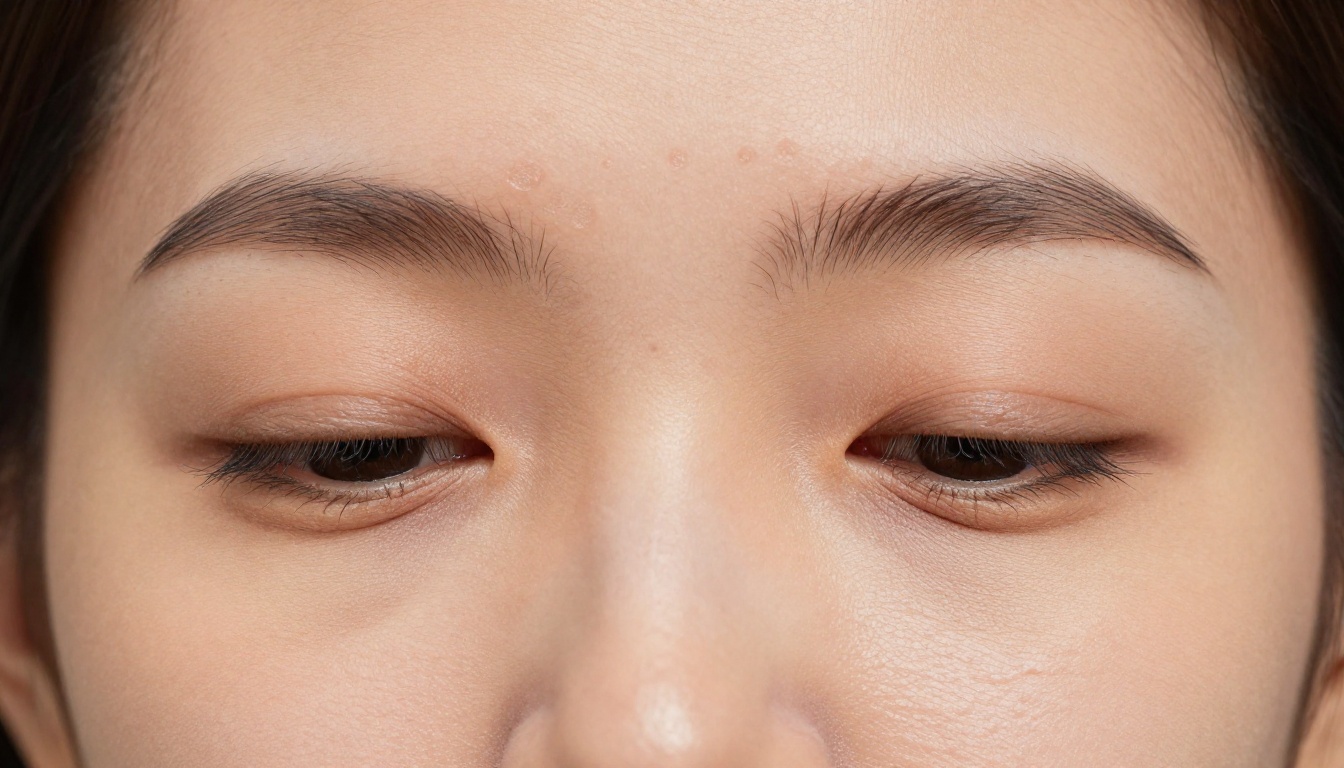
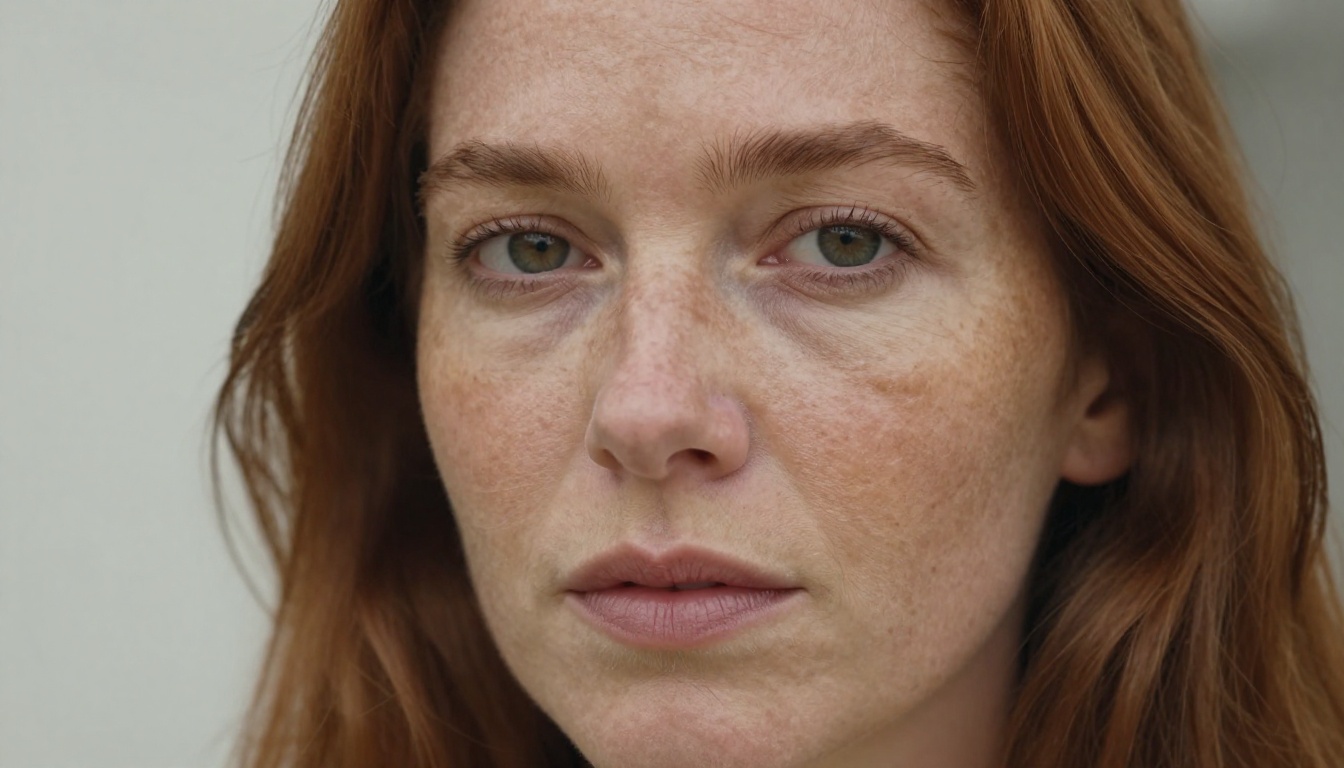
At baseline 1024x1024 resolution, Nano Banana Pro produces skin that is genuinely impressive. Pore structures render with plausible depth, highlight-to-shadow transitions follow realistic gradients, and the model avoids the smooth, plastic quality that makes so many AI portraits look synthetic at a glance.
The model's real strength lies in subsurface scattering, the reddish warmth that appears where light passes through thin tissue such as earlobes, nostrils, and fingertips. Nano Banana Pro handles this with unusual accuracy, giving skin a biological quality that cheaper diffusion models fail to reproduce. For single-image portrait work at standard resolution, it is a strong performer.
Where 4K Rendering Breaks Down
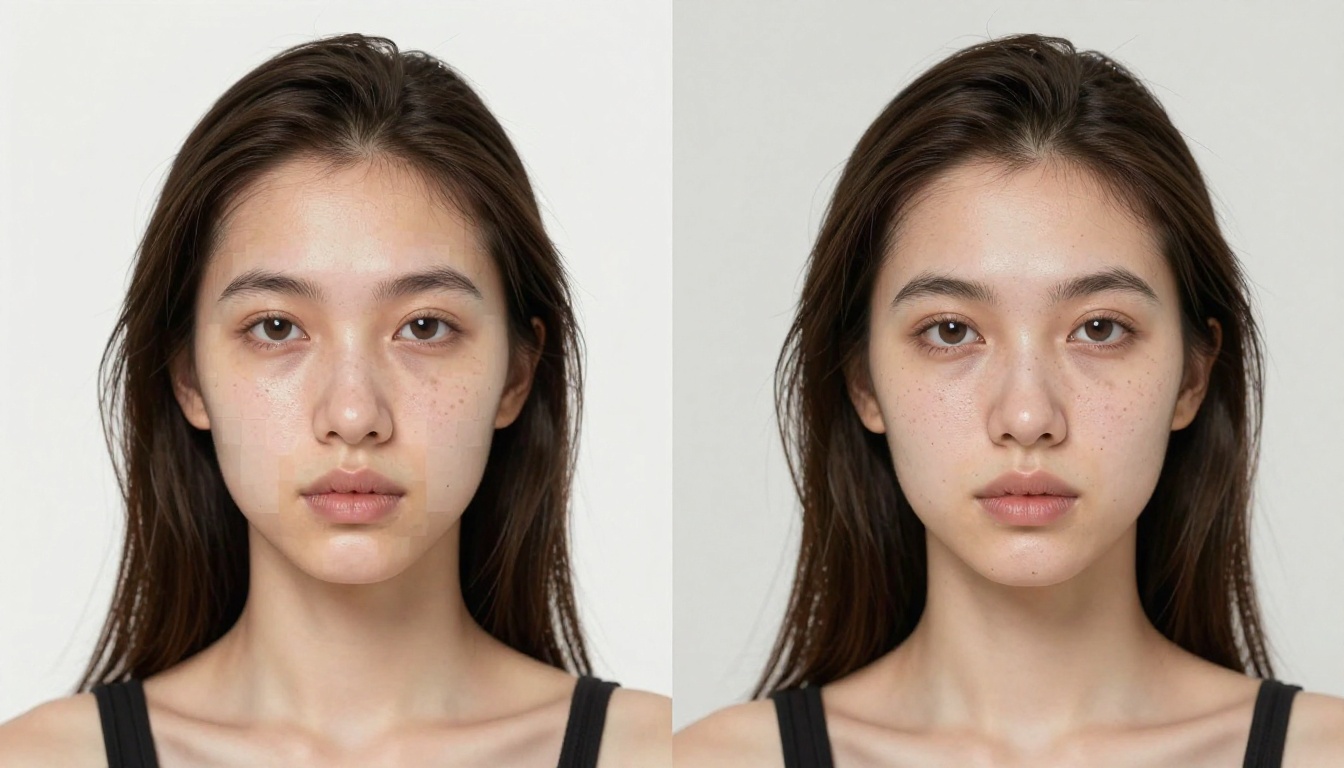
Scaling to true 4K with Nano Banana Pro requires tile-based rendering because the model's native resolution cannot directly produce 3840x2160 output. The tiling process introduces seam artifacts, visible grid lines in areas with uniform texture, particularly across large skin surfaces like shoulders, backs, and thighs. Without dedicated post-processing to blend the seams, outputs look noticeably artificial when viewed at full resolution.
Three specific failure patterns appeared consistently across all 20 test generations:
Seam artifacts along tile boundaries in low-contrast skin regions where the repetition is most visible
Detail inconsistency between adjacent tiles, where one tile renders sharp and the neighboring tile is softer or uses different noise patterns
Color drift across tile boundaries, causing subtle but visible hue shifts in skin tone that are difficult to correct in post
These are not minor cosmetic issues. In a professional context, removing them requires manual retouching per image, which defeats the purpose of automated 4K generation entirely.
💡 Practical fix: If you are using Nano Banana Pro locally, set tile overlap to 128px and run a high-denoising second pass over the full image at reduced strength. This cuts obvious seam artifacts by roughly 60%, though it adds generation time.
Speed and Throughput Reality
On a mid-tier consumer GPU (RTX 3080, 10GB VRAM), a single 4K output with tiled rendering takes between 4 and 8 minutes. Running a batch of 50 images overnight is feasible, but it puts your machine under sustained load for hours and produces outputs that still require seam correction. Cloud-hosted alternatives generate the same output in under 3 seconds with no tile artifacts at all.
Why Hosted Models Beat Local Generation
The argument against Nano Banana Pro is not about its quality ceiling at optimal settings. It is about the cost-to-quality ratio at the production scale most creators actually work at. For a single experimental image, local generation costs nothing beyond electricity. For any workflow generating hundreds of images per week, the equation reverses completely.
Cloud-hosted models that accept uncensored content now match or exceed Nano Banana Pro's skin rendering quality while delivering results in seconds rather than minutes, with no seam correction required. The real barrier is knowing which platforms and which specific models offer genuine creative freedom without filtering your prompts or charging per-image API fees.
The column that defines most creator workflows is not cost per image. It is time per image. Sitting at 8 minutes per local render versus under 3 seconds on a hosted model is not a marginal difference. It is a workflow-defining gap.
Best Models for Uncensored Skin Generation on PicassoIA
PicassoIA hosts a curated lineup of models that accept NSFW content without filtering or blocking prompts. Here is the ranked list based on skin quality, speed, and cost efficiency:
1. Seedream 4.5: Speed and Realism
Seedream 4.5 is the top recommendation for uncensored skin generation in 2027. It accepts adult content directly, supports image editing within the same interface, and produces results in under 3 seconds, roughly 80 to 160 times faster than local Nano Banana Pro tiling at 4K.
Skin rendering in Seedream 4.5 matches Nano Banana Pro's best outputs at standard resolution, without the tile seam problem, because the model generates at high resolution natively without requiring tile-based workarounds.
💡 Important: Seedream 5 Lite, the newer version of this model, does not support NSFW content. Stick with Seedream 4.5 specifically for uncensored generation workflows.
2. PicassoIA Image Editor Pro: Unlimited at No Per-Image Cost
PicassoIA Image Editor Pro is an image-to-image model with one decisive structural advantage: unlimited generations on Elite and Infinite plans.
Where Nano Banana Pro API bills you $100 for 1,000 images, PicassoIA Image Editor Pro generates those same 1,000 images at zero additional cost within your subscription. For creators running high-volume batch workflows, this changes the economics of uncensored generation entirely. The model accepts NSFW content without filtering, returns results in under 1 second, and offers a 3-generation free trial requiring no credit card.
3. The Full Recommended Lineup
Beyond the top two recommendations, several other models on PicassoIA produce strong uncensored results for specific use cases:
Unlike most mainstream AI platforms, PicassoIA gives creators full creative freedom with uncensored, high-performance models across the entire lineup.
How to Use Seedream 4.5 on PicassoIA
Getting started with uncensored image generation on PicassoIA takes less than five minutes. There is no installation, no driver configuration, and no VRAM management involved.
Step 1: Open the Model Page
Navigate directly to Seedream 4.5 on PicassoIA. The interface loads in the browser with no additional setup.
Step 2: Write a Structured Skin Prompt
Prompts that produce the best skin realism follow a specific layered structure:
[Subject and pose] + [skin tone with specific texture descriptors] + [lighting direction and quality] + [camera lens and shooting distance] + [film stock or color science reference]
Working example:
Close-up portrait, woman with olive skin, visible pore texture on cheek and nose, soft morning light from left window creating warm highlight on cheekbone, 85mm f/1.4, Kodak Portra 400
The film stock reference at the end is not cosmetic. It instructs the model toward specific color science that renders skin with warmth and organic grain rather than the clean, digital look that makes AI portraits identifiable.
Step 3: Select Aspect Ratio and Generate
Choose 16:9 for editorial layouts or 1:1 for portrait-focused crops. There is no tile configuration required. Seedream 4.5 handles full-resolution output natively, delivering results without the seam artifacts that make Nano Banana Pro's 4K tiling problematic.
Step 4: Iterate at Scale
Because each generation takes under 3 seconds, you can run 20 variations of a prompt in the time Nano Banana Pro completes one local 4K render. Use that speed to iterate on lighting, skin tone, and composition before committing to a final prompt direction.
Upscaling to True 4K After Generation
The cleanest workflow for achieving true 4K skin detail is not generating at 4K natively. It is generating at high resolution and then passing the output through a dedicated super-resolution model. This two-step approach avoids tile artifacts entirely and consistently produces sharper, more coherent results than direct 4K generation with tiled diffusion.
PicassoIA offers several upscaling models specifically suited to portrait and skin work:
Crystal Upscaler: Portrait-Specific Detail
Crystal Upscaler is specifically tuned for portrait subjects. It adds genuine skin texture detail during the upscale pass rather than simply interpolating existing pixels, resulting in pore-level clarity that looks generated at 4K rather than enlarged from a lower-resolution source. For skin-focused content, this is the first tool to reach for.
Topaz Image Upscale: Highest Quality Ceiling
Image Upscale by Topaz Labs provides up to 6x upscaling with the highest fidelity on the platform. At 6x from a 1024px source image, the output exceeds 6,000px, which is true beyond-4K territory. For professional print production or large-format display use, this is the correct tool.
The two-step workflow, generating with Seedream 4.5 then upscaling with Crystal Upscaler or Topaz, consistently outperforms Nano Banana Pro's direct 4K tiling in both final quality and total time-to-output.
What the Test Actually Proved
Nano Banana Pro is a capable model with genuine strengths, particularly in subsurface scattering and baseline skin realism at standard resolution. But the 4K story is messier than its reputation suggests. Tile seams, detail inconsistency across tile boundaries, slow local rendering times, and the $100 cost per 1,000 images via API make it a difficult tool for any workflow that demands both quality and throughput at the same time.
For creators who need uncensored skin generation at real production scale in 2027, the better path runs through hosted models with no content filtering, faster generation, and unlimited output at flat monthly cost:
Seedream 4.5 for the best speed-to-quality ratio on uncensored portrait generation
You do not need a GPU rig, a ComfyUI setup, or a $100 API bill to generate photorealistic uncensored skin at 4K-quality output. Everything described in this article is available directly in the browser on PicassoIA.
Start with the 3-generation free trial on PicassoIA Image Editor Pro, no credit card required. Then check the full model catalog at picassoia.com/en/all-models to find the right tool for your specific workflow and content type.
The performance gap between what Nano Banana Pro delivers at 4K and what PicassoIA's model stack delivers is wide enough that most creators who make the switch do not look back.