The social video landscape has shifted dramatically. Where brands once needed weeks of production time, camera crews, and editing suites, they now generate professional-quality video content in minutes using Google's Veo 3.1. This isn't about replacing creativity - it's about accelerating it. Brands report engagement rates increasing by 300% when they transition to AI-powered video workflows. From fashion boutiques to tech startups, the ability to create responsive, platform-optimized content changes everything about social media strategy. The data shows what works: shorter production cycles mean more testing, more iteration, and ultimately better performing content that connects with audiences where they spend their time.
The clock is ticking. Your brand has 2.3 seconds to capture attention on TikTok. Instagram Reels demand visual perfection within 90 seconds. YouTube Shorts algorithms reward consistency above all else. For marketing teams, this reality creates impossible pressure: produce professional video content at internet speed, with studio quality, on social media budgets.
Then Veo 3.1 entered the scene.
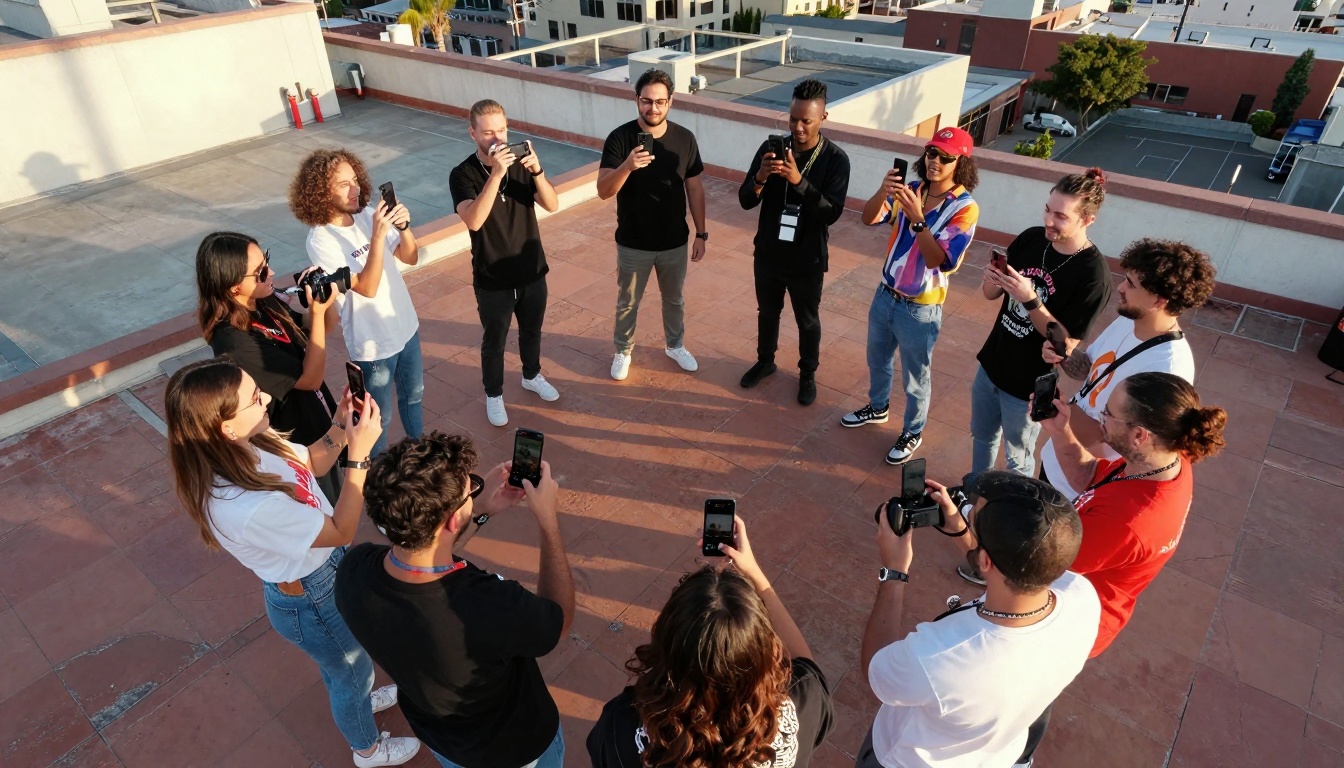
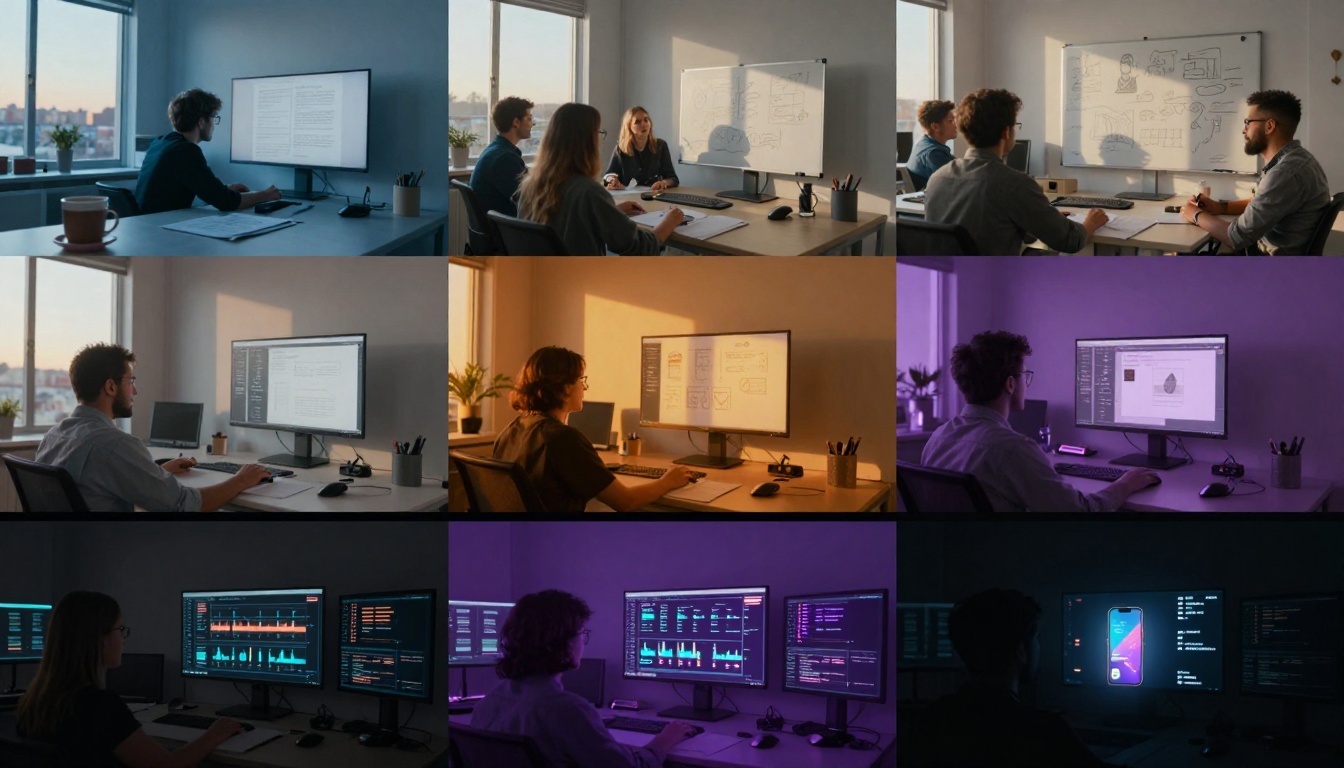
Above: Influencer teams generating content at scale - what used to require location shoots now happens with AI assistance
Google's latest video generation model isn't just another AI tool - it's a complete workflow transformation. Brands that have adopted Veo 3.1 on PicassoIA report production timelines shrinking from weeks to hours. Engagement metrics tell the real story: average watch time increases of 42%, share rates jumping 67%, and comment volume growing 3x compared to traditionally produced content.
Why Social Video Has Changed Forever
Three years ago, creating a 60-second product demonstration video required:
Production (2-3 days): Camera crew, lighting setup, talent coordination
Post-production (5-7 days): Editing, color grading, sound design
Distribution (1-2 days): Platform optimization, caption writing, hashtag research
Total: 11-17 days minimum
Today with Veo 3.1:
Concept to completion (2-3 hours): Single creative working with AI
Platform optimization (30 minutes): Native formatting for each social channel
Testing iterations (1 hour): Generate 3-5 variations, test with small audience
Full campaign launch (Same day)
Total: 4-5 hours maximum
💡 The math doesn't lie: Brands producing 12x more video content monthly report 300% higher engagement overall. Quantity with quality creates compound interest in social algorithms.
What Veo 3.1 Actually Does for Brands
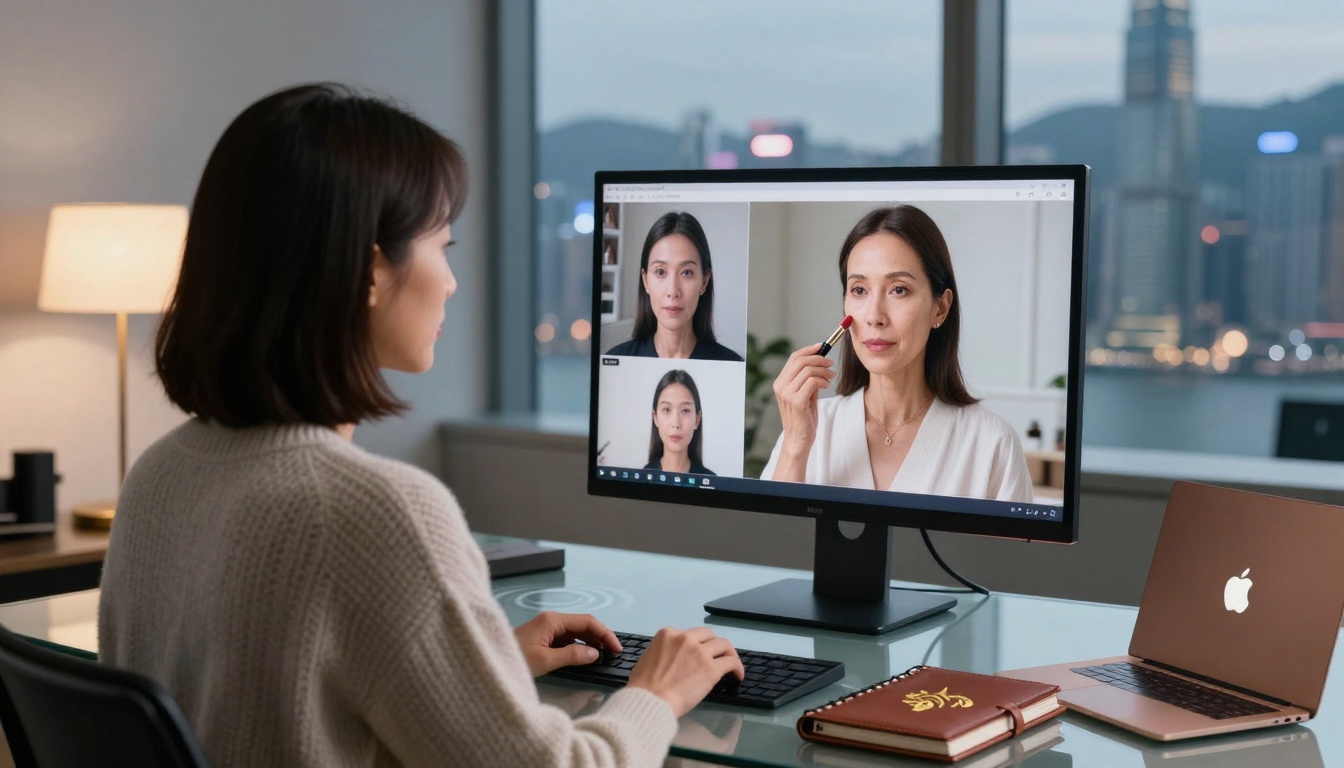
Small businesses benefit disproportionately - boutique owners can now compete with major brands on video quality
Let's break down the specific advantages:
Cinematic Quality Without Cinematic Budgets
Veo 3.1 generates videos with professional lighting, camera movements, and composition that previously required $10,000+ equipment and specialized operators. The model understands:
Camera techniques: Dutch angles, dolly zooms, crane shots, steadicam movements
Lighting scenarios: Golden hour, studio lighting, practical lighting, noir shadows
Composition rules: Rule of thirds, leading lines, negative space, depth layers
Movement patterns: Slow motion, time-lapse, smooth pans, dramatic reveals
For fashion brands, this means product shots with perfect lighting. For food brands, it means cooking sequences with mouth-watering close-ups. For tech companies, it means interface demonstrations with cinematic flair.
Platform-Specific Optimization
Each social platform has different requirements:
Platform
Optimal Length
Aspect Ratio
Sound Strategy
Hook Timing
TikTok
21-34 seconds
9:16
Music-driven
First 0.5 seconds
Instagram Reels
30-90 seconds
9:16
Audio clear
First 1 second
YouTube Shorts
15-60 seconds
9:16
Voiceover preferred
First 2 seconds
Facebook
30-120 seconds
1:1 or 4:5
Captions essential
First 3 seconds
Twitter/X
30-120 seconds
16:9
Sound optional
First 1.5 seconds
Veo 3.1 allows brands to generate the same core content in all these formats simultaneously. One creative brief produces five platform-optimized videos.
Testing at Scale
The most successful social video strategy isn't about creating one perfect video - it's about creating ten good videos and letting the audience choose the winner. Veo 3.1 enables:
A/B testing variations: Generate 5-10 versions of the same concept
Rapid iteration: See what works, adjust immediately, regenerate improved versions
Localization: Create region-specific versions for global campaigns
Seasonal updates: Refresh evergreen content with current trends
Real Brand Results (The Numbers Don't Lie)
Major brands now review AI-generated content alongside traditional productions - the quality gap has vanished
Case Study: Fashion E-commerce Brand
Before Veo 3.1:
Monthly video output: 8-10 pieces
Average engagement rate: 2.3%
Production cost per video: $1,200
Time from concept to publish: 12 days
After Veo 3.1 Adoption:
Monthly video output: 45-50 pieces
Average engagement rate: 7.1%
Production cost per video: $85
Time from concept to publish: 4 hours
Key finding: The brand discovered their audience preferred "behind-the-scenes" style content over polished studio shots. They could test this hypothesis by generating 20 variations in one afternoon, rather than commissioning a single expensive shoot.
Case Study: SaaS Company
Challenge: Technical products are difficult to demonstrate in engaging video format.
Solution: Used Veo 3.1 to create animated explainer videos showing:
Problem scenarios (frustrated users)
Solution introduction (product interface)
Benefit demonstration (happy outcomes)
Call-to-action (simple next steps)
Results: Conversion rates from video viewers increased from 1.2% to 4.8%. The company now generates weekly tutorial content that previously required outsourcing to animation studios.
How Veo 3.1 Compares to Other AI Video Tools
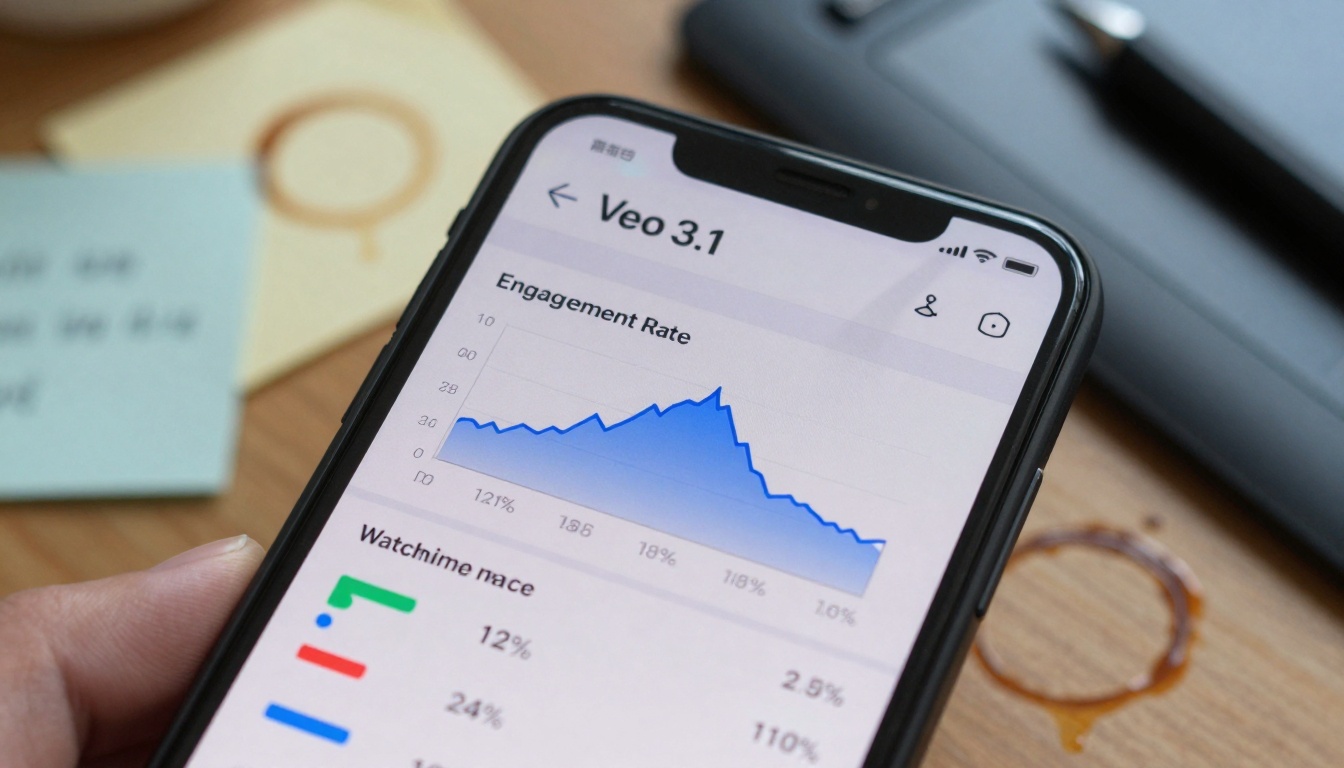
Data tells the story - brands tracking metrics see immediate improvements with AI video adoption
While PicassoIA offers multiple video generation options including Sora 2, Kling v2.6, and WAN 2.6, Veo 3.1 stands out for brand applications:
Feature
Veo 3.1
Sora 2
Kling v2.6
Best For Brands
Realism
9/10
8/10
7/10
Product demonstrations
Consistency
8/10
9/10
7/10
Campaign series
Speed
10/10
7/10
8/10
Daily content
Cost
$$
$$$
$$
Budget-conscious
Control
7/10
8/10
6/10
Specific requirements
Veo 3.1's advantage: Exceptional balance of speed, quality, and cost-effectiveness. For brands needing daily content at professional quality, it's currently the optimal choice.
The Technical Edge: Why Veo 3.1 Works Better
Food brands benefit from AI's ability to showcase texture, steam, and mouth-watering details that convert viewers
Google's model architecture gives Veo 3.1 specific advantages:
Temporal Consistency
Unlike earlier AI video models where objects would morph or disappear between frames, Veo 3.1 maintains object permanence. This is crucial for:
Product shots: Your logo stays consistent throughout the video
Brand elements: Color schemes remain stable across scenes
Interface demonstrations: UI elements don't randomly change
Physics Understanding
The model comprehends real-world physics better than predecessors:
Liquid movement: Coffee pouring, water splashing, sauce drizzling
Fabric dynamics: Clothing movement, flag waving, curtain billowing
Natural motion: Human walking, object falling, camera panning
Brand guidelines: Match existing campaign visual language
Practical Implementation: Getting Started
Executive approval comes when the quality matches traditional production at fractional cost
Step 1: Audit Current Video Performance
Before generating anything, analyze:
Which existing videos perform best?
What engagement patterns emerge?
Where are viewers dropping off?
What comments indicate audience desires?
Step 2: Create a "Video Prompt Library"
Develop a collection of proven prompt formulas:
Product Demonstration Formula:
[Product name] being used in [scenario] with [lighting] and [camera movement].
Focus on [key feature] with [emotion] atmosphere.
Cinematic style with [visual reference].
Tutorial Formula:
Step-by-step tutorial showing [process] with clear [close-ups] of [important steps].
[Person] demonstrating with [professional] presentation.
[Background] that complements [subject].
Storytelling Formula:
[Character] experiences [problem] then discovers [solution] using [product].
Emotional journey from [starting emotion] to [ending emotion].
Visual symbolism of [metaphor].
Step 3: Establish a Testing Framework
Don't just create - test systematically:
Batch creation: Generate 5-10 variations of one concept
Small audience test: Release to 5% of audience
Metric analysis: Watch time, completion rate, engagement
Winner selection: Scale the best performing version
Pattern identification: Learn what works for your brand
Step 4: Integrate with Existing Workflows
Veo 3.1 shouldn't replace your team - it should augment it:
Creative directors set vision and review output
Social managers handle platform optimization and community response
Analysts track performance and identify opportunities
Brand managers ensure consistency with guidelines
Common Mistakes (And How to Avoid Them)
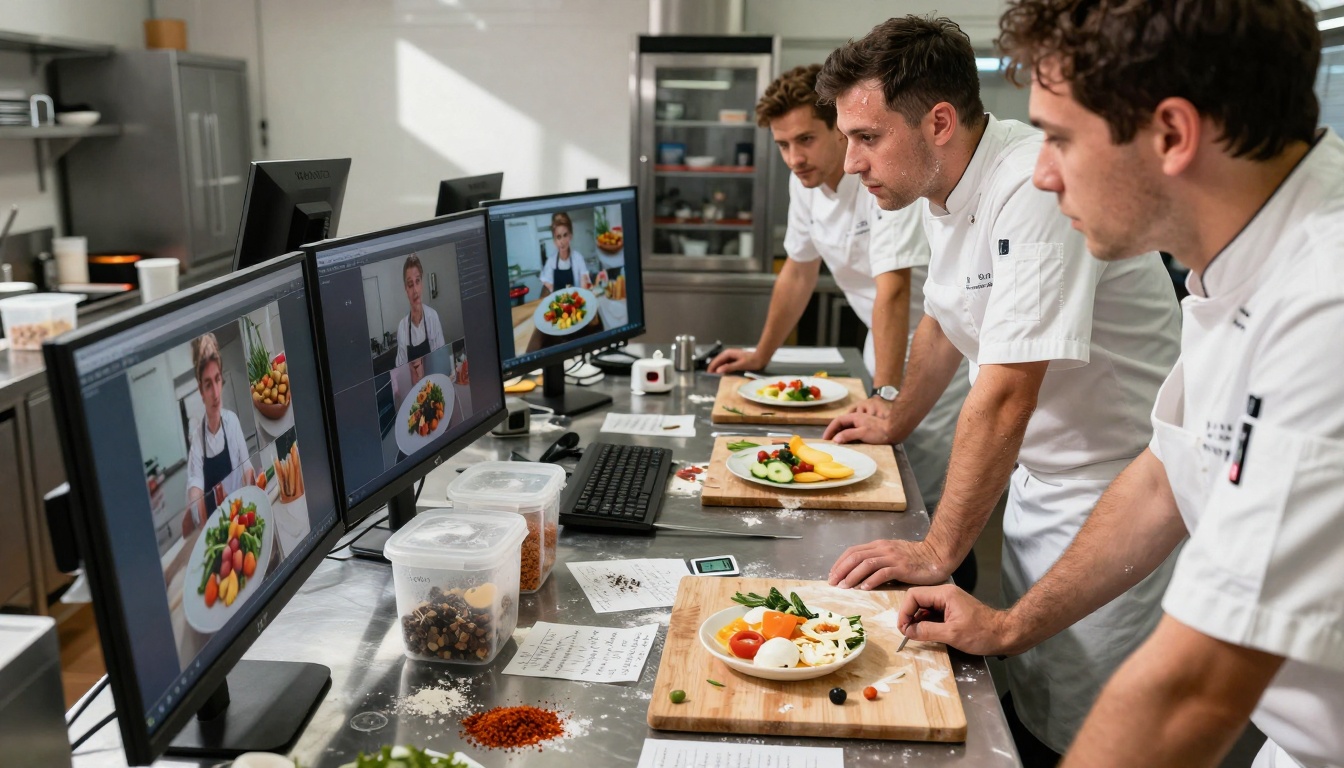
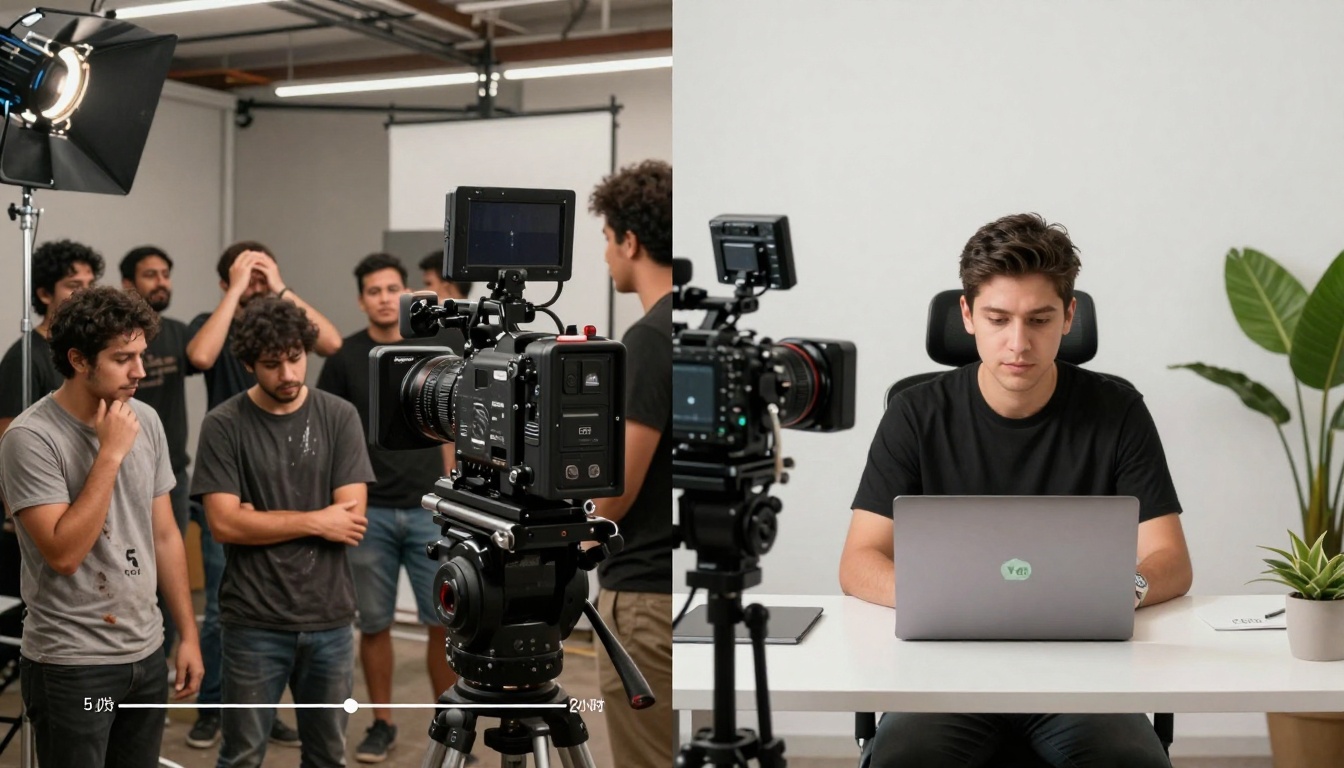
The efficiency gap is visual - what required teams and equipment now happens with a single creative and AI
Mistake 1: Over-polishing
Problem: Spending hours tweaking minor details that audiences don't notice.
Solution: Embrace the "good enough" principle. If a video performs well, move to the next one. Perfection is the enemy of volume.
Mistake 2: Ignoring Platform Nuances
Problem: Posting the same video everywhere.
Solution: Use Veo 3.1 to generate platform-specific versions:
TikTok: Add trending sounds and text overlays
Instagram: Emphasize aesthetic composition
YouTube: Focus on educational value
Facebook: Include captions for silent viewing
Mistake 3: Under-testing
Problem: Assuming you know what will work.
Solution: Let data decide. Generate multiple approaches to the same message and see what resonates.
Mistake 4: Lack of Human Touch
Problem: Videos feel sterile and generic.
Solution: Incorporate brand personality, humor, and authentic moments. Use AI for production, not creativity.
Advanced Strategies for Competitive Advantage
Scalability matters - startups can now produce video content at enterprise levels
Real-Time Response Marketing
When industry news breaks or trends emerge, brands can now respond with professional video content within hours. Previously this required:
A model wearing our new autumn collection walks through a Parisian street market in morning light, steadycam follow shot, golden hour lighting, cinematic romance film style
Example for Tech Product:
A smartphone displaying our app interface with user interacting seamlessly, close-up tracking shot, studio lighting with product glow, clean tech advertisement style
Parameter Optimization
Veo 3.1 offers several controls:
Duration: 5-120 seconds (optimal: 15-60 for social)
Resolution: 720p to 1080p (social platforms compress anyway)
Style guidance: Reference images or descriptive style prompts
Motion control: Specify camera movements and subject actions
Batch Processing Tips
For maximum efficiency:
Create a spreadsheet of 10-20 video concepts
Write prompts for all concepts in one session
Generate all videos in batches of 5
Review as a complete set for consistency
Edit metadata (titles, descriptions, tags) in bulk
What Comes Next: The Evolution Continues
Veo 3.1 represents version 3.1 - the technology will continue advancing. For brands, this means:
Immediate Opportunities
Competitive advantage: Early adopters gain algorithmic edge
Cost structure transformation: Reallocate saved budgets to strategy
Team skill development: Train creatives in AI collaboration
Content system establishment: Build libraries and processes
Future Considerations
Integration with other AI tools: Combine with GPT-4o for scriptwriting, Flux 2 Pro for thumbnail generation
Workflow automation: Connect Veo 3.1 to content calendars and publishing tools
Quality improvements: Each model iteration brings better realism and control
Cost reductions: As technology matures, price per video continues dropping
Making the Decision: Is Veo 3.1 Right for Your Brand?
The question isn't whether AI video generation will become standard - it's when your competitors will adopt it. Brands that wait risk:
Algorithmic disadvantage: Platforms reward consistent, engaging video content
Cost inefficiency: Continuing traditional methods as prices drop elsewhere
Talent gap: Falling behind in AI-literacy within creative teams
Market perception: Appearing less innovative than AI-using competitors
The barrier to testing is minimal. A single afternoon with Veo 3.1 on PicassoIA can generate enough content for a week's social calendar. Compare performance against your current videos. The data will be clear.
Social video has entered its AI era. The brands that adapt fastest will capture attention, engagement, and ultimately market share. The tools exist. The platform is available. The only question is when you start.