When you watch AI-generated video content, something subtle tells your brain whether you're looking at authentic footage or synthetic creation. That "something" is realism—the complex interplay of motion physics, lighting consistency, temporal coherence, and human expression that makes video feel genuinely captured rather than computationally generated. Between Google's Veo 3.1 and OpenAI's Sora 2, the battle for photorealism dominance reveals fascinating technical divergences with practical implications for content creators.
The Realism Challenge in AI Video
Creating video that feels authentically real requires solving multiple simultaneous problems. Motion physics must obey natural laws—weight transfers, momentum conservation, and biomechanical constraints. Temporal coherence demands frame-to-frame consistency without flickering or object instability. Lighting systems need to maintain consistent illumination across moving scenes. Human expression rendering requires nuanced muscle movement and emotional conveyance. Each AI system approaches these challenges differently, resulting in distinct perceptual experiences.
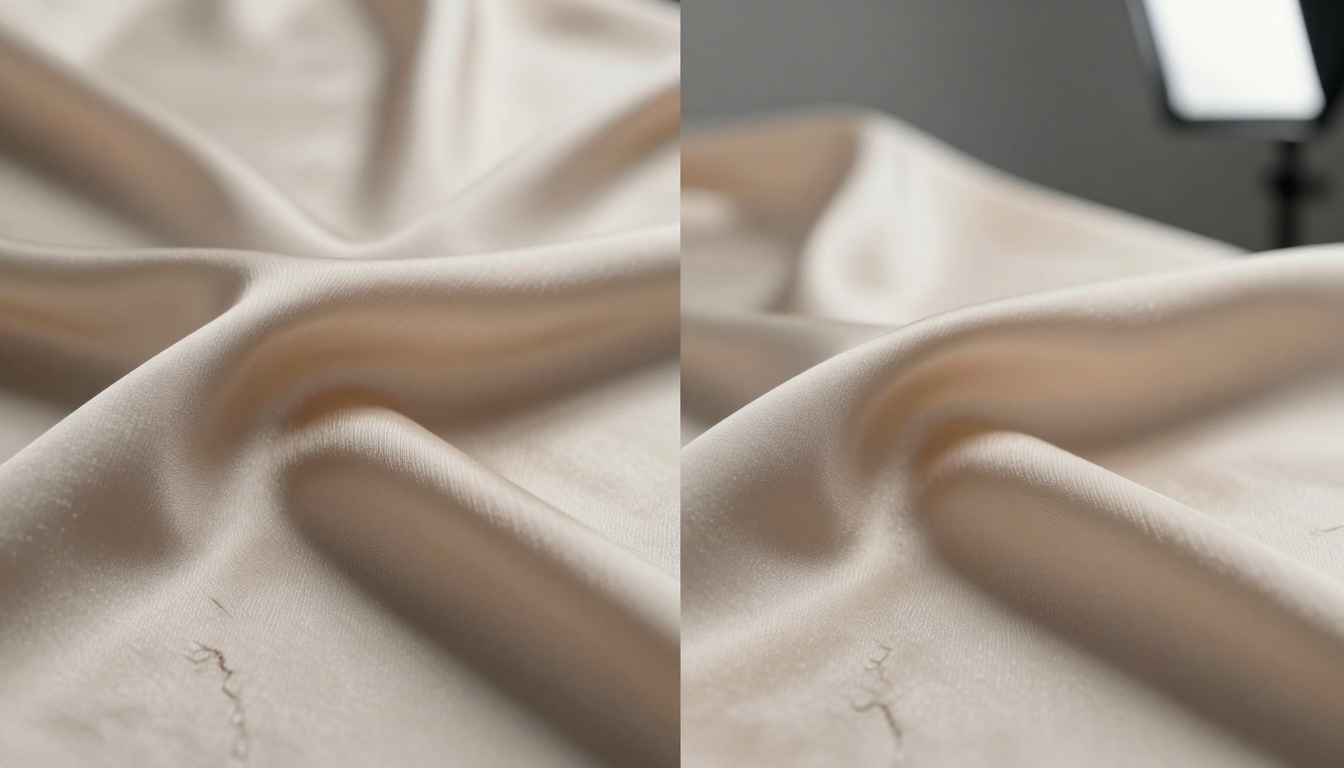
💡 Realism Perception: Human brains detect synthetic content through subtle inconsistencies—cloth that moves too uniformly, shadows that don't transition naturally, or facial expressions that lack micro-muscle engagement. These "tells" separate current AI video from professional cinematography.
Motion Physics: How Natural Movement Affects Perception
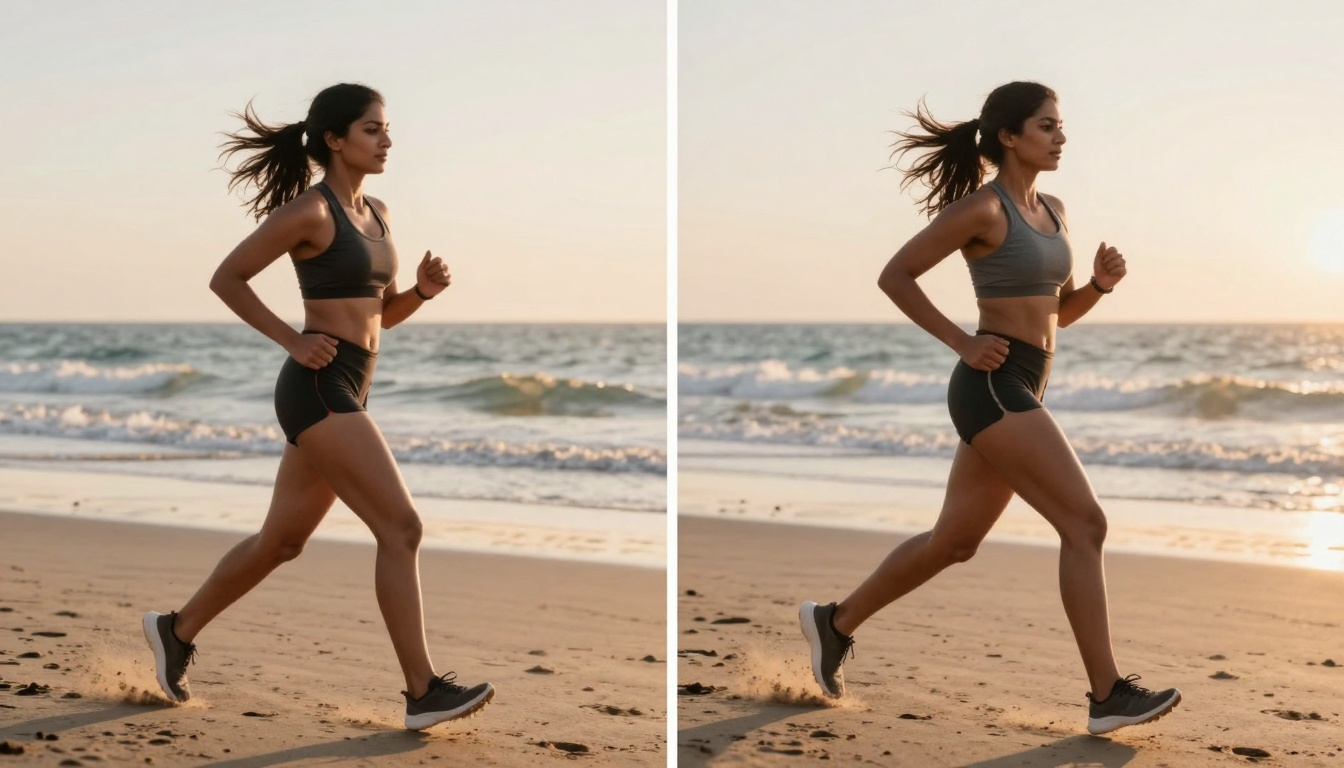
Veo 3.1 demonstrates superior ground contact physics and weight distribution in human movement sequences. When characters walk, run, or interact with environments, Veo's diffusion-based architecture produces more authentic foot placement and limb coordination. The system's training on extensive human motion datasets yields natural gait patterns and biomechanical accuracy.
Sora 2, meanwhile, excels at overall motion smoothness and arc consistency. Its spacetime patch architecture creates more fluid movement transitions with fewer robotic artifacts. While individual motion elements might lack Veo's physical precision, Sora's holistic approach results in video that feels more cohesive to casual viewers.
Key Motion Differences:
| Aspect | Veo 3.1 Advantage | Sora 2 Advantage |
|---|
| Weight Transfer | More authentic ground reaction forces | Smother overall body movement |
| Limb Coordination | Better joint articulation physics | More natural movement arcs |
| Environmental Interaction | Superior object contact rendering | Better scene-wide motion coherence |
| Cloth Simulation | More realistic fabric physics | Less artifacting in complex drapery |
Temporal Coherence: Maintaining Consistency Across Frames
This is where Sora 2 establishes clear superiority. The system's patch-based temporal alignment maintains remarkable frame-to-frame consistency. Objects don't flicker, backgrounds remain stable, and lighting stays coherent across extended sequences. This architectural advantage becomes particularly evident in complex scenes with multiple moving elements.
Veo 3.1 struggles more with temporal stability, especially in longer video segments. While individual frames may contain richer detail, the diffusion process introduces subtle inconsistencies between sequential outputs. Background elements might shift slightly, lighting can fluctuate, and object persistence occasionally falters.
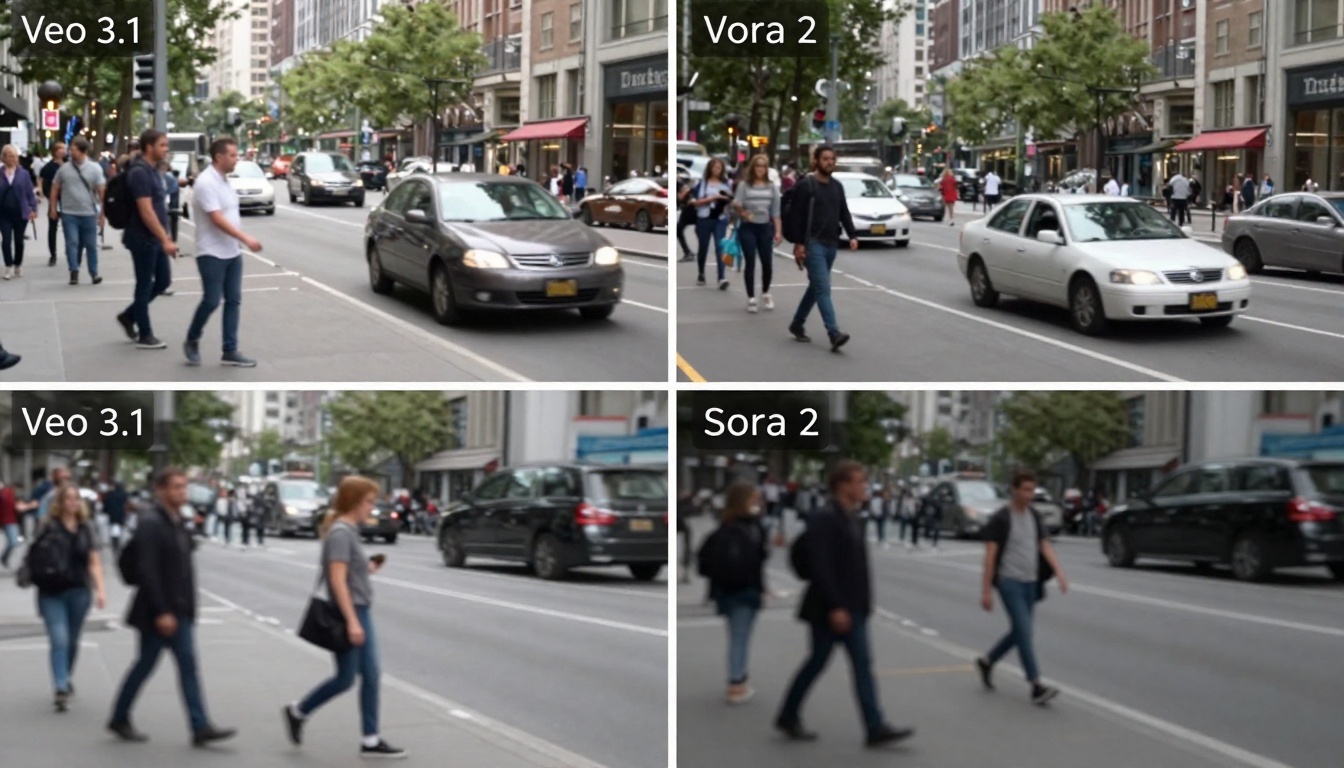
💡 Coherence vs Detail: Sora prioritizes temporal stability at the potential cost of frame-level richness. Veo emphasizes individual frame quality with some coherence trade-offs. The choice depends on whether your content needs extended narrative continuity or maximum visual fidelity per shot.
Lighting and Shadows: The Foundation of Visual Realism
Lighting consistency separates professional video from amateur creation. Both systems handle this differently:
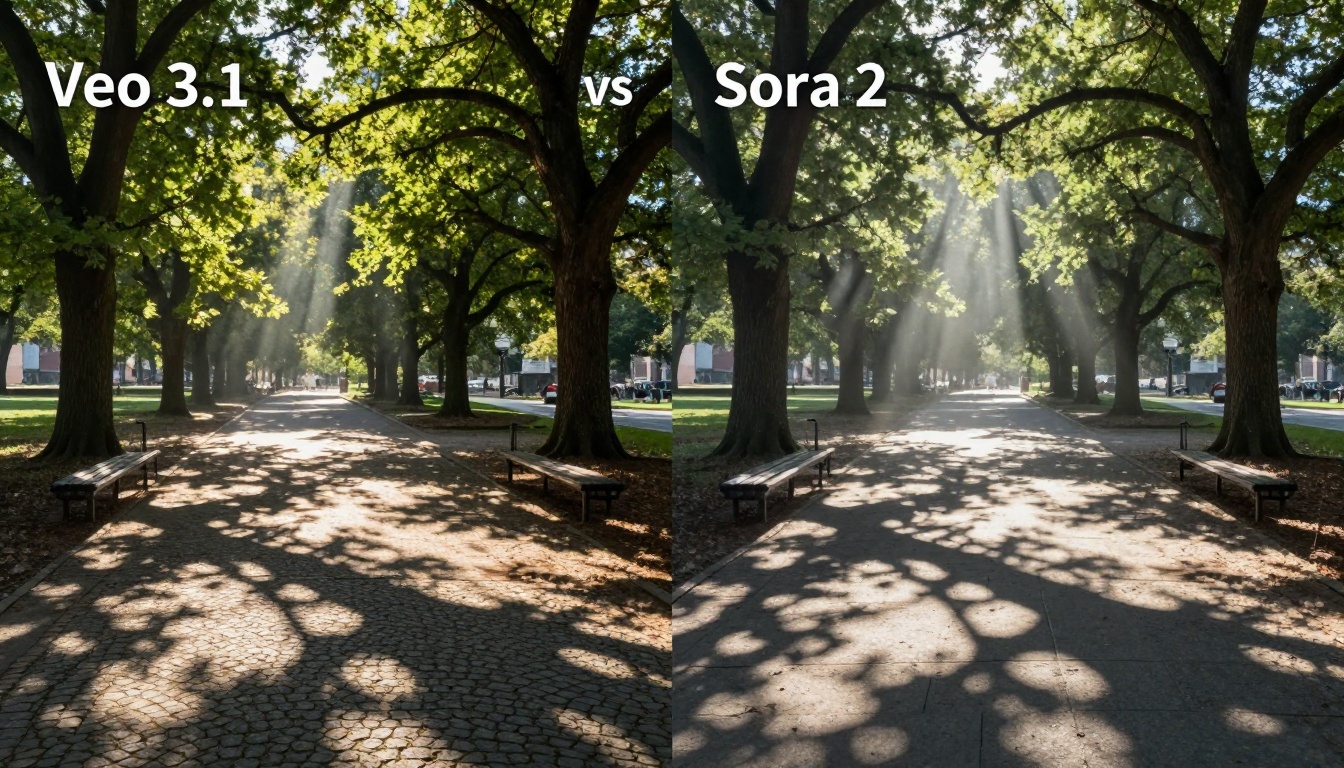
Veo 3.1 produces more realistic shadow transitions with accurate penumbra softness and natural light diffusion. The system understands how light interacts with different materials, creating authentic surface illumination and volumetric effects. However, maintaining consistent lighting across frames remains challenging.
Sora 2 demonstrates superior temporal lighting coherence. Shadow positions remain stable, highlight intensity stays consistent, and color temperature doesn't fluctuate unexpectedly. While individual lighting effects might lack Veo's physical accuracy, the overall illumination feels more professionally controlled.
Lighting Comparison Table:
| Lighting Element | Veo 3.1 Performance | Sora 2 Performance |
|---|
| Shadow Consistency | High-quality individual shadows | Excellent frame-to-frame stability |
| Material Interaction | Authentic surface illumination | Good overall coherence |
| Volumetric Effects | Realistic light diffusion | Basic volumetric rendering |
| Color Temperature | Natural shifts with scene changes | More stable but less nuanced |
Human Expression and Emotion Conveyance
Facial expression rendering represents one of AI video's most significant challenges. Humans instinctively detect synthetic emotion through subtle facial muscle engagement patterns.
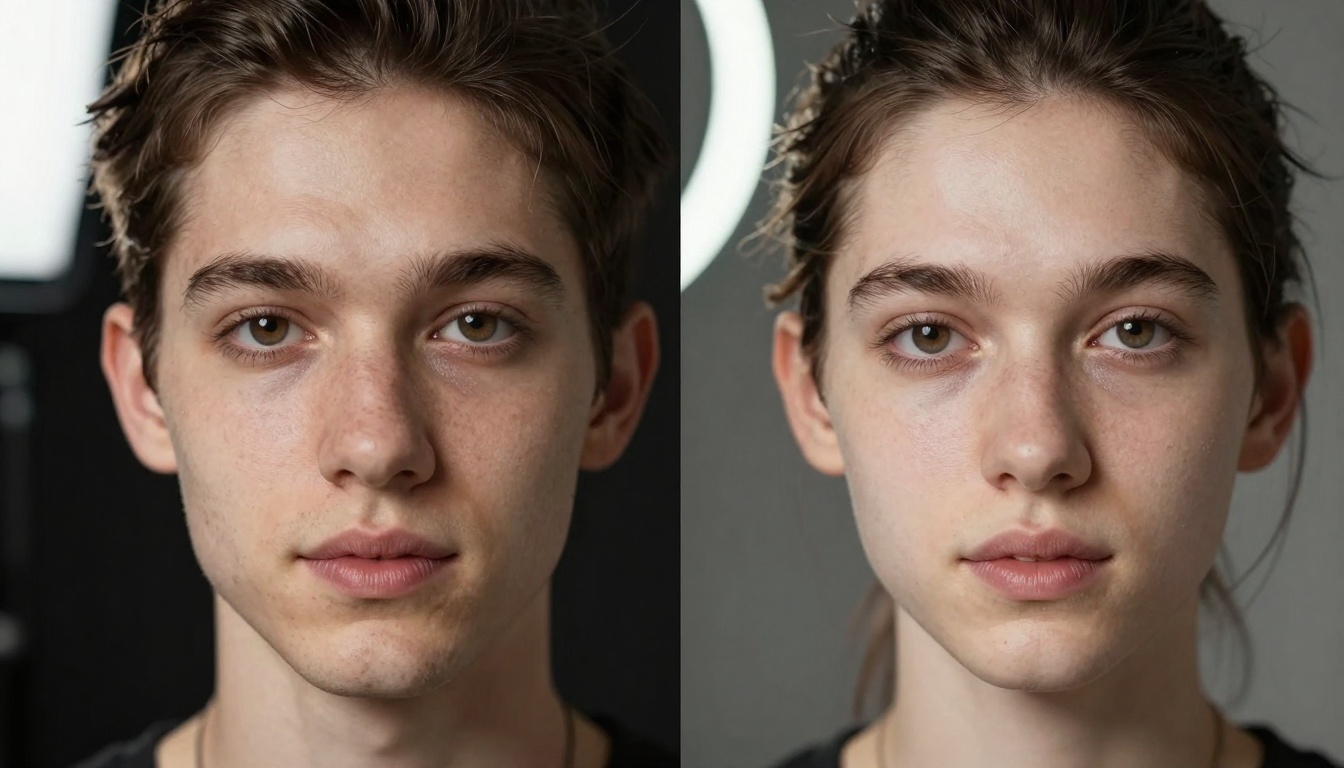
Veo 3.1 captures more nuanced micro-expressions—the slight tightening around eyes during skepticism, subtle lip movements preceding speech, authentic skin texture variations during emotional shifts. The system's detailed rendering produces faces that feel more biologically authentic, though expression consistency across frames can waver.
Sora 2 excels at emotional continuity and expression evolution. Characters maintain coherent emotional states throughout scenes, with smooth transitions between emotional beats. While individual facial details might lack Veo's richness, the holistic emotional arc feels more professionally directed.
Expression Realism Factors:
- Micro-Muscle Engagement: Veo shows superior tiny facial muscle movement
- Emotional Transition Smoothness: Sora creates better gradual expression changes
- Eye Contact Consistency: Both struggle with maintaining natural gaze direction
- Mouth Movement Physics: Veo produces more authentic speech articulation
Environmental Detail and World Building
World coherence—how consistently an AI constructs and maintains environments—significantly impacts perceived realism.
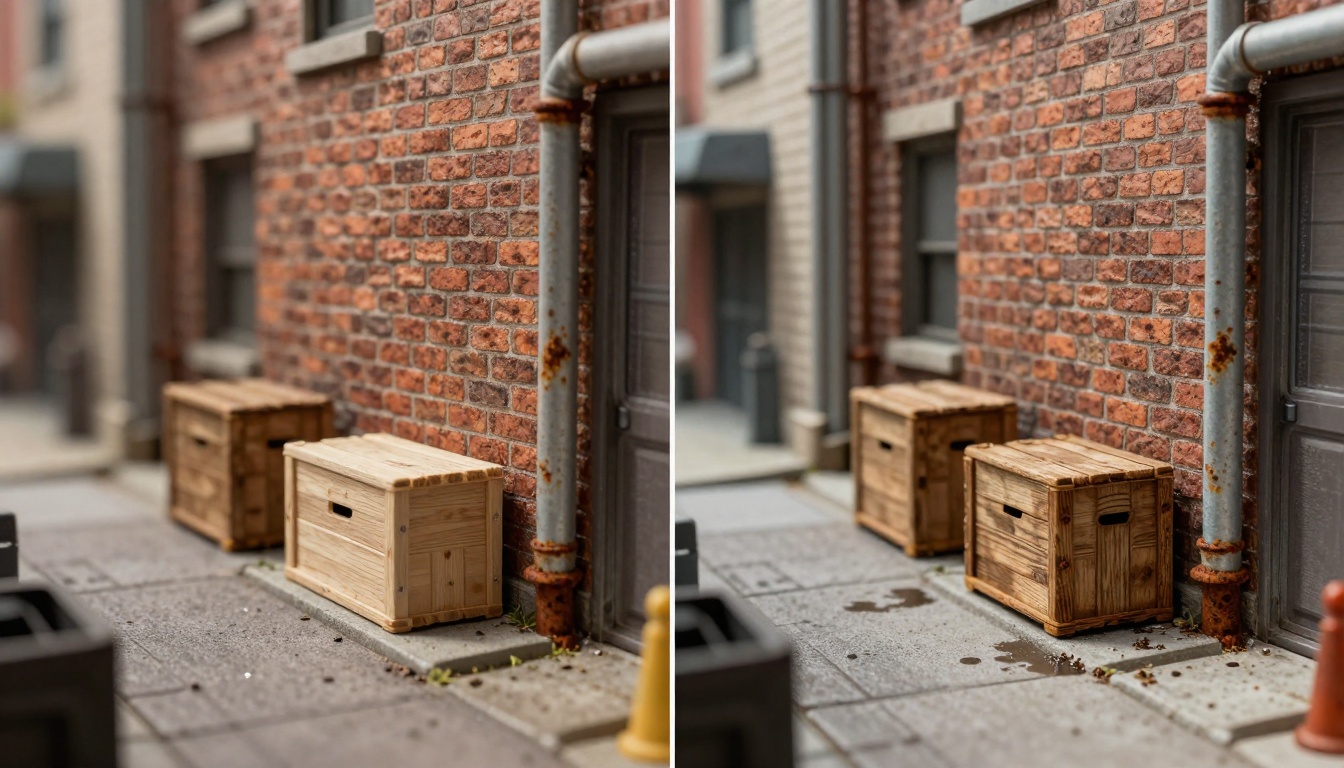
Veo 3.1 creates richer environmental detail with authentic surface textures, realistic material properties, and intricate background elements. Brick walls show individual mortar lines, metal surfaces display proper rust patterns, wood exhibits natural grain variations. However, maintaining these details consistently across moving scenes proves challenging.
Sora 2 prioritizes environmental logic and object relationship consistency. The system constructs more coherent worlds where object scales remain constant, spatial relationships make sense, and background elements maintain proper positions. While individual textures might lack Veo's richness, the overall environment feels more logically constructed.
💡 Detail vs Coherence Trade-off: Veo's environmental richness suits product demonstrations and detail-focused content. Sora's world coherence benefits narrative storytelling and scene continuity.
Technical Architecture Differences
The underlying technical approaches explain these perceptual differences:
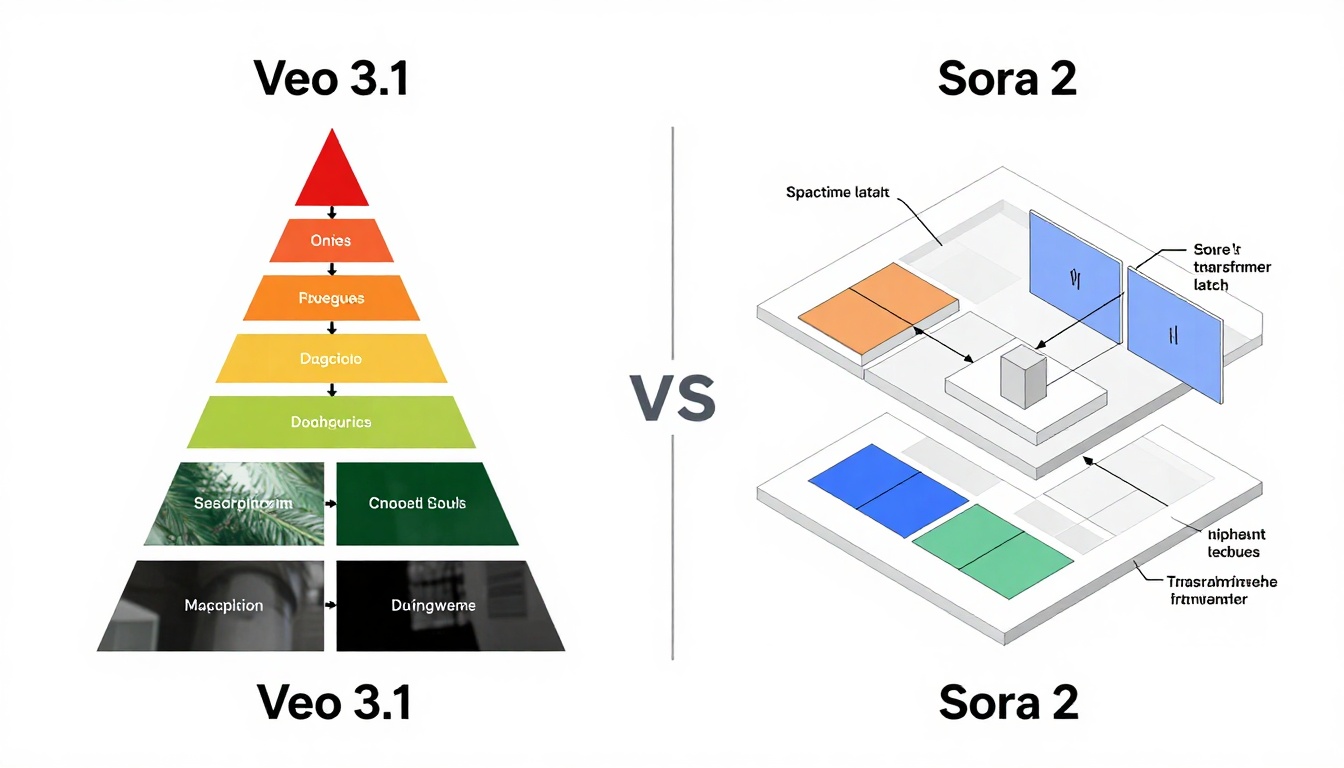
Veo 3.1 Architecture:
- Hierarchical Diffusion Process: Progressive refinement from noise to detailed video
- Multi-Scale Training: Simultaneous learning of macro and micro patterns
- Physics-Aware Modules: Specialized components for cloth, fluid, and material simulation
- Detail Preservation: Architecture designed to maintain high-resolution texture information
Sora 2 Architecture:
- Spacetime Patches: Treating video as 3D patches in space and time
- Transformer-Based Synthesis: Consistent processing across temporal dimensions
- Coherence Optimization: Architectural emphasis on frame-to-frame stability
- World Model Integration: Built-in understanding of object relationships and spatial logic
Architectural Impact on Output:
| System Feature | Veo 3.1 Approach | Sora 2 Approach |
|---|
| Temporal Processing | Frame-by-frame refinement | Holistic spacetime modeling |
| Detail Generation | Hierarchical detail addition | Integrated detail synthesis |
| Coherence Mechanism | Cross-frame consistency modules | Built-in patch alignment |
| Physics Simulation | Specialized component systems | Unified model learning |
Practical Applications and Limitations
Different applications benefit from each system's strengths:
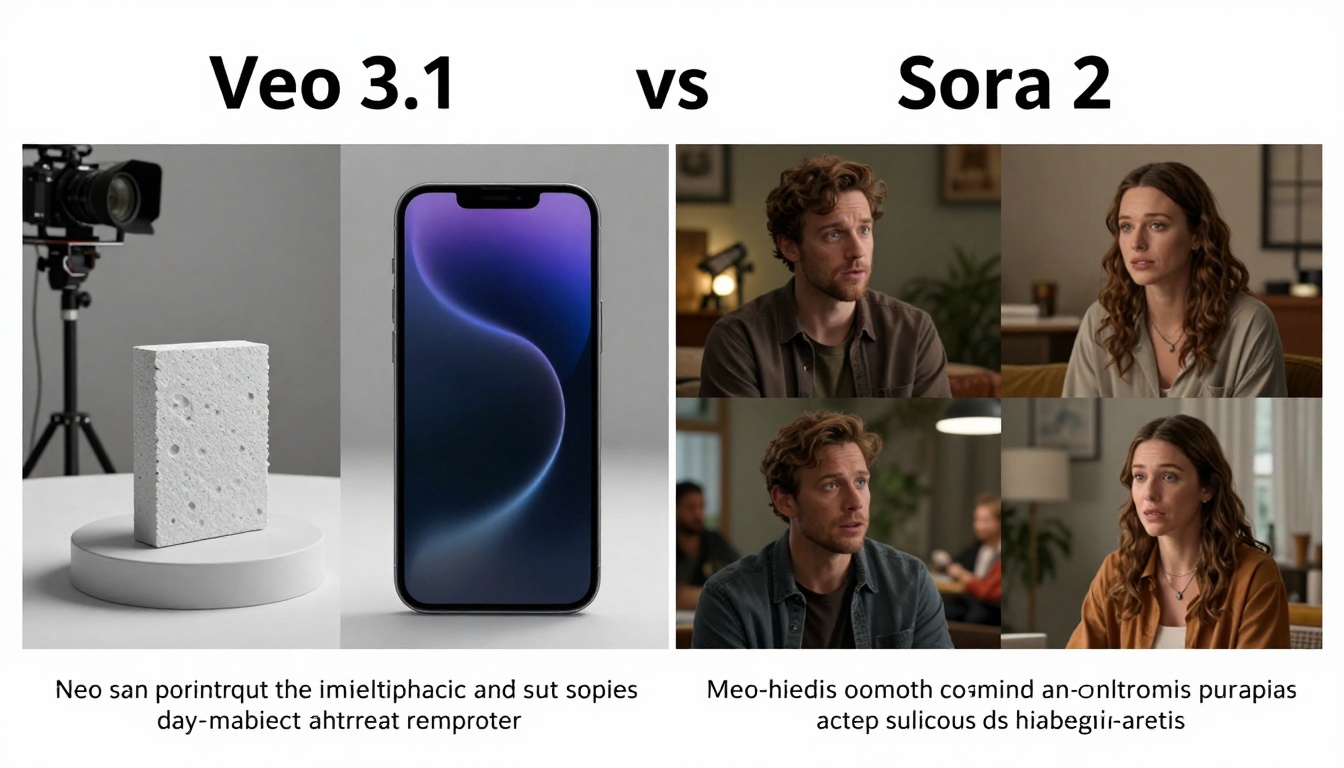
Veo 3.1 excels for:
- Product demonstration videos requiring material detail accuracy
- Fashion content needing authentic cloth movement rendering
- Architectural visualization with rich environmental textures
- Close-up sequences where facial detail matters most
Sora 2 shines for:
- Narrative storytelling requiring scene continuity
- Character-driven content needing emotional consistency
- Action sequences where motion smoothness is critical
- Environmental storytelling with complex world building
Current Limitations Both Systems Face:
- Extended Duration Coherence: Maintaining quality beyond 10-15 seconds
- Complex Character Interactions: Multi-person scenes with consistent physics
- Dynamic Lighting Changes: Natural illumination shifts (sunset to night)
- Audio-Visual Synchronization: Proper mouth movement with generated speech
Creating AI Video Content on PicassoIA
For creators wanting to experiment with these systems directly, PicassoIA provides access to both Veo 3.1 and Sora 2 alongside complementary tools like Flux Pro for image generation and WAN-2.6-T2V for alternative video approaches.
Optimization Tips for Each System:
For Veo 3.1 Content:
- Use detailed material descriptions in prompts ("silk with subtle sheen," "aged oak grain")
- Specify lighting conditions precisely ("morning light at 45-degree angle")
- Request specific camera movements ("slow dolly forward at eye level")
- Include texture references ("like weathered leather," "similar to ocean foam")
For Sora 2 Content:
- Focus on scene continuity in prompts ("continuous shot following character")
- Emphasize emotional arcs ("gradual smile developing," "subtle concern appearing")
- Describe object relationships ("character interacting consistently with environment")
- Request temporal consistency ("stable background throughout sequence")
The Evolution of AI Video Realism
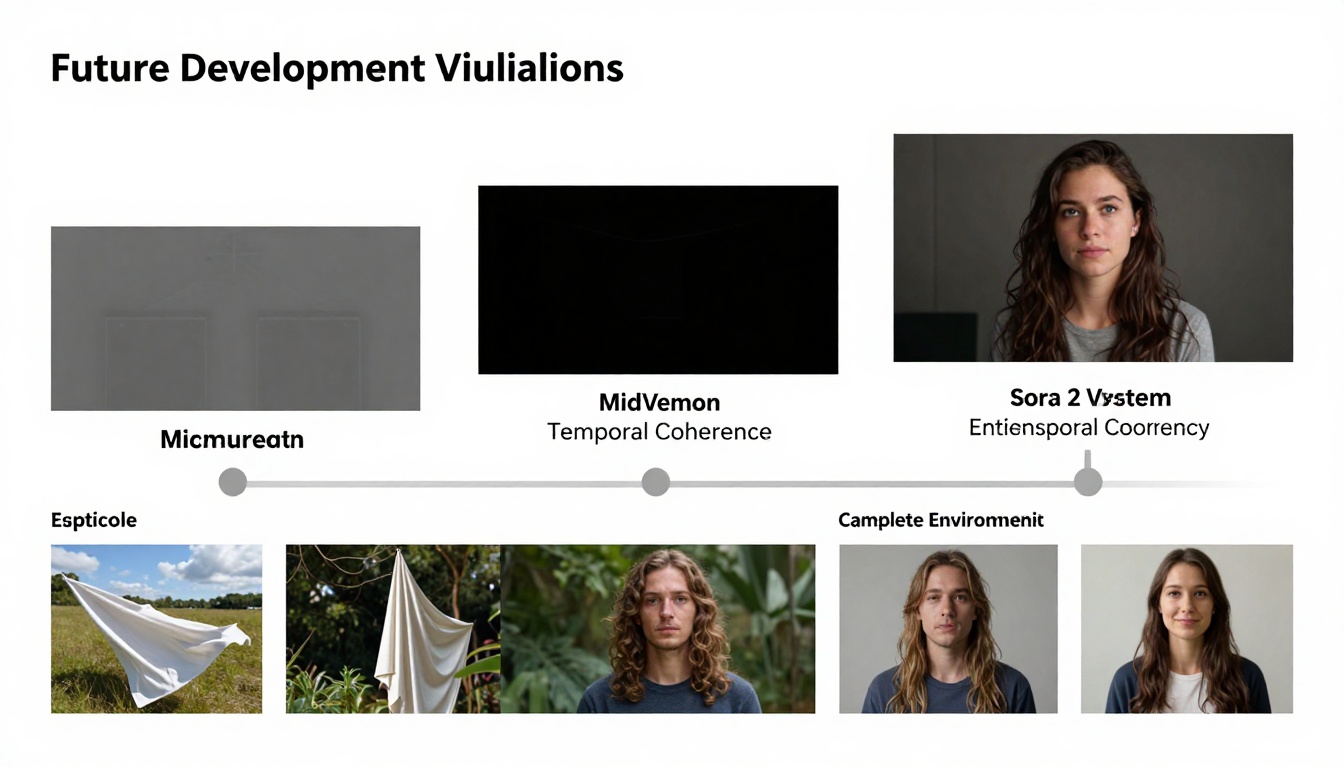
The current Veo 3.1 vs Sora 2 comparison represents an intermediate stage in AI video development. Both systems excel in different realism dimensions while revealing shared limitations. Future iterations will likely incorporate architectural insights from both approaches—combining Veo's detail richness with Sora's temporal coherence.
Expected Near-Term Improvements:
- Hybrid architectures blending diffusion detail with transformer coherence
- Physics engine integration for more authentic material interactions
- Extended duration models maintaining quality across longer sequences
- Specialized modules for challenging elements like hair, water, and fire
The Realism Threshold: When AI video consistently passes the "uncanny valley" test—where human perception accepts synthetic content as authentic—depends on solving the coherence-detail trade-off currently visible in the Veo vs Sora comparison. The system that first balances both aspects effectively will set the new standard.
Experimenting with Video Generation
The perceptual differences between Veo 3.1 and Sora 2 highlight how architectural choices manifest in visible output characteristics. For content creators, understanding these differences means selecting the right tool for specific projects—Veo for detail-intensive commercial work, Sora for narrative continuity needs.
Try generating comparative content on PicassoIA using both Veo 3.1 and Sora 2 with identical prompts to experience firsthand how their architectural differences translate to perceptual realism variations. Notice where each system excels, where limitations appear, and how those characteristics align with your specific content requirements.
The ongoing evolution of both systems suggests future convergence where today's trade-offs become tomorrow's integrated capabilities. Until then, understanding their distinct realism profiles provides strategic advantage in AI video production.


