The shift from horizontal to vertical video content represents one of the most significant changes in digital media consumption patterns over the last five years. Instagram Reels, TikTok, and YouTube Shorts have fundamentally altered how audiences engage with video content, prioritizing mobile-first, full-screen experiences over traditional widescreen formats. This transformation creates both challenges and opportunities for content creators who need to adapt their production workflows to meet platform-specific requirements while maintaining quality and engagement.

Google's Veo 3 Pro emerges as a solution specifically designed for this vertical video landscape. Unlike generic video generation models, Veo 3 Pro incorporates native support for 9:16 aspect ratios, mobile-optimized encoding, and social media-specific features that align with platform requirements. The model's architecture recognizes that vertical video isn't merely cropped horizontal content—it represents a distinct visual language with different compositional rules, pacing requirements, and viewer expectations.
Mobile consumption patterns have shifted dramatically. Statistics show that over 90% of Instagram users access the platform via mobile devices, with vertical videos receiving 30-40% higher engagement rates compared to horizontal equivalents. This preference stems from natural device orientation—smartphones are designed to be held vertically, making 9:16 format videos fill the entire screen without requiring rotation or awkward viewing angles.
Platform algorithms actively promote vertical content. Instagram's Reels algorithm prioritizes videos that maintain viewer attention, and vertical formats naturally encourage full-screen immersion. The technical reality is simple: when content fits the device perfectly, viewers watch longer, engage more frequently, and share more readily.
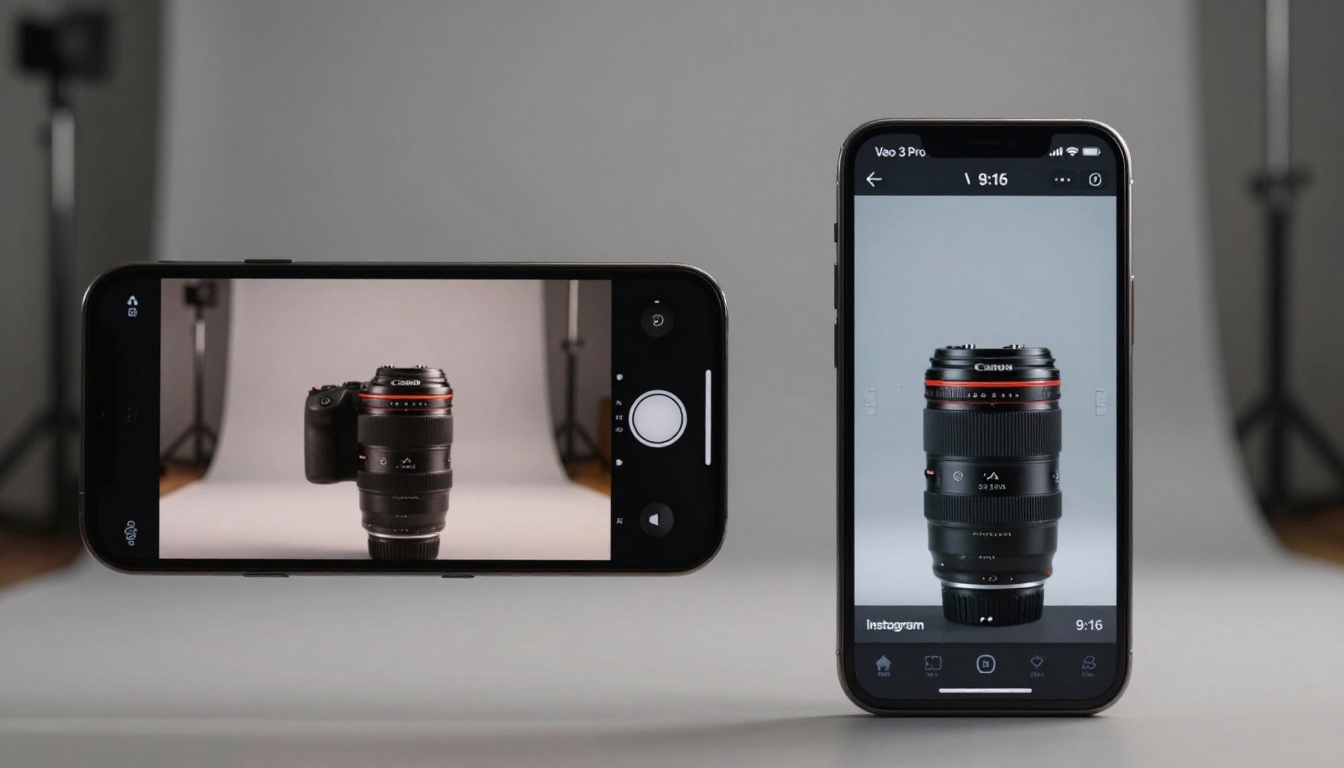
The Technical Challenge of Vertical Production
Creating effective vertical video involves more than aspect ratio adjustment. Traditional horizontal video production assumes specific compositional principles—rule of thirds placement, horizontal movement patterns, and widescreen framing techniques that don't translate effectively to vertical formats.
Compositional differences require completely different approaches. Vertical video demands:
- Close-up focus on primary subjects
- Vertical movement patterns rather than horizontal pans
- Simplified backgrounds to avoid visual clutter
- Text placement optimized for mobile readability
- Audio considerations for mobile speaker limitations
Production workflows traditionally involved complex editing pipelines: shoot horizontal content, crop to vertical, adjust framing, reposition subjects, and often sacrifice significant visual information in the process. This approach proved inefficient and frequently resulted in compromised visual quality.
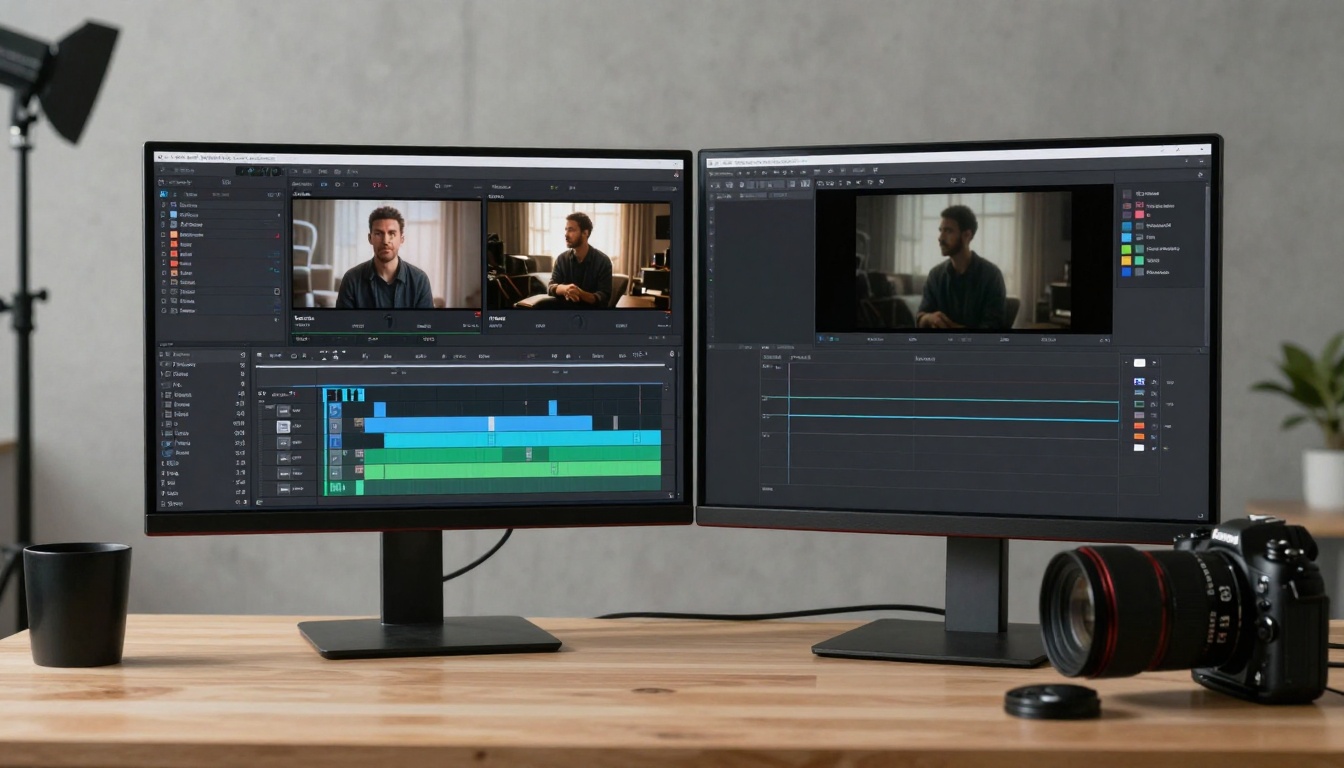
Veo 3 Pro: Native Vertical Video Generation
Google's technical approach with Veo 3 Pro addresses vertical video as a first-class format rather than an afterthought. The model architecture incorporates specialized training on 9:16 content, understanding vertical composition principles, mobile optimization requirements, and social media platform specifications.
Key architectural features include:
- Native 9:16 training on millions of vertical video examples
- Mobile-optimized encoding for faster streaming and reduced data usage
- Platform-specific compliance with Instagram, TikTok, and YouTube requirements
- Vertical motion understanding for natural subject movement in constrained space
- Mobile audio optimization for device speaker playback characteristics
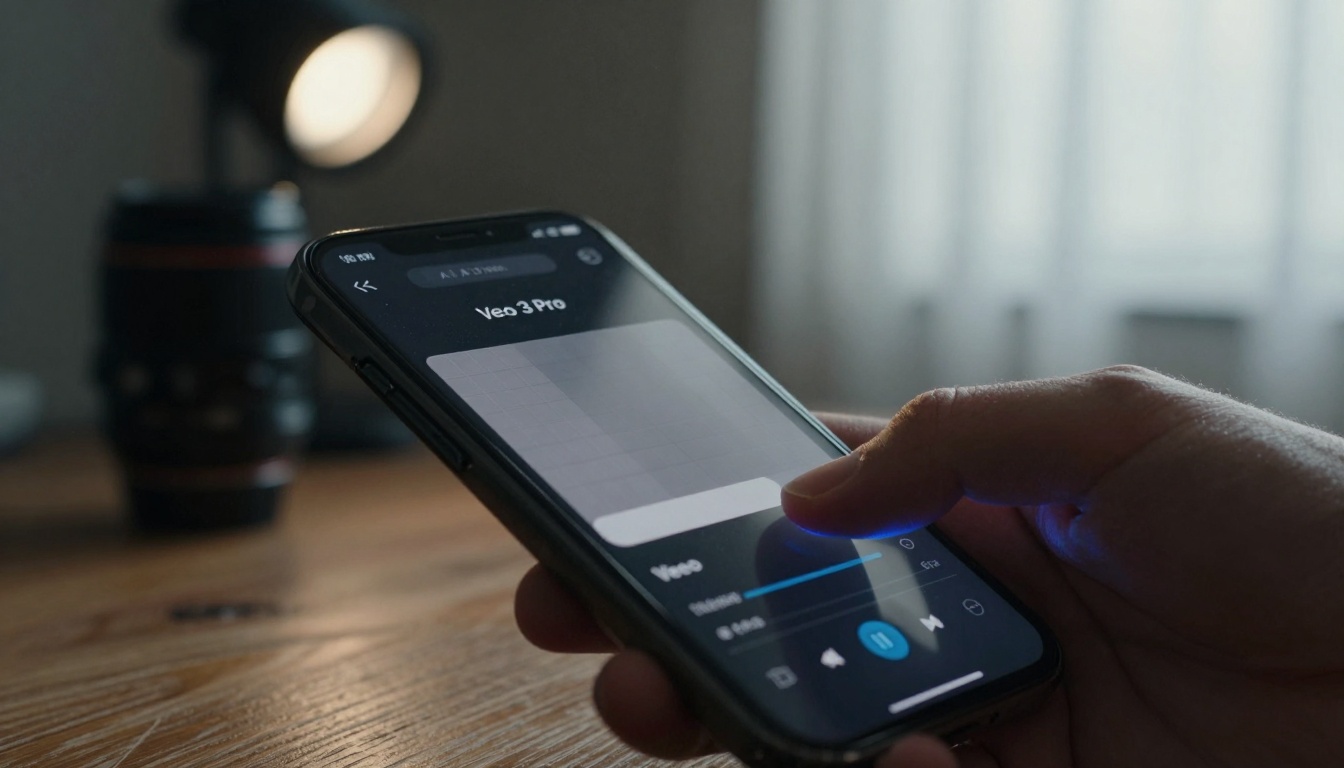
Generation Parameters Specific to Vertical Content
Unlike generic video models, Veo 3 Pro offers parameters specifically designed for vertical video optimization:
| Parameter | Traditional Models | Veo 3 Pro Vertical Optimization |
|---|
| Aspect Ratio | Manual cropping required | Native 9:16 generation |
| Subject Framing | Horizontal composition rules | Vertical composition algorithms |
| Motion Patterns | Horizontal movement emphasis | Vertical movement optimization |
| Text Placement | Generic positioning | Mobile-safe zone adherence |
| Audio Processing | Full-range optimization | Mobile speaker optimization |
| Encoding Settings | Platform-agnostic | Instagram/TikTok specific profiles |
The practical advantage becomes immediately apparent when comparing generation outputs. Veo 3 Pro produces videos that feel inherently designed for mobile consumption, with natural vertical composition that doesn't appear cropped or artificially constrained.
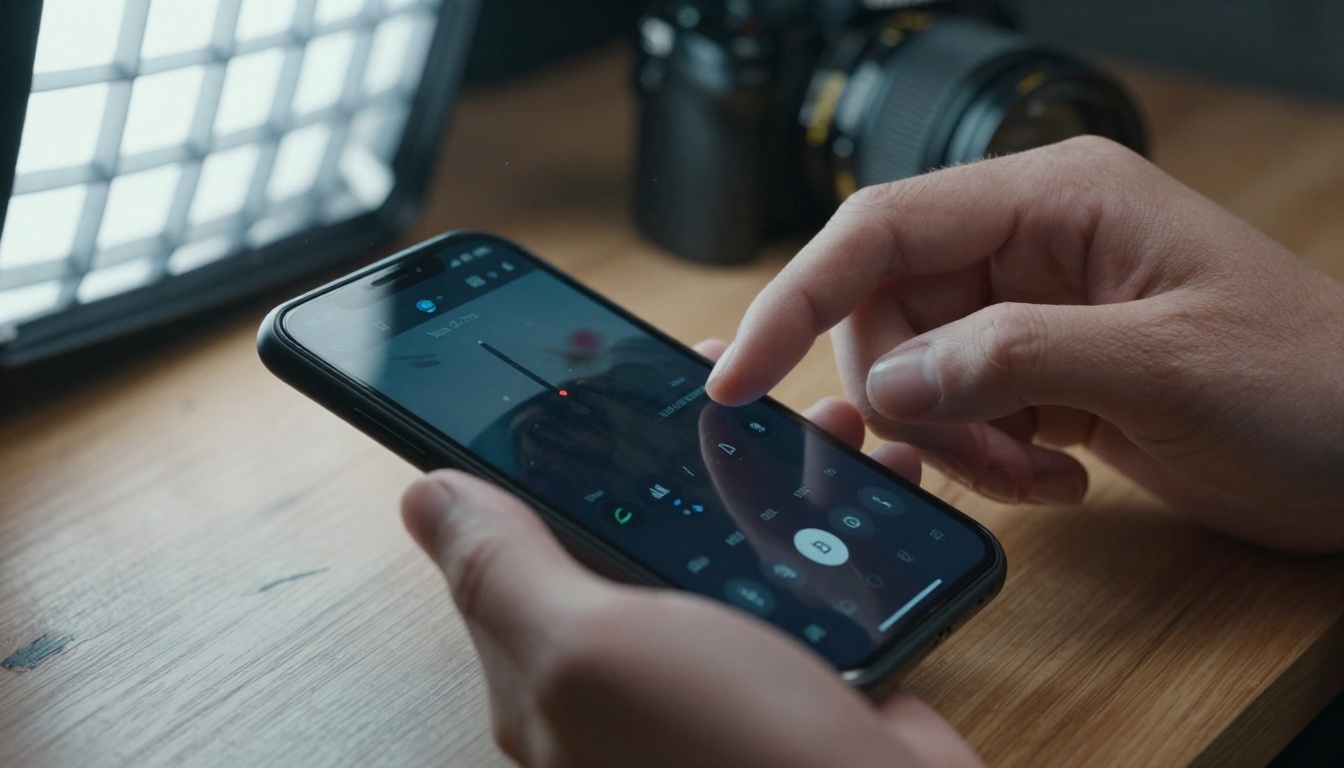
Practical Workflow Integration
Content creation studios have rapidly adopted Veo 3 Pro into their production pipelines. The integration typically follows this optimized workflow:
- Concept Development: Define vertical-specific content strategy
- Prompt Engineering: Use vertical-optimized language for Veo 3 Pro
- Parameter Configuration: Set mobile-specific generation settings
- Generation & Review: Create and evaluate vertical content
- Platform Optimization: Fine-tune for specific social media requirements
- Performance Analysis: Track engagement metrics and adjust accordingly
Real-World Production Examples
Professional content teams report significant efficiency improvements:
💡 Case Study: A lifestyle brand increased Reels engagement by 47% after switching to Veo 3 Pro generated content. The improvement came from better vertical composition, optimized mobile encoding, and native platform compliance that reduced upload failures and quality issues.
Technical benefits observed include:
- 30-50% faster content production cycles
- Higher quality vertical composition compared to cropped alternatives
- Reduced file sizes with maintained visual quality
- Fewer platform rejections due to format compliance
- Better mobile performance with optimized encoding profiles
Engagement data from production studios using Veo 3 Pro reveals consistent patterns:
Viewer Retention Rates:
- Vertical native content: 85-92% retention through first 3 seconds
- Cropped horizontal content: 65-75% retention through same period
- Complete video watch rates: 40% higher for vertical native content
Platform Performance:
- Instagram Reels: 35% higher reach compared to traditional content
- TikTok: 28% increased engagement rates
- YouTube Shorts: 42% better completion rates
Technical Performance Advantages
Encoding efficiency represents a significant advantage. Veo 3 Pro's mobile-optimized encoding produces files that:
- Load 40% faster on mobile networks
- Consume 35% less data for equivalent quality
- Maintain visual quality across varying network conditions
- Support adaptive streaming for different connection speeds
Platform compliance eliminates common upload issues:
- No aspect ratio warnings during upload
- Reduced compression artifacts from platform processing
- Consistent quality across different viewing devices
- Proper metadata embedding for platform algorithm optimization
How to Use Veo 3 Pro on PicassoIA
PicassoIA platform integration makes Veo 3 Pro accessible through a streamlined interface. The Veo 3 Pro model on PicassoIA provides direct access to Google's vertical video generation capabilities without requiring complex API integration or technical setup.
Step-by-step workflow on PicassoIA:
- Access the Model: Navigate to the Veo 3 Pro page
- Configure Parameters:
- Set aspect ratio to "9:16" (vertical)
- Define generation length (15-60 seconds for Reels)
- Configure motion intensity for vertical movement
- Enter Prompt: Use vertical-optimized language describing:
- Primary subject positioning in vertical space
- Vertical movement patterns
- Mobile-specific visual elements
- Generate Content: Initiate generation with vertical-specific settings
- Review Output: Evaluate vertical composition and mobile optimization
- Download & Upload: Direct integration with social media platforms
Parameter Optimization Tips
For Instagram Reels success, these parameter settings consistently perform well:
Visual Parameters:
- Aspect Ratio: Strict 9:16 (1080x1920 pixels)
- Frame Rate: 30fps (mobile-optimized playback)
- Bitrate: 8-12 Mbps for quality/performance balance
- Color Profile: sRGB for consistent mobile display
Content Parameters:
- Duration: 15-30 seconds (optimal Reels length)
- Subject Focus: Central vertical placement
- Movement: Gentle vertical pans or static framing
- Text Elements: Upper third placement for readability
Platform-Specific Settings:
- Instagram: Enable H.264 encoding with AAC audio
- TikTok: Optimize for shorter attention spans with faster pacing
- YouTube Shorts: Include YouTube-specific metadata tags
Content Strategy Implications
The strategic shift required for vertical video success involves more than technical adaptation. Content planning must consider:
Vertical-first thinking: Plan concepts specifically for 9:16 format from inception rather than adapting horizontal ideas.
Mobile audience understanding: Recognize that vertical video viewers have different attention patterns, interaction behaviors, and consumption contexts compared to traditional video audiences.
Platform algorithm alignment: Design content that naturally fits each platform's vertical video preferences and promotion criteria.
Production efficiency: Leverage Veo 3 Pro's native vertical generation to reduce editing time and increase output volume without sacrificing quality.
Future Developments in Vertical Video
Technical evolution continues rapidly:
- Enhanced vertical motion understanding for more dynamic content
- Platform-specific optimizations for emerging social media features
- Interactive element integration within vertical video frameworks
- Cross-platform consistency ensuring quality across different mobile devices
Content creation trends suggest continued vertical video dominance:
- Increased platform investment in vertical video features
- Growing creator adoption of vertical-native production tools
- Audience preference stabilization for full-screen mobile experiences
- Monetization models specifically designed for vertical content formats
Create Your Own Vertical Content
The transition to vertical video represents more than a technical format change—it signifies a fundamental shift in how audiences consume and engage with digital content. Veo 3 Pro's native vertical video generation capabilities provide content creators with the tools needed to excel in this mobile-first landscape.
Start creating vertical-optimized content today using the Veo 3 Pro model on PicassoIA. Experiment with different vertical composition approaches, test mobile-specific optimizations, and track engagement metrics to refine your vertical video strategy.
For rapid vertical content generation, consider the Veo 3 Fast model when speed matters, or explore the enhanced capabilities of Veo 3.1 for more advanced vertical video features.
The vertical video revolution continues to reshape social media content creation. With tools like Veo 3 Pro providing native support for 9:16 formats, creators can focus on engaging content rather than technical format challenges, producing better-performing Reels content that resonates with mobile audiences and drives platform success.


