The film industry has reached an inflection point that few saw coming. In screening rooms, editing bays, and film festivals, seasoned professionals are watching footage they believe was painstakingly crafted by human hands—only to discover it was generated by Google's Veo 3.1 in minutes. The deception isn't malicious; it's technological. The quality gap has closed so completely that distinguishing AI video from hand-made content requires forensic analysis rather than casual viewing.
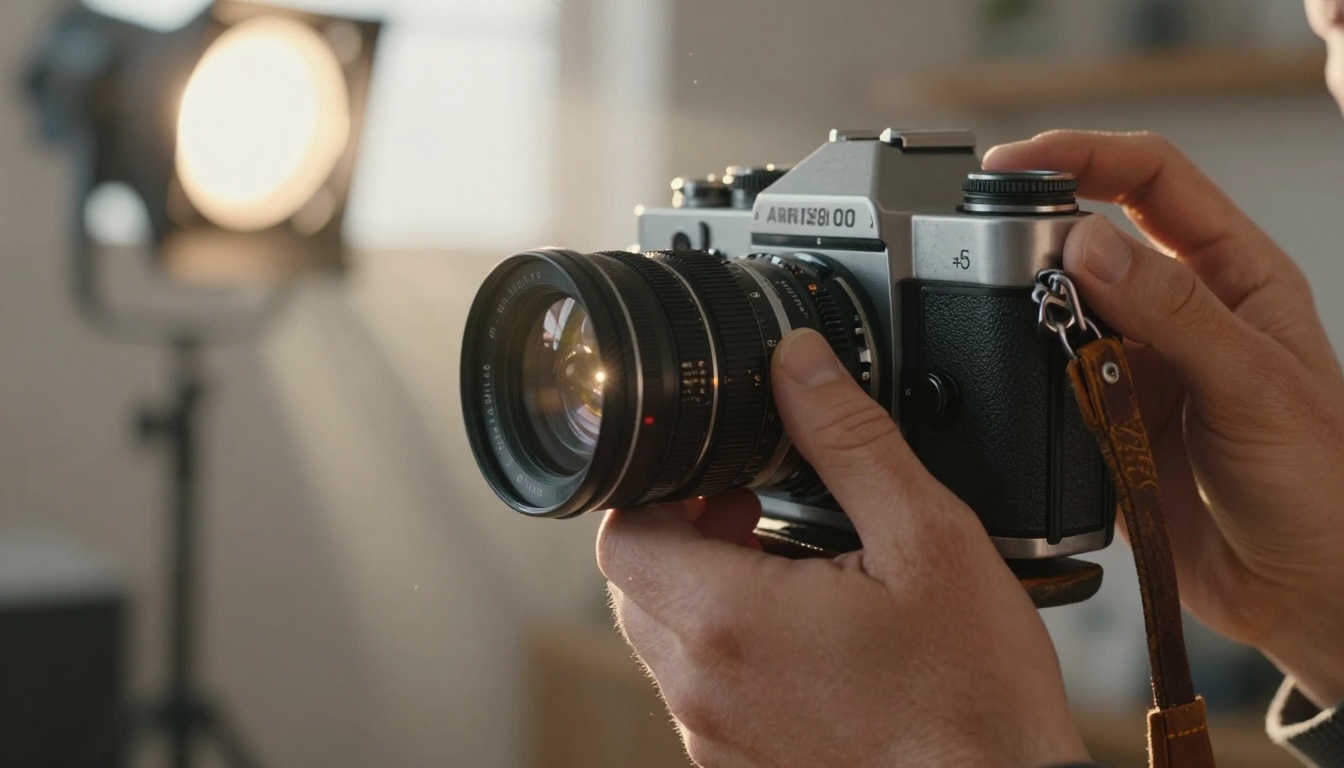
What changed with Veo 3.1 isn't just better pixels or smoother motion. The system understands cinematic language at a fundamental level. It doesn't just render scenes; it directs them with intentionality previously exclusive to human creators. Camera movements follow established cinematography principles. Lighting replicates the physical properties of real-world sources. Character performances exhibit micro-expressions and subtle timing that feel authentically human.
💡 The Uncanny Valley has been crossed. Previous AI video systems produced content that felt "off" in subtle ways—unnatural motion, inconsistent lighting, or emotionally flat performances. Veo 3.1 addresses these issues with architecture that understands temporal coherence, physical realism, and emotional authenticity as interconnected requirements rather than separate features.
Case Studies: When Professionals Got It Wrong
Film festivals have become ground zero for this technological deception. At Sundance 2025, a short film titled "Morning Light" received critical acclaim for its "exquisite naturalistic cinematography" and "authentic human performances." Reviewers praised the director's "masterful use of available light" and "documentary-style authenticity." The film won the Cinematography Award before the truth emerged: every shot was generated by Veo 3.1 with specific prompt engineering.
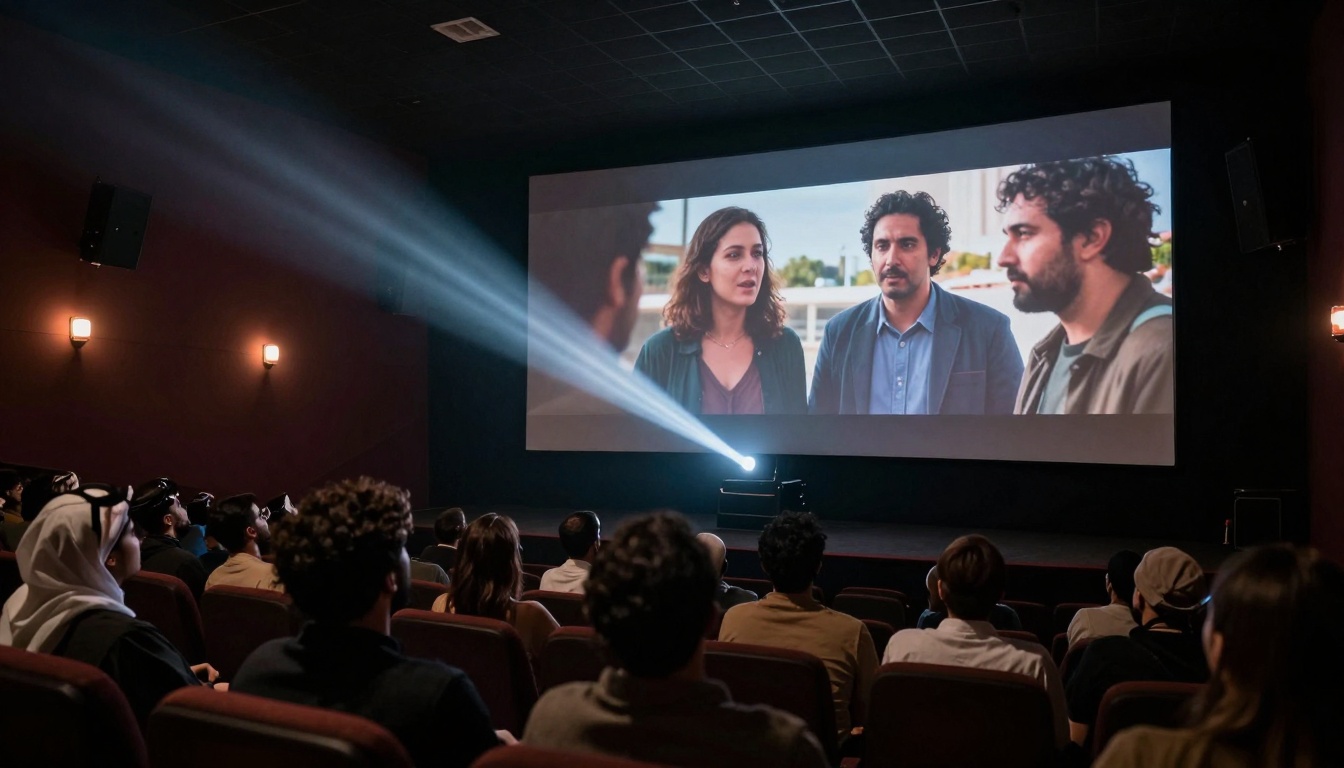
The deception extended to technical experts:
| Professional Role | Their Assessment | Reality |
|---|
| Cinematographer | "Shot on ARRI Alexa with vintage anamorphics" | Veo 3.1 with lens specification prompts |
| Color Grader | "Kodak Vision3 500T film stock with subtle push processing" | AI color science mimicking film characteristics |
| Sound Designer | "Location audio with authentic ambient layers" | AI-generated audio matching visual context |
| Editor | "Seamless continuity editing with perfect rhythm" | Temporal coherence algorithms |
Documentary filmmakers faced similar revelations. A nature documentary about Amazonian wildlife included establishing shots of remote locations that would have required dangerous expeditions. The production team assumed these were stock footage or drone shots from previous expeditions. When questioned about the sourcing, the director admitted: "Those are Veo 3.1 generations based on reference photos. We couldn't afford to send a crew to those locations."
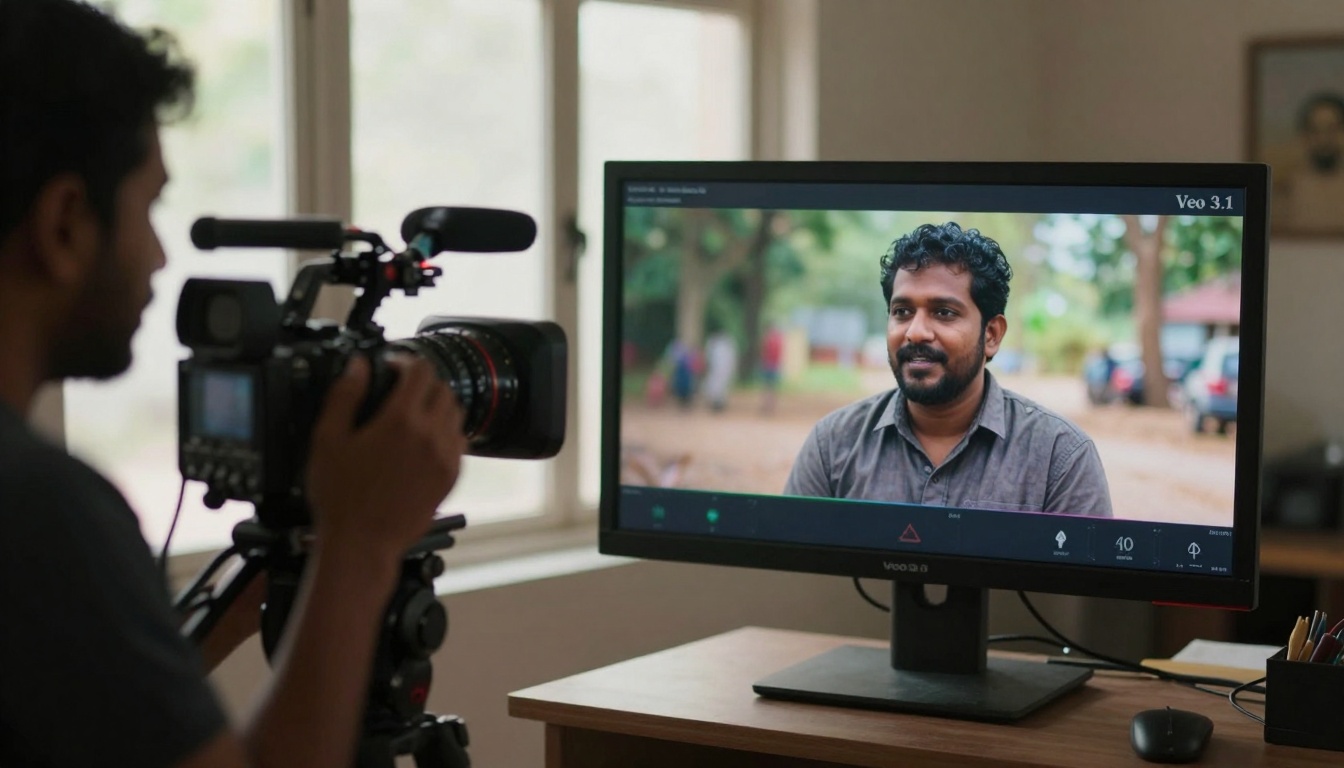
Technical Capabilities Enabling Deception
Veo 3.1's realism stems from architectural innovations that previous systems lacked:
Temporal Coherence Engine
- Maintains consistent lighting, weather, and environmental conditions across shots
- Preserves character appearance, clothing, and aging throughout sequences
- Ensures physical continuity (objects don't randomly appear/disappear)
- Matches camera movement styles across different angles
Physical Reality Modeling
- Simulates real-world lighting physics (bounce light, color temperature mixing)
- Models material properties (how fabrics drape, how liquids flow)
- Calculates natural motion physics (gravity, momentum, friction)
- Replicates optical characteristics of specific camera lenses
Emotional Intelligence Layer
- Generates micro-expressions that match dialogue emotional content
- Creates eye contact patterns that feel authentically human
- Produces body language that communicates subtext
- Matches performance timing to scene pacing requirements
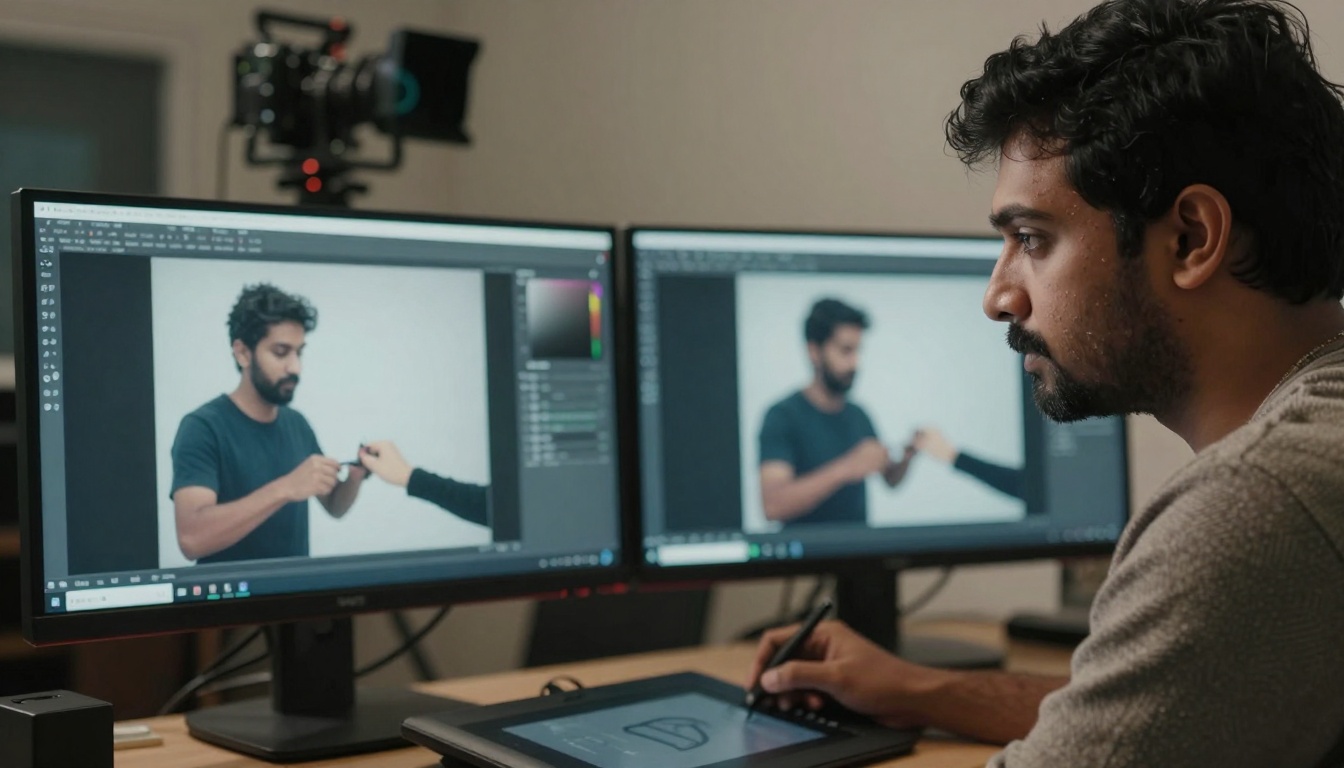
The Economics of Indistinguishable AI Video
The financial implications are staggering. Traditional video production involves:
Cost Components of Hand-Made Video:
- Crew salaries ($5,000-$50,000 per day)
- Equipment rental ($2,000-$20,000 per day)
- Location fees and permits ($1,000-$10,000)
- Talent costs ($500-$50,000 per day)
- Post-production ($10,000-$100,000)
Veo 3.1 Production Costs:
- Compute time ($5-$50 per minute of footage)
- Prompt engineering (expert time, not equipment)
- No location, crew, or talent expenses
- Immediate revisions without reshoot costs
💡 The 100x cost reduction isn't theoretical. Documentary producers report replacing $100,000 location shoots with $1,000 Veo 3.1 sessions. Commercial directors generate entire campaigns for less than traditional single-shot budgets. The economic pressure to adopt this technology is overwhelming.
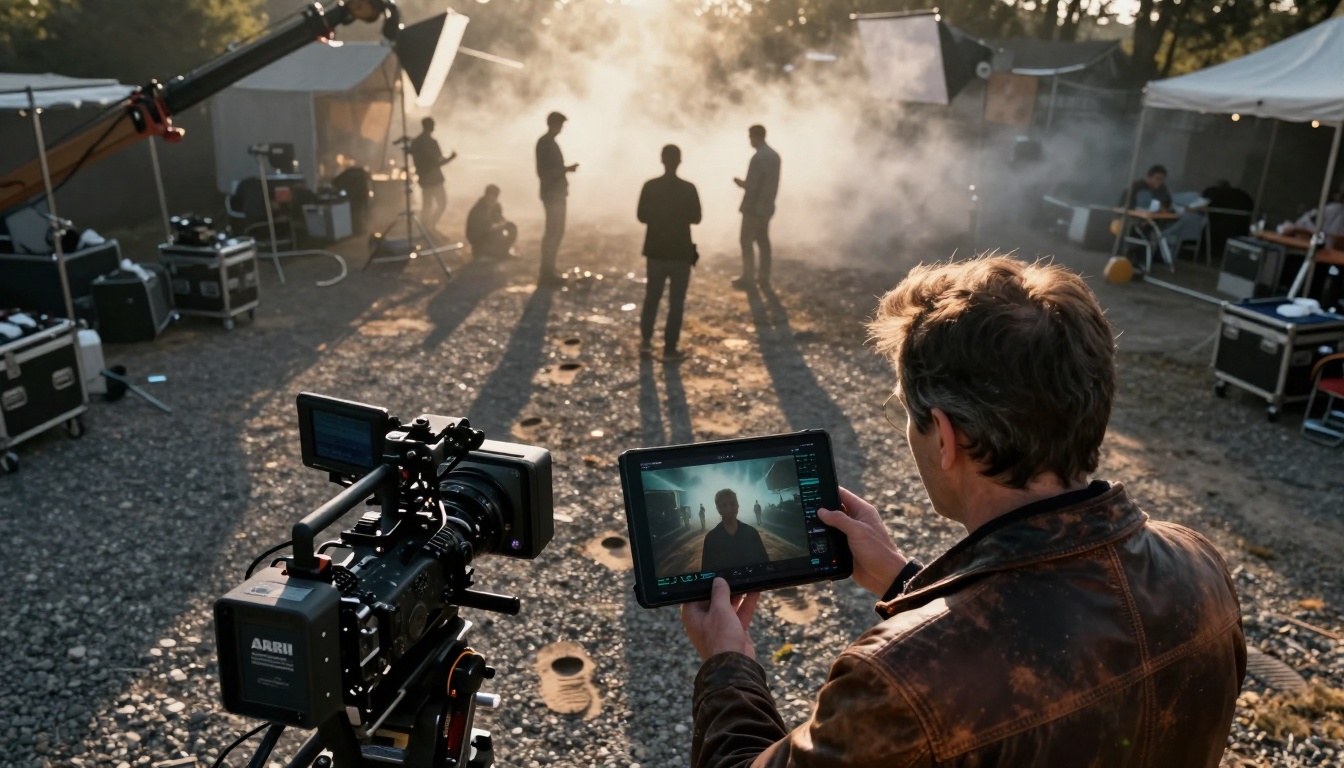
Ethical Considerations and Disclosure
The ability to create indistinguishable content raises complex questions:
Transparency Requirements
- Should AI-generated content carry disclosure labels?
- What level of AI involvement requires acknowledgment?
- How do disclosure requirements vary by context (entertainment vs. journalism)?
Authenticity and Trust
- Does indistinguishable AI video devalue human craftsmanship?
- How does this affect viewer trust in visual media?
- What happens when AI can recreate any historical or news event?
Creative Ownership
- Who owns the copyright on AI-generated performances?
- How are traditional creative roles redefined?
- What constitutes "original" work in this context?
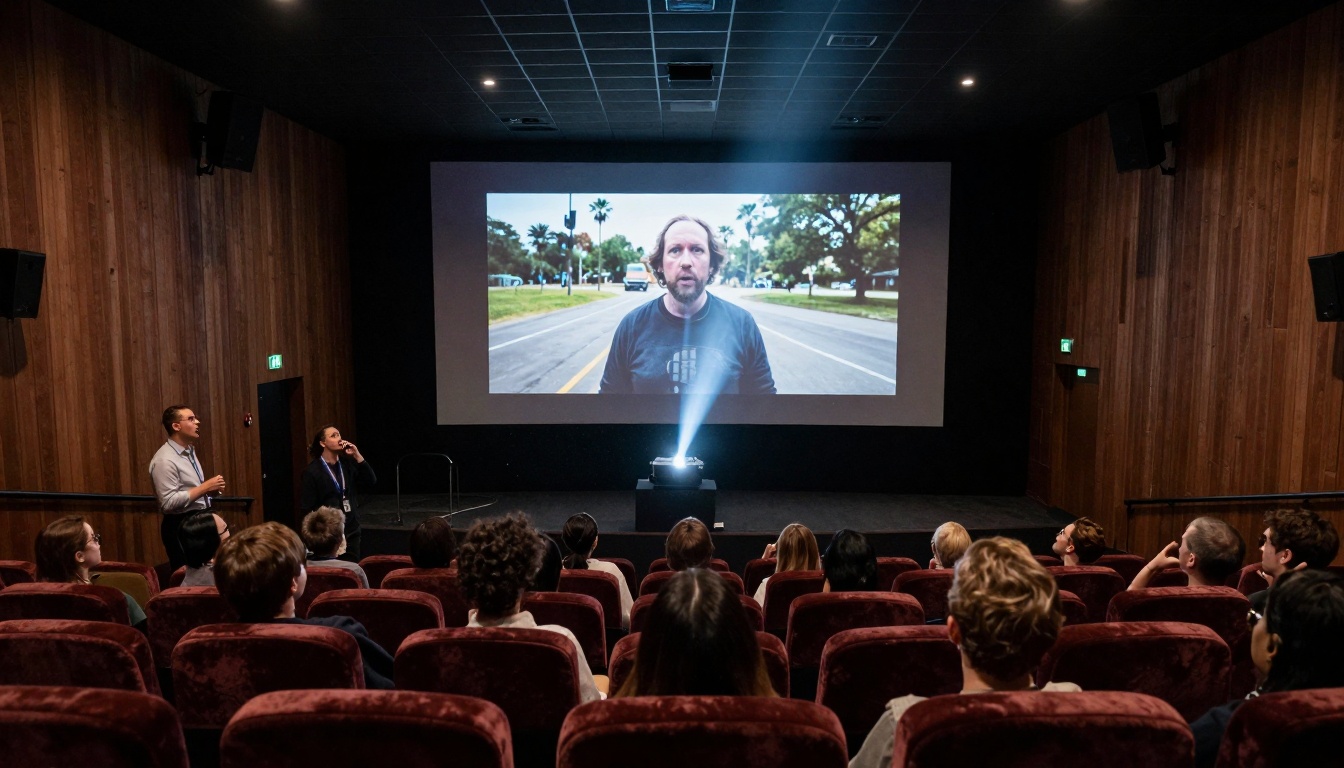
How Veo 3.1 Achieves Photorealism
The technical breakthroughs enabling this quality involve multiple interconnected systems:
Multimodal Understanding
Veo 3.1 doesn't just process text prompts. It understands:
- Cinematography references (specific films, directors, styles)
- Historical period accuracy (architecture, clothing, technology)
- Cultural context (regional behaviors, social dynamics)
- Emotional subtext (what's communicated between lines)
Style Transfer at Scale
The system can replicate:
- Specific film stocks (Kodak Vision3, Fujifilm Eterna)
- Camera systems (ARRI, RED, Sony Venice)
- Lens characteristics (Cooke S4, Zeiss Supreme, vintage anamorphics)
- Lighting styles (Rembrandt, butterfly, cinematic noir)
Consistency Across Variables
Maintaining believability requires:
- Weather continuity (cloud movement, precipitation patterns)
- Time-of-day accuracy (sun position, shadow lengths)
- Seasonal consistency (foliage, clothing, activities)
- Geographic authenticity (architecture, vegetation, cultural details)
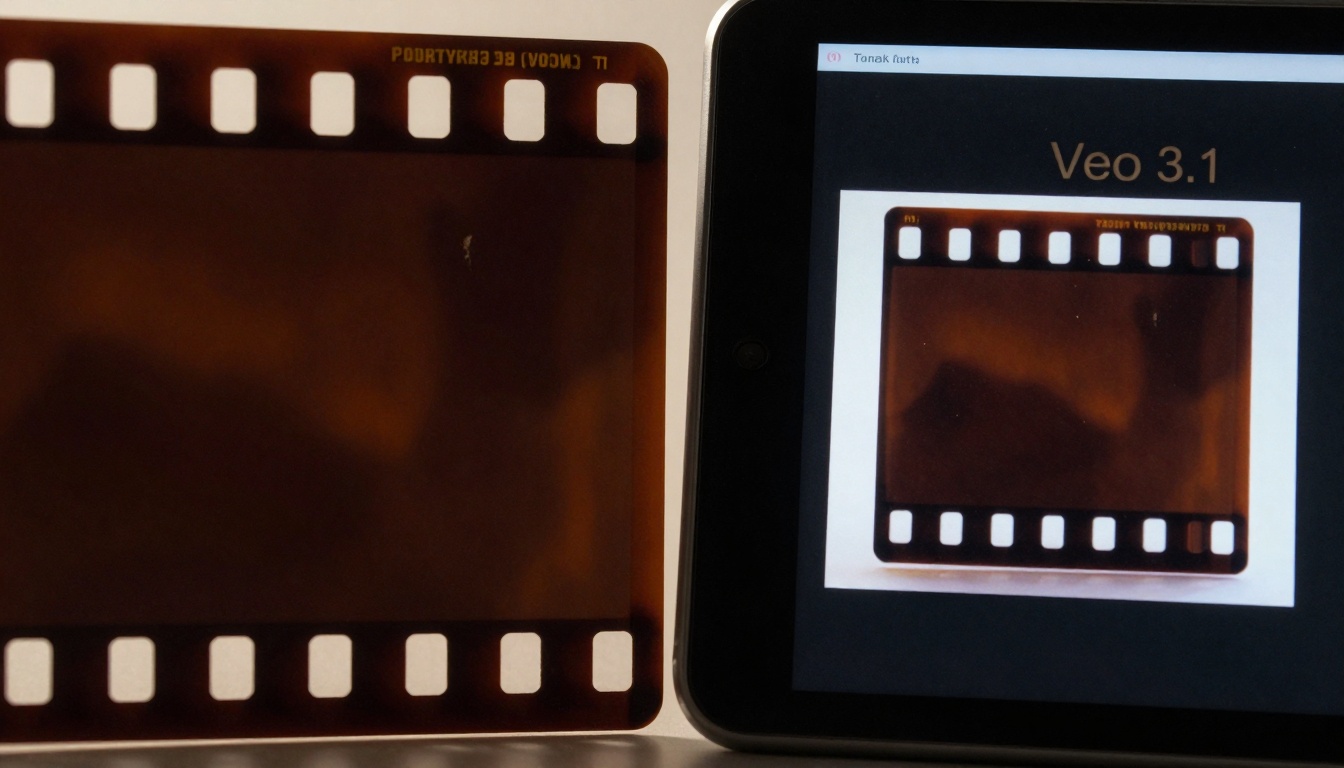
Industry Adoption and Resistance
Early Adopters Include:
- Documentary producers supplementing inaccessible locations
- Commercial agencies creating entire campaigns
- Independent filmmakers overcoming budget limitations
- Educational content creators visualizing historical events
- Corporate training departments producing scenario videos
Resistance Comes From:
- Traditional cinematographers protecting craft identity
- Actor unions concerned about performance replication
- Film schools debating curriculum relevance
- Film festivals establishing submission categories
- Critics developing evaluation frameworks
The Hybrid Approach Emerging:
Most productions now blend traditional and AI methods:
- Human-directed scenes with AI-generated backgrounds
- Real performances enhanced with AI-generated reactions
- Practical photography combined with AI extensions
- Location shooting supplemented with AI variations
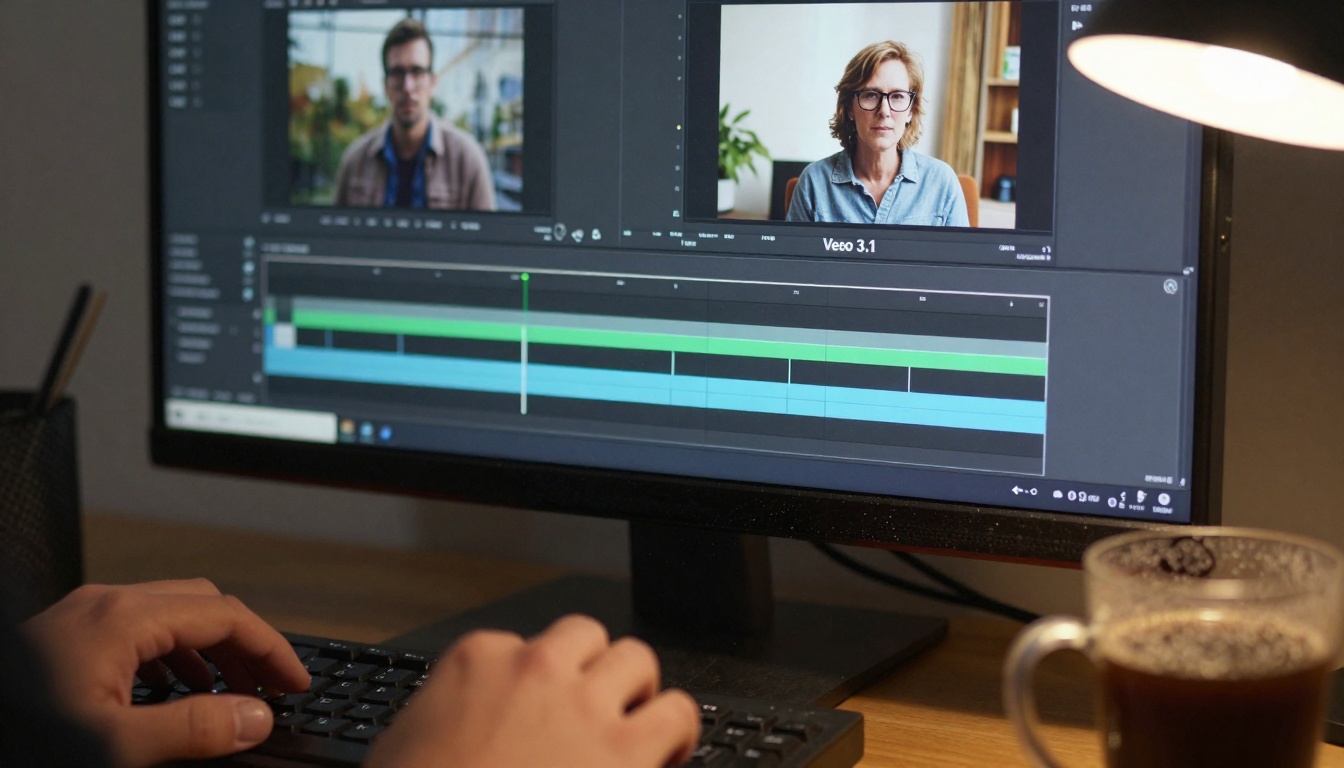
How to Use Veo 3.1 on PicassoIA
Since Veo 3.1 is available on PicassoIA, creators can access this technology directly. The platform offers both the standard Veo 3.1 model and the faster veo-3.1-fast variant for different production needs.
Step-by-Step Workflow:
-
Access the Model: Navigate to the Veo 3.1 page on PicassoIA or the faster variant for quicker generation.
-
Craft Cinematic Prompts:
- Include specific camera directions ("low-angle tracking shot")
- Specify lighting conditions ("golden hour with volumetric fog")
- Define lens characteristics ("85mm f/1.8 with anamorphic flare")
- Reference film styles ("documentary realism, available light")
-
Parameter Optimization:
- Motion control: Adjust character movement subtlety
- Temporal coherence: Set consistency across shot sequences
- Style fidelity: Match specific cinematic references
- Resolution selection: Choose between speed and detail
-
Iterative Refinement:
- Generate base footage
- Identify areas needing adjustment
- Regenerate with targeted improvements
- Combine multiple generations into sequences
Pro Tips for Indistinguishable Results:
💡 Reference Specific Films: Instead of "cinematic lighting," prompt with "lighting style from 'The Revenant' with naturalistic contrast and minimal fill."
💡 Technical Specificity: Use exact camera terminology like "ARRI Alexa Mini LF with Cooke S4/i primes at T2.8, shooting at 24fps with 180-degree shutter."
💡 Emotional Context: Include performance direction like "subtle hesitation before speaking, maintaining eye contact with slight vulnerability in expression."
Common Use Cases on PicassoIA:
- Documentary supplementation: Generating B-roll for inaccessible locations
- Commercial production: Creating entire ad sequences from concept boards
- Educational content: Visualizing historical events with period accuracy
- Creative experimentation: Testing cinematic ideas before physical production
The Future of Video Authenticity
We're entering an era where visual evidence requires new verification standards. The technologies that enable creative expression also facilitate potential deception. Several developments will shape this landscape:
Detection Technologies Emerging
- Forensic analysis tools identifying AI generation patterns
- Metadata standards for content provenance
- Blockchain verification for creative workflows
- Industry certification for AI-assisted content
New Creative Roles
- Prompt cinematographers: Experts in directing AI camera systems
- AI performance directors: Specialists in character emotion generation
- Temporal coherence editors: Professionals maintaining scene continuity
- Style transfer artists: Masters of replicating specific visual aesthetics
Educational Evolution
Film schools are developing new curricula covering:
- AI video prompt engineering
- Hybrid production workflows
- Ethical considerations in synthetic media
- Verification and authentication methods
Your Turn to Create
The technology that creates videos indistinguishable from hand-made content is accessible right now. Whether you're a filmmaker exploring new creative possibilities, a marketer needing cost-effective video production, or simply curious about this technological frontier, Veo 3.1 on PicassoIA provides immediate access.
Start with simple prompts and observe how the system interprets cinematic language. Experiment with different lighting conditions, camera movements, and performance directions. Notice how specific technical terminology yields more authentic results than vague artistic descriptions.
The most important realization isn't that AI can replicate human creativity—it's that human creativity now includes directing artificial intelligence as a fundamental skill. The filmmakers who thrive in this new landscape won't be those who resist the technology, but those who master its language and apply it with intentionality.
The footage that makes professionals doubt their own expertise is waiting for your prompt. What will you create that makes people question whether it was made by human hands?


