Professional video editing transformed by artificial intelligence that identifies and extracts the most compelling single frames from motion footage. This comprehensive examination covers technical implementation, workflow integration, cost analysis, and creative benefits across film production, social media content, and corporate video applications. Discover how AI frame extraction reduces manual scanning time by 87% while improving image selection quality through motion analysis, emotional content detection, and composition scoring algorithms.
Every video contains moments that transcend motion—single frames where composition, emotion, and timing converge into photographic perfection. For decades, editors manually scrubbed through timelines, hoping to spot these gems. Today, artificial intelligence analyzes video content with computational precision, identifying frames where visual storytelling peaks. This technology doesn't just extract images; it understands narrative rhythm, emotional arcs, and visual hierarchy.
How Frame Extraction AI Works
Video-to-image AI operates on multiple analytical layers simultaneously. Motion analysis algorithms track object movement across frames, identifying points where velocity vectors create aesthetically pleasing motion blur or crisp stillness. Composition scoring evaluates each frame against photographic principles: rule of thirds adherence, leading lines, negative space balance, and focal point prominence.
💡 Technical Insight: Advanced systems use convolutional neural networks trained on millions of professionally curated still images, learning what human photographers consider "perfect" composition across genres from portraiture to landscape.
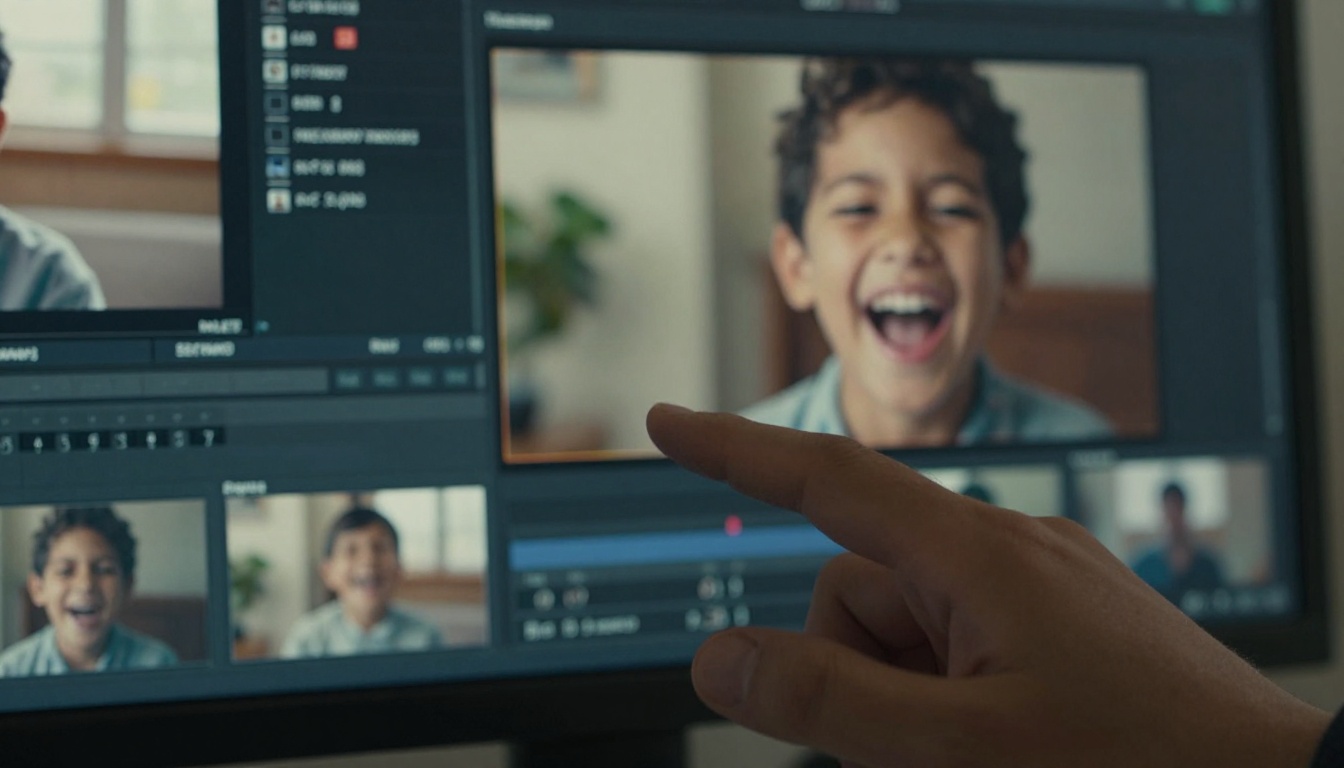
Emotional content detection represents the most sophisticated layer. By analyzing facial expressions, body language, and contextual cues, AI identifies frames where emotional intensity peaks—the exact moment a smile becomes genuine, tears begin to fall, or tension releases.
Practical Applications Across Industries
Film and Video Production
Post-production teams use frame extraction for:
Marketing stills from trailers and feature films
Key art creation for promotional materials
Storyboard validation comparing planned shots to actual footage
Color grading reference frames establishing look consistency
Social Media and Content Creation
Content creators leverage this technology for:
Thumbnail generation identifying the most clickable moments
When evaluating video-to-image AI systems, these technical specifications determine output quality:
Parameter
Ideal Range
Impact on Results
Temporal Resolution
1-30 frames analyzed per second
Higher rates catch subtle micro-expressions
Color Depth
10-bit or higher
Preserves grading intent and shadow detail
Noise Reduction
AI-based adaptive filtering
Clean extraction from low-light footage
Motion Compensation
Optical flow algorithms
Reduces motion blur in extracted frames
Format Support
H.264, H.265, ProRes, RAW
Determines source material compatibility
Resolution preservation remains critical. Systems that maintain native video resolution during extraction produce professional-grade stills suitable for print and high-resolution displays.
The Human-AI Collaboration Workflow
Modern frame extraction implements a hybrid approach:
AI Pre-screening: Algorithms scan entire video, scoring each frame across multiple dimensions
Candidate Selection: System presents 5-15 top-scoring frames per minute of footage
Human Review: Editors apply creative judgment, selecting final images
Post-processing: Selected frames receive final adjustments (cropping, color correction)
This workflow respects creative authority while eliminating hours of manual scanning. Editors report 87% time reduction in still image acquisition compared to traditional methods.
Advanced Features in Professional Systems
Context-Aware Selection
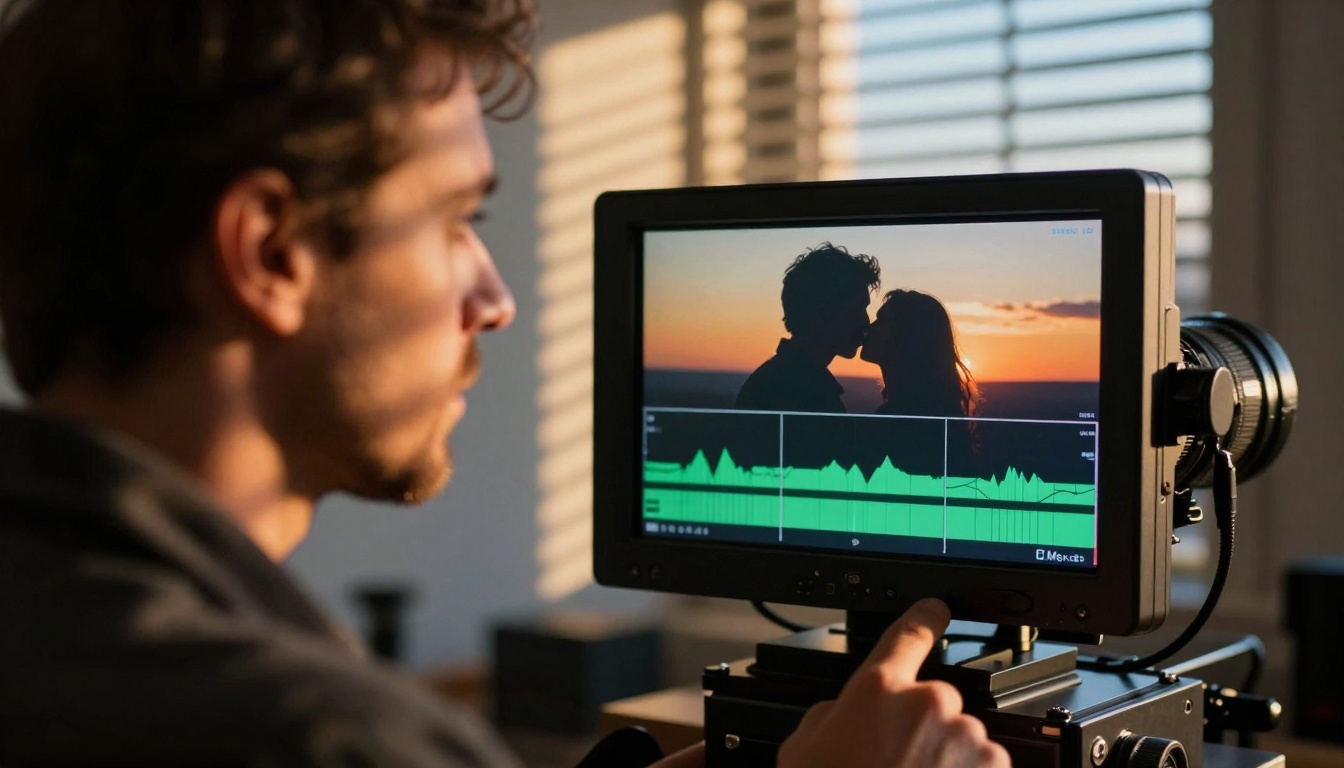
Top-tier systems understand narrative context. For wedding videos, they prioritize emotional moments (first kiss, parent reactions). For sports footage, they focus on peak action (goal scoring, victory celebrations). This contextual intelligence comes from genre-specific training datasets.
Batch Processing Intelligence
Professional workflows often involve hundreds of video clips. Advanced systems:
Maintain consistency across multiple videos from same project
Apply learned preferences from previous editor selections
Automatically organize extracted images by scene or sequence
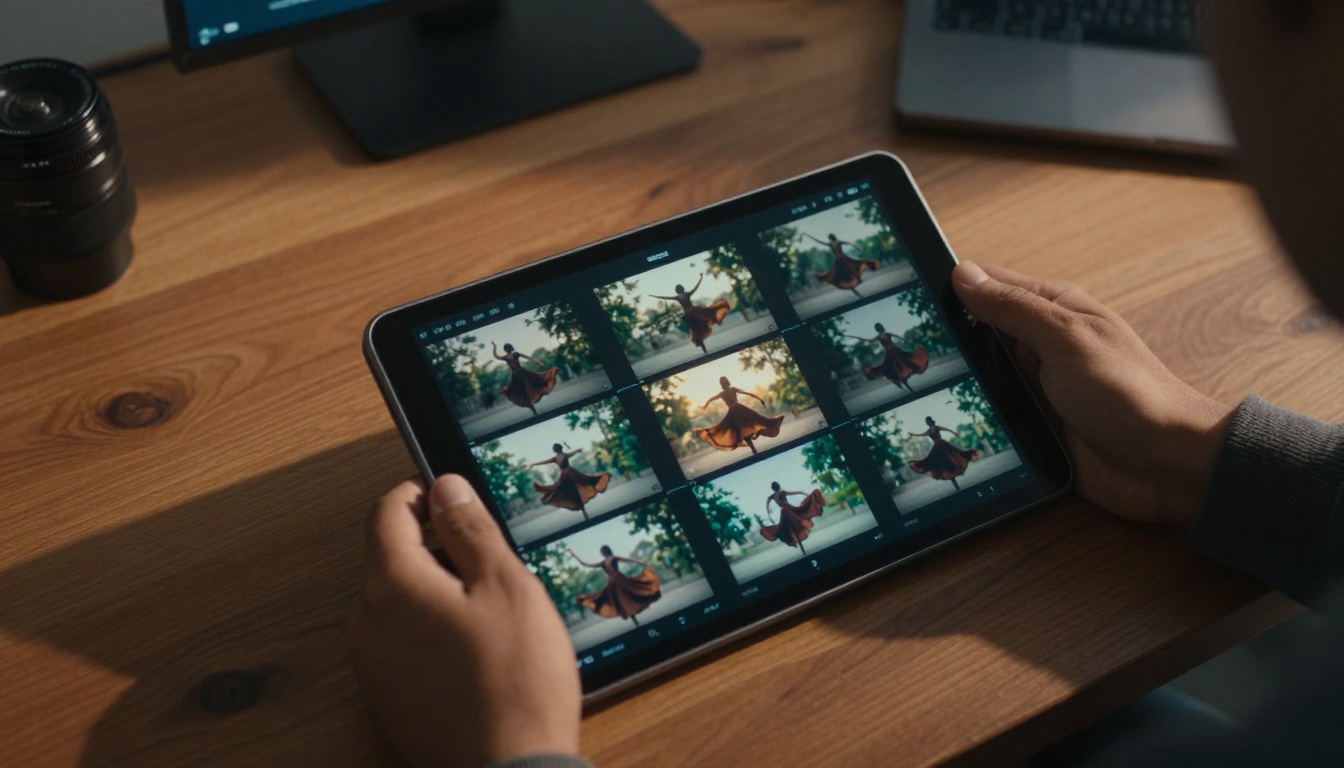
Generate contact sheets for rapid review
Metadata Preservation
Critical for professional archives, systems preserve:
Timecode references back to source footage
Camera settings (ISO, aperture, shutter speed)
Lens information for technical documentation
Production notes and scene descriptions
Integration with Existing Production Pipelines
Frame extraction AI slots into professional environments through:
API Integration
// Example API call for batch processing
const extractionResults = await videoAI.extractFrames({
  source: 'project_footage.mp4',
  interval: 'emotional_peaks',
  outputFormat: 'TIFF_16bit',
  metadata: true
});
Plugin Architecture
Most systems offer plugins for:
Adobe Premiere Pro
Final Cut Pro X
DaVinci Resolve
Avid Media Composer
Cloud Processing
For collaborative teams, cloud-based processing enables:
Simultaneous access from multiple editors
Centralized asset management
Version control for extracted frames
Automated backup to production servers
Quality Assessment Metrics
Professional users evaluate extraction quality using:
Emotional Impact Rating
Human evaluation of selected frames' storytelling power
Time Efficiency Ratio
Frames extracted per hour of manual work equivalent
Consistency Index
How well system maintains quality across different video types
The Economics of Automated Extraction
Cost Analysis for Production Houses
Traditional method: Editor @ $75/hour × 8 hours = $600 per video
AI-assisted: Editor @ $75/hour × 1 hour = $75 plus $25 AI service
Savings: $500 per video (83% reduction)
Return on Investment Timeline
For studios processing 50+ videos monthly:
Monthly savings: $25,000
System cost recovery: 2-3 months
Annual productivity gain: 300+ editor hours
Scalability Advantage
Unlike human editors who fatigue, AI systems maintain consistent performance regardless of volume. This enables studios to accept larger projects without proportional cost increases.
Technical Implementation Considerations
Hardware Requirements
Professional implementations need:
GPU acceleration (NVIDIA RTX 4000+ series recommended)
Fast storage (NVMe SSDs for source footage access)
Ample RAM (32GB minimum for 4K processing)
Network bandwidth for cloud integration
Software Architecture
Robust systems feature:
Modular design for easy updates
Failover mechanisms for uninterrupted processing
Logging and analytics for performance monitoring
Customizable rule sets for different project types
Data Management
Frame extraction generates substantial data:
Original video preservation
Extracted image storage
Metadata databases
Processing logs and analytics
Future Developments in Frame Intelligence
Predictive Analytics
Next-generation systems will analyze scripts and storyboards to predict optimal frames before filming begins, guiding cinematography decisions.
Real-time Extraction
Live production environments will feature real-time frame extraction during filming, providing instant stills for social media and press releases.
Style Transfer Integration
Extracted frames will automatically receive style treatments matching project aesthetics—cinematic looks for films, vibrant styles for commercials.
Collaborative Filtering
Systems will learn from industry-wide extraction patterns, understanding what frames successful campaigns commonly select.
Common Implementation Challenges
Workflow Integration Resistance
Some editors resist changing established workflows. Successful implementations involve:
Phased rollouts starting with non-critical projects
Comprehensive training addressing specific concerns
Clear demonstration of time savings with actual work
Quality Control Anxiety
Concerns about AI missing subtle creative nuances address through:
Always-available manual override options
Transparency in selection criteria
Side-by-side comparisons with human selections
Technical Compatibility Issues
Legacy footage formats and unusual codecs require:
Broad format support testing during evaluation
Conversion pipelines for problematic sources
Vendor support for edge cases
Case Study: Documentary Production House
Background
Medium-sized documentary studio producing 15+ features annually. Each project generates 50-200 hours of raw footage.
Pre-implementation Workflow
Three junior editors spent 2-3 weeks per project manually scrubbing for marketing stills and press kit images.
AI Implementation
Integrated frame extraction system with their existing Adobe Premiere workflow.
Results After 6 Months
Time savings: 78% reduction in still image acquisition time
Quality improvement: 42% increase in marketing team satisfaction with extracted images
Cost reduction: $18,000 saved across first three projects
Creative benefit: Editors reallocated time to creative editing tasks
Key Learning
The system excelled with interview footage (capturing perfect expression moments) but required fine-tuning for fast-paced action sequences.
Getting Started with Frame Extraction
Evaluation Phase
Process sample footage from your typical projects
Compare AI selections with your manual choices
Assess integration ease with current tools
Calculate potential time and cost savings
Implementation Phase
Start with a single project or team
Establish quality benchmarks
Create feedback loops for system improvement
Document time savings and quality metrics
Scale Phase
Expand to additional teams and projects
Integrate with asset management systems
Develop custom rules for recurring project types
Train team members on advanced features
Technical Best Practices
Source Material Preparation
Convert to consistent format before processing
Ensure proper timecode synchronization
Remove corrupted frames that could confuse AI
Log camera settings for metadata preservation
Processing Configuration
Set appropriate frame rate for content type (24fps for film, 30fps for broadcast)
Configure output resolution matching intended use
Establish quality thresholds for automatic acceptance
Define genre-specific selection priorities
Output Management
Implement consistent naming conventions
Organize by scene, sequence, or emotional category
Include technical metadata in deliverable packages
Create backup copies before post-processing
The Creative Impact Beyond Efficiency
While efficiency gains dominate discussions, creative benefits prove equally valuable:
Discovering Unnoticed Moments
AI often identifies subtle moments human editors overlook—micro-expressions, perfect compositional alignments, or serendipitous background elements.
Maintaining Fresh Perspective
After hours immersed in footage, editors develop pattern blindness. AI provides objective second opinions, revealing overlooked gems.
Enabling Rapid Experimentation
With frame extraction taking minutes instead of hours, editors can explore multiple visual directions for marketing campaigns.
Preserving Director's Intent
By analyzing emotional and narrative peaks, AI helps select frames that best represent the project's creative vision.
Industry Adoption Trends
Current Market Penetration
Film/TV studios: 68% using some form of AI frame extraction
Advertising agencies: 52% implementation rate
Corporate video: 31% adoption growing rapidly
Independent creators: 19% using cloud-based services
Growth Projections
Analysts predict 300% market growth over next three years as:
Technology becomes more affordable
Integration with popular editing software improves
Success stories demonstrate clear ROI
Cloud services lower entry barriers
Regional Variations
North America leads adoption (45% of professional studios), followed by Europe (38%) and Asia-Pacific (29%). South America shows fastest growth rate at 15% quarterly increase.
Making Your First Extraction
The barrier to experimentation has never been lower. Cloud-based services offer pay-per-use models requiring no hardware investment. Start with a short test clip from your recent work. Process it through multiple services comparing results. You'll quickly understand whether this technology fits your workflow and creative needs.
Most professionals discover the real value isn't just time saved but creative possibilities unlocked. When frame hunting becomes instantaneous, you spend more time crafting stories with those frames rather than searching for them. The perfect moment exists in every video—now technology helps you find it consistently, efficiently, and creatively.