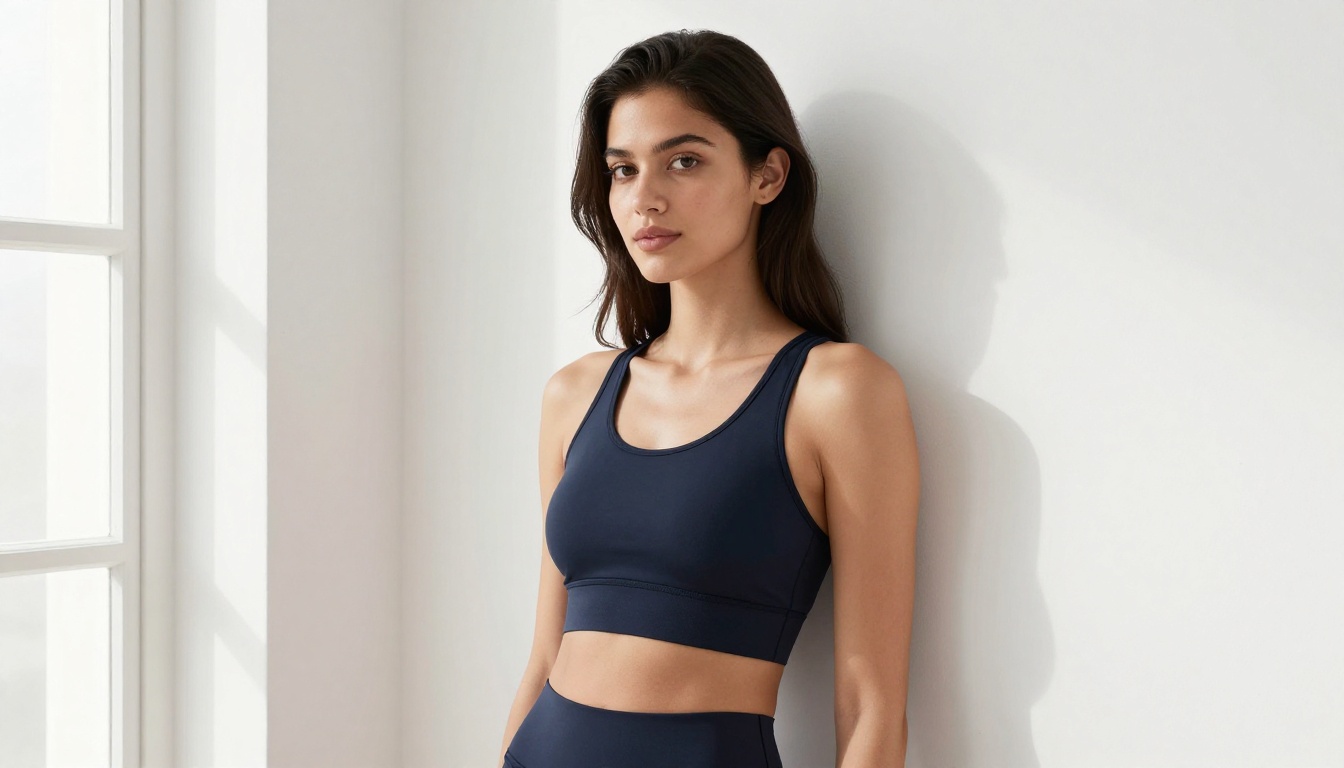
The comparison between Wan 2.7 and Veo has become the defining question for AI video creators who refuse to be boxed in by content filters. Both models produce cinematic output, both support 1080p, and both have serious backing behind them. But for anyone creating suggestive, mature, or adult-themed video content, only one of these models will actually let you finish the job.
What You Are Actually Comparing
Wan 2.7: Open Weights, Open Possibilities
Wan 2.7 T2V is the flagship text-to-video release from Wan Video, an open-weight model that has quickly become the go-to choice for creators who need more than what closed commercial systems allow. Because the weights are publicly available, the platform running the model controls the content policy rather than the model creator. That distinction matters enormously.
PicassoIA runs three distinct Wan 2.7 variants:
- Wan 2.7 T2V: Generates 1080p video from a text prompt
- Wan 2.7 I2V: Animates any still image into a video clip
- Wan 2.7 R2V: Transfers motion to a subject using a reference image
Veo: Google's Cinematic Engine
Veo is Google's proprietary video generation system. Veo 3.1 and Veo 3 represent the cutting edge of commercially available AI video, with native audio synchronization, exceptional physics simulation, and temporal consistency that keeps scenes stable across every frame. Veo 3 Fast trades some polish for significantly faster generation, while Veo 2 remains a reliable option for cleaner commercial content.
The tradeoff: Veo runs under Google's content policies. Those policies are not a surface-level filter you can prompt-engineer around. They are baked into the model's training.
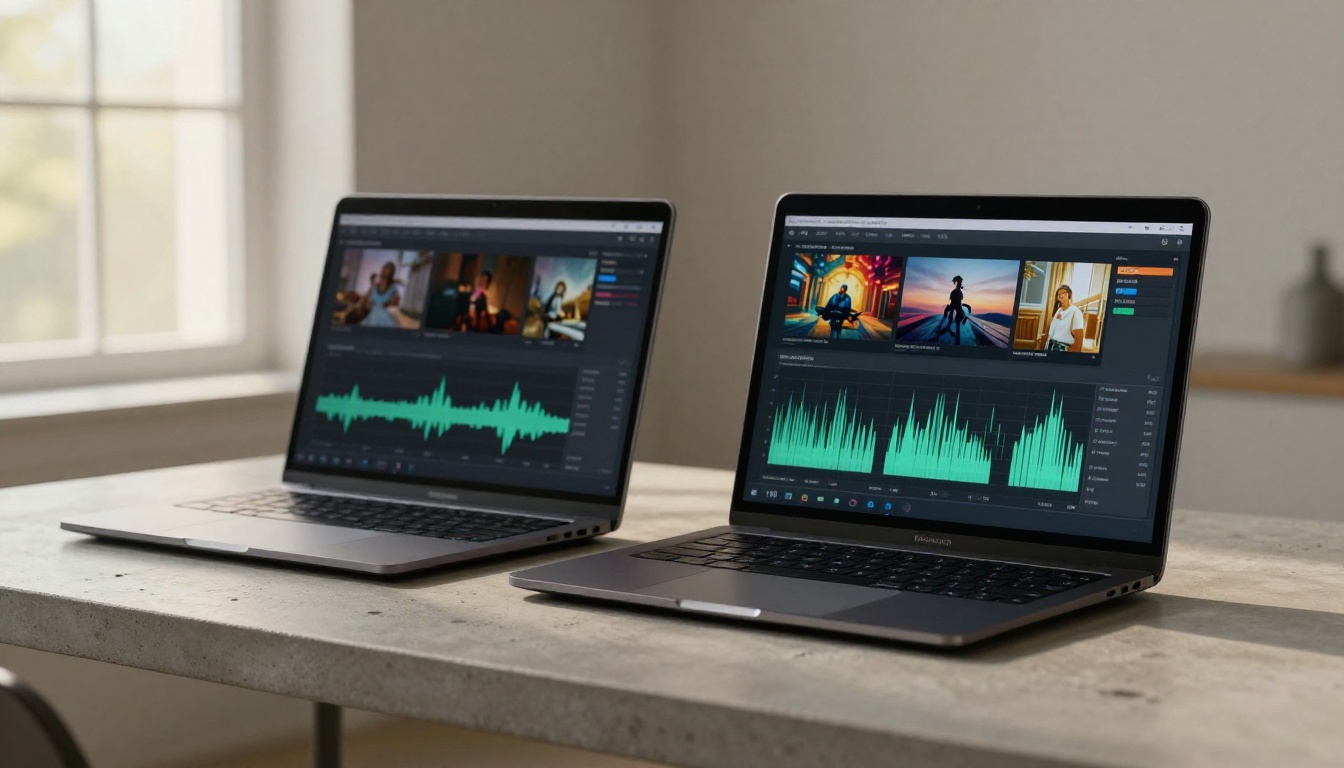
The Content Restriction Reality
What Veo Will Not Generate
Veo's content restrictions apply before a single frame is rendered. The model will refuse:
- Any sexually suggestive content, including implied nudity, swimwear in certain poses, or intimate framing between characters
- Real person likenesses in scenarios the subject has not consented to
- Violence beyond what would appear in a standard PG-13 film
- Mature artistic themes that could be interpreted as adult content
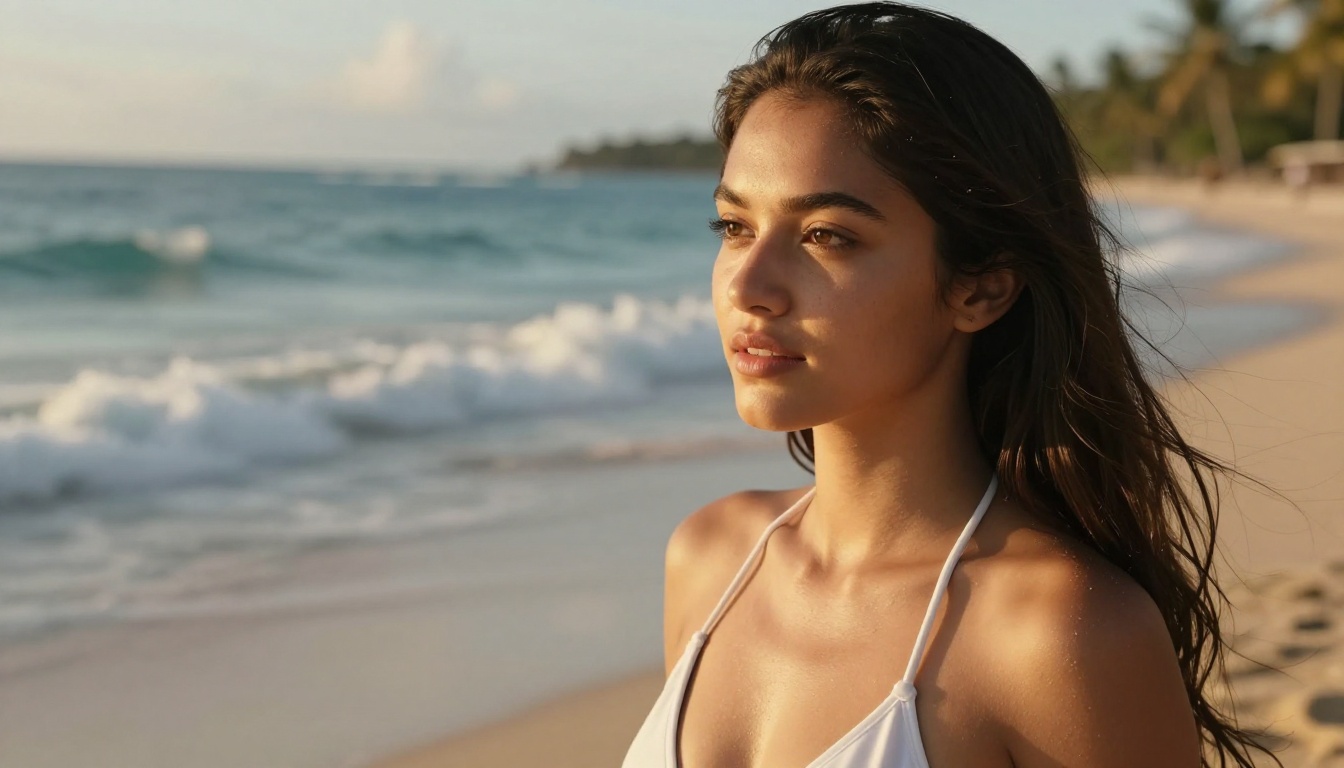
This is not about explicit content. Veo will block prompts that many creators would consider completely tasteful. A prompt for a woman in a bikini walking on a beach has a significant chance of refusal. A romantic scene between two characters in a private setting will likely fail. The model does not reason about artistic intent. It classifies and rejects.
💡 Reality check: Veo's safety system is embedded in fine-tuning, not a surface-level API filter. There is no jailbreak. If your content concept requires any form of adult or suggestive imagery, Veo is not your tool.
What Wan 2.7 Actually Allows
On PicassoIA, Wan 2.7 T2V operates with significantly fewer restrictions. Because open-weight models let platforms set their own content policies, PicassoIA's implementation allows:
- Suggestive and glamour content in bikinis, lingerie, and revealing clothing
- Intimate artistic scenarios that stop short of explicit acts
- Mature storytelling themes including sensuality and adult emotion
- Fashion, editorial, and model-style content with full body freedom
This is not a free-for-all. The platform does not support pornographic or explicitly sexual content. But the gap between what Wan 2.7 and Veo will generate is substantial enough to matter for a wide range of legitimate creative use cases.
Visual Quality: The Honest Numbers
Resolution and Technical Specs
| Feature | Wan 2.7 T2V | Veo 3.1 |
|---|
| Max Resolution | 1080p | 1080p |
| Native Audio | No | Yes |
| Temporal Consistency | Good | Excellent |
| Physics Simulation | Strong | Very Strong |
| Motion Smoothness | High | Very High |
| Prompt Adherence | Strong | Very Strong |
| NSFW Support | Yes (on PicassoIA) | No |
Veo 3.1 has a clear technical edge in temporal consistency and audio synchronization. It generates dialogue, ambient sounds, and music that sync naturally to what is happening on screen. Wan 2.7 does not currently offer native audio in its standard T2V output.
For visual quality on prompts that both models will accept, the gap is smaller than it used to be. Wan 2.7 has closed the distance significantly in this iteration.
Physics and Motion Realism
Veo's most impressive capability is real-world physics. Cloth dynamics, hair motion under wind, water behavior, and human gait all look physically grounded in a way that Wan 2.7 sometimes misses in complex multi-element scenes. For anything involving fast-moving elements or realistic interactions between physical objects, Veo 3 currently wins.
For slower, atmospheric content like editorial footage, portrait videos, or scenic b-roll, Wan 2.7 matches Veo closely and sometimes produces more natural-looking skin tones and lighting responses.
Image-to-Video: Where Wan 2.7 I2V Shines
The image-to-video use case is where Wan 2.7 I2V becomes genuinely compelling. Feeding a source image and a motion prompt produces animations that stay true to the original subject with remarkable fidelity. For NSFW or suggestive source images specifically, Wan 2.7 I2V is the only real option. Veo will reject source images that contain adult content before generation even begins.
Generation Times
Both models sit in a similar performance range for 5-second 1080p clips. Standard generation runs 2 to 4 minutes on either, depending on platform load. Veo 3 Fast cuts this down considerably for creators who prioritize iteration speed. Veo 3.1 Fast offers the same speed gains at the 3.1 quality level.
Wan 2.7 has no speed-optimized variant on PicassoIA at present, but standard generation time is competitive for the quality delivered.
Where You Can Run Each
Veo is a closed model available only through Google's approved channels. PicassoIA offers access to both Veo and all three Wan 2.7 variants on the same platform, making side-by-side testing practical without switching services or managing multiple accounts.
Wan 2.7 R2V is worth noting separately. It is a reference-to-video capability that Veo does not directly replicate. Feed a character reference image and a motion prompt, and the model maintains that character's visual consistency across multiple clips. For creators building a series of content around a specific person or persona, this is functionally significant.

How to Use Wan 2.7 on PicassoIA
PicassoIA has all three Wan 2.7 variants available. Here is how to put them to work immediately.
Picking the Right Variant
Start with your source material:
Writing Prompts That Deliver
Wan 2.7 responds strongly to cinematic language. Structure prompts with five elements:
- Subject and action: Who is doing what, specifically
- Environment: Location, time of day, ambient conditions
- Camera movement: "slow dolly in," "aerial pan," "static wide"
- Lighting: "warm golden rim light," "overcast diffused sky," "tungsten interior"
- Mood: The emotional tone of the clip
Example: "Young woman in white linen dress walking through a field of sunlit lavender, slow forward dolly movement, golden afternoon backlighting, photorealistic, shallow depth of field"
Suggestive Content Prompting
For mature or suggestive content, specificity produces better results than vague implication. Describe the exact visual: clothing, pose, environment, and lighting. Treat it like a photography brief rather than a story hint. Wan 2.7 on PicassoIA does not require elaborate workarounds. A clear, descriptive prompt works as written.
Resolution for Final Output
For professional output, select 1080p on Wan 2.7 T2V. For rapid iteration and prompt testing, 480p or 720p delivers much faster results. The quality difference between 720p and 1080p is visible in fine details like skin texture and hair, so save the higher resolution for final production runs.

Best Models for Uncensored Content on PicassoIA
Since the topic is unrestricted AI generation, it is worth covering the full picture across both still image and video.
For still image generation with minimal content restrictions, these are the top recommendations in order:
- Seedream 4.5 is the primary recommendation. It accepts NSFW content, supports image editing, and generates ultra-realistic results in under 3 seconds. Its successor, Seedream 5 Lite, does not allow NSFW content, so stick with 4.5 for adult-adjacent workflows.
- PicassoIA Image Editor Pro gives Elite and Infinite subscribers unlimited generations with zero incremental cost. That means 1,000 images at no extra expense versus around $100 on models like Nano Banana 2. Results arrive in under a second, with a 3-generation free trial requiring no credit card.
- Qwen Image 2: Open source, edits or creates any image in seconds with detailed realism.
- Grok Imagine Image: Converts any image to bikini format in a very realistic way.
- Recraft V4: Very realistic text-to-image results.
- P-Image: NSFW text-to-image generation in under 1 second.
For video generation with fewer restrictions:
- PicassoIA Video: Unlimited video generation from text prompts at up to 720p.
- P-Video: Text, image, or audio to video up to 1080p, with safety filter off by default.
- Grok Imagine Video: Clips up to 15 seconds, no watermarks, supports editing existing video.
- LTX 2.3 Pro: Up to 4K at 50fps with retake and extend editing for precise control.
The full library is at picassoia.com/en/all-models.
Side-by-Side: Matching Scenarios to Models
Fashion and Glamour Reels
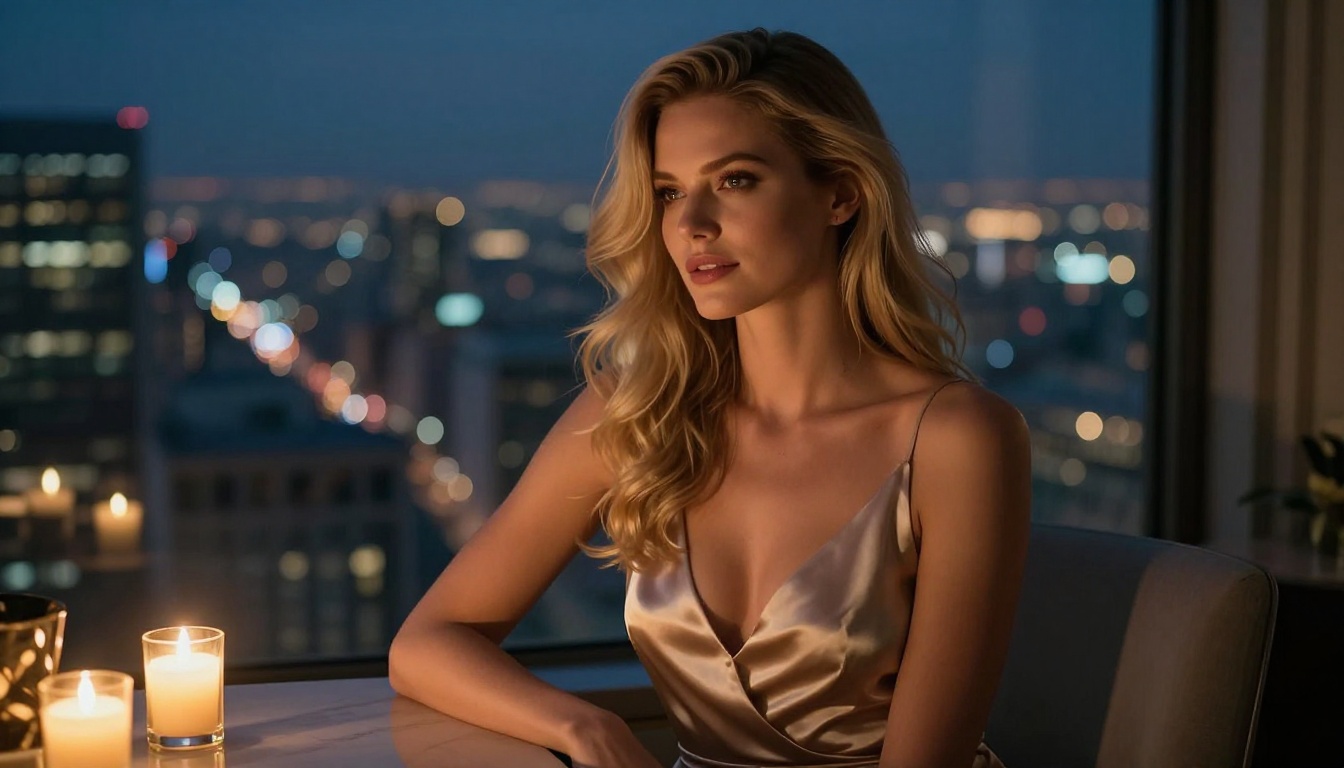
Creators building fashion lookbooks, glamour reels, or editorial content with models in revealing clothing have one realistic option: Wan 2.7 T2V or Wan 2.7 I2V. Veo will not generate these prompts regardless of how they are framed.
High-Budget Commercial Work
For brand campaigns, documentary content, or professional short films with no adult content, Veo 3.1 delivers the most consistently polished output. The audio synchronization alone justifies it for content where dialogue or sound design matters.
Music Video Production
Wan 2.7 I2V is the production tool for music video creators who want artistic body freedom. Pair it with Seedream 4.5 for source frame generation, then animate the output into video sequences with consistent character presence.
Social Media Content with Mature Themes
Wan 2.7 T2V combined with P-Video (which has safety filters off by default) gives creators a flexible stack for social media content that platforms like Veo would reject outright.
The Verdict
Wan 2.7 wins for uncensored content. No version of this comparison ends differently. For creators who need mature, suggestive, or adult-adjacent video content, Veo is not a competitor. It will not generate the content. The choice has already been made for you by Veo's content policies.
Veo wins for clean, cinematic, audio-synced output. If your content concept does not bump up against content restrictions, Veo 3.1's physics accuracy, temporal stability, and native audio are genuinely superior. It produces results that feel polished in a way Wan 2.7 is still closing the gap on.
The practical split:
- Content with mature or suggestive themes: Wan 2.7 T2V, I2V, or R2V on PicassoIA
- Commercial or narrative content without restrictions: Veo 3.1 or Veo 3
PicassoIA gives you access to both without changing platforms, making it the only place to run true side-by-side comparisons on identical infrastructure.
Start Generating Your Own Clips
The fastest way to settle this debate for your specific use case is to run your exact prompt on both models and see what comes back. Theoretical comparisons only go so far. Your prompt, your subject, your creative brief will tell you more than any specification table.
PicassoIA runs the full Wan 2.7 stack (T2V, I2V, R2V) alongside Veo 3, Veo 3.1, and Veo 2 on the same platform. Add Seedream 4.5 for source image creation and you have a full production stack for both restricted and unrestricted creative workflows.
Every model is available at picassoia.com/en/all-models. Your first clip starts with a single prompt.