The question sounds simple enough: which AI video model makes footage that actually fools your eyes? After extensive testing of both Wan 2.7 and Sora 2 across dozens of identical prompts, covering natural landscapes, human subjects, abstract scenes, and physics-heavy scenarios, the answer is more nuanced than any benchmark spreadsheet will tell you. Both models have distinct personalities, different strengths, and real weaknesses. This comparison breaks down exactly where each model wins, where it stumbles, and what that means for anyone serious about AI-generated video in 2027.
What Makes a Video "Feel Real"
Before declaring a winner, we need an actual measuring stick. "Realism" in AI video splits into four distinct components that the human visual system processes independently.
Temporal consistency is whether objects maintain their shape, size, and color between frames. This is the first thing to break in bad AI video: a character's shirt changes pattern, a building shifts position, a hand gains an extra finger between cuts. Motion physics is whether things move the way gravity and momentum actually dictate. A dropped ball that falls sideways or water that pools upward immediately signals "AI artifact" to any viewer. Texture fidelity is whether surfaces like skin, fabric, and water hold their micro-detail under motion, since most diffusion models smear texture when objects move quickly. Lighting coherence is whether shadows and highlights shift in a physically plausible direction as the camera or subject moves.
Most AI video tools fail on at least one of these. The best ones fail on fewer. Neither Wan 2.7 nor Sora is perfect across all four, but they fail in different, predictable ways that matter a lot depending on what you are creating.
The Physics Test
Drop a glass of water onto a tile floor in a Wan 2.7 video. The shatter pattern fragments outward with plausible velocity. Droplets catch available light and form believable pools. The tile shows impact stress at the contact point. It is not perfect, but your brain accepts the sequence without flagging it as synthetic.
Run the same prompt through Sora and you get something visually stunning but occasionally uncanny. Sora excels at large-scale environmental physics: ocean waves rolling with correct energy transfer, wind bending entire fields of grass in coherent directional patterns. Where it sometimes struggles is micro-physics, such as the way a single leaf spins after detaching from a branch, or how a coffee cup cracks along its weakest structural lines rather than uniformly shattering.
This split becomes significant depending on what you are shooting. Environmental scenes with large physical systems favor Sora. Intimate, object-level physics favor Wan 2.7.
The Human Motion Problem
Both models wrestle with human hand detail under motion, specifically fingers. It remains the most common artifact across every diffusion-based video model in 2027 and neither Wan nor Sora has fully solved it. Wan 2.7 handles stationary or slow-moving hands well; rapid gestures introduce blurring and occasional topological errors. Sora holds human anatomy slightly more stable under complex motion, particularly facial expressions and upper body posture, but this comes at the cost of generative freedom for non-human subjects.
For portrait-style shots where a person talks, looks around, or makes deliberate gestures, Sora produces cleaner results. For action-forward shots where the body is secondary to the environment, Wan 2.7's overall photorealism wins.
Wan 2.7 at a Glance
Wan 2.7 is the latest generation from the Wan Video team, and it represents a genuine leap over Wan 2.5 T2V and Wan 2.6 T2V. The architecture improvement that matters most is its improved temporal attention mechanism, which dramatically reduces object drift between frames. Object drift, the primary cause of the "melting" effect that plagued earlier open-weight video models, was the single biggest factor keeping Wan outputs below commercial quality. Version 2.7 suppresses it enough that outputs now pass casual review without the disqualifying artifacts of prior generations.
On PicassoIA, Wan 2.7 is available in three distinct variants, each serving a different creative workflow.
Three Modes, One Powerful Model
Wan 2.7 T2V (Text-to-Video) generates footage directly from a text prompt, outputting at up to 1080p resolution. This is your starting point when you have no source image and need to build a scene from scratch. It performs best with grounded, descriptive prompts: specific locations, lighting conditions, and subject actions stated plainly without abstraction.
Wan 2.7 I2V (Image-to-Video) takes a still image as the first frame and animates it forward through time. This is where the model's realism truly shines because it anchors the generation on a real photographic reference rather than having to invent structure from text alone. The output retains the photographic quality of the source image, including film grain, color science, and texture detail. A photo taken with a Kodak Portra-emulating sensor produces a video that feels photographically real in a way no pure text-to-video model can fully replicate.
Wan 2.7 R2V (Reference-to-Video) is the most specialized variant. It takes a reference subject and animates it according to motion descriptors, making it ideal for character consistency across multiple clips. If you are building a multi-shot sequence where the same character appears in different environments, R2V is the tool that keeps their appearance coherent from shot to shot.
💡 Pro tip: For maximum realism with Wan 2.7, start with I2V mode using a high-quality photographic source image. The model's output quality is directly tied to the fidelity of its anchor frame. A sharp, well-lit photograph will produce a fundamentally more convincing clip than any text prompt can generate alone.
Resolution and Speed
Wan 2.7 T2V outputs at 1080p as its standard target resolution and runs faster than its predecessors in the Wan family. For speed without sacrificing much quality, Wan 2.2 T2V Fast remains available on PicassoIA for rapid iteration during concept development. For the absolute highest-quality open-weight results, Wan 2.7 is the clear choice.
Compared to Wan 2.5 and Wan 2.6, version 2.7 shows measurable improvement in three specific areas:
- Shadow rendering under motion: Cast shadows now track subject position with significantly less ghosting at the shadow boundary, eliminating one of the most obvious AI tells
- Water surface behavior: Reflections and surface tension respond more accurately to environmental light direction and intensity changes
- Semi-transparent materials: Glass, smoke, and fine fabric now maintain physical plausibility through fast movement sequences rather than smearing into an undifferentiated blur
Sora in 2027
Sora carries a different design philosophy than Wan. Where Wan 2.7 prioritizes physical accuracy and photographic texture fidelity, Sora prioritizes narrative coherence: keeping the story of a shot intact across its full duration. This makes the two models genuinely complementary rather than directly competitive for all use cases.
Sora 2 vs Sora 2 Pro
Sora 2 is OpenAI's standard tier, offering text-to-video with synced audio generation. The audio integration is a genuine differentiator: ambient sound, environmental acoustics, and even dialogue-adjacent audio are generated in sync with the visual content, creating a more complete media experience than video-only models. For social content, short-form video, or any output where you want audio without a separate post-production step, Sora 2 has a practical workflow advantage over every video-only competitor.
Sora 2 Pro pushes resolution and detail further, targeting HD output with tighter prompt adherence. For professional production use, Sora 2 Pro's text-to-prompt accuracy is arguably the strongest of any closed commercial model available through PicassoIA right now. If you write a 200-word prompt with precise compositional details, Sora 2 Pro will follow it more faithfully than any open-weight alternative in the same quality tier.
Where Sora Still Leads
Sora's primary advantage is long-form temporal coherence. In clips longer than 4 seconds, Sora maintains character identity, environmental lighting, and camera perspective significantly better than most competitors. A 10-second shot where a character moves through a space, with objects maintaining their geometric relationships and the camera following a plausible path, is where Sora has its most convincing outputs.
Sora also has a real edge in creative prompt interpretation. Unusual or abstract prompts, such as "a memory dissolving like smoke into morning light over a still lake," produce coherent, intentional output from Sora. Wan 2.7 can handle abstract language but is better calibrated for literal, physically grounded scene descriptions.
A third area where Sora consistently outperforms is style coherence: maintaining a consistent visual aesthetic throughout the clip. If you specify a particular film look or lighting mood, Sora holds it from the first frame to the last. Wan 2.7 sometimes drifts in color temperature or contrast, particularly in clips approaching or exceeding 5 seconds.
Head-to-Head: Realism Scores
Here is how the two models compare across realism dimensions, rated on a practical scale based on output testing across identical prompts:
| Dimension | Wan 2.7 | Sora 2 |
|---|
| Texture Fidelity | 9/10 | 7/10 |
| Motion Physics | 8/10 | 8/10 |
| Temporal Consistency | 7/10 | 9/10 |
| Prompt Accuracy | 7/10 | 9/10 |
| Human Anatomy | 7/10 | 8/10 |
| Natural Elements | 9/10 | 8/10 |
| Generation Speed | 8/10 | 7/10 |
| Abstract Scenes | 6/10 | 9/10 |
| Audio Integration | N/A | 9/10 |
Motion Coherence
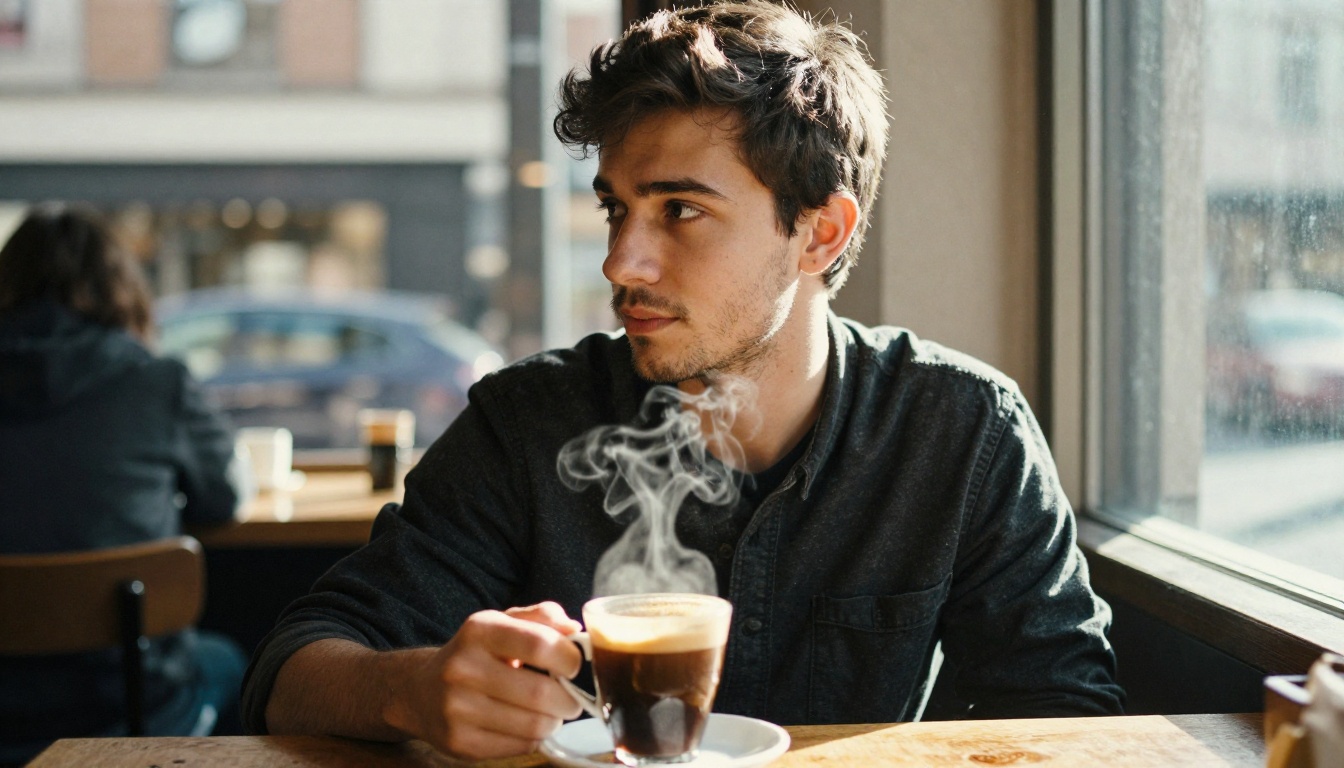
Wan 2.7 produces motion that feels physically grounded. Cloth moves with appropriate inertia based on the weight and stiffness implied by the texture. Liquids react to gravity and surface tension in ways that match real physics. This is the result of strong physics priors embedded in the training data. Sora's motion is often more cinematically intentional: it sometimes subtly breaks physics in ways that serve the visual narrative, such as a slow camera push that would be physically impossible on a real dolly rail, or a subject that moves with slightly superhuman grace.
Neither approach is objectively wrong. Wan 2.7 is better when you need the output to pass as documentary or archival footage. Sora is better when you want cinematic storytelling flexibility and are willing to accept occasional physical implausibility in exchange for visual impact.
Prompt Fidelity
This is Sora's clearest win. Provide a detailed prompt specifying shot composition, lighting direction, subject position, and action sequence, and Sora will execute it more faithfully than any open-weight competitor. Wan 2.7 interprets prompts more loosely, often producing beautiful footage that captures the mood of a request while diverging from specific compositional details.
For users who write short, evocative prompts, this gap narrows considerably. Both models perform well on simple, clear instructions. The difference becomes pronounced when prompts exceed 100 words with precise compositional requirements and specific lighting directions.
Scene Complexity
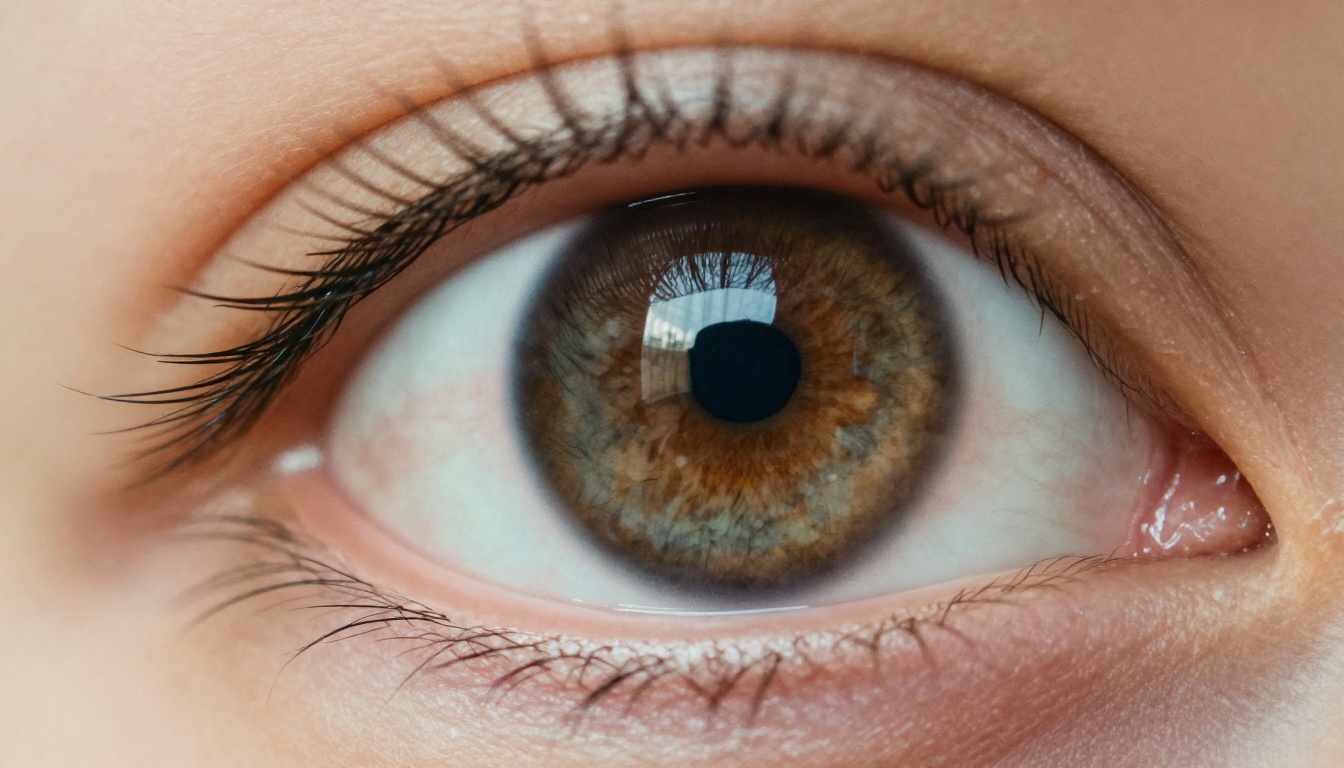
Wan 2.7 handles single-subject scenes with remarkable naturalness: a person walking, water flowing, fabric moving in wind. These are its peak performance conditions and outputs can genuinely pass as real footage to most viewers. As scene complexity increases with multiple interacting subjects and layered background environments, both models show strain. Wan 2.7's physics grounding helps it maintain individual element behavior even when the overall composition gets busier.
Sora manages multi-subject spatial relationships better overall, keeping characters correctly positioned relative to each other and to the environment across time. For any scene with two or more subjects sharing a frame, Sora produces more geometrically consistent results across the duration of the clip.
How to Use Wan 2.7 on PicassoIA
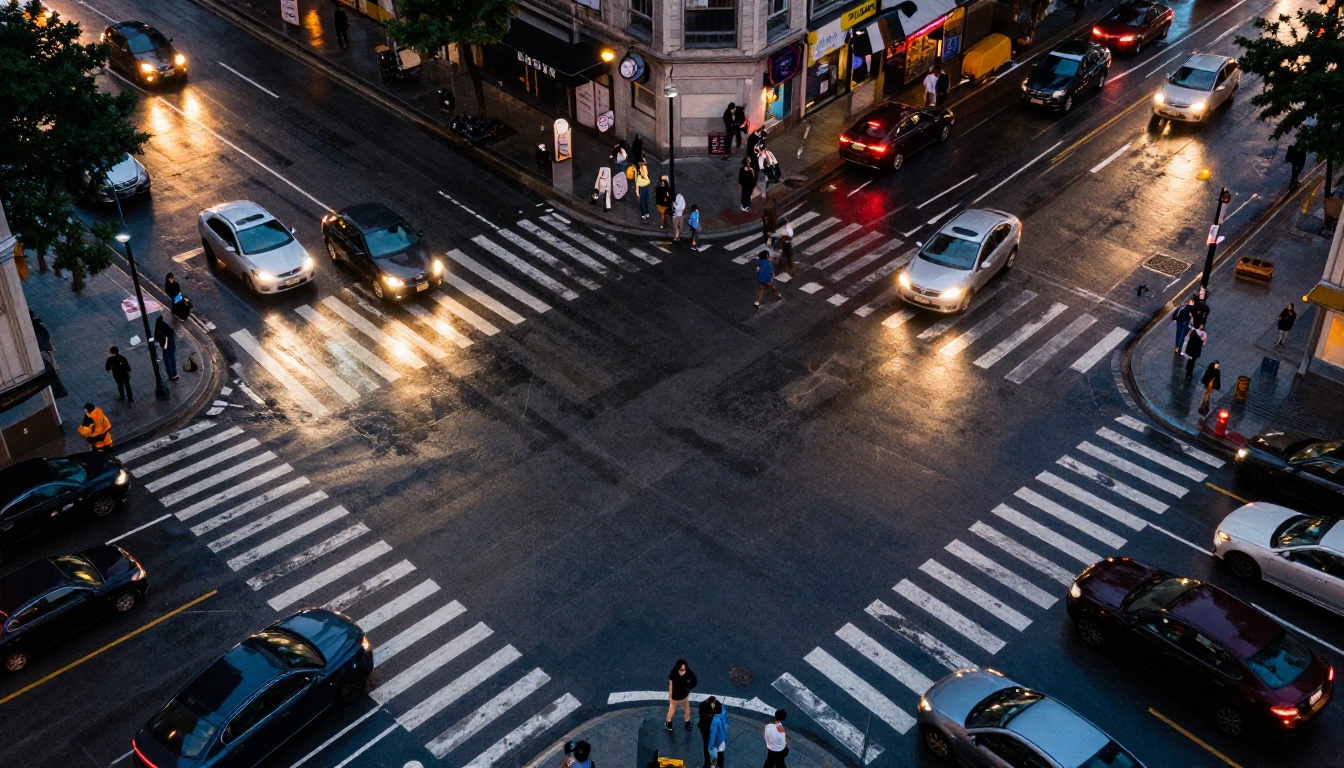
PicassoIA hosts all three Wan 2.7 variants alongside Sora 2 and Sora 2 Pro, so you can test each mode without any local GPU setup or technical configuration. Here is the practical workflow for getting the most realistic output from Wan 2.7.
T2V, I2V, or R2V?
Start with I2V if you want to match a specific visual aesthetic or if photorealism is the priority. Generate a source image using one of PicassoIA's text-to-image models (the platform has over 91 image models to choose from), then feed it into Wan 2.7 I2V as the anchor frame. The resulting video will inherit the photographic quality of that source image and maintain much stronger texture fidelity throughout the clip compared to a text-only generation.
Use T2V via Wan 2.7 T2V when you want to iterate quickly on concept motion without committing to a specific visual style first. This is the fastest path from idea to video and ideal for testing whether a scene concept works before investing time in generating a polished source image.
Use R2V via Wan 2.7 R2V when character consistency across multiple clips matters more than photorealistic texture in any single shot. This is the right workflow for anyone building a multi-shot sequence or short-form series with a recurring subject.
If you want to compare Sora directly on the same platform, both Sora 2 and Sora 2 Pro are available side by side without switching tools or accounts.
Settings That Matter
For Wan 2.7 T2V, prompt structure matters more than prompt length. Lead with the subject and action, then specify lighting and camera angle. Put texture and atmosphere details at the end of the prompt. This structure mirrors the model's internal processing priorities and consistently produces better compositional alignment with the intended scene.
For motion prompts, describe the starting state and ending state of the subject rather than the motion itself. "A woman standing in a doorway, then walking into morning sunlight" consistently outperforms "a woman walks through a doorway." The model infers the motion from the state change description and tends to generate more physically natural movement when given clear endpoints rather than explicit motion instructions.
💡 For Sora: Write your prompt in present tense and active voice. Sora's training strongly associates present-tense descriptions with active, well-executed motion. Avoid passive constructions ("light is cast on the subject") in favor of active descriptions ("morning light falls across her face from the upper left").
Other strong video models on PicassoIA worth pairing with your workflow:
- Seedance 2.5: Text-to-video up to 30 seconds with native audio, excellent for longer narrative clips where Wan 2.7's clip length is a constraint
- Ray 3.2: Cinematic HDR output with strong color science and excellent highlight detail retention
- Kling v3 Video: Consistently high-quality cinematic motion with strong aesthetic sensibility across subject types
- LTX 2.3 Pro: The right pick when 4K resolution is a hard requirement for the final deliverable
Which Should You Use?
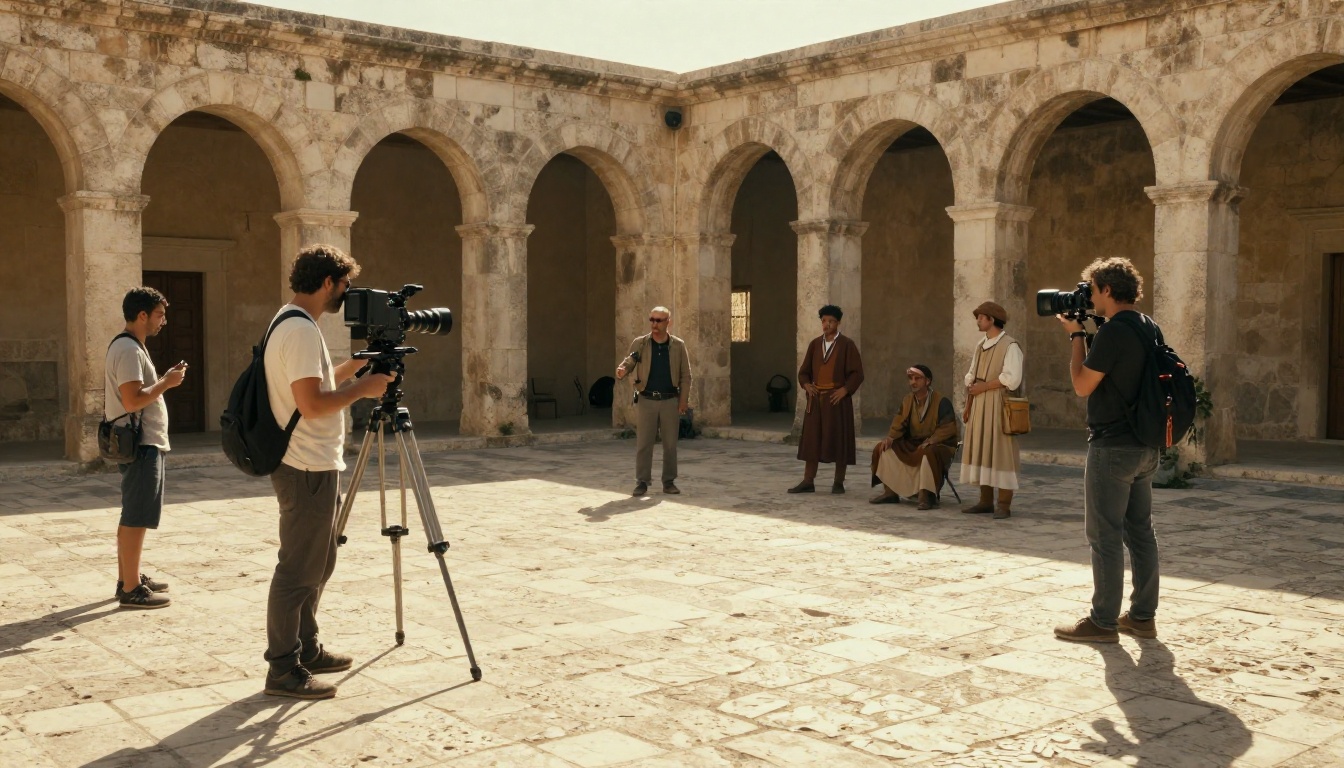
The honest answer: both, at different stages of a project. But if you must choose one as your primary tool, here is the practical breakdown.
For Creators on a Budget
Wan 2.7 is the stronger choice. It is open-weight, accessible through PicassoIA without heavy per-clip pricing pressure at the standard tier, and its photorealism on natural subjects is genuinely competitive with anything in the market at any price point. If your content features landscapes, environments, physical phenomena, or single subjects in photographic settings, Wan 2.7 will consistently outperform models that cost significantly more per generation.
The Picassoia Video model also offers a free, unlimited text-to-video option for high-volume iteration without credit concerns. It is less capable than Wan 2.7 but excellent for rapid prototyping and testing whether a concept is worth a full-quality generation.
For Production-Quality Work
The smartest production workflow is: concept with Wan 2.7 I2V, polish with Sora 2 Pro.
Use Wan 2.7 to establish the visual texture and photographic quality of your shots and prove the concept works. Then pass those proven concepts to Sora 2 Pro for the shots that require tight prompt adherence, complex multi-subject choreography, or native audio integration that saves post-production time.
For additional video creation flexibility, P Video allows AI video creation from text or image directly on PicassoIA with strong results across a wide range of subject types and is worth including in any professional toolkit alongside Wan and Sora.
💡 Verdict: If you had to pick just one right now, Wan 2.7 wins on raw photorealism and physics accuracy. Sora wins on narrative coherence and prompt precision. Your specific use case should make that decision, not the benchmark numbers.
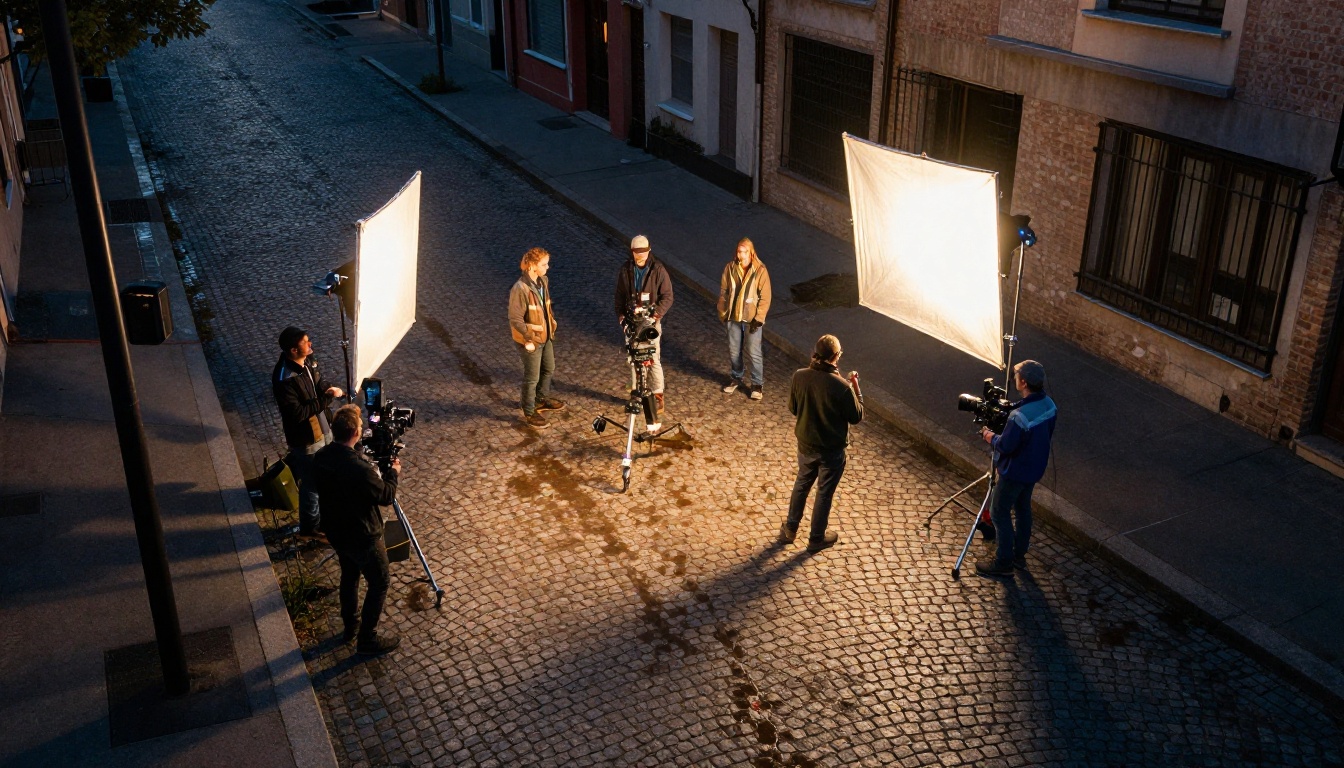
Make Your First Clip Right Now
The only way to form a real opinion on either model is to run your own prompts. Reading about motion coherence is one thing; watching your actual scene render across two different models is another entirely. Both Wan 2.7 T2V and Sora 2 are live on PicassoIA right now with no local setup required.
Start with a scene you know well: a place you have visited, a movement you can visualize precisely. Run the same prompt through both models and compare the outputs side by side. The difference in how each model interprets identical text will tell you far more about your own workflow preferences than any comparison table. If you want to push further into the Wan video family, Wan 2.7 I2V is the specific tool that shows you what photorealistic AI video generation actually looks like in 2027 when anchored to a strong source image.
Browse the full catalog of over 87 video generation models at picassoia.com/en/all-models and find the right tool for every shot in your project.


