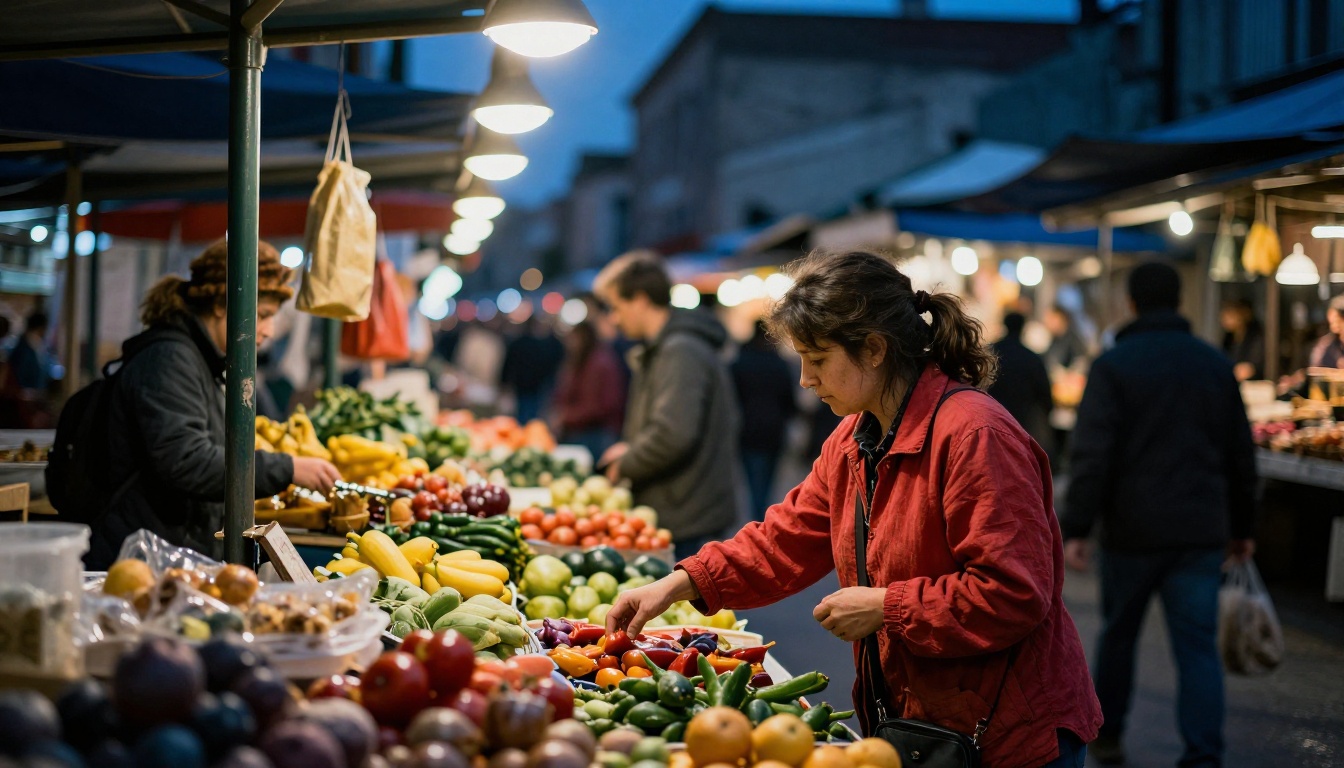
Most AI image models promise photorealism. What they actually deliver is something technically impressive but visually unconvincing on close inspection: faces that feel slightly wrong, skin that reads as smooth plastic, hair that clumps into approximate shapes rather than individual strands. Seedream 5.5 breaks with this pattern in ways that are immediately visible, and the gap between it and most competing models is wider than any single version jump in recent memory.

The Problem Most Models Still Haven't Fixed
Two years of rapid iteration across AI image generation platforms have produced genuinely impressive results, but the same core limitations keep showing up regardless of model version or training scale.
Why Photorealism Keeps Breaking Down
The failure point is almost always the same: AI models are trained toward the statistical average of what photorealistic images look like rather than the underlying physical reality that creates them. This distinction sounds academic until you try to generate a portrait that holds up at full resolution.
A statistically averaged face has symmetry that real faces don't have, skin smoothness that real skin doesn't have, and hair uniformity that real hair doesn't have. The result is something that looks like photography from a distance but reads as obviously synthetic the moment you zoom in. Competing models, including some that were considered benchmarks as recently as a year ago, consistently fall into this trap.
Seedream 3 and Seedream 4 both pushed realism forward compared to the field at their release, but they shared this limitation. The outputs were visually impressive at standard viewing sizes and noticeably synthetic under close inspection.
The Uncanny Valley in AI Portraits
The uncanny valley doesn't require extreme wrongness to trigger discomfort. A face that's 98% correct will still register as artificial because human perception is extraordinarily sensitive to deviations in facial structure, skin quality, and eye authenticity. This is not a failure of viewer imagination. It's an evolved perceptual response that cannot be bypassed by approximation.
Most AI image models consistently land in that 98-99% zone: close enough to be impressive, not close enough to be convincing. Seedream 5.5 breaks past that threshold on human subjects consistently enough that it represents a qualitative shift in the output category, not just a quantitative improvement.

What Seedream 5.5 Actually Does Better
The improvements in Seedream 5.5 are not incremental refinements to existing capabilities. They represent a qualitative shift across multiple dimensions of visual realism that compound together to produce outputs that hold up under the close inspection that most competing models fail at.
Skin and Texture Rendering
Real skin has subsurface scattering: light doesn't simply bounce off the surface but penetrates several tissue layers and exits at a different point, creating the characteristic warmth and translucency of living skin. Earlier models approximated this with color overlays. Seedream 5.5 appears to model it spatially.
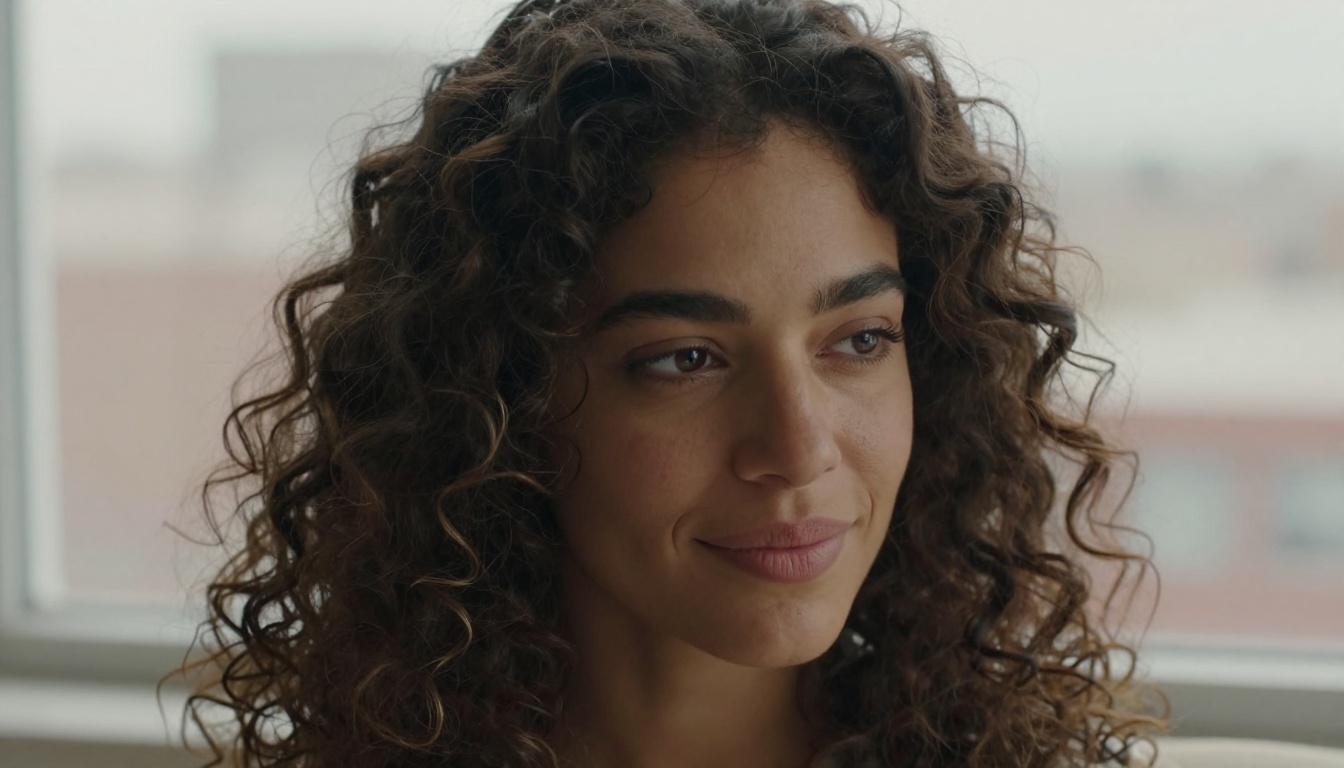
The practical result is skin that responds correctly to light direction. Under morning window light from the left, the cheek nearest the window picks up warm luminosity, the shadow side retains realistic skin color rather than going flat gray, and the subtle variation in skin thickness across the nose bridge and temple produces authentic light transmission. Pores are present without being exaggerated. Micro-texture variation between skin regions, forehead versus cheek versus under-eye, is handled with photographic accuracy.
This is the largest single improvement over Seedream 4.5 and the feature that most clearly separates 5.5 from competing models currently available on the market.
Hair Detail That Actually Resolves
Hair rendering has been a reliable quality benchmark since diffusion models became the dominant architecture. Most models render hair as an approximate shape with a general color and texture direction. Seedream 5 Lite improved on prior generations, and Seedream 5.5 pushes further into photographically accurate territory.
Individual strands are visible with authentic variation in thickness, opacity, and light behavior. Backlit hair creates real specular highlights on individual strands rather than a generic bright edge. Curly textures maintain individual curl definition rather than merging into a mass shape. Fine flyaways at the hairline appear without being explicitly prompted for. This level of hair detail is photographically accurate and represents a meaningful departure from what most competing platforms currently produce.
Lighting That Follows Physics
Most models treat lighting as a mood modifier: "golden hour" means warm orange tones added to the image. Seedream 5.5 handles lighting spatially. Shadows fall correctly based on the implied light source position, not just in the right tonal range but at the geometrically correct angle for the described scene. Interior scenes with mixed tungsten and daylight sources produce the color temperature tension that real photographers manage with gels and correction. Rim lighting creates subject separation that respects surface geometry.
The practical effect is that you can describe a specific lighting scenario and get output that matches the physics of that scenario rather than a generic approximation of its mood.

How the Numbers Stack Up
Comparing models systematically requires consistent testing conditions. Here's how Seedream 5.5 positions relative to the broader Seedream family across several content categories:
| Model | Portrait Realism | Landscape Depth | Prompt Accuracy | Hair Detail |
|---|
| Seedream 5.5 | Exceptional | Very High | High | Exceptional |
| Seedream 5 Pro | Very High | High | High | High |
| Seedream 5 Lite | High | Medium-High | Medium-High | Medium-High |
| Seedream 4.5 | Good | Good | Medium | Good |
| Seedream 4 | Good | Good | Medium | Medium |
💡 For the most accurate comparison between models, test with identical prompts and fixed seed values. Prompt phrasing alone can create apparent quality differences that obscure the model's actual capability level.
The jump from 4.5 to 5 Pro is meaningful across all categories. The jump from 5 Pro to 5.5 is most visible in portrait work and complex multi-element scenes where prompt adherence and physical realism compound together into the final output.

The Architecture Behind the Results
Seedream 5.5's improvements reflect decisions made at the training data and architecture level, not just prompt-engineering refinements applied to an existing model base.
Training Data Curation Over Raw Volume
The lesson AI labs absorbed after the first generation of diffusion models was that raw dataset size matters less than curation quality. A model trained on billions of mediocre, heavily post-processed, or artificially generated images produces mediocre outputs at scale. Seedream 5.5 reflects a training approach that weighted authentic photographic material heavily, prioritizing professionally shot high-resolution images with accurate lighting and minimal post-processing.
The difference shows most clearly in scenarios requiring the model to infer detail that isn't explicitly stated in the prompt. The correct roughness of a weathered concrete wall, the way summer linen drapes under its own weight, the color temperature shift between shade and direct sunlight in the same frame: these are not things you can prompt for directly. They emerge from a training dataset with enough authentic examples that the model has internalized the underlying physical reality rather than just the visual statistics.
Refined Noise Scheduling for Micro-Detail
At the architecture level, Seedream 5.5 implements refined noise scheduling in the final denoising steps. Noise scheduling in diffusion models controls how the denoising process allocates resolution across the image during generation. Earlier approaches optimized for macro-coherence at the cost of micro-detail, producing images that looked correct at normal viewing distances but degraded under close inspection.
The 5.5 approach allocates more denoising resolution to high-frequency detail in the final steps. This is what produces the visible pores, individual hair strands, and authentic fabric weave that characterize the model's output at full resolution, and it is the architectural choice that most directly explains the qualitative difference from predecessor versions.

How to Use Seedream 5.5 on PicassoIA
PicassoIA gives you direct access to Seedream 5 Pro, the 5.x generation model, without API configuration or local hardware requirements.
Step 1: Access the Model
Navigate to Seedream 5 Pro from your PicassoIA dashboard or the text-to-image collection page.
Step 2: Write a Physics-Informed Prompt
Seedream 5.5 rewards specificity about physical conditions rather than mood descriptors. Instead of "warm portrait," write: "a woman with natural dark curly hair, seated near a window, overcast diffused light from the left, 85mm portrait lens at f/1.4, photorealistic skin texture, Kodak Portra 400 color grading."
Elements that produce consistently strong results:
- Light source and direction: "morning light from the left casting soft rim glow across the shoulder"
- Camera specifications: "24mm wide-angle, f/8 deep focus across the full scene"
- Material details: "worn linen shirt with natural wrinkle patterns from wear"
- Environmental specifics: "cobblestone street, damp from earlier rain, shallow water reflections"
Step 3: Choose Your Aspect Ratio
- 2:3 or 4:5 for portrait and editorial work
- 16:9 for cinematic landscapes and wide environmental scenes
- 1:1 for product photography and social media applications
Step 4: Iterate on Specificity
If a result is close but not quite right, isolate the specific element that's off and add more physical precision to the prompt description. Seedream 5.5's high prompt adherence means targeted refinements produce targeted improvements rather than requiring a full prompt rewrite.
💡 For maximum skin realism, include the lighting direction explicitly. "Volumetric morning light from the left, soft diffused fill from the right" gives the model spatial physics constraints that produce accurate skin rendering rather than generically flattering light.
Which Creative Workflows Benefit Most
Not every project benefits equally from what Seedream 5.5 does well. The improvements are most commercially relevant in specific categories.
Portrait and Editorial Photography
Portrait work is where 5.5 creates the largest practical gap versus competitors. For lookbooks, campaign reference images, editorial portraits, or stock photography alternatives, the skin realism and lighting accuracy produce results that hold up under the inspection that commercial applications require. Faces generated at full resolution remain convincing at 100% zoom, which is not consistently true of most competing models currently available.
The portrait output quality from Seedream 5.5 is the clearest argument for upgrading from any prior version. If your primary use case is generating human subjects with photographic credibility, this is where the version difference is most immediately visible and most commercially meaningful.
Product Lifestyle Photography
Generating lifestyle context for products requires correctly rendering both the product and its environment with equal precision. A leather bag on a rain-damp café table needs the bag's leather grain to read correctly, the table surface to show authentic reflections, and the ambient lighting to be consistent with the implied weather and time of day. Seedream 5.5 handles the product-environment relationship with authenticity that competing models often miss: correct relative scaling, plausible shadow casting, and surface reflections that make physical sense given the implied light source.
Landscape and Nature Content
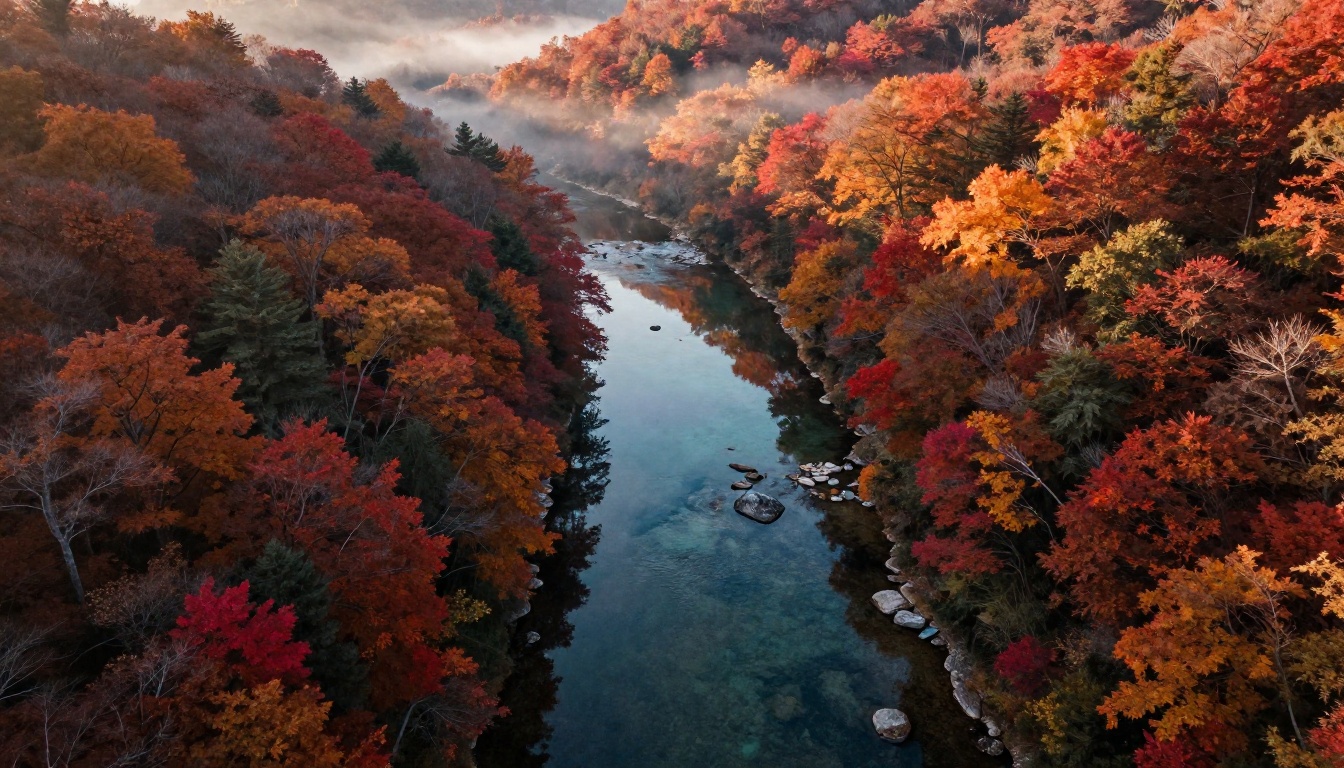
The model's landscape capability is notably strong. Water reflections resolve correctly rather than approximating a mirrored surface. Atmospheric depth with natural haze creates genuine spatial recession. Individual foliage detail follows the depth-of-field logic a real camera would produce: sharp individual leaves in the foreground, readable canopy texture in the midground, soft atmospheric blur in the far background.
Content Creation at Scale
For creators producing images regularly, prompt efficiency matters as much as peak quality. Seedream 5.5's high prompt adherence means first or second outputs are more frequently usable without additional iterations. When you're producing dozens of images per week, the reduction in generation volume needed to find a usable result compounds into a meaningful production advantage. Fewer retries per asset directly translates to lower credit consumption and faster output timelines.
Pairing With Background Removal
One workflow that pairs naturally with Seedream 5.5's photorealistic outputs is background removal. Because the model generates subjects with clean edges and authentic depth separation, automated removal tools work significantly better on 5.5 outputs than on flatter, more synthetic-looking images from other models.
On PicassoIA, you can generate a portrait or product image with Seedream 5 Pro and then pass it directly to the remove-backgrounds collection for clean subject isolation. The photorealistic edge detail in 5.5 outputs, including individual hair strands, authentic fabric edges, and soft skin-background transitions, allows background removal algorithms to make accurate cuts that would fail on lower-quality source material. This makes Seedream 5.5 outputs particularly valuable as the first step in a multi-stage production workflow.
Choosing Between Seedream Versions
If you've been using Seedream 3 or Seedream 4 in active workflows, the version choice matters for specific content types:
| Content Type | Seedream 3 / 4 | Seedream 4.5 | Seedream 5.5 |
|---|
| Human portraits | Good | Good | Exceptional |
| Landscapes | Good | Good | Very High |
| Architecture | Good | Very Good | Very High |
| Animals | Medium | Medium-High | High |
| Product photography | Medium | Medium-High | High |
| Stylized or abstract | High | High | High |
For pure stylization or abstract content where photorealism isn't the primary goal, the version difference narrows considerably. For anything involving human subjects, accurate lighting, or physically plausible environments, 5.5 is the right choice for production-quality output. The per-generation cost difference between versions is far outweighed by the reduction in iterations needed to reach a usable result.
Start Generating With Seedream 5.5
The real-world difference between reading about model improvements and experiencing them with your own prompts is substantial. Seedream 5.5's advantages in skin realism, hair detail, and lighting accuracy become most apparent when you bring your specific use cases to the model: the portraits you actually need to produce, the environments your projects actually call for, the lighting conditions your work actually requires.
PicassoIA puts Seedream 5 Pro alongside the full Seedream model family so you can compare outputs across versions directly and find what works best for your workflow. Whether you're producing portraits for commercial use, landscapes requiring atmospheric depth, or product imagery demanding physical accuracy, the 5.5 generation consistently delivers results that competing models currently cannot match at the same prompt complexity.
Start your first generation at picassoia.com/en/collection/text-to-image/seedream-5-pro and test it against your current model on the same prompt. The difference in skin texture, hair detail, and lighting accuracy is visible on the first output.