The adult content creation industry is in the middle of a shift that most people outside of it haven't noticed yet. Creators who spent years wrestling with expensive software, slow rendering pipelines, and the constant dependency on human collaborators are walking away from all of it. Not because they gave up, but because AI art tools made those headaches completely unnecessary. The economics, the speed, and the quality have all crossed a threshold that makes the old workflow look like a handicap.
The Old Way Wasn't Working
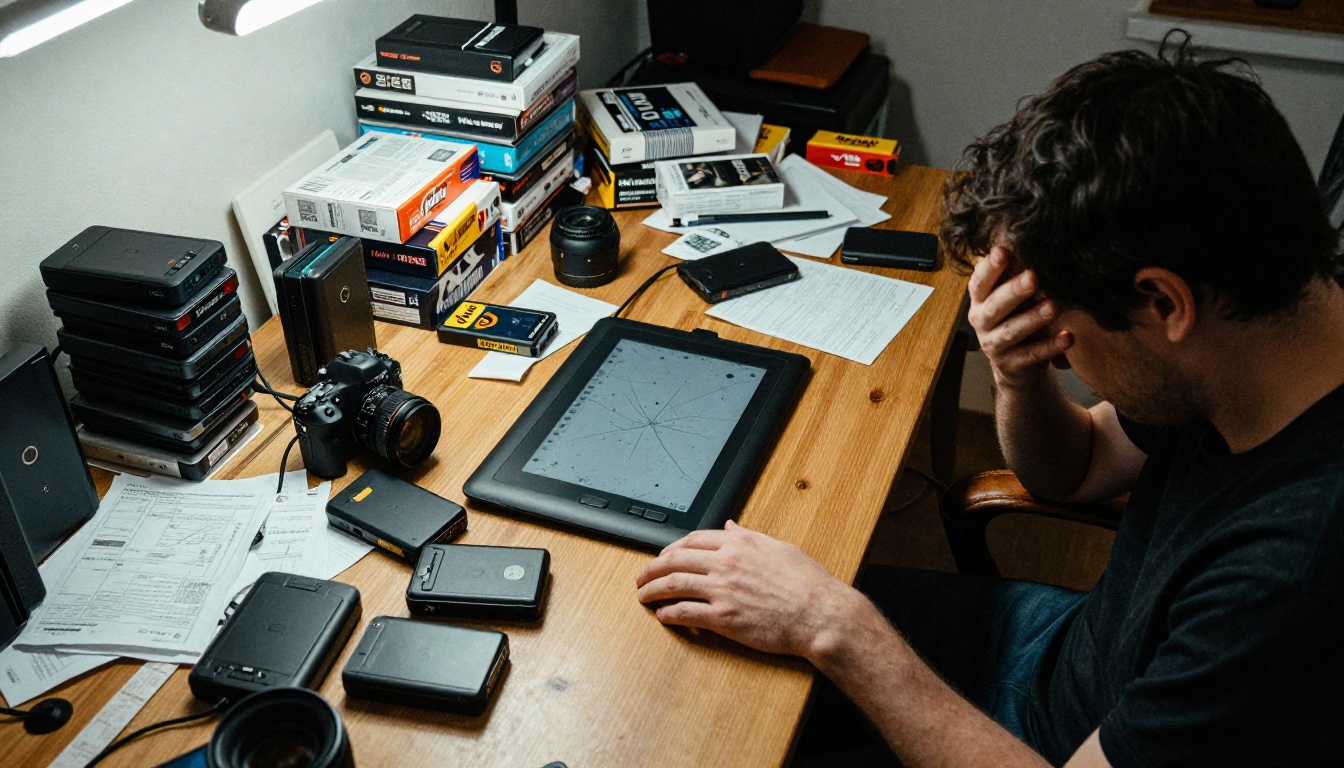
Anyone who has been in the adult content space for more than a few years knows the operational reality: producing high-quality visual content is expensive, slow, and dependent on a lot of people saying yes at the right moment.
What Traditional Tools Actually Cost
Let's put real numbers on this. A professional Photoshop subscription runs over $20 per month. Licenses for 3D modeling software and add-ons can cost hundreds more per year. Stock photo libraries charge per download or through monthly access fees that stack up quickly. Then there's the time cost of learning these tools to the level where output looks genuinely professional, which often takes months of practice before a creator produces anything worth selling.
For solo operators, the financial math gets brutal before a single sale is made. You're absorbing recurring costs on software, storage, and assets while simultaneously investing dozens of hours per week in production. The margin on early content is often negative.
Collaborators made things worse in a different way. Photographers, models, retouchers, and studio rentals all involve scheduling, negotiation, and cost that varies unpredictably. A session that should produce 20 usable images sometimes delivers four. Weather cancels outdoor shoots. Models cancel. Studio equipment fails. Every external dependency introduced a new failure point into the production chain.
The Time Problem Nobody Talks About Openly
Beyond the money, there's the production bottleneck that most creators don't discuss publicly because it would mean admitting their output capacity is far lower than it appears. A single polished image in a traditional retouching workflow takes anywhere from 30 minutes to several hours, depending on the level of detail involved.
Scale that against a realistic content calendar of 20 to 30 pieces per week and you're looking at a full-time job just to maintain posting frequency. Most creators don't have teams. They're running every part of the operation alone, which means every hour spent in Photoshop is an hour not spent on audience building, platform management, subscriber communication, or creating content in other formats.
The hidden cost of traditional production is opportunity cost. While one creator was spending four hours retouching a single image set, a competitor using AI tools was producing an entire week's content in the same time window.
What Changed with AI Art
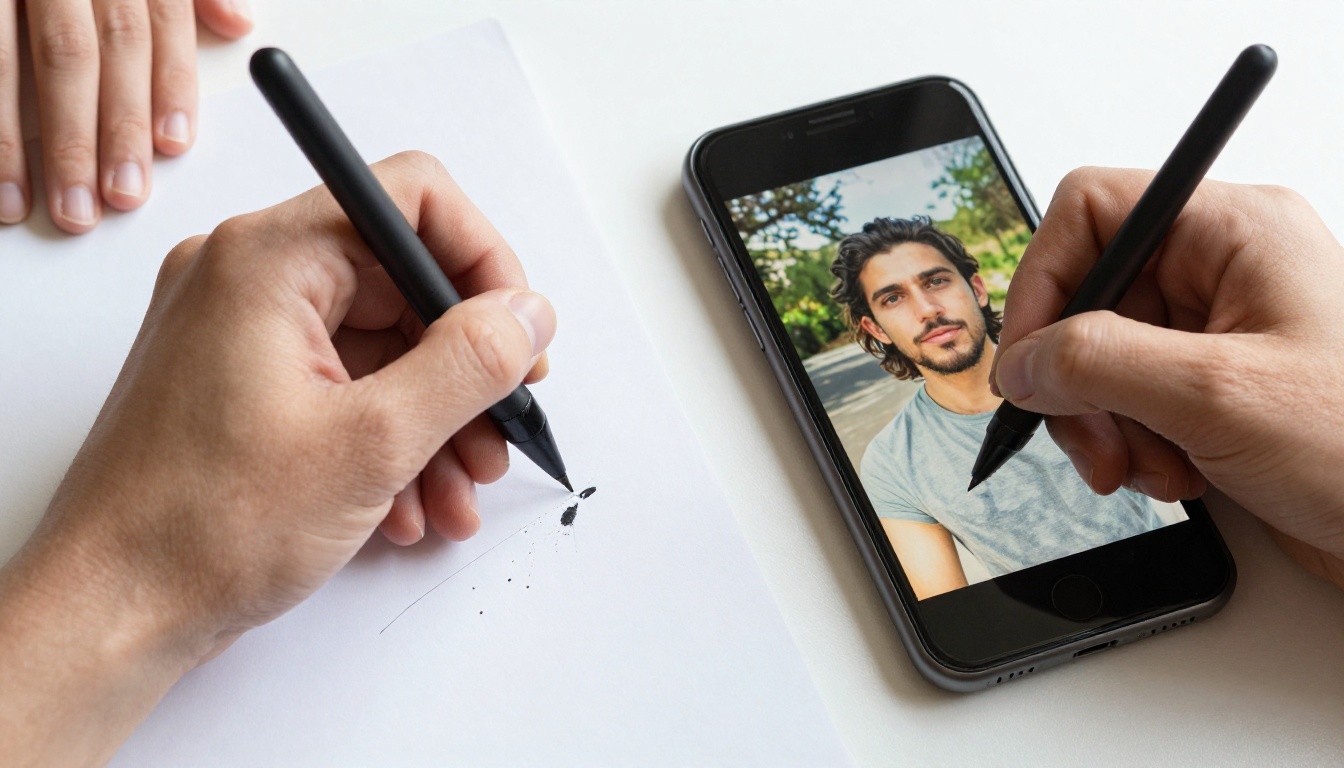
AI image generation didn't just make content creation faster. It rewired what's possible for a solo creator operating on a realistic budget, without a team, without a studio, and without years of technical training.
Speed That Redefines Output Volume
The core advantage isn't subtle. A prompt-to-image cycle on a modern AI model takes between 10 and 45 seconds. A complete image, ready for review, in under a minute. For a creator who previously spent three hours on a single polished shot, this represents a 20x to 50x increase in generation speed.
That speed compounds across an entire content strategy. Instead of planning one image at a time over multiple days, creators can generate 10 variations of a scene in a single session, pick the best results, refine those with follow-up prompts, and have a complete content set done before lunch. The iteration cycle, which used to mean waiting days between revisions, now takes seconds.
💡 Real-world production pace: Experienced AI creators report producing 40 to 80 finished images per day on platforms with unlimited generation. Traditional retouching workflows rarely exceeded 5 to 10 finished pieces per day at equivalent quality levels.
Quality Without the Skill Ceiling
This is where traditional creators expected AI tools to fall short, and it's precisely where the technology surprised almost everyone who tried it seriously. Modern photorealistic models produce outputs that hold up under close inspection. Skin texture, directional lighting, environmental depth, fabric behavior, and anatomical coherence have all reached a level where, in many conditions, AI-generated content rivals professional photography.
You don't need to know how to operate Lightroom curves, understand frequency separation retouching, or be proficient in 3D lighting rigs to get a polished result. The model handles the visual intelligence. Your job is to describe what you want clearly and specifically. That skill, prompt writing, is learnable in weeks rather than the years that traditional technical skills require.
The creative ceiling has also changed. With traditional tools, you were limited by what you could produce given your skill level, your budget, and the physical reality of what you could set up or photograph. AI tools have no such ceiling. You can describe a scene that would cost $50,000 to physically produce and receive a photorealistic image of it in under a minute.
The Models Adult Creators Actually Rely On
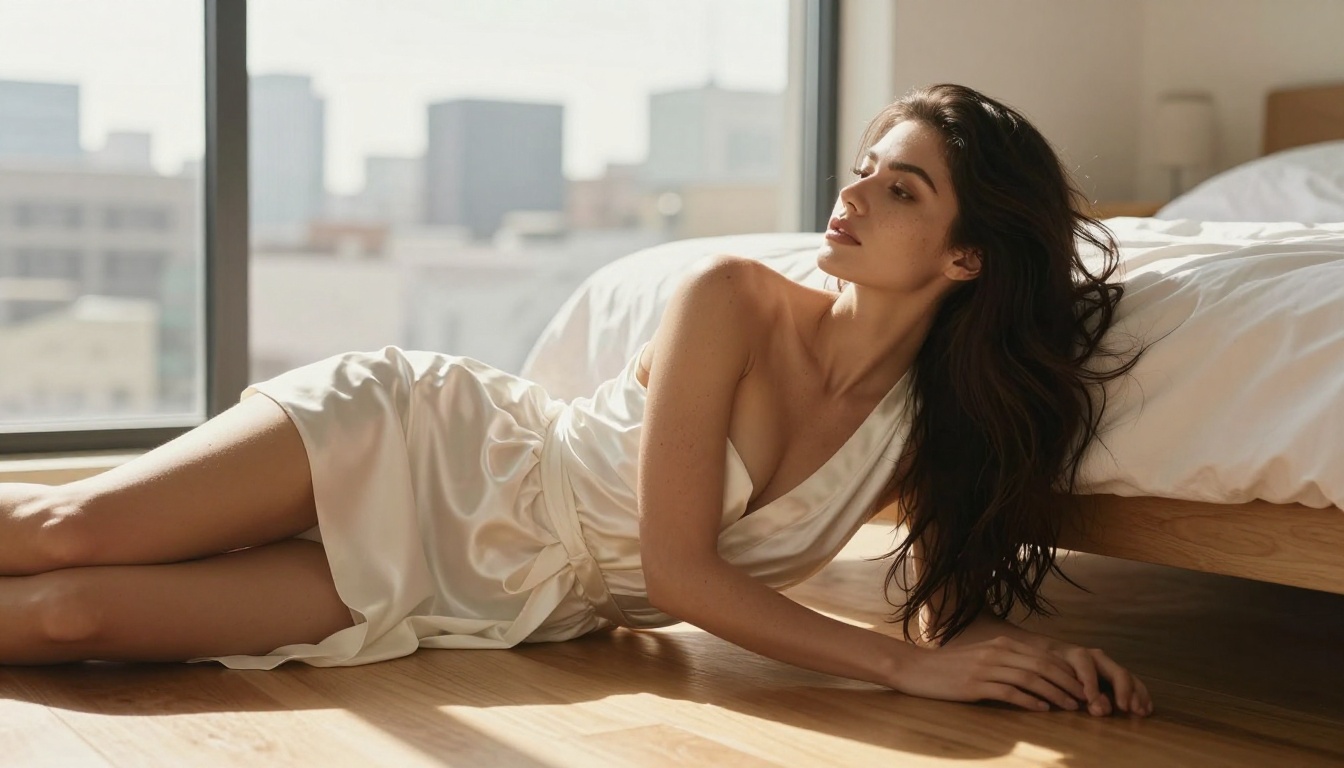
Not all AI image models perform equally for adult content production. The differences in skin rendering, lighting coherence, anatomical accuracy, and NSFW permissiveness are significant. Choosing the wrong model means either lower quality output or constant friction from content restrictions. Here's what serious creators are actually using.
Seedream 4.5 for Photorealistic Uncensored Output
Seedream 4.5 is the starting point for adult creators who need photorealistic, uncensored output without constant interference from content filters. The model handles skin tones accurately across diverse ethnic backgrounds, renders fabric and translucent materials believably, and manages complex lighting scenarios including backlit subjects, candlelit interiors, and golden hour outdoor settings without the artifacts that plague lower-tier models.
Where Seedream 4.5 particularly excels is in natural pose generation. Body proportions, hand positioning, and limb placement read as anatomically believable because the model's training emphasized physical coherence. For adult content where realism is the standard, this model consistently delivers.
💡 Critical note on Seedream versions: Do not use Seedream 5 Lite for adult content. That version enforces content restrictions that actively block or sanitize prompts containing adult themes, even modest ones. Seedream 4.5 is the correct choice for uncensored photorealistic generation.
PicassoIA Image Editor Pro for Unlimited Production
PicassoIA Image Editor Pro occupies a different role in the stack. Where Seedream 4.5 excels at raw generation quality, PicassoIA Image Editor Pro's primary advantage is its unlimited generation model. No per-credit system, no anxiety about running out mid-session, no throttling at peak hours.
This matters more than it sounds. When you're iterating through 20 prompt variations to nail a specific scene or lighting setup, credit-based platforms become a psychological constraint. You second-guess every generation, hesitate before refining, and end up settling for results that are close but not quite right. With unlimited access, you generate without hesitation, refine freely, and consistently produce better final outputs.
PicassoIA Image Editor Pro also includes integrated inpainting and outpainting capabilities. Inpainting lets creators fix specific areas of an image, a hand, a background element, a lighting inconsistency, without regenerating the entire piece. Outpainting expands the canvas in any direction, recomposing shots to work across different aspect ratios. These editing tools reduce revision time dramatically and keep the entire workflow inside one platform.
Flux Models for Versatile Scene Building
The Flux model family has built a reputation for handling a wide variety of prompt styles with consistent quality across different scene types. Creators who produce content across multiple aesthetics, from outdoor lifestyle to interior editorial to candid casual, favor Flux because it adapts without losing visual coherence or quality.
Flux Pro specifically excels at complex compositions with multiple subjects, detailed environmental backgrounds, and specific compositional requests. For creators who structure their prompts the way a photographer briefs a shot list, with specific lens choices, lighting setups, and compositional requirements, Flux Pro follows those details with notable precision.
Realistic Vision for Natural Skin Rendering
Realistic Vision v5.1 holds a loyal following specifically because of how it handles human skin at close range. Where many models flatten out complexion detail or over-smooth texture to the point of looking artificial, Realistic Vision retains the subtle imperfections that make a portrait feel genuinely human: visible pores, fine surface texture variation, natural color differences across different body areas, and the way skin catches and diffuses light differently depending on thickness and angle.
For content where close-up detail is the primary visual focus, this model produces outputs that don't immediately read as AI-generated.
The Economics Are Impossible to Ignore

The financial argument for switching lays out cleanly when you compare workflows side by side:
| Category | Traditional Workflow | AI Workflow |
|---|
| Monthly software cost | $50 to $200+ | $15 to $50 |
| Time per finished image | 1 to 4 hours | Under 2 minutes |
| Finished images per day | 3 to 10 | 40 to 100+ |
| Technical skill requirement | High | Low to moderate |
| Human collaborators needed | Frequently | Never |
| Content variety capacity | Limited by time | Near unlimited |
| Iteration speed on revisions | Hours per revision | Seconds per revision |
| Platform dependency | Multiple tools required | Single integrated platform |
The subscription cost difference alone recovers itself within days. The real return is in output volume. A creator generating 50 polished images per day can feed multiple platforms simultaneously, maintain aggressive posting schedules, and build a content library that generates passive income long after the creation session is over.
For creators who sell content through subscription platforms, this volume advantage translates directly to subscriber retention. Consistency is one of the strongest drivers of subscriber churn in either direction. Regular, frequent content keeps subscribers active. AI tools make that consistency achievable without burning out.
Building a Real Workflow
Switching to AI tools doesn't mean running a few prompts and immediately achieving professional results. The creators who build real income from AI-generated content treat it as a production discipline with repeatable systems.
Writing Prompts That Actually Deliver
Prompt quality is the skill that separates average output from exceptional output. The learning curve is real, but it's measured in weeks of daily practice, not months. Effective prompts for photorealistic adult content consistently follow a structured approach:
- Subject: Physical characteristics, pose details, expression, clothing or styling choices
- Environment: Specific setting, time of day, architectural or natural environmental elements
- Lighting: Direction (front, side, backlit), quality (soft and diffused, hard and directional), color temperature (warm tungsten, cool daylight, mixed)
- Camera language: Focal length, aperture equivalent, shot distance from subject (close-up, mid-shot, wide environmental)
- Quality markers: "8K", "photorealistic", "film grain", "Kodak Portra 400", "RAW photography style"
Specificity reduces randomness. Creators who develop and maintain prompt templates for their recurring scene types can reproduce consistent visual aesthetics across entire content collections without starting from scratch each time.
Editing and Refining Outputs
AI generation is the beginning of a workflow, not the final step. Most professional creators run at least one round of selective editing on outputs before publishing. Common refinements include:
- Correcting minor anatomical irregularities in extremities or background elements
- Adjusting specific scene elements that diverged from the intended concept
- Expanding the canvas with outpainting to recompose images for different platform aspect ratios
- Applying consistent color grading to standardize the visual tone across a content collection
PicassoIA Image Editor Pro handles all of these refinements within the same platform. No exporting, no switching tools, no file conversion overhead. The integrated workflow keeps production moving without friction.
Scaling Without Burning Out
The operational advantage of AI tools is that they don't have bad days. You can run 150 generations on a Friday afternoon and receive the same output quality as a Monday morning. Traditional photo or art production degrades when the creator is fatigued, distracted, or dealing with technical issues. AI generation is consistent by design.
The batching strategy is how successful AI creators scale: generate in concentrated sessions, curate the best results from each session, schedule posts across platforms in advance. A single three-hour generation session can produce enough content to maintain daily posting for two weeks across multiple platforms. That's a fundamental shift in how creative labor relates to output.
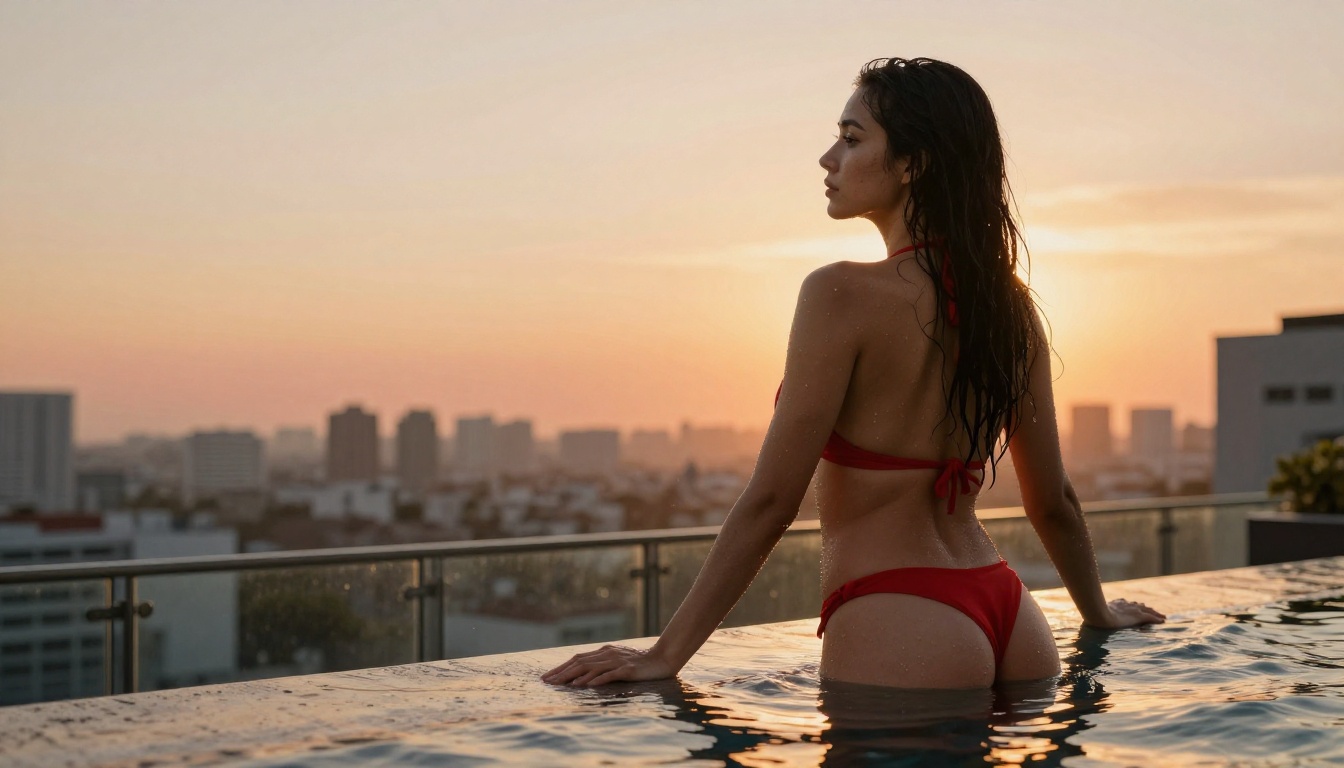
Not every AI image platform permits adult content. Most mainstream tools enforce strict content policies that make them effectively unusable for creators working in this space. Choosing a platform that supports adult content is the first decision every creator has to make, and it determines everything downstream.
Why Uncensored Access Actually Changes Production
The censorship problem isn't only about explicit content. Platforms with aggressive content filtering often block entirely reasonable creative requests because of surface-level keyword detection rather than actual content evaluation. A creator requesting "a woman in a bikini at the beach" shouldn't encounter refusals, but on restricted platforms, those requests frequently trigger false positives.
Platforms built for adult creators remove that friction. Prompts are evaluated on actual content and context, not on keyword matching alone. This lets creators work at full speed without constantly rephrasing legitimate requests to sidestep overzealous moderation.
💡 What "uncensored" actually means in practice: Responsible adult AI platforms don't mean anything goes. They mean that suggestive, glamour, and adult content is permitted for verified adult users, while illegal content categories remain fully blocked. The distinction is between adult artistic content and content that causes actual harm. Platforms that draw this line correctly let creators work freely within appropriate boundaries.
What to Actually Evaluate in a Platform
When selecting an AI art platform as an adult creator, these criteria matter more than most feature lists suggest:
- Generation limits: Unlimited vs. credit-based systems. Volume creators should always prioritize unlimited access.
- Model selection: Access to multiple generation models lets you match model strength to specific content types. A single-model platform limits your range.
- Content permissiveness: Whether the platform genuinely supports adult content or only tolerates it at the margins matters over months of production.
- Generation speed: Faster output means more iterations per session, which directly improves final output quality.
- Resolution and upscaling: Minimum 1080p for publishable content. 4K and 8K upscaling availability matters for close-up detail work and print applications.
What Creators Say About the Switch
The pattern across creator communities is consistent. Once someone switches to an AI workflow and spends a few weeks learning the craft of structured prompting, they do not return to traditional tools.
💡 "I used to spend over $350 a month on software subscriptions alone, and still couldn't produce more than 12 polished images per week. Now I produce that before noon on Monday, with better quality."
💡 "The prompt writing curve was about two weeks of daily practice. After that, my output looked indistinguishable from what I was producing with professional retouching. My audience couldn't tell the difference, and my posting schedule went from three times a week to daily."
💡 "I tested five AI platforms before finding one with both unlimited generation and real NSFW support. Once I found it, I stopped losing sleep over content calendars. The production problem was solved."
💡 "The thing nobody tells you is that AI tools don't just speed you up. They change your creative process. You start thinking in terms of variations and iterations rather than single shots. You get bolder because the cost of trying something new is zero."
The common thread across all of these accounts is that the switch didn't compromise anything. Output quality is equal or better. Production volume is dramatically higher. Creative freedom is wider. The only thing that was lost was the overhead.
Stop Waiting, Start Creating on PicassoIA
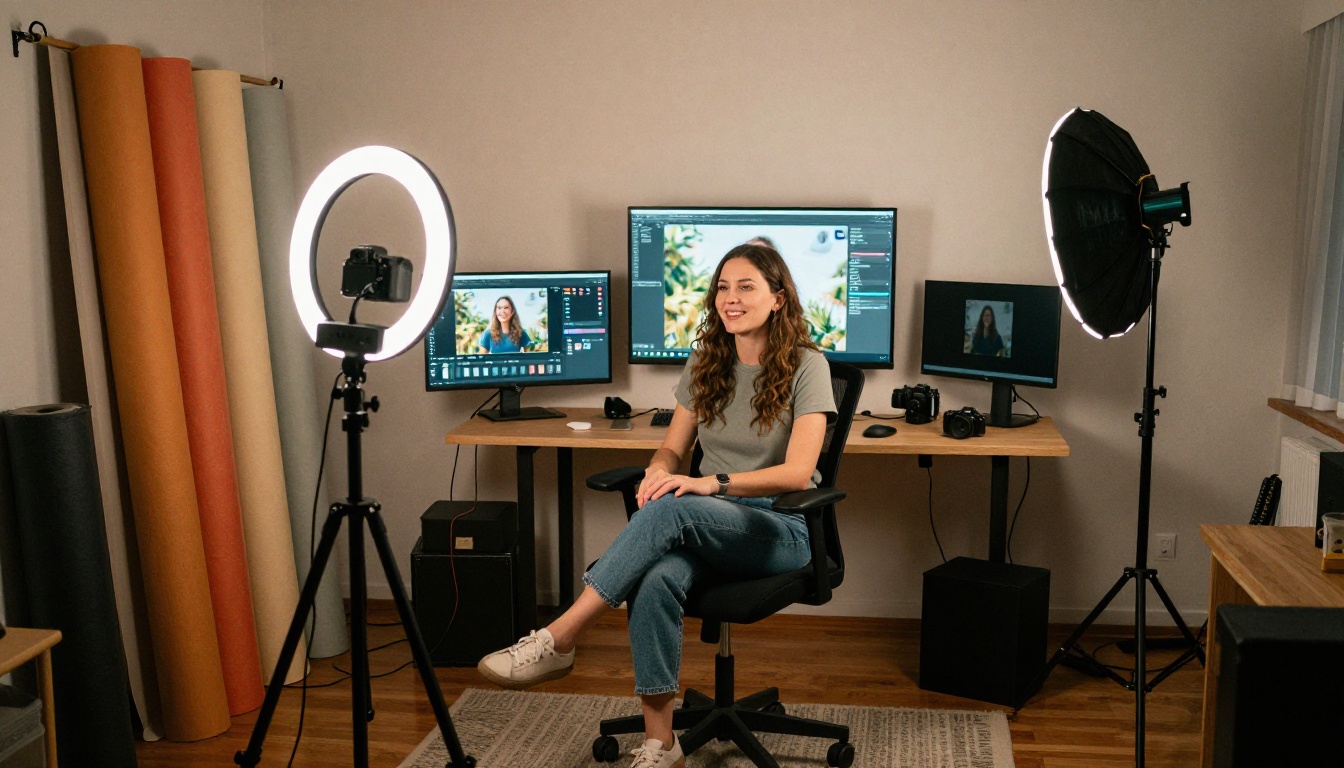
The move from traditional tools to AI art is not a compromise. For adult creators specifically, it's an upgrade on every metric that matters: speed, cost efficiency, output volume, creative range, and freedom from moderation friction.
Start with Seedream 4.5 for your first serious photorealistic outputs. It delivers the skin rendering quality and uncensored access that adult content production requires. Spend the first few sessions building and testing prompt templates for your recurring scene types. Refine what works, discard what doesn't, and build a prompt library that becomes a permanent production asset.
From there, move into PicassoIA Image Editor Pro for unlimited generation and integrated editing in a single platform. Use the inpainting and outpainting tools to refine outputs rather than regenerate entire images. Build the batch workflow: generate in focused sessions, curate efficiently, schedule strategically.
When specific creative projects call for different visual styles, Flux Pro handles complex multi-element compositions and Realistic Vision v5.1 delivers close-up skin detail that reads as genuinely photographic.
The complete library of over 91 text-to-image models, alongside video tools, audio generation, and integrated editing capabilities, is available at picassoia.com/en/all-models. The platform is built for creators who take their output seriously and want tools that match that seriousness.
Your content calendar doesn't have to be a constraint. Your budget doesn't have to be a ceiling. The production bottleneck is a problem that's already been solved. The only remaining variable is how quickly you start building on top of that solution.


