ai imagesviral contentsocial mediaimage generation
Why AI Generated Images Keep Going Viral - The Psychology Behind Shareable Content
This analysis examines the hidden mechanics behind viral AI image distribution. We explore seven psychological drivers that transform synthetic visuals into social currency, from novelty perception to emotional contagion. Understanding these patterns reveals why certain AI-generated aesthetics consistently outperform traditional photography in engagement metrics, reshaping content creation strategies for digital platforms.
The moment you open Instagram or TikTok, you see them—those impossibly perfect, hyper-realistic images that didn't exist yesterday. A photorealistic cat wearing a spacesuit. A medieval knight scrolling through a smartphone. A cityscape that blends Tokyo with ancient Rome. These AI-generated images spread across social platforms with astonishing speed, accumulating thousands of shares within hours. Why does synthetic imagery often outperform human photography in engagement metrics? The answer lies at the intersection of psychology, technology, and social dynamics.
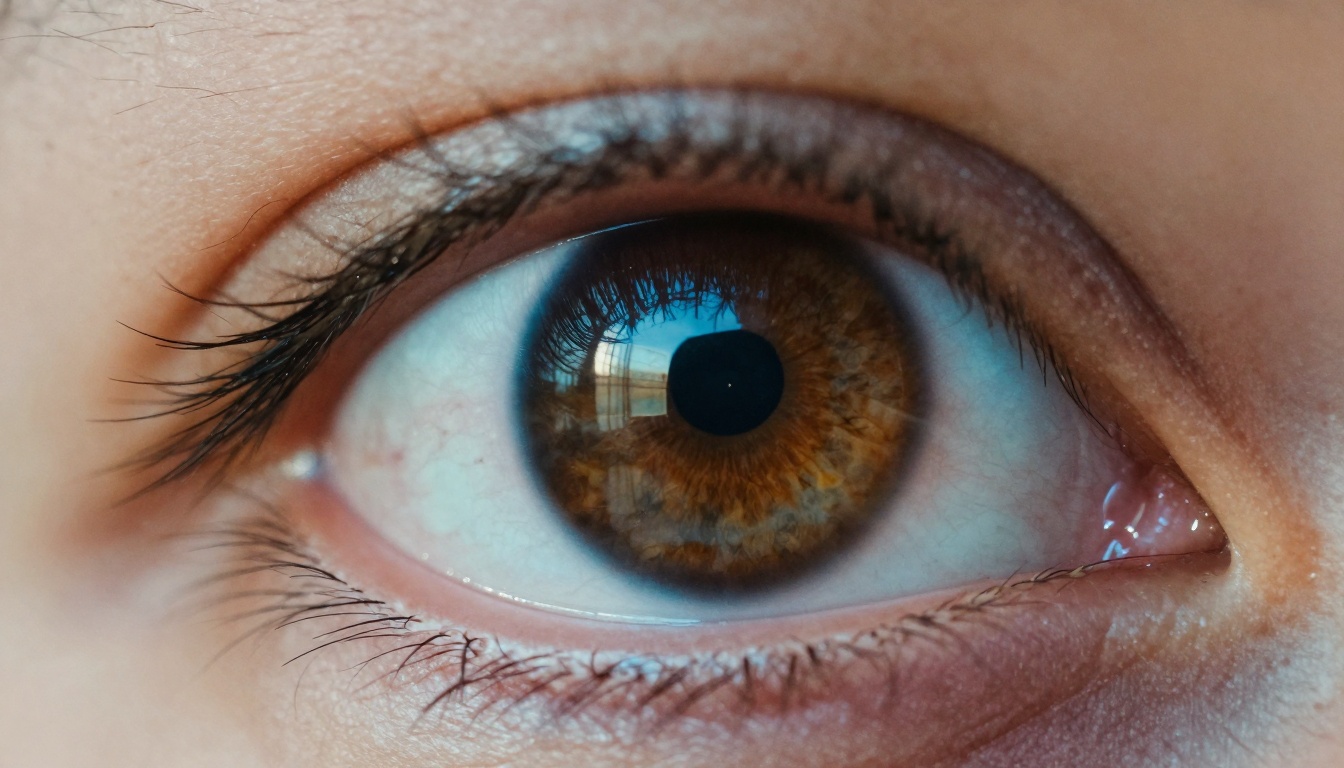
Figure 1: Human eye reflection showing smartphone with viral AI image—visual metaphor for psychological engagement
The Viral Equation - What Makes Content Spread
Viral content follows predictable patterns, but AI-generated images introduce new variables to the equation. Traditional virality relied on emotional resonance, social currency, and practical value. AI imagery adds algorithmic optimization, novelty saturation, and technical sophistication to the mix.
💡 Key Insight: AI images don't just happen to go viral—they're engineered for spreadability from the prompt stage. The most successful creators understand that shareability begins with the first text description entered into models like Flux or SDXL.
Novelty Bias in Algorithmic Feeds
Social media algorithms prioritize novelty—content that breaks expected patterns. AI-generated images inherently possess this quality because they can visualize concepts impossible in reality. When you see a "hyper-realistic avocado sculpted from marble" or "underwater library with bioluminescent books," your brain registers novelty before processing content quality.
Platform responses to AI novelty:
Platform
Novelty Detection Pattern
AI Content Advantage
Instagram
Visual pattern recognition
Breaks established aesthetic templates
TikTok
Engagement velocity tracking
Faster initial engagement spikes
Twitter/X
Conversation thread analysis
Sparks technical discussion threads
Pinterest
Visual similarity clustering
Creates entirely new pin categories
The novelty decay curve for AI images is steeper than human content. What shocks today becomes expected tomorrow, forcing continuous innovation in prompt engineering.
Emotional Resonance Without Human Constraints
Human photographers work within physical limitations—lighting conditions, model availability, location access. AI models like Imagen-4 or Ideogram v3 remove these constraints, allowing pure emotional targeting.
Emotional triggers amplified by AI:
Awe - Scale and grandeur impossible in reality
Nostalgia - Perfect recreations of remembered aesthetics
Beauty - Idealized forms without human imperfections
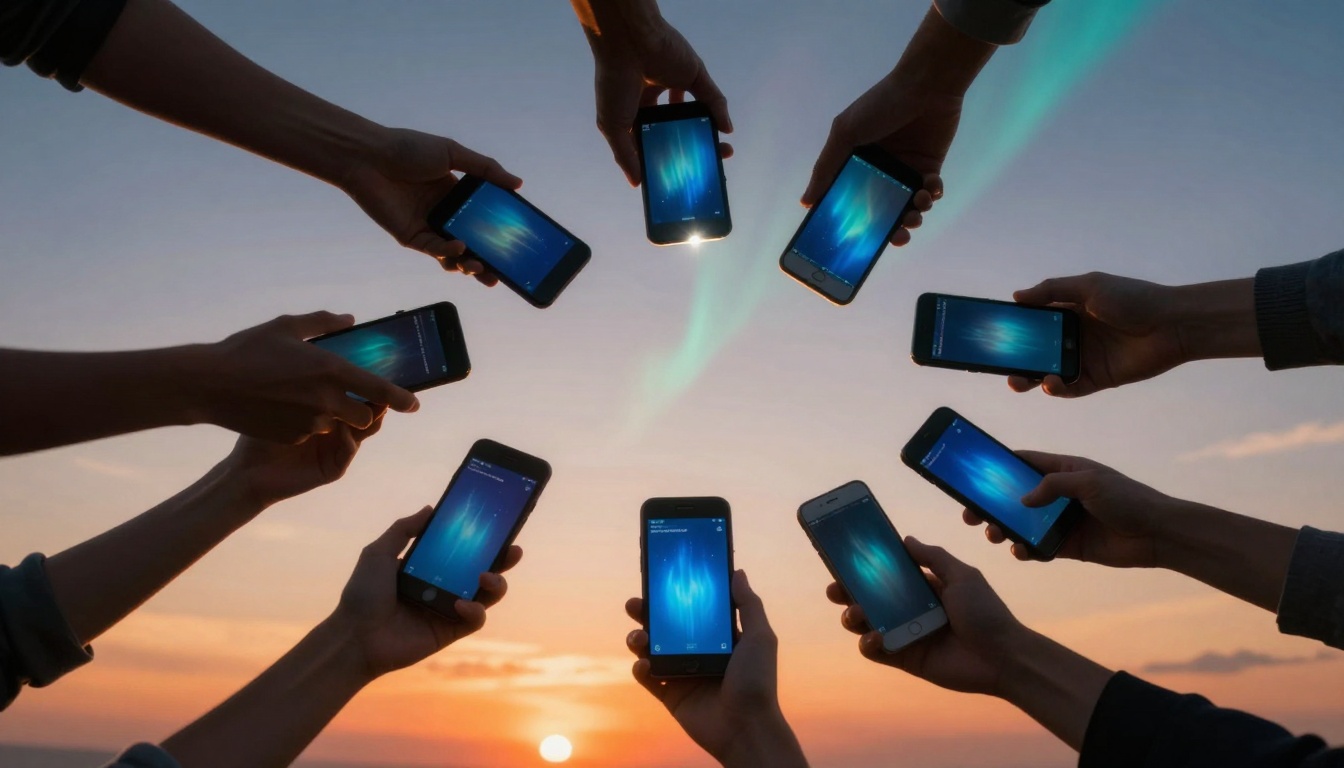
Figure 2: Community formation around AI content—hands sharing devices in circular formation
Visual Psychology of Synthetic Imagery
The human visual system processes AI-generated images differently than photographs. Our brains have evolved to interpret natural scenes, but synthetic imagery triggers both pattern recognition and anomaly detection simultaneously.
Color Theory Optimized for Screen Engagement
AI models trained on social media data learn which color combinations perform best. Analysis of viral AI images reveals consistent patterns:
High-performing color palettes:
Electric blue + warm orange - Creates visual tension that holds attention
Monochrome + single accent - Focuses attention on key elements
Pastel gradients - Soft transitions that scroll smoothly on mobile
High saturation clusters - Pops against feed backgrounds
Models like Photon Flash and WAN-2.2-image have color optimization built into their training, producing images that maximize screen engagement across different device types.
Composition Patterns That Trigger Sharing
Successful AI images follow composition rules optimized for social platforms:
Mobile-first composition:
Center-weighted - Main subject occupies central 60% of frame
Negative space placement - Room for text overlays and UI elements
Vertical orientation bias - Optimized for smartphone scrolling
Detail clustering - Important elements grouped for small-screen viewing
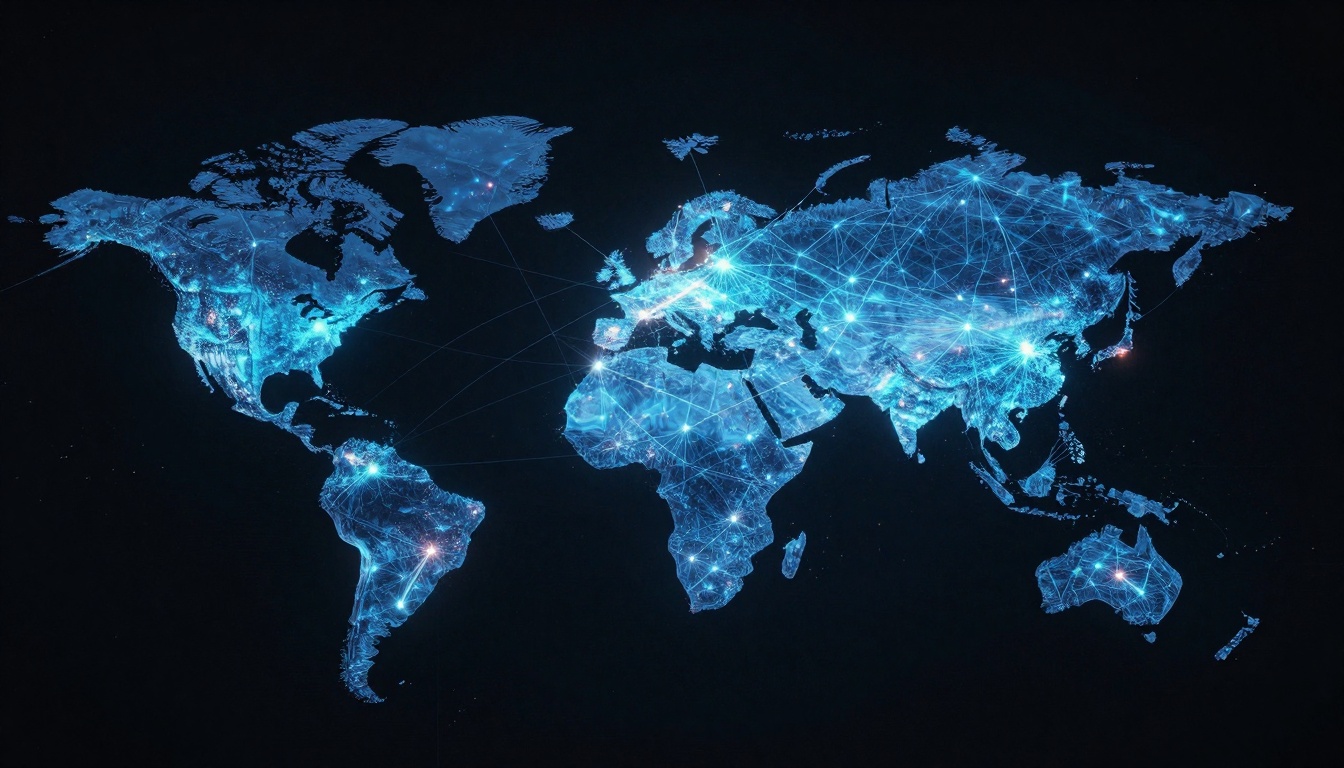
Figure 3: Data visualization of viral spread patterns—glowing connections between global cities
Social Dynamics of AI Content Sharing
Sharing AI-generated images serves multiple social functions beyond simple entertainment. The act becomes status signaling, community formation, and technical demonstration.
Status Signaling Through Technical Sophistication
When someone shares an AI image, they're communicating: "I understand this technology." The image becomes social proof of technical literacy in an increasingly AI-driven world.
Status metrics in AI image sharing:
Model recognition - Sharing images from cutting-edge models like Flux-2-Max signals being at the technological forefront
Technical discussion - Sparking conversations about parameters and techniques
Aesthetic curation - Demonstrating taste in selecting/shareable outputs
Community Formation Around Generated Aesthetics
Specific AI aesthetics create micro-communities. The "cinematic AI photography" community differs from the "retro-futurism AI art" community, each with its own sharing norms and technical discussions.
Community-driven virality factors:
Inside knowledge sharing - Members share prompt techniques and model tips
Aesthetic evolution tracking - Communities notice and spread stylistic innovations
Platform migration patterns - Communities move where algorithms favor their content
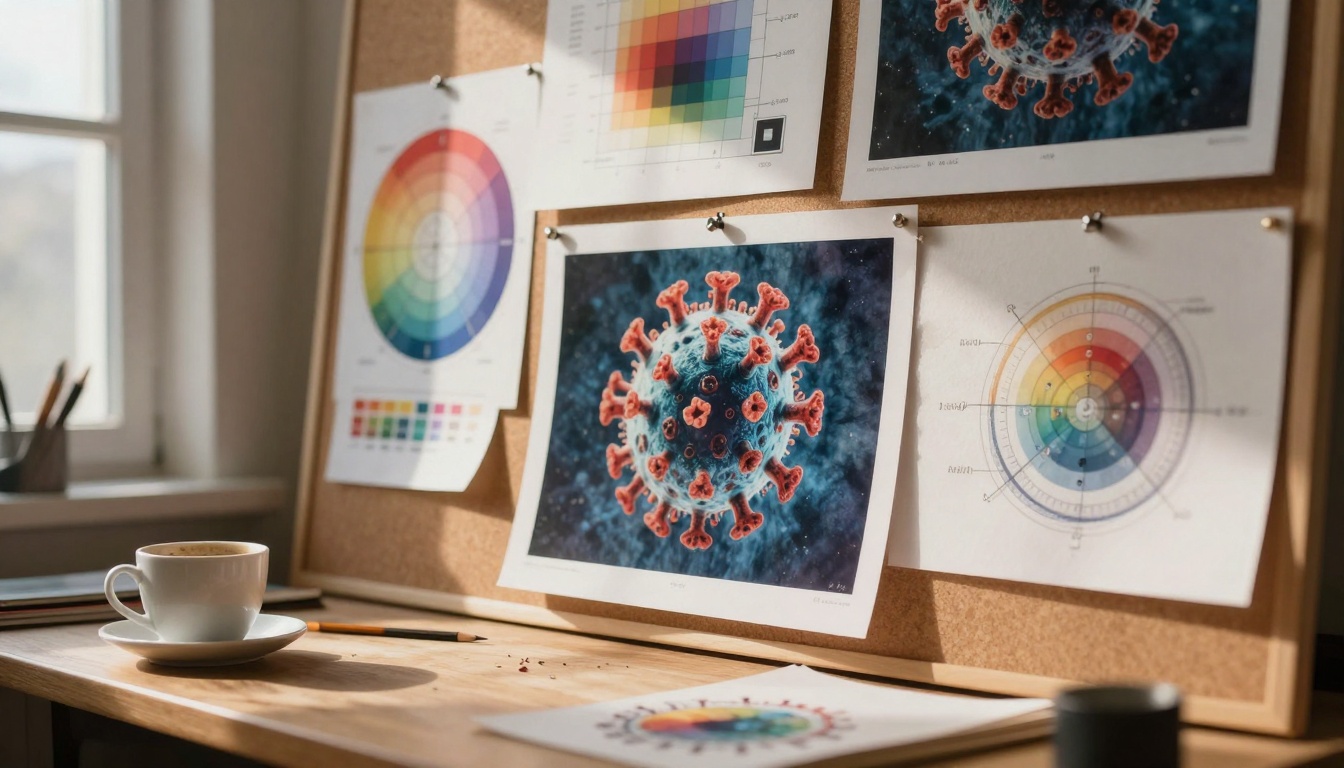
Figure 4: Artist's workstation showing creative process—pinned prints and color theory diagrams
Platform Algorithms Favor Synthetic Content
Social media algorithms aren't neutral—they're optimized for engagement metrics that AI content naturally excels at producing. The feedback loop between AI generation and algorithmic distribution creates exponential virality.
Engagement Metrics That Reward AI Imagery
Platform algorithms measure specific engagement signals:
Key metrics AI images maximize:
Dwell time - Novel imagery holds viewer attention longer
Share rate - Technical sophistication encourages passing to others
Comment density - Sparks discussions about methods and ethics
Save frequency - Reference value for future creative projects
Models like Qwen Image and Seedream-4.5 produce images optimized for these specific engagement signals based on training data from social platforms.
Distribution Patterns Across Networks
Different platforms distribute AI content differently:
Platform-specific distribution mechanics:
Platform
Primary Distribution
AI Content Advantage
Instagram
Explore page + hashtags
Visual novelty breaks through feed saturation
TikTok
For You Page algorithm
Fast engagement triggers rapid distribution
Twitter/X
Quote tweets + threads
Technical discussion extends content lifespan
Pinterest
Related pins + search
Creates entirely new visual categories
Reddit
Subreddit specialization
Technical communities amplify niche content
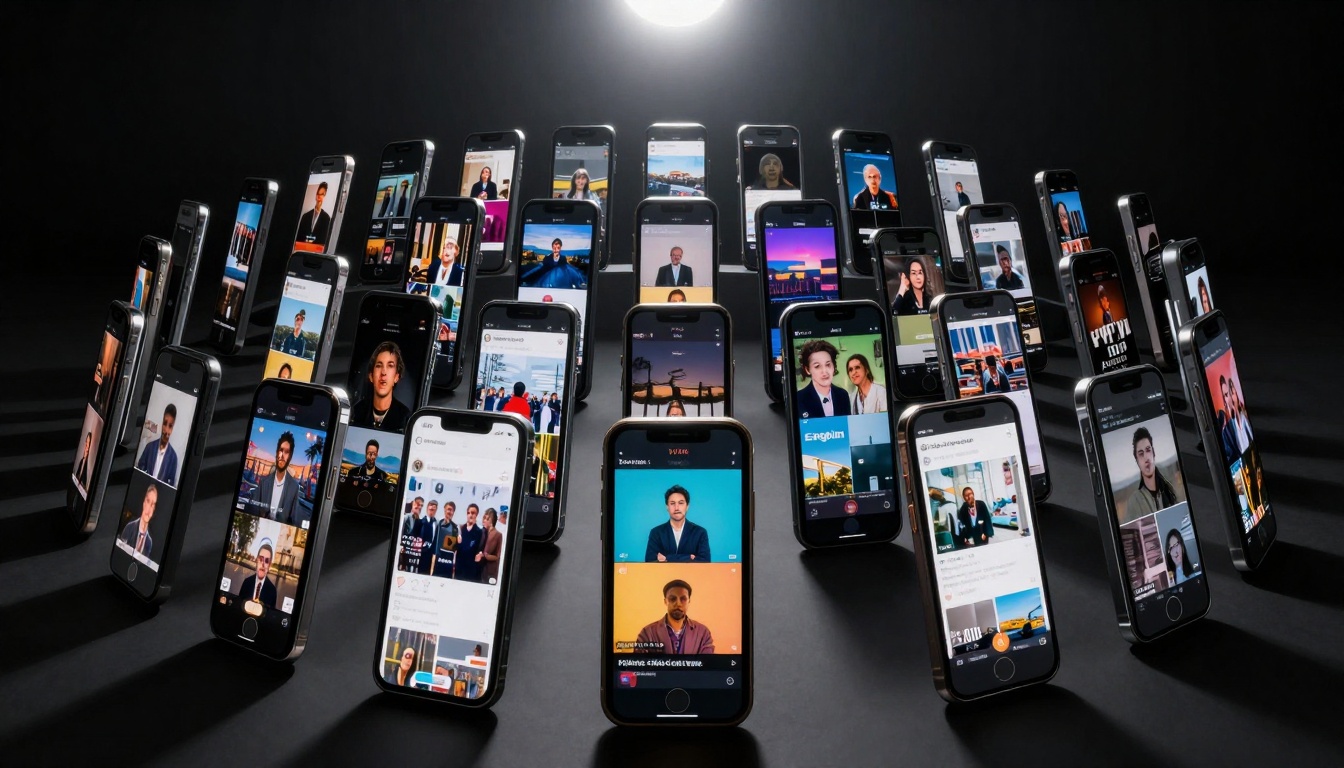
Figure 5: Monumental smartphone sculpture—representing scale of coordinated viral campaigns
Creating Images That Spread
Virality isn't accidental—it's engineered through specific techniques. The most successful AI image creators understand the psychology-platform-prompt triad.
Prompt Engineering for Viral Potential
Effective prompts for viral content contain multiple viral triggers:
Negative prompt filtering - Removing elements that reduce shareability
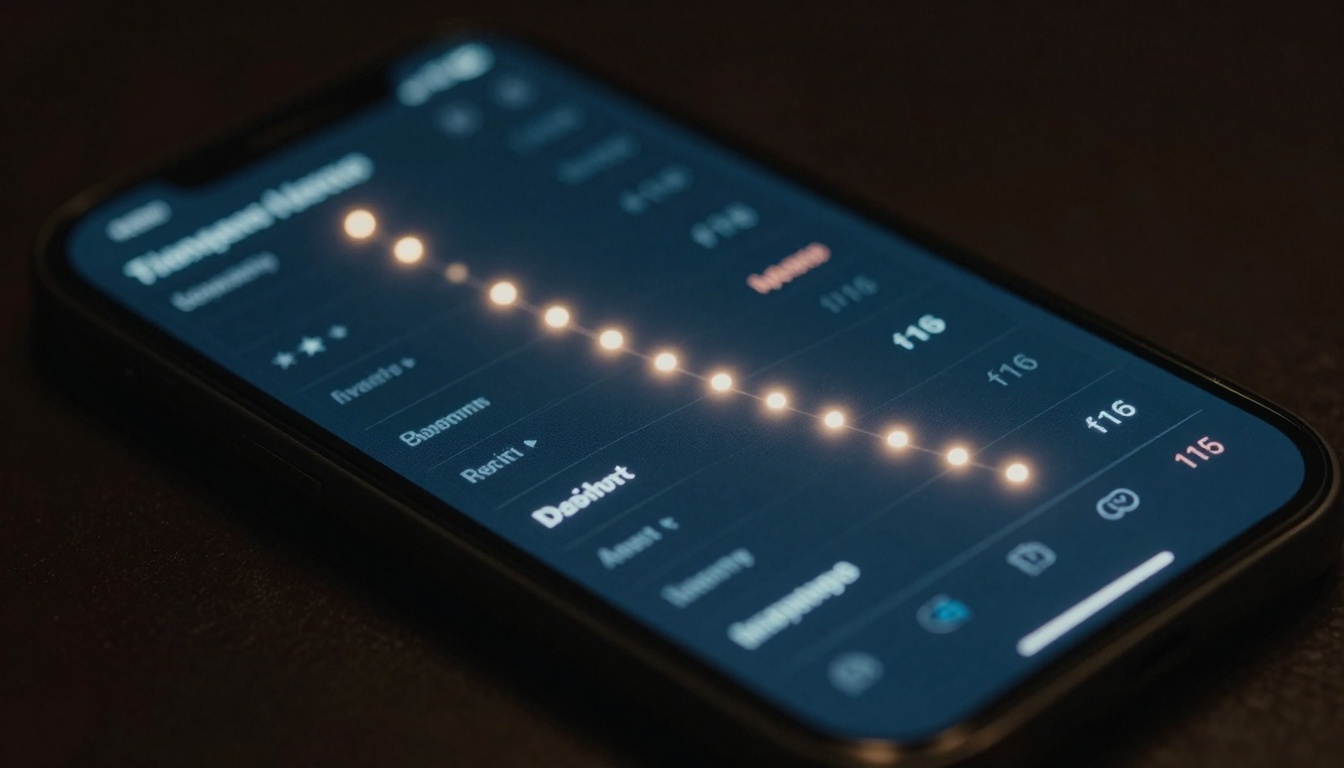
Figure 7: Time-lapse visualization—engagement metrics growing over time on screen
The Future of Synthetic Visual Culture
AI-generated imagery isn't a passing trend—it's becoming the dominant visual language of digital culture. As generation quality improves and accessibility increases, synthetic visuals will reshape how we communicate, entertain, and connect.
Emerging patterns in AI visual culture:
Personalization at scale - Custom-generated visuals for individual preferences
Real-time trend visualization - Immediate visual responses to cultural moments
Cross-platform aesthetic unity - Consistent visual language across networks
Technical literacy as social currency - Understanding generation becomes basic digital literacy
The platforms that thrive will be those that best integrate AI generation into their ecosystems, creating feedback loops where user engagement improves model training, which produces better content, driving more engagement.
Figure 8: Professional analytics dashboard—data-driven approach to viral content strategy
Practical Steps for Creating Viral AI Images
Based on the patterns analyzed, here's a practical workflow for creating AI images with high viral potential:
Step-by-step viral creation process:
Platform analysis - Study current viral trends on target platform
Platform mismatch - Instagram aesthetics won't work on Reddit
Ethical blindness - Controversial content may spread but damage reputation
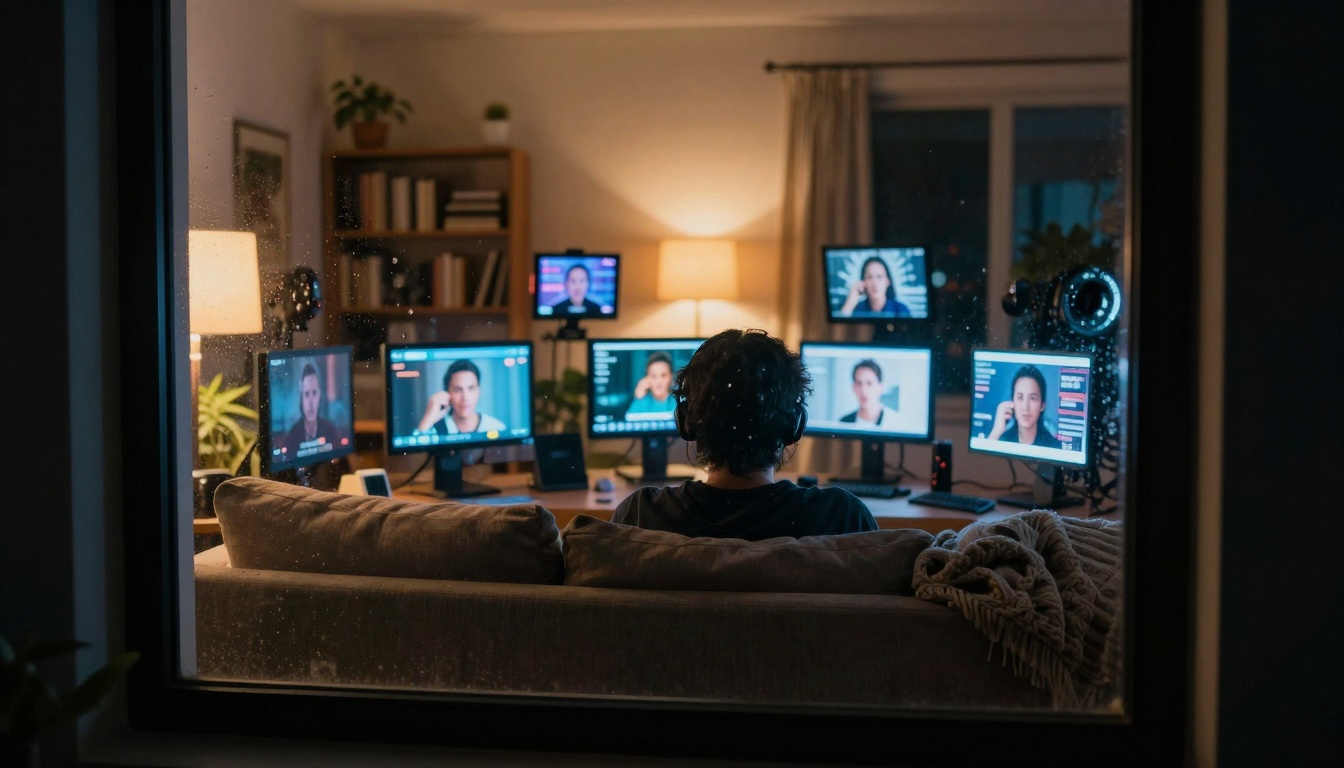
Figure 9: Personal context of consumption—individual engaging with viral content in domestic setting
The psychology behind viral AI images reveals a fundamental shift in digital visual culture. We're moving from consumption of existing imagery to participation in synthetic visual creation. The images that spread fastest aren't just technically impressive—they're psychologically optimized, socially relevant, and algorithmically favored.
This isn't about replacing human creativity but augmenting it with new tools that understand both human psychology and digital distribution mechanics. The most successful creators will be those who master both the technical aspects of AI generation and the psychological understanding of why people share.
The tools are available—models like Flux, SDXL, Imagen, and Ideogram offer different approaches to synthetic visual creation. The understanding is developing—research continues to reveal why certain synthetic aesthetics resonate. The opportunity is present—to create images that not only look remarkable but spread exponentially through digital networks.
What will you create that makes people stop scrolling, think differently, and hit share? The answer begins with understanding why AI-generated images keep going viral—and applying those insights to your own creative process.