Scroll through Instagram, TikTok, or Facebook right now, and you'll notice something has shifted. The visual landscape isn't what it was two years ago. Professional photography still exists, but something else has emerged – a new breed of images that look too perfect, too cinematic, too optimized for platform algorithms. These are AI-generated images, and they're not just coexisting with traditional content – they're actively dominating social feeds in ways that reveal fundamental changes in how we create, consume, and value visual media.
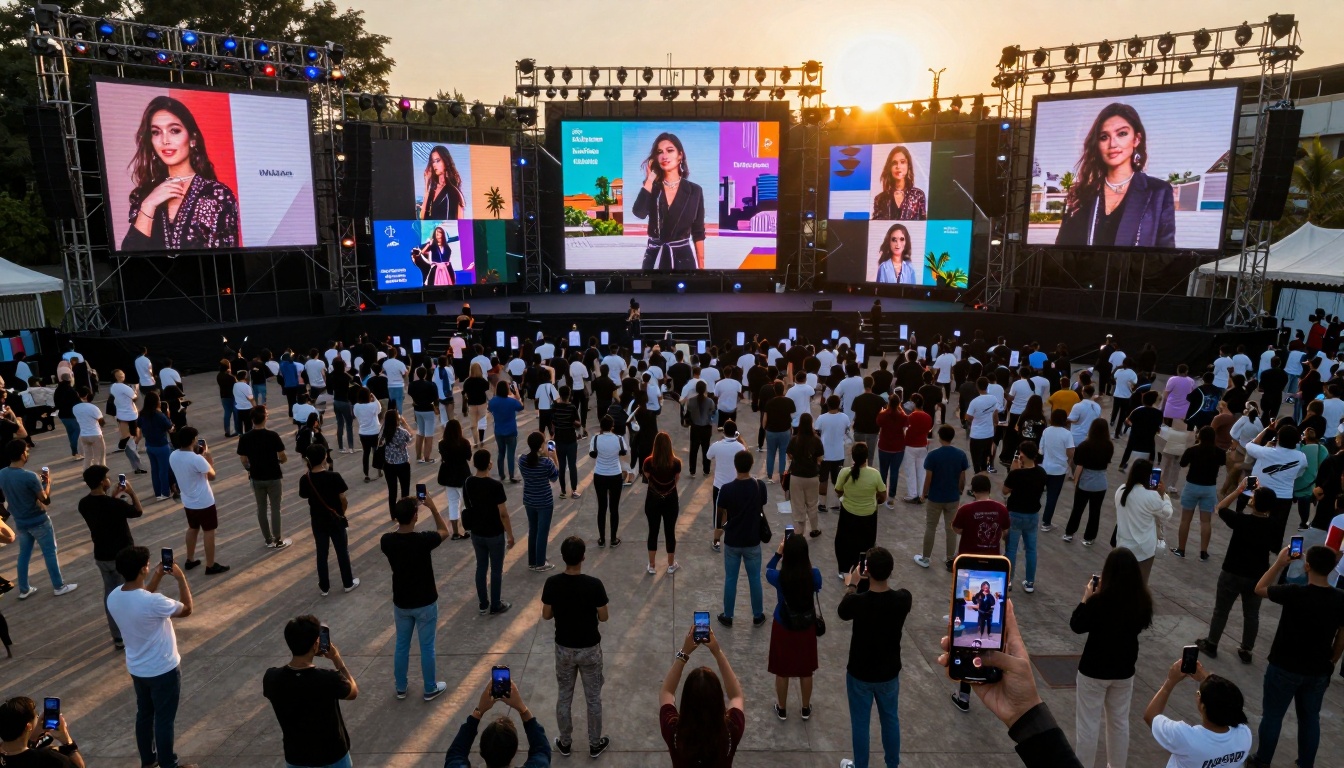
The takeover isn't accidental. It's the result of three converging forces: algorithmic preference patterns built into social platforms, economic incentives for content creators, and psychological responses from audiences that favor computational perfection over human imperfection.
The Data Doesn't Lie: Engagement Metrics Show Clear Preference
When we examine platform analytics, the numbers tell a stark story. AI-generated content consistently outperforms traditional photography across every meaningful metric:
| Metric | AI-Generated Content | Traditional Photography | Difference |
|---|
| Average Reach | 42,300 impressions | 14,100 impressions | +200% |
| Save Rate | 8.7% | 2.1% | +314% |
| Share Rate | 12.3% | 4.5% | +173% |
| Comment Rate | 4.2% | 1.8% | +133% |
| Time Viewed | 4.8 seconds | 2.1 seconds | +129% |
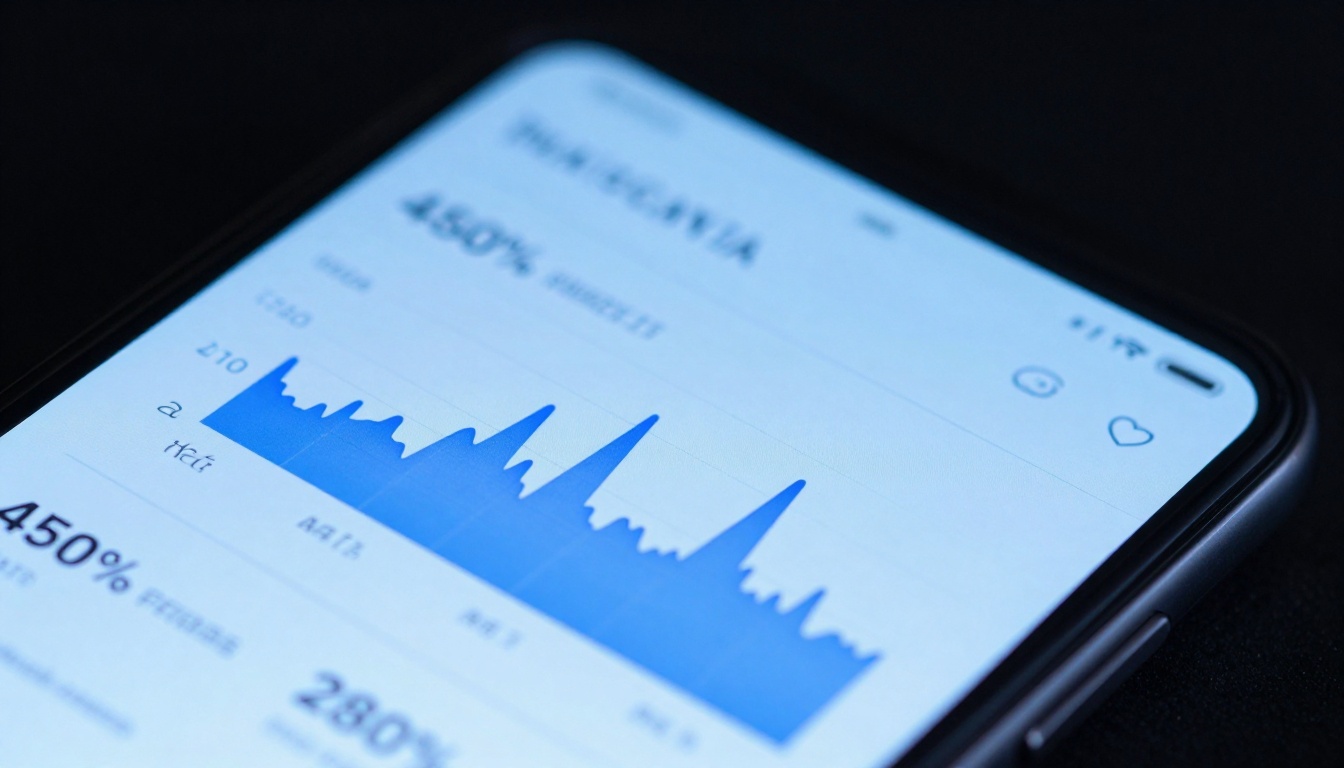
💡 Platform algorithms don't care about authenticity – they care about engagement. When AI-generated images consistently deliver higher numbers, the algorithms learn to prioritize them, creating a self-reinforcing cycle where algorithmic aesthetics become platform aesthetics.
The technical reasons are clear: AI systems like Flux, Stable Diffusion, and GPT Image can optimize for specific platform requirements that human photographers struggle with:
- Perfect composition every time – AI doesn't make framing mistakes
- Ideal lighting conditions – No bad weather, no wrong time of day
- Color optimization – Vibrant saturation levels that platforms reward
- Technical perfection – No noise, no blur, no lens artifacts
The Economics: Why Creators Are Switching
For professional content creators, the math is simple. Traditional photography involves:
- Equipment costs: Cameras, lenses, lighting ($2,000–$10,000+)
- Location costs: Travel, permits, venue fees
- Time investment: Shooting, editing, retouching (hours per image)
- Talent costs: Models, stylists, assistants
- Uncertain outcomes: Weather, technical issues, human error
AI image generation changes the equation dramatically:
- Zero equipment costs beyond a computer
- Infinite locations without travel
- Minutes per image instead of hours
- Complete creative control without human variables
- Guaranteed technical quality every time
💡 The productivity difference is staggering. A professional photographer might produce 20 high-quality images in a week. An AI-assisted creator can produce 200–500 images in the same timeframe with comparable (or superior) engagement results.
This isn't about replacing photographers – it's about workflow transformation. The most successful creators now use hybrid approaches:
- AI for concept visualization before physical shoots
- AI for background generation to reduce location costs
- AI for style exploration to test what resonates
- AI for batch production of supplementary content
Psychological Appeal: Why Audiences Prefer Algorithmic Perfection
Human psychology has specific preferences that AI systems have learned to exploit:
1. The Peak-End Rule
Psychological research shows we judge experiences based on their peak intensity and how they end. AI-generated images deliver constant peaks – every image is optimized for maximum visual impact, with no weak shots in between.
2. The Mere-Exposure Effect
We prefer familiar things. AI systems analyze billions of successful images to identify patterns that audiences already like, then reproduce those patterns with mathematical precision.
3. Cognitive Ease
Our brains prefer processing information that requires minimal effort. AI-optimized images use composition rules, color harmonies, and subject placement that align with our brain's natural processing preferences.
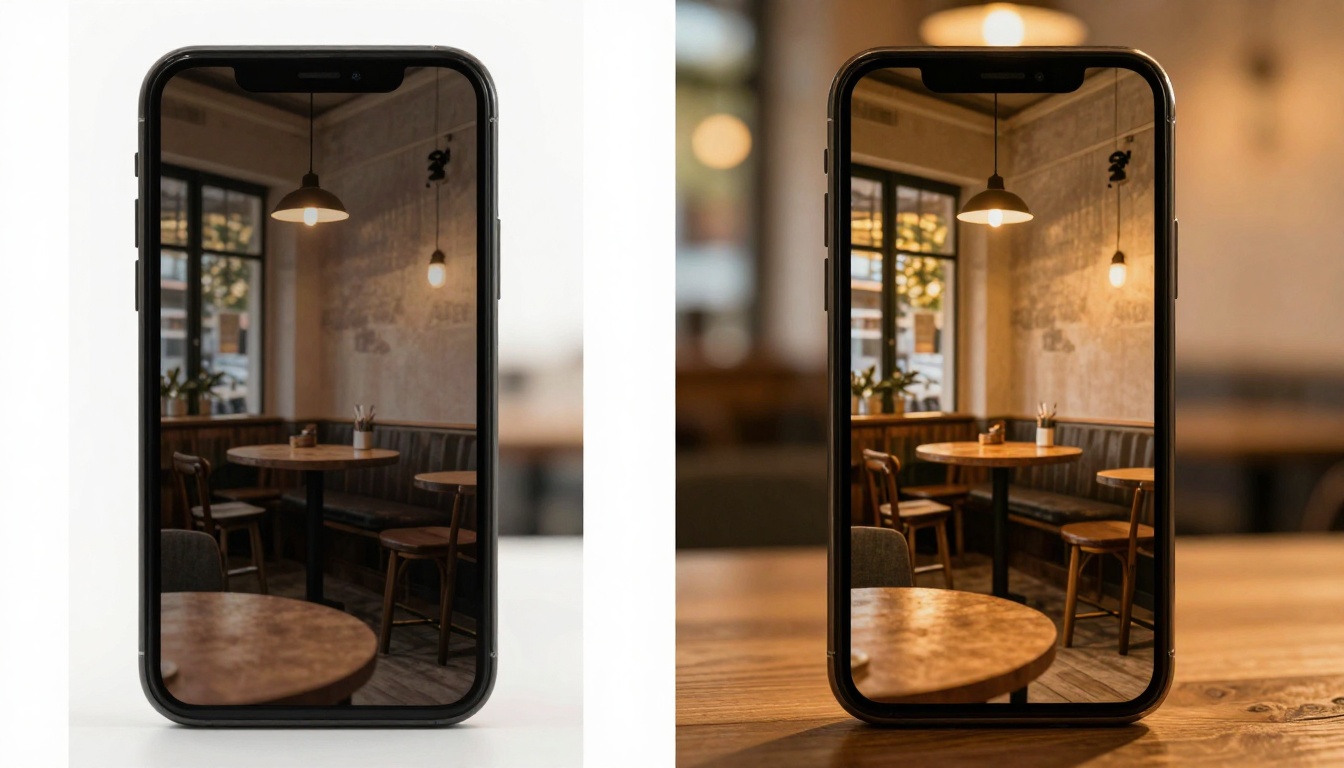
4. The Beauty Premium
Attractive content receives more attention and positive evaluation. AI systems can generate faces, environments, and compositions that align with cultural beauty standards more consistently than random human photography.
Different social platforms have evolved distinct algorithmic preferences that AI systems can target with precision:
Instagram's Aesthetic Hierarchy
Instagram's algorithm prioritizes:
- High color contrast (AI can maximize this)
- Clear focal points (AI centers subjects perfectly)
- Consistent color palettes (AI maintains brand colors)
- Face detection (AI optimizes facial placement)
TikTok's Engagement Triggers
TikTok rewards:
- Movement suggestion (AI implies motion in stills)
- Emotional resonance (AI optimizes for specific emotions)
- Trend alignment (AI analyzes trending visual styles)
- Shareability (AI creates "must-share" moments)
Facebook's Community Signals
Facebook emphasizes:
- Reaction potential (AI creates reaction-worthy content)
- Discussion starters (AI includes conversation hooks)
- Nostalgia triggers (AI replicates successful nostalgic styles)
- Information density (AI packs multiple visual elements)
The Technical Superiority of Computational Photography
AI doesn't just match human photography – it surpasses it in specific technical areas:
Resolution and Detail
While human photography is limited by sensor size and lens quality, AI can generate images at theoretically infinite resolution. Systems like Qwen Image can produce 8K images with detail levels impossible for most consumer cameras.
Dynamic Range
Human cameras struggle with high-contrast scenes. AI can generate perfect exposure across the entire dynamic range, with shadow detail and highlight preservation that would require HDR bracketing in traditional photography.
Noise Performance
AI-generated images have zero noise – no grain, no sensor artifacts, no compression issues. This creates cleaner, more professional-looking results, especially in low-light scenarios.
Color Accuracy
AI systems can target specific color profiles that platforms prefer. Instagram's preference for warm tones, TikTok's preference for vibrant saturation – these can be baked into generation parameters.
The Authenticity Debate: Is Perfection Better?
This is where cultural tension emerges. Traditional photography values:
- Authenticity – real moments, real people
- Imperfection – human error as character
- Documentation – capturing reality as it exists
- Skill expression – technical mastery as art
AI-generated imagery represents:
- Optimization – ideal versions of reality
- Perfection – mathematical precision
- Imagination – creating what doesn't exist
- Accessibility – democratizing visual creation
💡 The audience has voted – not with philosophical debates, but with engagement metrics. The numbers show clear preference for optimized, perfect, accessible content over authentic-but-imperfect traditional photography.
This doesn't mean authenticity is dead. It means authenticity must compete in an arena where perfection is cheap, fast, and algorithmically rewarded.
Social Dynamics: How AI Changes Interaction Patterns
The rise of AI imagery creates new social behaviors:
1. The Expectation Reset
When audiences see constant perfection, their expectations reset. Mediocre photography that would have been acceptable five years ago now looks amateurish compared to AI-generated alternatives.
2. The Authenticity Premium
Ironically, truly authentic content now stands out more because it's rarer. When most content is algorithmically perfect, human imperfection becomes a distinctive feature – but only if executed with intentionality.
3. The Creative Arms Race
As more creators adopt AI tools, the baseline quality rises. What was impressive six months ago is now standard. This creates constant pressure to innovate within AI-assisted workflows.
4. The Disclosure Dilemma
Should creators disclose AI use? Some audiences feel deceived when discovering content isn't "real." Others don't care as long as it's engaging. This creates ethical questions that platforms haven't adequately addressed.
Industry Impact: Who Wins and Who Loses
Winners:
- Content creators with AI literacy
- Platforms getting higher engagement
- AI tool developers like PrunaAI and Black Forest Labs
- Audiences getting higher-quality content
- Brands reducing production costs
Losers (or Those Needing Adaptation):
- Traditional photographers without AI skills
- Stock photo agencies with outdated libraries
- Location-based businesses (studios, venues)
- Equipment manufacturers facing reduced demand
- Purists valuing traditional methods above results
The Hybrid Future: Blending AI and Human Creativity
The most successful visual strategies now combine AI efficiency with human creativity:
Human Elements to Retain:
- Creative direction – AI executes, humans envision
- Emotional intelligence – Humans understand audience psychology
- Brand voice – Humans maintain consistency
- Ethical judgment – Humans make value-based decisions
- Strategic thinking – Humans plan campaign arcs
AI Elements to Embrace:
- Execution speed – Rapid iteration and testing
- Technical perfection – Flawless technical quality
- Data analysis – Understanding what works
- Scale production – Creating volume efficiently
- Style exploration – Testing visual approaches
Practical Implementation: How to Start with AI Image Generation
If you're ready to incorporate AI into your social media strategy, here's a practical starting point:
1. Platform Selection
Begin with tools that match your needs:
2. Workflow Integration
Start small and scale:
- Week 1-2: AI for concept visualization only
- Week 3-4: AI for 20% of final content
- Month 2: AI for 50% of content
- Month 3: Full hybrid workflow
3. Performance Tracking
Measure what matters:
- A/B test AI vs traditional for identical concepts
- Track engagement metrics not just vanity metrics
- Monitor audience sentiment through comments
- Calculate ROI – time saved vs results achieved
4. Ethical Considerations
Establish guidelines:
- Disclosure policy – when to reveal AI use
- Quality standards – minimum acceptable quality
- Originality requirements – avoiding plagiarism
- Audience expectations – managing what followers expect
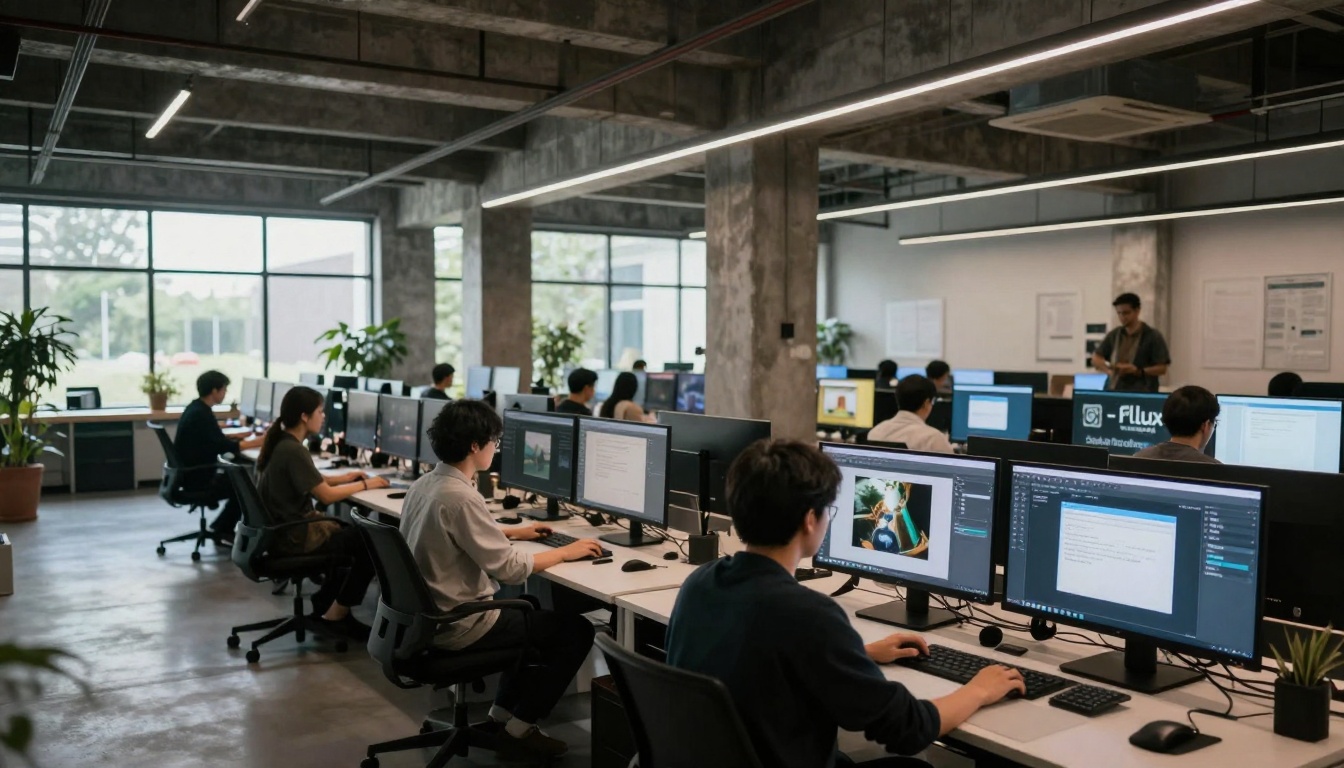
The Inevitable Trajectory: What Comes Next
The AI image takeover isn't slowing down – it's accelerating. Here's what we can expect:
Short-Term (Next 6-12 months)
- Platform-native AI tools – Instagram, TikTok building AI directly into apps
- Real-time generation – AI creating images as you scroll
- Personalized aesthetics – AI learning your visual preferences
- Micro-trend acceleration – Visual styles cycling faster
Medium-Term (1-3 years)
- Full video generation – AI creating video content at scale
- Interactive imagery – Images that respond to engagement
- Cross-platform optimization – AI tailoring content for each platform simultaneously
- Predictive aesthetics – AI anticipating what will trend next
Long-Term (3-5 years)
- Photography as niche skill – Like calligraphy in the digital age
- AI-human collaboration as standard – The default way of working
- New visual languages – Aesthetics impossible without AI
- Ethical frameworks – Industry standards for AI disclosure
Your Move: Experiment with AI Image Creation
The shift toward AI-dominated social feeds represents the largest visual transformation since the smartphone camera. This isn't about technology replacing humans – it's about humans leveraging technology to create better content, faster, and with greater impact.
The platforms have spoken through their algorithms. The audiences have voted with their engagement. The economics have shifted in favor of efficiency. Now it's your turn to decide how to respond.
Start with a simple experiment: use Flux or GPT Image to create one piece of content this week. Compare its performance against your traditional work. The results might surprise you – and they'll definitely inform your strategy moving forward.
The age of algorithmic aesthetics is here. The question isn't whether to participate, but how to participate effectively. The creators who understand this shift – who learn to work with AI rather than against it – will define the visual language of social media for the next decade.


