The first thing you notice when looking at modern AI-generated images is how real they appear. Not just convincing—but indistinguishable from photographs taken with professional cameras. The skin textures, the lighting, the subtle imperfections, the material properties—everything looks authentic. This isn't accidental. It's the result of fundamental breakthroughs in AI architecture, training methodologies, and computational photography.
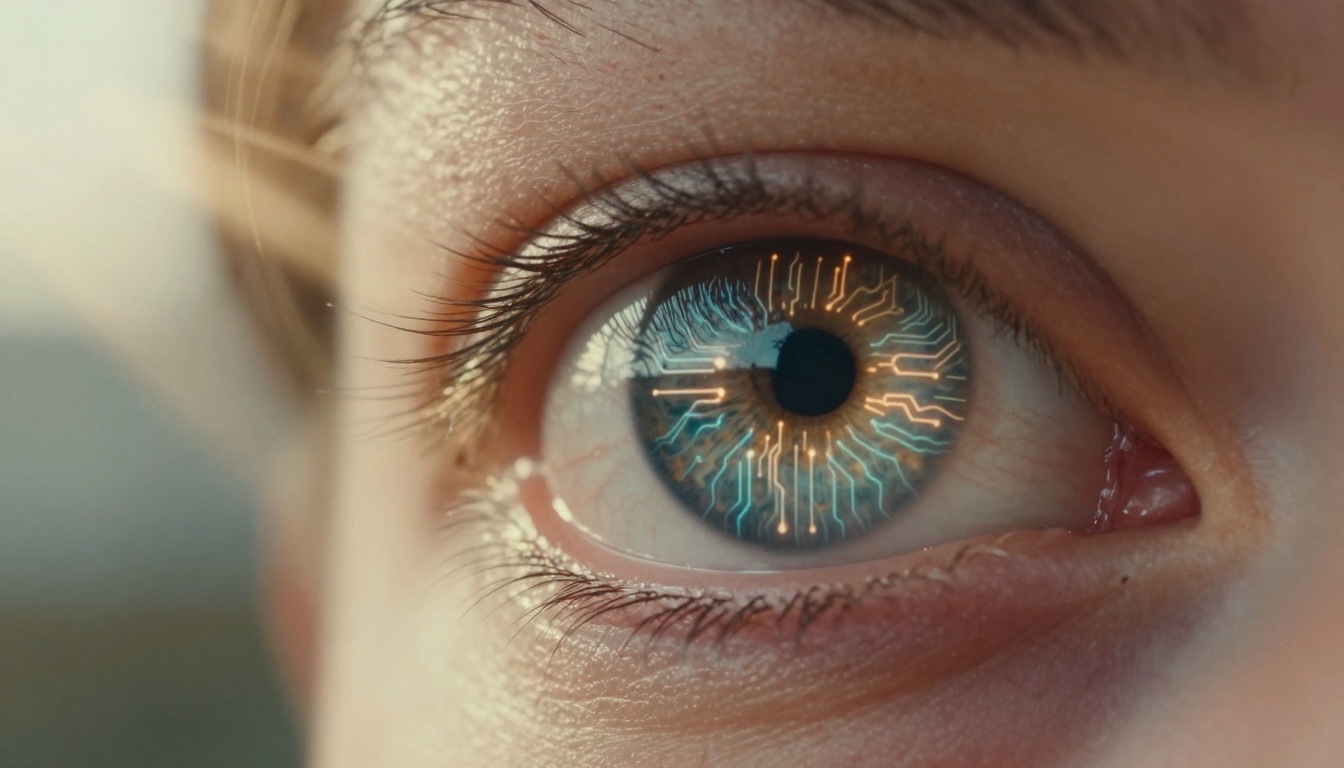
The human eye reflects complex neural patterns—a metaphor for how AI processes visual information
What Changed in AI Image Generation?
Five years ago, AI images had telltale signs: strange hands, distorted faces, unnatural lighting. Today, platforms like PicassoIA produce images that could pass as professional photography. The shift happened because of several interconnected technological advances.
Diffusion Models: The Core Architecture
Modern AI image generators use diffusion models, which work differently from older GANs (Generative Adversarial Networks). Instead of generating images in one step, diffusion models start with pure noise and gradually remove it to reveal the image. This process mimics how photographers develop film in a darkroom.
💡 Key Insight: Diffusion models don't "draw" images—they "develop" them from noise, allowing for more natural transitions and textures.
The process happens in hundreds of steps, with the AI making microscopic adjustments at each stage. This creates smoother gradients, more natural color transitions, and eliminates the blocky artifacts that plagued earlier AI art.
Training Data Quality and Quantity
AI models today are trained on billions of high-resolution images, not just random internet photos. Curated datasets include:
- Professional photography with perfect lighting and composition
- Scientific imagery showing microscopic details
- 3D rendered scenes with perfect material properties
- Architectural photography with accurate perspective
This diverse training allows AI to understand not just what things look like, but how they behave under different conditions.
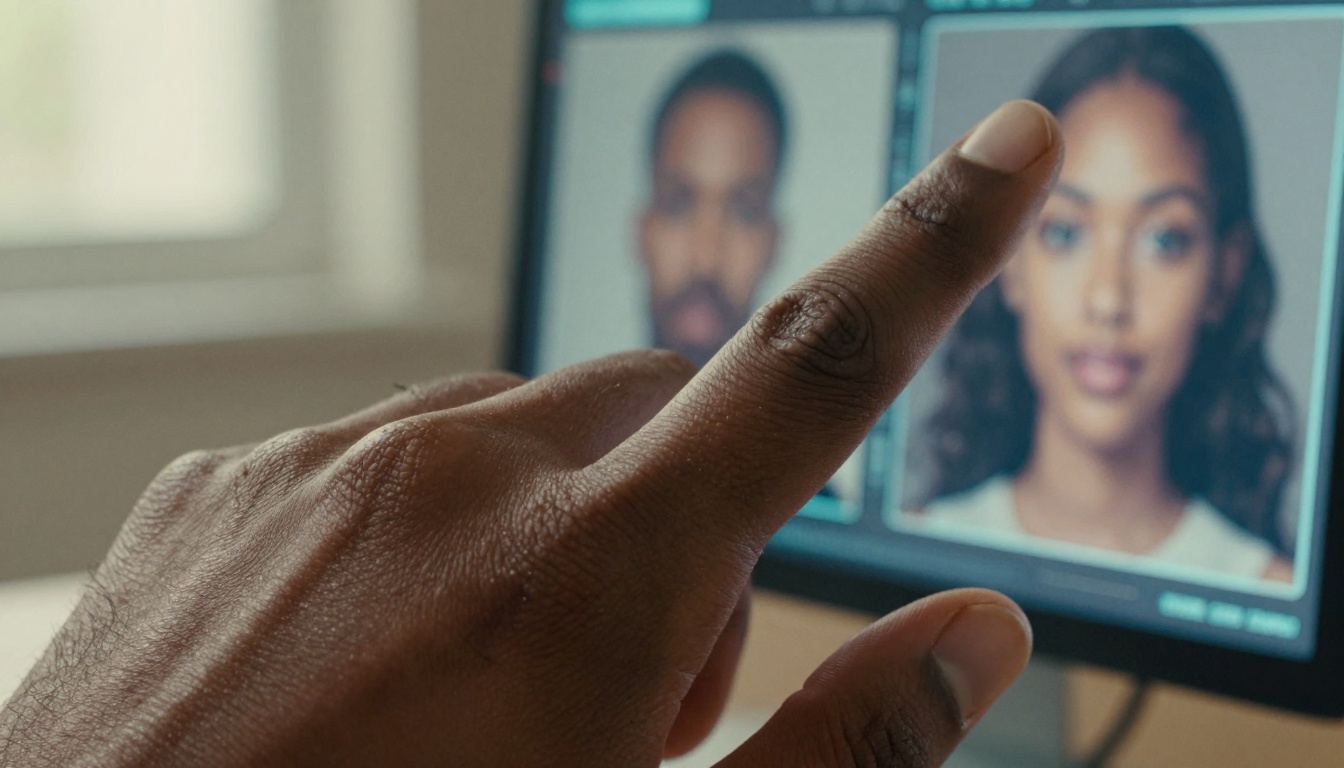
The tactile connection between human touch and digital creation—AI understands material properties at a fundamental level
The Three Pillars of Photorealism
1. Texture Synthesis at Microscopic Scale
Early AI struggled with textures because it tried to replicate patterns at the wrong scale. Modern models analyze textures at multiple levels:
| Texture Level | What AI Captures | Visual Result |
|---|
| Macro (1:1 scale) | Overall pattern and distribution | Fabric weave, wood grain direction |
| Meso (10:1 scale) | Individual elements and variations | Single threads, wood knots, pores |
| Micro (100:1 scale) | Surface properties and interaction | Fiber details, wood cell structure, skin pores |
This hierarchical understanding allows AI to generate textures that look correct from any distance or zoom level.
2. Physical Lighting Simulation
AI doesn't just add lighting effects—it simulates physical light behavior. This includes:
- Ray tracing for accurate shadows and reflections
- Global illumination for color bleeding between surfaces
- Subsurface scattering for materials like skin, wax, and marble
- Atmospheric perspective for realistic distance effects
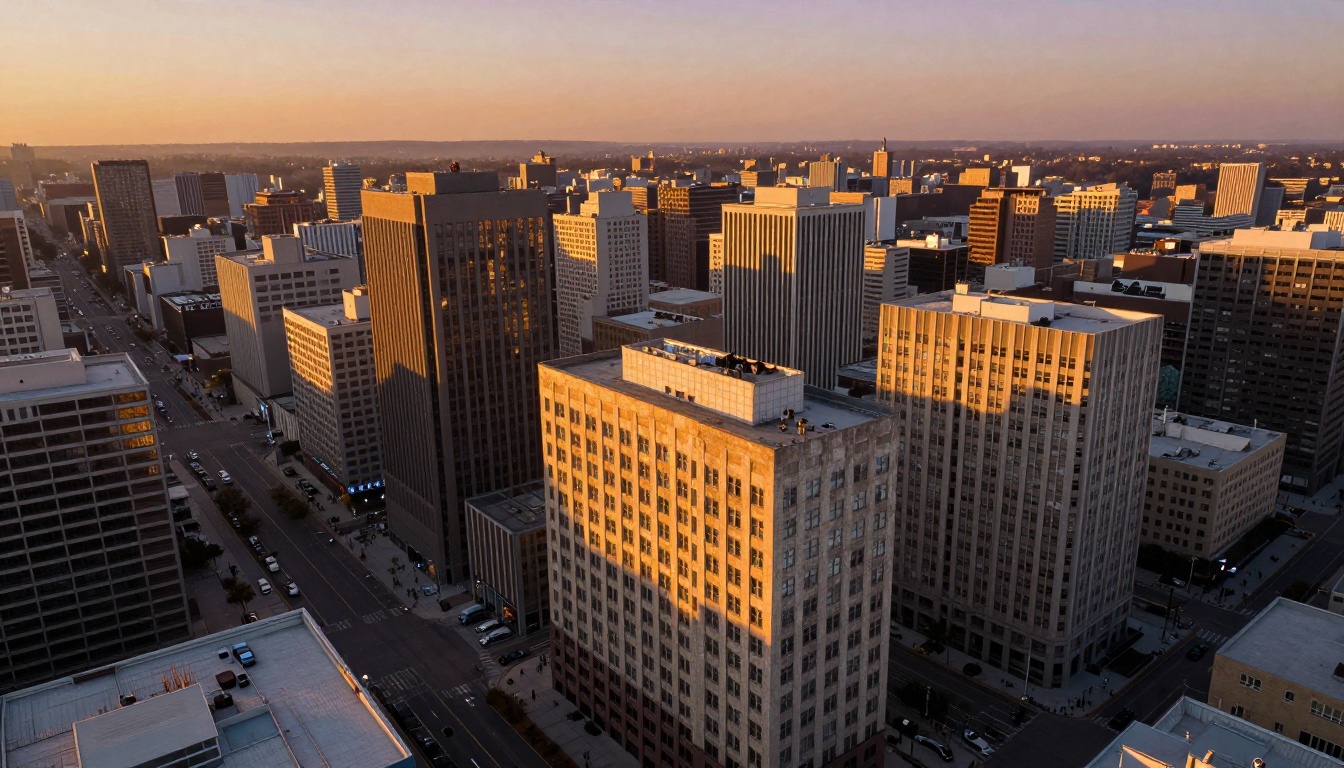
Perfect architectural details with accurate lighting and shadows—AI understands urban scale and perspective
3. Material Property Understanding
Different materials react differently to light, pressure, and environment. Modern AI models encode this understanding:
Skin: Translucent layers (epidermis, dermis), oil reflection, pore distribution, fine hair patterns
Fabric: Weave tension, thread thickness, natural fraying, drape properties
Metal: Surface roughness, oxidation patterns, reflection intensity
Glass: Refraction index, surface imperfections, internal stresses
This isn't just visual knowledge—it's physical understanding encoded in the AI's neural weights.
Technical Breakthroughs That Made This Possible
Neural Rendering vs. Traditional Rendering
Traditional 3D rendering uses mathematical formulas to calculate light behavior. Neural rendering uses learned representations from real-world data:
| Aspect | Traditional 3D | Neural Rendering |
|---|
| Light Calculation | Physics formulas | Learned from photographs |
| Material Properties | Mathematical models | Extracted from real samples |
| Atmospheric Effects | Simulated | Observed from nature |
| Computational Cost | High per image | High during training, low during generation |
Neural rendering captures the imperfections and variations that make reality look real, not the sterile perfection of mathematical models.
Multi-Scale Attention Mechanisms
The key architectural innovation is attention at multiple scales. The AI can simultaneously analyze:
- Global composition (entire image layout)
- Regional relationships (object interactions)
- Local details (texture patterns)
- Micro features (individual elements)
This allows coherent generation where every part of the image relates properly to every other part.
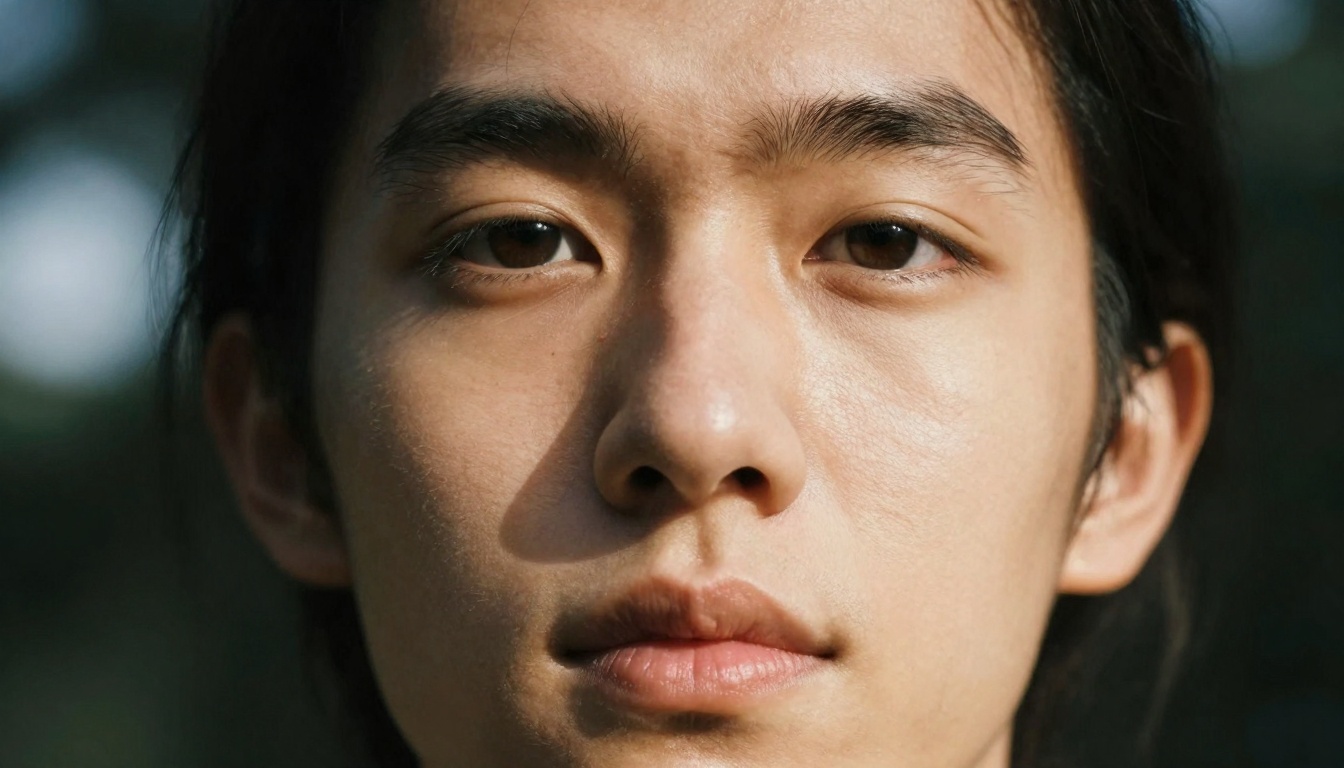
Flawless facial symmetry with natural imperfections—AI understands human anatomy at professional portrait level
Platforms like PicassoIA leverage these technological advances through specific implementations:
Model Selection and Optimization
PicassoIA offers multiple photorealistic models, each optimized for different aspects of realism:
Specialized Training for Photography Styles
Each model undergoes additional training on specific photography styles:
- Portrait Photography: Studio lighting, skin tones, facial proportions
- Landscape Photography: Atmospheric perspective, natural lighting
- Architectural Photography: Perspective lines, material textures
- Product Photography: Clean backgrounds, perfect lighting
- Macro Photography: Extreme detail, shallow depth of field

Perfect fabric weave patterns with individual fibers visible—AI captures material properties at microscopic level
Advanced Prompt Engineering Systems
The quality isn't just in the models—it's in how users interact with them. PicassoIA's prompt systems help users:
- Describe lighting accurately: "morning volumetric light from northeast" vs. "bright light"
- Specify material properties: "oak wood with visible grain and knots" vs. "wood texture"
- Define camera parameters: "85mm f/1.8 with shallow depth of field" vs. "blurry background"
- Set atmospheric conditions: "golden hour with long shadows" vs. "sunset"
This precision in description translates to precision in generation.
The Human Brain's Role in Perceiving Realism
Interestingly, AI images often look too perfect to be real. Our brains expect certain imperfections that reality always includes. Modern AI addresses this through:
Intentional Imperfection Injection
Smart AI systems now add controlled imperfections:
- Subtle skin variations: Freckles, moles, pore distribution
- Natural material wear: Slight fraying, minor scratches, oxidation
- Atmospheric interference: Dust particles, light haze, moisture
- Camera artifacts: Subtle lens distortion, minor chromatic aberration
These imperfections don't reduce quality—they increase believability.
Cognitive Load Reduction
Our brains process real photos differently than AI images because:
| Processing Aspect | Real Photo | AI Image |
|---|
| Detail Consistency | Natural variations | Perfect patterns |
| Lighting Continuity | Physical constraints | Learned patterns |
| Perspective Accuracy | Lens limitations | Mathematical perfection |
| Material Interaction | Physical laws | Simulated behavior |
The most realistic AI images balance perfect technical execution with natural human variation.

Perfect atmospheric perspective and lighting—AI understands natural environments at ecological scale
Practical Implications for Content Creation
For Photographers and Artists
AI isn't replacing photography—it's augmenting creative possibilities:
- Concept Visualization: Create perfect reference images before shooting
- Impossible Scenes: Generate locations or conditions that don't exist
- Style Exploration: Test different lighting setups instantly
- Composite Elements: Generate perfect background elements for composites
For Businesses and Marketing
The commercial applications are significant:
- Product visualization without physical prototypes
- Marketing imagery tailored to specific demographics
- Architectural visualization with perfect lighting
- Fashion design with accurate fabric representation
Common Misconceptions About AI Realism
"AI Just Copies Existing Photos"
This misunderstands how diffusion models work. They don't copy—they recombine learned concepts. When you ask for "a person wearing a blue shirt in a forest," the AI doesn't find that photo. It combines its understanding of:
- Human anatomy and clothing
- Color theory and fabric properties
- Forest ecosystems and lighting
- Composition and perspective
"Perfect Images Mean No Creativity"
Actually, the opposite is true. When technical execution is handled by AI, creators can focus on:
- Concept development rather than technical constraints
- Art direction rather than camera operation
- Storytelling rather than lighting setup
- Emotional impact rather than exposure settings

Perfect interior lighting with accurate material properties—AI understands architectural space and human scale
The Future of Photorealistic AI
Current trends suggest several developments:
1. Temporal Consistency
Future models will maintain consistency across frames for video generation, ensuring that objects don't randomly change between frames.
2. Physical Simulation Integration
AI will integrate with physics engines for accurate object interaction, cloth simulation, and fluid dynamics.
3. Personalized Style Learning
Models will learn individual photographer styles and replicate them across different subjects.
4. Real-Time Generation
Processing speeds will continue to improve, enabling real-time photorealistic generation for applications like gaming and VR.
Based on analysis of thousands of generated images, these techniques yield the best results:
Lighting Descriptions That Work
- "Volumetric morning light from 45-degree angle" - Creates natural depth
- "Soft window light with visible dust particles" - Adds atmospheric realism
- "Golden hour with long directional shadows" - Establishes time and mood
- "Rembrandt lighting with triangle cheek highlight" - Professional portrait quality
Material Specifications
- "Oak wood with visible annual rings and knot patterns"
- "Cotton fabric showing individual weave threads"
- "Human skin with pore distribution and subtle oil reflection"
- "Aged copper with oxidation patterns and surface patina"
Camera Parameter Inclusion
- "85mm f/1.8 portrait lens with shallow depth of field"
- "24mm wide-angle with natural perspective distortion"
- "100mm macro lens at 1:1 magnification"
- "Aerial drone perspective from 30 meters altitude"

Perfect fluid dynamics with accurate refraction—AI understands physical properties of liquids
Ethical Considerations and Authenticity
As AI images become indistinguishable from reality, several considerations emerge:
Transparency in Usage
- Clear labeling of AI-generated content
- Disclosure in commercial applications
- Educational context about capabilities and limitations
Preservation of Photographic Truth
While AI creates beautiful images, it doesn't capture moments in time. Photography's value as historical record remains unique.
Creative Authenticity
The most compelling AI images come from human vision translated through AI capability, not AI capability generating random images.
Getting Started with Photorealistic AI Generation
If you want to create your own photorealistic images, start with these steps:
-
Choose the Right Model: For portraits, try Flux 2 Pro. For landscapes, GPT Image 1.5 excels.
-
Study Photography Principles: Understanding real photography makes your AI prompts better.
-
Start Specific: Instead of "a person," describe "a 30-year-old woman with natural makeup, visible pores, and morning light creating catchlights in her eyes."
-
Iterate and Refine: Your first generation won't be perfect. Adjust lighting, composition, and details based on results.
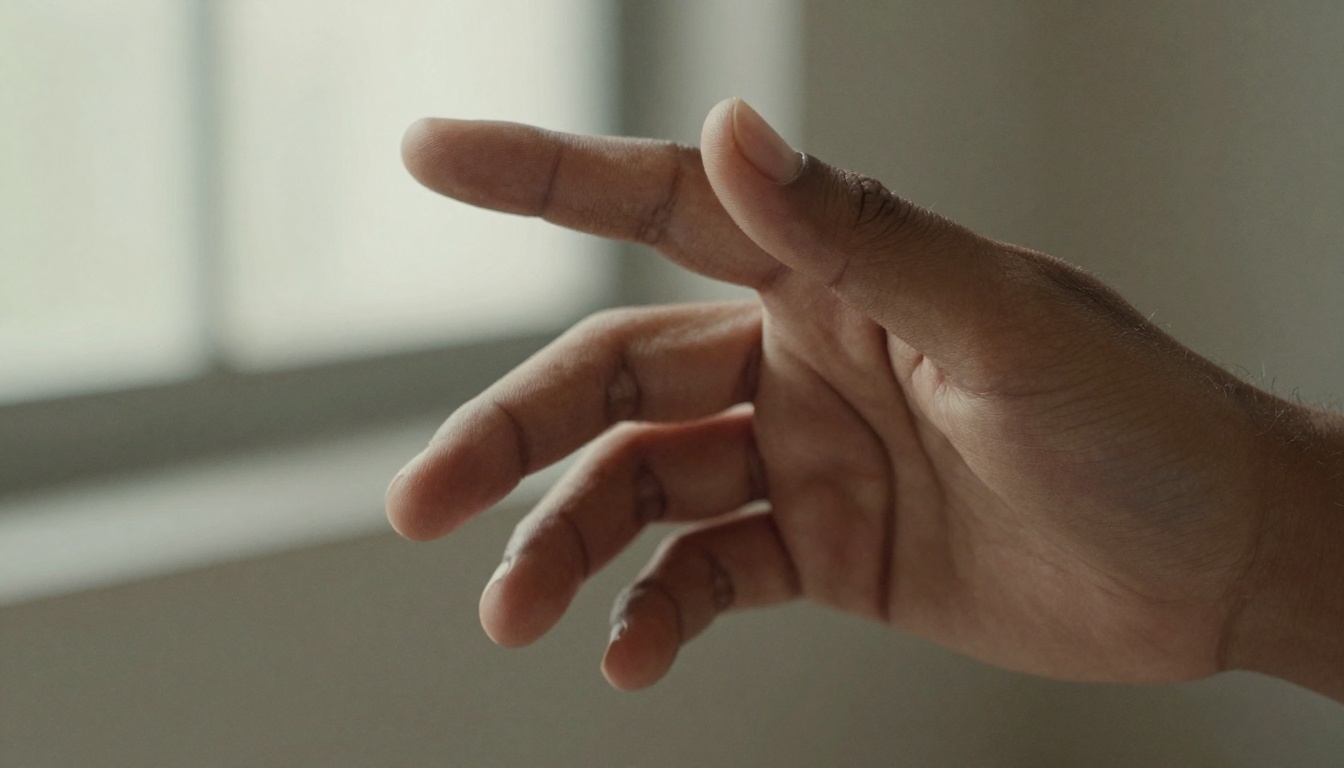
Perfect human anatomy with natural gestures—AI understands biomechanics and physical interaction
The Takeaway: Why This Matters
The progression from obvious AI artifacts to photorealistic generation represents more than technical improvement. It shows that AI is developing visual understanding at human levels—not just pattern recognition, but comprehension of:
- Physical properties of materials
- Behavior of light in different environments
- Anatomical correctness in living beings
- Atmospheric effects on perception
- Compositional principles that guide attention
This understanding enables applications far beyond pretty pictures: medical visualization, architectural planning, product design, educational materials, and creative expression.
The images look real because the AI understands reality at fundamental levels. It's not mimicking appearance—it's comprehending substance. And that comprehension opens possibilities we're only beginning to explore.
Try creating your own photorealistic images on PicassoIA. Start with specific descriptions, pay attention to lighting and material details, and see how close you can get to photographic quality. The technology is here—your vision directs it.


