The music industry doesn't change overnight. It evolves, adapts, and sometimes—when the right technology arrives at the perfect moment—it transforms completely. That's what happened in 2026. If you walked into any professional studio last year, you'd find the same scene: musicians hunched over interfaces, collaborating not just with other humans, but with AI assistants that had become as essential as microphones and monitors.
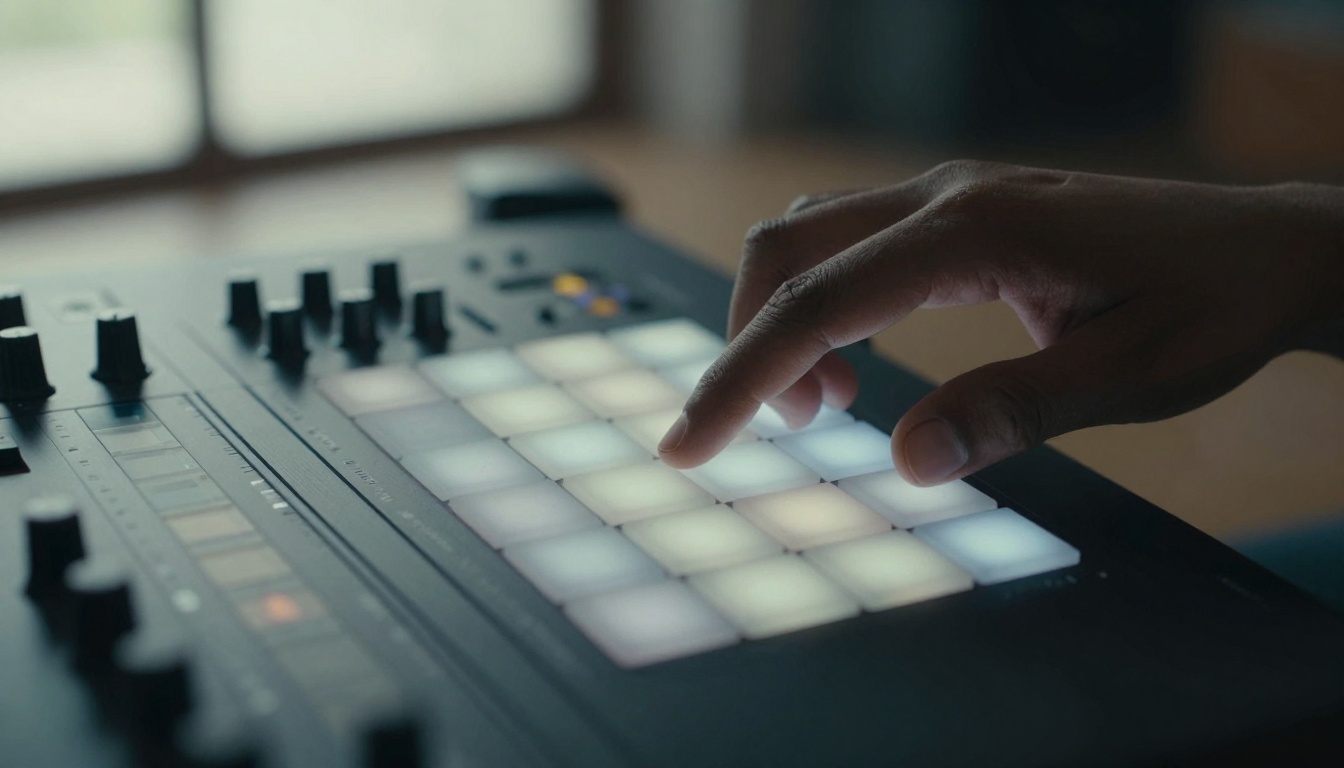
Close-up aerial view of hands on digital workstation - the tactile interface where human creativity meets AI assistance
This wasn't about replacing musicians. It was about augmenting their capabilities in ways that made previously impossible workflows suddenly practical. The shift happened so quickly that many industry veterans barely noticed they'd changed their entire approach to music creation until they looked back and realized they couldn't imagine working any other way.
The Tipping Point: When AI Became Musical
For years, AI music tools existed in a curious space: impressive demonstrations that never quite translated to professional workflows. The sounds were generic, the compositions predictable, and the interfaces clunky. Then something changed.
Three critical developments converged in early 2026:
- Latency dropped below human perception threshold - AI responses became instantaneous
- Model training incorporated professional studio datasets - the sounds became authentic
- Integration reached DAW-level sophistication - tools worked within existing workflows
Suddenly, AI wasn't a novelty—it was a practical studio assistant. Musicians who'd been skeptical found themselves using these tools not because they were trendy, but because they solved real problems.
Why Composition Changed First

The moment of creative discovery - when a musician realizes AI can generate vocal harmonies they hadn't considered
Composition has always been the most time-intensive part of music creation. A single song might take weeks of experimentation, trial and error, and constant refinement. AI changed this equation fundamentally.
💡 The Composition Efficiency Matrix
| Traditional Workflow | AI-Assisted Workflow | Time Saved |
|---|
| Melody experimentation | Instant melody variations | 3-5 hours |
| Chord progression testing | Real-time harmonic analysis | 2-4 hours |
| Arrangement structuring | Automated section suggestions | 4-6 hours |
| Instrumentation choices | Timbre matching recommendations | 1-2 hours |
| Total per song | Total with AI | 10-17 hours |
The numbers tell part of the story, but they don't capture the creative impact. When a musician could generate 20 different chorus arrangements in 30 seconds, they weren't just saving time—they were exploring creative possibilities that would have been impractical before.
The Creative Catalyst Effect
What surprised most musicians wasn't that AI could generate music—they expected that. What shocked them was how AI became a creative catalyst.
Sarah Chen, a producer who worked on three Grammy-nominated albums in 2026, described it this way: "The AI doesn't write the song for me. It shows me what's possible. I'll have a basic melody, feed it into the system, and suddenly I'm listening to orchestral arrangements I would never have considered, jazz variations that spark new ideas, electronic treatments that suggest entirely different directions. It's like having a brilliant collaborator who never gets tired."
This wasn't about automation. It was about amplification—taking a musician's core idea and showing them dozens of potential paths forward.
The Vocal Synthesis Revolution
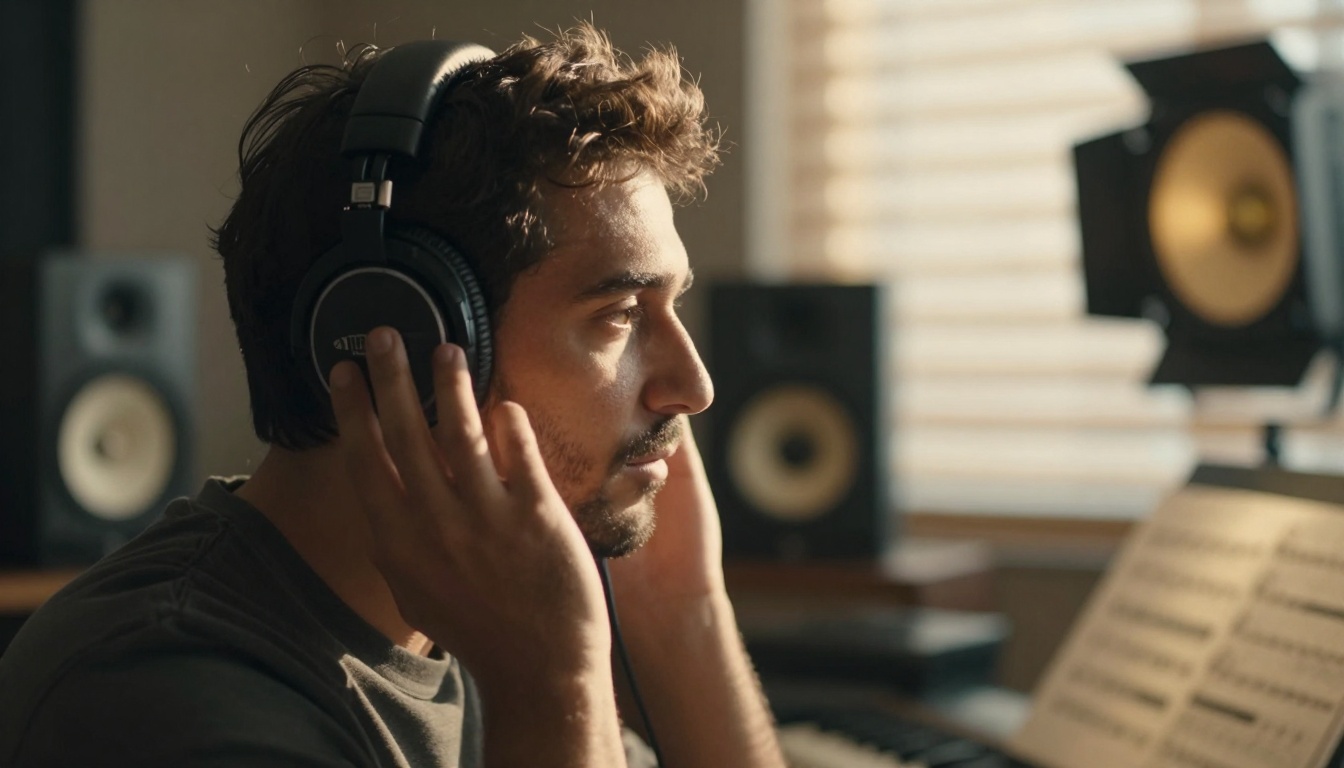
Critical listening session - evaluating AI-generated orchestral textures with professional headphones
If composition saw the first wave of adoption, vocal synthesis caused the second—and larger—tsunami. For decades, vocal production followed the same expensive, time-consuming process: book studio time, hire singers, schedule sessions, record takes, comp performances, and process vocals.
In 2027, tools like Lyria 2 (Google's advanced AI music generation model available on Picasso IA) changed everything.
The Vocal Workflow Transformation
Traditional vocal production required:
- Scheduling conflicts with vocalists
- Limited studio availability
- Vocal fatigue limiting takes
- Expensive session fees
- Geographical constraints
AI-assisted vocal production offered:
- 24/7 availability
- Unlimited takes
- Consistent performance quality
- No geographical limits
- Cost reduction of 60-80%
But here's what musicians discovered: AI vocals weren't just cheaper alternatives. They were creative tools that enabled entirely new approaches to vocal production.
Marcus Johnson, an R&B producer with 15 years in the industry, explained: "I used to write melodies within my own vocal range. Now I write for voices that don't exist. I can create a duet between a soprano AI and a baritone AI, blend their timbres in ways no human duo could achieve, and experiment with vocal textures that would require hiring five different singers."
The Quality Threshold Crossed
The turning point came when AI vocals crossed the professional quality threshold. Early systems produced robotic, unnatural vocals that required extensive processing to sound believable. By 2026, systems like Stable Audio 2.5 (available on Picasso IA) generated vocals with:
- Natural vibrato variation
- Emotional expression mapping
- Breath control simulation
- Dynamic phrasing
- Genre-specific styling
The result? Listeners couldn't distinguish AI-generated vocals from human performances in blind tests. More importantly, musicians couldn't either—and they're the toughest critics.
Mixing and Mastering: The Silent Revolution
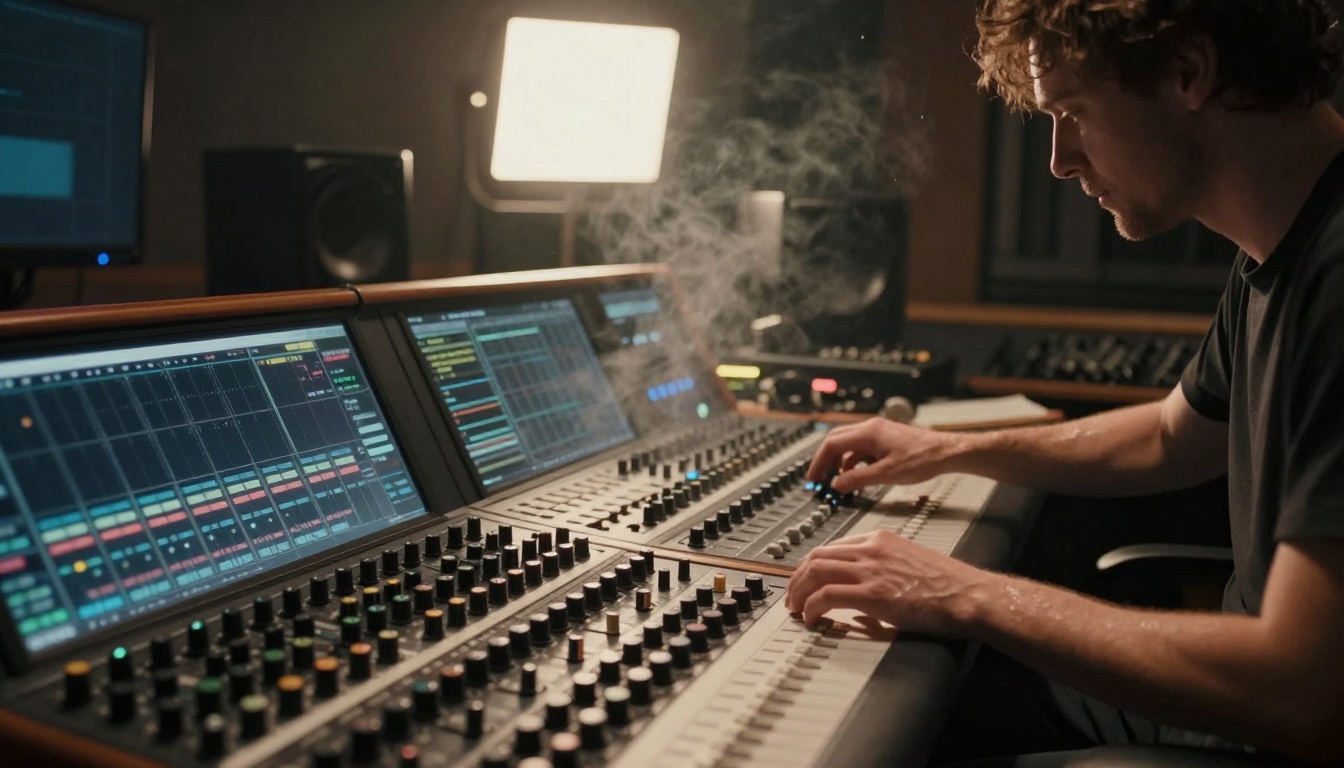
Technical creativity in action - adjusting AI mixing parameters on a professional console
While vocal synthesis made headlines, a quieter revolution was happening in mixing and mastering suites. These technical processes had always been the domain of highly specialized—and highly expensive—engineers.
AI changed this not by replacing engineers, but by democratizing their expertise.
The AI Mixing Assistant
Consider a typical mixing session before 2026:
- Set levels for 40+ tracks
- Apply EQ to each instrument
- Add compression where needed
- Create spatial effects
- Balance the entire mix
- Repeat steps 1-5 multiple times
This process could take days for a single song. AI mixing assistants changed this to:
- Load the multitrack
- Select genre and reference tracks
- Review AI's initial mix
- Make creative adjustments
- Finalize in hours instead of days
The key innovation wasn't automation—it was contextual understanding. AI systems learned to recognize:
- Kick drum characteristics in electronic music
- Vocal treatment in pop vs. rock
- Acoustic space simulation for different genres
- Dynamic range expectations by format (streaming vs. vinyl)
The Economic Reality
For independent musicians, the economics became impossible to ignore:
Traditional mixing costs:
- Professional engineer: $200-500 per song
- Studio time: $50-150 per hour
- Revision rounds: Additional charges
- Total: $800-2,000 per song
AI-assisted mixing:
- Subscription to AI tools: $50-100 monthly
- Unlimited songs
- Immediate revisions
- Total: ~$10-20 per song
The math was simple. For musicians operating on tight budgets—which describes most musicians—AI wasn't a luxury. It was financial survival.
The Collaboration Paradox
Intimate moment of creative immersion - the reflection of AI music visualization in a musician's eyes
One of the most unexpected developments was how AI changed collaboration. Before 2026, collaboration meant:
- Finding musicians with compatible schedules
- Geographical limitations
- Time zone challenges
- File sharing complexities
- Creative misunderstandings
AI introduced a new model: asynchronous collaboration with intelligent mediation.
How AI Facilitated Human Collaboration
James Rivera, who produced a collaborative album with musicians across six countries, described the workflow: "Each musician would record their parts locally. The AI would analyze their performances, suggest complementary parts for other musicians, generate reference tracks showing how everything might fit together, and even identify potential conflicts before they became problems."
The AI didn't replace human collaboration—it enhanced it by:
- Translating musical ideas between different stylistic languages
- Identifying complementarity between disparate parts
- Generating bridging material to connect different sections
- Maintaining consistency across contributions from multiple musicians
This created what some called "the democratization of orchestration." A guitarist in Berlin could collaborate with a string arranger in Tokyo, with the AI ensuring their parts worked together harmonically, rhythmically, and stylistically.
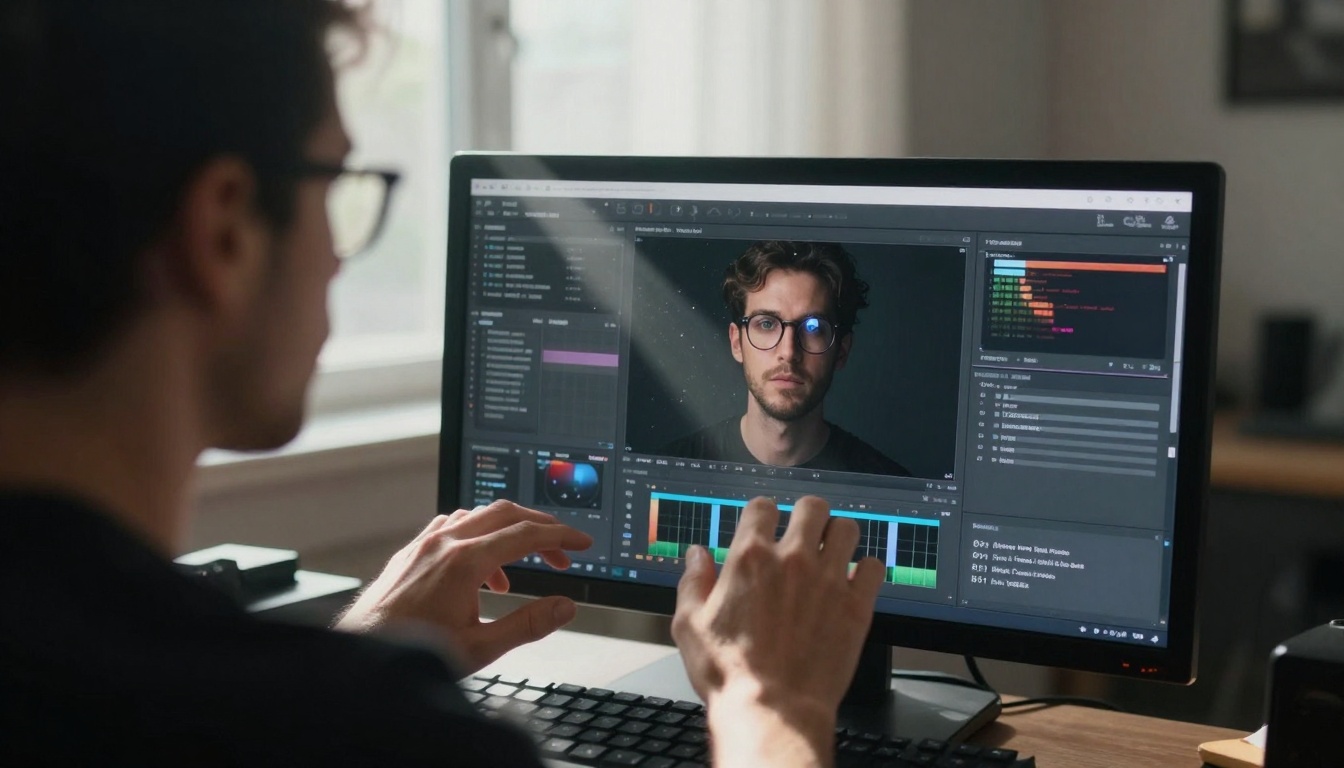
Immersive POV perspective - experiencing music creation through the musician's eyes
Live performance seemed like the last bastion of purely human music creation. Then 2026 happened, and even the stage transformed.
Real-Time Arrangement Adaptation
AI in live performance wasn't about pre-recorded tracks. It was about dynamic adaptation. Systems could:
- Analyze audience response in real-time
- Adjust setlists based on energy levels
- Modify arrangements to suit venue acoustics
- Generate improvised sections based on musician input
The breakthrough came with low-latency systems that could process and respond within 16 milliseconds—faster than human perception. Musicians could improvise, and the AI would generate complementary parts instantly.
The Augmented Performer
Consider a solo pianist performing with AI:
- Pianist plays a melody
- AI generates bass line in real-time
- Pianist responds to bass line
- AI adds rhythmic elements
- Interactive duet evolves throughout performance
This wasn't playback. This was generative accompaniment that responded to every nuance of the live performance. The AI became an improvising partner rather than a backing track.
The Practical Workflow Integration
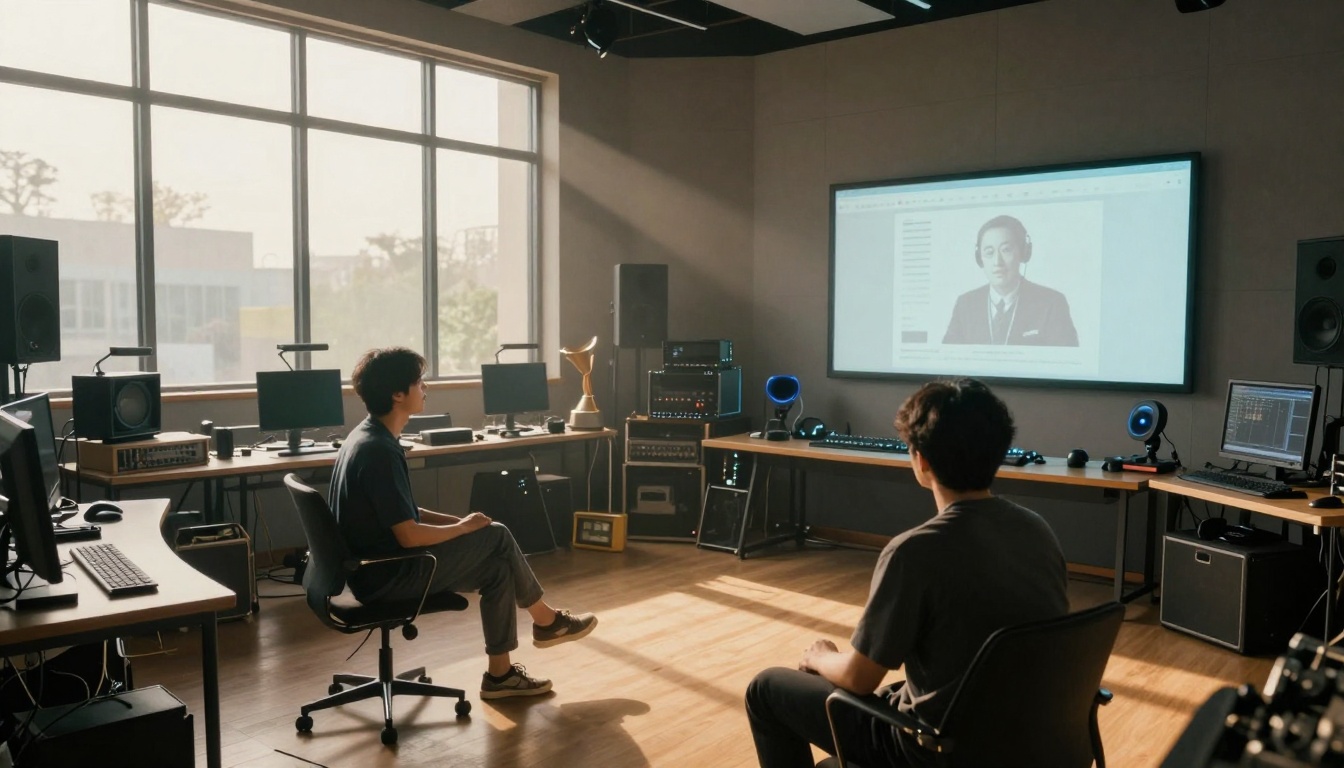
Expansive studio environment showing the scale of modern AI-assisted music production
The adoption happened so quickly because AI tools integrated seamlessly into existing workflows. Musicians didn't need to learn entirely new systems—the AI worked within their familiar Digital Audio Workstations (DAWs).
The Integration Standards
By mid-2026, three integration standards emerged as industry norms:
- VST/AU Plugin Integration - AI tools worked as native plugins
- DAW Project Analysis - AI could read and understand entire sessions
- Real-Time Processing - No bouncing or exporting required
This meant a musician could be working in Logic Pro, Cubase, or Ableton Live, and the AI tools functioned like any other plugin—just vastly more intelligent.
The Learning Curve That Wasn't
What surprised industry analysts was the non-existent learning curve. Musicians expected to spend weeks learning complex AI systems. Instead, they found interfaces designed by musicians who understood musical workflows.
The most successful tools followed this principle: If you know how to use a compressor, you know how to use our AI. The interfaces used familiar metaphors, standard controls, and intuitive workflows.
How to Use AI Music Models on Picasso IA
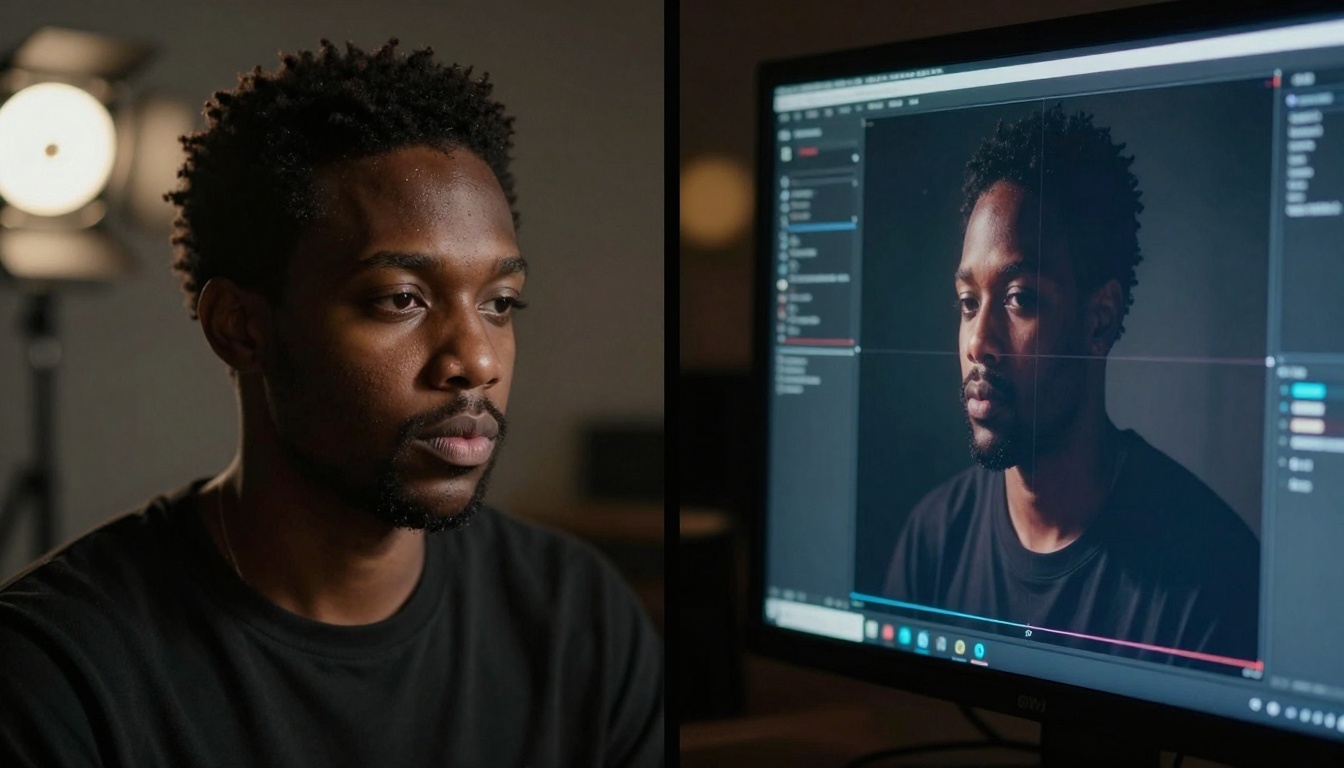
Visual narrative of creative symbiosis - human expression alongside AI visualization
Now that we've explored why musicians adopted AI, let's look at how you can start using these tools today. Picasso IA offers several powerful AI music generation models that professional musicians use daily.
Getting Started with Music-01
Music-01 by Minimax is one of the most popular tools for instant music and vocal generation. Here's how professional musicians use it:
Step 1: Define Your Parameters
- Genre: Select from 50+ musical styles
- Duration: 30 seconds to 5 minutes
- Key & Tempo: Set musical foundation
- Mood: Emotional direction for the AI
Step 2: Input Reference Material (Optional)
- Upload existing tracks for style matching
- Provide lyric sheets for vocal generation
- Include reference artists for tonal guidance
Step 3: Generate and Refine
- Generate initial composition
- Use "Variation" feature for alternatives
- Adjust specific elements (melody, harmony, rhythm)
- Export stems for further production
Pro Tip: Start with shorter generations (60-90 seconds) to experiment with different parameters before committing to full-length compositions.
Working with Stable Audio 2.5
Stable Audio 2.5 specializes in high-quality music generation with exceptional fidelity. Musicians use it for:
Production-Quality Stems
- Generate individual instrument tracks
- Create layered arrangements
- Produce mix-ready audio files
Style Fusion Experiments
- Blend multiple genres (e.g., "trip-hop meets orchestral")
- Create hybrid instrumental textures
- Experiment with unconventional combinations
Workflow Integration
- Generate rhythm section in Stable Audio 2.5
- Export to DAW for additional instrumentation
- Use AI-generated parts as foundation
- Add human-performed elements on top
Advanced Techniques with Lyria 2
Lyria 2 offers Google's most advanced AI music generation capabilities. Professional applications include:
Vocal Production Workflow
- Generate lead vocals with emotional expression
- Create backing harmonies automatically
- Produce ad-libs and vocal flourishes
- Style-match to reference artists
Orchestral Arrangement
- Generate full orchestral scores
- Create section-by-section arrangements
- Balance traditional and modern elements
- Export individual instrument stems
Creative Collaboration Features
- Multi-user session support
- Version control and branching
- Comment and annotation system
- Real-time collaborative editing
Practical Parameter Tips
💡 Parameter Optimization Guide
| Parameter | Best Practices | Common Mistakes |
|---|
| Temperature | 0.7-0.9 for creativity | Too high = chaotic |
| Duration | 2-3 min for demos | Too long = repetitive |
| Genre Blending | 2 genres max | Too many = confused |
| Reference Tracks | 1-3 strong examples | Too many = derivative |
The Iterative Approach: Professional musicians rarely get perfect results on the first generation. They use an iterative process:
- Generate base idea
- Identify strongest elements
- Regenerate focusing on those elements
- Combine best versions
- Final human refinement
The Psychological Shift: From Skepticism to Dependency

Authentic moment of creative joy - spontaneous reaction to AI-assisted musical discovery
The most fascinating aspect of the 2026 shift wasn't technological—it was psychological. Musicians went through distinct psychological stages:
Stage 1: Skepticism ("AI can't create real music")
Stage 2: Curiosity ("Let me try this strange tool")
Stage 3: Practical Use ("This actually solves a problem")
Stage 4: Integration ("This is now part of my workflow")
Stage 5: Dependency ("I can't imagine working without it")
This transition happened faster than anyone predicted because the tools delivered immediate, tangible value.
The Value Proposition That Won Over Skeptics
What convinced veteran musicians who'd been creating music for decades?
- Time Recovery - Getting hours back each day
- Creative Expansion - Exploring possibilities previously unavailable
- Quality Consistency - Maintaining professional standards reliably
- Cost Reduction - Operating within realistic budgets
- Collaboration Enhancement - Working with more musicians effectively
The combination proved irresistible. It wasn't one factor—it was all five working together.
The Future That's Already Here
As we look beyond 2027, the trends suggest AI's role in music will continue evolving, not replacing. The most successful musicians aren't those who avoid AI—they're those who master its integration into their creative process.
The tools on Picasso IA continue to evolve, with new models offering even more sophisticated capabilities. What began as a technological novelty has become a fundamental component of professional music creation.
The real lesson of 2026 wasn't that AI could create music. It was that musicians, when given tools that genuinely enhanced their capabilities, would embrace them with enthusiasm and integrate them into the very heart of their creative process. The switch happened because the tools finally deserved it—because they finally worked with musicians rather than attempting to work for them.
If you haven't explored AI music tools yet, now's the time. The revolution isn't coming—it's already here, and it's waiting for you to join in.


