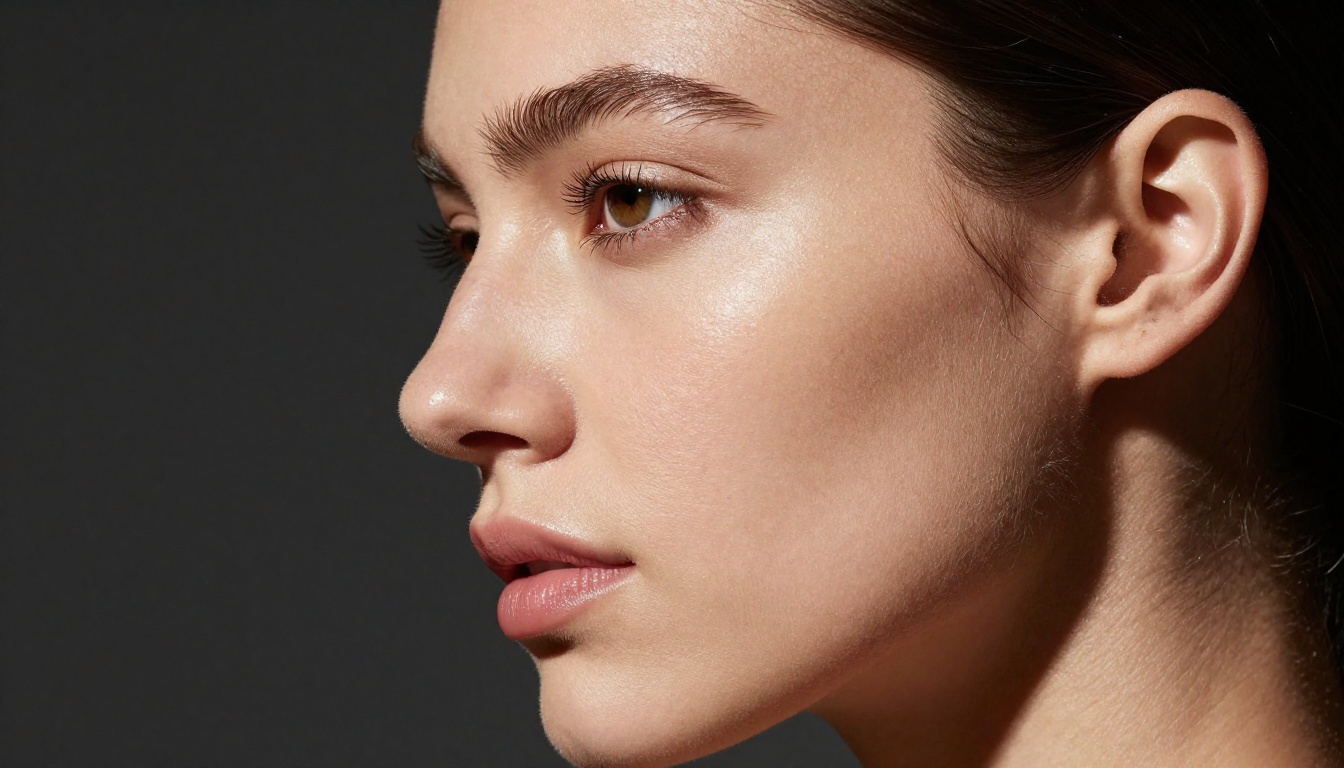
The AI image generation space changed the moment Flux Chroma appeared. Before it, creators working with adult or suggestive content had to work through a maze of safety filters, vague refusals, and models that simply blocked entire categories of artistic work. Flux Chroma removed that maze entirely. Today, if you want to generate unrestricted adult content at professional quality, the two names that come up first are Seedream 4.5 and the Flux family, with Flux Chroma at the origin of the latter's uncensored reputation.
What followed Chroma's release was a rapid shift in how the community approached uncensored image generation. It did not just fill a gap. It raised the baseline for what uncensored models could look like: photorealistic skin rendering, correct human anatomy, and lighting that reads as genuine photography rather than synthetic output. This article breaks down exactly why that happened, which models came close, and how to use the best options available right now.
What Flux Chroma Actually Is
Built on the Flux Architecture
Flux Chroma is a fine-tuned variant of the Flux architecture originally developed by Black Forest Labs. The base Flux models, including Flux Dev and Flux Pro, were designed to produce photorealistic images with exceptional prompt adherence. They introduced something competitors were struggling to match: the ability to render realistic human anatomy without the distortions and artifacts that plagued earlier diffusion models.
Chroma took that base and removed the NSFW restrictions baked into the standard checkpoints. It preserved the architecture's strengths, including its 12-billion parameter flow-matching transformer, its advanced tokenization, and its capacity for fine detail, while opening the model to adult content generation that would otherwise be blocked.
How It Differs from Flux Dev and Flux Pro
Flux Dev is the open-weight guidance-distilled version of Flux. It is fast, free for non-commercial use, and capable of high-quality output. However, it includes safety parameters that filter certain types of content before output. Flux Pro, the commercial version, applies even stricter filtering because it runs through Black Forest Labs' own API with content policies enforced at the infrastructure level.
Flux Chroma operates outside that API. It runs on local hardware or on third-party platforms that permit adult content. This means the quality floor is the same as the base models, but the content ceiling is removed. Artists working in boudoir photography, adult editorial, and explicit content creation found they could finally match creative intent with the actual output they received.
Why Artists Stopped Tolerating Restrictions
The Problem with Safety Filters
Safety filters in AI image models exist for legitimate reasons. They prevent the generation of illegal content involving minors and other clearly harmful material. Nobody debates that. The problem is that safety filters in commercial models are rarely precise. They operate on keyword matching, semantic embeddings, and broad categorical blocks that frequently fire on content that is legal, consensual, and widely distributed across the internet.
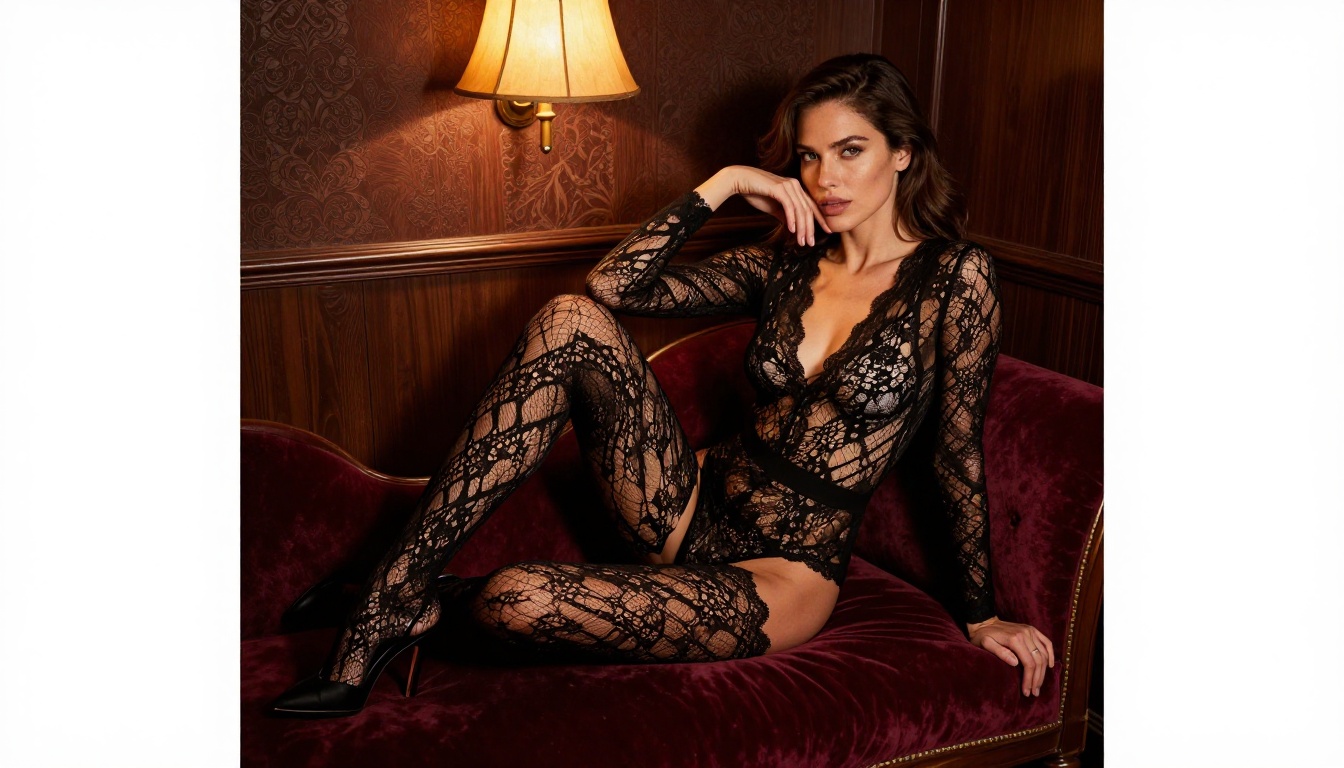
A photographer generating reference images for adult editorial work. An artist creating figure studies. A creator building a content pipeline for adult platforms. Each of these use cases was getting blocked not because the content crossed a legal line, but because the model's safety system drew a wide perimeter and everything inside that perimeter got treated identically.
When Filters Block Legitimate Work
The frustration built over years. DALL-E, Midjourney, Stable Diffusion with SafeTensors enforced, all of them had the same core problem. They would generate a woman in a bikini from one prompt and refuse the next near-identical prompt because of a single word difference. The inconsistency made professional workflows impossible to rely on.
Flux Chroma arrived at exactly the right moment. The AI art community had matured to the point where adult content generation was a significant portion of the overall market, but the tooling had not kept pace. Chroma filled that gap with a model that was both technically excellent and willing to execute the full range of what creators were actually trying to produce.
The Real Reasons Flux Chroma Won
Image Quality That Rivals Commercial Models
The biggest misconception about uncensored models before Flux Chroma was that removing safety filters meant accepting worse quality. Earlier uncensored alternatives were fine-tuned on top of older architectures with smaller parameter counts. The output was recognizably AI-generated: the hands were wrong, the skin looked plastic, the eyes had a familiar glassy emptiness.
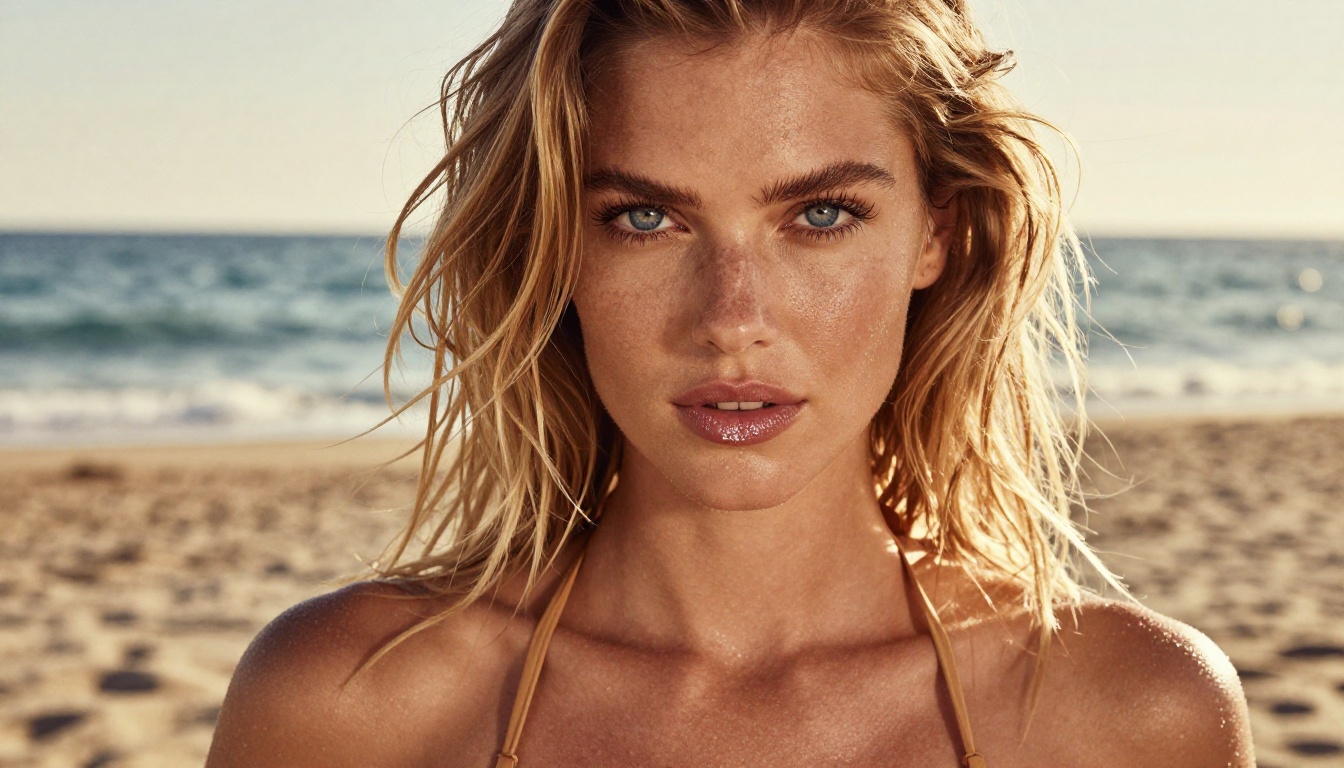
Chroma broke that assumption. Because it sits on top of the same Flux transformer architecture used by Flux Pro Finetuned, the baseline quality is competitive with anything in the commercial market. Skin pores are visible. Hair strands are individual. Fabric wrinkles follow the physics of the material. Lighting falls on skin the way it does in real photography.
💡 The quality difference is not marginal. Side-by-side comparisons between Flux Chroma outputs and major commercial model outputs routinely show Chroma matching or exceeding the commercial versions for photorealistic human subjects.
Fine-Tuning and LoRA Support
Flux Chroma's popularity also accelerated the development of a LoRA ecosystem around it. Because the base architecture is compatible with standard Flux LoRA training pipelines, creators were able to train custom styles, faces, body types, and aesthetic profiles on top of Chroma without starting from scratch.
The Flux Schnell LoRA and Flux Redux Dev models show just how far the ecosystem has developed. The same fine-tuning infrastructure that powers style LoRAs for fashion and architecture photography applies equally to adult content creation, and that cross-pollination of methods raised the quality ceiling for everyone working in the space.

How PicassoIA Handles the Flux Family
Flux Dev and Flux Pro on the Platform
PicassoIA runs the full suite of Flux models, and for creators working in adult content, the platform offers a different approach than most. Rather than blocking entire model categories, it provides access to the Flux family with usage policies that permit suggestive and adult-oriented content within legal limits.
The platform's Flux lineup includes:
- Flux Dev: The open-weight workhorse. Best for iterating quickly on compositional prompts.
- Flux Pro: Higher quality ceiling, better prompt adherence, ideal for final output.
- Flux Pro Finetuned: Customized variants for specific visual styles.
- Flux Fill Dev and Flux Fill Pro: Inpainting tools for editing specific regions of an image.
- Flux Depth Pro: Depth-conditioned generation for precise structural control.
- Flux Canny Pro: Edge-guided generation for pose and structural consistency.
- Flux Kontext Fast: Instant photo editing with context-aware understanding.
Using Flux for Unrestricted Creative Work
The most effective workflow on PicassoIA for adult content creators starts with Flux Dev for initial composition, then shifts to Flux Pro for final renders once the composition is correct. For post-generation refinement, Flux Fill Dev handles targeted inpainting that would otherwise require a full re-generation.
💡 Prompt tip: Flux models respond well to camera and lighting specifications. Adding "Canon EOS R5, 85mm f/1.4, Kodak Portra 400" to your prompt dramatically improves skin rendering and photorealism.

Seedream 4.5: The Fastest Route to NSFW Quality
Speed vs Depth: Two Different Approaches
If Flux Chroma defined the quality standard for uncensored AI image generation, Seedream 4.5 challenged it from a different angle: raw speed and accessibility. Developed by ByteDance, Seedream 4.5 generates stunning 4K images rapidly and is openly permissive for adult content on supported platforms including PicassoIA.
Where Flux Chroma's strength is in its photorealistic skin rendering and lighting accuracy, Seedream 4.5 excels at handling complex multi-subject compositions without the anatomical errors that plague other models. It also handles diverse facial features with notably higher accuracy than most Western-trained models, which expanded its appeal significantly across different creator communities.
For creators who need volume, Seedream 4.5 is the clear starting point. PicassoIA Image Editor Pro takes that further with unlimited generations for serious content creators who need a consistent, high-throughput pipeline.
When to Use Seedream Instead
Seedream 4.5 wins in two scenarios: when you need high-volume generation quickly, and when your content involves complex group compositions. Flux Chroma's quality advantage narrows at higher resolutions with multiple subjects because the attention mechanism can struggle to maintain consistency across the full frame. Seedream 4.5 handles those situations more gracefully.
For single-subject boudoir and portrait work, Flux Chroma's photorealistic skin rendering is still the benchmark. The two models complement each other rather than compete directly, which is why having access to both on a single platform is such a significant advantage.

Getting the Most from Uncensored Models
Prompt Writing for Adult Content
Effective prompts for adult AI image generation follow a different structure than general-purpose prompts. The model needs specifics: clothing descriptions, environment details, lighting conditions, and camera specifications. Vague prompts produce generic outputs regardless of how powerful the underlying model is.
The most effective adult content prompts follow this structure:
- Subject description (body type, hair, skin tone, expression)
- Clothing and coverage (be specific about fabric, fit, coverage level)
- Environment (room, outdoor setting, surface the subject is near or on)
- Lighting (direction, temperature, quality, source)
- Camera (focal length, aperture, film stock)
- Style qualifier (photorealistic, editorial, 8K RAW)
💡 Avoid vague descriptors like "sexy" or "beautiful." They do very little work. "Sheer ivory silk wrap with one bare shoulder, soft window light from the left, Canon 85mm f/1.4" gives the model something specific to execute on.
Editing and Upscaling Your Output
The generation step is only half the workflow. Professional adult content creators typically run outputs through at minimum two additional processing steps: selective editing with inpainting and resolution upscaling.
Flux Fill Dev handles the inpainting work, letting you fix specific areas such as hands, faces, and fabric edges without regenerating the whole image. For resolution, PicassoIA's super-resolution tools can take standard outputs and sharpen them to genuinely printable quality. The full suite is available at picassoia.com/en/all-models.

The Best Models for NSFW Art Right Now
Here is how the top contenders compare across the criteria that matter most for adult content generation:
Seedream 4.5 sits at the top for pure speed-to-quality ratio. Flux Pro wins for single-subject photorealistic portraits where quality is non-negotiable. Flux Dev is the best value option for high-volume iteration workflows.
3 Mistakes That Ruin NSFW Outputs
Even with the best uncensored model, these errors consistently produce disappointing results:
1. Relying on a single generation
Diffusion models are probabilistic. The first output is rarely the best output. Professional creators typically generate 4 to 8 variations per prompt and select the strongest, then use inpainting to fix any remaining issues. Treating generation as a one-shot process produces mediocre results at any resolution.
2. Skipping the lighting specification
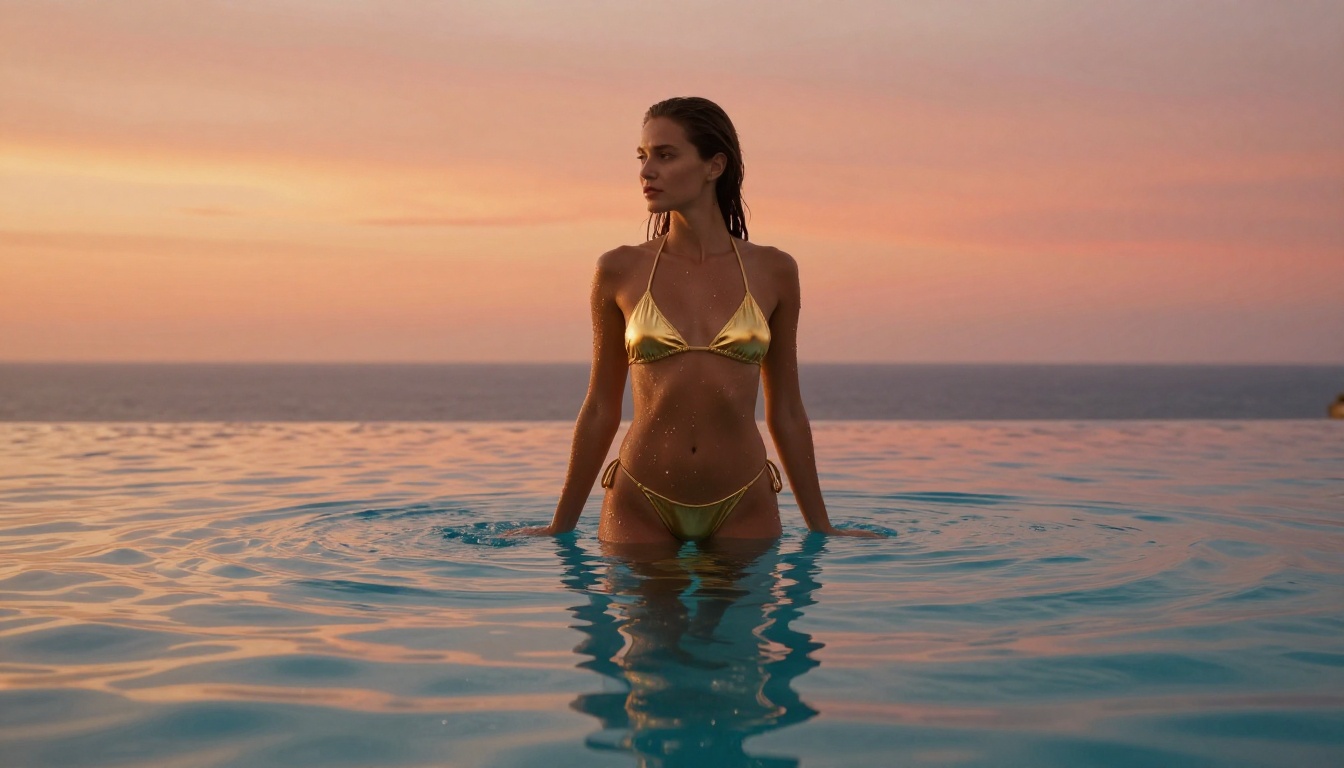
Lighting is the single variable most responsible for whether an image reads as photorealistic or synthetic. Models need explicit lighting direction to execute correctly. "Soft window light from the left at 45 degrees" gives the model what it needs. "Good lighting" gives it nothing to work with.
3. Neglecting post-processing
Raw AI output at standard resolutions is not publication-ready. Super-resolution upscaling, selective inpainting with Flux Fill Pro, and color grading are standard steps in any professional adult content AI pipeline. Skipping them produces output that reads as amateur regardless of how technically capable the underlying model is.
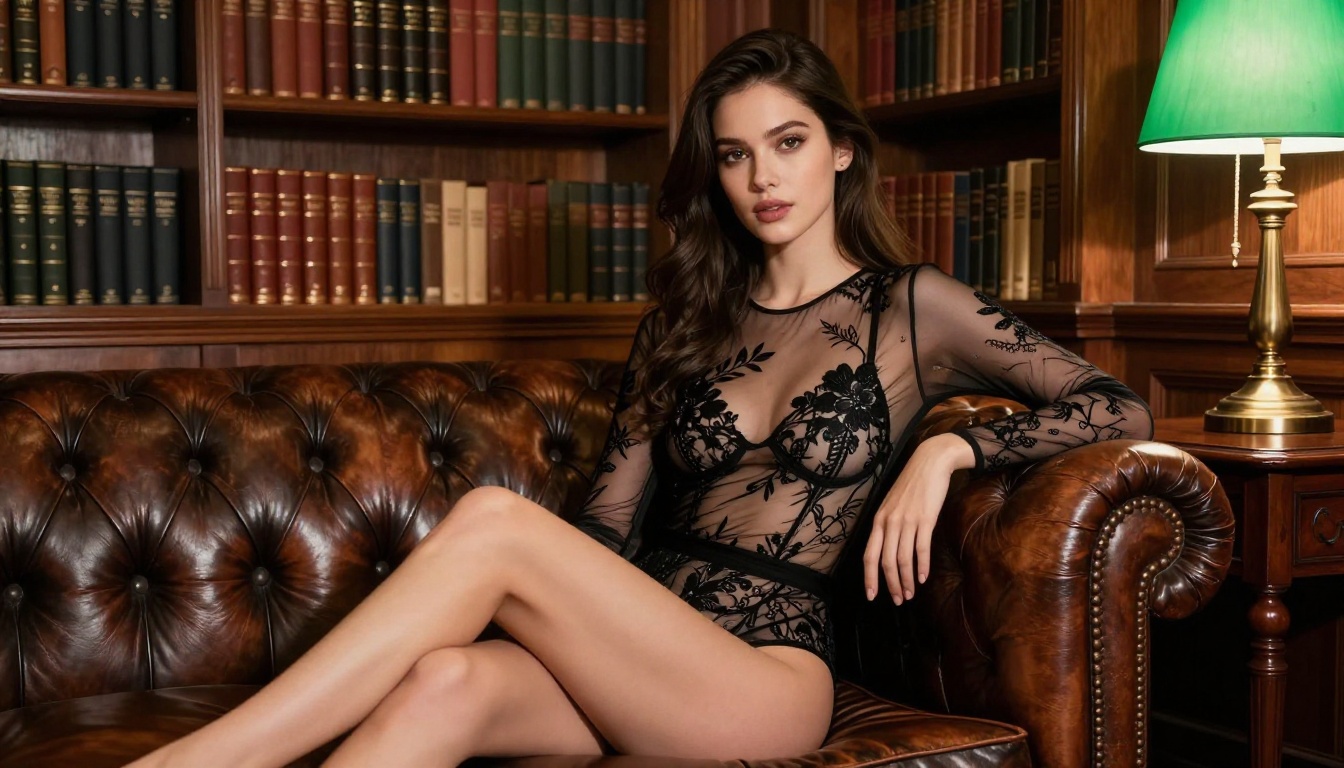
Start Creating on PicassoIA Right Now
Flux Chroma redefined what uncensored AI image generation meant: not a compromised, lower-quality alternative, but a technically serious model that removed the content restrictions frustrating professional creators. The models that followed, from the Flux family to Seedream 4.5, built on that same principle of quality without restriction.
PicassoIA brings all of these models together in one place. You do not need to run local hardware or work through complicated installation processes. Seedream 4.5 is the fastest path to high-quality NSFW output. PicassoIA Image Editor Pro gives serious content creators unlimited generations for the kind of volume professional pipelines actually demand. The full Flux lineup, from Flux Dev to Flux Pro, with editing tools including Flux Fill Dev, Flux Depth Pro, and Flux Kontext Fast, is all accessible directly in the browser with no setup required.
The full catalog is at picassoia.com/en/all-models. Start with Seedream 4.5 for speed and volume, or go straight to Flux Pro when quality is everything.