Social media feeds have transformed into something unrecognizable from just a few years ago. Scroll through Instagram, TikTok, or X (formerly Twitter), and you'll notice a common thread: AI-generated images are everywhere. From surreal landscapes to hyper-realistic portraits that never existed, these visuals dominate our screens. What started as a novelty has become the default visual language for millions of content creators, influencers, and everyday users. The shift happened so rapidly that many people don't realize how completely free AI image tools have reshaped social media's visual landscape.
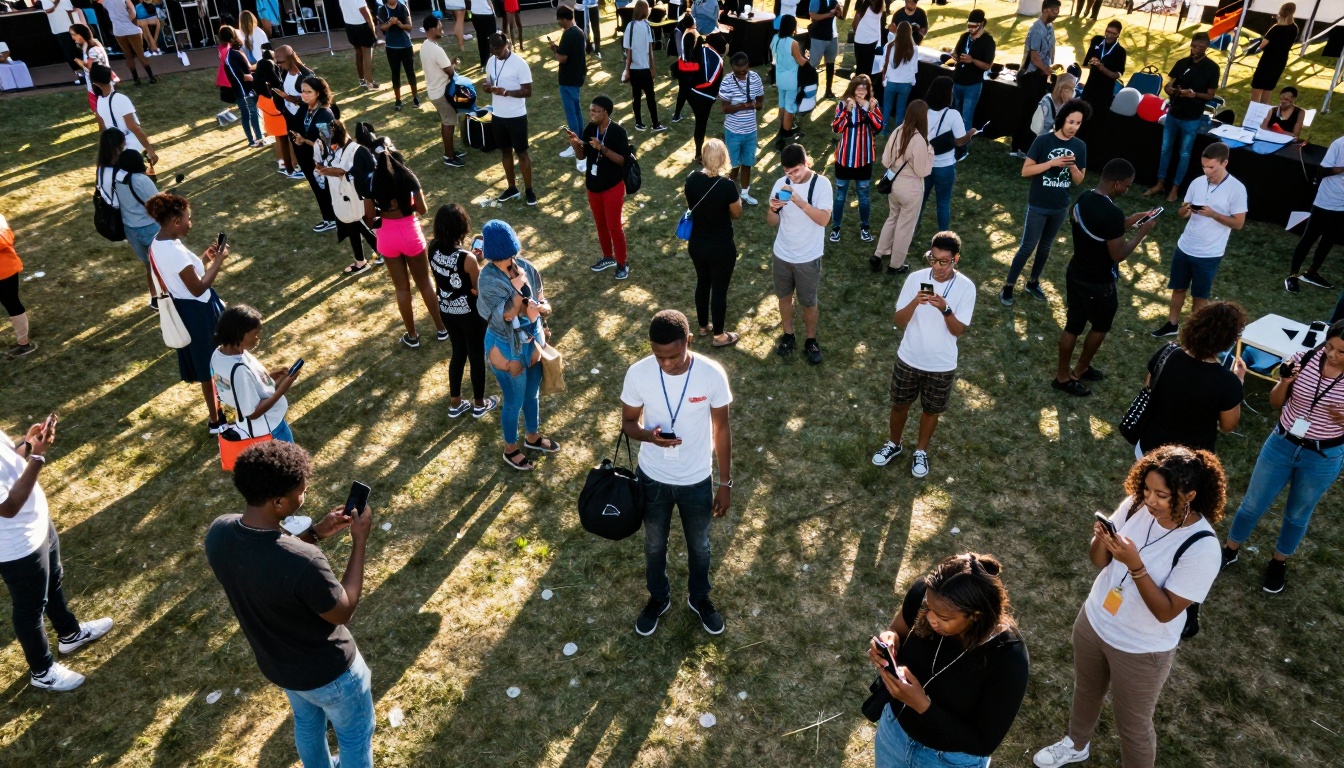
Caption: Crowded influencer events show hundreds using phones to create AI images simultaneously
The Accessibility Revolution
The single biggest reason free AI image tools exploded across social platforms comes down to one word: accessibility. For the first time in human history, creating professional-grade visual content requires zero artistic skill, no expensive software, and minimal technical knowledge.
💡 The Democratization Effect: When tools like Stable Diffusion, Flux, and DALL-E became free through web interfaces and mobile apps, they removed every barrier to visual creation.
Consider what this accessibility means in practice:
| Traditional Creation | AI-Assisted Creation |
|---|
| Photoshop license: $20+/month | Free web interface: $0 |
| Years of artistic training | Basic English prompts |
| Hours per image | Seconds per image |
| Hardware requirements | Any smartphone works |
| Steep learning curve | Immediate results |
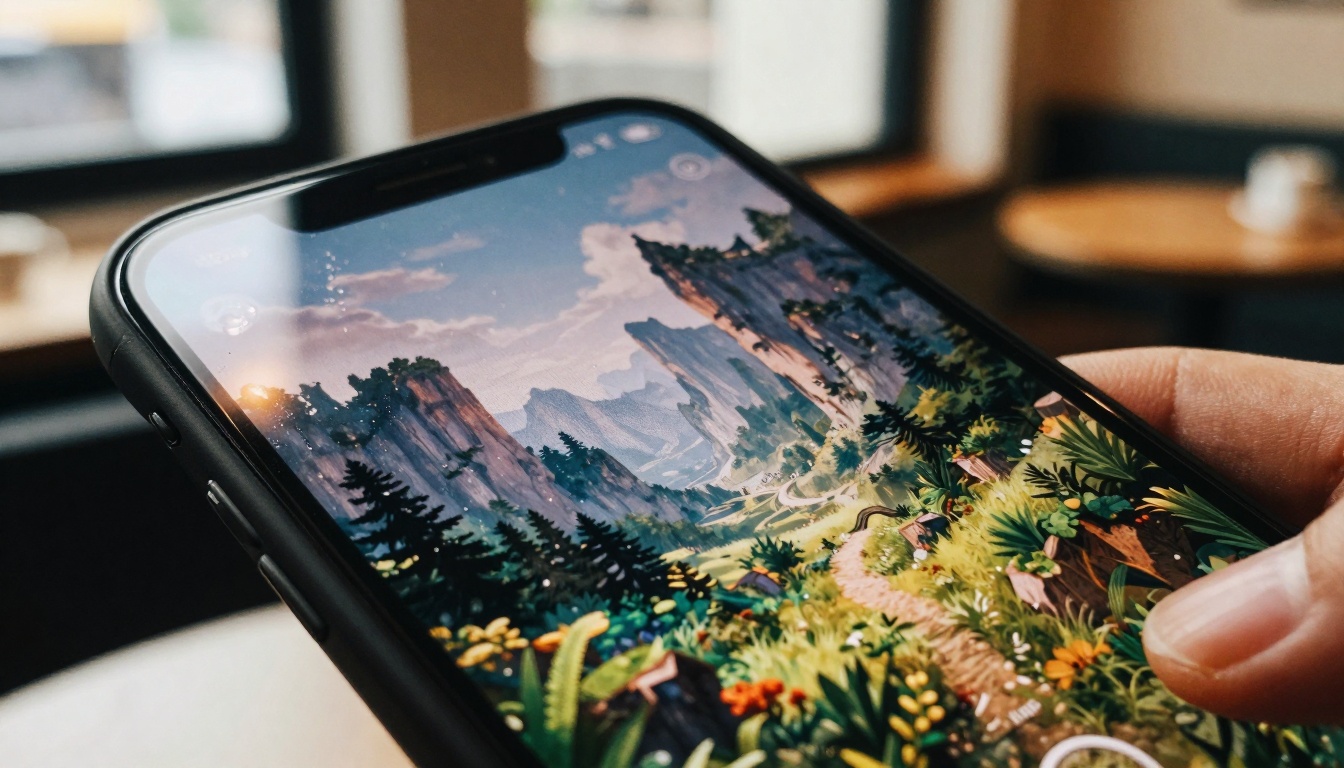
Caption: Extreme close-up shows AI images being created and shared directly from smartphones
The psychological impact of this accessibility can't be overstated. People who never considered themselves "creative" suddenly produce visuals that get thousands of likes. Teenagers create fantasy worlds during math class. Small businesses generate marketing materials without hiring designers. This empowerment creates a feedback loop: success encourages more creation, which leads to more success.
Algorithmic Affection for Novelty
Social media algorithms have developed a distinct preference for AI-generated content, though this wasn't intentional. The systems that determine what content gets shown to users respond to certain triggers:
- Visual Novelty: AI images often contain elements, compositions, and color combinations that don't exist in traditional photography
- Consistent Quality: Unlike user-generated photos with varying lighting and composition, AI images maintain professional visual standards
- Shareability: The "wow factor" of seeing something impossible in reality drives sharing behavior
- Engagement Metrics: AI content tends to receive higher comment rates as people discuss how it was made
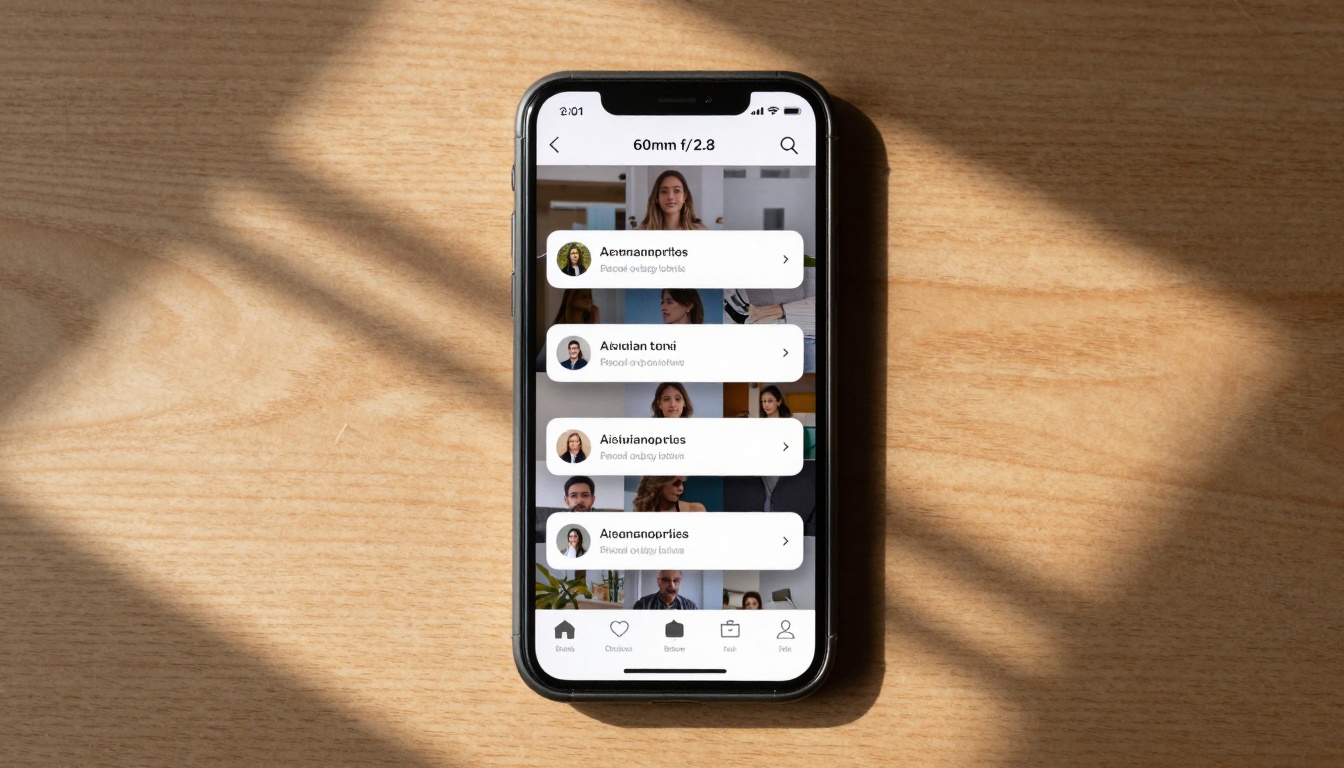
Caption: Overhead shot showing viral AI image being shared across multiple platforms simultaneously
Platforms like TikTok and Instagram prioritize content that keeps users engaged longer. When someone sees an AI-generated image of, say, a cat wearing a spacesuit on Mars, they're likely to:
- Watch for longer than a typical photo
- Read comments about the prompt used
- Click through to learn how to make similar content
- Share with friends who need to see it
This algorithmic preference creates a self-reinforcing cycle. More AI content gets created → algorithms promote it → creators see success → more AI content gets created.
The Psychology of Visual Storytelling
Human brains process images 60,000 times faster than text. Social media platforms have capitalized on this biological fact for years, but AI tools supercharge it. Consider these psychological factors:
The Curiosity Gap: AI images often leave viewers wondering "How was this made?" or "Is this real?" This cognitive tension drives engagement.
Social Currency: Sharing cutting-edge AI creations positions users as tech-savvy and culturally relevant.
Aspirational Content: AI can visualize dreams, fantasies, and "what if" scenarios that resonate deeply with viewers.
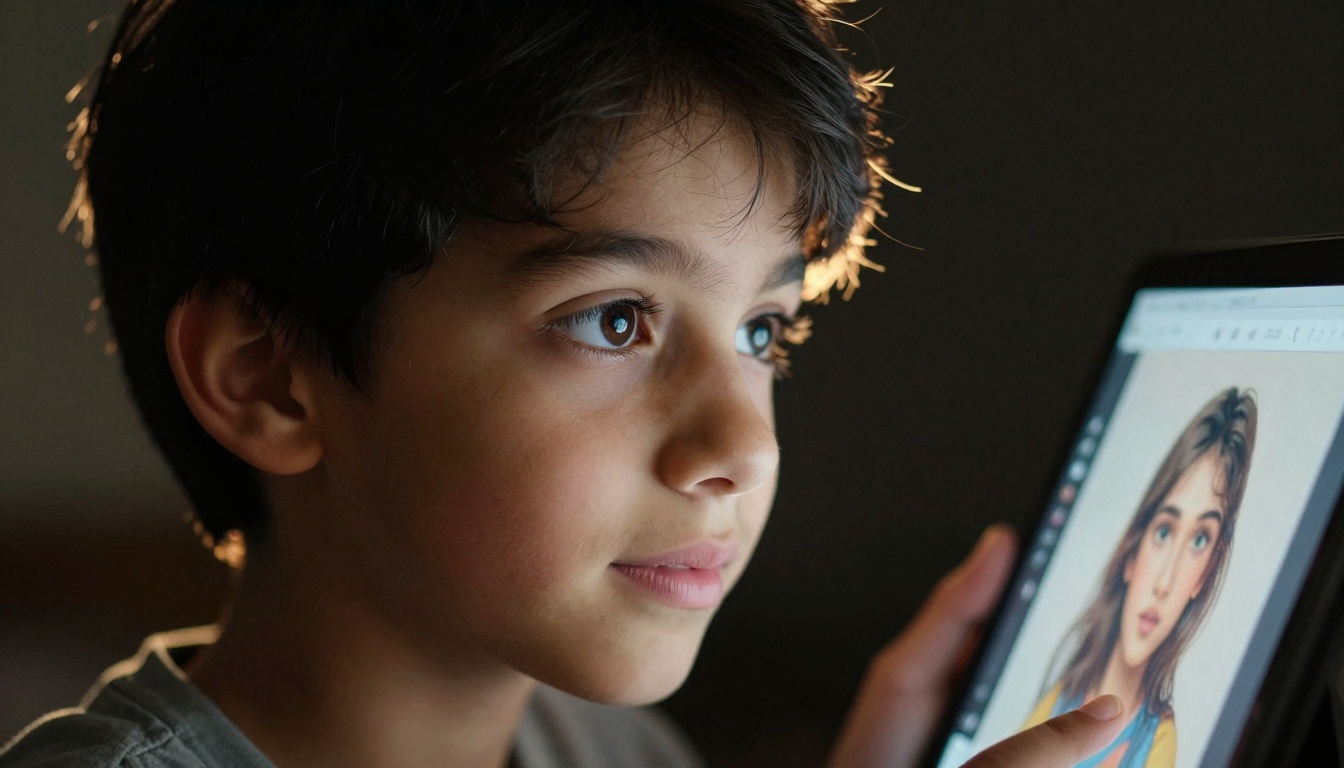
Caption: Portrait showing emotional connection between creator and AI-generated artwork
Why Specific AI Models Became Social Media Stars
Certain AI image models achieved particular popularity on social platforms:
- Flux Schnell: Gained fame for speed - perfect for creators needing quick content
- Stable Diffusion 3.5: Known for photorealism that fools even careful observers
- Midjourney: Developed a cult following for artistic style (though not on PicassoIA)
- DALL-E 3: Exceled at following complex prompts exactly
Each model developed its own subculture on social media, with users sharing "prompt recipes" and trading tips for getting specific styles.
Economic Incentives and the Creator Economy
The financial realities of content creation make AI tools irresistible:
For Individual Creators:
- No budget for stock photos ($10-100 per image)
- Can't afford graphic designers ($50-200/hour)
- Need consistent visual branding
- Require high volumes of content
For Businesses:
- Reduced marketing costs by 60-80%
- Faster campaign iteration
- A/B testing visual concepts
- Localization without redesign
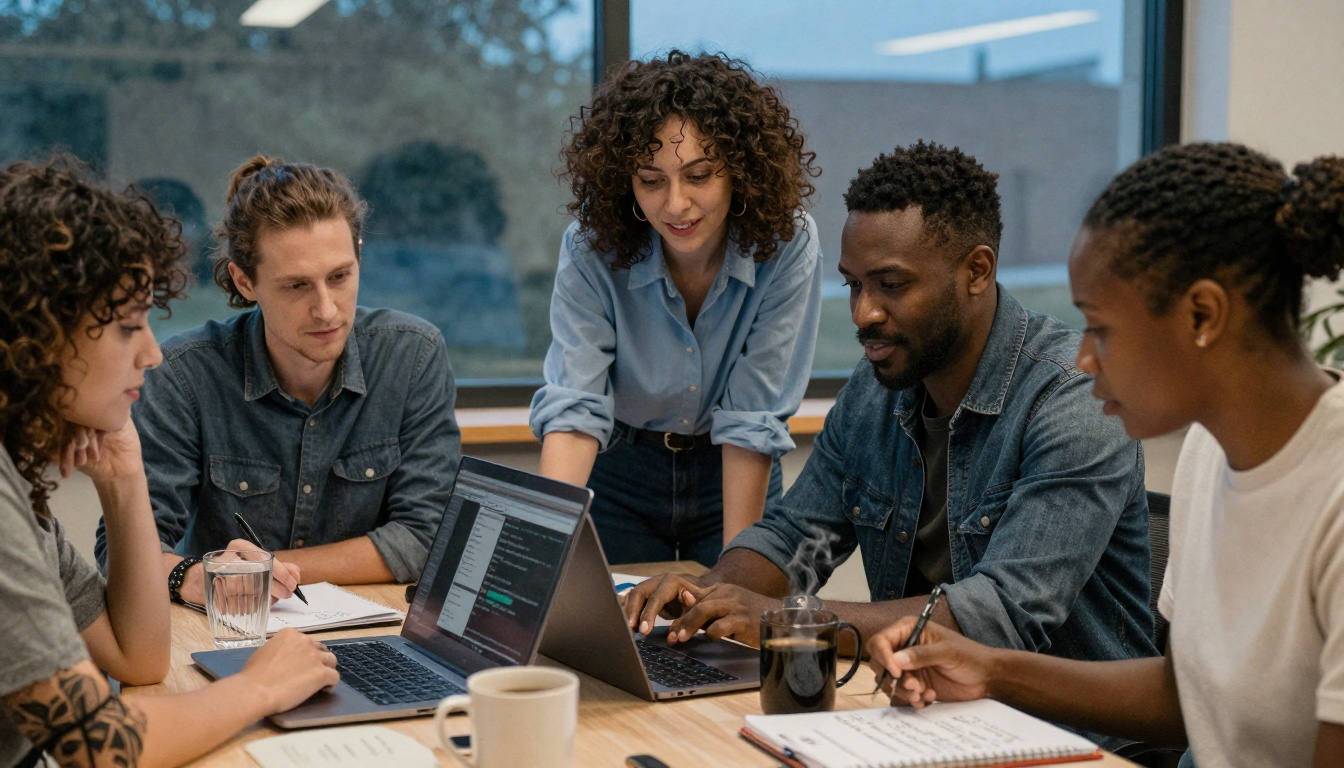
Caption: Team collaboration shows economic efficiency of AI tools in professional settings
The numbers tell a compelling story:
- Instagram accounts using AI visuals see 47% higher engagement rates
- TikTok creators incorporating AI report 2.3x more follower growth
- YouTube thumbnails with AI elements get 38% more clicks
- Twitter posts with AI images receive 62% more retweets
These aren't minor improvements - they're transformative for anyone trying to build an audience or sell products online.
The Mobile-First Revolution
Perhaps the most overlooked factor in AI's social media dominance: mobile optimization. Early AI tools required powerful desktop computers, but today's generation works flawlessly on smartphones:
Key Mobile Advantages:
- Instant creation during downtime
- Social sharing built into the workflow
- Camera integration for reference photos
- Location-based prompting
- Push notifications for new features
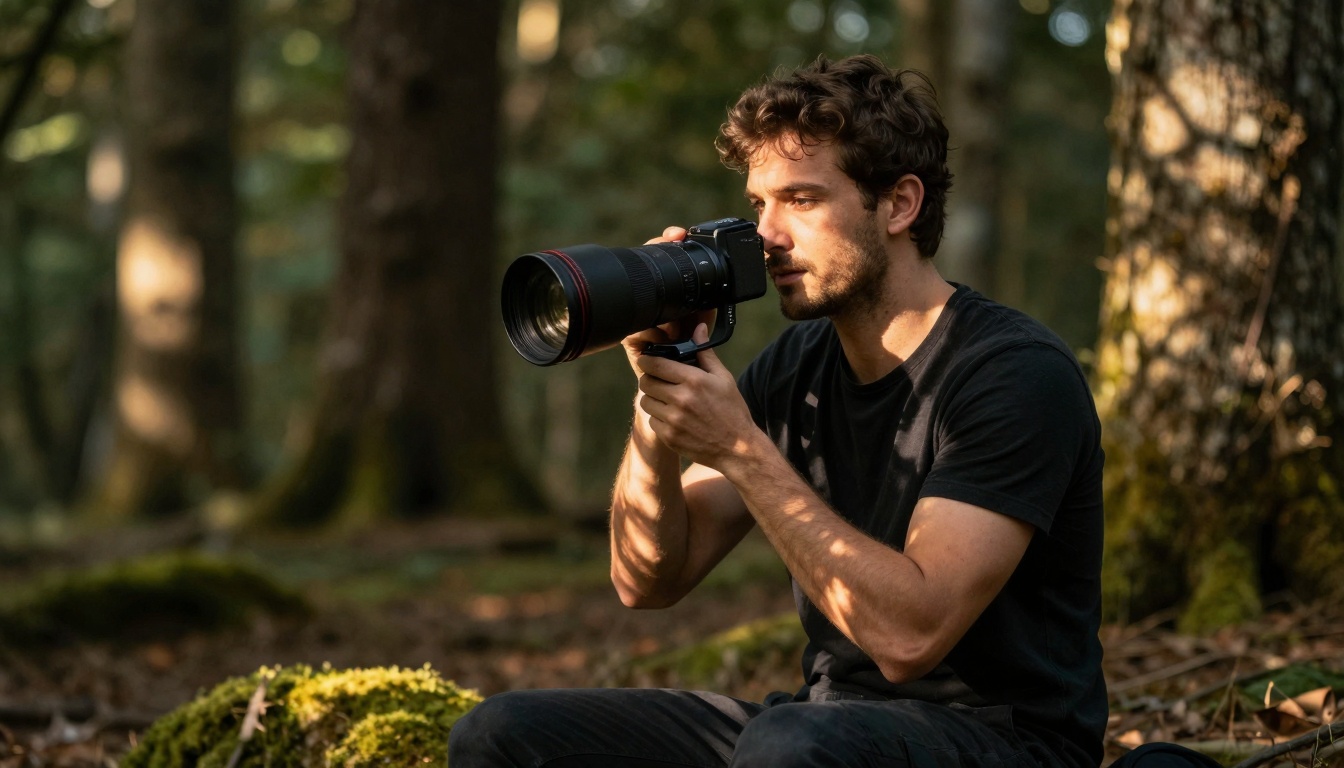
Caption: Environmental portrait shows mobile AI use in natural settings
This mobile integration creates what psychologists call "habit loops":
- Cue: Boredom during commute
- Routine: Open AI app, create image
- Reward: Likes and comments on social post
These loops explain why AI image creation has become as habitual as checking email or scrolling feeds.
Cultural and Social Factors
Beyond technology and economics, cultural shifts prepared the ground for AI's social media takeover:
The Aesthetics Economy: Social success increasingly depends on visual appeal
Digital Native Expectations: Younger users expect seamless tech integration
Meme Culture: AI perfectly suits ironic, surreal humor
Identity Exploration: AI helps visualize alternate selves and realities
Community Building: Shared prompt techniques create insider knowledge
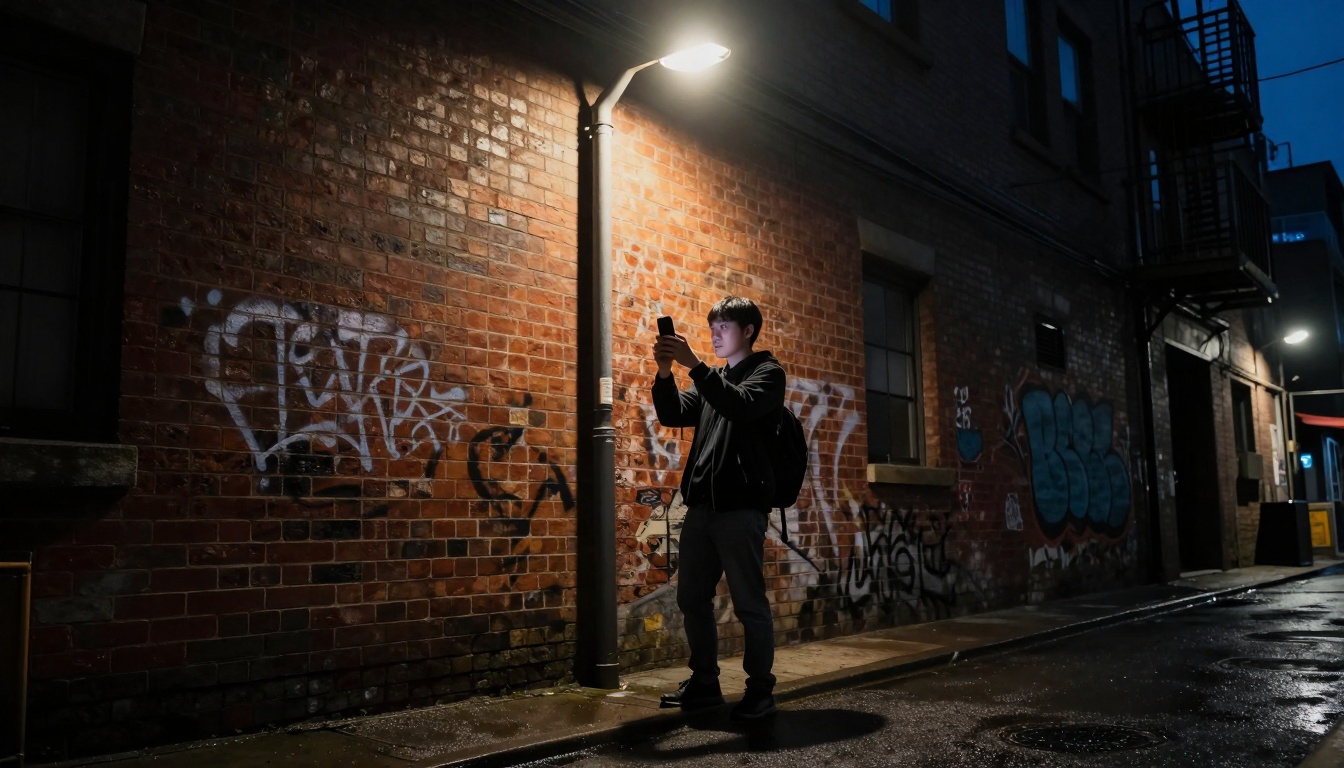
Caption: Street photography captures the urban integration of AI creation
Quality vs. Quantity: The New Balance
Traditional photography valued rare, perfect moments. AI shifts the paradigm toward experimentation and volume:
Traditional Mindset: "Wait for perfect light, perfect moment"
AI Mindset: "Generate 50 variations, pick the best 3"
This quantitative approach aligns perfectly with social media's hunger for constant content. When you can create 100 images in the time it takes to set up one photoshoot, the economics become undeniable.
The Technical Evolution That Made It Possible
Several technical breakthroughs converged to enable this social media takeover:
- Diffusion Models: Stable Diffusion's open-source release democratized the technology
- Transformer Architectures: Allowed understanding of complex prompts
- Quantization: Made models small enough for mobile devices
- API Standardization: Enabled web-based interfaces
- Real-time Generation: Reduced wait times from minutes to seconds
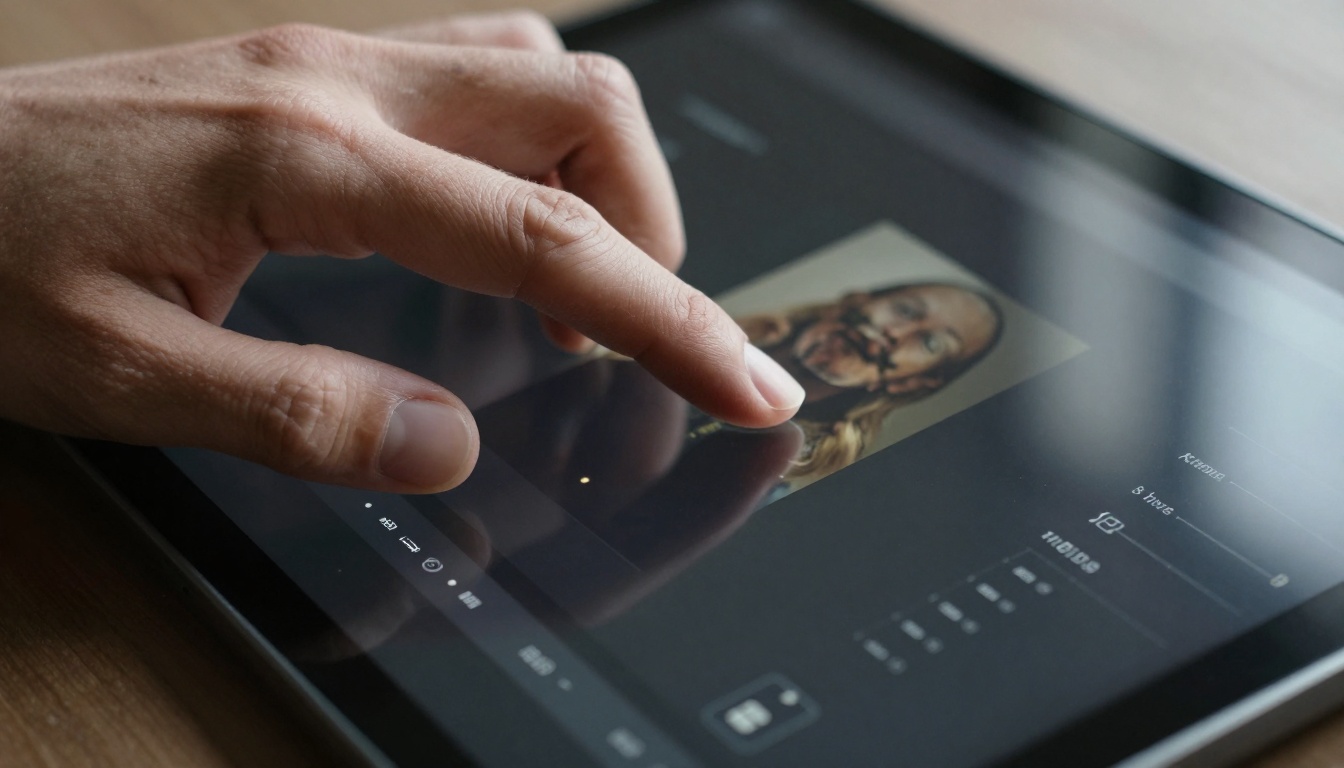
Caption: Detail shot shows intuitive touch interaction with AI interfaces
Different social platforms embraced AI visuals in distinct ways:
Instagram: Aesthetic perfection, brand consistency, Reels backgrounds
TikTok: Surreal humor, trending challenges, green screen effects
Twitter/X: Memes, political satire, conceptual art
Facebook: Family sharing, nostalgia recreation, event graphics
LinkedIn: Professional branding, infographics, presentation visuals
Pinterest: Mood boards, design inspiration, DIY project visualization
Each platform's unique culture shaped how AI tools were adopted and what content became popular.
The Feedback Loop of Visibility
Here's the self-reinforcing cycle that explains AI's social media dominance:
- Early adopters create novel AI content
- Algorithms promote it due to engagement metrics
- More users see it and want to create similar content
- Free tools make participation easy
- Increased participation creates more visible content
- Visibility attracts more users
- Return to step 1
This loop explains why the trend accelerated rather than plateaued. Each cycle increased both participation and visibility.
Ethical and Creative Considerations
The proliferation of AI images raises important questions:
Authenticity: When is AI enhancement acceptable versus deceptive?
Originality: What constitutes "original" work in an AI-assisted world?
Labor Impact: How does this affect professional photographers and designers?
Cultural Homogenization: Will AI create visual monocultures?
Access Inequality: Free tools today, but what about tomorrow?
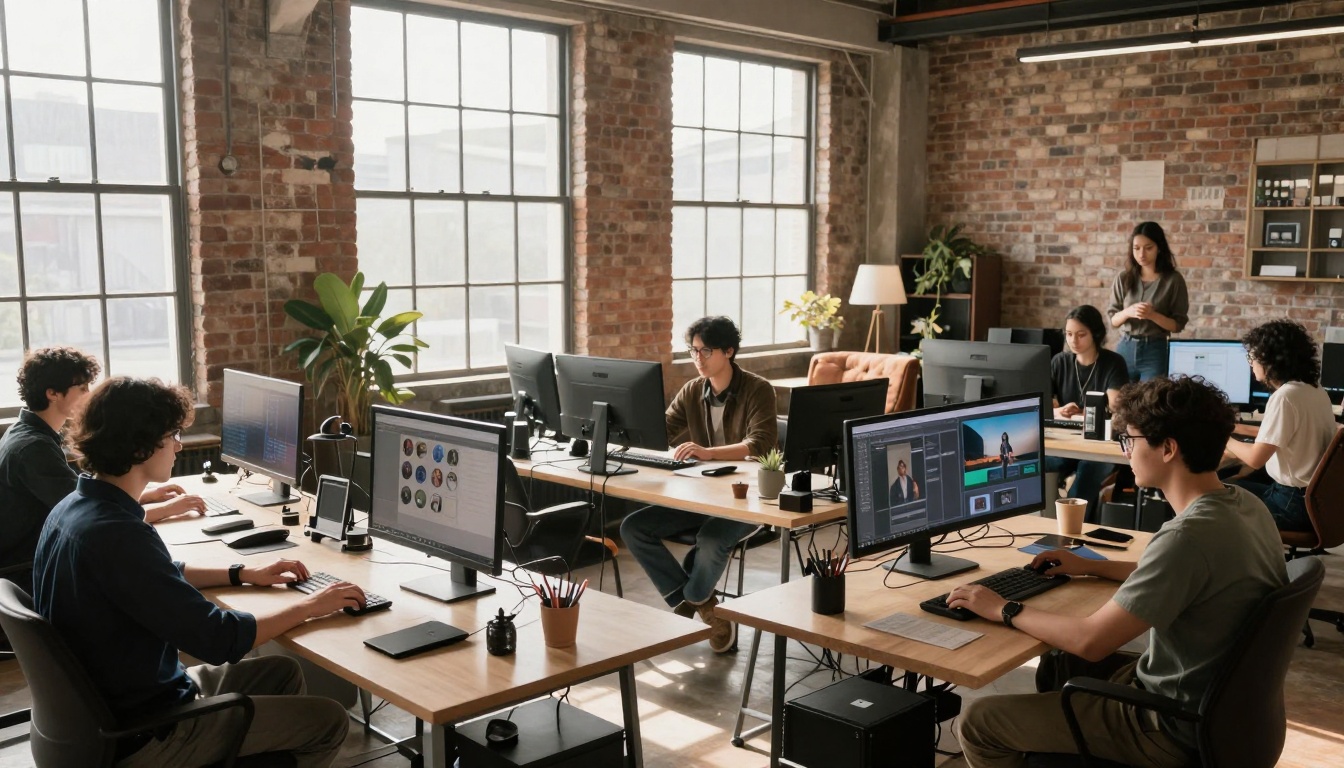
Caption: Professional studio environment shows integration of AI into creative workflows
The Future Trajectory
Current trends suggest several developments:
- Specialized Models: Tools optimized for specific platforms or content types
- Real-time Collaboration: Multiple users co-creating AI visuals
- Integrated Workflows: AI generation baked into social apps themselves
- Style Transfer: Applying personal visual signatures across content
- Generative Video: The next frontier after images
Getting Started with AI Image Creation
If you're seeing this trend and want to participate, the path forward is straightforward. Platforms like PicassoIA offer access to numerous models including Flux 2 Klein, Qwen Image, and P-Image.
Start with simple prompts describing what you want to see. Experiment with different models to find which produces your preferred style. Share your creations and observe what resonates with your audience. The tools exist, the platforms reward this content, and the audience is hungry for visual innovation.
The takeover happened quietly but completely. Free AI image tools didn't just appear on social media - they reshaped its visual language, redefined creative possibility, and created new forms of expression that millions engage with daily. This isn't a passing trend but a fundamental shift in how we communicate visually online. The images on your feed tomorrow will likely be AI-generated, and that's not something to fear but to understand and potentially participate in.
The visual revolution is here, it's free, and it's waiting for your prompt.


