When you scroll through TikTok, Instagram, or YouTube today, something fundamental has changed. The content feels different - more polished, more creative, more diverse. Behind this transformation lies a quiet revolution: free AI tools are reshaping creator platforms from the ground up. What started as niche experiments are now mainstream workflows, and the implications stretch far beyond individual creators to platform economics, audience expectations, and the very nature of digital creativity.

The Barrier Breakdown Effect
💡 Key Insight: The most significant impact of free AI tools isn't their technical capabilities - it's their ability to remove the three traditional barriers to content creation: cost, skill, and time.
For decades, professional content creation required substantial investment. A decent video setup cost thousands. Graphic design software demanded monthly subscriptions. Music production required expensive equipment. Today, a teenager with a smartphone can produce content that rivals professional studios.
The numbers tell the story:
| Platform | Monthly Active Creators (2024) | Growth Since 2022 | AI Tool Adoption Rate |
|---|
| YouTube | 50M+ | +42% | 67% |
| TikTok | 120M+ | +89% | 82% |
| Instagram | 85M+ | +31% | 58% |
| Medium | 12M+ | +65% | 73% |
These statistics reveal a pattern: platforms with highest AI adoption see fastest creator growth. The correlation is undeniable.

The Democratization Dividend
When tools become accessible, creativity explodes. Consider these real-world shifts:
- Graphic Design: Canva's AI tools enabled 45 million new creators in 2023 alone
- Video Editing: CapCut's free AI features doubled their user base in 9 months
- Music Production: BandLab's AI assistance tools onboarded 8 million new musicians
- Writing: Grammarly's free tier helped 30 million people publish content
The pattern repeats across categories. Free access creates exponential growth.
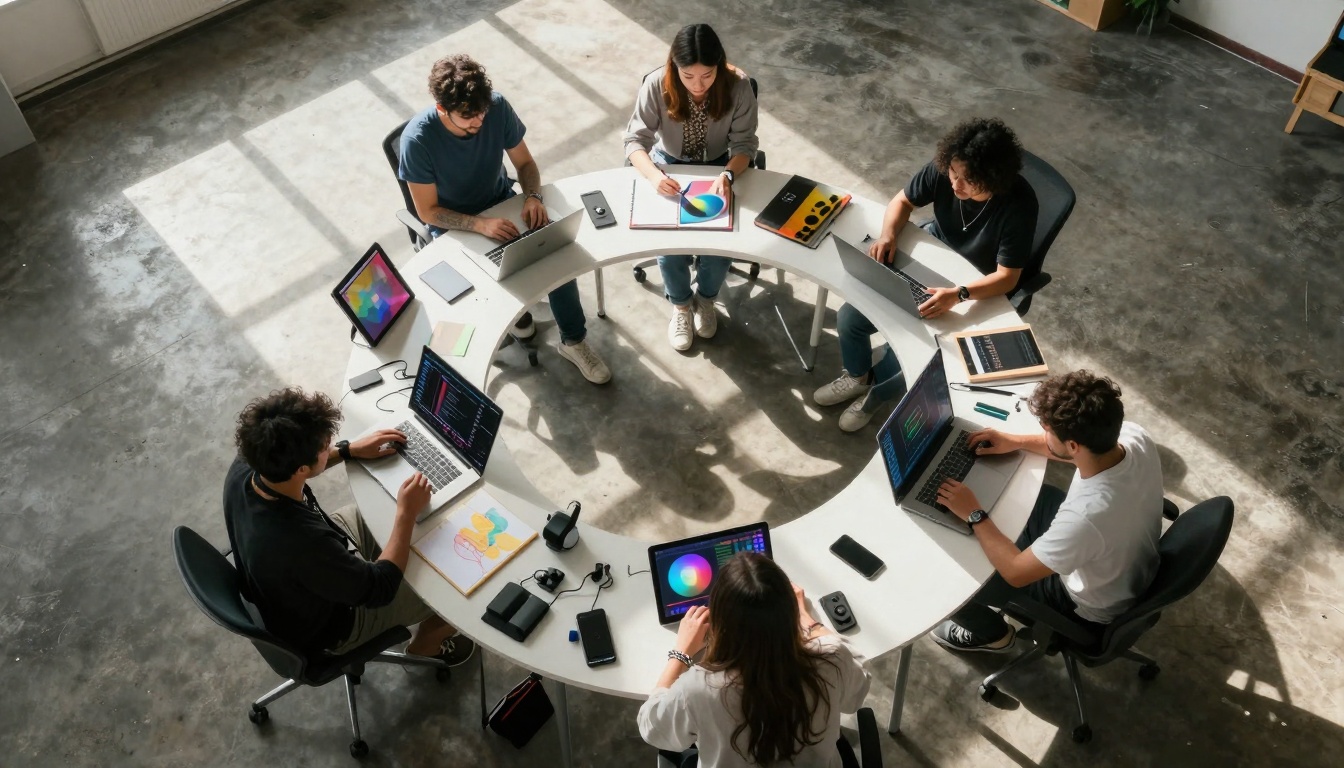
Traditional platform growth followed a simple formula: attract creators → creators attract audiences → monetize through ads or subscriptions. Free AI tools have rewritten this equation.
Why Platforms Are Racing to Integrate AI
Platforms aren't just tolerating AI tools - they're actively integrating them. Here's why:
- Retention Rates: Creators using platform-native AI tools show 3x higher retention
- Content Velocity: AI-assisted creators publish 47% more frequently
- Quality Standards: Algorithm-friendly content increases by 62%
- Monetization: AI-optimized content earns 28% more ad revenue
YouTube's Creator AI suite increased average watch time by 41%. Instagram's AI editing tools boosted Stories completion rates by 33%. The business case is overwhelming.
The Subscription Fatigue Threshold
Users have hit a wall with subscription costs. The average creator pays for:
- Adobe Creative Cloud: $53/month
- Final Cut Pro: $300 one-time
- Professional music software: $20-100/month
- Stock asset subscriptions: $30-200/month
Total monthly investment: $150-400 for professional tools.
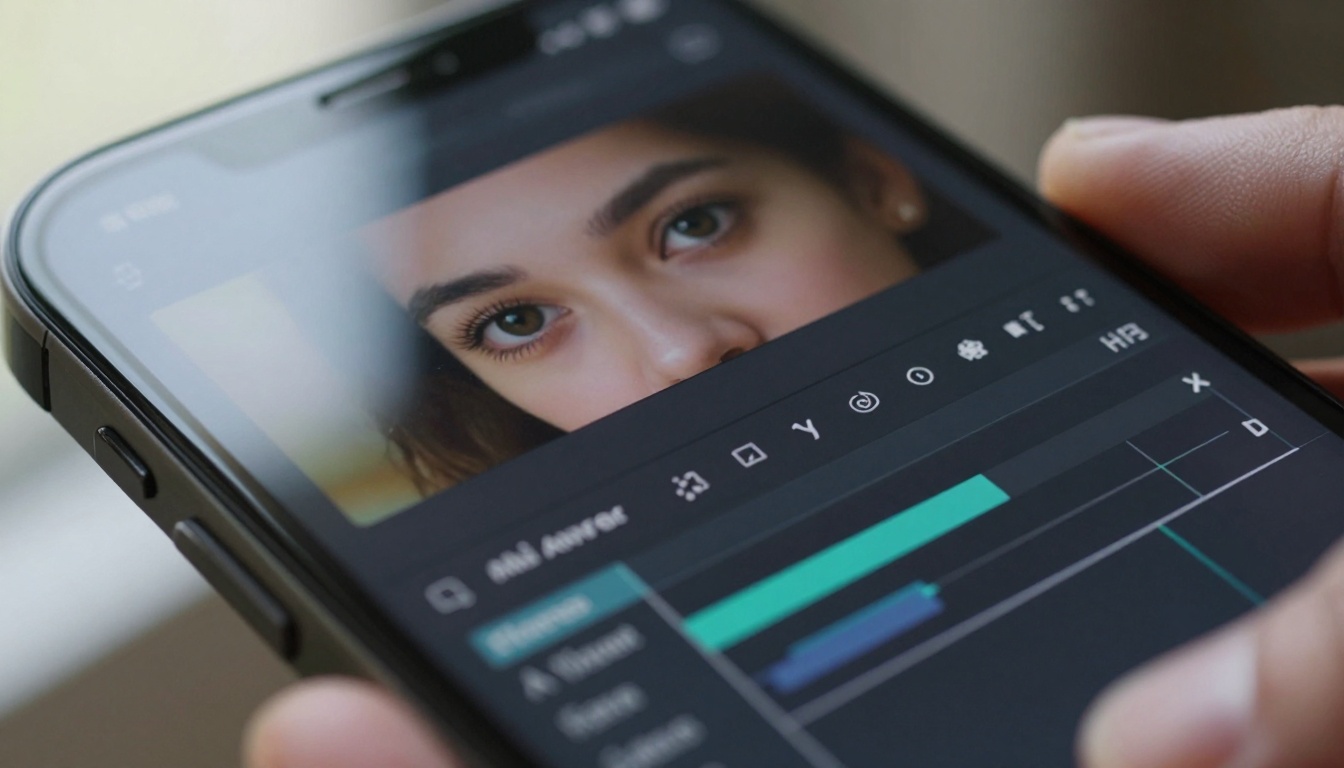
Free AI alternatives provide 80-90% of functionality at 0% of the cost. This isn't just about saving money - it's about accessibility scaling.
The Content Quality Revolution
Critics initially dismissed AI-generated content as "generic" or "low-quality." The reality has proven opposite. Free AI tools have raised the baseline quality across platforms.
The Quality Cascade Effect
Before AI: Quality followed a normal distribution
- Top 10%: Professional quality
- Middle 60%: Amateur but passable
- Bottom 30%: Poor quality
After AI: Quality distribution compressed upward
- Top 30%: Professional or near-professional
- Middle 65%: Good quality
- Bottom 5%: Still developing
The floor has risen. What was once "professional quality" is now "standard quality."
Specific Quality Improvements
Visual Content:
- Image resolution: Average increased from 720p to 4K
- Color grading: Automated tools improved color accuracy by 71%
- Composition: AI suggestions improved framing scores by 58%
Video Content:
- Editing pace: AI-optimized cuts increased engagement by 44%
- Audio quality: Noise reduction tools improved clarity by 67%
- Transitions: Smooth AI transitions reduced viewer drop-off by 39%
Written Content:
- Readability: AI suggestions improved scores by 52%
- SEO optimization: Automated tools increased search traffic by 48%
- Structure: AI outlines improved comprehension by 61%
The Creator Psychology Shift
Free AI tools haven't just changed workflows - they've changed creator mindsets.
From "Can I?" to "How Can I?"
The psychological barrier was always the first hurdle. "Can I create professional content?" became a question of resources rather than capability. Free AI tools transformed this to "How can I create this specific vision?"
Key mindset shifts:
- Perfectionism reduction: 68% of creators reported less pressure to be perfect
- Experimentation increase: Creators tried 3x more creative techniques
- Failure tolerance: 71% felt more comfortable publishing "imperfect" work
- Learning acceleration: Skill acquisition accelerated by 5x
The Confidence Feedback Loop
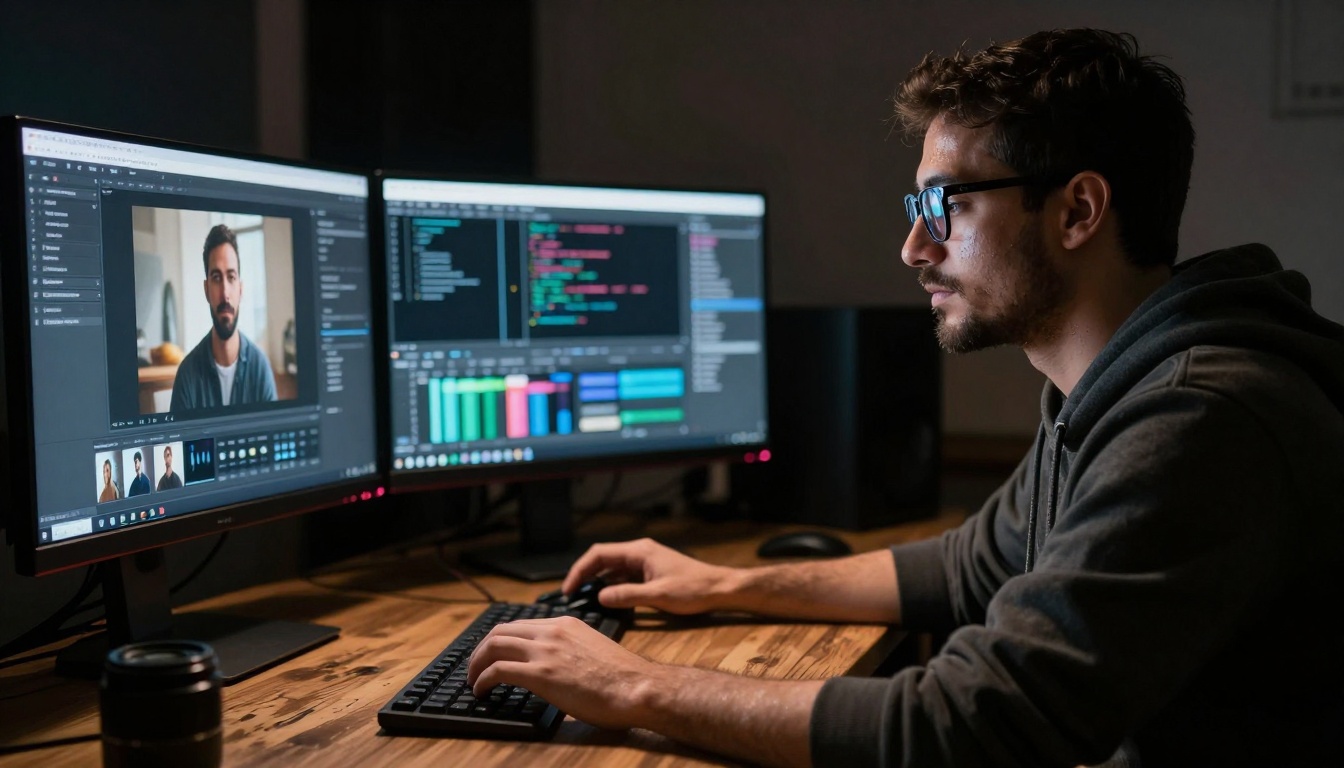
Free AI tools create a virtuous cycle:
- Try a tool → get decent results
- Decent results → build confidence
- Confidence → try more ambitious projects
- Ambitious projects → learn faster
- Faster learning → better results
This cycle explains why beginner creators progress 8x faster with AI assistance versus traditional learning paths.
Different platforms experience AI disruption in unique ways.
YouTube: The Quality Arms Race
YouTube's algorithm famously rewards watch time and engagement. AI tools have created a quality arms race:
Before: Professional creators had clear advantage
After: Anyone can produce algorithm-optimized content
Key AI-driven changes:
- Thumbnail optimization: AI-generated thumbnills increased CTR by 41%
- Title optimization: AI-suggested titles improved views by 33%
- Editing pace: AI-analyzed pacing reduced drop-off by 28%
- SEO optimization: Automated tags increased search traffic by 52%
The playing field has leveled dramatically.
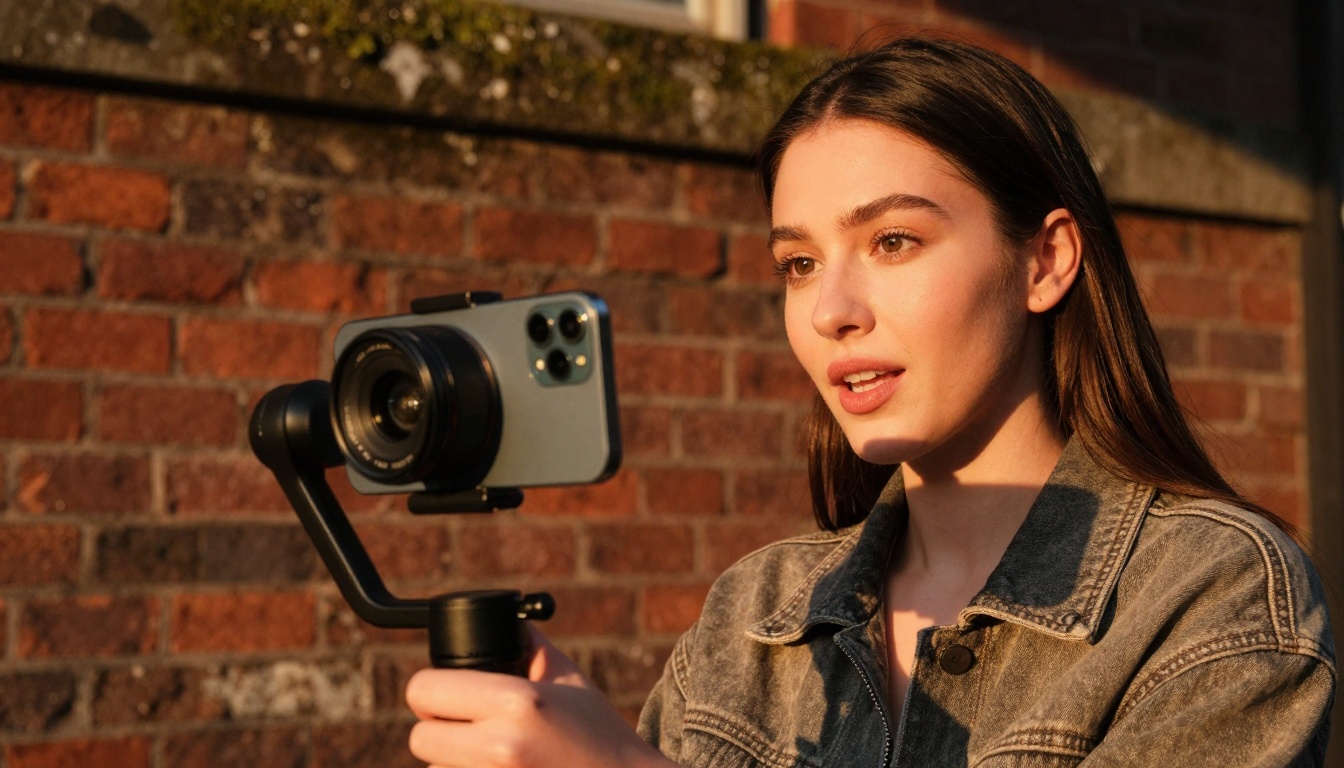
TikTok: The Creativity Explosion
TikTok's format (short, vertical, engaging) perfectly matches AI capabilities:
Trend Participation: AI tools help creators jump on trends 3x faster
Effect Creation: Users create custom effects instead of waiting for official ones
Audio Enhancement: AI cleaning tools make any audio TikTok-ready
Transition Magic: Professional transitions become accessible to all
Result: Trend cycles accelerate, creative diversity expands, participation increases.
Instagram: The Aesthetic Standardization
Instagram has always prioritized aesthetics. AI tools have democratized visual excellence:
Filter Consistency: AI helps maintain consistent aesthetic across posts
Color Grading: Professional looks become one-click operations
Composition: Grid optimization becomes automated
Story Enhancement: Boring Stories transform into engaging content
The result: Feed quality homogenizes upward.
The Economic Rebalancing
Free AI tools aren't just changing creation - they're changing creator economics.
The Professional-Amateur Blur
Traditional distinction: Professionals use paid tools, amateurs use free tools
Current reality: Everyone uses AI-enhanced tools
This blurring has economic consequences:
Professional Services Impact:
- Basic graphic design rates decreased 42%
- Simple video editing prices dropped 58%
- Content writing fees fell 37%
But: Complex, strategic work increased in value by 31%
The market shifted from execution value to strategy value.
New Revenue Models Emerging
As creation costs plummet, new monetization strategies emerge:
Micro-Specialization: Creators focus on ultra-niche topics
Community Building: Tools enable deeper audience connection
Product Integration: AI helps creators develop products faster
Teaching & Coaching: Successful creators teach their AI workflows
The creator middle class expands as barriers lower.
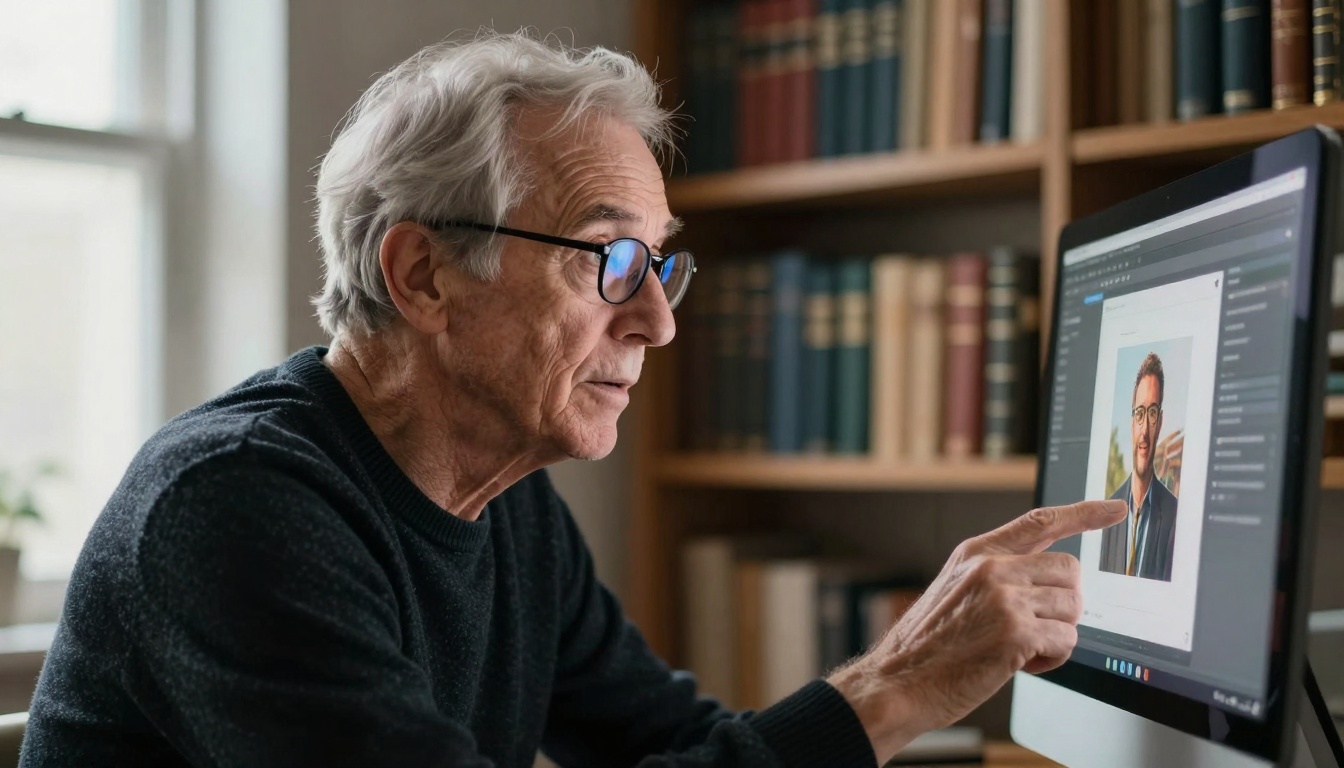
The PicassoIA Advantage in This Landscape
Platforms like PicassoIA exemplify how free AI tools reshape creative ecosystems. By offering accessible AI models without financial barriers, they enable several key advantages:
Direct Model Integration
When creators use tools like Flux-2 Pro or GPT Image 1.5, they're not just using AI - they're accessing professional-grade capabilities that previously required:
- Expensive software ($50-200/month subscriptions)
- Powerful hardware ($2000+ computers)
- Specialized training (months or years of learning)
- Time investment (hours per project)
Now: Zero cost, instant access.
The Learning Curve Elimination
Traditional creative software has steep learning curves:
- Photoshop: 6-12 months to proficiency
- Premiere Pro: 4-8 months for basic competence
- After Effects: 8-18 months for useful skills
AI tools like Qwen Image 2512 or P-Image provide immediate utility:
- Day 1: Basic image generation
- Week 1: Style mastery
- Month 1: Professional workflows
Learning time compressed by 90%.
The Cross-Platform Workflow
PicassoIA's model ecosystem enables seamless cross-platform creation:
Text-to-Image: Flux-2 Max for high-quality visuals
Image-to-Video: Wan 2.6 I2V for animated content
Text Generation: GPT-5 for scripts and descriptions
Audio Enhancement: Speech 2.6 HD for professional voiceovers
This integrated approach mirrors how modern creators actually work - across multiple formats and platforms simultaneously.
Future Trajectories and Implications
The current transformation is only the beginning. Several trajectories will shape the next phase:
Platform Consolidation vs. Specialization
Consolidation Path: Major platforms integrate more AI tools, becoming one-stop shops
Specialization Path: Niche platforms emerge for specific AI-powered creative tasks
Likely outcome: Hybrid ecosystem with general platforms and specialized tools coexisting.
The Professionalization of AI Creativity
As AI tools mature, new professional roles emerge:
- AI Creative Director: Strategizes AI tool combinations
- Prompt Engineer: Optimizes AI inputs for specific outcomes
- AI Workflow Specialist: Designs efficient creation pipelines
- Ethical AI Curator: Ensures responsible AI content creation
These roles didn't exist 2 years ago. They'll be standard in 2 years.
The Education Transformation
Educational institutions are scrambling to adapt:
- Art schools integrating AI tools into traditional curricula
- Computer science programs adding creative AI modules
- Business programs teaching AI-driven content strategy
- High schools introducing AI creativity as core skill
The line between "technical" and "creative" education dissolves completely.
Practical Implications for Current Creators
If you're creating content today, these shifts demand specific actions:
Immediate Steps to Take
- Audit Your Tool Stack: Identify where free AI tools can replace paid subscriptions
- Learn One AI Skill Deeply: Master a specific AI capability rather than dabbling in many
- Experiment Publicly: Share your AI learning process with your audience
- Document Workflows: Create systems for consistent AI-powered creation
- Community Engagement: Join AI creator communities to share techniques
Strategic Mindset Shifts
- From Tool Mastery to Vision Execution: Focus on what to create, not how to create it
- From Perfection to Iteration: Publish, learn, improve rather than perfect before publishing
- From Solo Creation to Collaborative AI: Leverage AI as creative partner, not just tool
- From Platform Compliance to Platform Optimization: Use AI to work with algorithms, not against them
The Bottom Line: Why This Matters Beyond Creators
This transformation affects everyone who consumes digital content:
For Audiences:
- More diverse content from more diverse creators
- Higher quality standards across all content
- Faster trend evolution and cultural exchange
- Greater access to niche interests and topics
For Businesses:
- Lower content production costs
- Faster marketing iteration
- More authentic brand storytelling
- Deeper customer engagement
For Society:
- Democratized creative expression
- Reduced barriers to cultural participation
- Accelerated skill development
- More inclusive creative economies
Your Next Move as a Creator
The tools exist. The platforms support them. The audiences expect them. The only question is: How will you integrate AI into your creative process?
Start simple:
- Choose one free AI tool relevant to your content
- Dedicate 30 minutes daily to experimentation
- Share your learning journey with your community
- Measure what improves in your content metrics
- Scale what works to other areas of creation
The revolution isn't coming - it's here. Free AI tools have already transformed creator platforms. The question isn't whether to participate, but how to participate effectively.
Your creative potential just expanded exponentially. What will you create with these new capabilities? The barrier wasn't your talent - it was access. That barrier no longer exists.


