The production meeting ends. The brief is clear. But the timeline and budget aren't. A 30-second ad spot that needs six variations for A/B testing, localized cuts for three markets, and a two-week turnaround has just landed on a team that's already stretched thin. This situation plays out in marketing departments every week, and it's precisely why Veo 3.1 is showing up in production workflows where stock footage libraries and traditional shoots used to be the only options.
The shift isn't about novelty. It's about arithmetic.
What Traditional Ad Production Really Costs

What production actually costs
Producing a single 30-second video ad through conventional means involves a production company, a director, a full crew, location fees, talent contracts, post-production editing, and sound design. A mid-tier production runs between $15,000 and $80,000 depending on scope. That's for one version, one cut, one set of assets.
When a campaign needs six creative variants to test different hooks, different audiences, and different calls to action, the math becomes untenable for most marketing budgets. Agencies working with mid-market brands feel this pressure most directly: the expectation for high-quality video has scaled up while budget allocations have not.
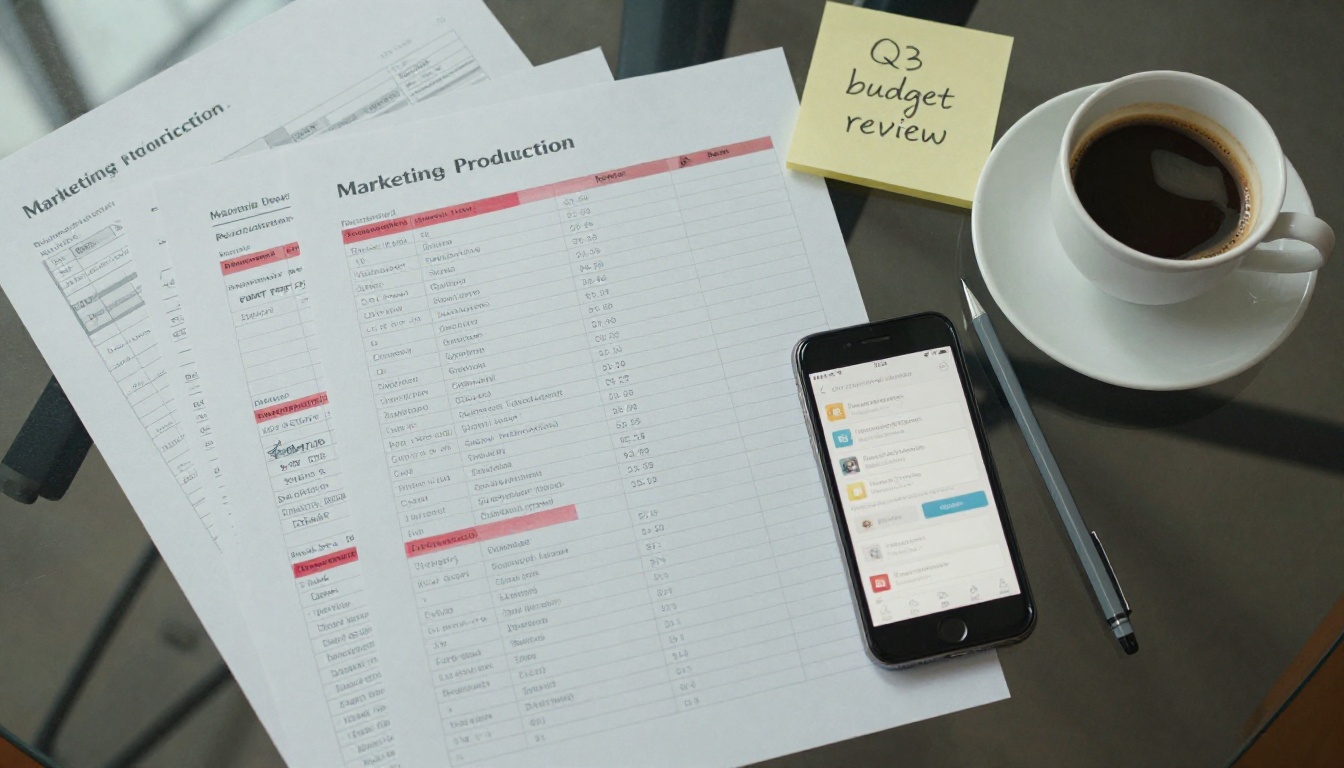
The people who approve production budgets understand this math. Which is why the conversation around AI video generation has moved from "is this credible?" to "when do we start?"
The iteration trap
Testing creative at scale requires volume. Performance marketers running paid social campaigns know that the winning ad in a batch of ten rarely wins for reasons anyone predicted. The hook matters. The pacing matters. The opening frame matters. You need options to find out what actually performs.
Traditional production doesn't accommodate that kind of iteration. You pick a direction, commit to it, shoot it, and hope it performs. The cost of being wrong is the entire production budget. When the ad underperforms, you don't have another version ready. You go back to the brief, schedule a new shoot, and wait weeks.
This is the structural problem that AI video generation, and Veo 3.1 in particular, is positioned to solve.
What Veo 3.1 Actually Does Differently

Native audio and cinematic quality
The most significant thing about Veo 3.1 isn't the resolution or the frame rate. It's the fact that it generates native synchronized audio alongside the video. Not post-applied ambient sound. Not a music track dropped over the top in post. Audio that was generated with the video, synchronized to what's happening on screen.
For ad creative, this matters considerably. A lifestyle product ad with natural-feeling ambient sound is fundamentally different from a clip with generic background music overlaid. Veo 3.1 handles this in a single generation step, producing output that doesn't require a separate audio workflow before it's ready for creative review.
The output quality is 1080p, cinematic in framing when prompted well, and consistent enough for paid media placements without requiring significant post-processing. That's a bar that previous generations of AI video tools did not reliably clear.
How 3.1 builds on Veo 3
Veo 3 established Google's position in high-fidelity AI video generation. It introduced native audio and demonstrated that AI-generated video could compete visually with broadcast-quality production at a fraction of the cost. Veo 3.1 refines the output across several fronts: better motion continuity, improved adherence to complex prompts, more reliable human figure rendering, and tighter audio-visual synchronization.
The result is a model that holds up better across a wider range of ad creative scenarios, from product shots and lifestyle scenes to brand environment footage and motion sequences. Where Veo 3 could feel inconsistent between use cases, 3.1 is more predictable. For a marketing team running campaigns on a schedule, predictability is the feature that matters most.
💡 PicassoIA also offers Veo 3.1 Fast and Veo 3.1 Lite, both delivering faster generation speeds at slightly reduced fidelity. These are practical for rapid iteration rounds before committing to the full model for final deliverables.
3 Reasons the Switch Is Happening
Brief to first cut in hours
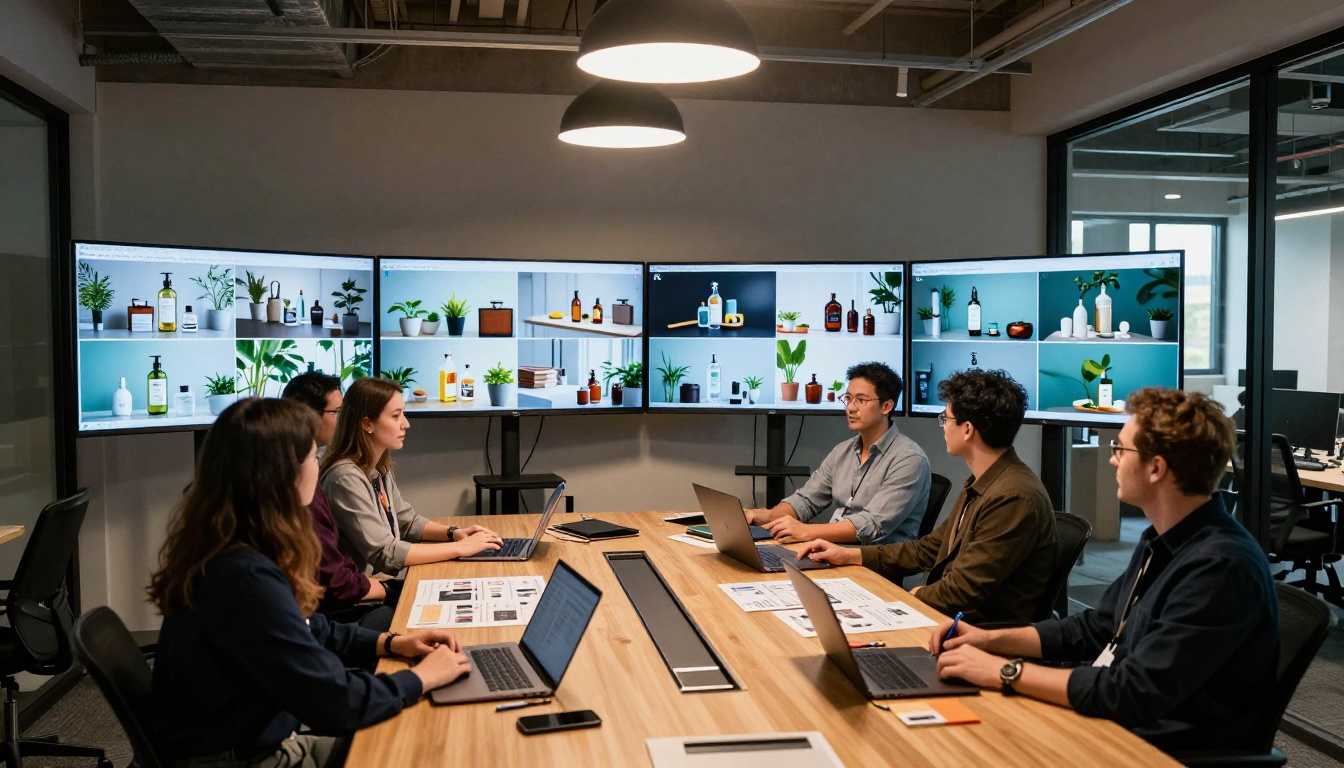
A performance marketer running a product launch campaign can take a creative brief, write three distinct prompt approaches, generate multiple video variants using Veo 3.1, review the outputs, and have first-cut options ready for team review within a single working day. That same process through a production company takes weeks from brief to delivery.
That compression of the creative cycle has real downstream effects. Teams can test earlier in a campaign window. They can iterate on what actually performs rather than what they assumed would perform. They can respond to trend windows and news cycles that would have closed before a traditional production wrapped.
For brands running always-on paid social, this represents a meaningful operational shift. The creative refresh cycle that used to happen quarterly can happen weekly without proportionally scaling the production budget.
Per-variation cost drops to near zero
The economics of AI video generation versus traditional production are not marginal. They're categorical. Generating a video ad variant with Veo 3.1 on a platform like PicassoIA costs a fraction of what a single day of location shooting costs.
| Ad Creative Method | Estimated Cost Per Variant | Time to First Cut |
|---|
| Traditional production shoot | $15,000 - $80,000 | 2-6 weeks |
| Freelance video production | $2,000 - $8,000 | 1-2 weeks |
| AI video generation (Veo 3.1) | Low per generation | Hours |
When the cost per variation is low, creative testing becomes viable at scales that traditional production could never support. A team can run 20 creative variants instead of two. They can test radically different visual directions instead of minor copy changes on the same footage. This is how performance creative at scale actually functions in practice.
Creative control production can't match
A film crew on location is committed to what's in front of the camera: the talent, the location, the weather, the available light. Changing any of those parameters after the fact means a reshoot.
Prompt-based video generation inverts this relationship. The creative director writes the scene. They specify the lighting, the subject's appearance, the camera angle, the motion, the atmosphere, the time of day. If the output isn't right, they adjust the prompt and regenerate. The iteration cost is low enough that this back-and-forth is practically viable.
A brand that needs its product featured in a specific seasonal setting, with specific lighting that matches its visual identity, at a specific camera angle, can write all of that into a prompt and iterate until the output is right. That level of specificity in traditional production costs extra. In AI video generation, it costs the same as any other generation.
Where Veo 3.1 Fits the Workflow

Concept and storyboarding phase
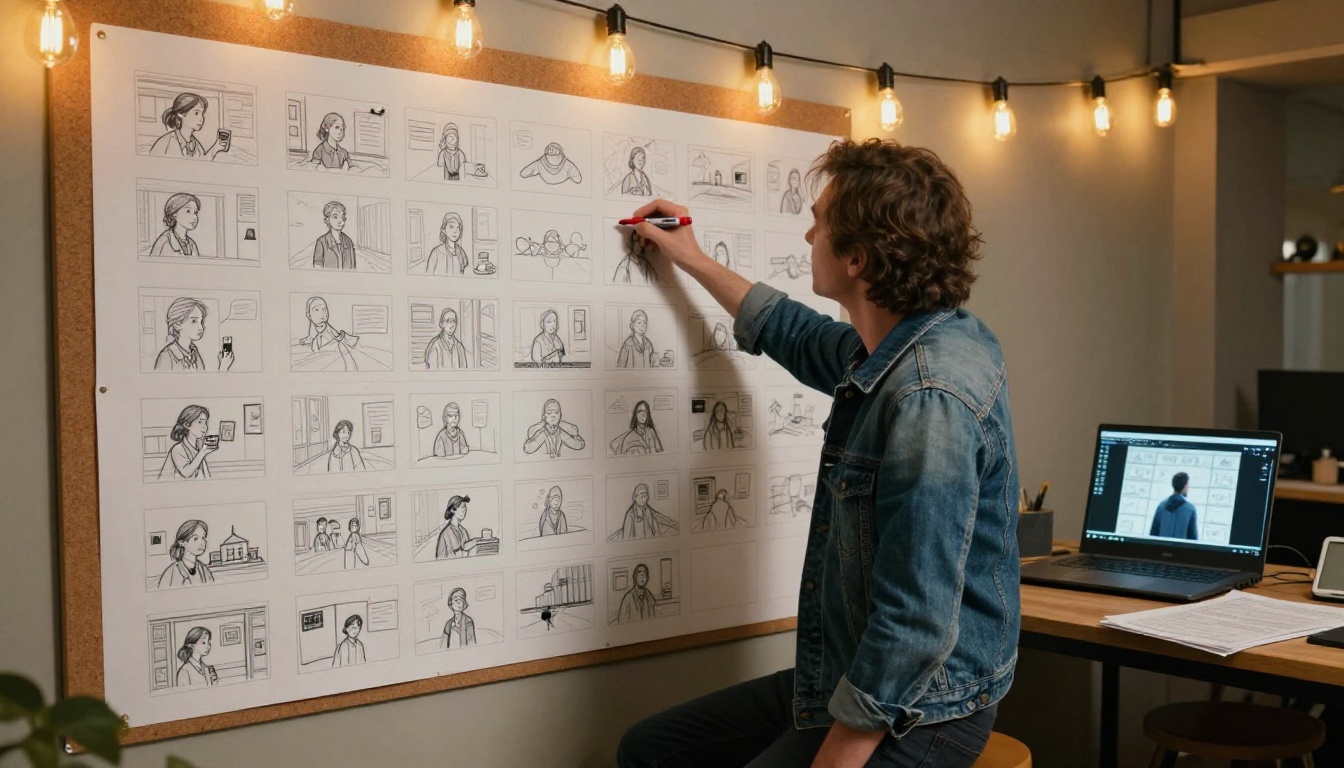
Before a team commits to a production approach, creative concepts need to be visualized and evaluated by stakeholders who don't think in static frames. AI-generated video is well-suited for this stage. Instead of mood boards and hand-drawn storyboards, teams can generate video approximations of creative concepts and evaluate how they actually move, how the pacing feels, and how the opening frame lands.
A brand considering three creative directions for a Q4 campaign can generate rough video interpretations of each using Veo 3.1 Fast, review them in a creative brief, and decide which direction merits full investment. Concepts that don't land get cut before production money gets committed.
This use case alone justifies integrating Veo 3.1 into the pre-production phase of any campaign that involves video.
Social and paid ad iterations
Where Veo 3.1 has the most immediate impact for most marketing teams is in social and paid advertising. Short-form video for Instagram, TikTok, and YouTube pre-roll requires volume to find what performs. Platform algorithms reward freshness. Performance data rewards testing.
Teams running paid video can use Veo 3.1 to generate a library of creative variants around a core campaign concept: different hooks, different product angles, different opening sequences. The variants that perform in early testing get more budget. The ones that don't get replaced with new generations. This creates a production loop that's genuinely new: continuous, data-informed creative iteration at the cost and speed that paid media optimization actually requires.
💡 For teams running high-volume testing rounds, Veo 3.1 Fast cuts generation time significantly. Use it for iteration, then run final deliverables through full Veo 3.1 for the assets that will actually run.
Using Veo 3.1 on PicassoIA
PicassoIA gives you direct access to Veo 3.1, Veo 3.1 Fast, and Veo 3.1 Lite without requiring API credentials, technical setup, or a Google Cloud account. Here's how to run your first ad creative generation:
Step 1: Write your creative prompt with specificity
The most important skill in AI video generation for ad creative is prompt construction. Specify the subject, the action or motion, the environment, the lighting conditions, and the camera angle. Vague prompts produce vague output.
Example prompt for a product lifestyle ad: "A woman in her early 30s holds a ceramic coffee mug at a sunlit kitchen counter. Morning light from a window to her left catches the steam rising from the cup. She looks out the window with a calm expression. Slow push-in camera movement over 5 seconds. Warm morning tones, photorealistic, 1080p."
Step 2: Select the right model for the task
- Veo 3.1: Final deliverables and review-ready output at 1080p with native audio.
- Veo 3.1 Fast: Rapid iteration rounds when evaluating multiple creative directions.
- Veo 3.1 Lite: Early concept exploration at maximum generation speed.
Step 3: Evaluate and refine the output
Review the generated video for motion quality, subject consistency, lighting match, and audio-visual synchronization. If something is off, adjust the specific part of the prompt causing the issue and regenerate. The iteration cost is low enough that running this loop four or five times is practical and worthwhile.
Step 4: Build a prompt library for your brand
Once you have a direction that works, generate variations by adjusting specific parameters: different lighting conditions, different camera angles, different opening frames. A single successful creative concept can yield a library of variants for paid testing without returning to the brief stage.
💡 PicassoIA also hosts Seedance 2.5, Ray 3.2, Kling v3, Sora 2, and Wan 2.7 T2V. Running the same creative brief across multiple models and comparing outputs is a practical way to find which model's aesthetic matches your brand's visual identity best.
What Marketers Are Getting Wrong
A tool, not a replacement
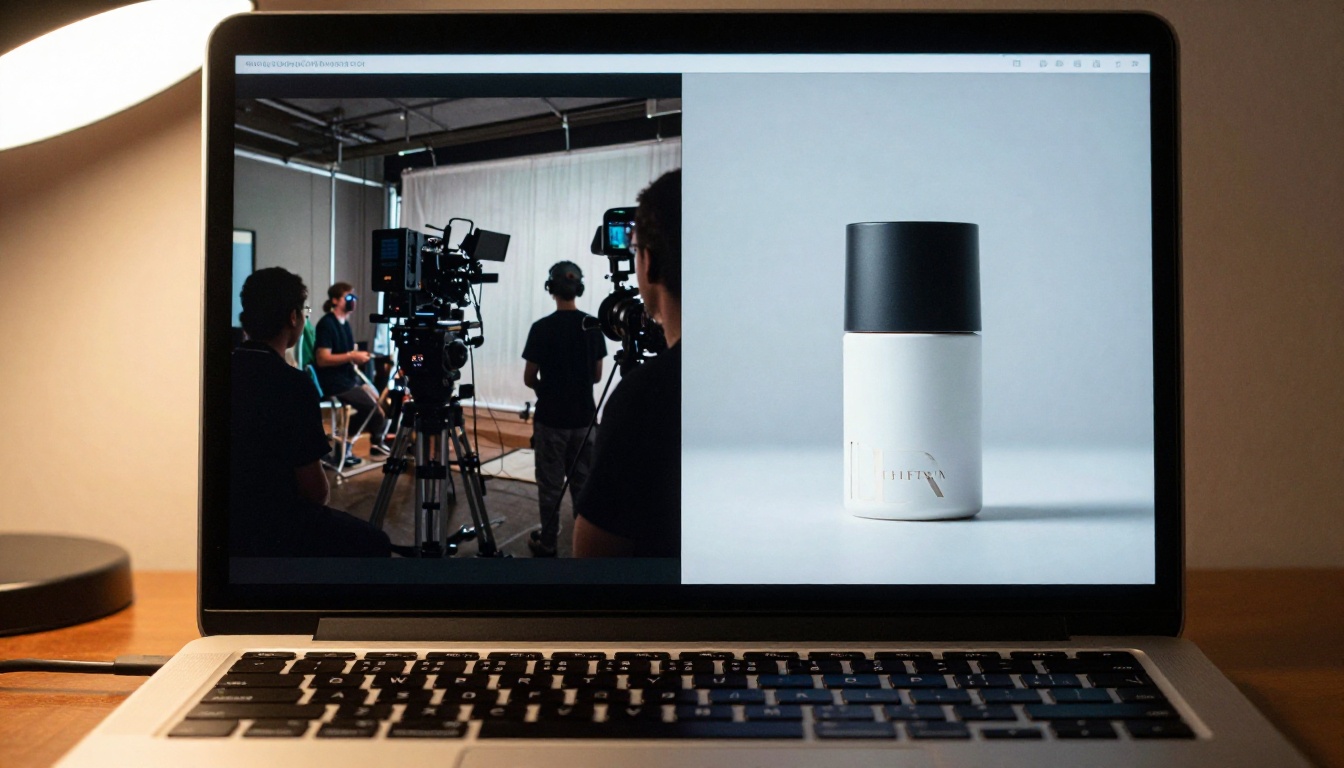
The teams getting the worst results from Veo 3.1 are the ones trying to replace their entire production workflow with it. AI video generation has clear strengths: iteration speed, cost efficiency, and creative flexibility at scale. It also has current limitations: complex multi-character interactions, precise branded product placement, and practical effects that require physical staging.
The teams getting the best results treat Veo 3.1 as a production accelerator, not a production replacement. They use it for concept development, rapid iteration, and high-volume testing. They bring traditional production in for executions that genuinely require it: specific contracted talent, complex practical elements, and brand environments with precise physical requirements.
This hybrid approach is where the real efficiency gains live. The objective isn't to eliminate production. It's to use production only where it's actually necessary.
Prompt quality matters more than thought
A mediocre prompt produces a mediocre video. The teams seeing strong results from Veo 3.1 invest in prompt development as a distinct creative skill. They write prompts with the same craft they'd bring to a director's brief: specific subject descriptions, specific lighting direction, specific camera movement, specific pacing notes.
Teams that don't get strong results tend to write prompts like search queries: short, vague, under-specified. "A product ad for a coffee brand" gives the model too little to work with. "A ceramic mug on a sun-drenched oak cafe table, steam rising, slow zoom-in from a low angle, warm morning light entering from the left, photorealistic" gives it what it needs to produce something usable.
Building a prompt library for your brand, with proven prompt patterns for different ad creative scenarios, is among the highest-leverage investments a marketing team can make right now.
Your Video Ads, Generated in Minutes
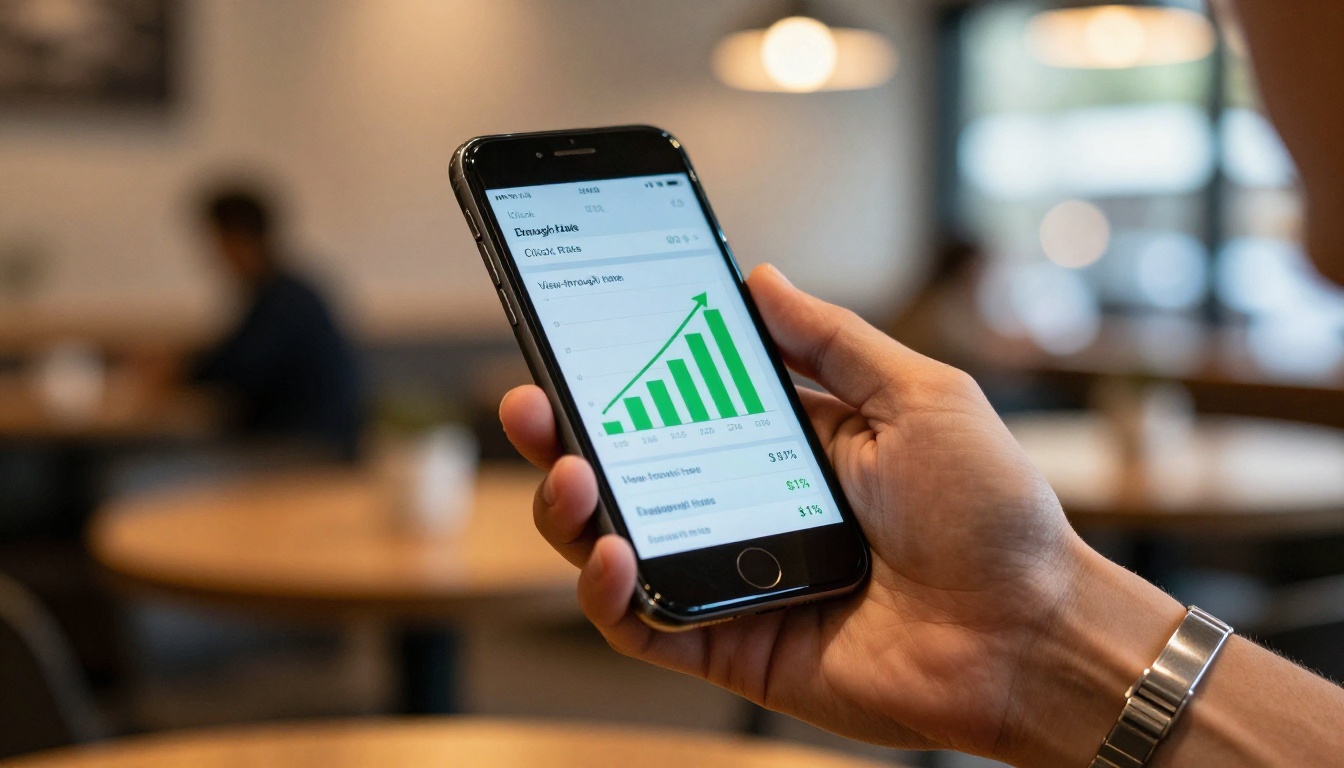
The production bottleneck that kept video ad creative out of reach for most teams is no longer a fixed constraint. Veo 3.1 has made it technically and economically practical for marketing teams to produce video at the volume and speed that modern ad platforms actually demand.
The teams adopting it now are building a capability advantage. They're testing more creative directions, learning faster from performance data, and spending production budgets only on executions that genuinely require them.
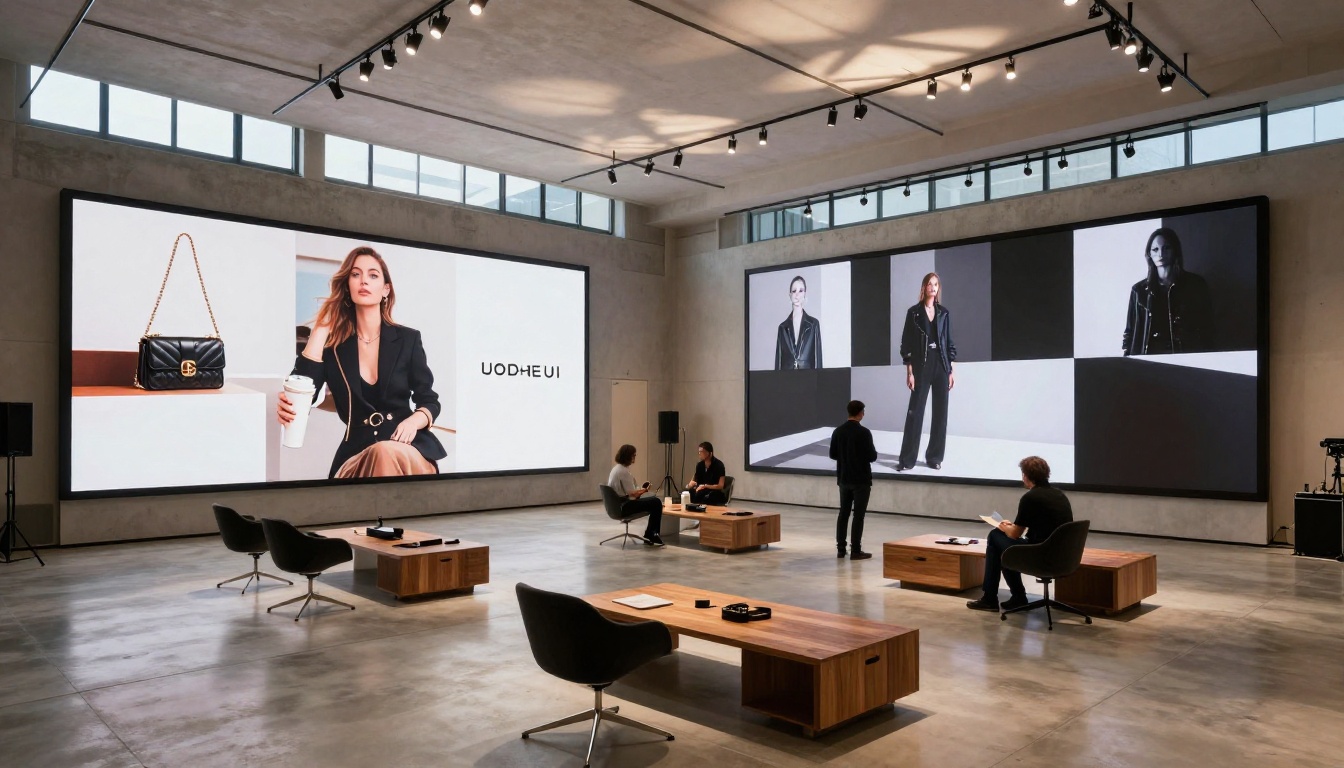
PicassoIA is the most direct place to start. Access Veo 3.1 alongside the full library of text-to-video models, including Seedance 2.5, Kling v3, Ray 3.2, Wan 2.7 T2V, Pixverse v6, and Hailuo 02, without any technical setup required. Write a prompt, select a model, and see what your next campaign could look like in the time it takes to schedule a production call.
Browse all available video generation models at picassoia.com/en/all-models.


