The sudden ubiquity of multimodal AI isn't accidental—it's the culmination of several converging technological breakthroughs that finally enable artificial intelligence to process the world as humans do: through multiple, simultaneous sensory inputs. Where single-modality AI specialized in text analysis or image recognition, modern systems integrate vision, language, audio, and video processing into unified models that understand context across different data types.
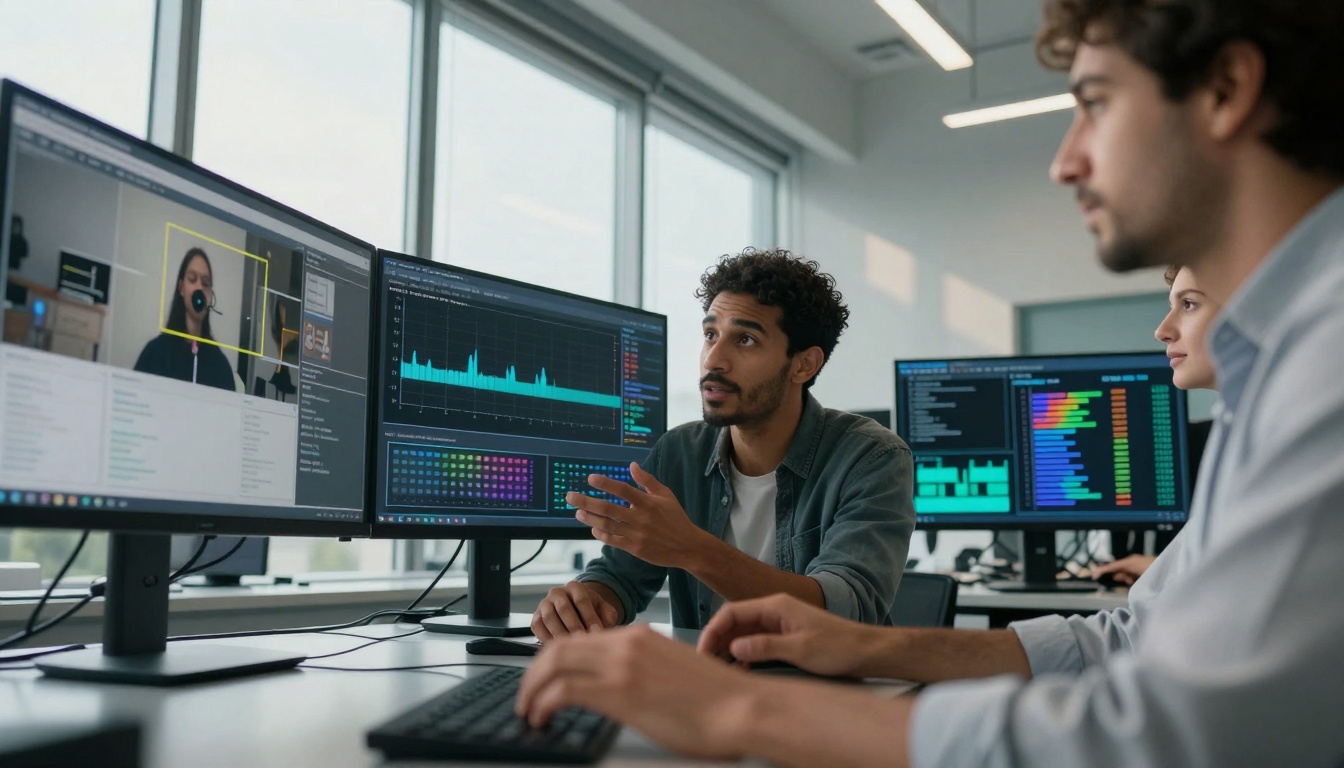
What Changed: The Technical Breakthroughs
Three critical developments explain why multimodal AI exploded when it did:
-
Transformer Architecture Evolution: The same attention mechanisms that revolutionized natural language processing were adapted for cross-modal tasks. Models like Google's Gemini 3 Pro and OpenAI's GPT-5.2 use modified transformer architectures that process different data types through shared embedding spaces.
-
Unified Training Data: Massive datasets containing aligned multimodal examples—images with captions, videos with transcripts, audio with text descriptions—became available at scale. This aligned training enables models to learn correlations between modalities.
-
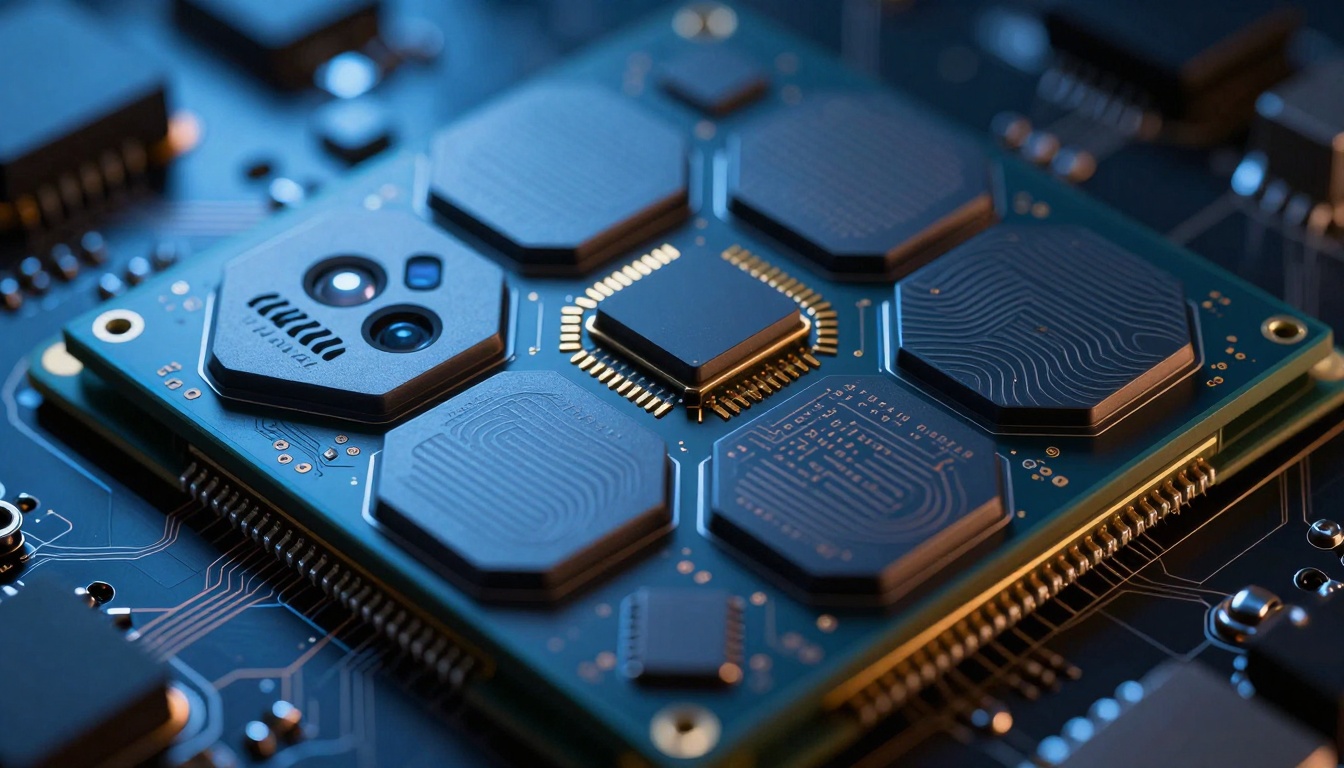
Specialized Hardware: New AI chips like the one shown here feature dedicated processing units for different modalities, enabling real-time multimodal inference.
💡 Cross-modal understanding means the model can answer questions about images it hasn't seen during training by applying general visual concepts learned from other images. This zero-shot capability is what makes multimodal AI so versatile.
Urban Infrastructure: Smart Cities Get Smarter
Municipal systems represent some of the most visible multimodal AI deployments. Traffic management now combines:
- Computer vision from intersection cameras tracking vehicle flow
- Audio analysis detecting emergency sirens or construction noise
- Text processing of traffic reports and social media updates
- Sensor data from connected vehicles and infrastructure
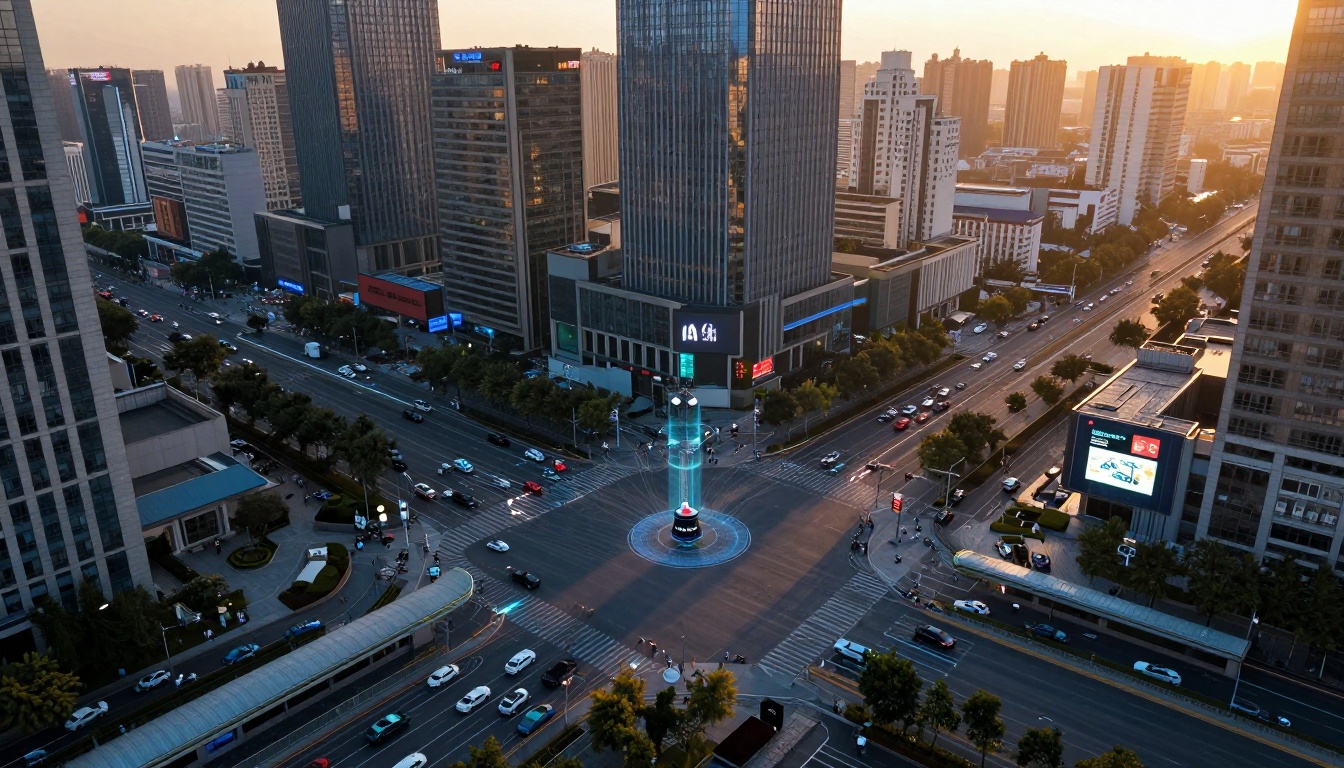
These integrated systems don't just monitor—they predict. By analyzing multiple data streams simultaneously, cities can anticipate traffic bottlenecks, optimize public transit routes in real-time, and deploy resources before problems escalate.
Medical AI illustrates multimodal integration's life-saving potential. Consider a diagnostic system that:
- Analyzes retinal scans for diabetic retinopathy markers
- Processes audio from digital stethoscopes for heart murmurs
- Reviews textual patient history for risk factors
- Integrates wearable sensor data for continuous monitoring
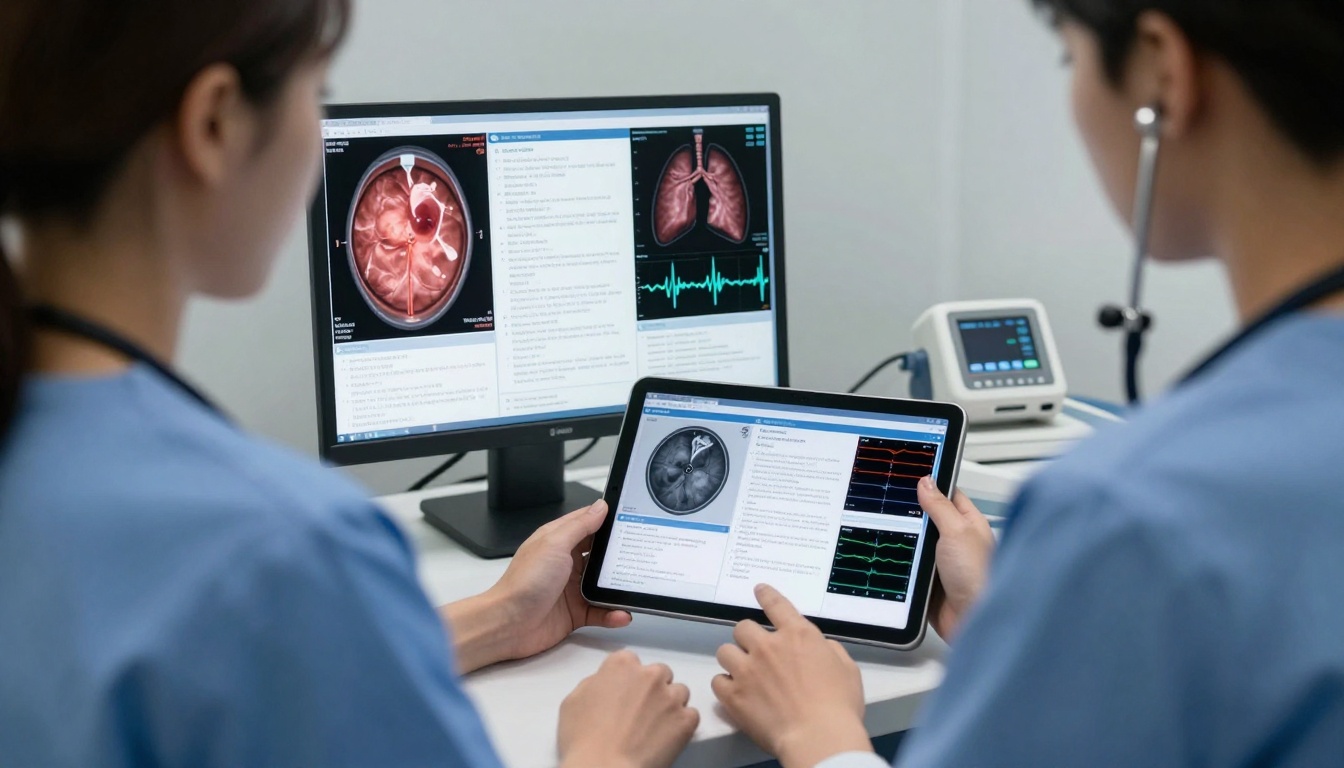
The multimodal approach provides what single-modality systems cannot: context. A slight abnormality in a scan becomes significant when combined with patient history and recent symptoms. This contextual understanding reduces false positives and accelerates accurate diagnosis.
Creative Industries: From Text Prompts to Complete Productions
Content creation represents the most accessible multimodal AI application. Platforms like PicassoIA offer tools that transform simple text prompts into complex multimedia:
| Modality | Example Tools | Output Capability |
|---|
| Text-to-Image | Flux 2 Pro, GPT Image 1.5 | Photorealistic scenes, product visuals, concept art |
| Text-to-Video | Kling v2.6, Veo 3.1 | Cinematic sequences, animations, explainer videos |
| Text-to-Audio | Speech 2.6 HD | Voiceovers, background scores, sound effects |
| Image-to-Video | WAN 2.6 I2V | Animated sequences from still images |
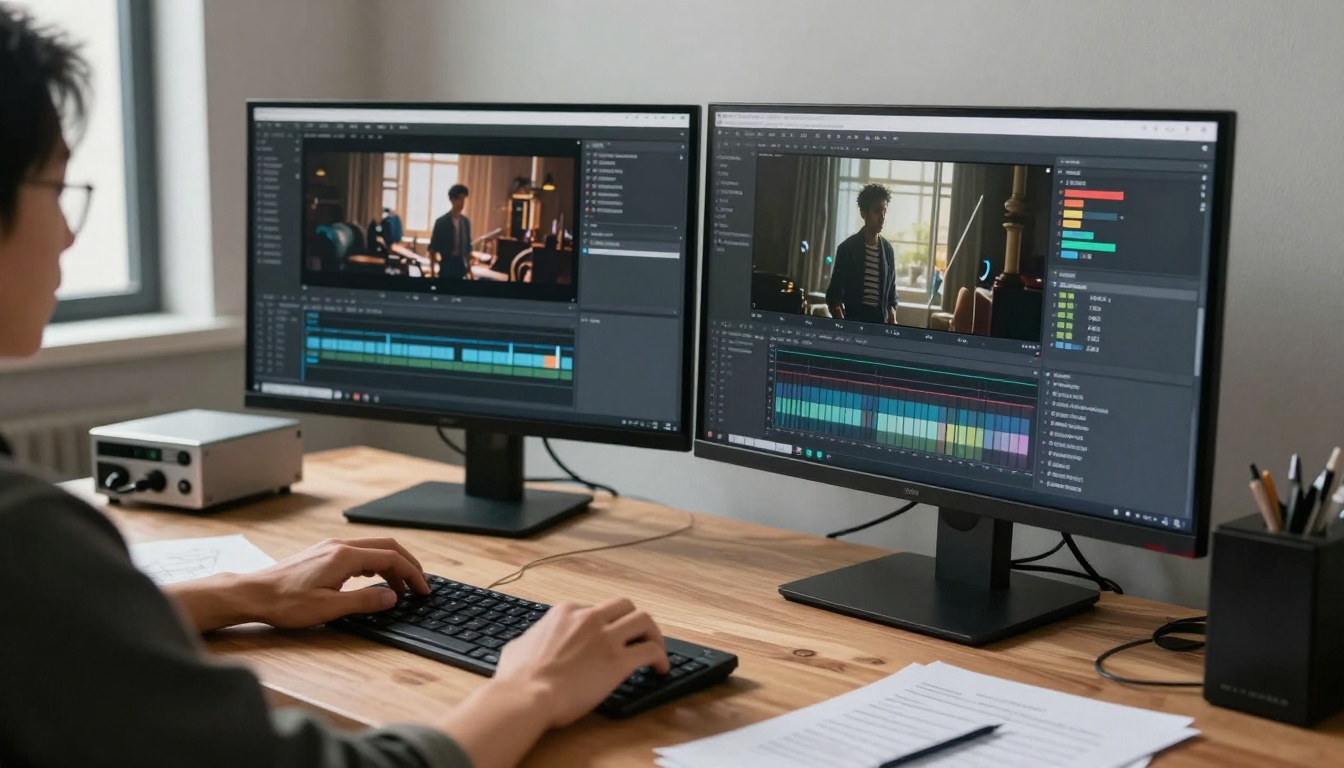
The workflow advantage is profound: a marketing team can generate coordinated campaign assets—social media images, video ads, audio jingles, and written copy—from a single creative brief, ensuring brand consistency across all channels.
Manufacturing: Quality Control with Multiple Sensors
Industrial applications demonstrate multimodal AI's precision. Automated inspection systems now combine:
- Computer vision for surface defects and dimensional accuracy
- Ultrasonic sensors for internal structural integrity
- Acoustic analysis for abnormal operational sounds
- Thermal imaging for heat distribution patterns
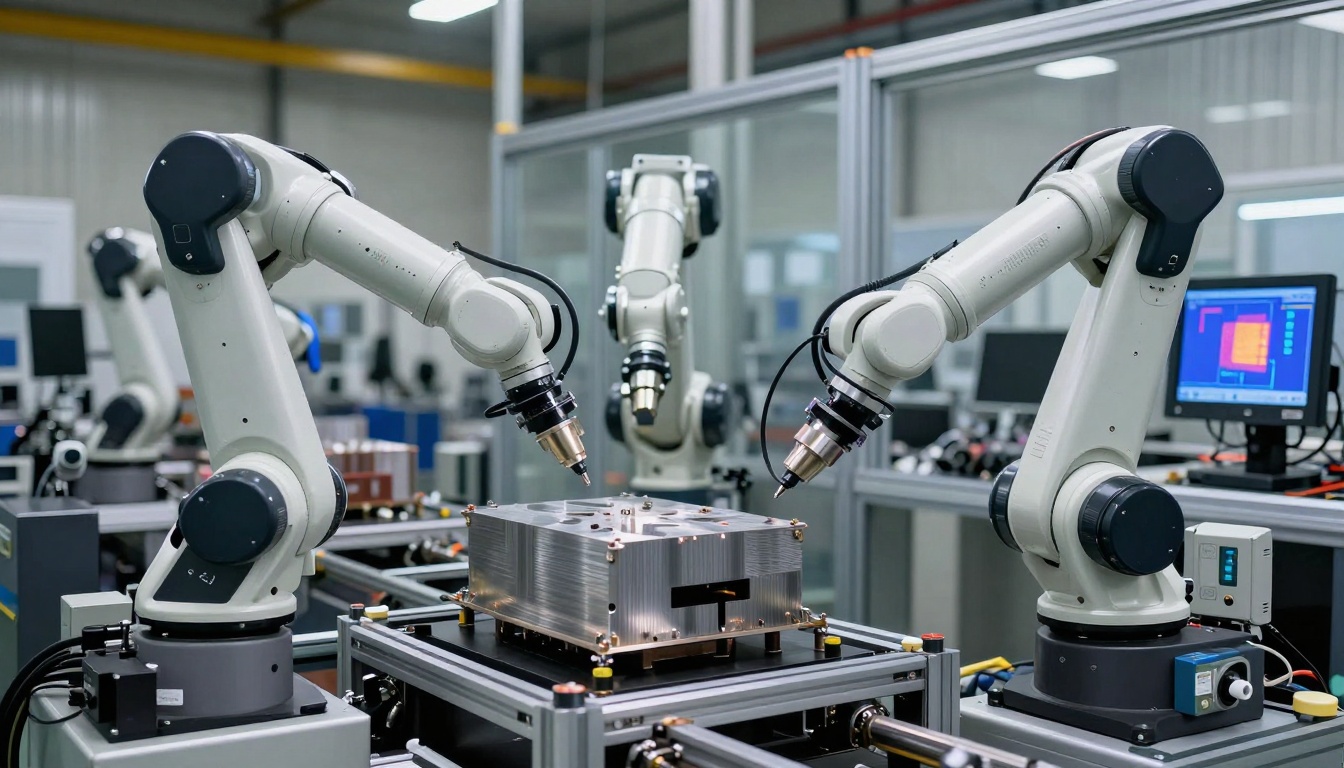
This multi-sensor approach catches defects that single-modality systems miss. A product might look perfect visually but have internal stress fractures detectable only through ultrasonic analysis, or produce abnormal sounds during operation that indicate assembly issues.
Education: Personalized Learning Through Multiple Channels
Educational technology leverages multimodal AI to accommodate different learning styles:
- Visual learners get enhanced diagrams and 3D models
- Auditory learners receive text-to-speech conversions with emphasis
- Reading/writing learners obtain structured text with annotations
- Kinesthetic learners interact with responsive simulations
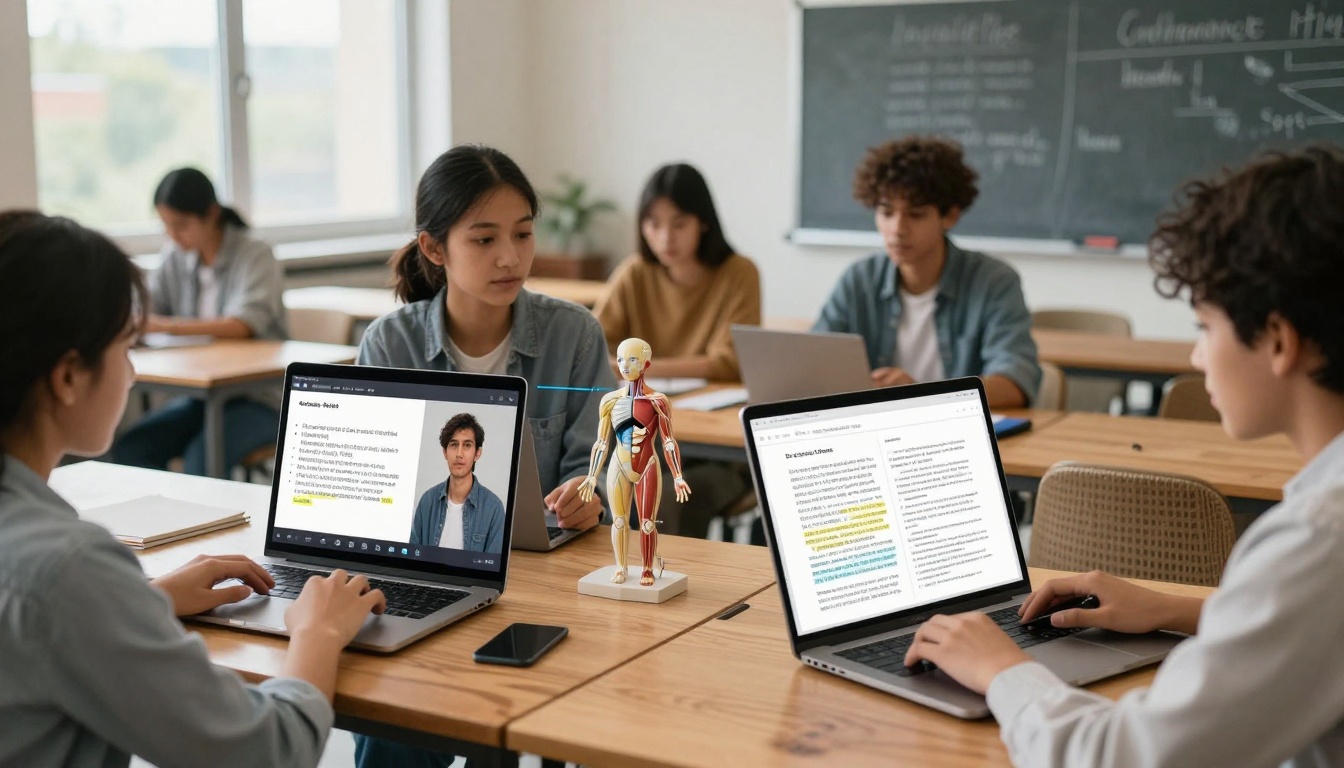
The system adapts in real-time: if a student struggles with textual explanations, it can generate visual aids. If they misunderstand a concept verbally, it can provide written examples. This adaptive, multimodal approach personalizes education at scale.
E-commerce and physical retail converge through multimodal AI:
- Visual search lets customers photograph items to find similar products
- Voice commerce enables natural language product queries
- Text analysis provides detailed specifications and comparisons
- Recommendation engines suggest items based on visual style preferences

The integration creates seamless experiences: a customer can show a photo of a desired style, ask verbal questions about material options, read detailed specifications, and receive personalized recommendations—all through a single interaction.
Technical Architecture: How Modalities Converge
Understanding multimodal AI requires examining its underlying architecture:
Early Fusion: Raw data from different modalities combined before processing
Late Fusion: Each modality processed separately, then results combined
Intermediate Fusion: Shared representations learned at multiple processing stages

Modern systems increasingly use cross-attention mechanisms that allow different modalities to influence each other during processing. For example, when analyzing a video with dialogue, the audio stream informs visual object recognition (helping identify who's speaking), while the visual context informs speech recognition (clarifying ambiguous words).
What makes multimodal AI "everywhere" isn't just the technology—it's accessibility. Platforms like PicassoIA provide:
1. Pre-trained Models: Ready-to-use multimodal systems requiring minimal setup
2. API Integration: Simple interfaces for embedding capabilities into applications
3. Cost-Effective Pricing: Pay-per-use models making advanced AI accessible
4. Specialized Tools: Domain-specific multimodal solutions for different industries
The availability of models like Claude 4.5 Sonnet for vision+text tasks and Seedance 1.5 Pro for video generation means developers don't need to build these complex systems from scratch.
Challenges and Considerations
Despite rapid adoption, multimodal AI faces ongoing challenges:
Data Alignment: Ensuring training data accurately pairs different modalities
Computational Cost: Processing multiple data types requires significant resources
Interpretability: Understanding why models make specific cross-modal connections
Bias Propagation: Biases in one modality can reinforce biases in others
💡 The alignment problem remains significant: if an image caption dataset contains cultural biases, those biases propagate through the multimodal model's understanding of both images and text.
The Human-AI Collaboration Paradigm
Multimodal AI excels not as replacement but as augmentation. The most effective implementations:
- Leverage human judgment for complex contextual decisions
- Use AI for pattern recognition across massive multimodal datasets
- Enable rapid iteration through AI-generated multimodal prototypes
- Facilitate communication through multimodal translation and synthesis
This collaborative approach recognizes that while AI processes multiple data streams efficiently, human expertise provides nuanced understanding of context, ethics, and creative direction.
Practical Implementation Steps
For organizations adopting multimodal AI:
-
Start with Specific Use Cases: Identify problems where multiple data types already exist (customer support logs with audio recordings, product images with descriptions)
-
Evaluate Platform Options: Compare specialized multimodal platforms against building custom solutions
-
Focus on Data Quality: Clean, aligned multimodal datasets yield better results than massive, messy collections
-
Iterate with Feedback Loops: Continuously refine based on how different modalities interact in practice
-
Measure Cross-modal Improvements: Track metrics specific to multimodal performance, not just individual modality accuracy
Future Trajectory: Where Multimodal AI Is Headed
Current trends suggest several developments:
More Modalities: Integration of tactile, olfactory, and physiological data
Real-time Adaptation: Systems that adjust modality focus based on context
Cross-cultural Capabilities: Models understanding cultural context across modalities
Energy Efficiency: Specialized hardware reducing multimodal processing costs
Edge Deployment: Local multimodal AI on devices rather than cloud dependency
The convergence isn't slowing—if anything, acceleration continues as more industries recognize the value of integrated, context-aware AI systems.
Getting Started with Multimodal AI
For those beginning their multimodal journey:
Explore Available Tools: Platforms like PicassoIA offer accessible starting points with models like GPT-5 series for text+vision tasks and Veo series for video generation.
Experiment with Simple Integrations: Start by combining existing single-modality systems rather than building complex multimodal models from scratch.
Focus on Practical Value: Implement multimodal solutions where they address clear pain points, not just for technological novelty.
Join Developer Communities: Multimodal AI evolves rapidly through shared experimentation and open-source contributions.
The ubiquity of multimodal AI reflects a fundamental shift: artificial intelligence is moving beyond specialized tools toward integrated systems that mirror human perceptual capabilities. This integration enables more sophisticated applications, from healthcare diagnostics that consider multiple data types to creative tools generating coordinated multimedia content. As platforms democratize access and specialized hardware reduces costs, multimodal AI's expansion across industries will continue—transforming how organizations process information, make decisions, and create value.


